Loading subject page…

- Finance
- Capital Budgeting
- Capital Budgeting Techniques
Micro-course: Capital Budgeting
6,069 views
Learn key concepts and earn your certificate.



















Capital Budgeting Techniques


00:00
01:24
Video Summary: What are Capital Budgeting Techniques
Major corporations like Amazon and Apple invest billions annually in capital projects, making capital budgeting techniques critical for strategic decision-making. Capital budgeting techniques provide executives with analytical frameworks to evaluate investment opportunities systematically, comparing options like Net Present Value, Internal Rate of Return, Payback Period, and Profitability Index. These methods enable leaders to quantify expected returns, assess risk profiles, and allocate resources effectively across competing initiatives. Watch the full video on JoVE Coach to master this concept with expert-led visuals and step-by-step explanations.
- Apply Net Present Value calculations to compare multi-year capital investments and determine which projects create the most shareholder value
- Evaluate Internal Rate of Return metrics to assess whether proposed investments exceed your company's cost of capital thresholds
- Analyze Payback Period timelines to identify projects that recover initial investments fastest, supporting cash flow management strategies
- Implement Profitability Index rankings to prioritize competing projects when capital resources are limited
- Compare different capital budgeting techniques to build comprehensive investment cases for board presentations
- Assess risk-adjusted returns using multiple evaluation methods to strengthen investment committee recommendations
- Leverage standardized capital budgeting frameworks to streamline decision-making processes across business units
- Identify optimal capital allocation strategies that balance growth opportunities with financial constraints
Understanding Capital Budgeting Techniques in Strategic Context
When McDonald's evaluates opening new restaurant locations or Walmart considers distribution center expansions, they rely on capital budgeting techniques to make data-driven investment decisions. These analytical methods transform subjective business hunches into quantifiable financial assessments, enabling executives to allocate scarce capital resources effectively across competing opportunities.
Net Present Value: The Gold Standard for Value Creation
Net Present Value (NPV) stands as the most theoretically sound capital budgeting technique, calculating the difference between an investment's present value of future cash flows and its initial cost. When Tesla decided to build its Austin Gigafactory, NPV analysis helped quantify the long-term value creation potential against the multi-billion-dollar upfront investment. A positive NPV indicates value creation for shareholders, while negative NPV suggests value destruction. The formula simplifies to: NPV = (Cash Flows ÷ (1 + Discount Rate)^Time Period) - Initial Investment.
Internal Rate of Return and Payback Period: Complementary Metrics
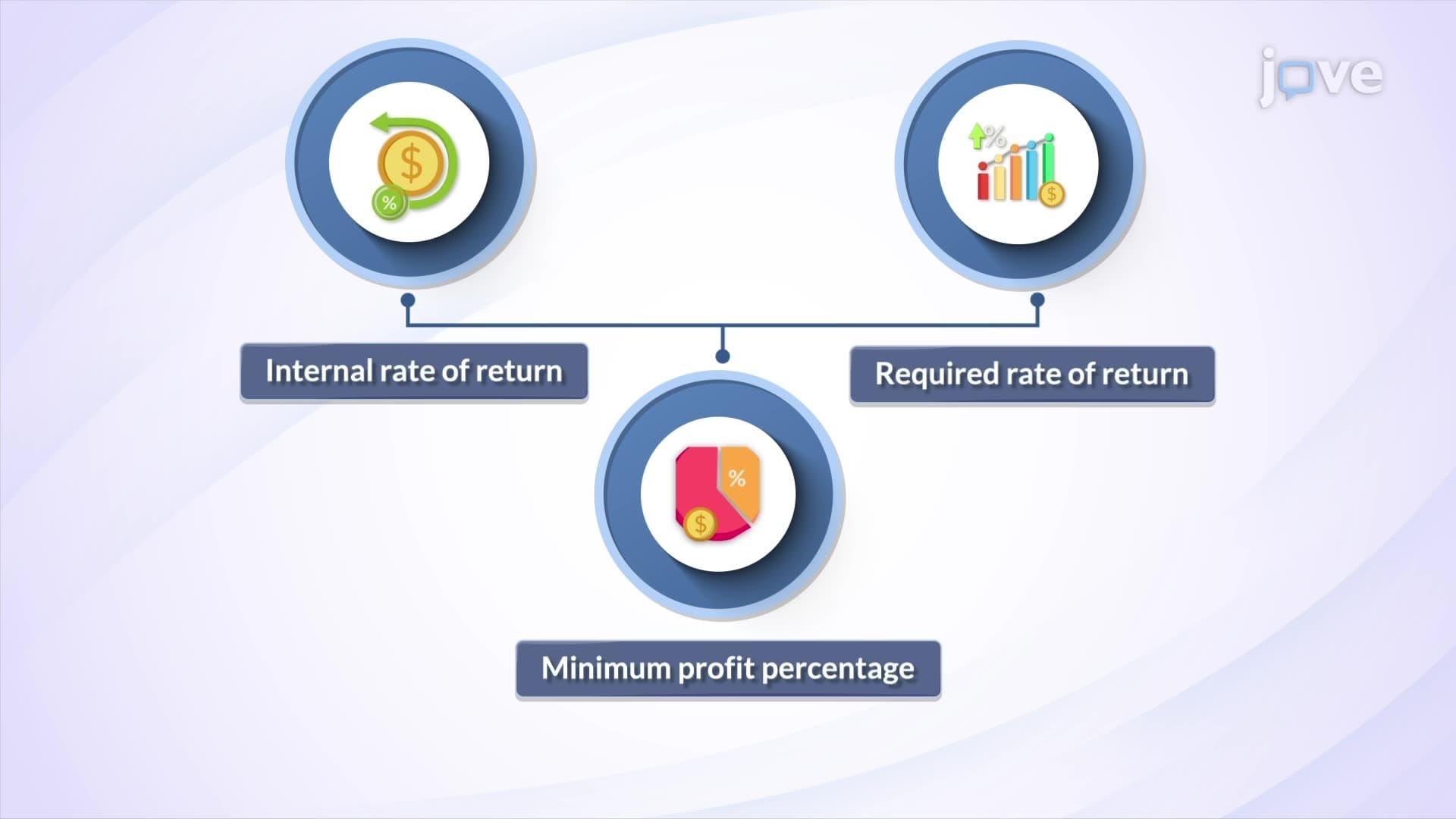
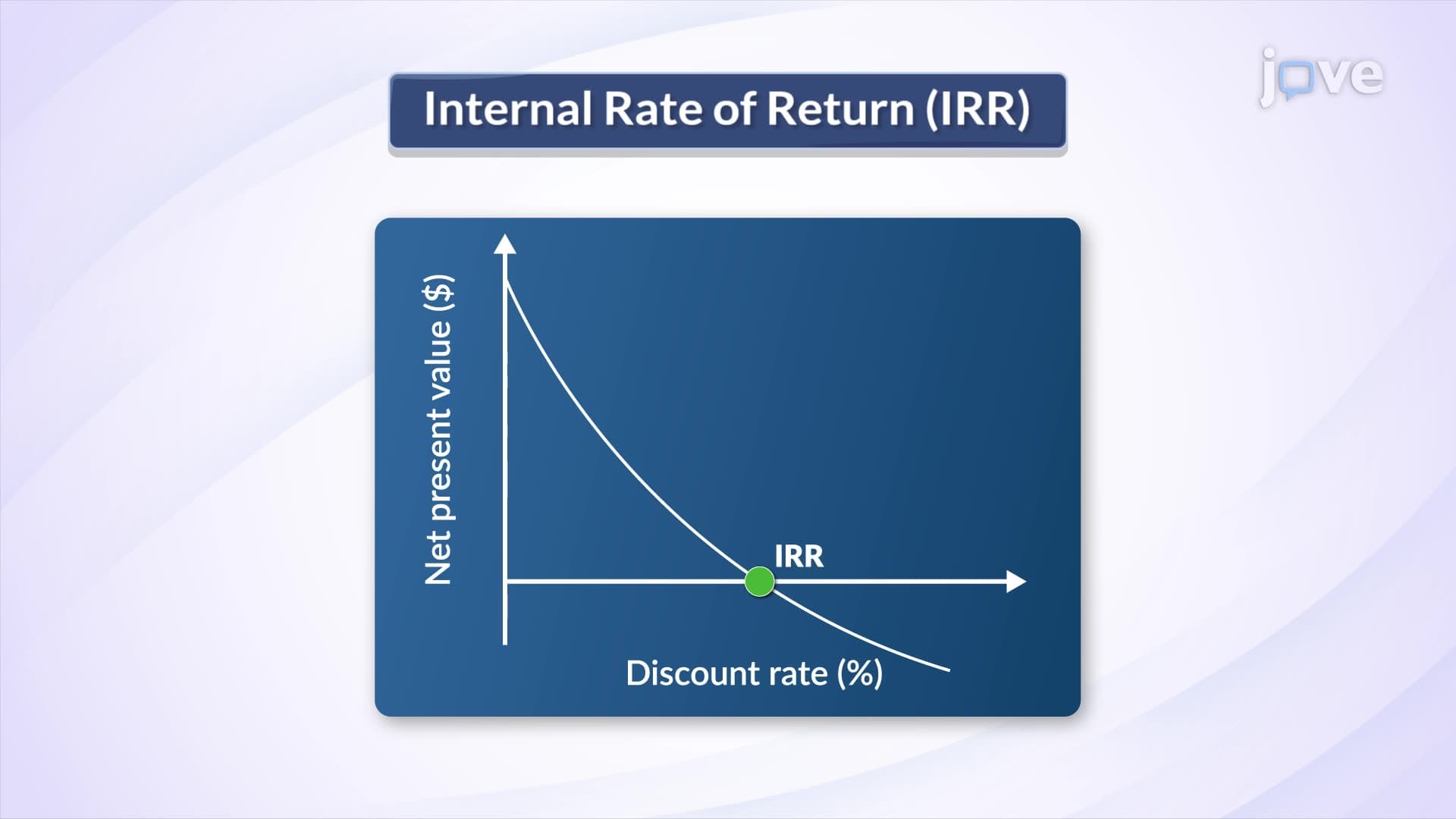
Internal Rate of Return (IRR) identifies the discount rate that makes NPV equal zero, essentially revealing an investment's break-even return threshold. Companies like Ford use IRR to compare new product development projects against their weighted average cost of capital. Meanwhile, Payback Period calculates recovery time for initial investments, crucial for cash-constrained businesses or industries with rapid technological obsolescence. Software companies particularly value quick payback periods given fast-changing technology landscapes.
Profitability Index: Optimizing Constrained Capital
The Profitability Index (PI) divides present value of future cash flows by initial investment, creating a ratio that enables direct comparison between projects of different scales. When General Electric faced capital constraints during restructuring, PI helped prioritize investments by ranking projects on value creation per dollar invested. This technique proves especially valuable during economic downturns when capital availability tightens across industries.
Frequently Asked Questions
Capital budgeting techniques are analytical methods that evaluate long-term investment opportunities using financial metrics. They provide objective frameworks for comparing projects, reducing decision-making bias, and ensuring capital allocation aligns with strategic objectives. These tools help executives justify investments to boards and stakeholders with quantifiable data.
Focus on NPV for value creation story, IRR for return comparison against cost of capital, and Payback Period for risk assessment. Present multiple scenarios (conservative, expected, optimistic) and highlight key assumptions. Frame results in strategic context rather than just numbers.
Use NPV when evaluating individual projects or when capital isn't constrained, as it shows absolute value creation. Apply Profitability Index when ranking multiple projects competing for limited capital, since it reveals value created per dollar invested. Many professionals use both metrics together for comprehensive analysis.
Starbucks evaluated drive-thru additions using payback period analysis to assess construction costs against incremental revenue streams. They calculated NPV of increased customer throughput and analyzed IRR against their hurdle rates for real estate investments, ultimately driving nationwide drive-thru expansion.
While basic financial literacy helps, most professionals can master these concepts with focused learning. Understanding time value of money, cash flow analysis, and discount rates provides sufficient foundation. Many successful executives rely on finance teams for complex calculations while maintaining conceptual understanding for decision-making.
These skills position you for senior leadership roles requiring resource allocation decisions. You'll contribute more effectively to strategic planning, budget reviews, and M&A discussions. Finance-adjacent roles particularly value these competencies for cross-functional collaboration with CFO organizations.
Consider studying weighted average cost of capital (WACC) for discount rate determination, scenario analysis for risk assessment, and real options valuation for strategic flexibility. Understanding these concepts creates comprehensive capital allocation expertise.
Related Micro-courses

10 Concepts

36 Concepts

16 Concepts