- Finance
- Leasing
Micro-courses:17

Leasing
1. Leases and Lease Types

2. Leasing vs. Buying
3. Operating Leases

4. Financial Leases
5. Tax-Advantaged Leases
6. Leveraged Leases

7. Sale and Leaseback Agreements
8. Accounting and Leasing
9. Taxes, the IRS, and Leases
10. The Cash Flows from Leasing
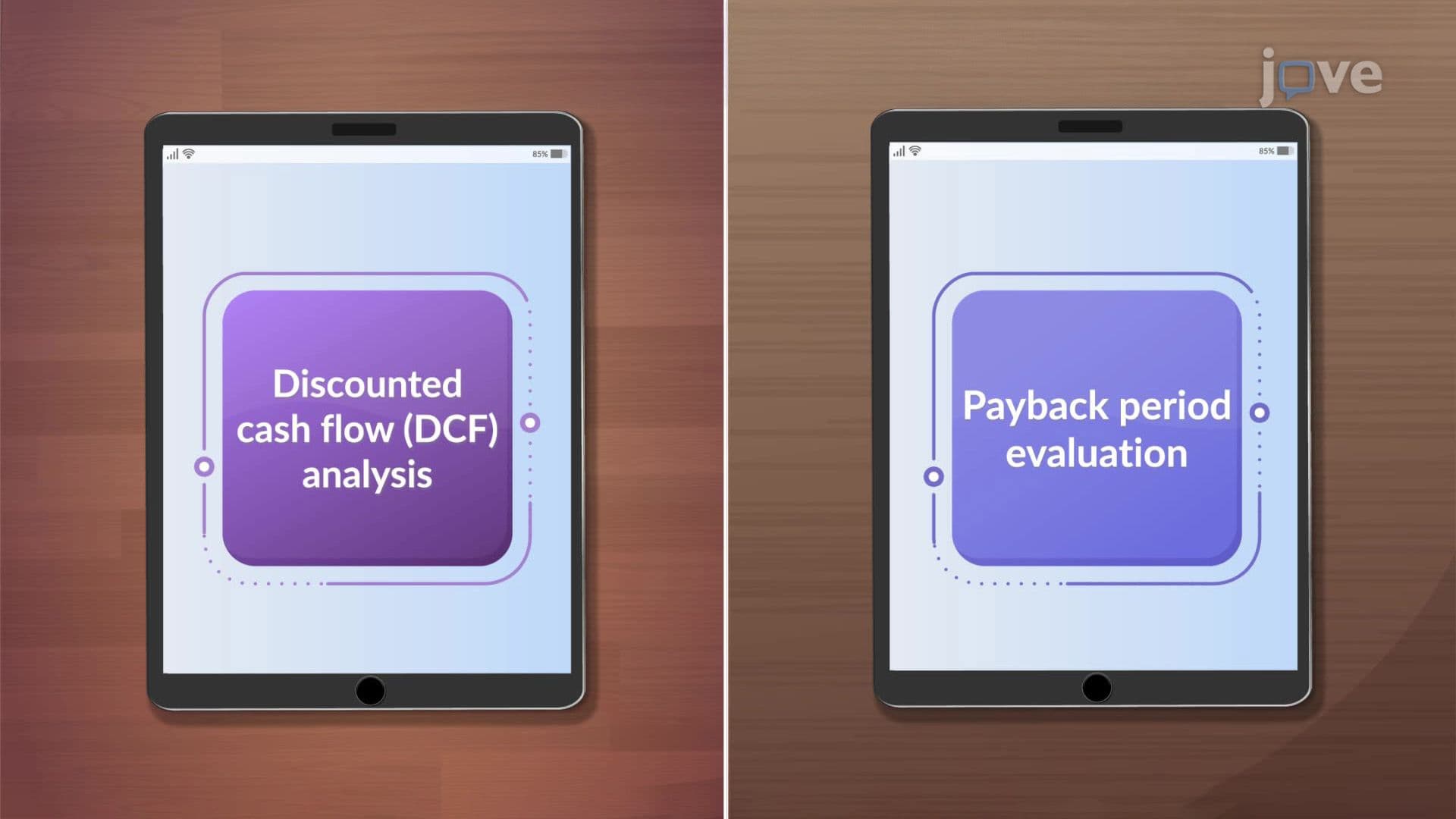
11. The Incremental Cash Flows
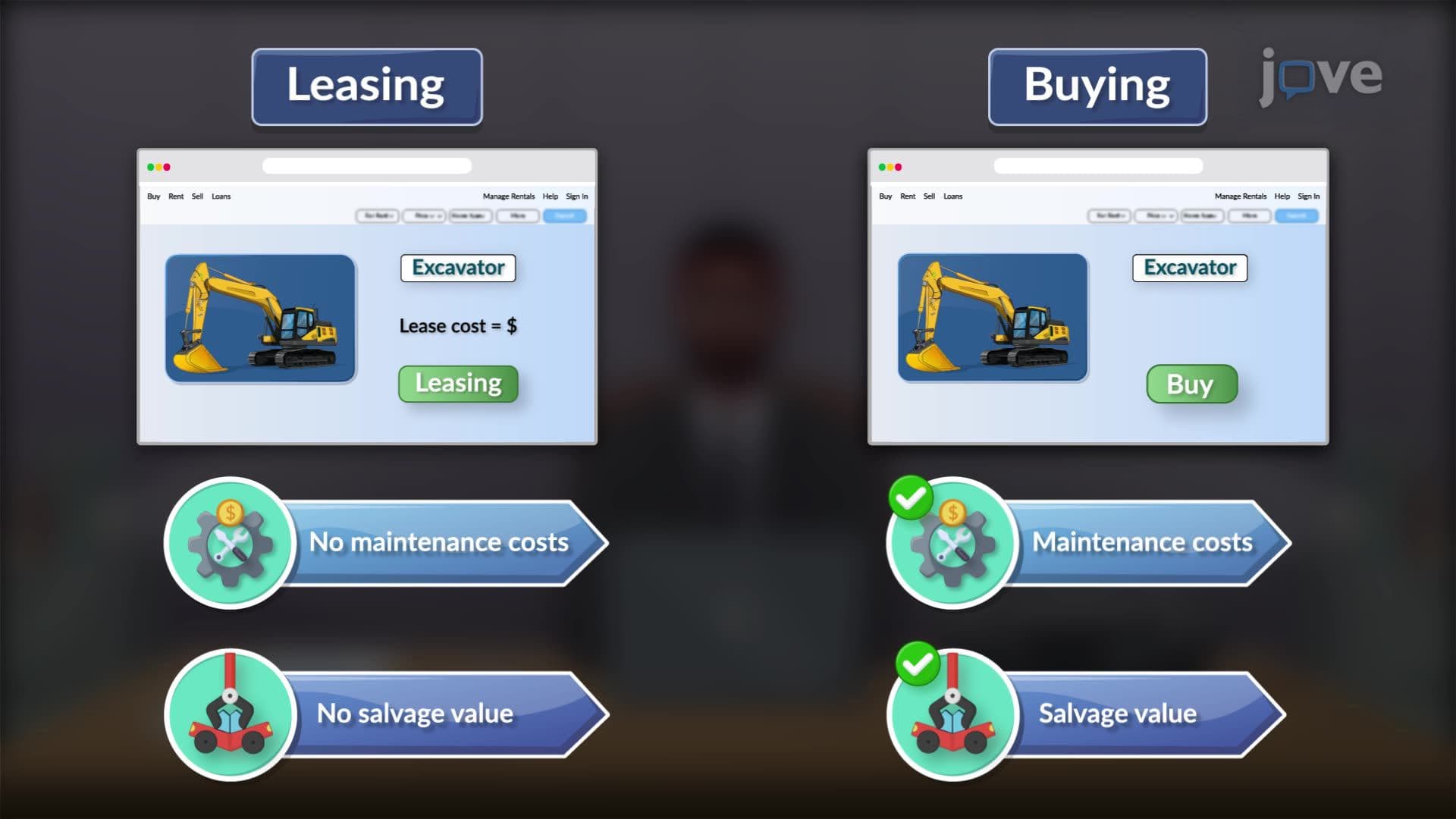
12. Financial Decision-Making in Leasing
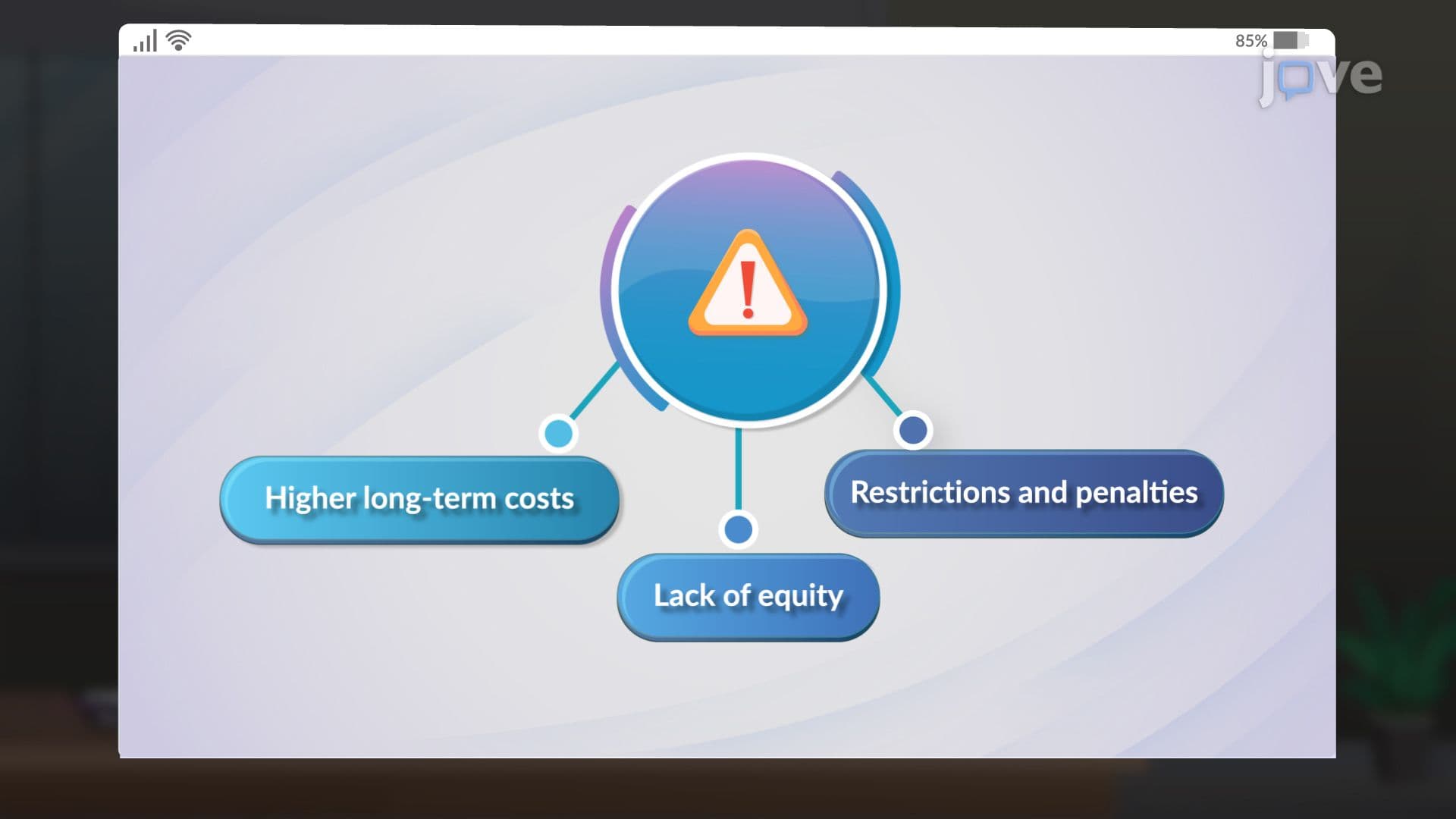
13. Three Potential Pitfalls
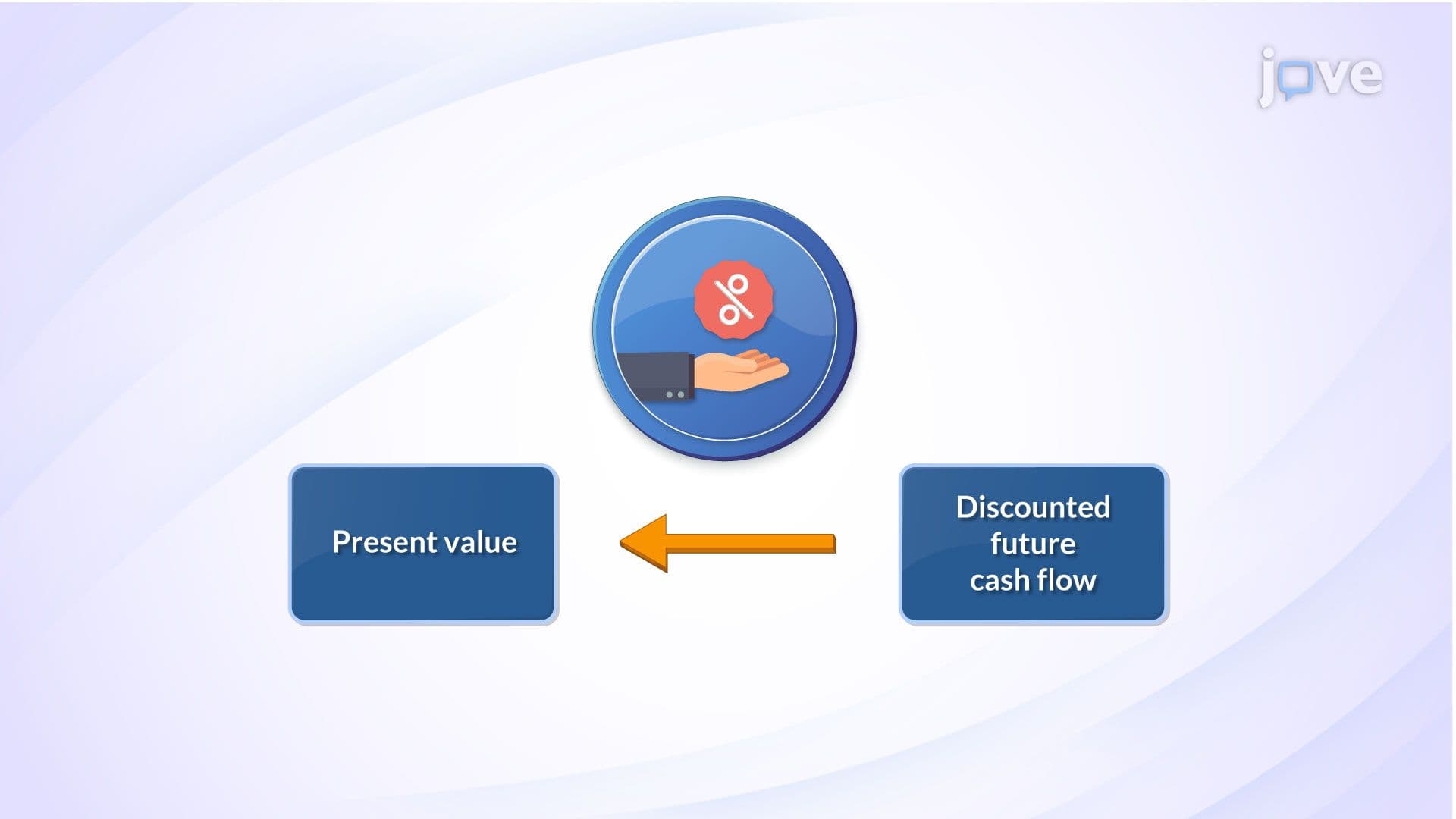
14. NPV Analysis
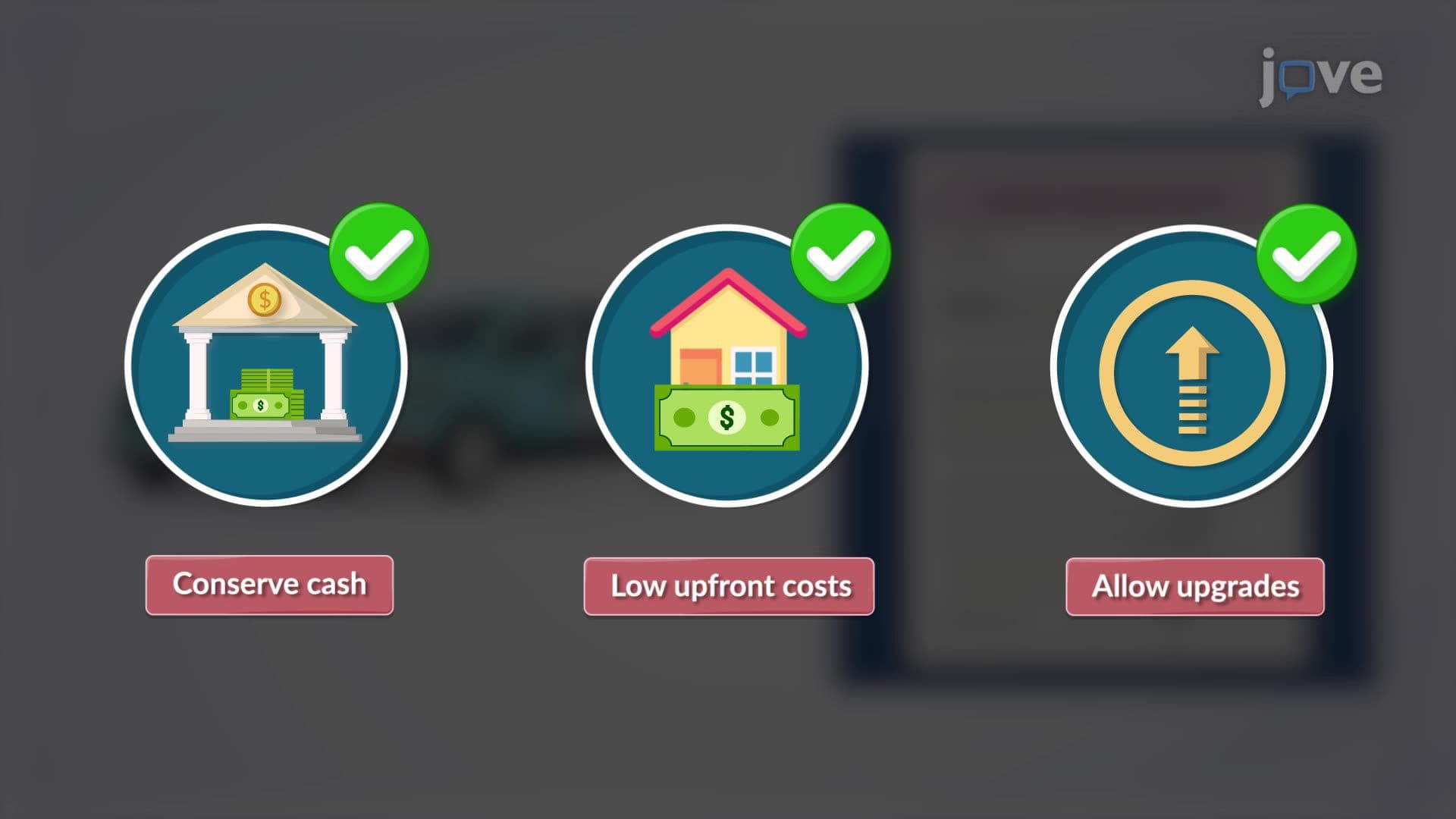
15. A Misconception in Financial Decision-Making: Leasing vs. Buying

16. A Leasing Paradox
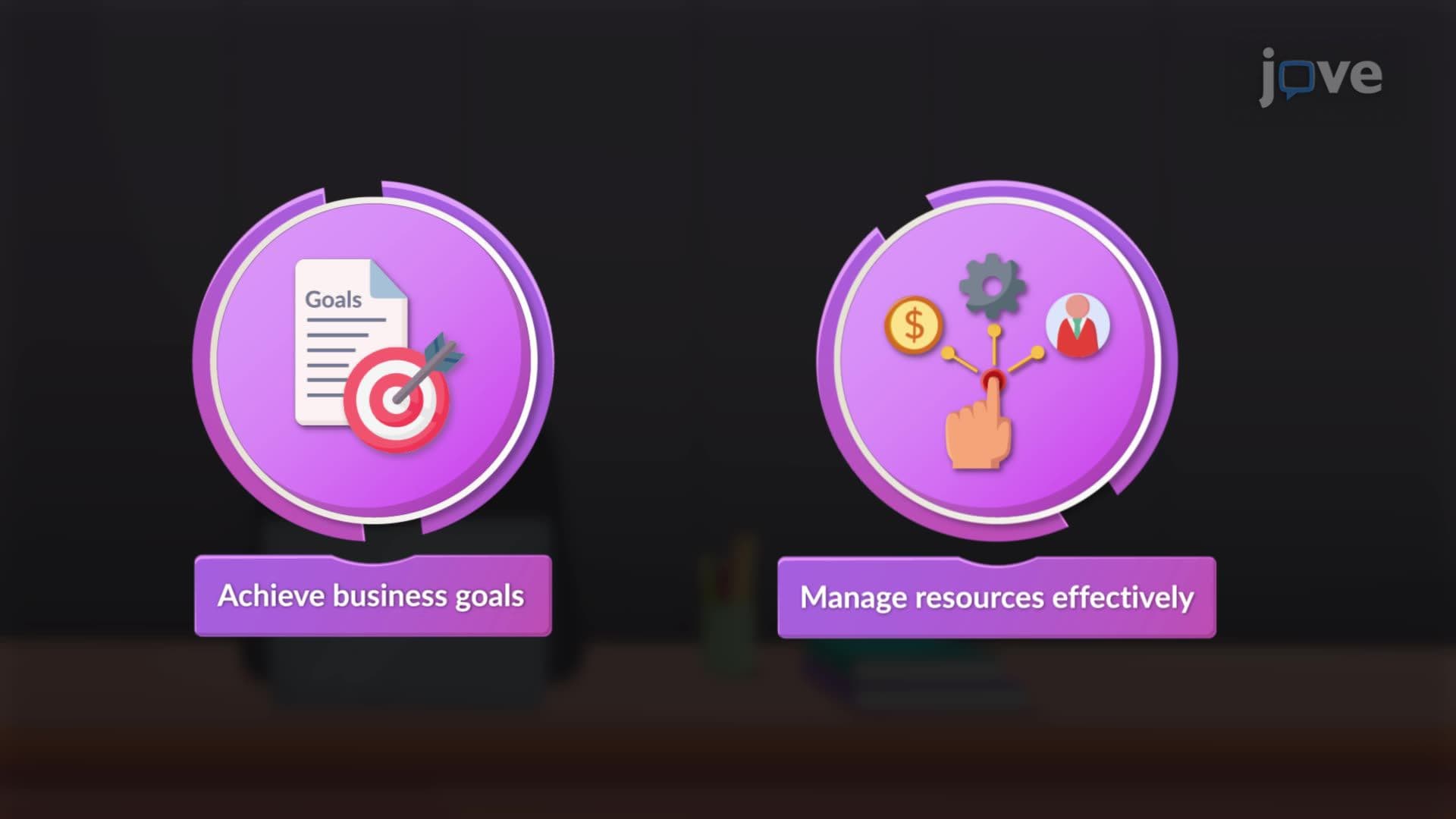
17. Reasons for Leasing
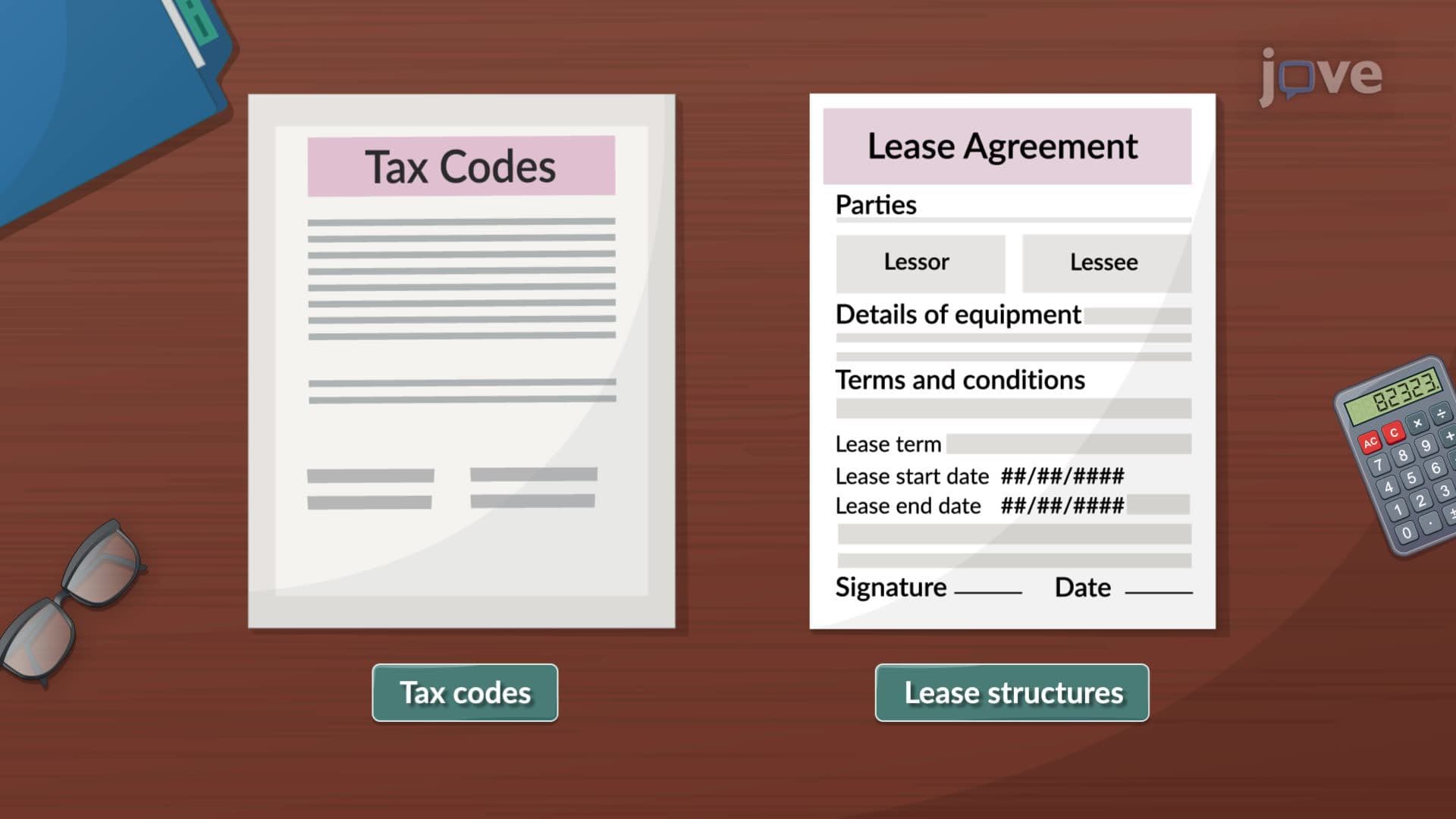
18. Tax Benefits in Leasing
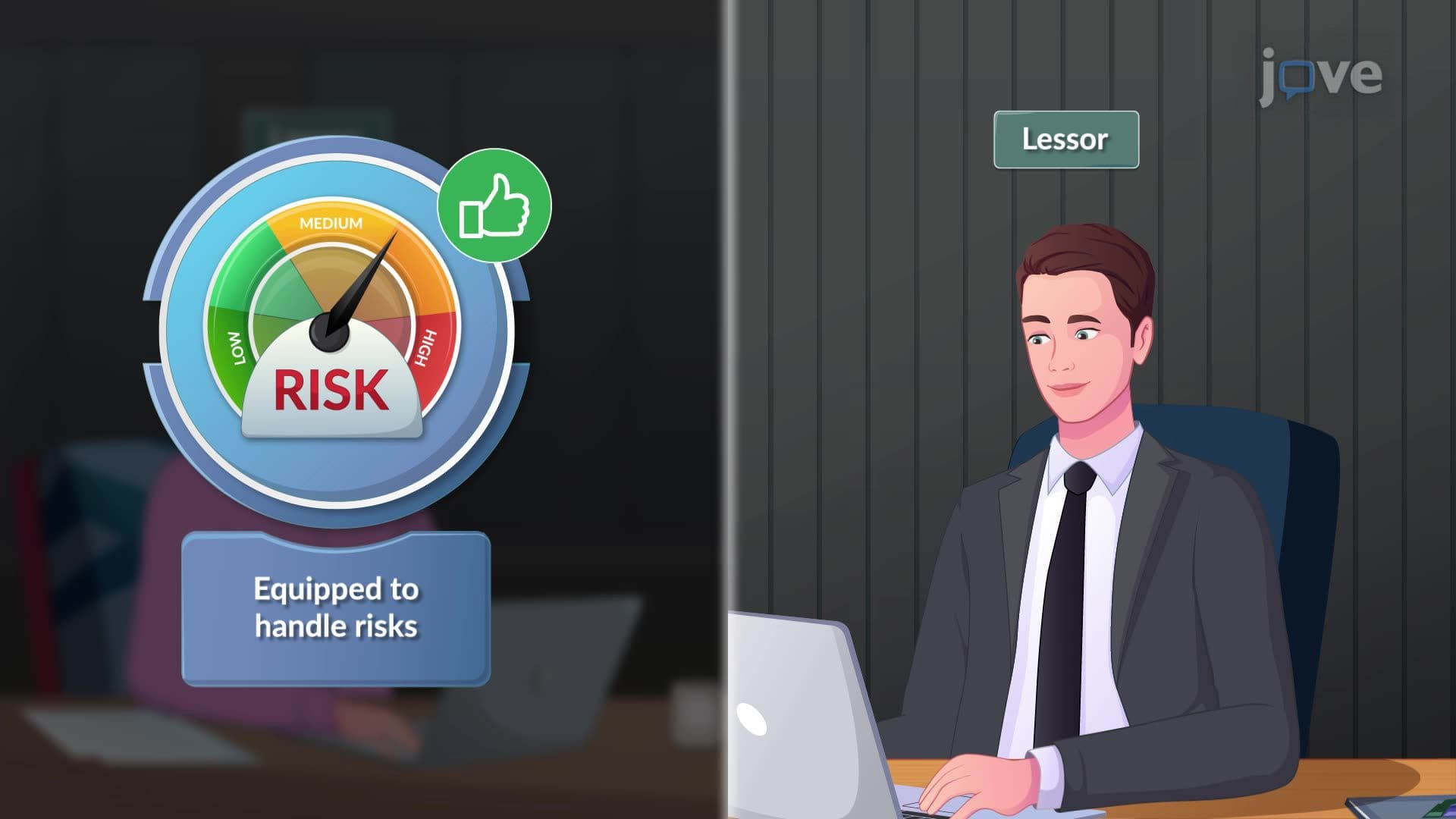
19. A Reduction of Uncertainty
20. Lower Transactions Costs
Leasing represents a critical financial strategy enabling businesses to access essential assets while preserving capital for growth opportunities. This comprehensive JoVE Coach micro-course examines leasing fundamentals, from operating and capital lease structures to complex arrangements like sale-leaseback transactions. Working professionals will master the analytical frameworks needed to evaluate lease vs buy decisions, understand tax implications, and implement leasing strategies that optimize cash flow. Real-world examples from Delta Air Lines, Albertsons, and other major US corporations demonstrate practical applications across industries.
- Apply Net Present Value (NPV) and Net Advantage to Leasing (NAL) methodologies to evaluate optimal asset financing decisions
- Analyze operating versus capital lease structures to determine the most advantageous arrangement for specific business scenarios
- Assess tax benefits and implications of different leasing arrangements, including depreciation advantages and deductible lease payments
- Evaluate sale-and-leaseback transactions as a capital optimization strategy for unlocking asset value while maintaining operational control
- Implement leveraged lease structures for high-value asset acquisitions using third-party financing arrangements
- Leverage leasing to reduce financial uncertainty and transfer residual value risks to specialized lessors
- Analyze incremental cash flows to make data-driven leasing versus purchasing decisions
- Apply IRS guidelines to ensure lease arrangements meet legitimate business purpose requirements and avoid tax avoidance penalties
1. Operating and Financial Lease Fundamentals Master the distinction between operating leases for short-term asset usage and financial leases that transfer ownership risks and rewards. Operating leases offer flexibility for assets like delivery vehicles or office equipment, while financial leases suit long-term commitments such as construction equipment or manufacturing machinery. Delta Air Lines exemplifies financial lease usage for aircraft management, treating planes as owned assets while spreading costs over multiple years. Understanding these differences enables optimal lease structure selection based on business duration, asset type, and strategic objectives.
2. Lease vs Buy Financial Analysis Develop comprehensive analytical frameworks for comparing leasing against purchasing decisions using NPV, NAL, and incremental cash flow methodologies. This analysis incorporates lease payments, tax benefits, maintenance costs, and residual values to determine the most cost-effective option. Consider upfront capital requirements, ongoing operational expenses, and long-term financial impacts. Small businesses often benefit from leasing computers for specific projects, avoiding large capital outlays while accessing current technology. The analysis must account for opportunity costs of capital deployment and strategic flexibility requirements.
3. Advanced Lease Structures and Arrangements Explore sophisticated leasing mechanisms including leveraged leases for high-value assets, tax-advantaged leases for optimizing tax benefits, and sale-leaseback agreements for capital optimization. Leveraged leases involve three-party arrangements with equity and debt financing for expensive assets like aircraft or real estate. Albertsons' 2017 sale-leaseback transaction unlocked $720 million while maintaining store operations, demonstrating strategic capital deployment. These structures require careful evaluation of risk allocation, tax implications, and long-term financial commitments to ensure alignment with corporate strategy.
4. Tax Implications and Compliance Requirements Navigate complex tax considerations including deductible lease payments, depreciation benefits, and IRS guidelines for legitimate business purposes. Tax-advantaged leases enable lessors to transfer depreciation benefits through reduced lease payments, creating win-win scenarios. Understanding the distinction between operating and capital lease tax treatment under current accounting standards ensures compliance and optimization. IRS guidelines prevent tax avoidance schemes by requiring genuine business purposes, asset control, and economic benefits. Proper tax planning maximizes advantages while avoiding penalties and audit risks.
5. Risk Management and Strategic Considerations Implement leasing as a risk management tool to transfer residual value uncertainty, reduce transaction costs, and maintain operational flexibility. Leasing protects against technology obsolescence in rapidly evolving industries while enabling access to specialized assets without significant capital commitments. However, businesses must evaluate potential pitfalls including higher long-term costs, lack of equity building, and contractual restrictions. Strategic leasing decisions consider cash flow preservation, upgrade flexibility, and alignment with business growth objectives to optimize financial performance.
Frequently Asked Questions
The lease vs buy decision hinges on cash flow requirements, asset utilization period, tax implications, and strategic flexibility needs. Consider upfront capital availability, maintenance responsibilities, residual value risk, and upgrade requirements. Leasing preserves cash for core business investments while purchasing builds equity and offers long-term cost advantages for assets used throughout their useful life.
Operating leases function like rentals with shorter terms, lower costs, and lessor-retained ownership, making them ideal for frequently upgraded assets like technology or vehicles. Capital leases transfer ownership risks and rewards to the lessee, requiring balance sheet recognition and suited for long-term asset commitments. The choice impacts financial reporting, tax treatment, and operational flexibility significantly.
Sale-leaseback arrangements unlock capital from owned assets while maintaining operational control, making them valuable for companies needing liquidity without disrupting operations. This strategy works best for appreciating real estate or essential operational assets where continued use is critical. Companies should evaluate long-term lease obligations against immediate capital needs and alternative financing costs.
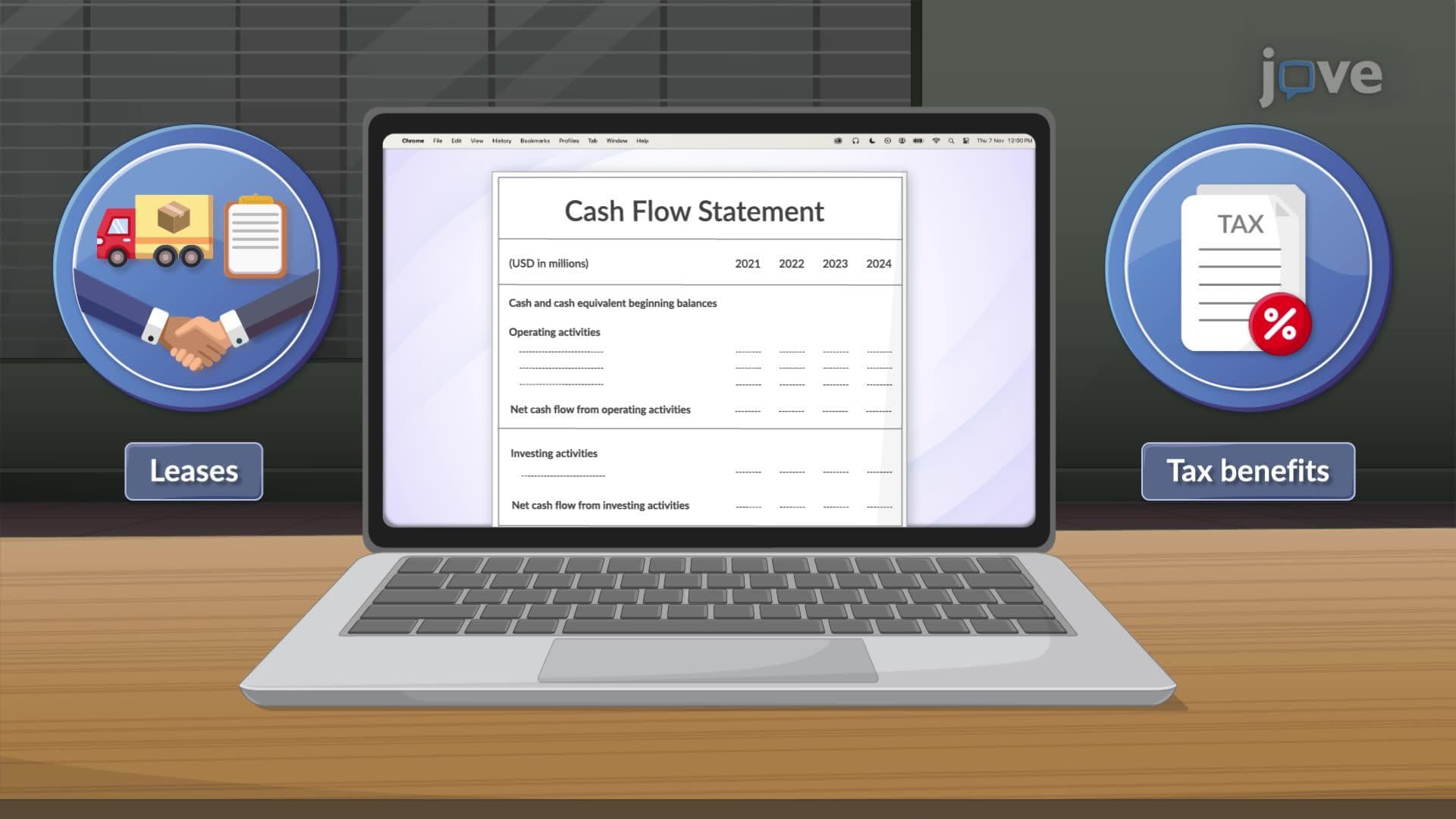
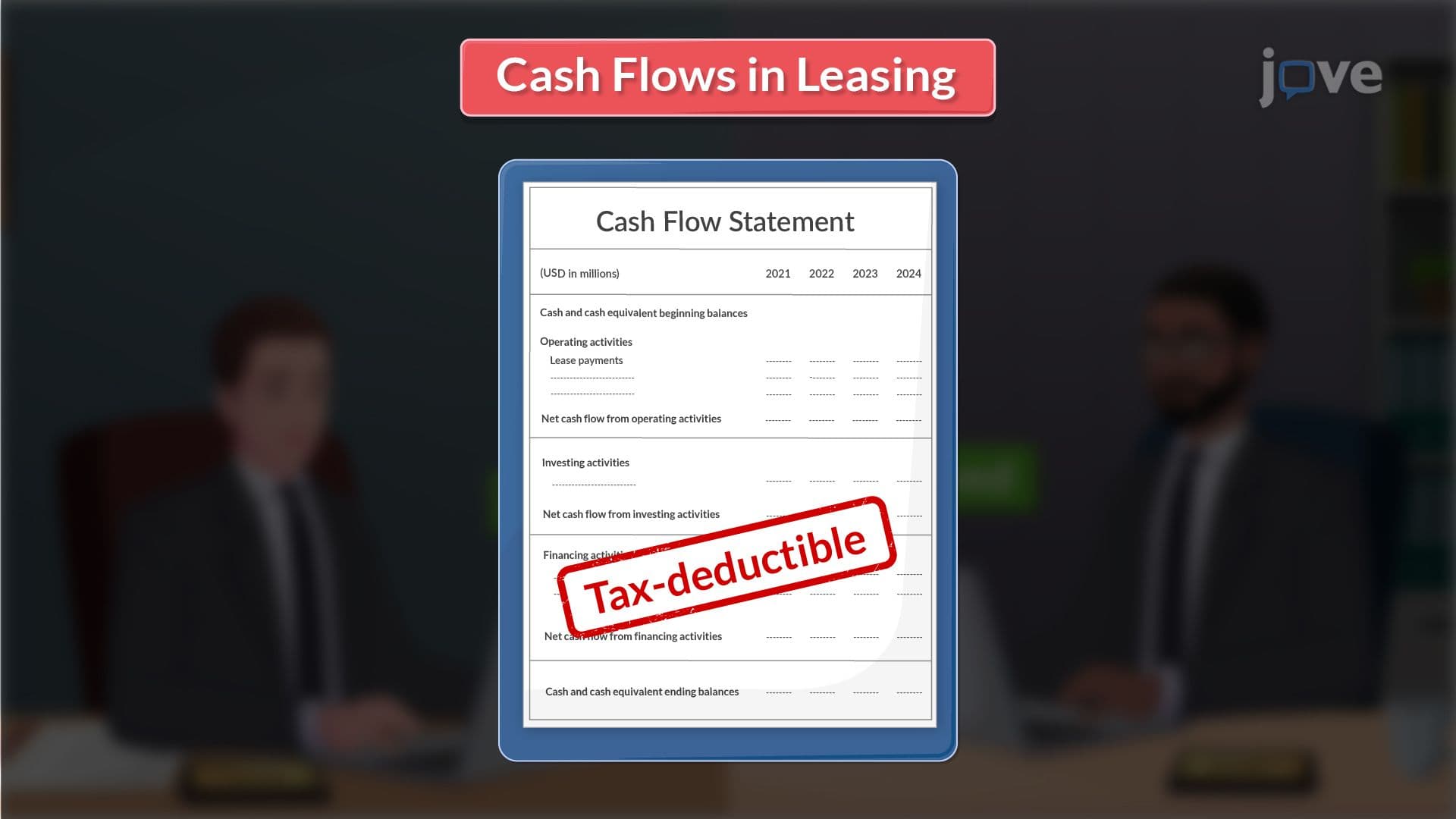
Leasing offers tax benefits through deductible lease payments for operating leases, while capital leases provide depreciation and interest deductions. Tax-advantaged leases enable sharing depreciation benefits between lessor and lessee when tax rates differ significantly. Proper lease structuring can optimize timing of deductions and reduce overall tax liability while maintaining compliance with IRS guidelines.
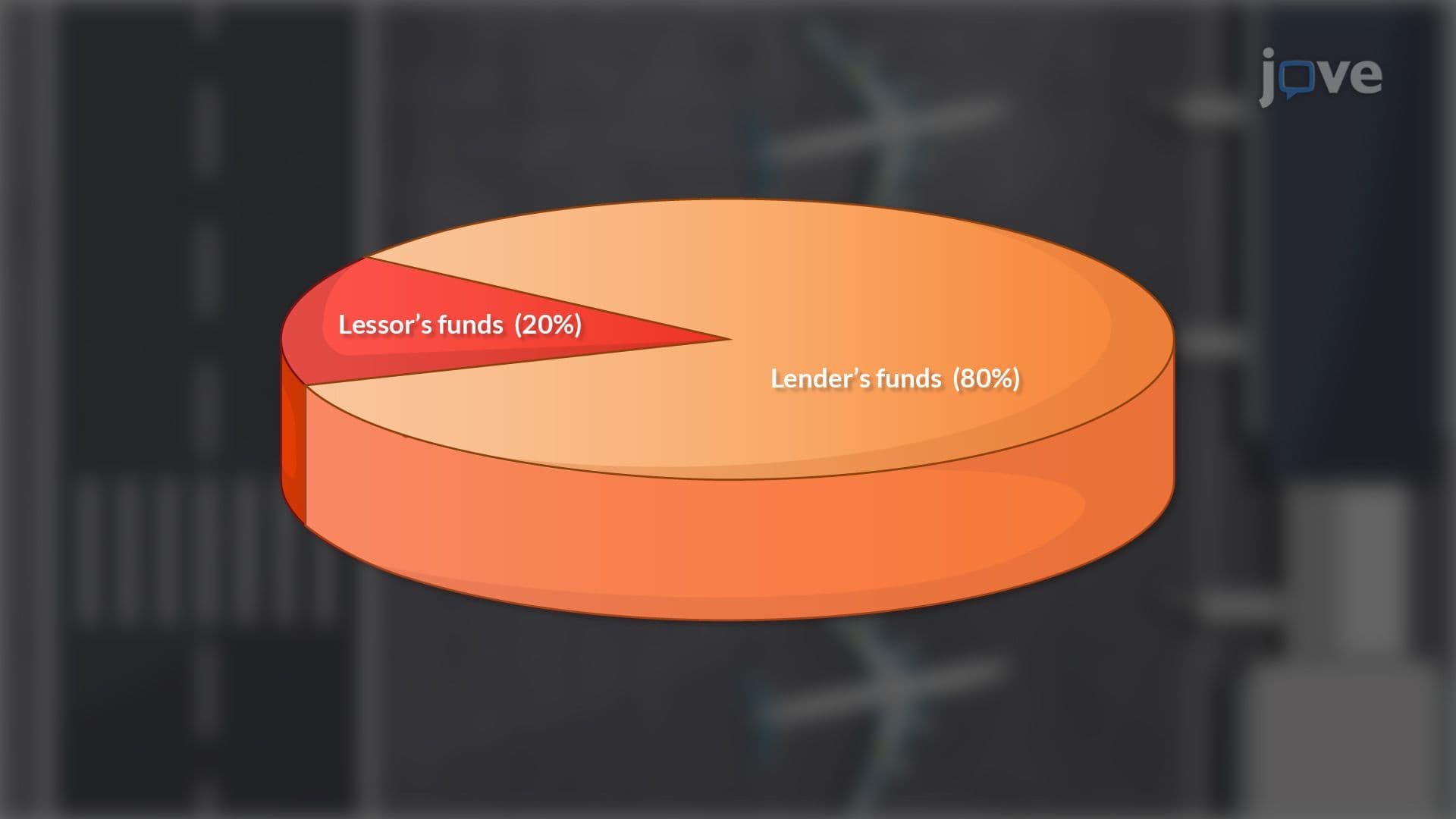
Leveraged leases involve three parties: lessor providing equity, lender supplying non-recourse debt, and lessee making payments. The lessor finances typically 20-30% while lenders provide 70-80% secured by the asset and lease payments. This structure enables access to expensive assets like aircraft or specialized equipment while sharing risks among parties and optimizing tax benefits through depreciation and interest deductions.
Leasing risks include potentially higher long-term costs, lack of equity building, usage restrictions, and early termination penalties. Lessees don't benefit from asset appreciation and must comply with maintenance and usage requirements. However, leasing transfers residual value risk, provides upgrade flexibility, and preserves capital for other investments, making risk-reward evaluation essential for each situation.
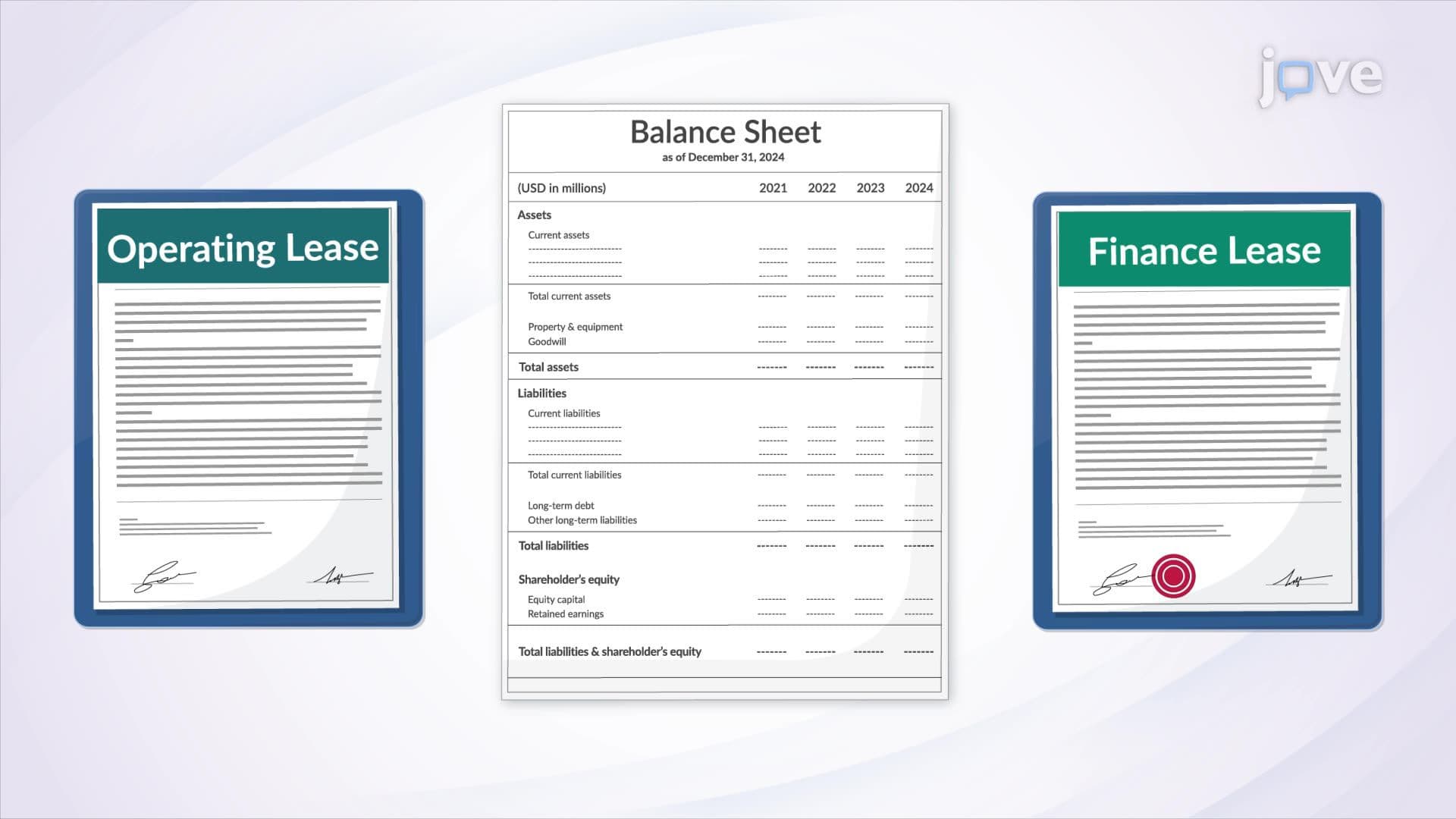
The 2019 FASB requirements mandating on-balance-sheet recognition for both operating and finance leases increased transparency but reduced off-balance-sheet financing benefits. This change affects debt ratios, covenant compliance, and financial statement presentation, requiring businesses to reconsider leasing strategies and incorporate balance sheet impacts into lease vs buy analysis while maintaining focus on operational and tax advantages.
This microcourse includes 20 concept videos that walk you through the building blocks of Finance. Each video is short, about 1 minute, so you can cover a full topic during a coffee break or between classes. The full sequence starts with Leases and Lease Types and ends with Lower Transactions Costs.
The playlist moves from big-picture ideas to the precise vocabulary used in Finance. Early videos introduce Leases and Lease Types, Leasing vs. Buying, and Operating Leases. The middle of the series focuses on Tax-Advantaged Leases, Leveraged Leases, and Sale and Leaseback Agreements. The final stretch covers Accounting and Leasing, Taxes, the IRS, and Leases, The Cash Flows from Leasing, The Incremental Cash Flows, Financial Decision-Making in Leasing, Three Potential Pitfalls, and Lower Transactions Costs.
Related Subjects

