Loading subject page…

Micro-course: Leasing
2,194 views
Learn key concepts and earn your certificate.




Lower Transactions Costs

00:00
01:29
Video Summary: What Is Lower Transactions Costs
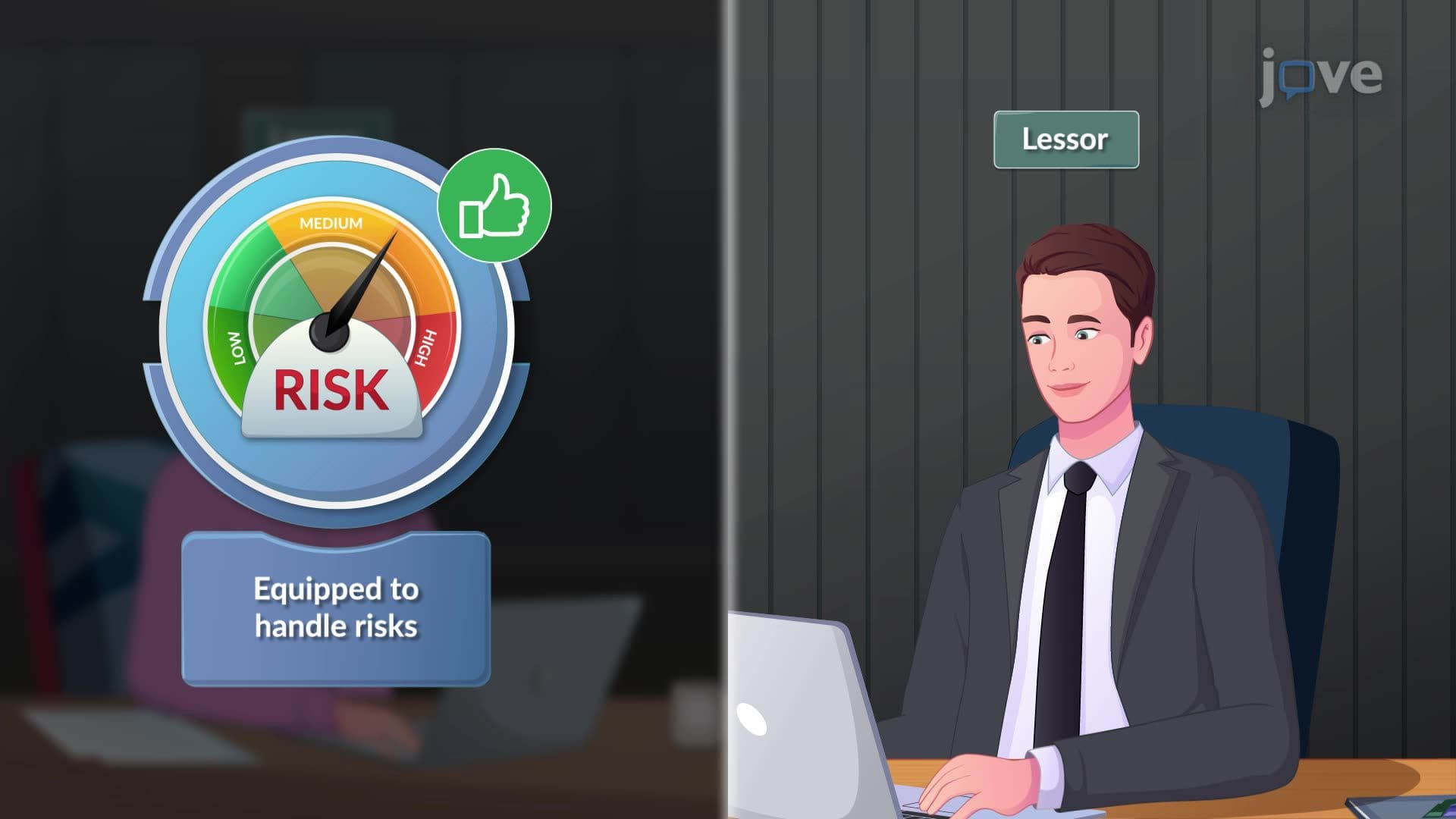
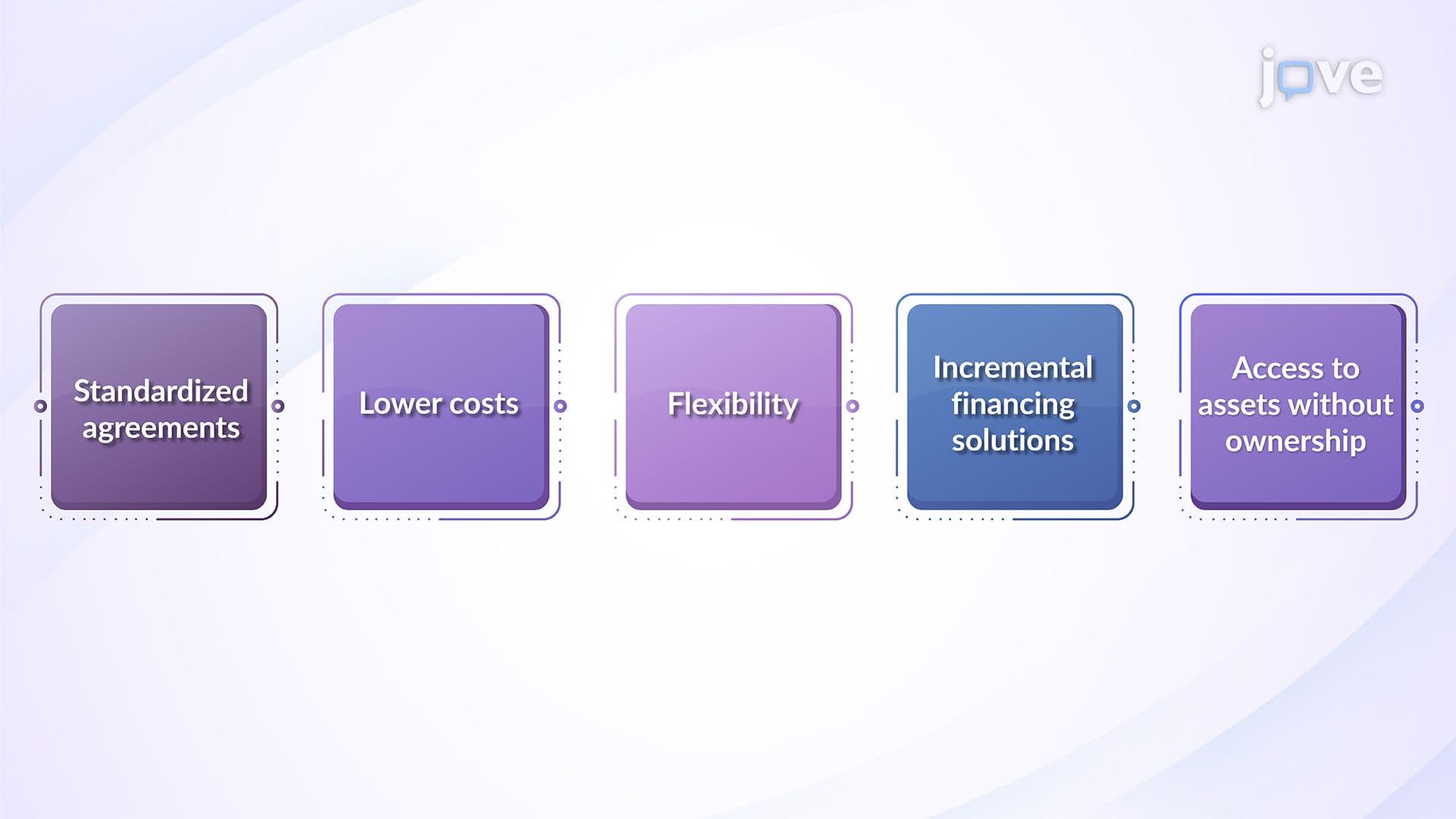
When Amazon scaled its logistics operations, lower transactions costs became critical to maintaining competitive advantage across millions of daily transactions. Lower transactions costs represent the reduced expenses associated with completing business deals, from contract negotiation to administrative processing. Companies like UPS leverage standardized leasing agreements for their massive fleet operations, eliminating complex financial analyses and reducing administrative overhead by 20-30% compared to traditional financing methods. This cost efficiency directly impacts profit margins and operational scalability. Watch the full video on JoVE Coach to master this concept with expert-led visuals and step-by-step explanations.
- Apply lower transaction cost principles to evaluate leasing versus purchasing decisions for company assets and equipment
- Analyze how standardized contract processes can reduce administrative expenses and improve operational efficiency across departments
- Implement cost-effective financing strategies that minimize investigative, administrative, and legal overhead for business expansion
- Compare short-term versus long-term leasing strategies to optimize cash flow management and operational flexibility
- Leverage transaction cost reduction techniques to improve vendor relationships and streamline procurement processes
- Assess the financial impact of transaction cost savings on overall business profitability and competitive positioning
- Evaluate how lower transaction costs enable small and medium enterprises to access flexible financing solutions previously unavailable
- Identify opportunities to standardize business processes that reduce both direct and indirect transaction-related expenses
Understanding Lower Transaction Costs in Business Strategy
When Walmart revolutionized retail through supply chain efficiency, a core driver was minimizing transaction costs across thousands of supplier relationships. Lower transaction costs refer to the reduced expenses, time, and resources required to complete business transactions, from initial negotiations through final execution and ongoing administration.
The Standardization Advantage
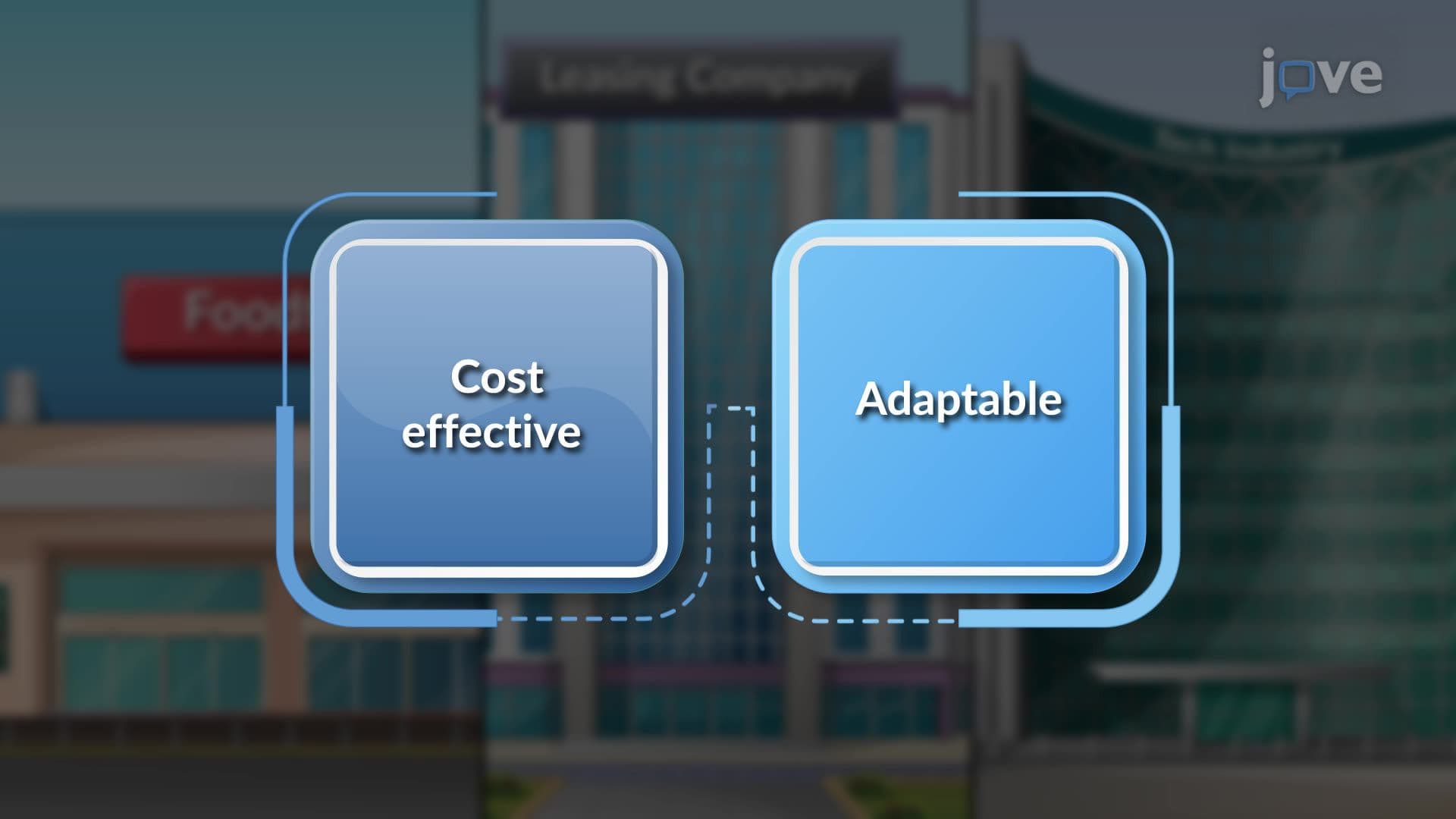
Smart businesses recognize that standardization dramatically reduces transaction costs. Consider Enterprise Rent-A-Car's fleet management approach: by implementing standardized lease agreements across their 85,000+ vehicle fleet, they eliminate the need for detailed financial analysis on each transaction. This standardization allows rapid scaling and consistent pricing models that benefit both the company and customers. The administrative savings translate directly to competitive pricing and improved profit margins.
Strategic Financing Through Reduced Transaction Costs
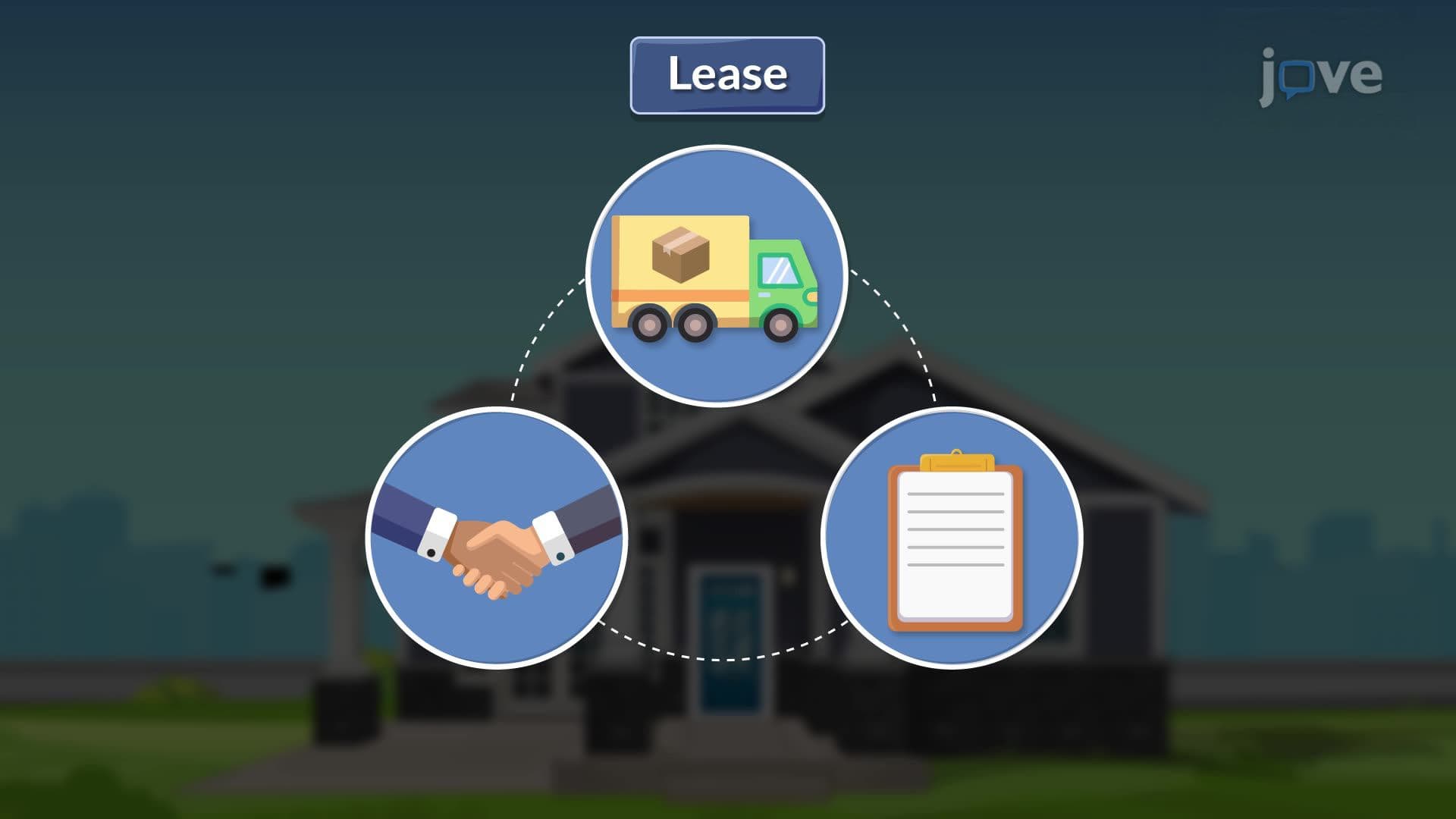
For growing companies, traditional financing methods like bond issuances or stock offerings involve substantial transaction costs – investment banking fees, legal expenses, regulatory compliance, and extensive due diligence processes. Leasing provides an alternative with significantly lower barriers to entry. A mid-sized logistics company seeking to expand their delivery fleet can secure standardized truck leases with minimal legal documentation, bypassing the complex financial engineering required for traditional debt financing.
Short-Term Versus Long-Term Transaction Cost Strategy
The transaction cost framework applies differently based on time horizons. Short-term arrangements minimize costs for temporary needs – much like how business travelers book hotel rooms rather than purchasing property for brief trips. FedEx exemplifies this with seasonal equipment leasing during peak shipping periods, avoiding permanent capital commitments while maintaining operational flexibility.
Long-term leasing strategies focus on predictable, ongoing relationships that reduce cumulative transaction costs over time. Tesla's approach to manufacturing equipment leases demonstrates how companies can maintain operational continuity while preserving capital for core business investments. The predictable payment structure eliminates the volatile transaction costs associated with frequent asset acquisitions and disposals.
Competitive Implications and Portfolio Management
Lower transaction costs create sustainable competitive advantages by enabling faster decision-making and resource allocation. Companies that master transaction cost management can respond more quickly to market opportunities, negotiate more favorable terms with suppliers, and maintain operational efficiency that translates to superior financial performance and market positioning.
Frequently Asked Questions
Lower transaction costs represent the reduced expenses, time, and administrative overhead required to complete business deals and agreements. This includes everything from contract negotiation and legal documentation to ongoing administrative management. Companies achieve these savings through standardization, streamlined processes, and efficient operational frameworks.
Focus on standardizing contract templates, establishing framework agreements for repeat purchases, and implementing digital approval processes. Create preferred vendor relationships that reduce due diligence requirements for future transactions. These approaches can reduce procurement costs by 20-30% while accelerating deal completion timelines.
Consider leasing when transaction costs for traditional financing exceed operational benefits, when you need flexible terms for uncertain demand, or when preserving capital for core business activities provides greater returns. Leasing works particularly well for standardized assets with predictable depreciation patterns and when administrative simplicity outweighs ownership benefits.
Amazon standardized their fulfillment center leasing processes and vendor agreements, creating template contracts that eliminated lengthy negotiations for each new facility. They also implemented automated supplier onboarding that reduced administrative costs per transaction, enabling rapid geographic expansion while maintaining cost control across their logistics network.
No specialized finance training is required. Focus on identifying repetitive business processes, standardizing contract language, and measuring the time and resources spent on transaction-related activities. Many successful implementations come from operational managers who understand workflow inefficiencies rather than financial experts.
Understanding transaction costs demonstrates strategic thinking and operational efficiency skills highly valued in management roles. This knowledge enables you to identify cost-saving opportunities, improve vendor relationships, and contribute to bottom-line performance – key competencies for promotion to senior leadership positions.
Study economies of scale and scope, which work synergistically with transaction cost reduction. Understanding how volume advantages and operational integration amplify transaction cost savings will enhance your strategic decision-making capabilities and provide a more comprehensive framework for business optimization.
Small businesses benefit significantly because traditional financing involves disproportionately high transaction costs relative to deal size. Standardized leasing arrangements provide access to equipment and facilities with minimal legal and administrative overhead, enabling growth without the complex financial engineering required for conventional business loans or equity financing.
Related Micro-courses
18 Concepts

14 Concepts

21 Concepts