Loading video…


 20 Concepts
 2.2K views

Video Summary: What Is a Leasing Paradox
Corporate finance teams at companies like General Electric often face complex equipment leasing decisions where one party's gain appears to be another's loss. A leasing paradox occurs when lease agreements create seemingly incompatible net present value calculations for lessors and lessees, making mutually beneficial deals challenging to structure. However, understanding tax arbitrage opportunities can transform these win-lose scenarios into win-win arrangements. Watch the full video on JoVE Coach to master this concept with expert-led visuals and step-by-step explanations.
Equipment leasing decisions represent critical capital allocation choices that can significantly impact a company's financial performance and competitive position. When Caterpillar finances construction equipment or when American Airlines structures aircraft leases, finance teams must navigate complex NPV calculations that often appear to create zero-sum outcomes between lessors and lessees.
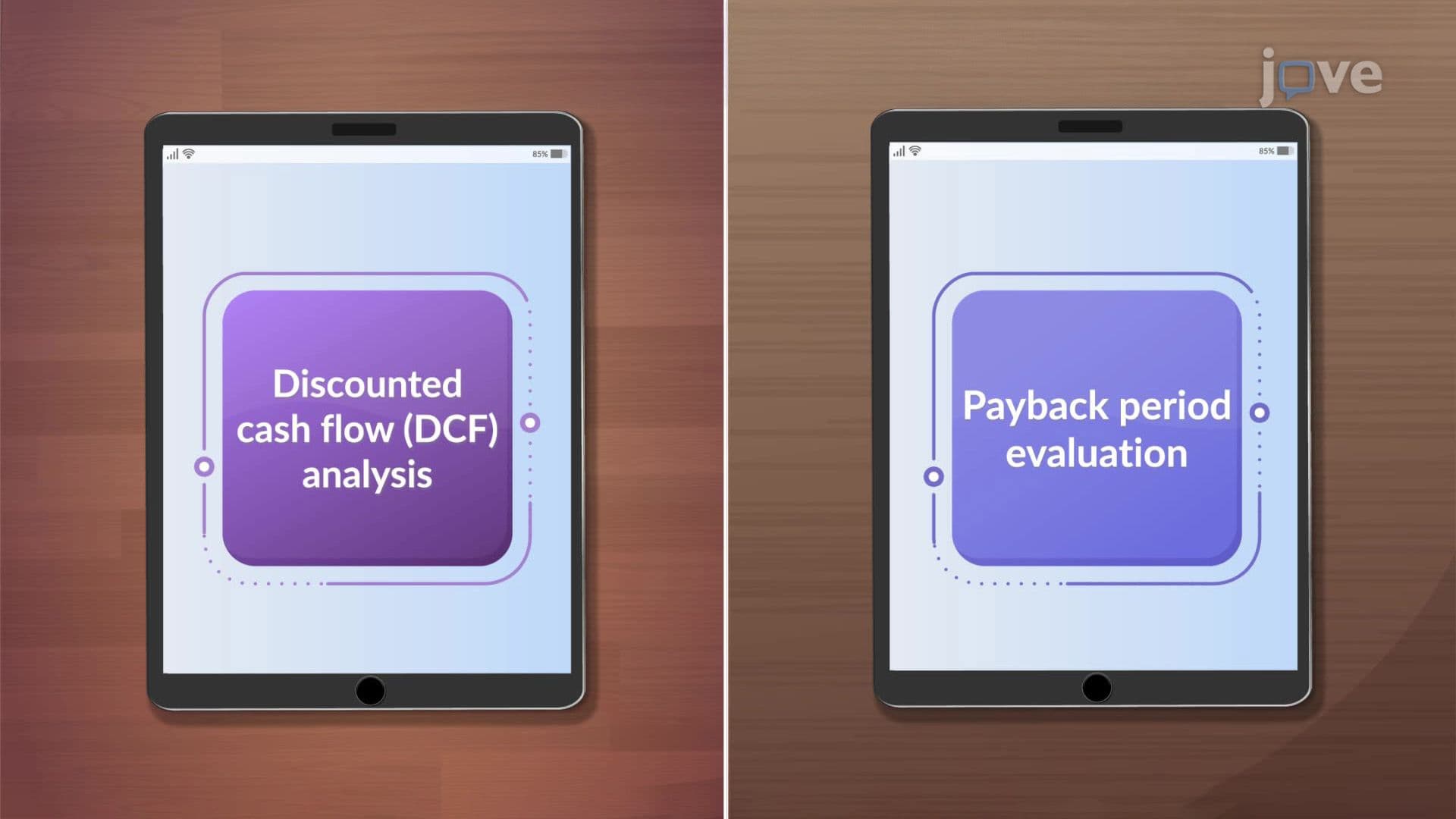
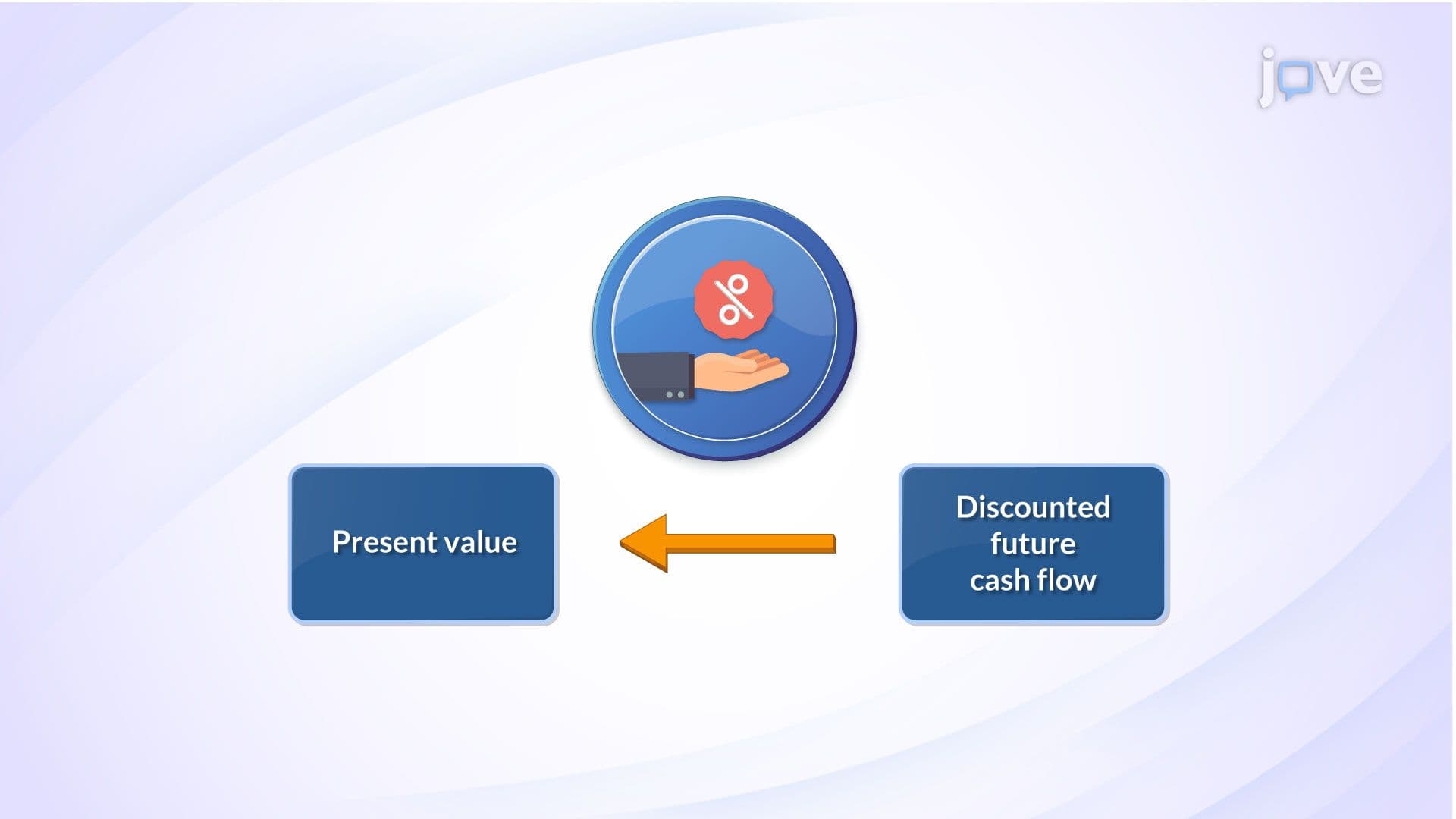
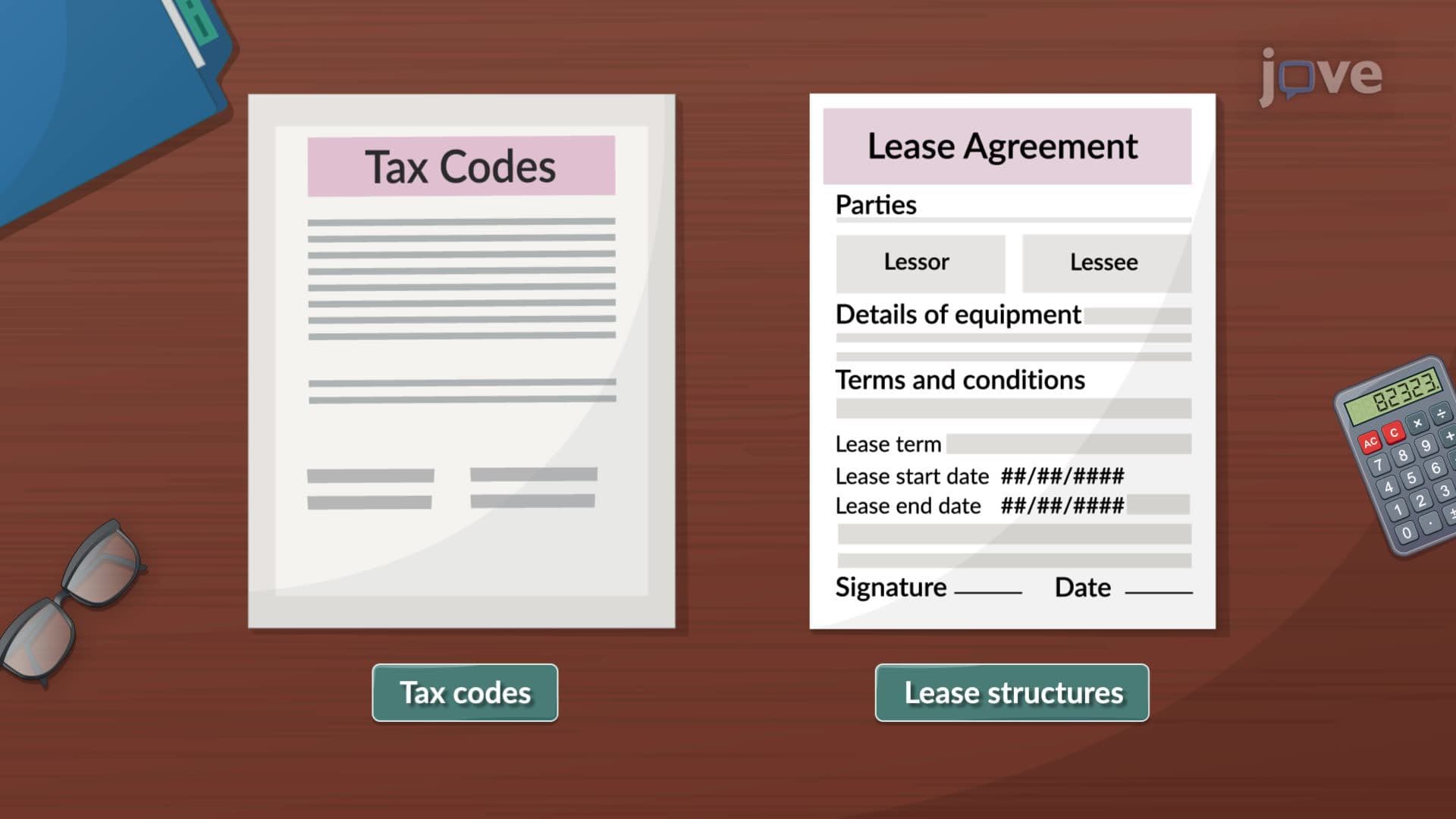
The fundamental challenge emerges from how each party calculates value in lease agreements. For lessees, the NPV equation weighs the cost of outright equipment purchase against the present value of lease payments, adjusted for tax benefits and expected residual values. A positive NPV indicates leasing creates value compared to purchasing. Conversely, lessors evaluate the present value of incoming lease payments and tax advantages against their initial equipment investment and ongoing costs.
This mathematical framework often suggests that beneficial terms for one party necessarily harm the other-a perspective that has historically limited creative lease structuring in corporate America. Major financial institutions like JPMorgan Chase and Bank of America have traditionally approached equipment financing with this zero-sum mindset, potentially leaving value on the table.
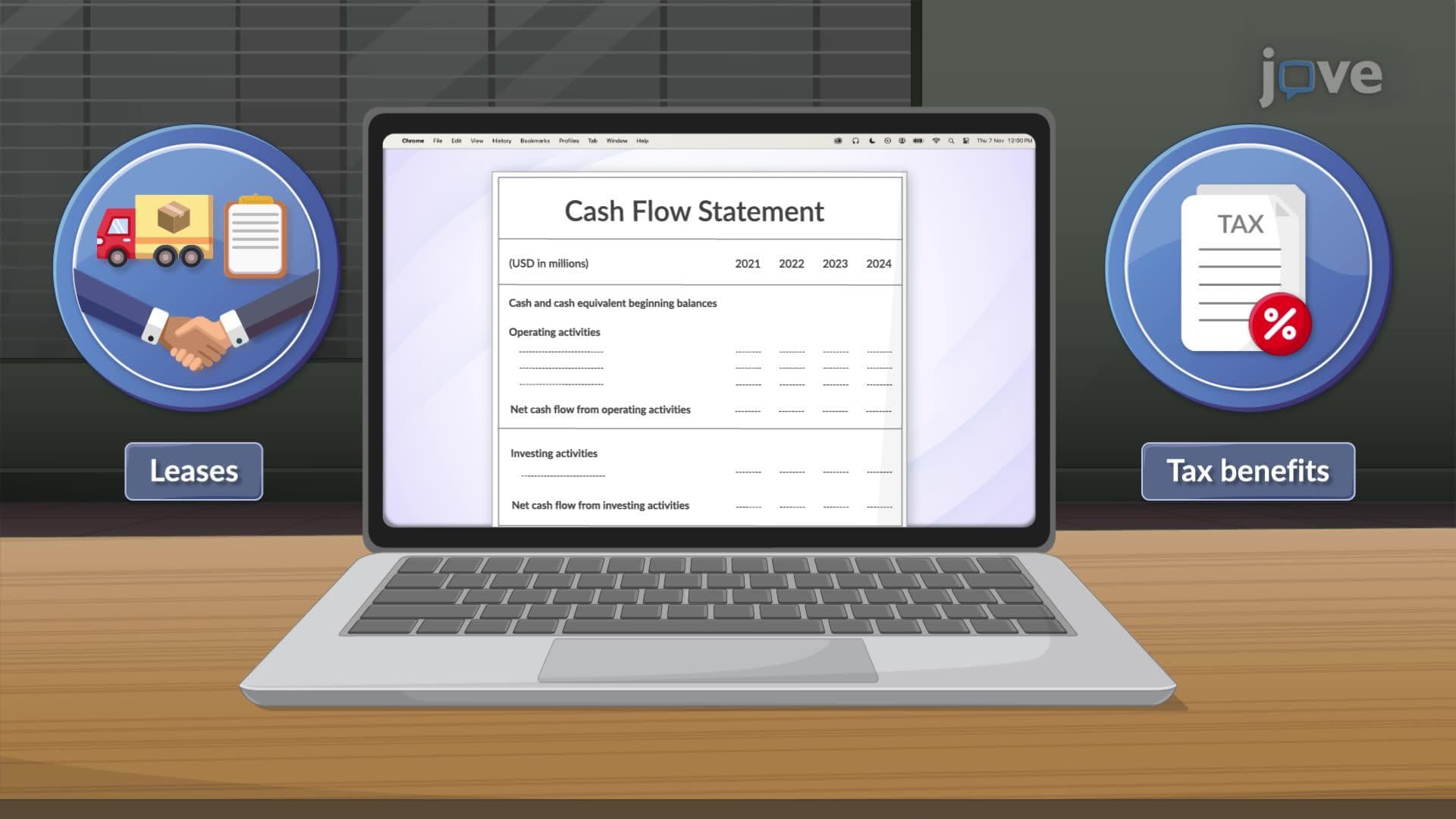
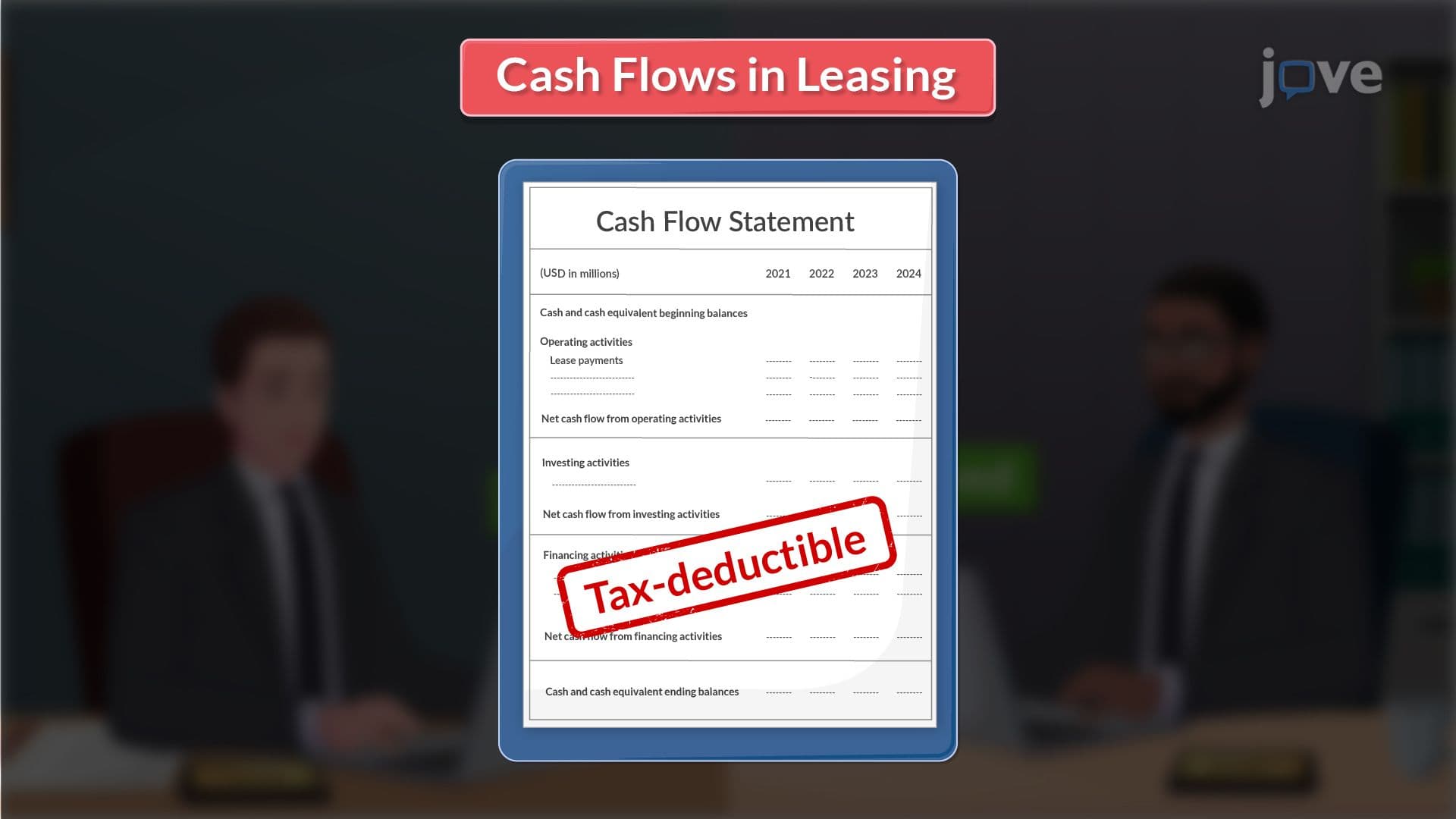
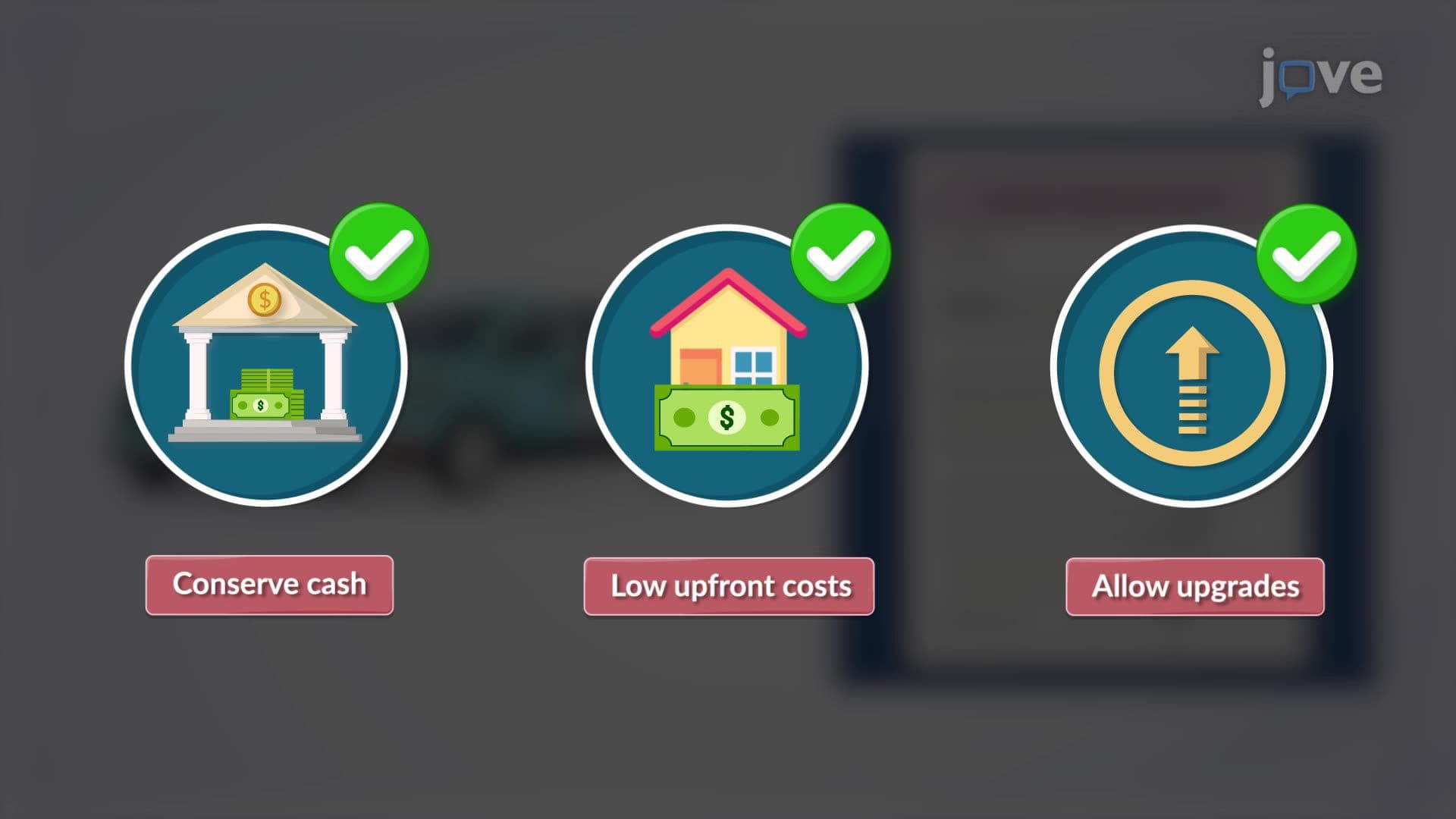
The resolution lies in recognizing how differential tax positions create genuine value creation opportunities. When a lessor operates in a higher tax bracket than the lessee, depreciation benefits and tax shields become more valuable to the lessor, while the lessee benefits from avoiding large capital outlays and maintaining operational flexibility.
Consider a scenario where a profitable technology company with a 35% effective tax rate leases servers from a financial institution with significant tax-loss carryforwards. The lessor captures depreciation benefits they can immediately utilize, while the lessee preserves cash for R&D investments and avoids technology obsolescence risks. This tax arbitrage creates genuine economic value rather than simply redistributing existing value between parties.
Understanding leasing paradoxes enables finance professionals to structure deals that optimize outcomes for all stakeholders. Companies like UPS have leveraged these principles in fleet management, creating lease agreements that provide operational flexibility while maximizing tax efficiency across their transportation network.
Related Micro-courses