Loading video…


 20 Concepts
 2.2K views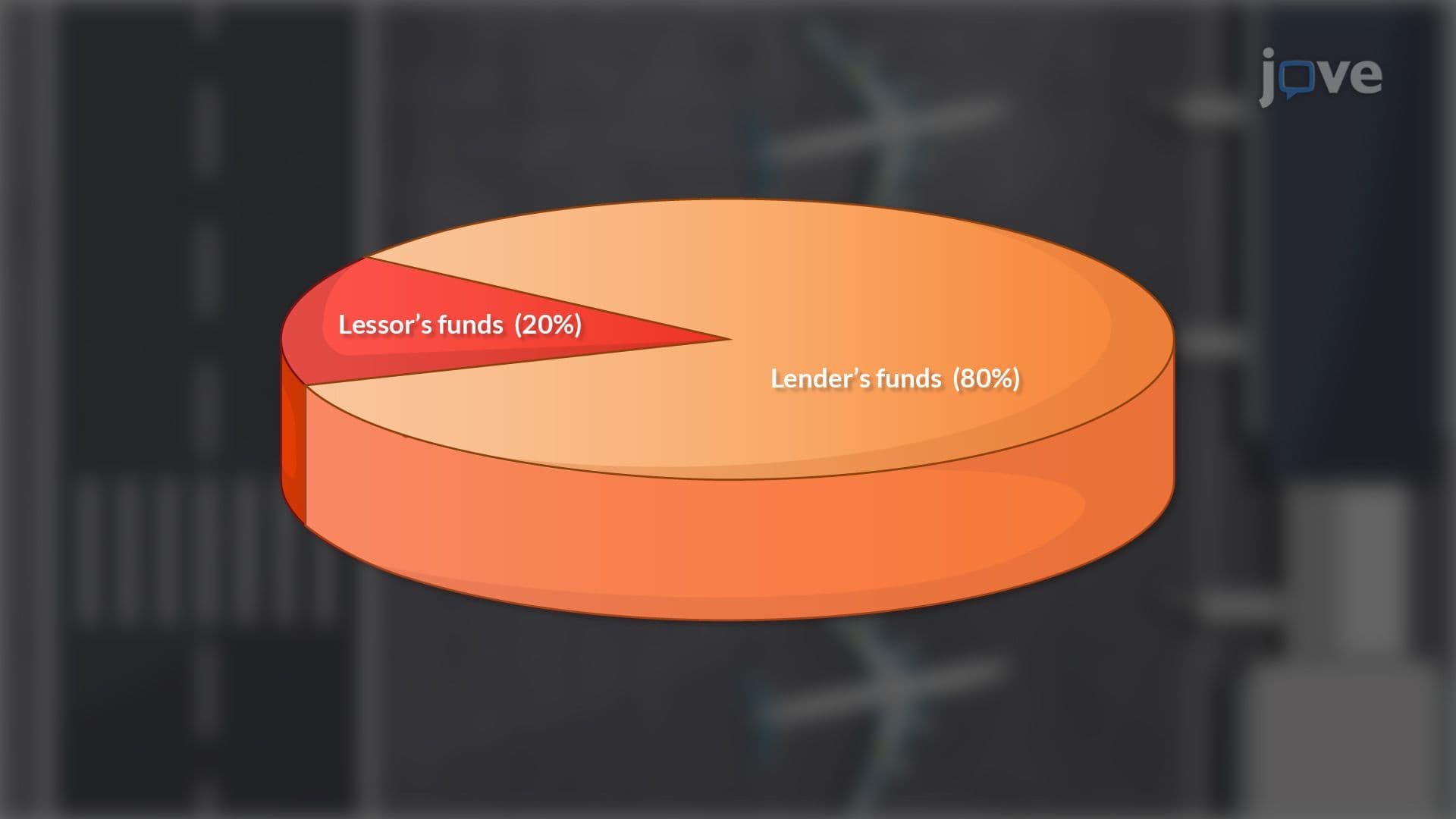

Video Summary: What are Leveraged Leases
When Boeing or American Airlines needs to acquire multi-million dollar aircraft without tying up significant capital, leveraged leases become a strategic financing tool. Leveraged leases allow companies to access high-value assets through a three-party structure involving lessors, lessees, and non-recourse lenders, where 70-80% of asset costs are debt-financed. This arrangement enables corporations to preserve working capital while benefiting from tax advantages including depreciation shields. Major airlines like Delta regularly utilize these structures for fleet expansion without impacting their balance sheet leverage ratios. Watch the full video on JoVE Coach to master this concept with expert-led visuals and step-by-step explanations.
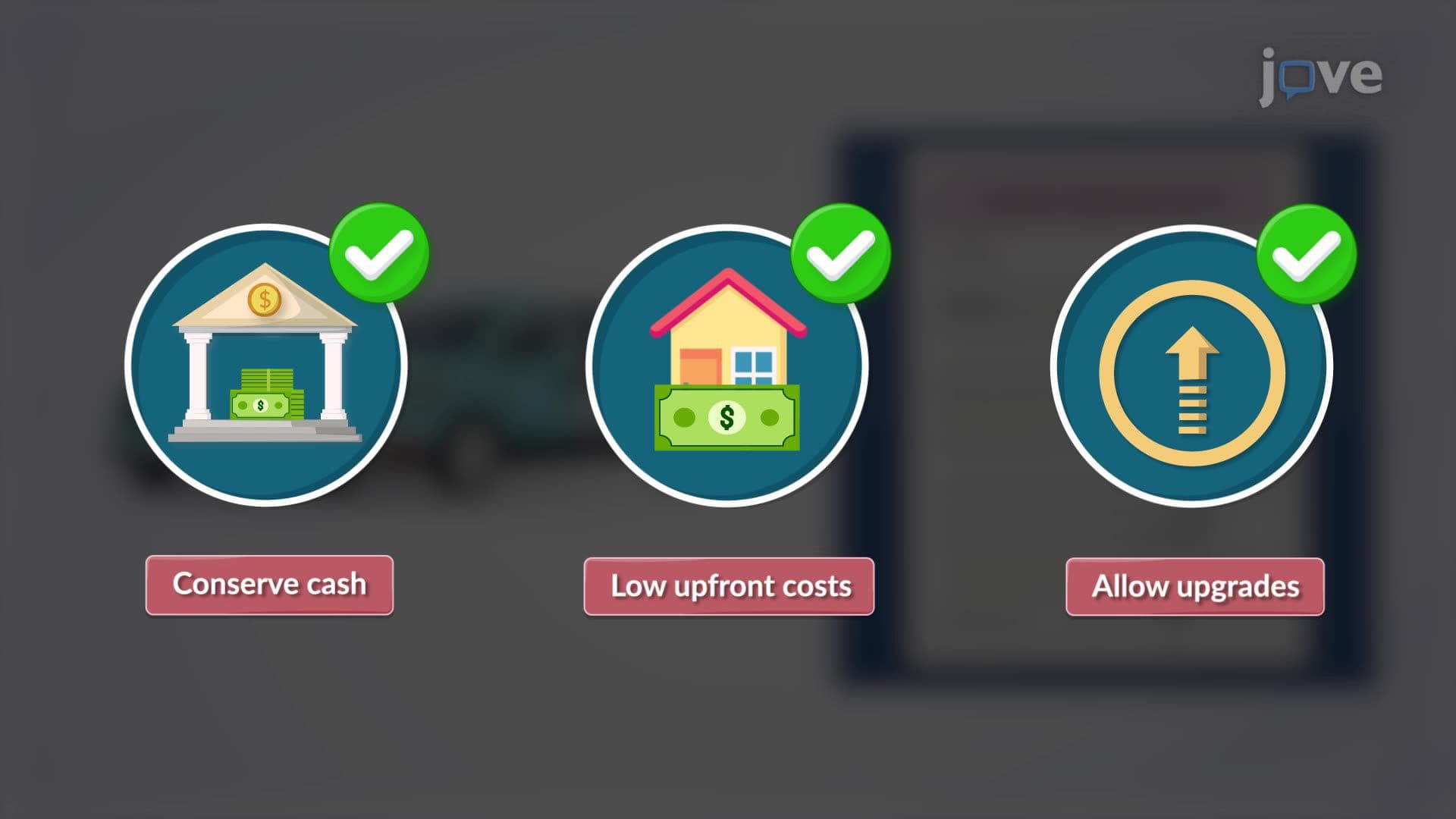
In today's capital-intensive industries, CFOs face mounting pressure to expand operations while maintaining optimal balance sheet structures. Consider the challenge facing Southwest Airlines when planning fleet expansion: acquiring new Boeing 737s requires hundreds of millions in capital that could otherwise fund route development, technology upgrades, or shareholder returns. This scenario illustrates why leveraged leases have become essential tools in corporate finance.
Leveraged leases create value through a sophisticated three-party arrangement that optimizes risk allocation and tax benefits. The lessor-often a financial institution or investment fund-owns the asset and claims depreciation benefits. The lessee operates the asset and makes scheduled payments that provide predictable cash flows. The lender provides non-recourse financing, typically 70-80% of the asset's value, secured solely by the asset and lease payments.
This structure proves particularly valuable for airlines, shipping companies, and real estate developers. When American Airlines expands internationally, leveraged leases enable rapid fleet growth without straining credit metrics that rating agencies scrutinize. The non-recourse nature protects the lessor's other assets while providing lenders with asset-backed security.
The financial engineering behind leveraged leases creates multiple value streams. Lessors benefit from accelerated depreciation schedules under Modified Accelerated Cost Recovery System (MACRS) rules, effectively reducing their tax burden while generating investment returns. Interest deductions on the borrowed portion provide additional tax shields, making the economics attractive even with modest cash equity contributions.
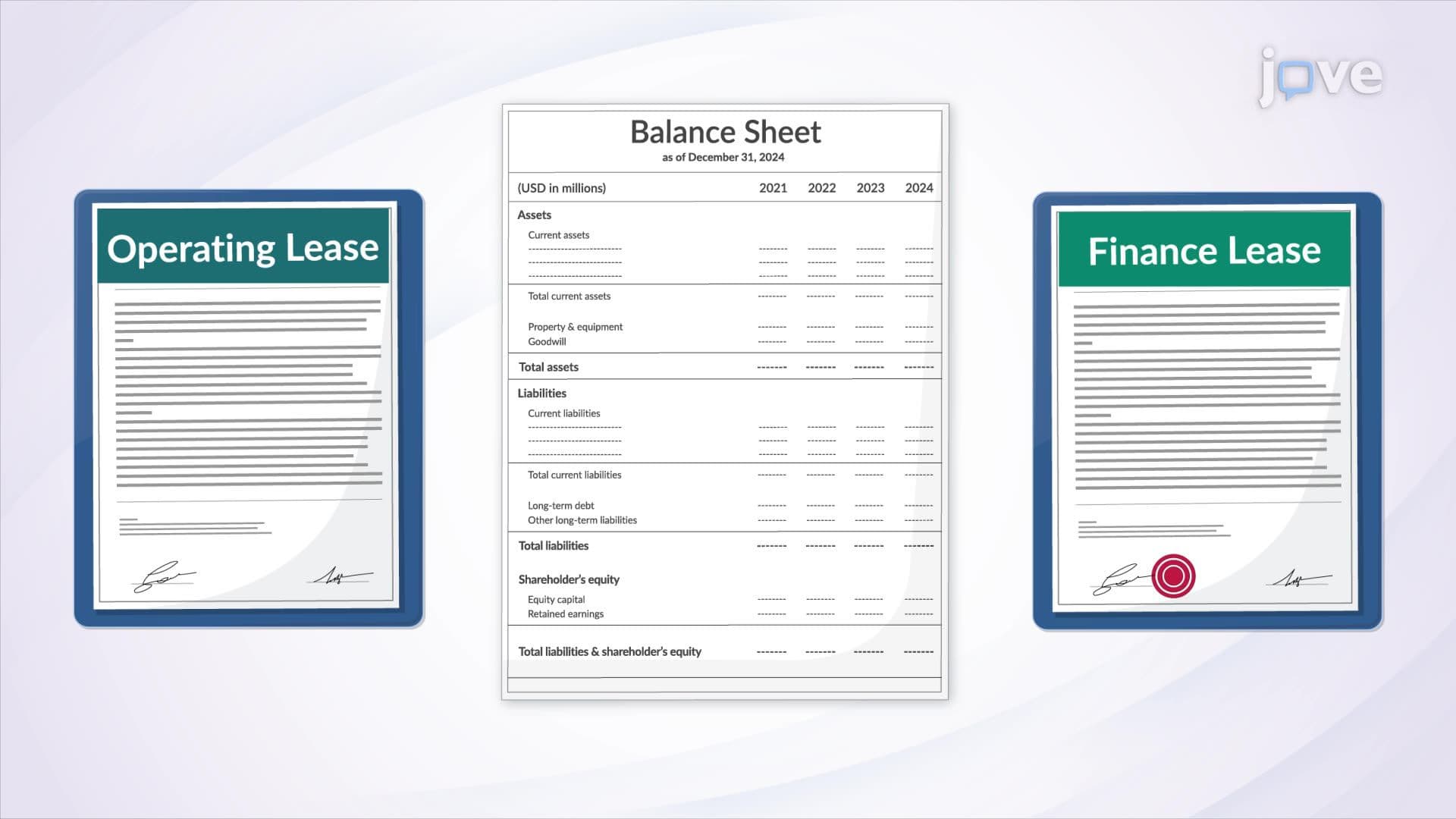
Payment prioritization follows a waterfall structure: lessee payments first service debt obligations, ensuring lenders receive scheduled principal and interest. Excess cash flows then generate returns for the lessor's equity investment. This structure aligns incentives across all parties while providing lessees with predictable, off-balance-sheet financing.
Equipment-intensive sectors leverage these structures strategically. FedEx and UPS utilize leveraged leases for aircraft acquisitions, enabling rapid service expansion without diluting shareholders or compromising debt ratios. Real estate investment trusts (REITs) employ similar structures for large commercial property acquisitions, maintaining compliance with regulatory capital requirements while pursuing growth opportunities.
Related Micro-courses