Loading video…


 20 Concepts
 2.2K views

Video Summary: What are the Cash Flows
US businesses waste billions annually through poor lease-versus-buy decisions, yet most managers lack clarity on cash flows analysis. Understanding cash flows becomes critical when companies like Microsoft strategically lease data centers rather than purchasing $2 billion in infrastructure outright. The cash flows definition explained reveals how lease payments, tax deductions, and opportunity costs create complex financial impacts that determine competitive positioning. Smart executives use this framework to optimize capital allocation, improve working capital management, and accelerate growth initiatives. Watch the full video on JoVE Coach to master this concept with expert-led visuals and step-by-step explanations.
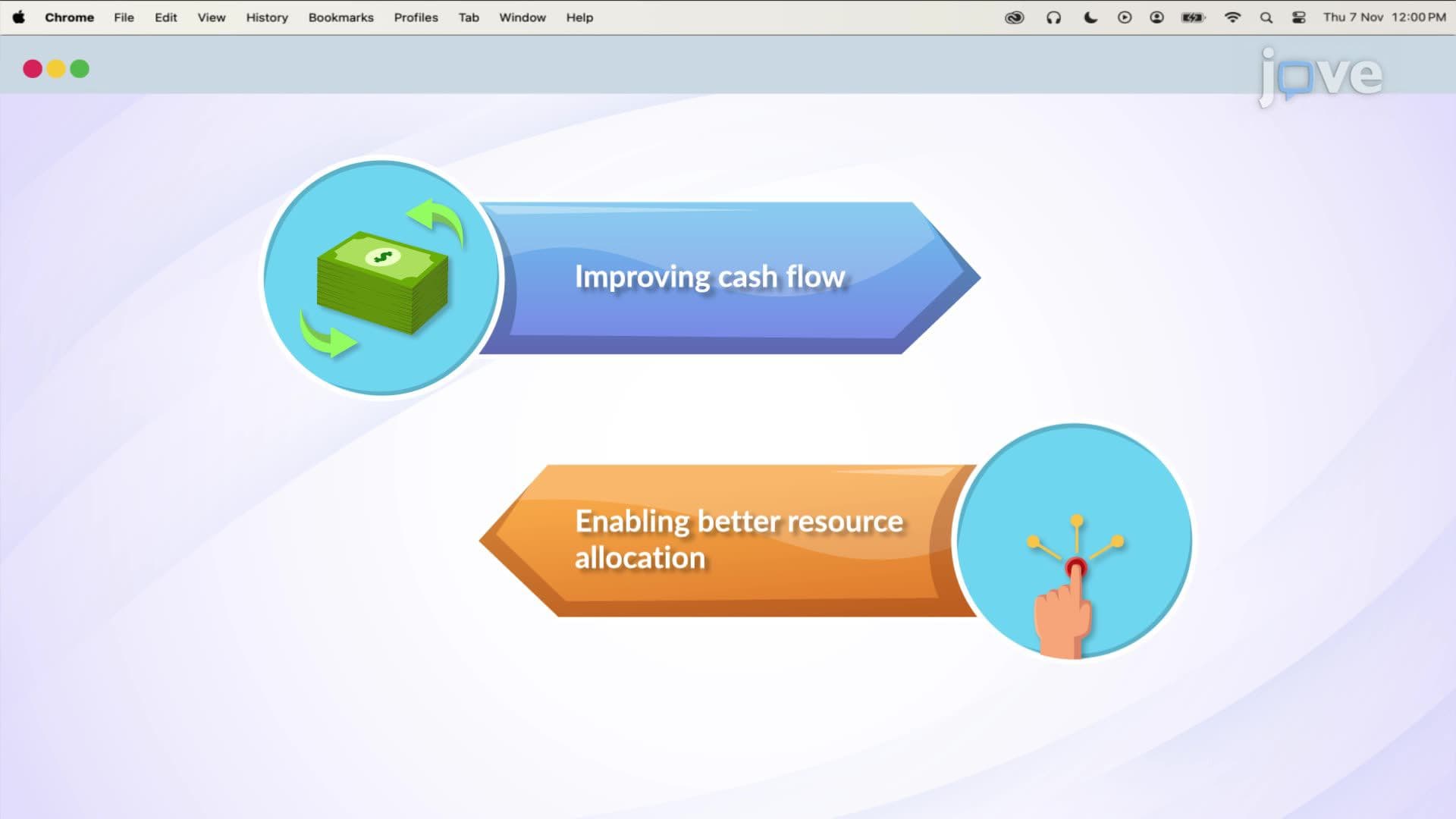
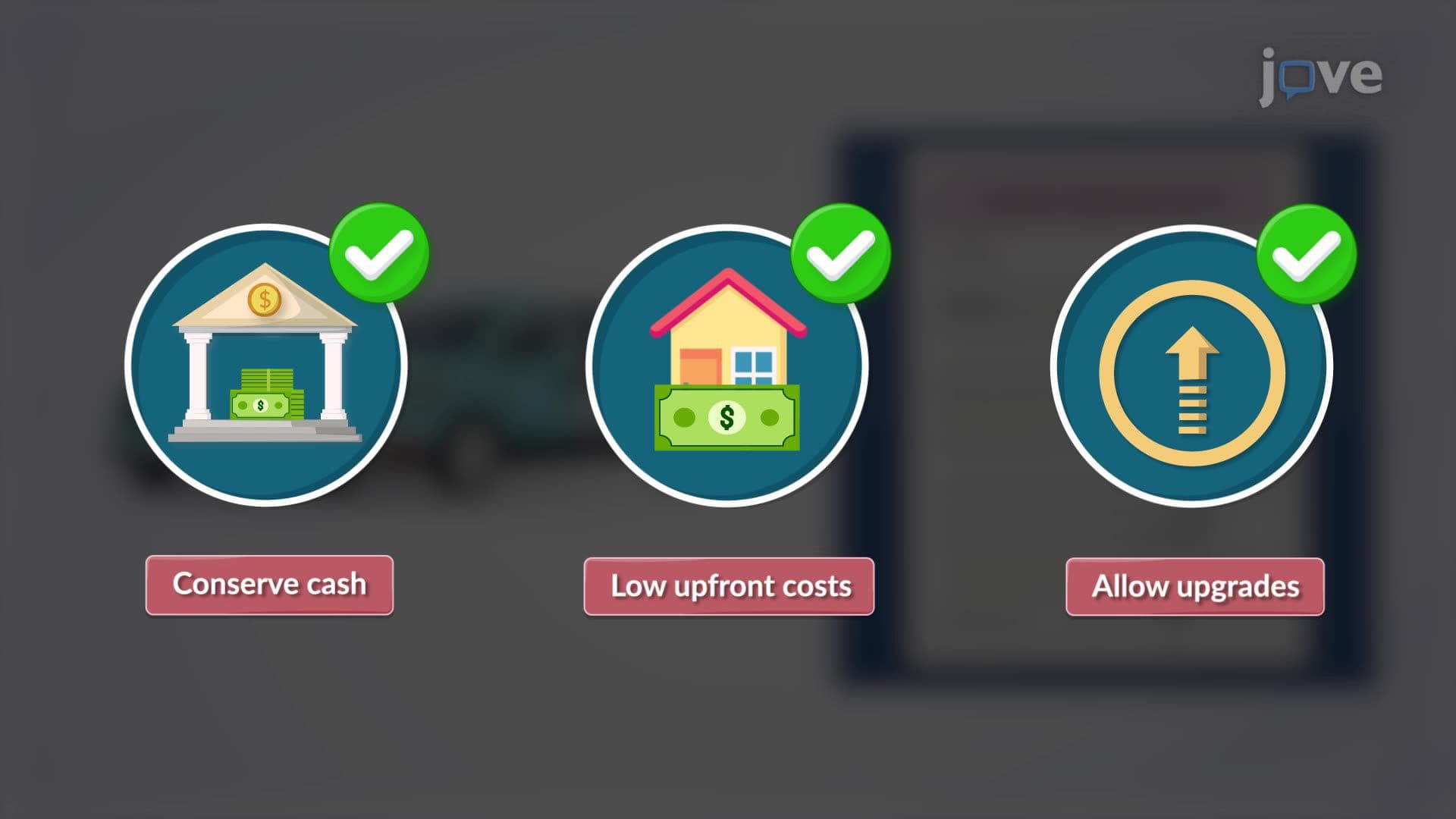
When Starbucks expanded rapidly across the US, executives faced a critical decision: purchase or lease thousands of retail locations. The cash flows analysis became the foundation for a strategy that preserved capital for core operations while enabling aggressive growth. This scenario illustrates why understanding cash flows represents a fundamental skill for any manager responsible for resource allocation decisions.
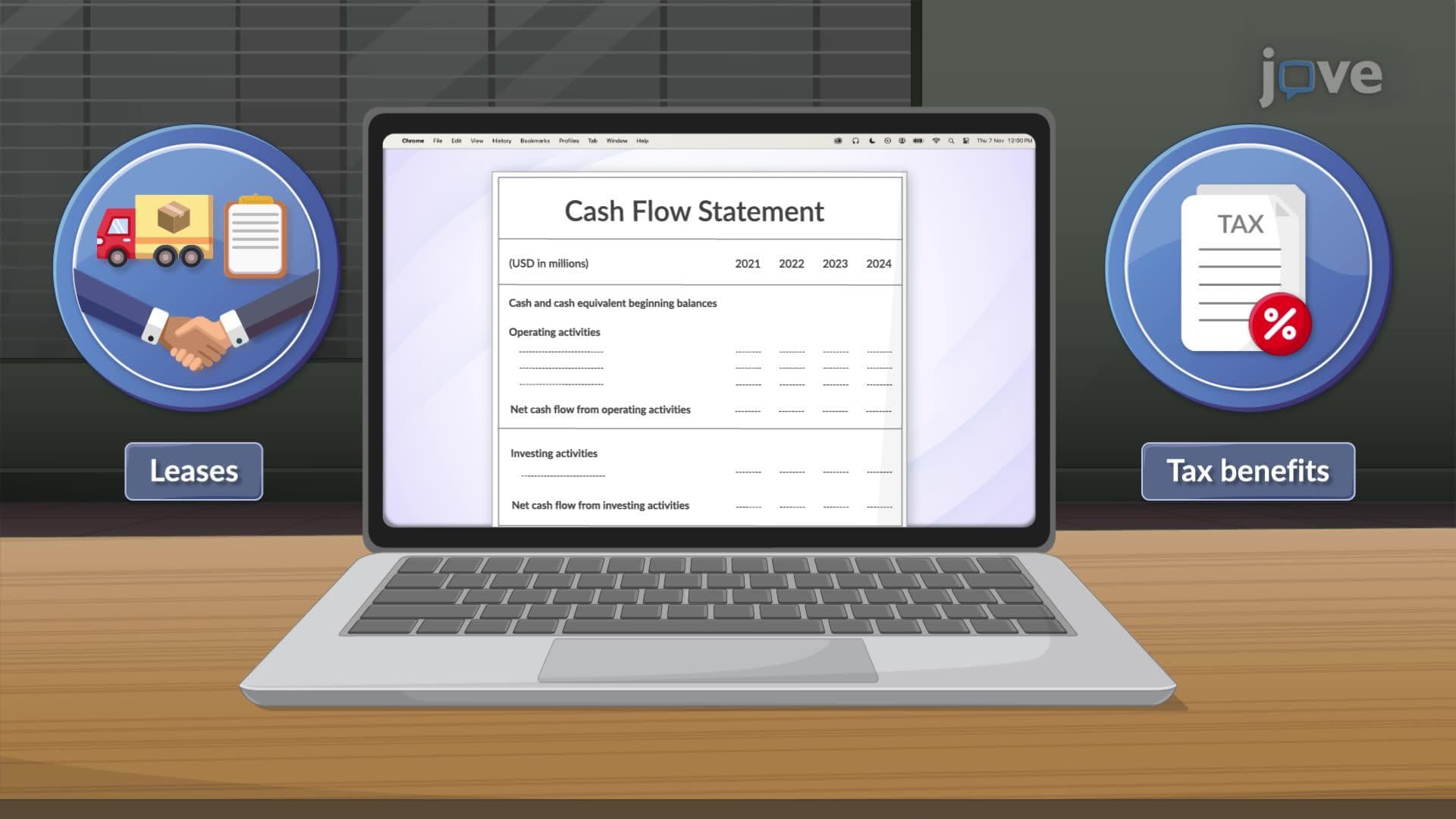
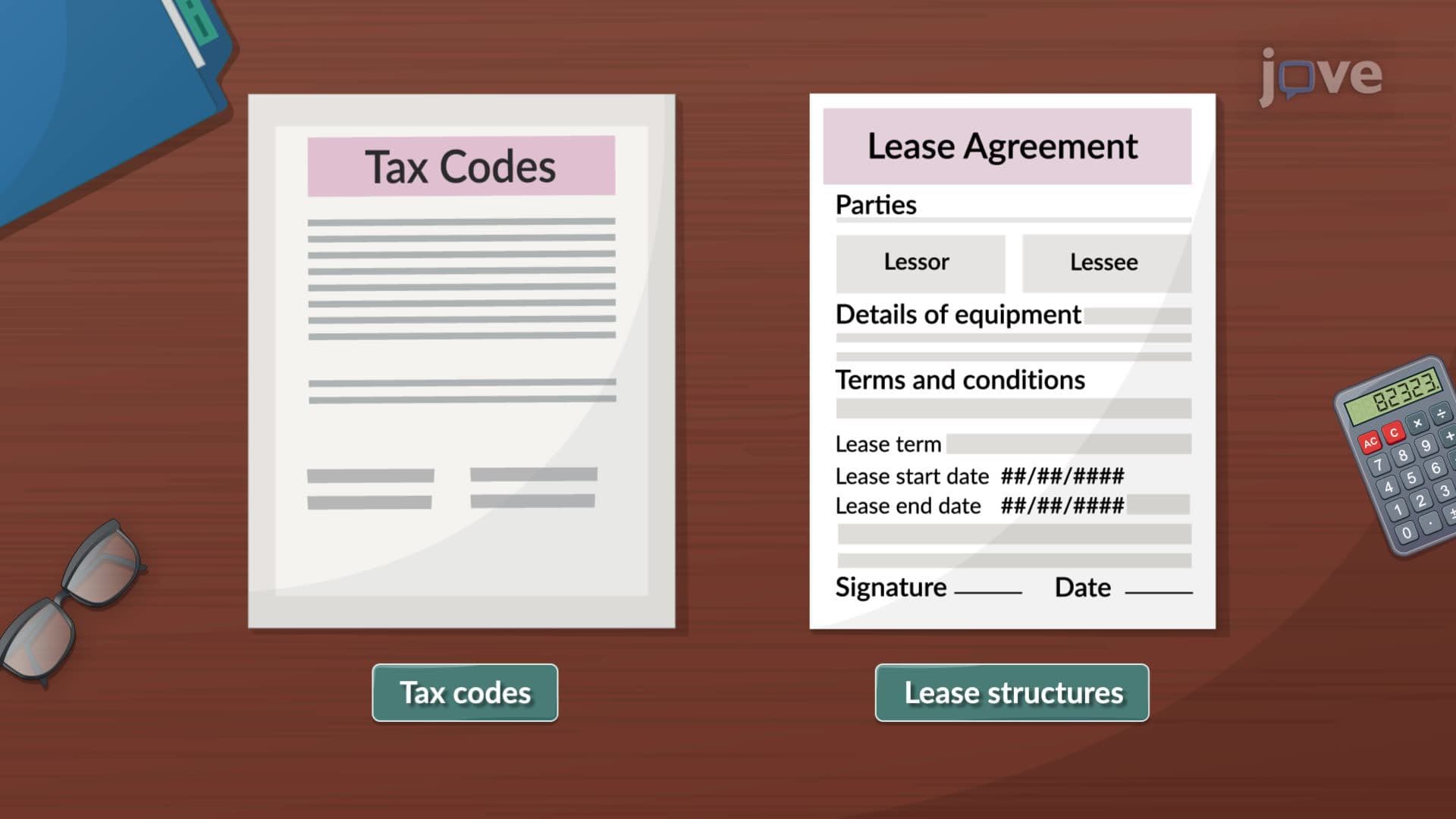
The cash flows definition explained reveals that inflows extend far beyond basic tax savings. Consider a manufacturing company leasing $500,000 in production equipment at $150,000 annually. With a 25% corporate tax rate, the immediate tax shield generates $37,500 in annual savings. However, sophisticated managers identify additional inflows: preserved credit capacity for strategic investments, avoided maintenance costs typically included in full-service leases, and flexibility to upgrade technology without disposal complications.
Major corporations like General Electric have leveraged this approach to maintain technological competitiveness while preserving balance sheet strength for acquisitions and R&D investments. The key insight: lease inflows create both immediate tax benefits and strategic optionality that pure ownership cannot match.
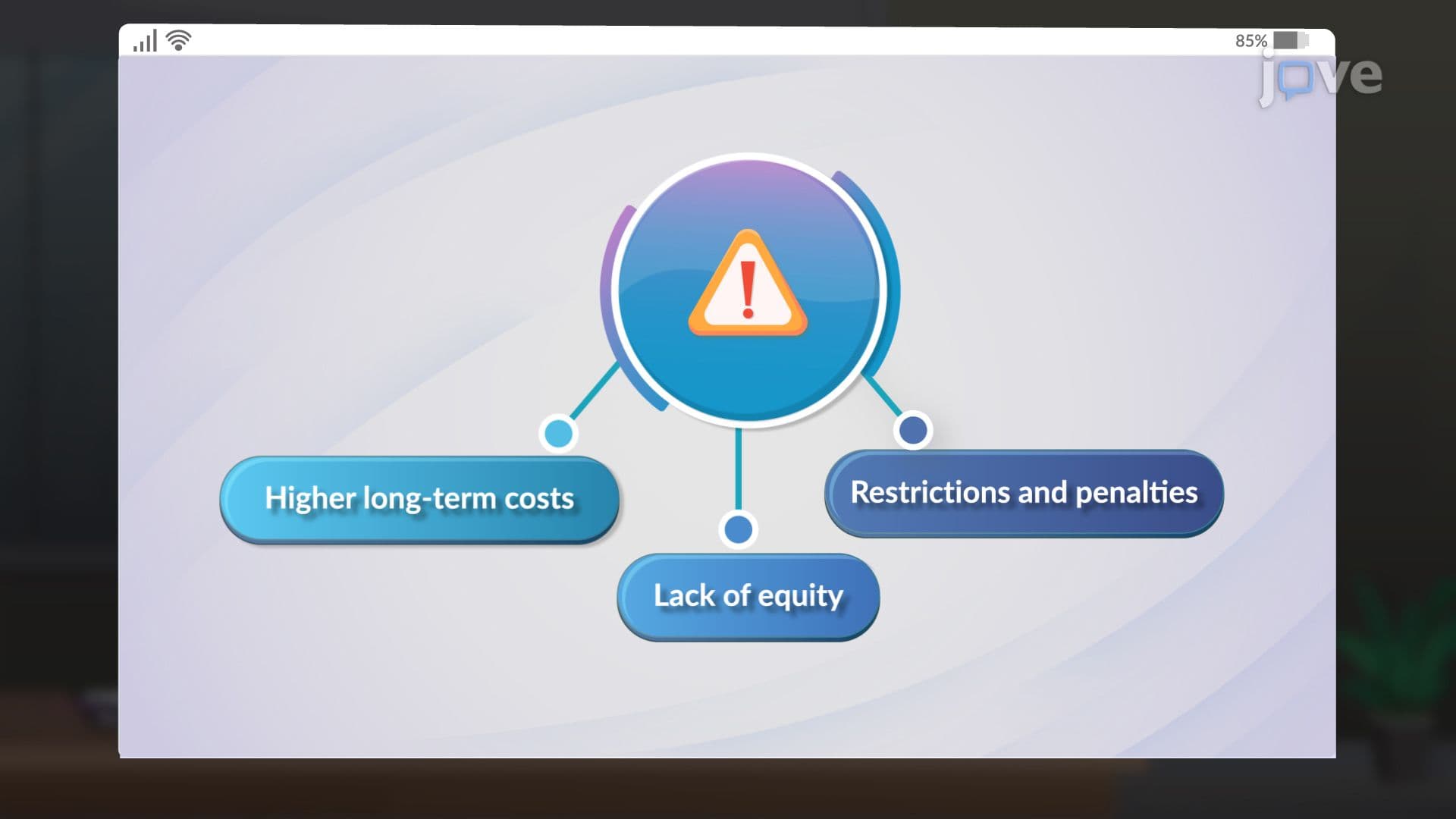
Cash outflows in leasing extend beyond monthly payments to encompass opportunity costs and strategic limitations. A technology firm leasing cloud infrastructure at $200,000 annually faces direct payments plus potential constraints on customization and scalability. Smart CFOs calculate the all-in cost by adding foregone investment returns on the capital preserved through leasing.
Amazon Web Services revolutionized this calculation by offering consumption-based pricing that aligns cash outflows with actual business performance, demonstrating how modern lease structures can optimize cash flows timing with revenue generation.
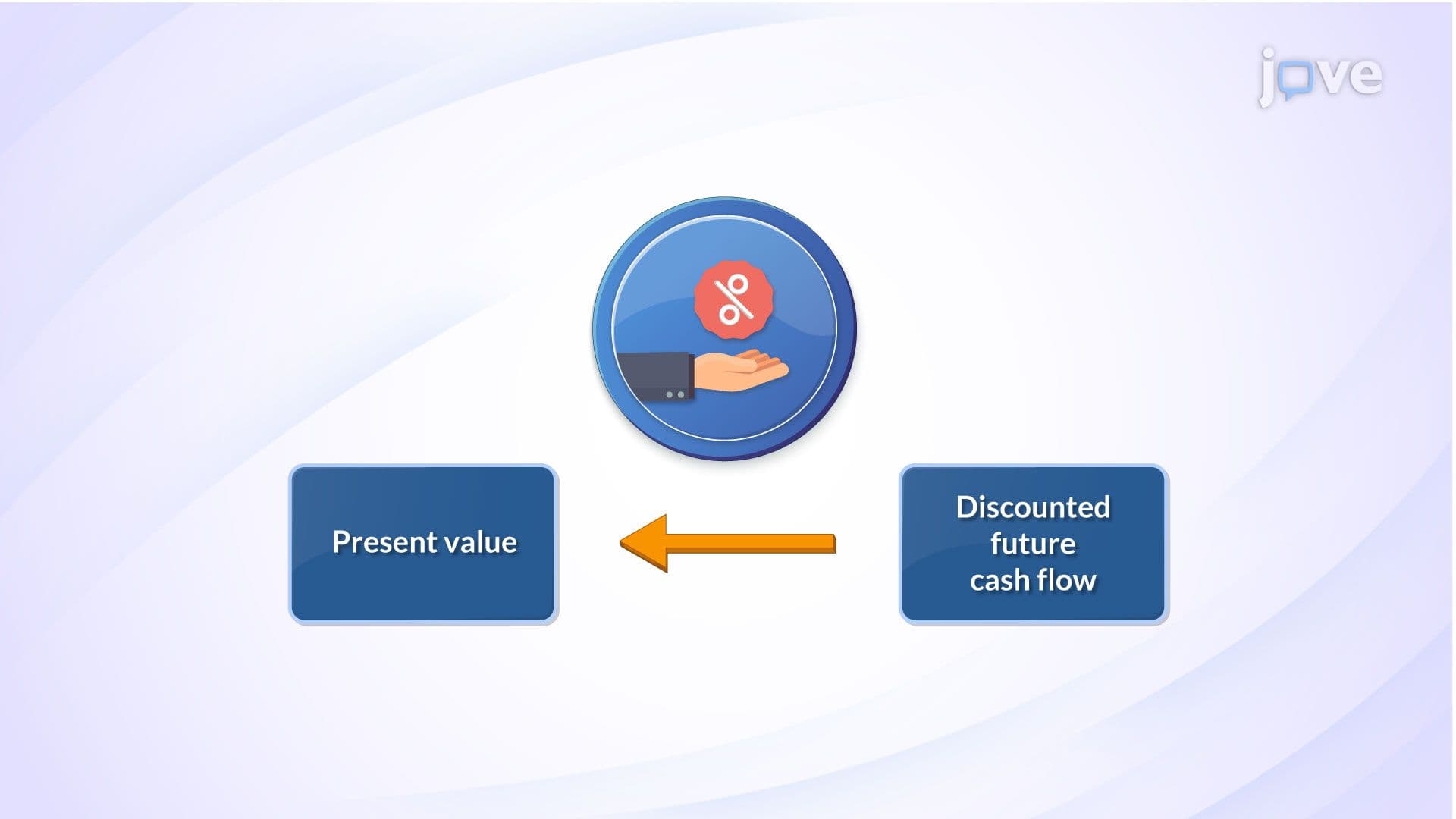
The most sophisticated cash flows analysis compares net present values across multiple scenarios. A logistics company evaluating warehouse space might compare: purchasing at $2 million upfront, leasing at $300,000 annually, or hybrid sale-leaseback arrangements. The optimal decision depends on weighted average cost of capital, growth projections, and strategic flexibility requirements.
Leading companies like FedEx use this framework not just for individual assets but for entire portfolio optimization, ensuring cash flows analysis supports long-term competitive positioning rather than short-term cost minimization.
Related Micro-courses