Loading video…


 20 Concepts
 2.2K views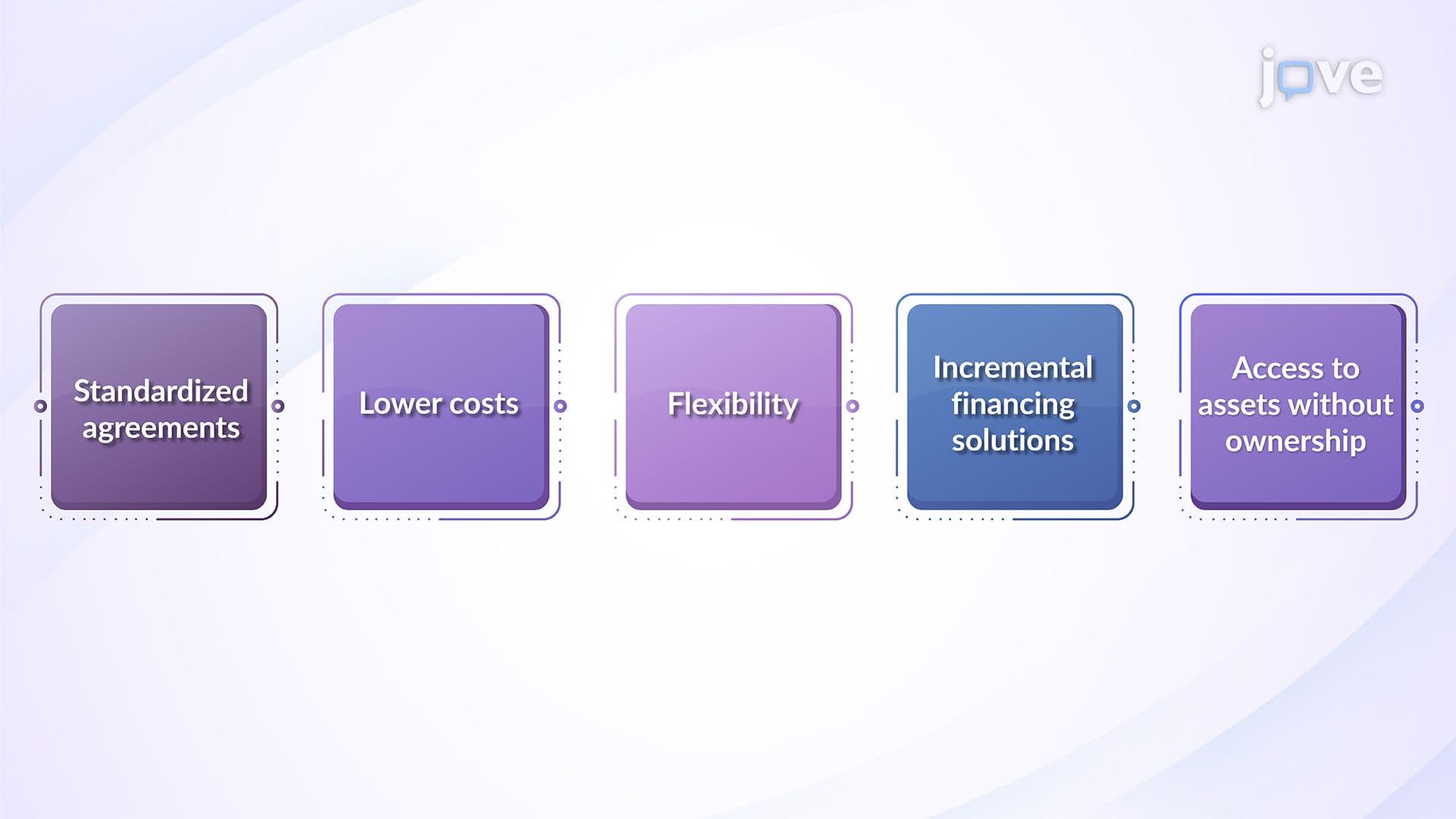

Video Summary: What Is Lower Transactions Costs
When Amazon scaled its logistics operations, lower transactions costs became critical to maintaining competitive advantage across millions of daily transactions. Lower transactions costs represent the reduced expenses associated with completing business deals, from contract negotiation to administrative processing. Companies like UPS leverage standardized leasing agreements for their massive fleet operations, eliminating complex financial analyses and reducing administrative overhead by 20-30% compared to traditional financing methods. This cost efficiency directly impacts profit margins and operational scalability. Watch the full video on JoVE Coach to master this concept with expert-led visuals and step-by-step explanations.
When Walmart revolutionized retail through supply chain efficiency, a core driver was minimizing transaction costs across thousands of supplier relationships. Lower transaction costs refer to the reduced expenses, time, and resources required to complete business transactions, from initial negotiations through final execution and ongoing administration.
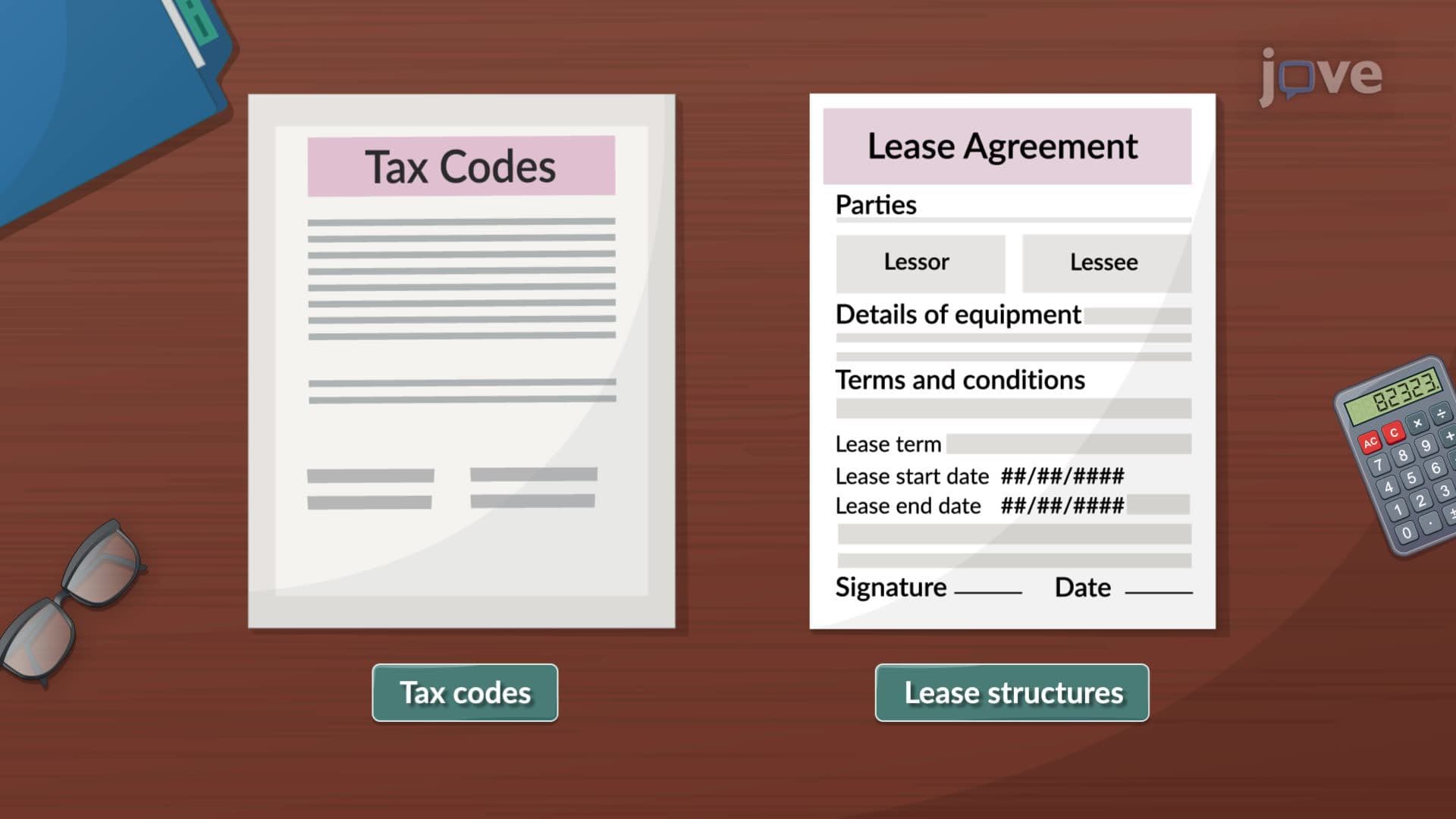
Smart businesses recognize that standardization dramatically reduces transaction costs. Consider Enterprise Rent-A-Car's fleet management approach: by implementing standardized lease agreements across their 85,000+ vehicle fleet, they eliminate the need for detailed financial analysis on each transaction. This standardization allows rapid scaling and consistent pricing models that benefit both the company and customers. The administrative savings translate directly to competitive pricing and improved profit margins.
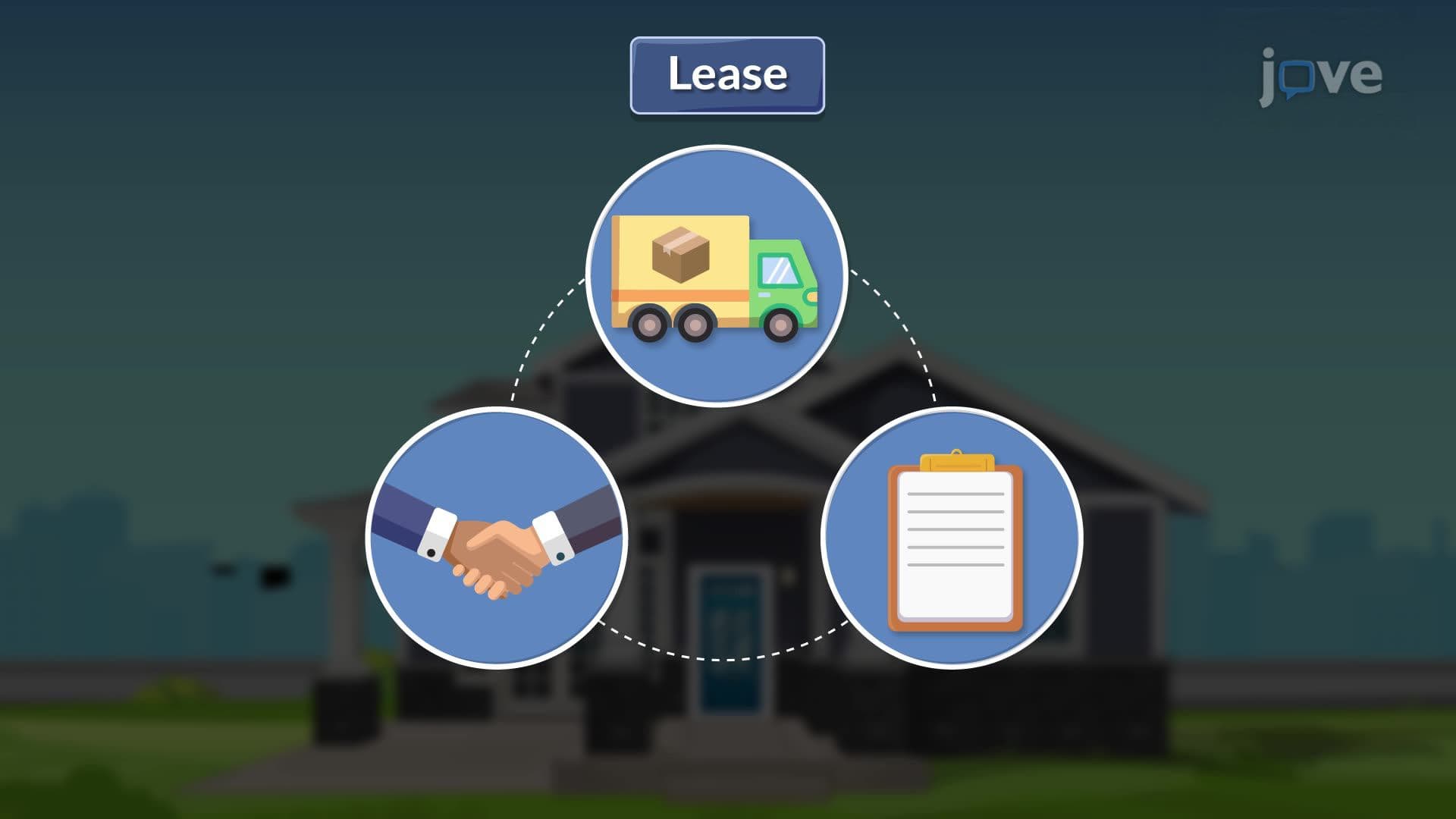
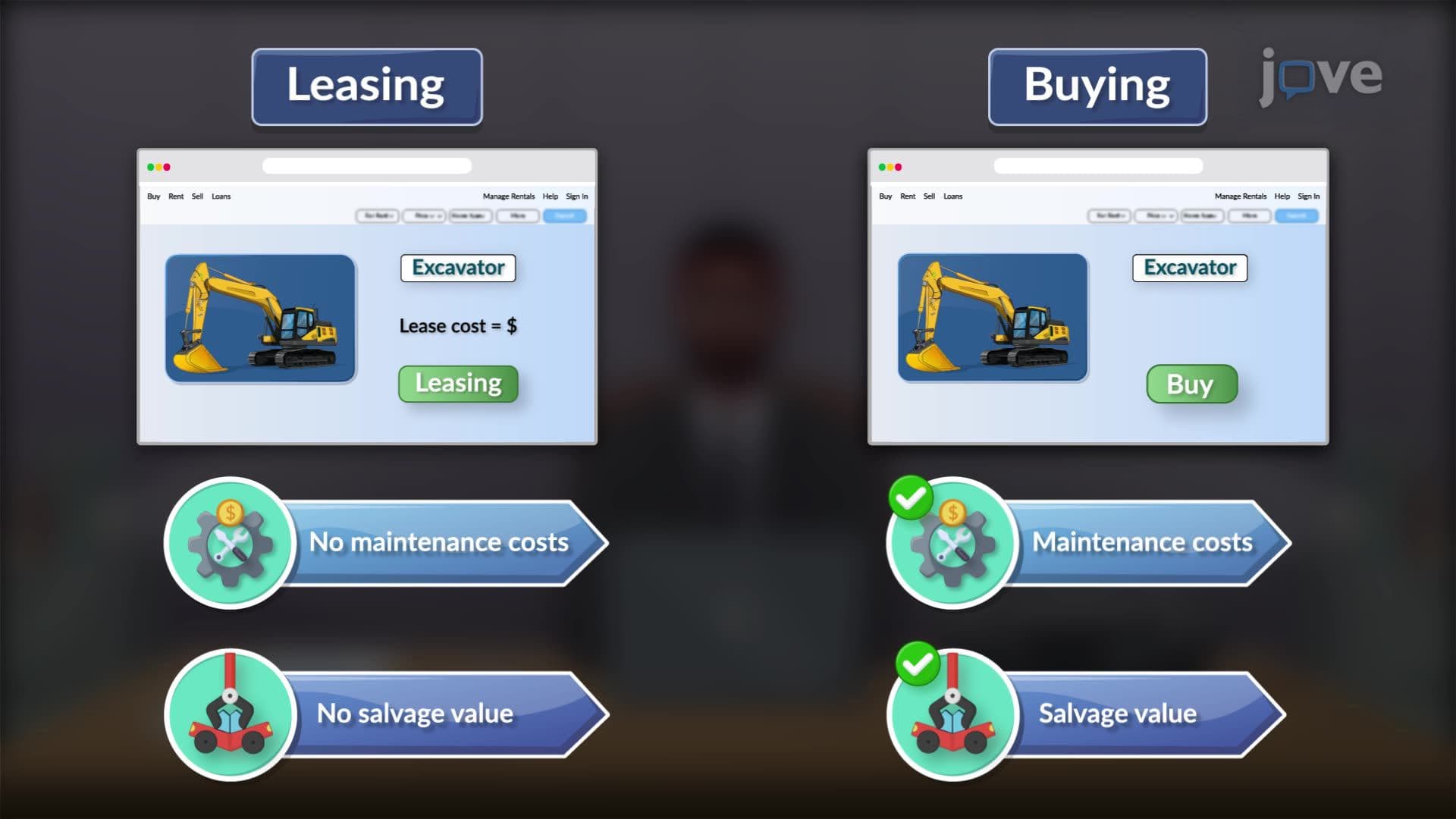
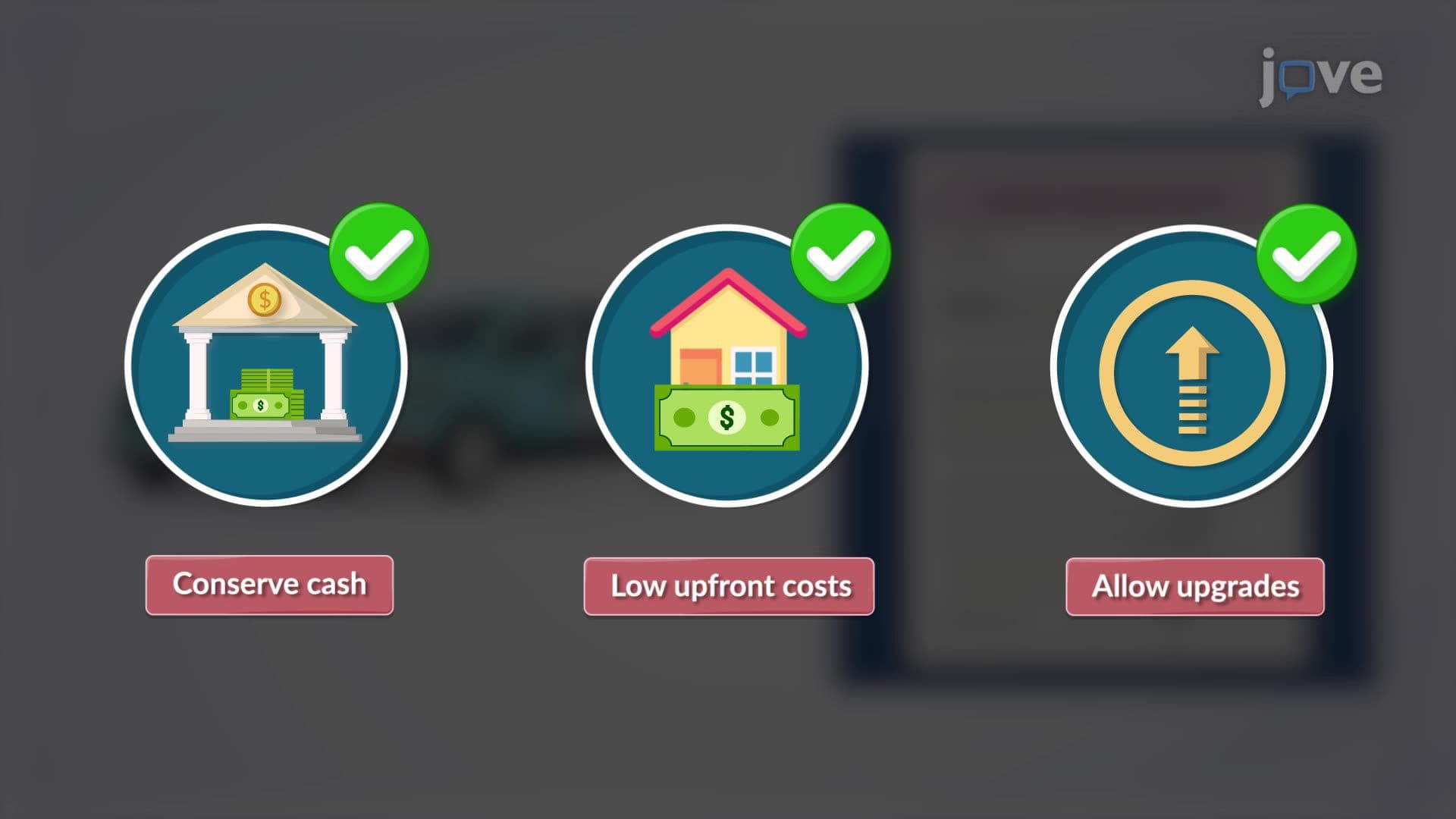
For growing companies, traditional financing methods like bond issuances or stock offerings involve substantial transaction costs, investment banking fees, legal expenses, regulatory compliance, and extensive due diligence processes. Leasing provides an alternative with significantly lower barriers to entry. A mid-sized logistics company seeking to expand their delivery fleet can secure standardized truck leases with minimal legal documentation, bypassing the complex financial engineering required for traditional debt financing.
The transaction cost framework applies differently based on time horizons. Short-term arrangements minimize costs for temporary needs, much like how business travelers book hotel rooms rather than purchasing property for brief trips. FedEx exemplifies this with seasonal equipment leasing during peak shipping periods, avoiding permanent capital commitments while maintaining operational flexibility.
Long-term leasing strategies focus on predictable, ongoing relationships that reduce cumulative transaction costs over time. Tesla's approach to manufacturing equipment leases demonstrates how companies can maintain operational continuity while preserving capital for core business investments. The predictable payment structure eliminates the volatile transaction costs associated with frequent asset acquisitions and disposals.
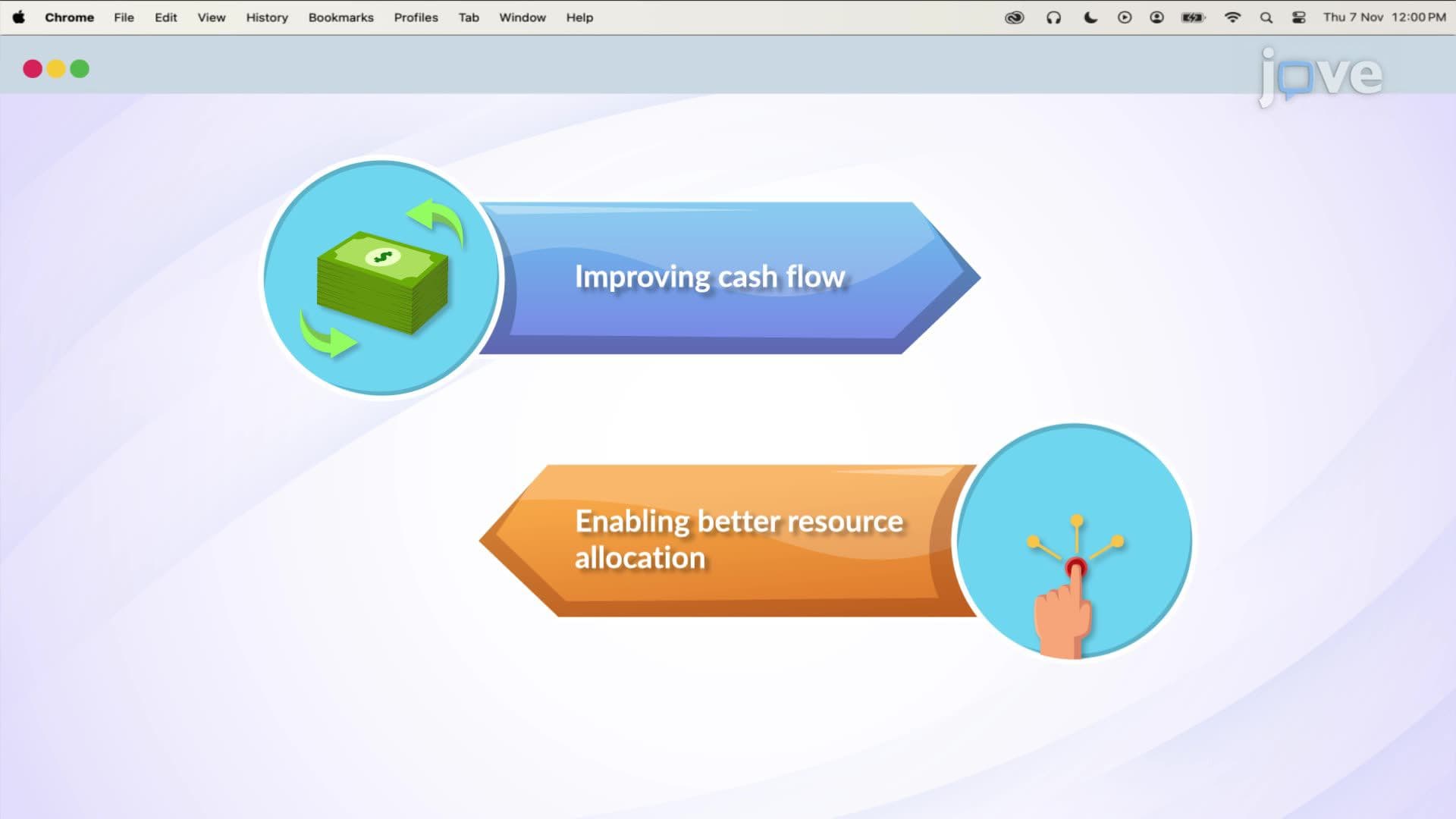
Lower transaction costs create sustainable competitive advantages by enabling faster decision-making and resource allocation. Companies that master transaction cost management can respond more quickly to market opportunities, negotiate more favorable terms with suppliers, and maintain operational efficiency that translates to superior financial performance and market positioning.
Related Micro-courses