Loading video…


 20 Concepts
 2.2K views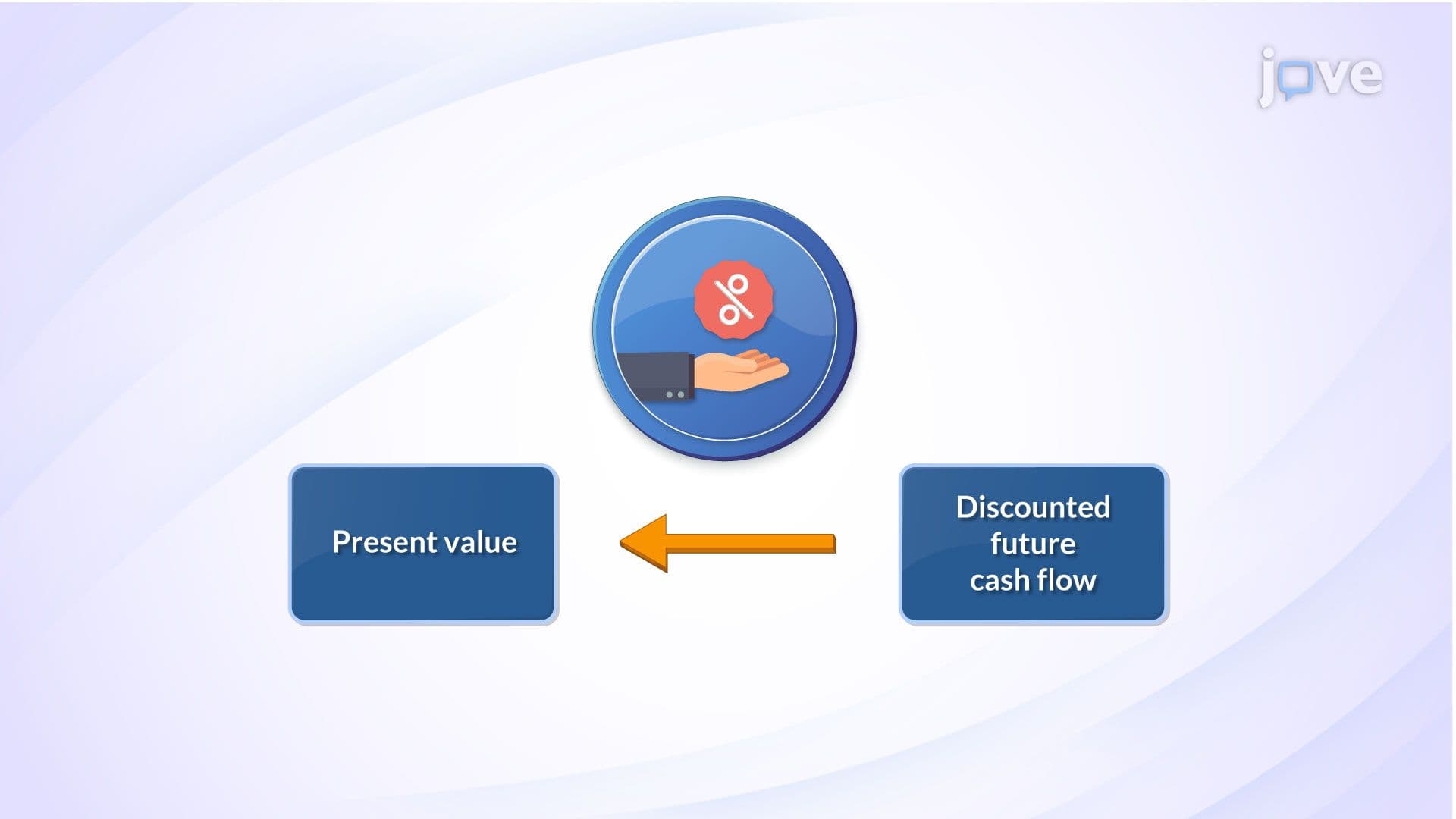

Video Summary: What Is Npv Analysis
When equipment financing decisions can make or break quarterly budgets, NPV analysis becomes your competitive advantage. This financial methodology evaluates cash flow timing to determine true investment value-a skill that separates strategic leaders from reactive managers. Companies like General Electric use NPV frameworks to optimize their massive equipment portfolios, comparing lease-versus-buy scenarios across industrial divisions. What is NPV Analysis isn't just theory; it's the foundation for sound capital allocation that directly impacts your bottom line. Watch the full video on JoVE Coach to master this concept with expert-led visuals and step-by-step explanations.
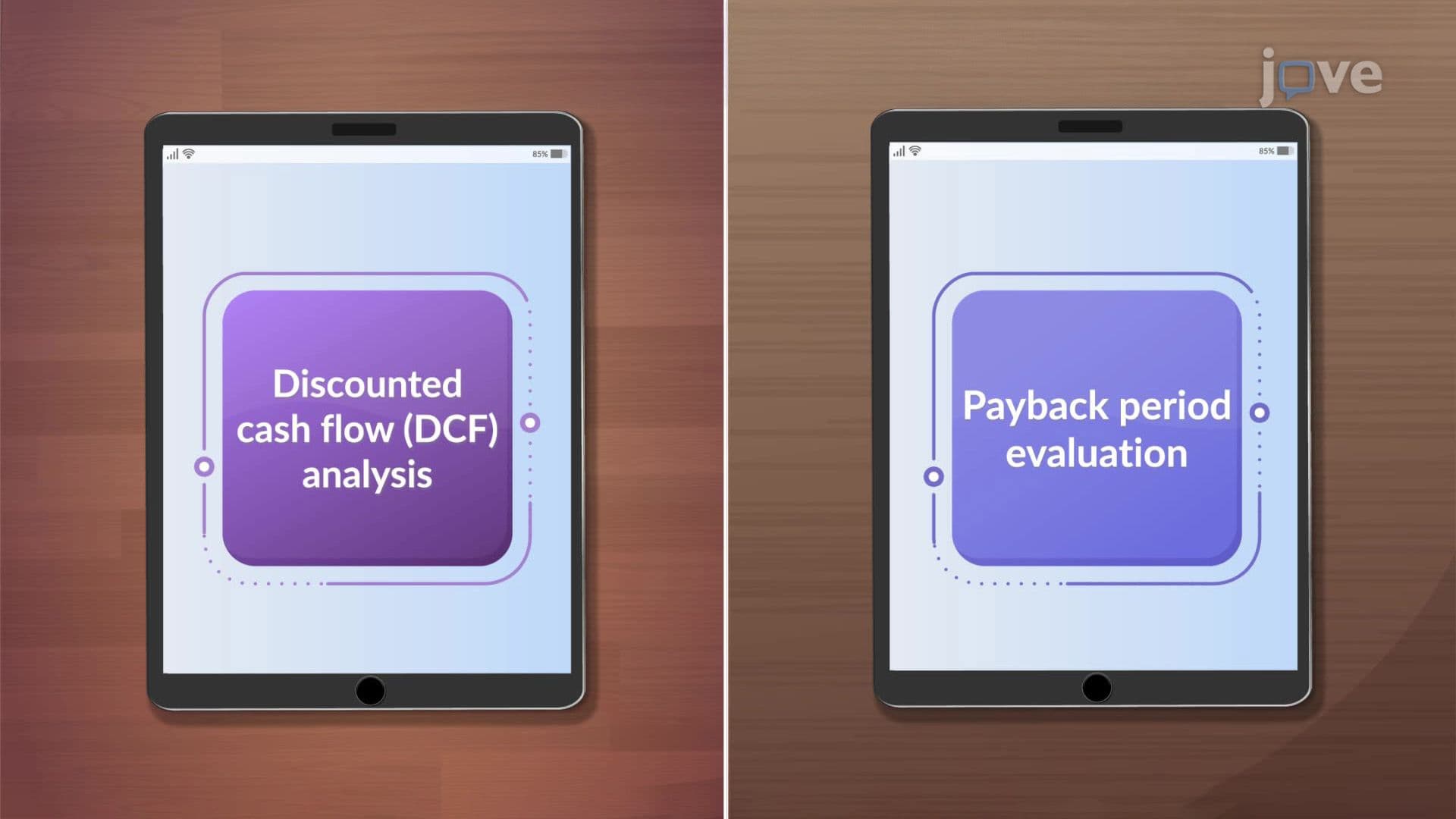
When Caterpillar's equipment managers evaluate multimillion-dollar machinery acquisitions, they rely on NPV analysis to cut through vendor marketing and focus on mathematical reality. This time-value-of-money approach transforms complex cash flow streams into comparable present-day values, enabling apple-to-apple comparisons across vastly different financing structures.
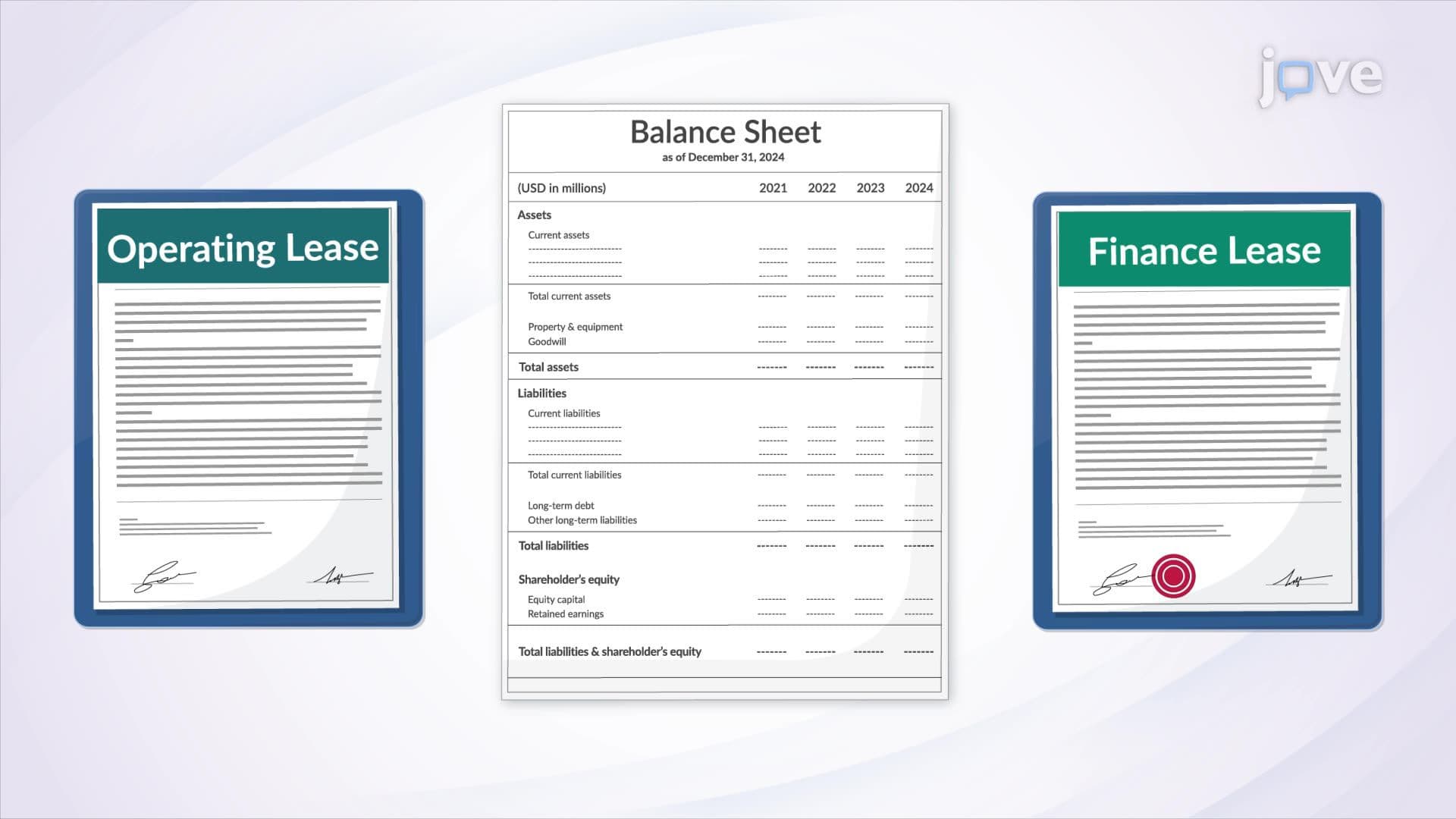
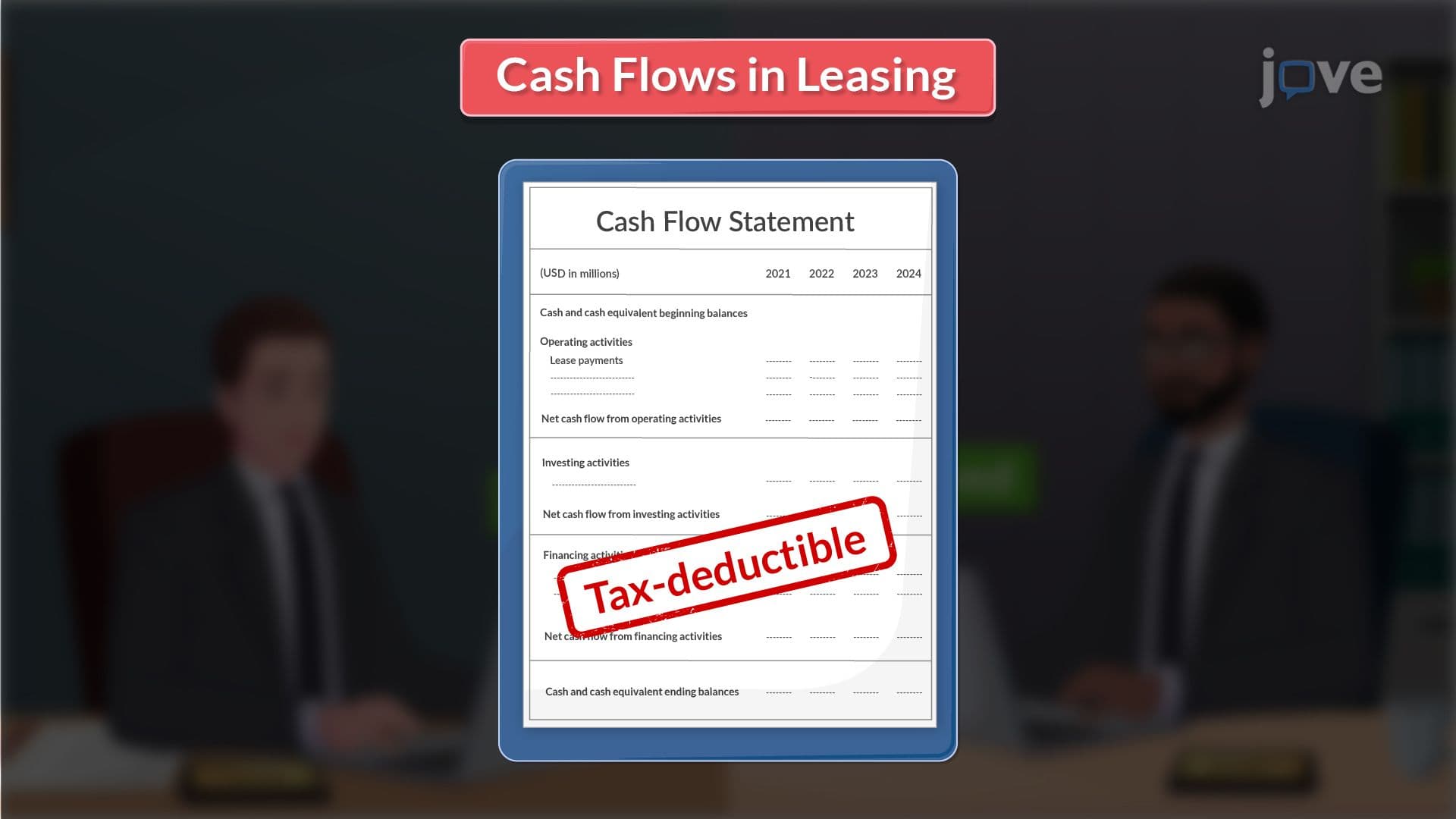
Net Advantage to Leasing (NAL) elevates basic NPV calculations into sophisticated lease-versus-buy analysis. While traditional cost comparisons might favor the option with lower nominal payments, NAL accounts for opportunity costs, tax shields, and residual value recovery. A negative NAL indicates leasing advantages, while positive values suggest ownership benefits. This nuanced approach prevents costly financing mistakes that plague companies focused solely on monthly payment amounts.
Consider FedEx's approach to fleet management. Their logistics operations require constant evaluation of delivery vehicle acquisition strategies. Using NPV analysis, they can compare a $50,000 truck purchase against a five-year lease with $800 monthly payments and $15,000 residual value. The analysis incorporates maintenance escalations, fuel efficiency changes, and technological obsolescence-factors invisible in simple payment comparisons but critical to long-term profitability.
NPV analysis transforms reactive purchasing into proactive portfolio management. When discount rates reflect your company's cost of capital, NPV calculations reveal whether proposed investments exceed your minimum acceptable returns. This prevents capital deployment in marginally profitable projects while identifying opportunities that significantly exceed hurdle rates. Smart managers use NPV sensitivity analysis to stress-test assumptions, ensuring decisions remain sound even if market conditions shift unexpectedly.
Related Micro-courses