Loading subject page…


2,194 views

Video Summary: What are Leases and Lease Types
Understanding leases and lease types is crucial for optimizing working capital and maintaining operational flexibility in today's competitive business environment. Companies like Boeing use sophisticated lease structures to help airlines acquire aircraft fleets without massive capital outlays, demonstrating how strategic lease decisions impact both cash flow and competitive positioning. What are Leases And Lease Types represents a fundamental concept that drives major corporate financing decisions across industries. Watch the full video on JoVE Coach to master this concept with expert-led visuals and step-by-step explanations.
When Starbucks rapidly expanded across the United States, the company relied heavily on operating leases for its retail locations rather than purchasing real estate outright. This strategic decision enabled faster market penetration while preserving capital for inventory, equipment, and marketing-demonstrating how understanding leases and lease types directly impacts business scalability and competitive positioning.
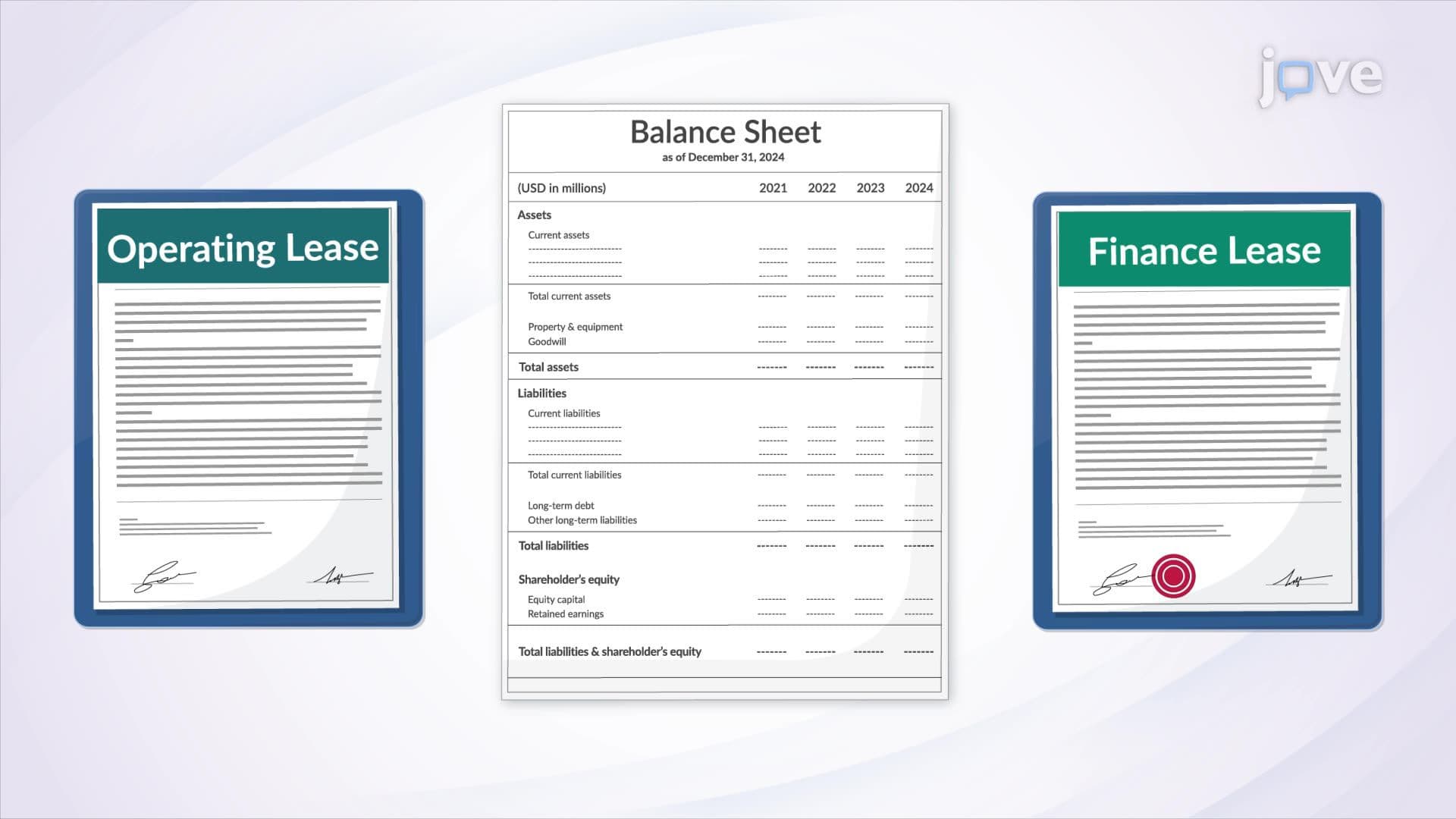
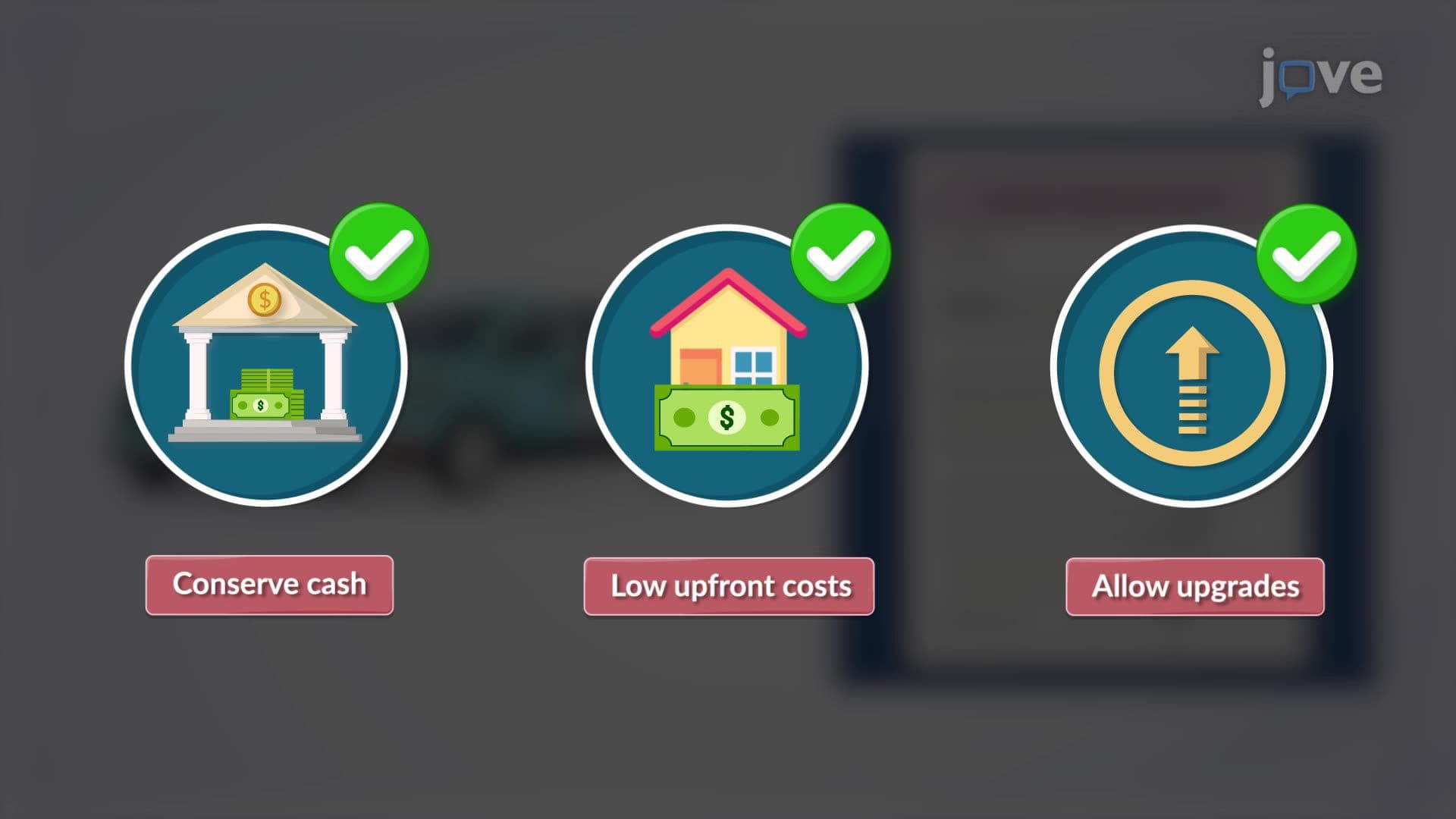
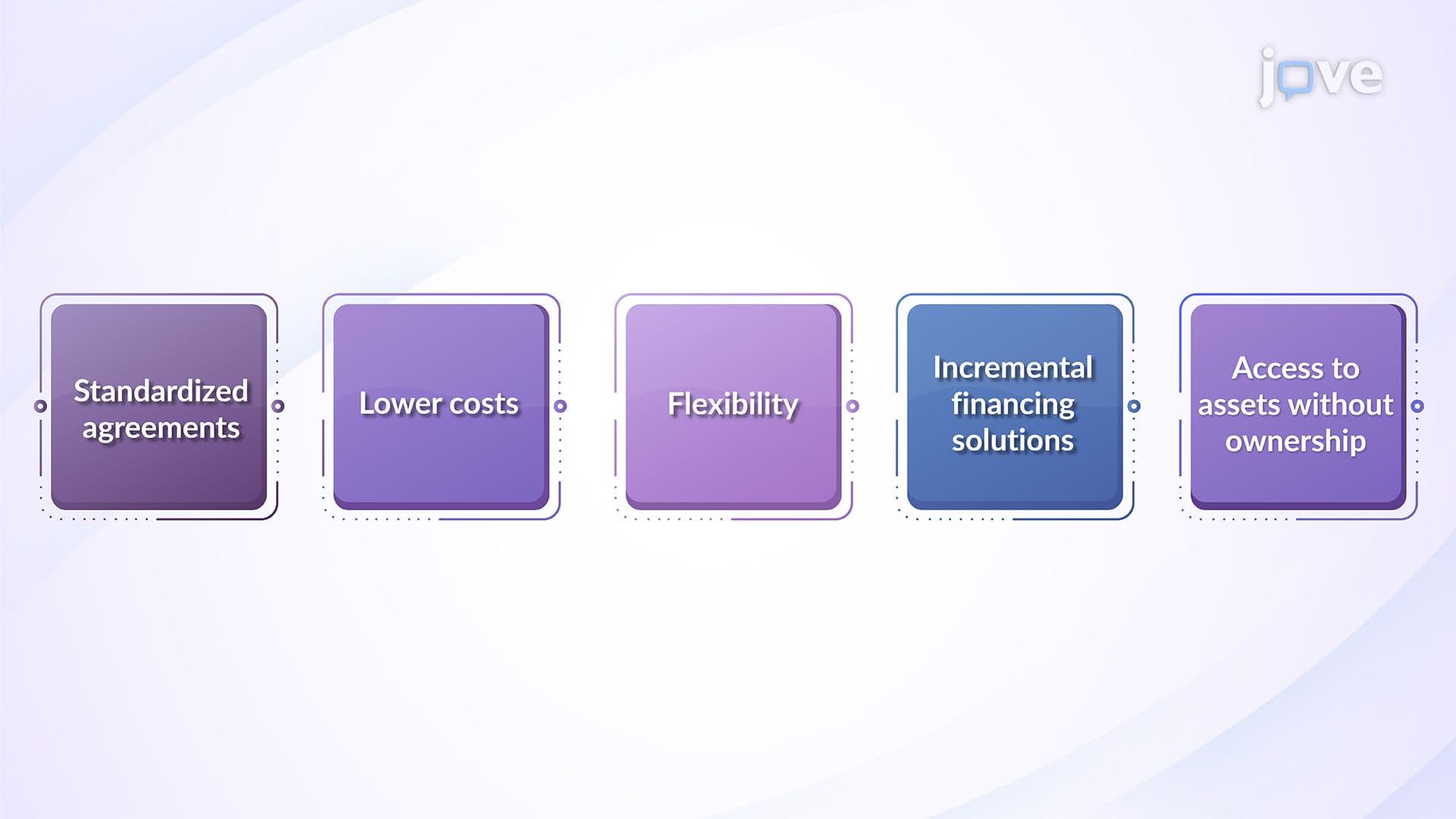
Operating leases function as rental agreements that provide access to assets without the long-term commitment of ownership. Under current accounting standards, these arrangements still appear on the balance sheet as right-of-use assets, but they offer significant strategic advantages for businesses prioritizing flexibility. Companies like Uber leverage operating leases for their corporate offices and technology equipment, allowing them to scale operations quickly in response to market demands while maintaining the ability to relocate or downsize as business conditions change.
The key characteristics of operating leases include shorter terms relative to the asset's useful life, no transfer of ownership, and lease payments that are generally lower than finance lease payments. This structure proves particularly valuable for technology assets that become obsolete quickly or for businesses operating in volatile markets where long-term commitments pose strategic risks.
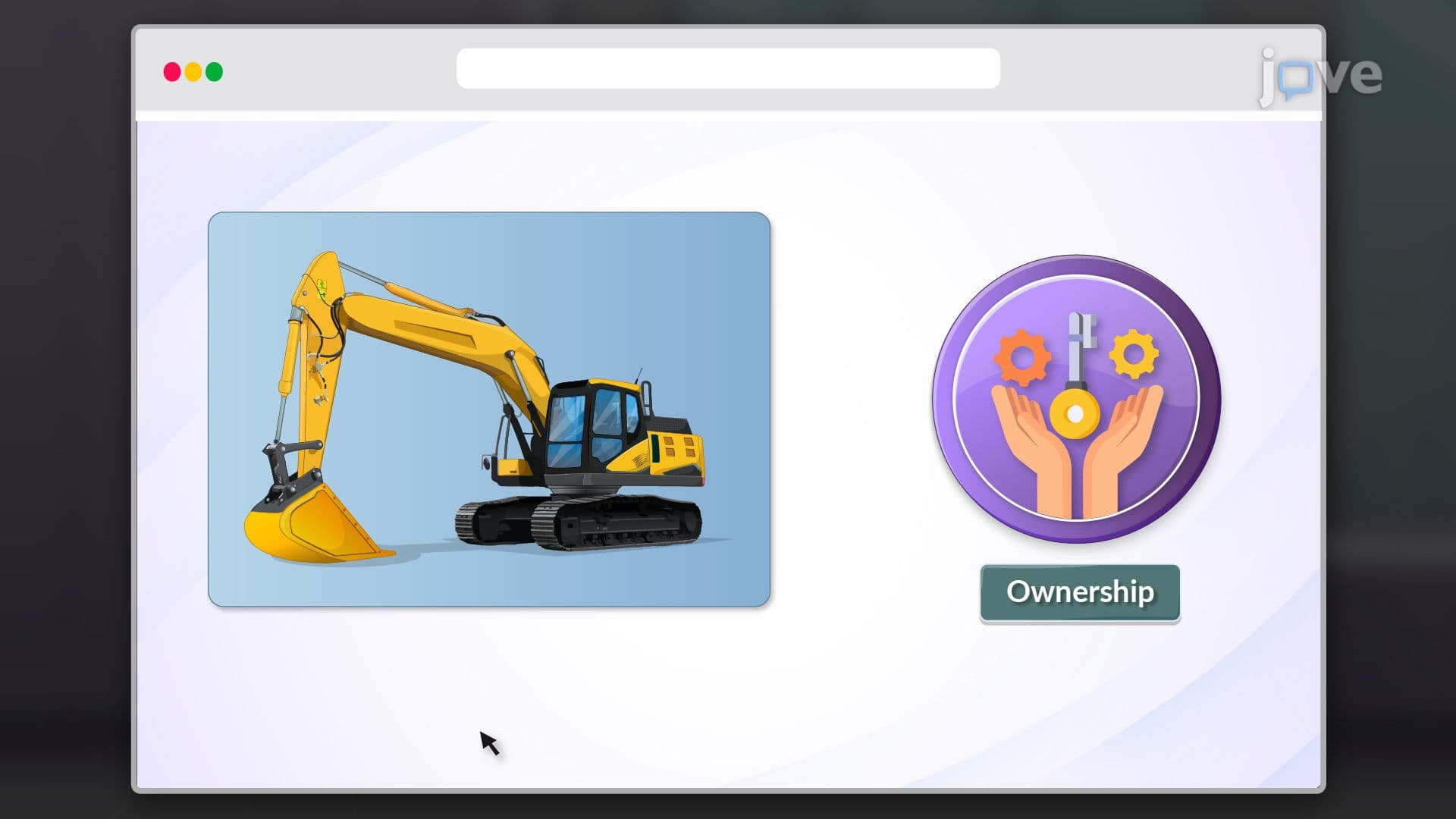
Finance leases, previously known as capital leases, represent long-term agreements where the lessee assumes substantially all the risks and rewards of ownership. Southwest Airlines exemplifies this approach with its aircraft fleet strategy, using finance leases to acquire Boeing 737s while spreading the financial impact across multiple years. This arrangement allows the airline to treat the aircraft as owned assets for accounting purposes while managing cash flow more effectively than outright purchases.
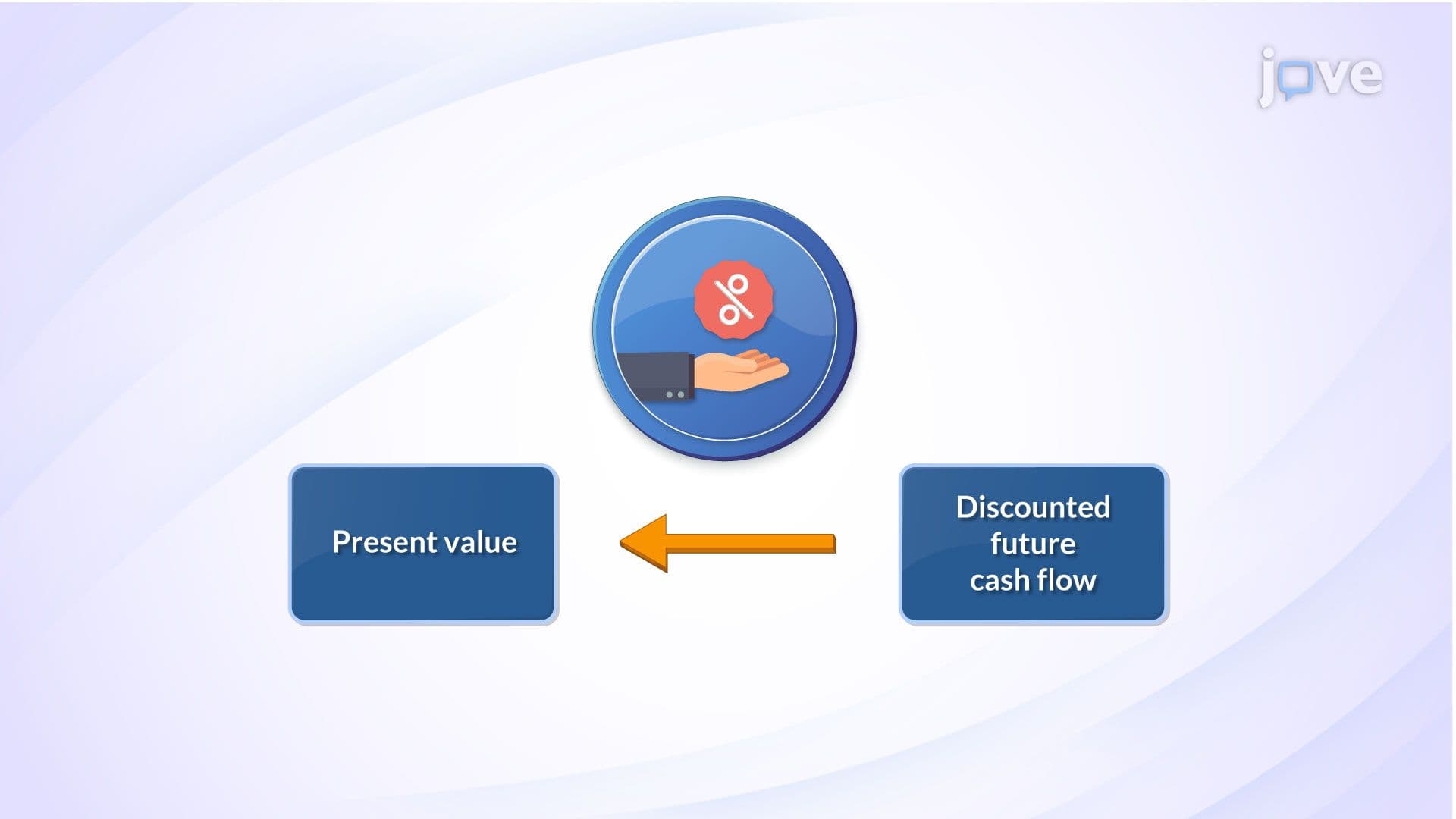
Finance leases typically involve terms that cover most of the asset's useful life, present value of payments approaching the asset's fair value, and often include purchase options or automatic ownership transfer. These characteristics make finance leases attractive for essential business assets that companies intend to use long-term, such as manufacturing equipment, specialized machinery, or core infrastructure.
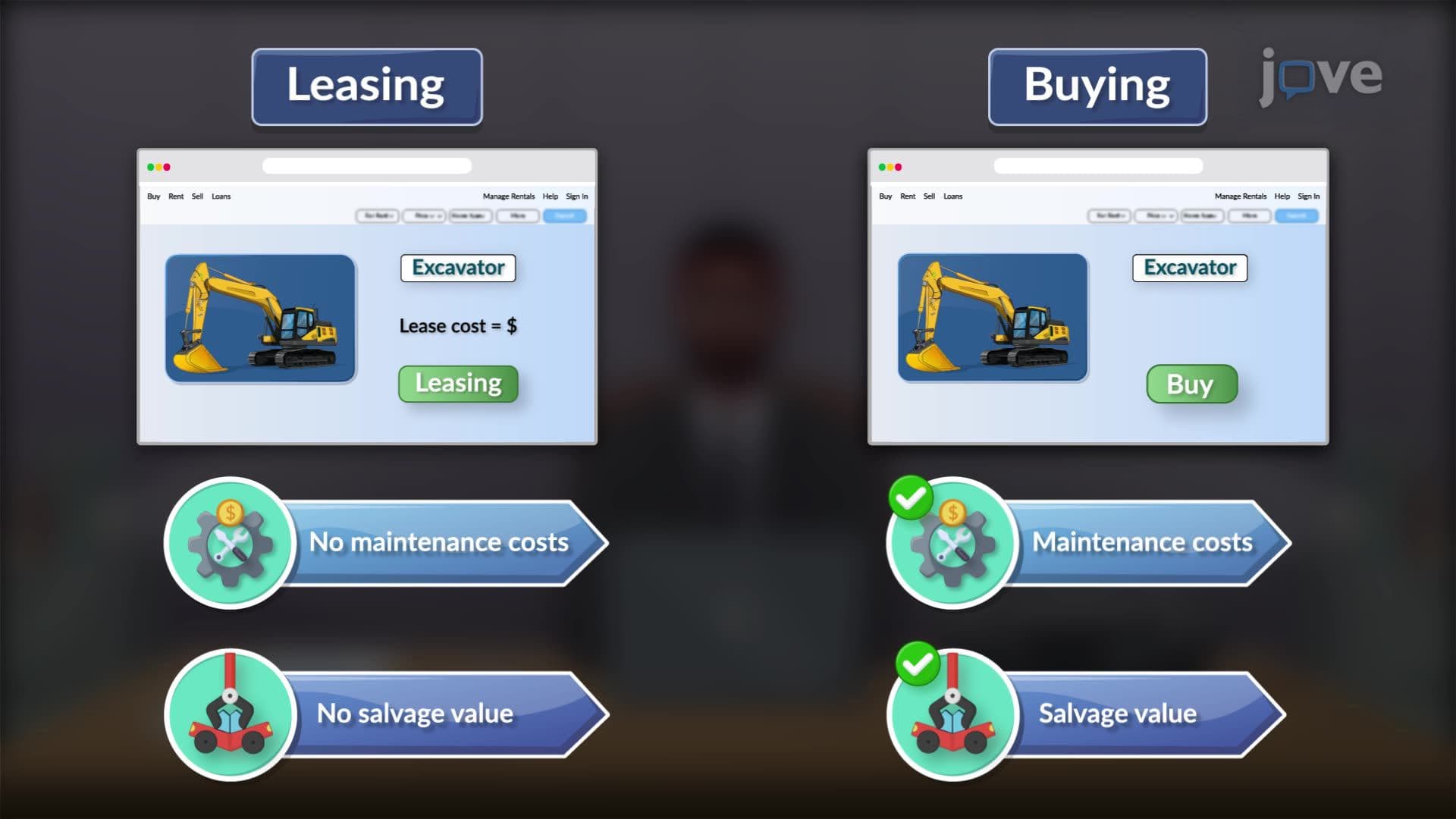
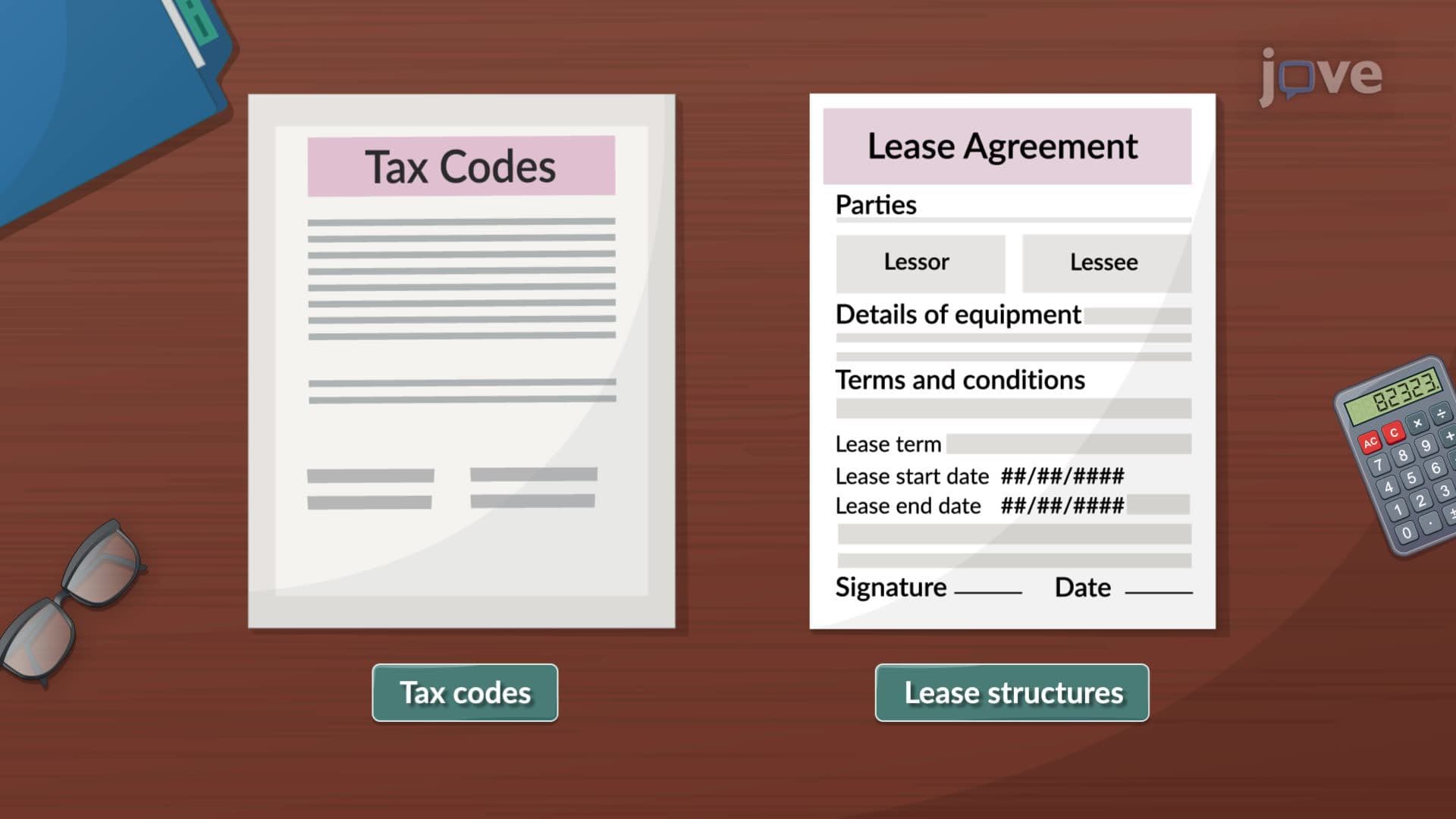
The choice between operating and finance leases involves complex considerations beyond simple cost comparisons. Technology companies often prefer operating leases for data center equipment to avoid obsolescence risk, while manufacturing firms may choose finance leases for production machinery to capture depreciation benefits and ensure long-term asset control. Understanding these nuances enables business leaders to align lease structures with broader corporate strategies, optimize tax positions, and maintain the financial flexibility necessary for growth and adaptation in dynamic markets.
Related Micro-courses