Loading video…


 20 Concepts
 2.2K views

Video Summary: What Is a Misconception
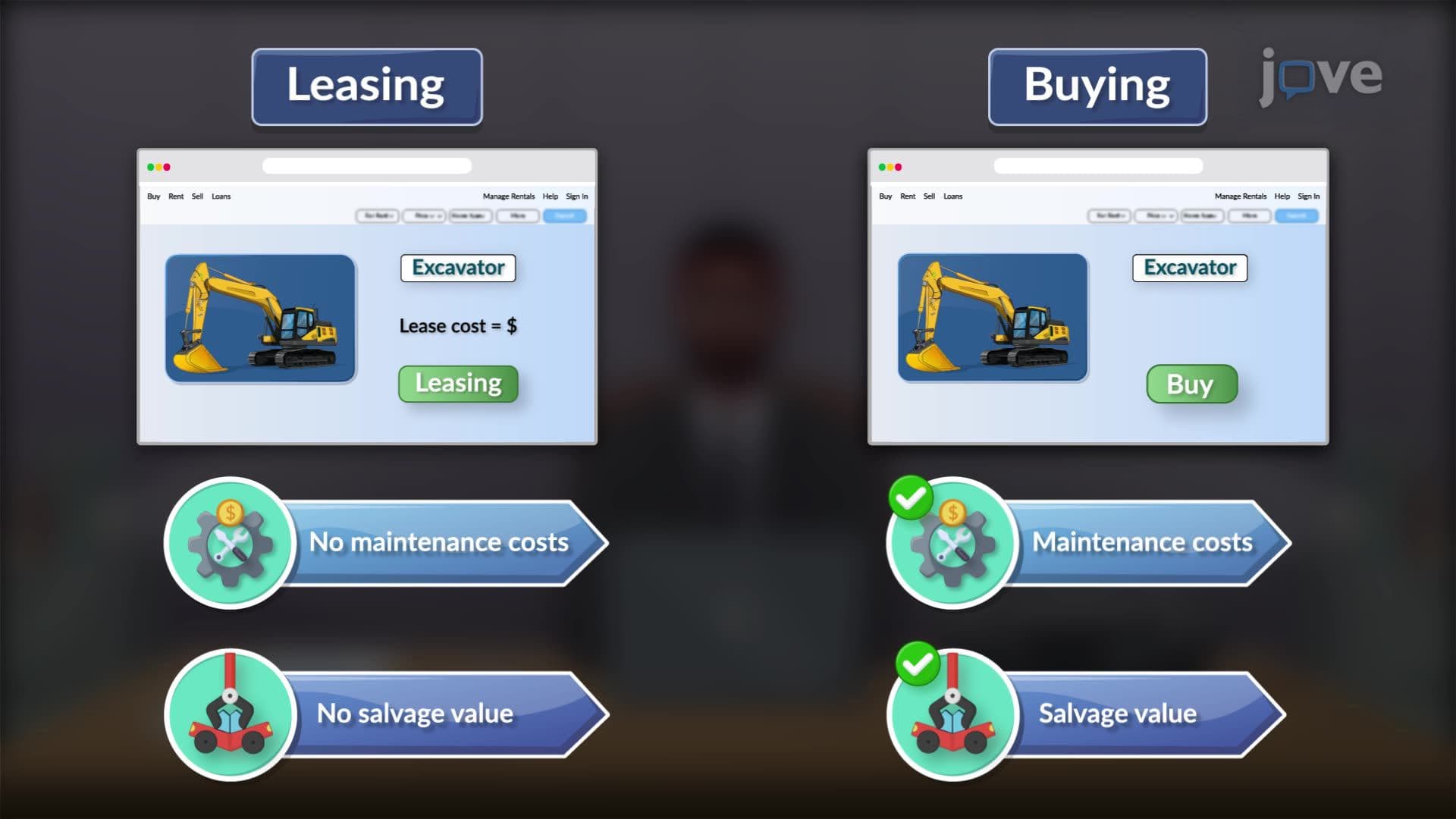
Financial misconceptions cost businesses millions annually, with lease-versus-buy decisions being particularly prone to flawed assumptions. A misconception occurs when surface-level analysis leads to incorrect conclusions-like assuming leasing is always cheaper due to lower monthly payments while ignoring total cost of ownership. Companies like FedEx have learned this lesson through strategic fleet management decisions that balance cash flow, asset utilization, and long-term value creation. Watch the full video on JoVE Coach to master this concept with expert-led visuals and step-by-step explanations.
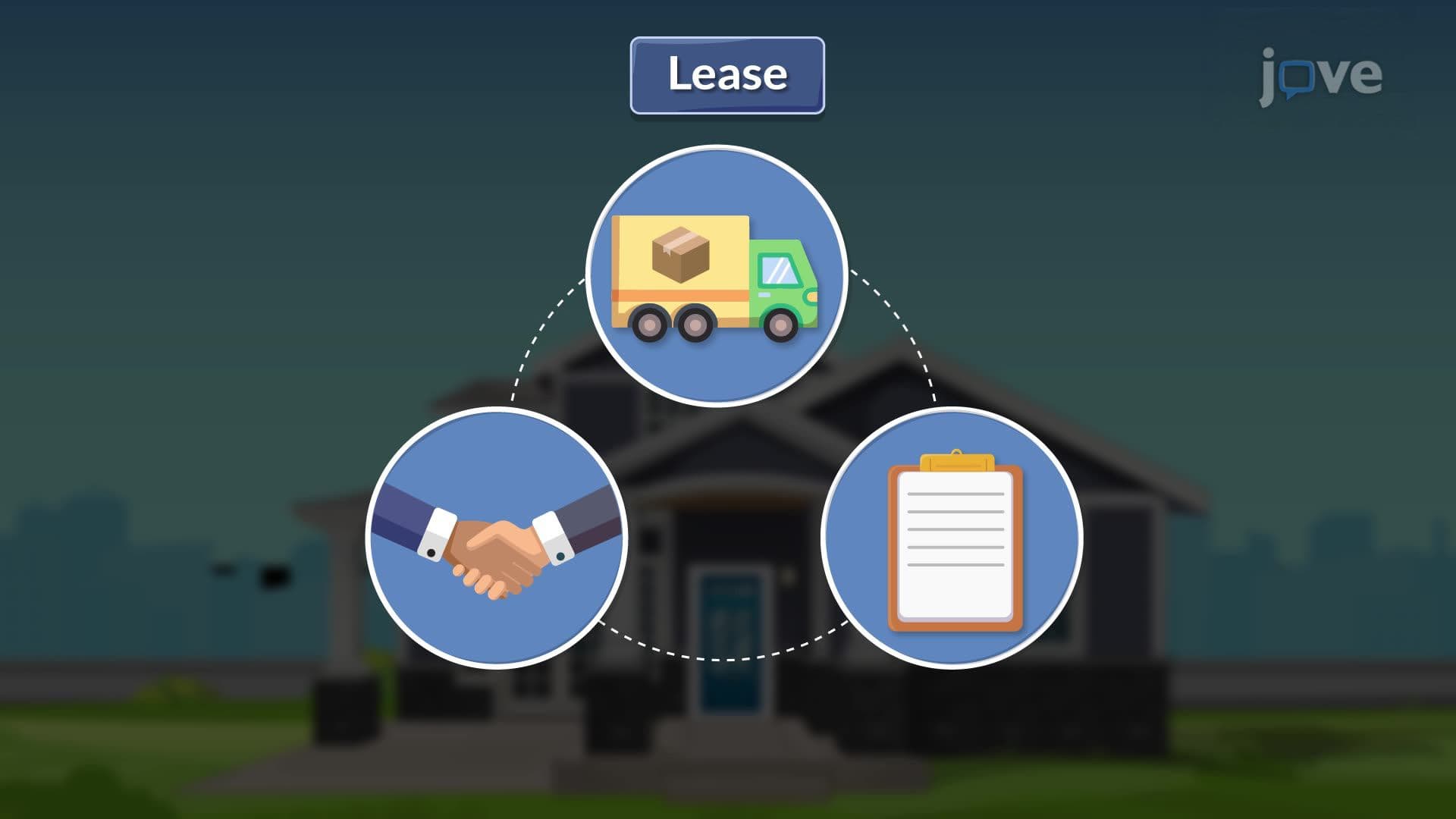
Consider a growing technology startup evaluating whether to lease or purchase a fleet of delivery vehicles for their expanding e-commerce operations. The CFO initially favors leasing due to lower monthly payments and preserved cash flow-a classic misconception that focuses on immediate costs rather than strategic value creation.
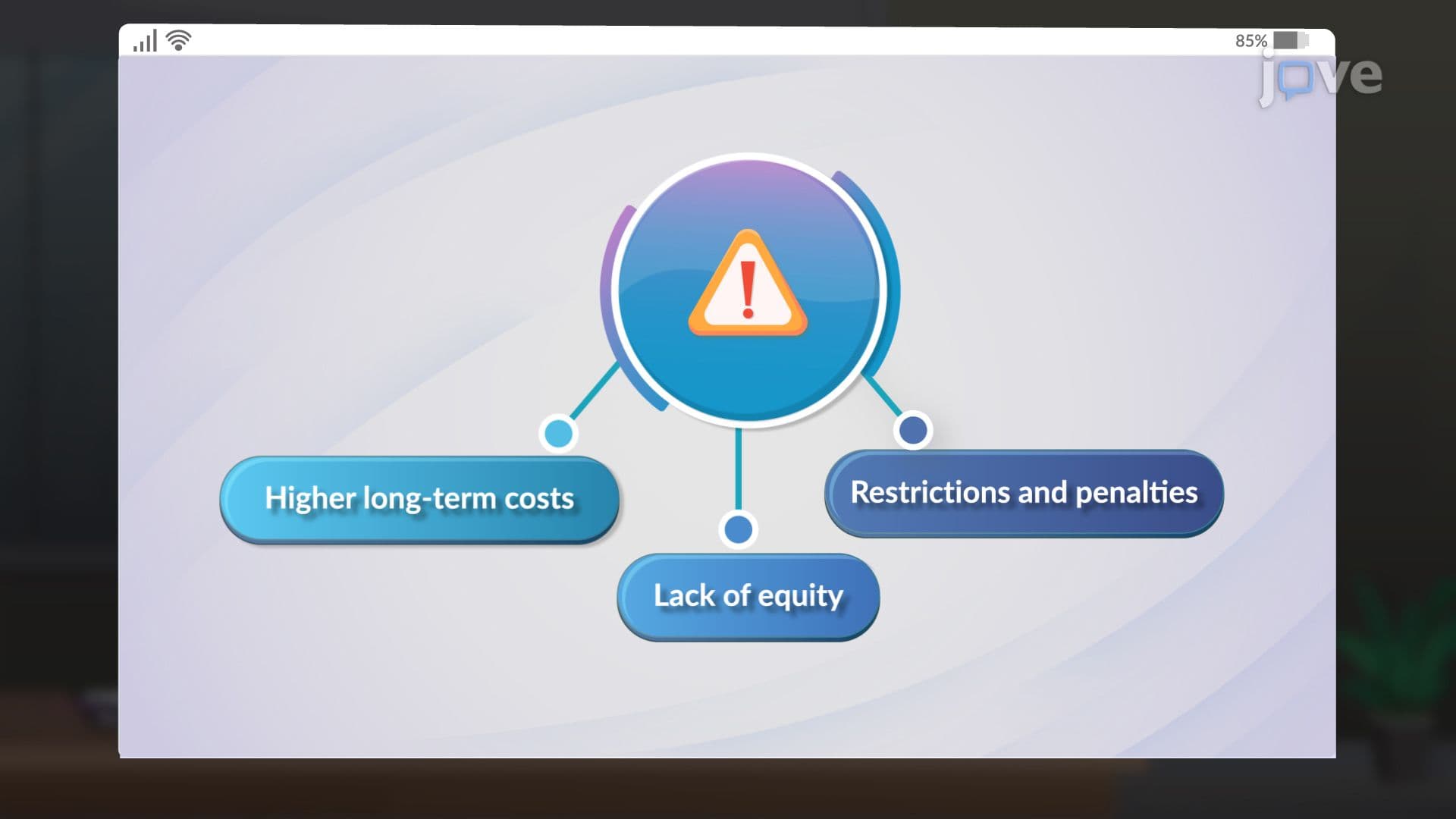
Misconceptions in business typically arise from incomplete analysis or cognitive shortcuts that seem logical on the surface. In asset acquisition, the "leasing is cheaper" misconception stems from overweighting short-term cash flow benefits while underestimating cumulative costs, mileage restrictions, wear-and-tear charges, and lost equity building opportunities.
Amazon's early logistics strategy exemplifies sophisticated asset management thinking. Rather than defaulting to leasing based on lower monthly payments, the company analyzed total cost of ownership, operational control benefits, and strategic flexibility. This comprehensive approach enabled them to build a competitive moat through owned infrastructure investments.
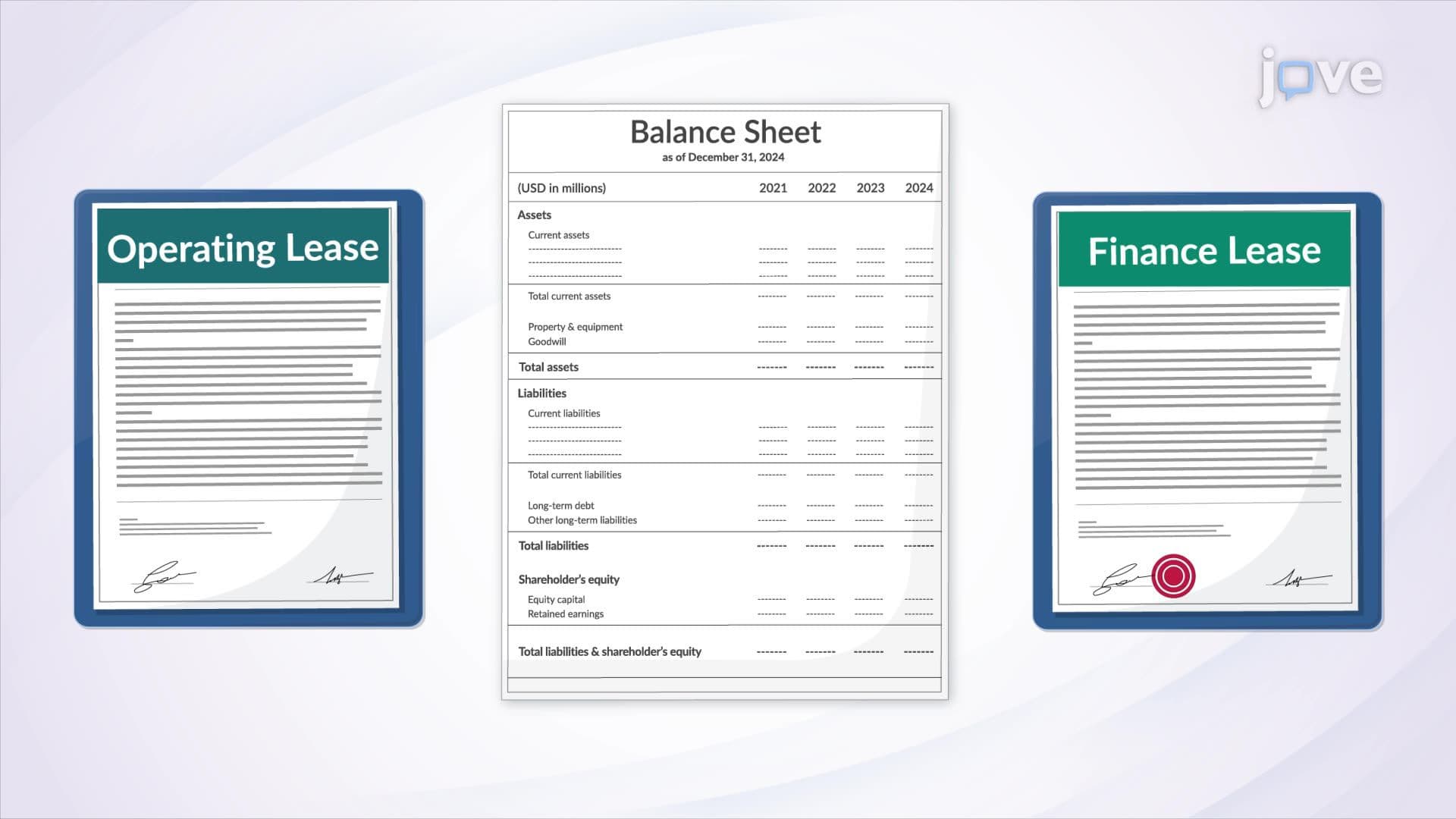
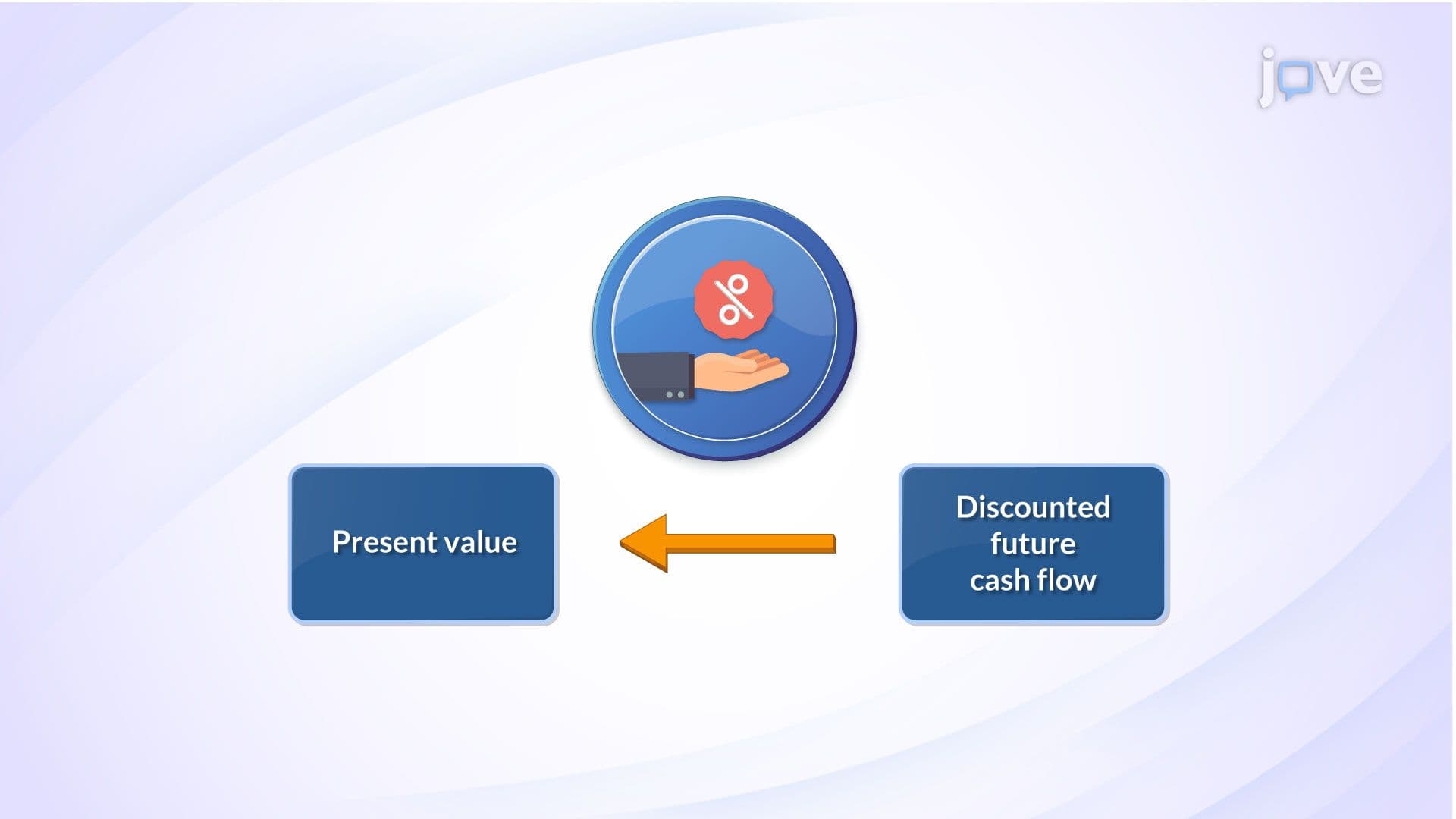
Professional decision-makers must implement systematic evaluation processes that challenge initial assumptions. For asset acquisition decisions, this means analyzing multiple scenarios: purchase with financing, cash purchase, operating lease, and capital lease structures. Each option carries different implications for financial statements, tax optimization, and strategic flexibility.
Consider how Home Depot approaches equipment acquisition for their distribution centers. Their finance team evaluates not just immediate costs, but factors including technological obsolescence rates, maintenance control, utilization patterns, and alignment with long-term operational strategy. This prevents the misconception that the lowest monthly payment always delivers the best business value.
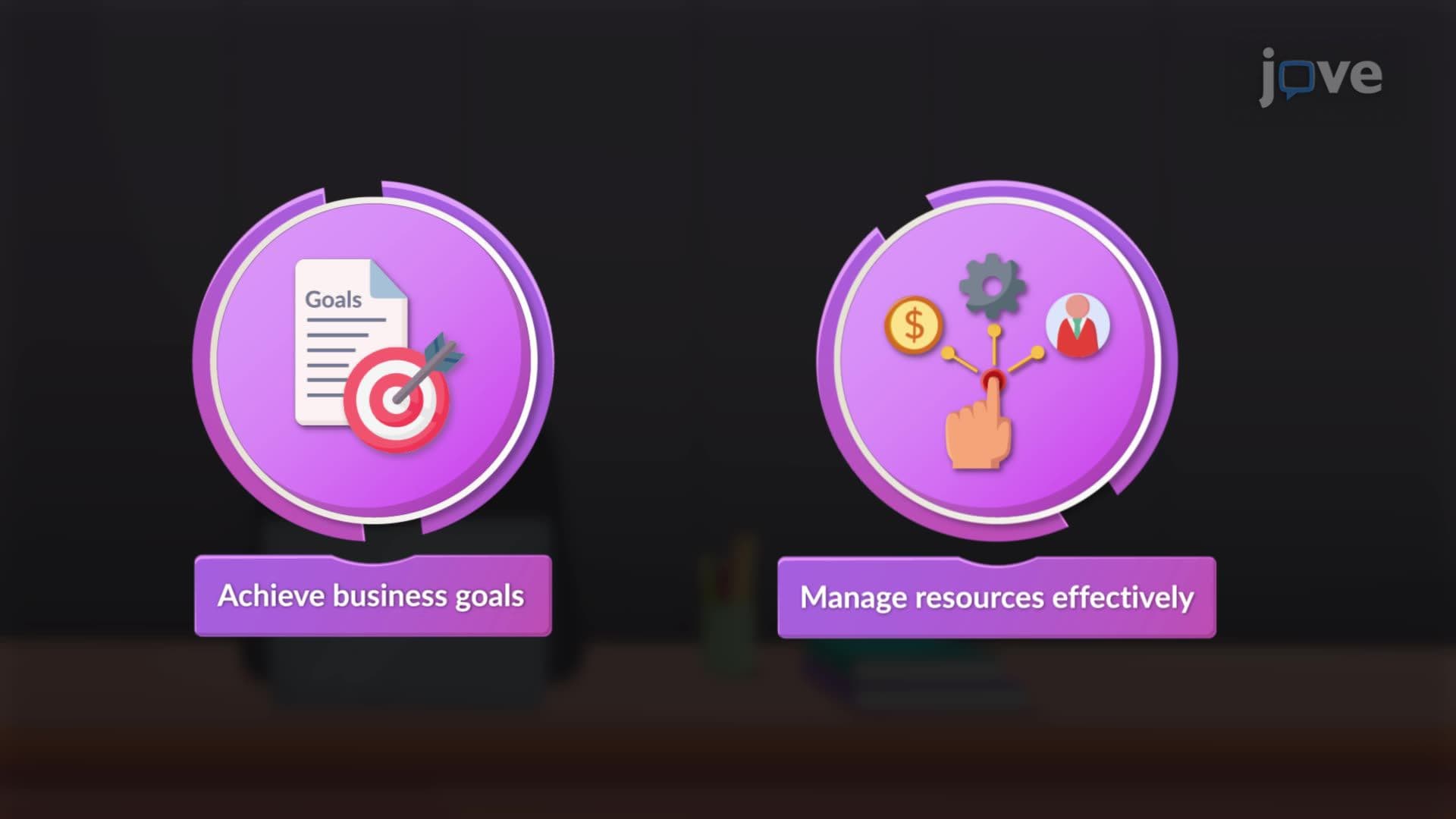
Creating organizational awareness around common misconceptions requires establishing decision-making protocols that mandate comprehensive analysis. This includes stress-testing assumptions, seeking contrarian viewpoints, and documenting the rationale behind key financial decisions for future evaluation and learning.
Related Micro-courses