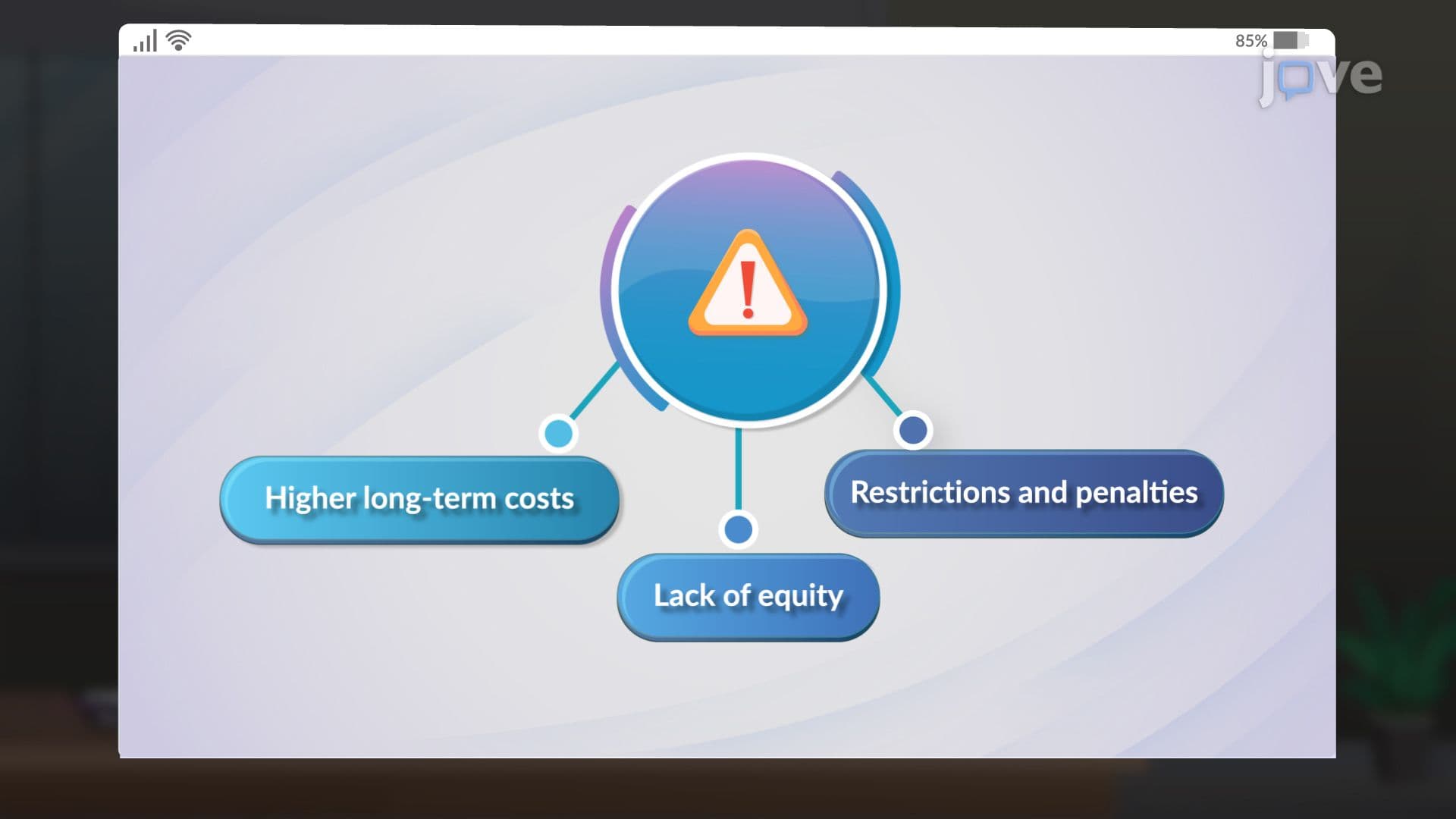
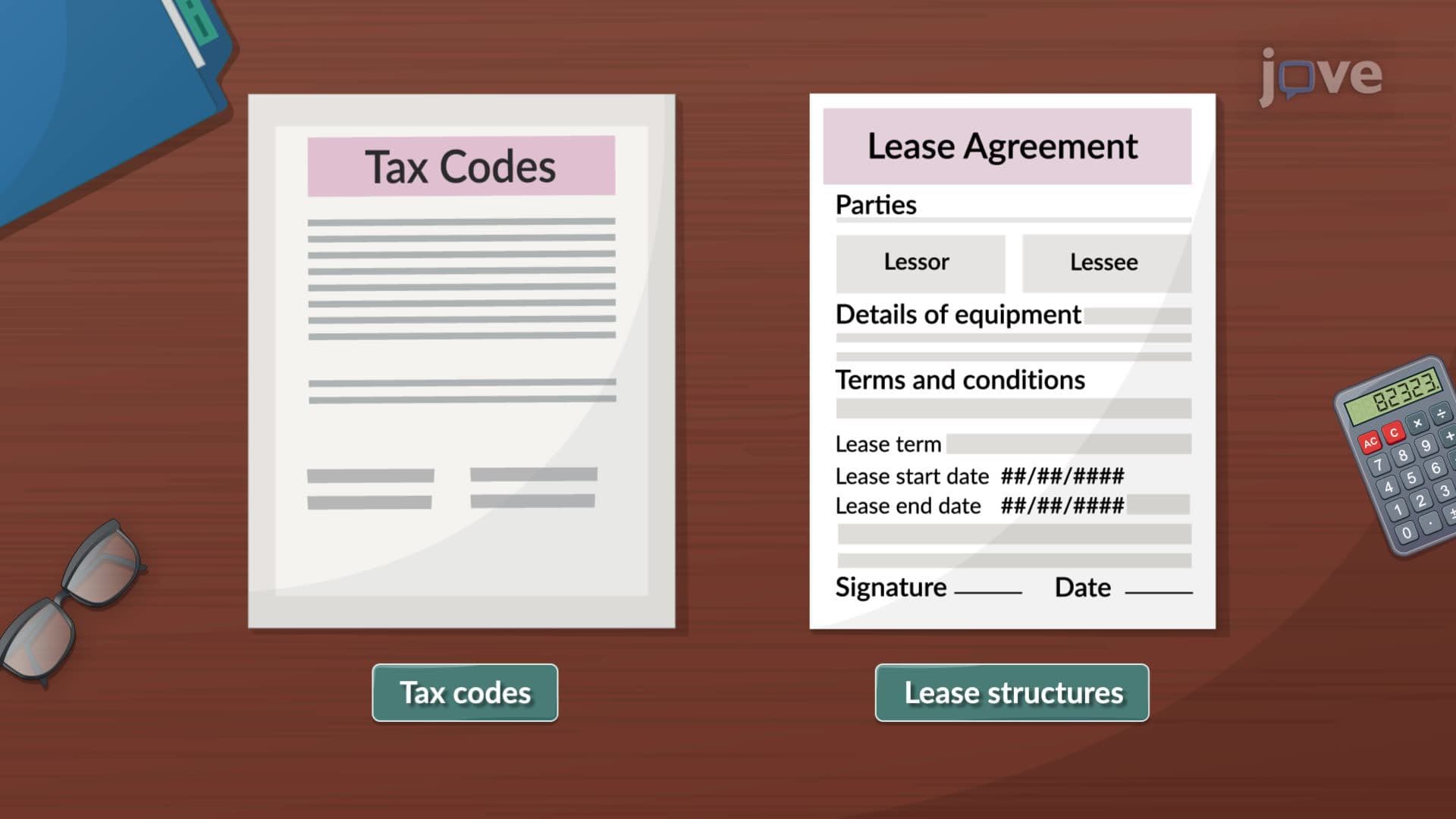
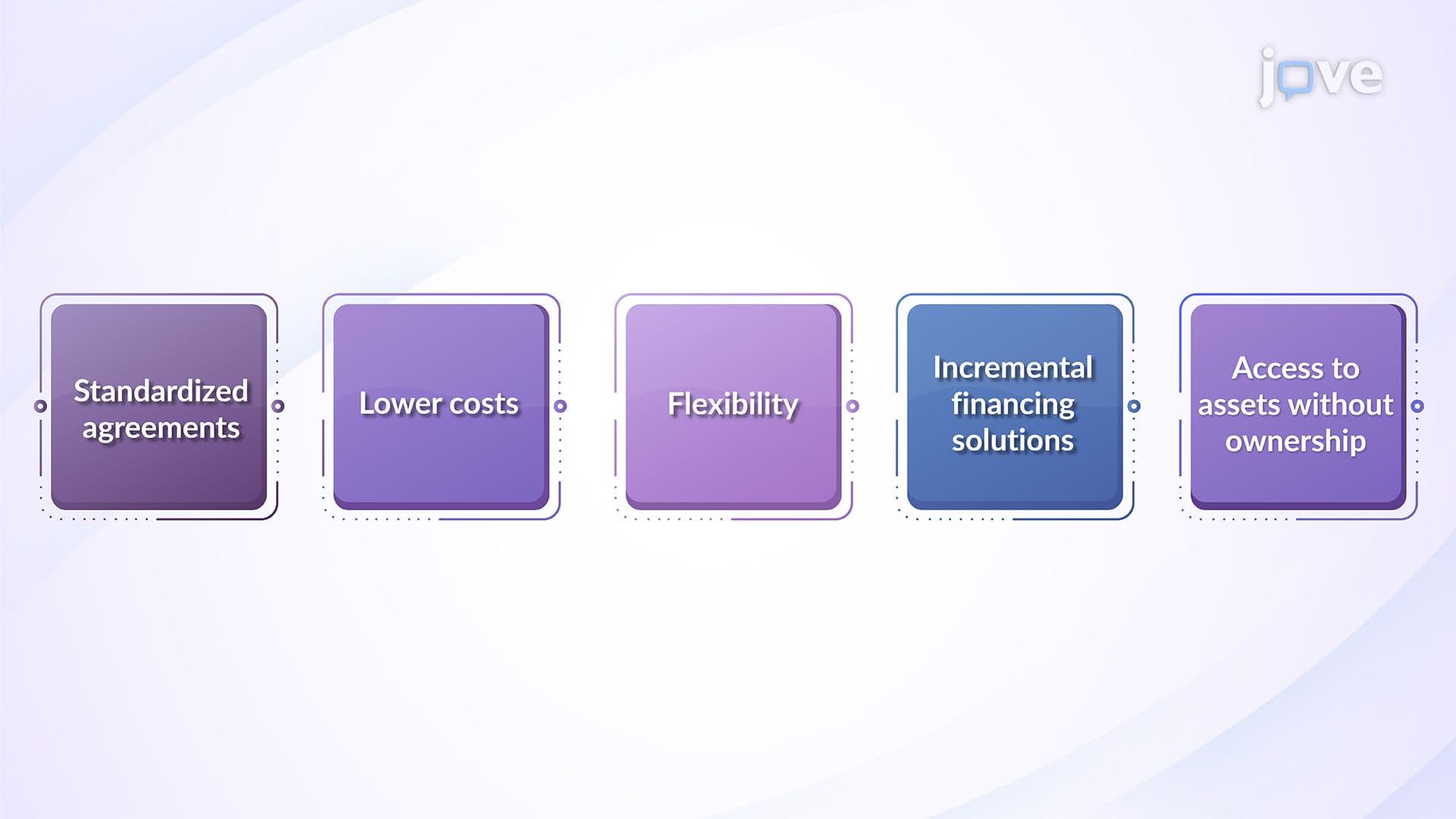
Loading video…


 20 Concepts
 2.2K views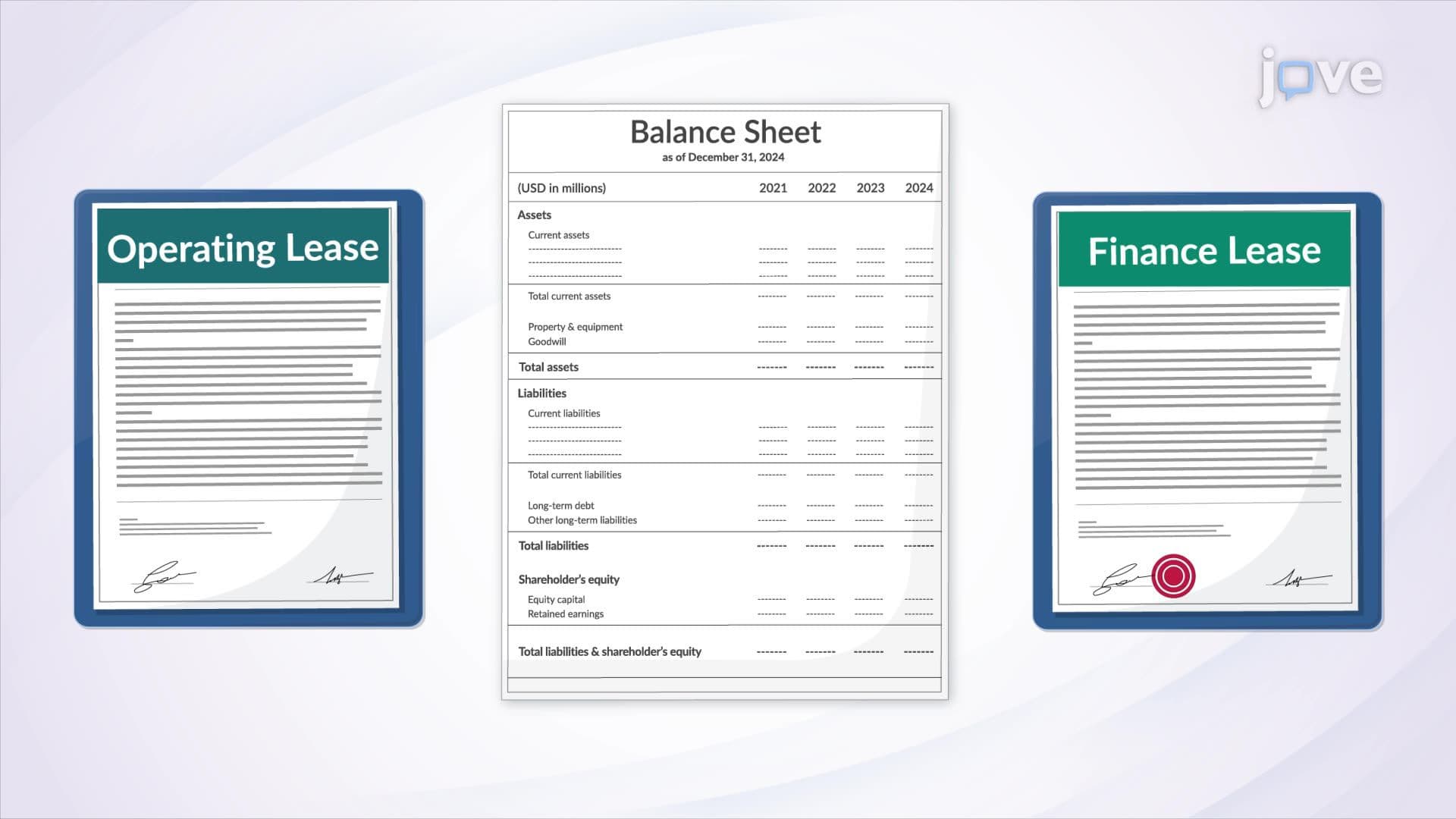

Video Summary: What Is Accounting and Leasing
Accounting leasing decisions directly impact balance sheet strength and debt ratios-critical factors when companies like Southwest Airlines structure their massive fleet acquisitions. Understanding accounting and leasing fundamentals helps finance professionals navigate complex capitalization rules that transformed financial reporting transparency after FASB's 2019 mandate requiring all leases on balance sheets. This shift eliminated billions in off-balance-sheet financing across industries. Watch the full video on JoVE Coach to master this concept with expert-led visuals and step-by-step explanations.
When Starbucks expanded rapidly across the United States, the coffee giant faced a critical decision: purchase or lease thousands of retail locations. This choice wasn't merely operational-it fundamentally shaped how the company's financial strength appeared to investors, lenders, and stakeholders through accounting and leasing treatment.
Before 2019, companies enjoyed significant flexibility in keeping lease obligations invisible to stakeholders through off-balance-sheet financing. Airlines like United Airlines could operate massive fleets while showing minimal aircraft assets and corresponding debt obligations on their balance sheets. This approach artificially improved debt-to-equity ratios and return on assets calculations, potentially misleading investors about true financial leverage.
The Financial Accounting Standards Board's transformation of lease accounting standards represents one of the most significant changes in financial reporting since Sarbanes-Oxley. The new requirements force both operating and finance leases onto balance sheets, providing stakeholders with clearer visibility into companies' true financial commitments and asset utilization strategies.
Understanding lease classification directly impacts strategic decision-making. Finance leases (formerly capital leases) require companies to record both the leased asset and corresponding liability, affecting depreciation schedules and interest expenses. Companies must evaluate whether lease agreements meet specific criteria: ownership transfer options, bargain purchase provisions, lease terms covering major portions of asset useful life, or present value calculations exceeding 90% of fair market value.
Operating leases, while now appearing on balance sheets, offer different financial statement impacts. Companies like McDonald's strategically structure real estate leases as operating arrangements to maintain flexibility while accessing prime locations without massive capital commitments.
Modern lease accounting demands sophisticated analysis when evaluating competitive positioning. Technology companies leasing data centers, retailers securing premium mall locations, or manufacturing firms accessing specialized equipment must consider how lease structures affect reported financial performance, covenant compliance, and investor perceptions. Finance professionals must balance operational flexibility with financial statement presentation, ensuring lease strategies align with broader capital allocation objectives and stakeholder communication strategies.
Related Micro-courses