Loading video…


 20 Concepts
 2.2K views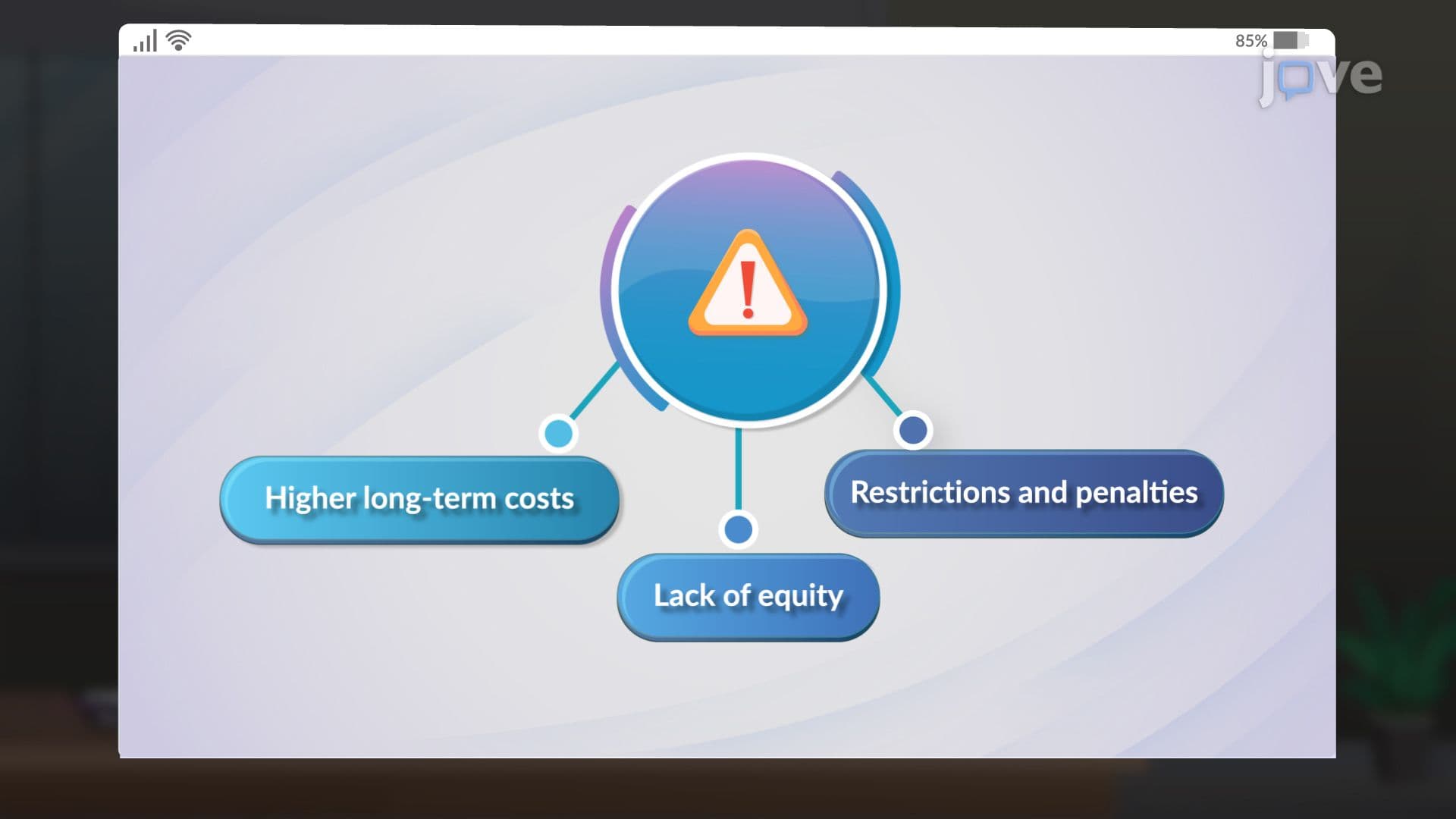

Video Summary: What Is Three Potential Pitfalls
Strategic asset management decisions directly impact your company's cash flow and competitive positioning. Understanding the three potential pitfalls of business leasing helps executives avoid costly mistakes that can drain resources and limit financial flexibility. Microsoft's enterprise equipment leasing strategy illustrates how even tech giants must carefully evaluate lease terms against outright purchases to optimize their operational efficiency. The three potential pitfalls framework provides a systematic approach to analyzing lease-versus-buy decisions across industries. Watch the full video on JoVE Coach to master this concept with expert-led visuals and step-by-step explanations.
Corporate finance leaders at companies like General Electric and Amazon face complex lease-versus-buy decisions daily. From manufacturing equipment to real estate portfolios, these choices significantly impact cash flow, balance sheet strength, and operational agility. The three potential pitfalls framework helps executives systematically evaluate leasing risks before committing to agreements that could constrain future growth.
Many CFOs focus on attractive monthly lease payments without calculating cumulative costs. A comprehensive analysis often reveals that leasing expenses exceed purchase prices by 20-40% over the agreement term. For instance, when Starbucks evaluates espresso machine leasing for new locations, finance teams must compare three-year lease payments against equipment purchase costs plus maintenance. This analysis becomes critical when scaling operations across hundreds of locations, where cost differentials can impact millions in capital allocation decisions.
Leasing prevents asset accumulation on corporate balance sheets, limiting collateral for future financing. Real estate decisions particularly illustrate this challenge. When Netflix leased production facilities instead of purchasing, they prioritized cash flow flexibility but sacrificed long-term asset building. This trade-off becomes significant during economic downturns when asset-backed financing provides crucial liquidity options. Progressive companies now evaluate leasing decisions within broader portfolio management strategies, considering how equity building supports future expansion and acquisition opportunities.
Lease agreements typically include usage restrictions, early termination penalties, and modification limitations that can hamstring business agility. Ford's experience with manufacturing equipment leases demonstrates how usage caps can force expensive overtime penalties during high-demand periods. Similarly, early termination clauses can cost companies millions when market conditions require rapid operational pivots. Smart executives now negotiate flexibility provisions upfront, including usage cap escalations and reasonable termination terms that align with business cycle volatility.
Leading organizations integrate pitfall analysis into standard capital allocation processes. This involves creating decision matrices that weight total costs, equity implications, and operational flexibility against immediate cash flow benefits. Companies like Apple systematically evaluate each major leasing decision through this lens, ensuring alignment with broader financial strategy and competitive positioning requirements.
Related Micro-courses