Loading video…


 20 Concepts
 2.2K views

Video Summary: What Is Reasons for Leasing
Most CFOs face the capital allocation dilemma: purchase assets outright or preserve cash through leasing? The reasons leasing has become a cornerstone strategy extend far beyond simple cash flow management. Companies like Microsoft strategically lease office space and equipment to maintain operational flexibility while directing capital toward R&D and market expansion. Understanding what is reasons for leasing enables leaders to optimize resource allocation, manage risk exposure, and maintain competitive agility in dynamic markets. Watch the full video on JoVE Coach to master this concept with expert-led visuals and step-by-step explanations.
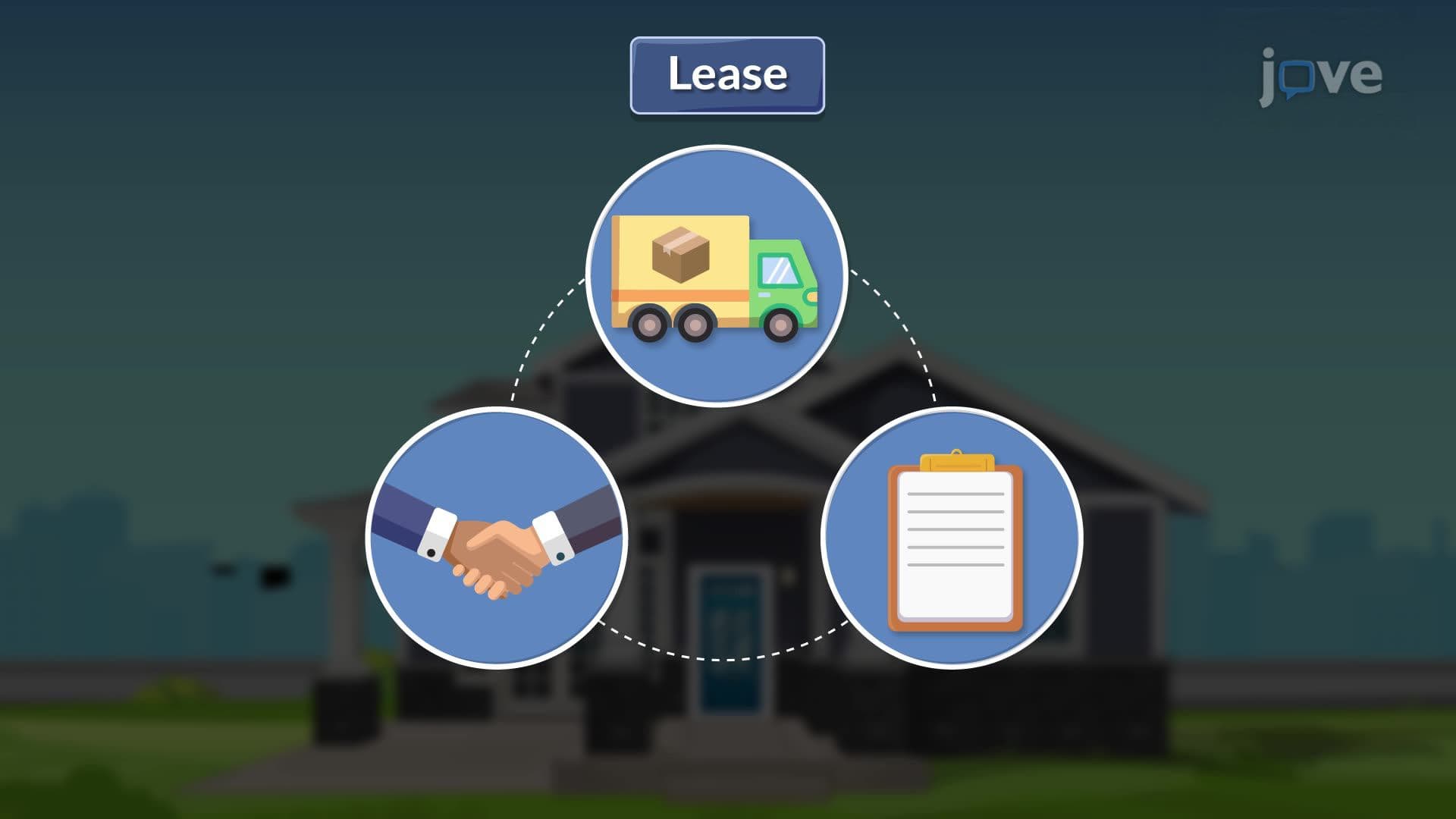
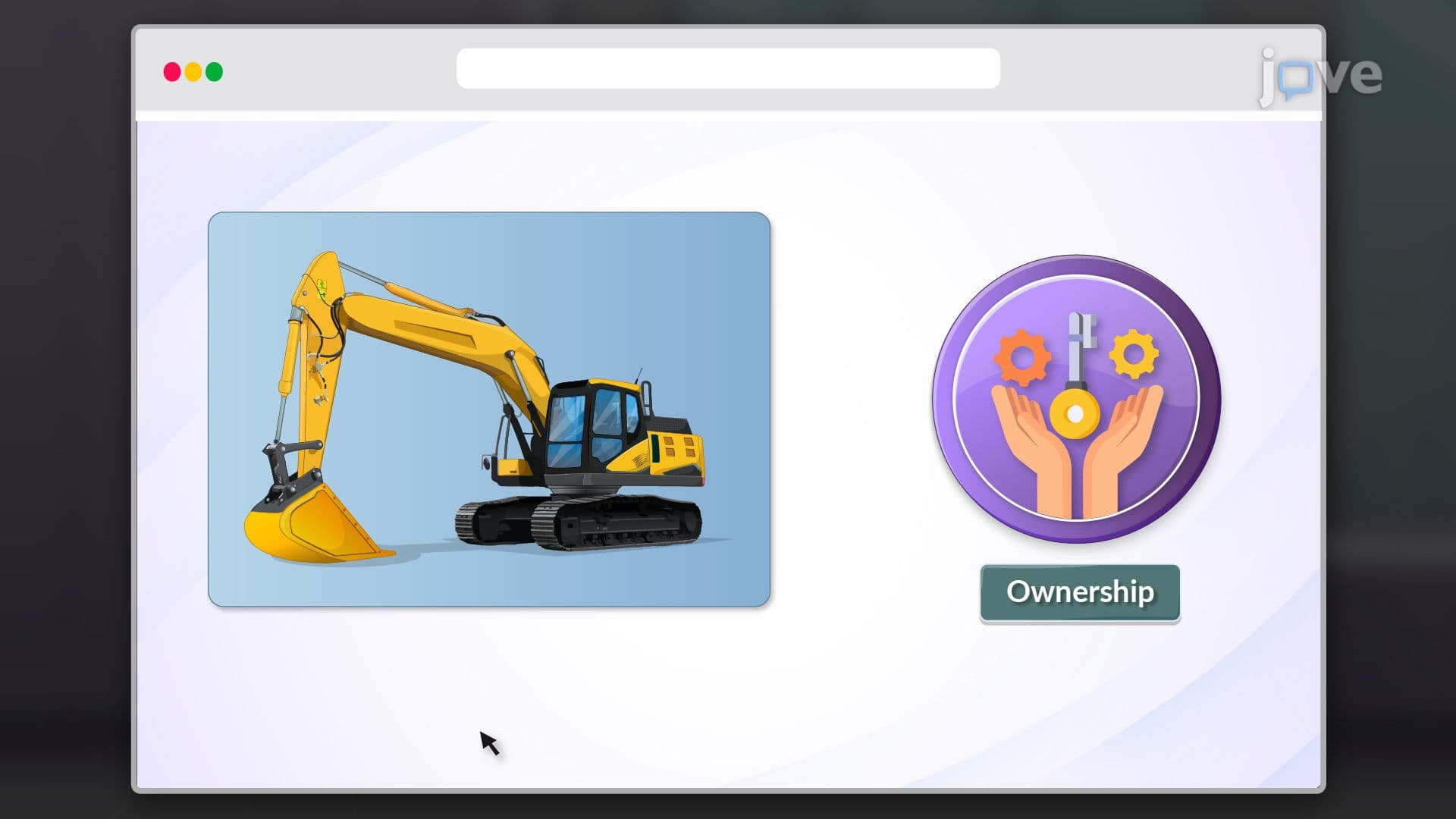
When Amazon expanded its logistics network, the company strategically leased warehouse facilities and delivery vehicles rather than purchasing outright-a decision that preserved billions in capital for technology development and market expansion. This exemplifies how sophisticated organizations view leasing not as a financing necessity, but as a strategic tool for optimizing capital allocation and maintaining operational flexibility.
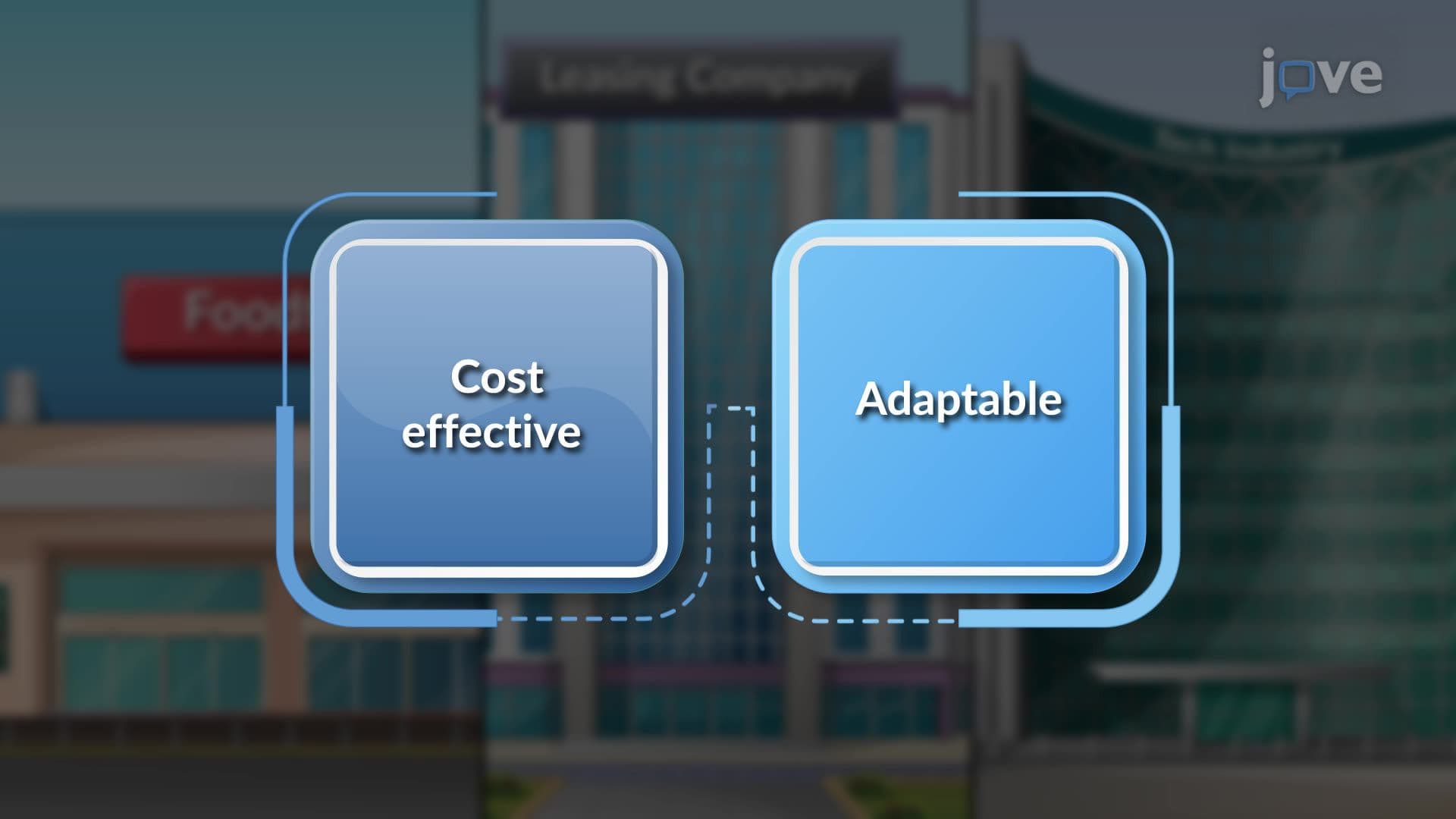
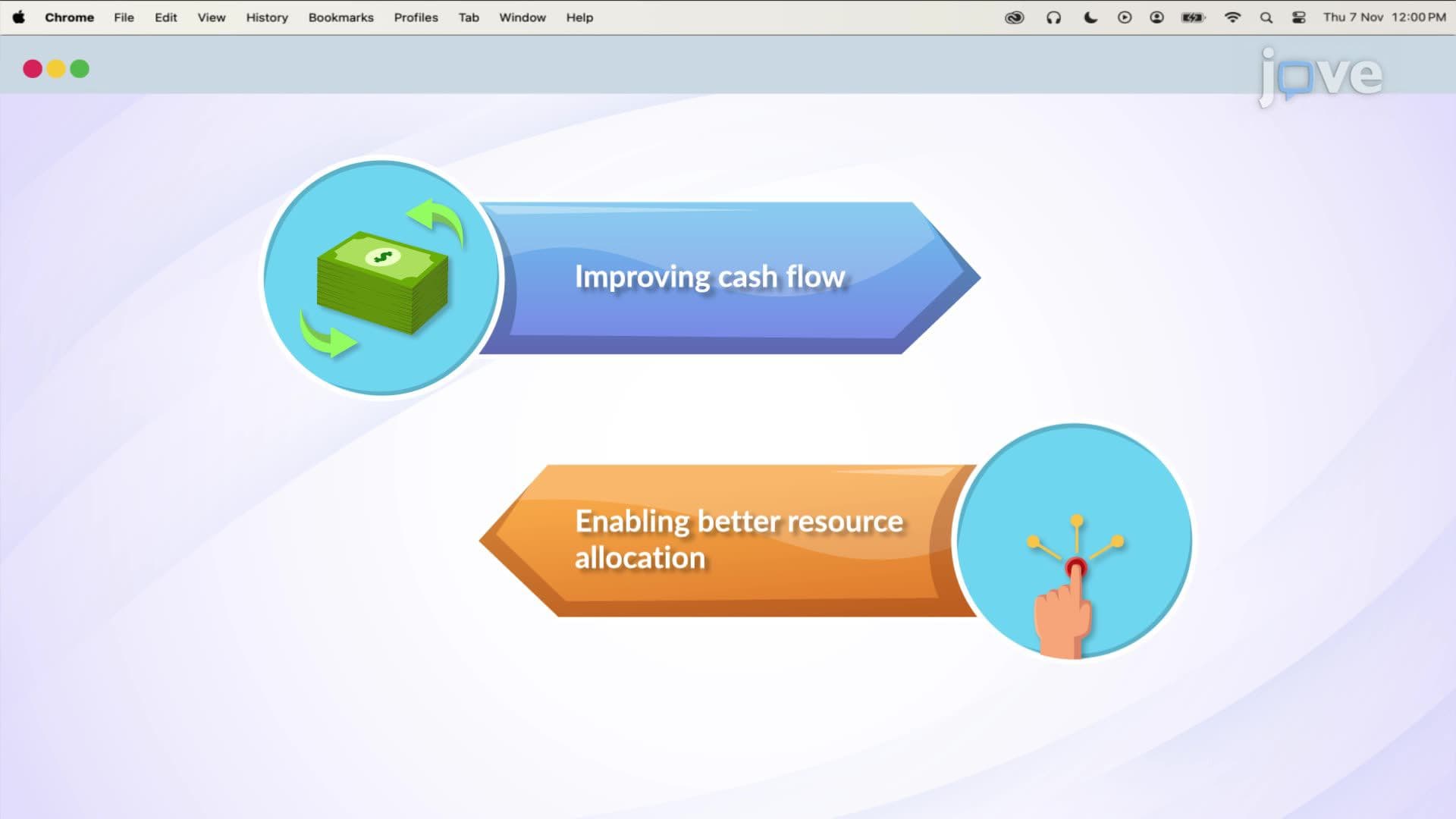
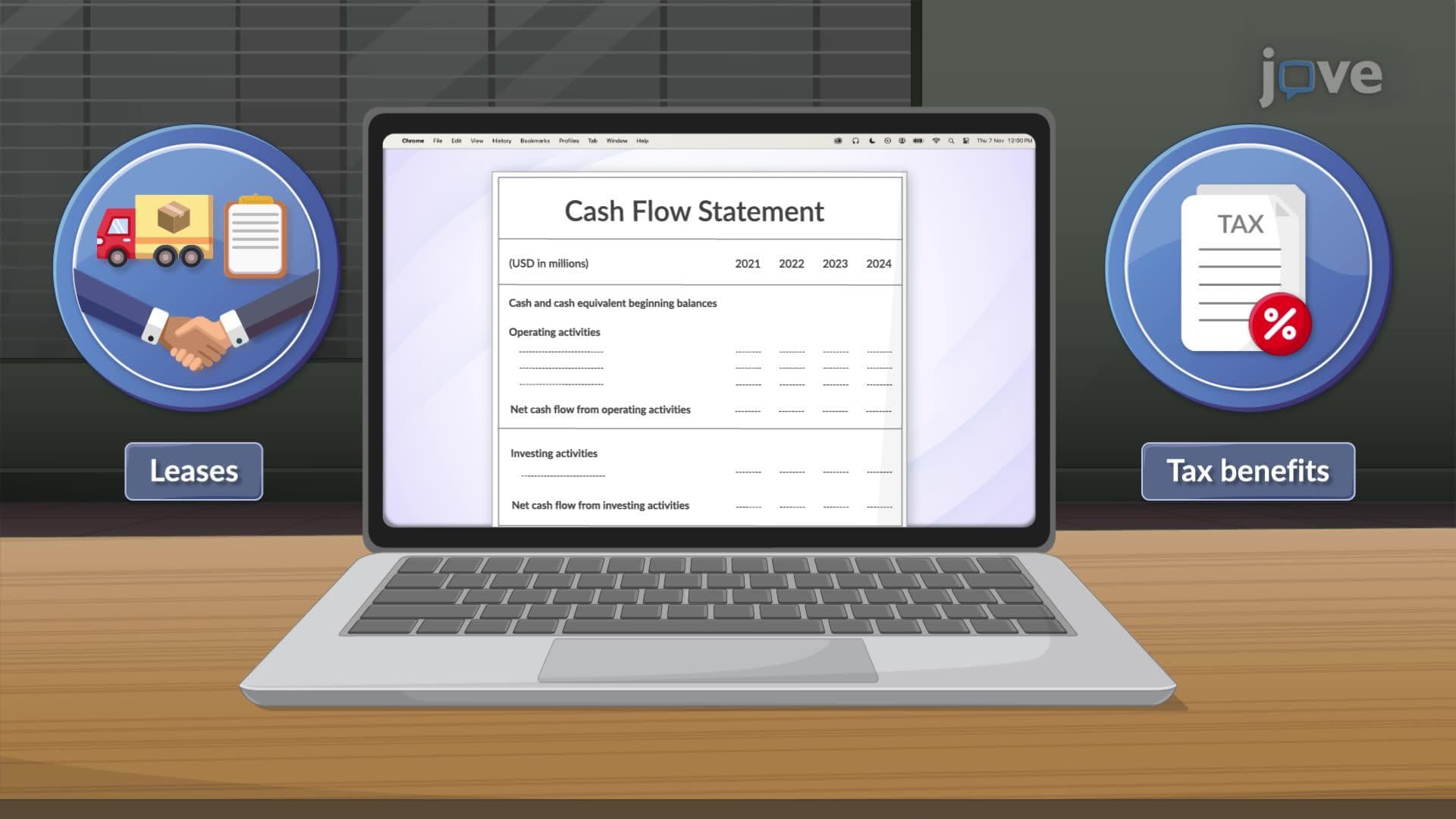
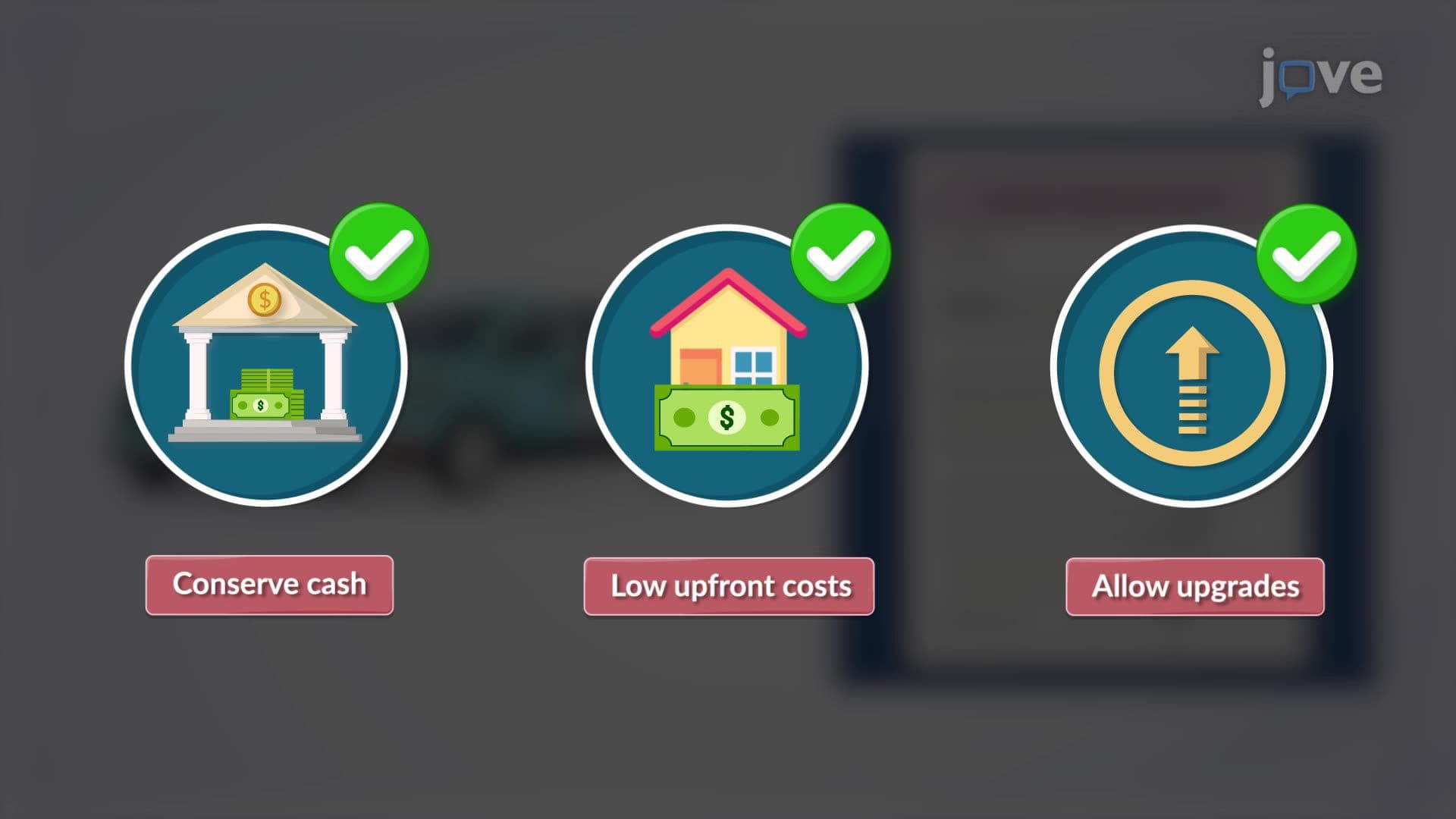
The primary driver behind most leasing decisions centers on cash flow management and capital preservation. Rather than depleting working capital through large asset purchases, companies can spread costs over time while maintaining liquidity for strategic opportunities. This approach proves particularly valuable for mid-market companies and high-growth businesses where capital efficiency directly impacts competitive positioning. Ford Credit's leasing programs, for instance, enable the automaker to maintain customer relationships while transferring residual value risk and generating predictable cash flows.
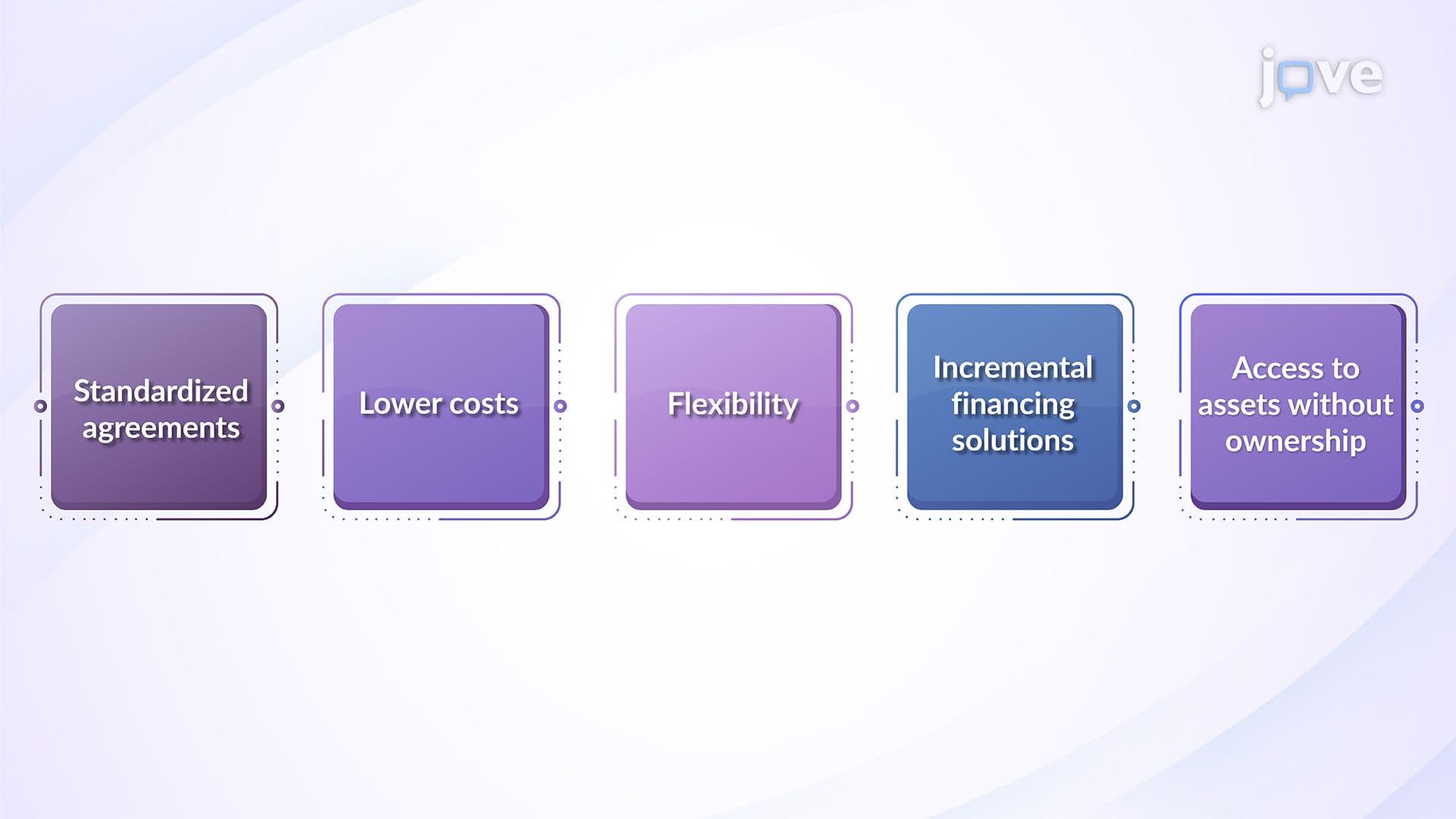
In sectors experiencing rapid technological evolution, leasing provides access to current assets without the burden of obsolescence risk. Healthcare organizations routinely lease medical equipment, ensuring access to cutting-edge technology while avoiding the financial impact of rapid depreciation. Similarly, technology companies lease server infrastructure and computing equipment to maintain operational efficiency without capital commitment to assets that may become outdated within 24-36 months.
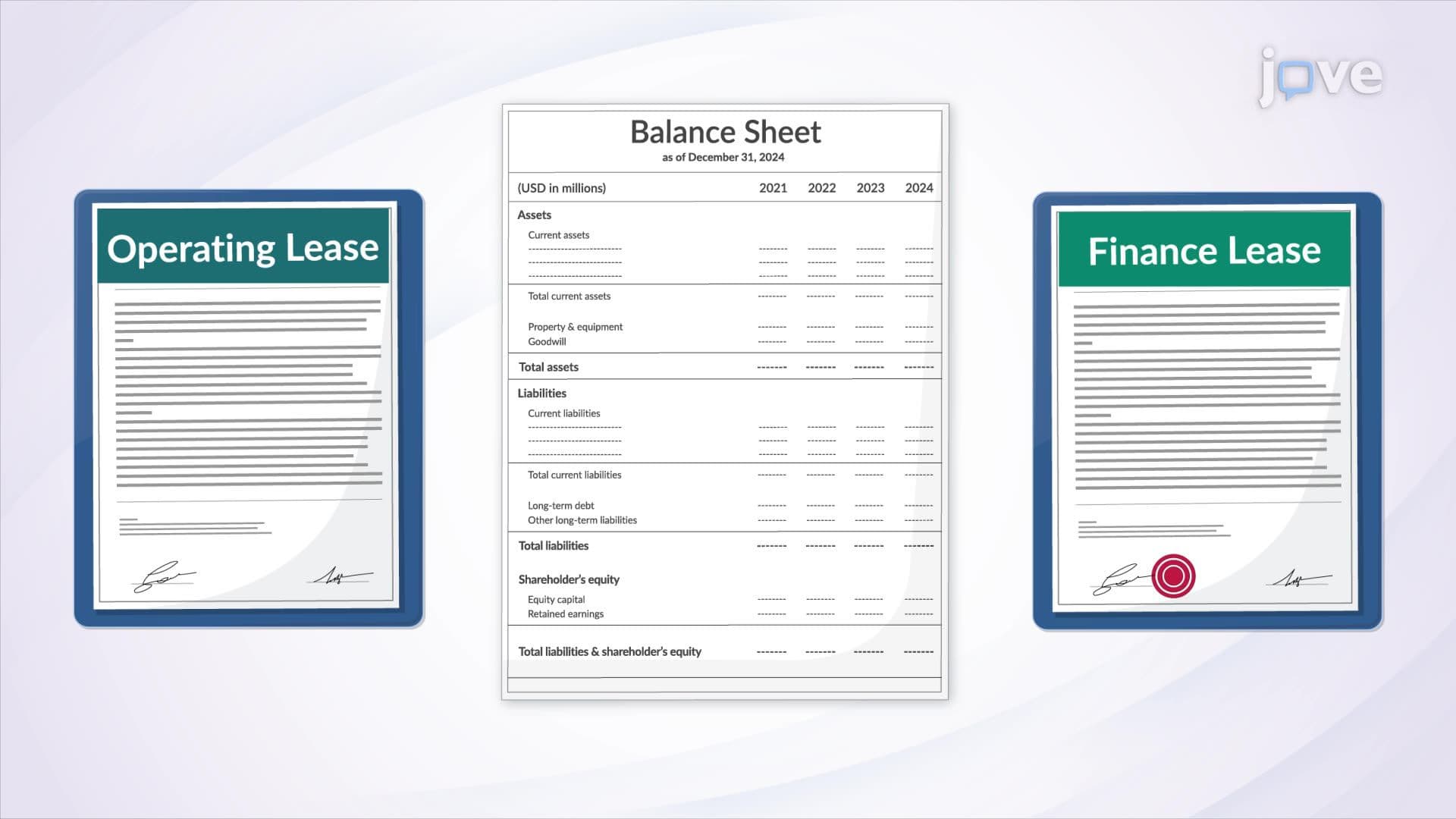
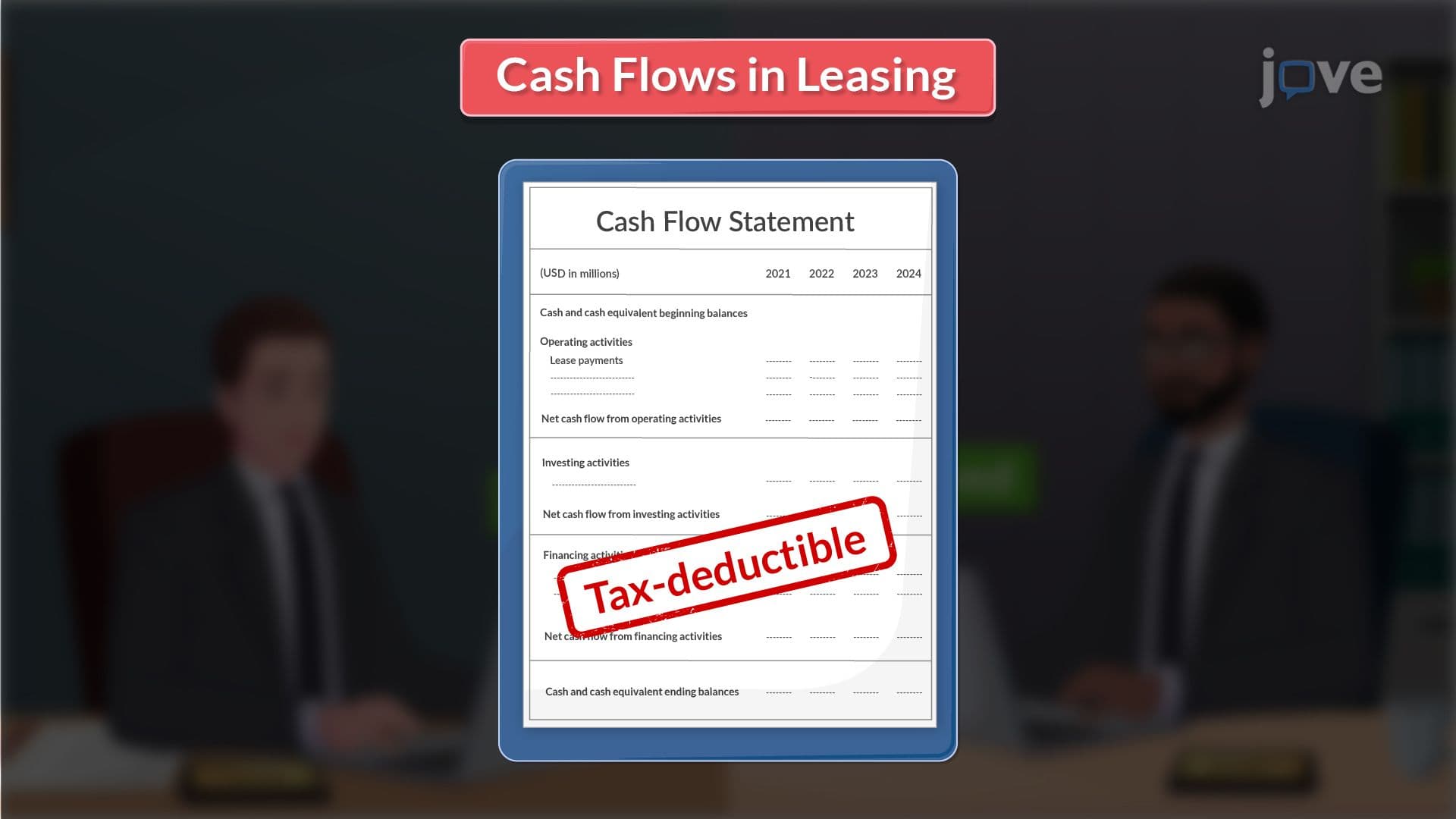
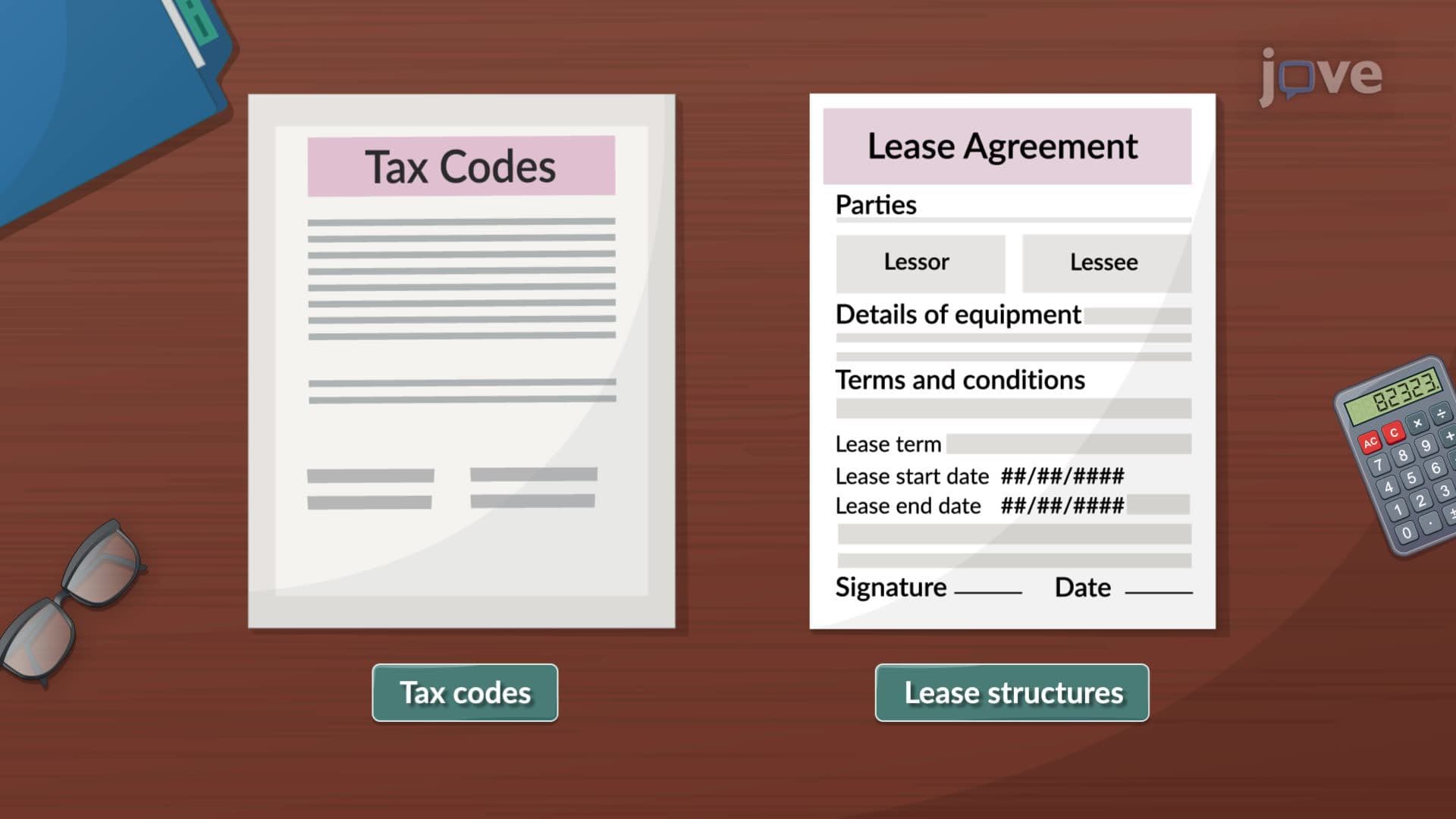
Operating leases offer distinct advantages for tax planning and financial statement presentation. Lease payments typically qualify as fully deductible operating expenses, potentially providing more favorable tax treatment than depreciation schedules on purchased assets. Additionally, operating leases remain off-balance-sheet, improving debt-to-equity ratios and other key financial metrics that impact lending capacity and investor perception. Companies like Starbucks leverage lease structures to optimize both tax efficiency and balance sheet presentation across their extensive retail footprint.
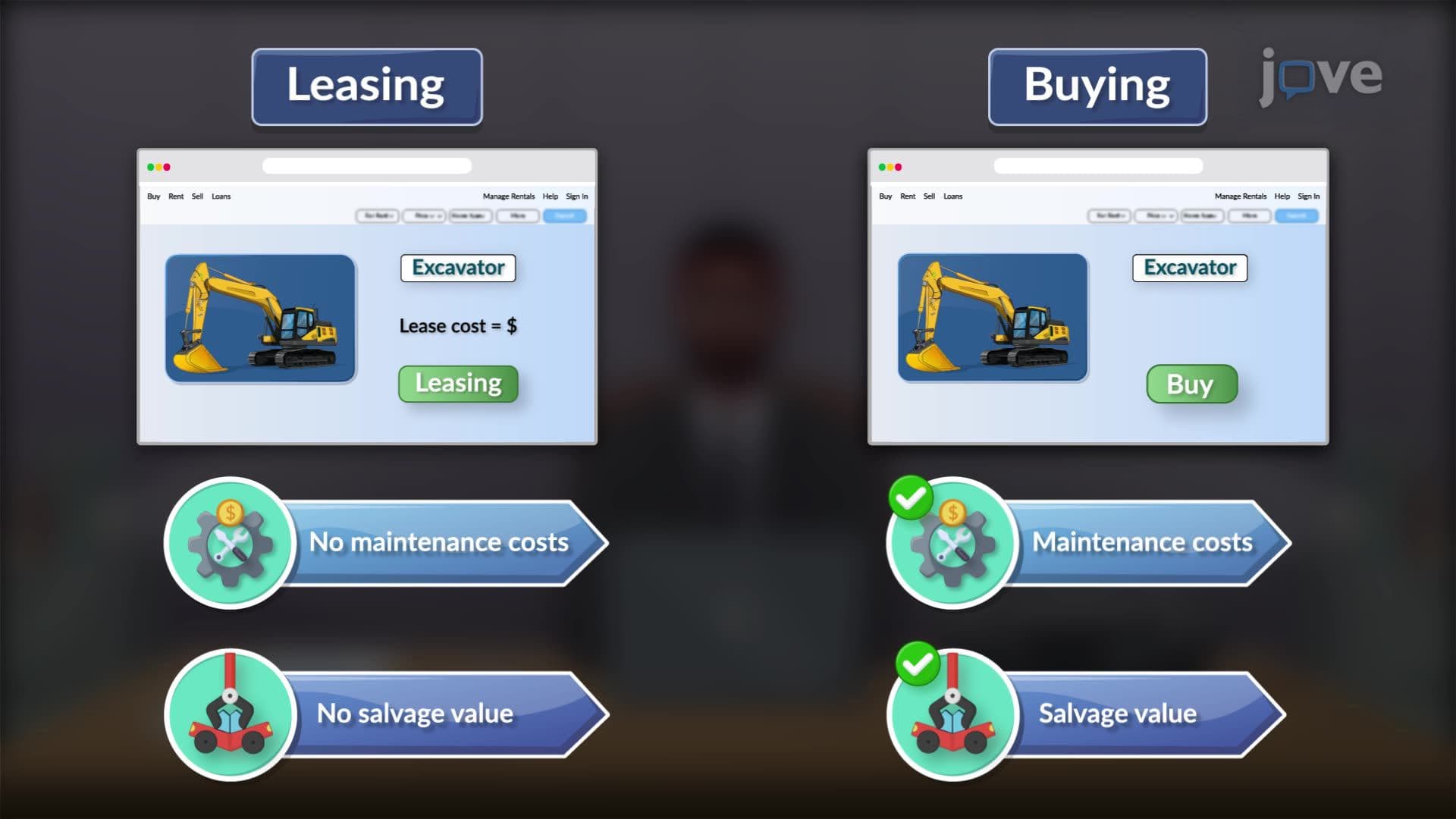
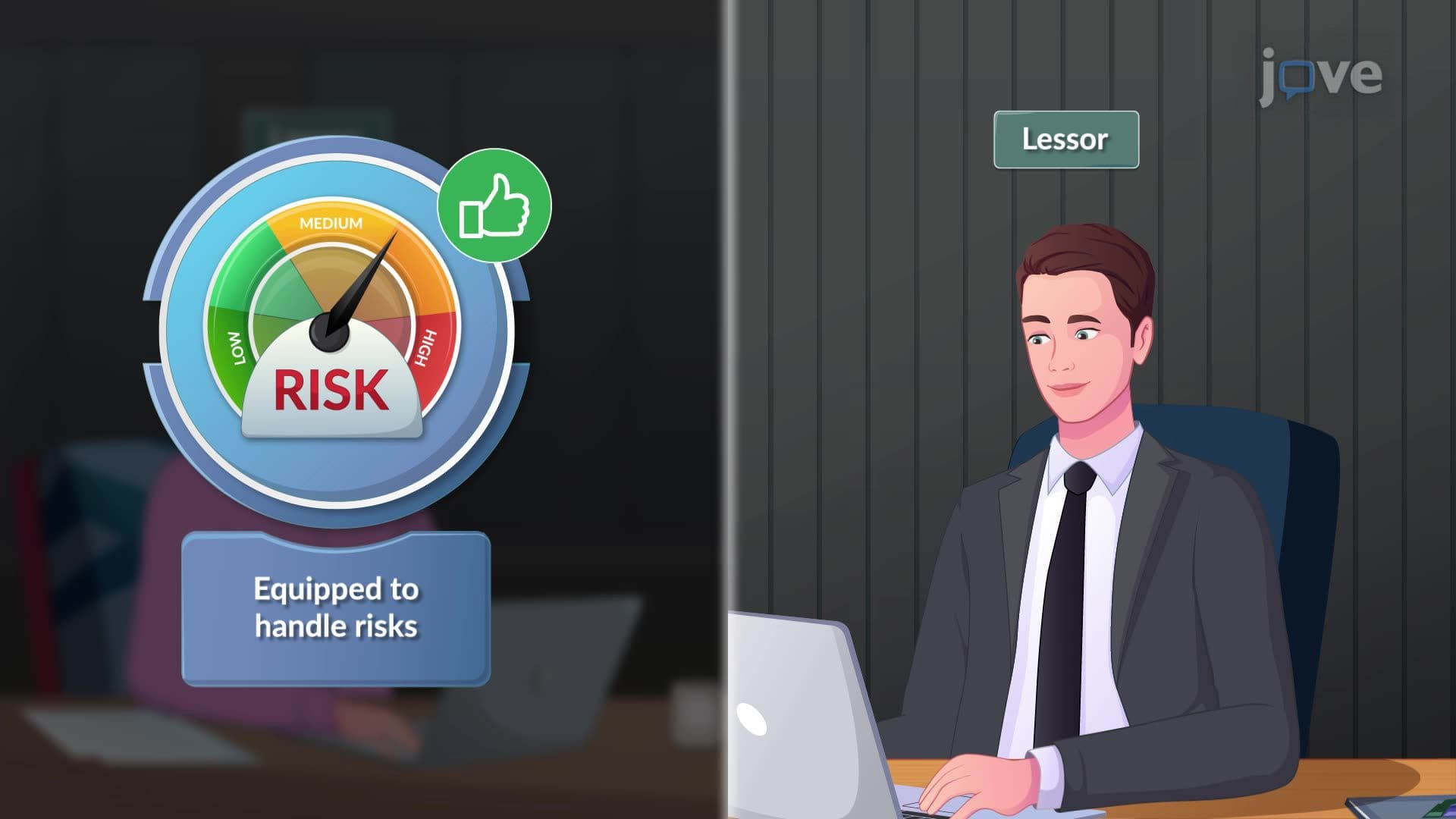
Leasing arrangements often include maintenance, insurance, and upgrade provisions that transfer operational risks from the lessee to the lessor. This risk transfer can significantly reduce total cost of ownership while providing predictable expense structures that facilitate budgeting and financial planning.
Related Micro-courses