Loading video…


 20 Concepts
 2.2K views

Video Summary: What Is Financial Decision Making
Financial decision making drives competitive advantage when businesses systematically evaluate asset management alternatives. Companies like Caterpillar regularly face critical lease-versus-buy decisions that directly impact their operational efficiency and bottom line profitability. What is Financial Decision Making encompasses the analytical framework for comparing cash flows, maintenance costs, and salvage values across different financing options. Smart financial decision making transforms complex investment choices into quantifiable business outcomes that align with strategic goals. Watch the full video on JoVE Coach to master this concept with expert-led visuals and step-by-step explanations.
Financial decision making forms the backbone of successful business operations, particularly when companies face critical asset management choices. Consider how Amazon Web Services continuously evaluates whether to lease or purchase data center equipment worth millions of dollars. These decisions directly impact operational costs, cash flow management, and competitive positioning in the cloud computing market.
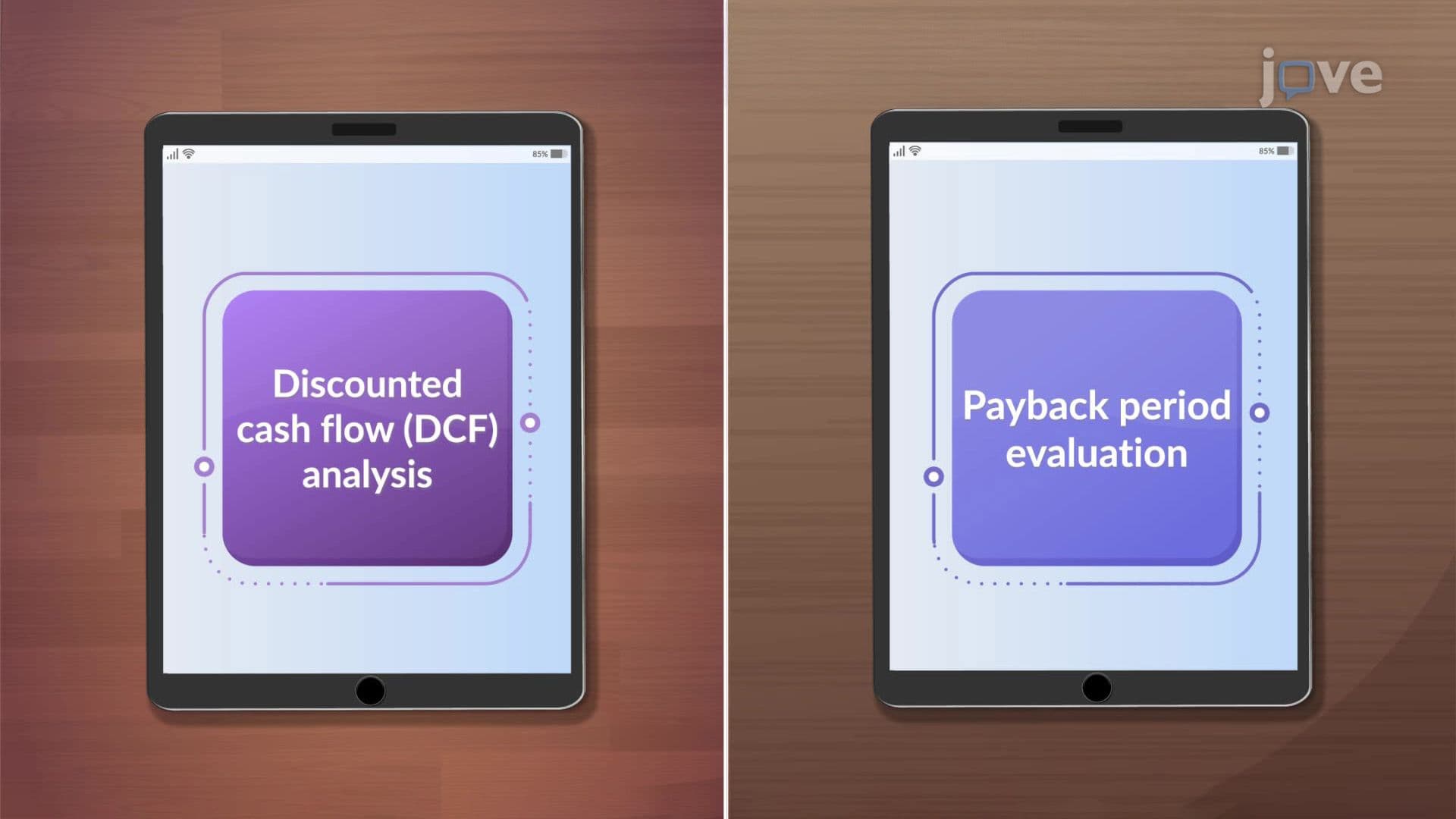
The fundamental approach to financial decision making involves systematic cash flow evaluation. When analyzing a $50,000 equipment purchase generating $15,000 annual inflows with $2,000 maintenance costs, the net annual benefit reaches $13,000. Over five years, this creates $65,000 in operational cash flows, plus a $10,000 salvage value, yielding a total $25,000 net benefit above the initial investment.
This quantitative framework helps executives like those at General Electric make informed decisions about manufacturing equipment investments. The ability to calculate and compare these financial outcomes separates strategic leaders from reactive managers who rely on intuition alone.
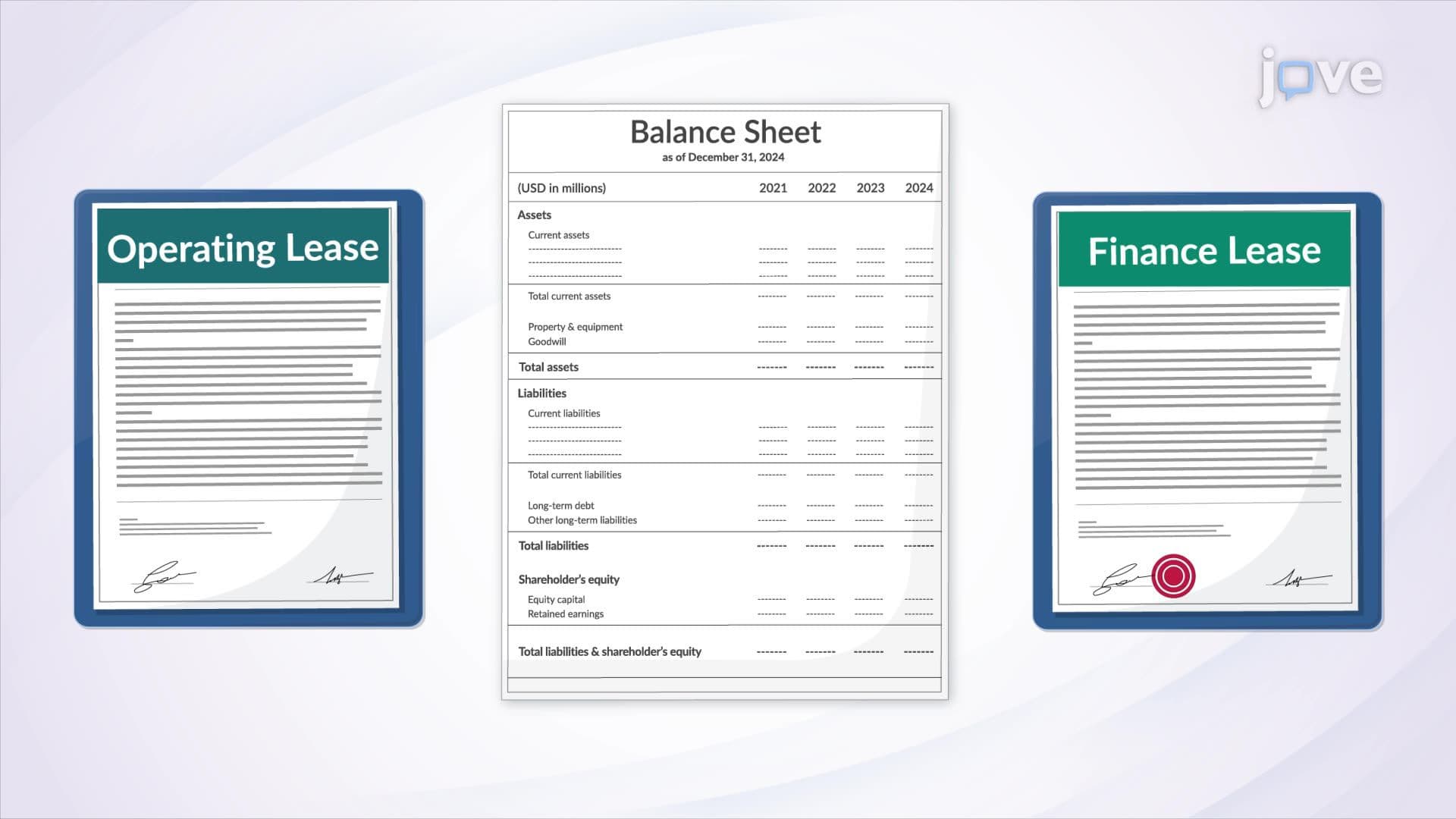
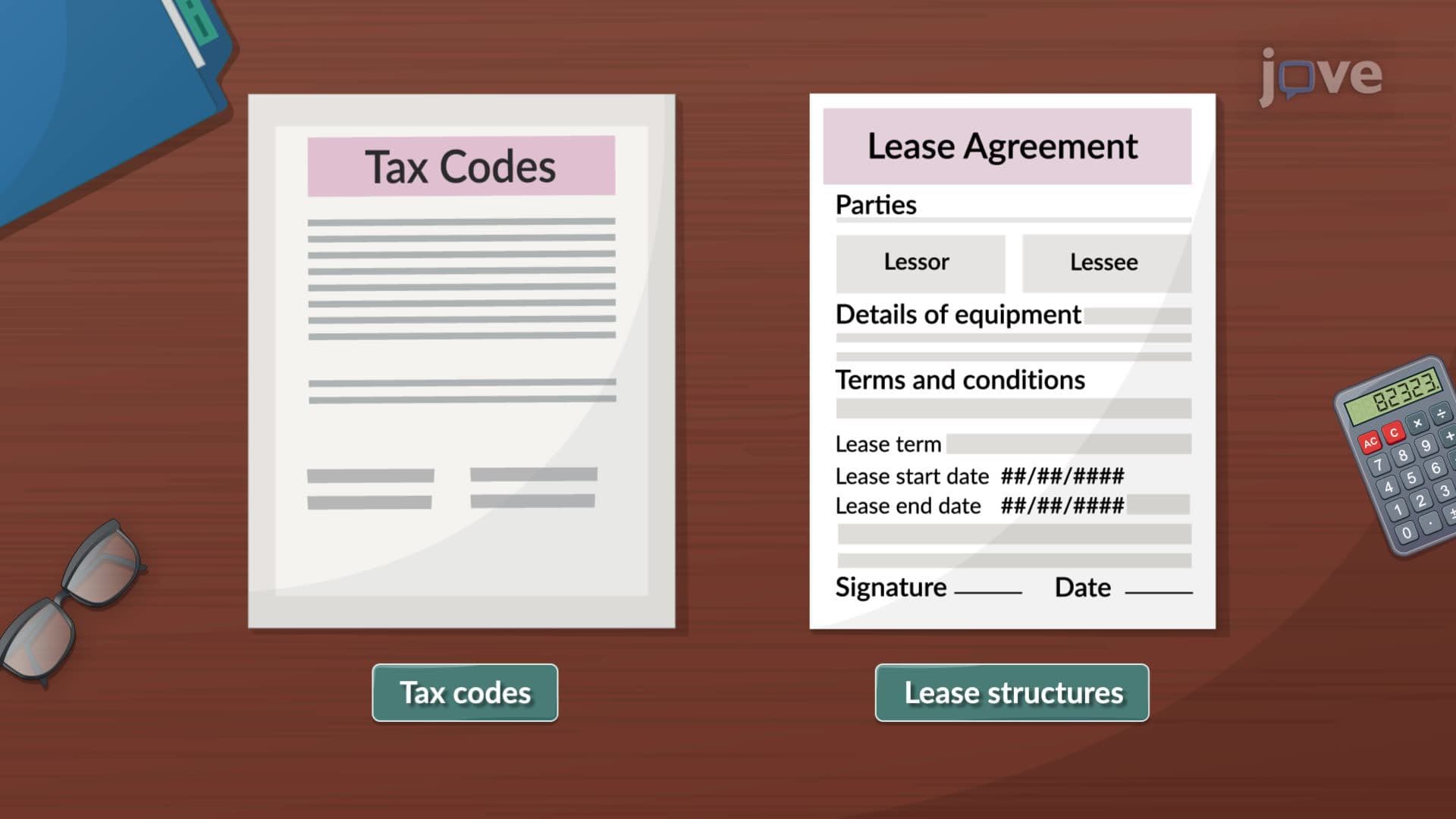
Leasing decisions introduce different financial dynamics that smart professionals must understand. A $12,000 annual lease payment totaling $60,000 over five years eliminates maintenance responsibilities and salvage value considerations. While this scenario shows a $15,000 net benefit compared to the purchase's $25,000 advantage, the operational flexibility and reduced capital requirements often justify the difference.
Companies like FedEx leverage sophisticated lease versus buy analyses for their vehicle fleets, balancing cash preservation against total cost optimization. This strategic approach allows them to maintain operational agility while optimizing capital deployment across multiple business units.
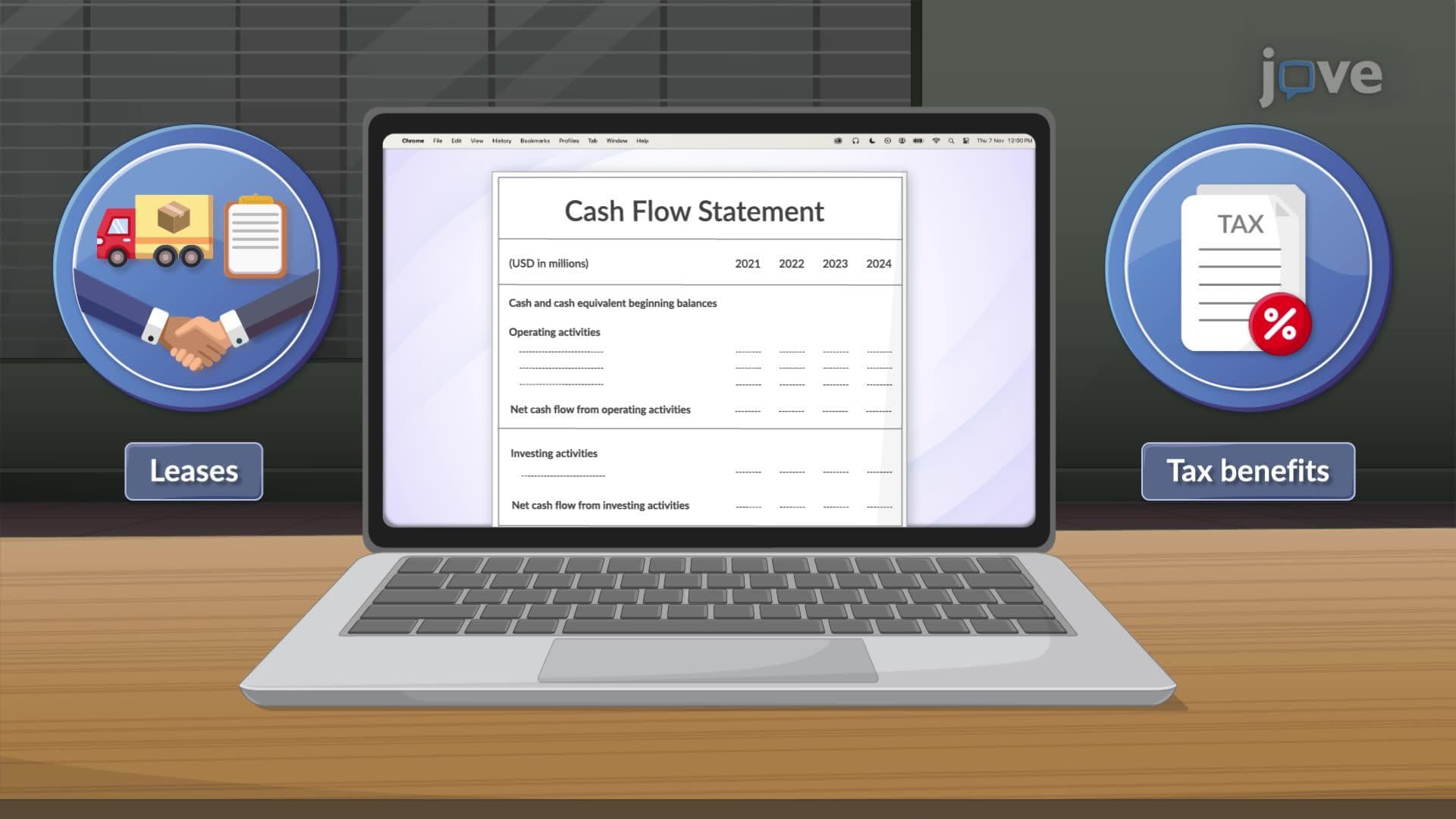
Effective financial decision making requires structured evaluation processes that consider quantitative metrics alongside strategic objectives. Professional leaders must account for factors beyond immediate cash flows: technological obsolescence risk, operational flexibility requirements, balance sheet impact, and competitive positioning implications.
The most successful professionals develop repeatable frameworks that incorporate these variables into clear recommendations for executive teams and board presentations. This systematic approach transforms complex financial scenarios into actionable business intelligence that drives sustainable competitive advantage.
Related Micro-courses