Loading video…


 20 Concepts
 2.2K views

Video Summary: What Is Leasing Vs Buying
Strategic leasing buying decisions impact cash flow and competitive positioning across industries, from Amazon's warehouse equipment to Tesla's manufacturing facilities. Understanding what is leasing vs buying enables executives to optimize capital allocation, preserve working capital for growth initiatives, and align asset acquisition strategies with business cycles. The leasing vs buying definition explained reveals critical tax implications, depreciation benefits, and flexibility trade-offs that directly affect P&L performance. Watch the full video on JoVE Coach to master this concept with expert-led visuals and step-by-step explanations.
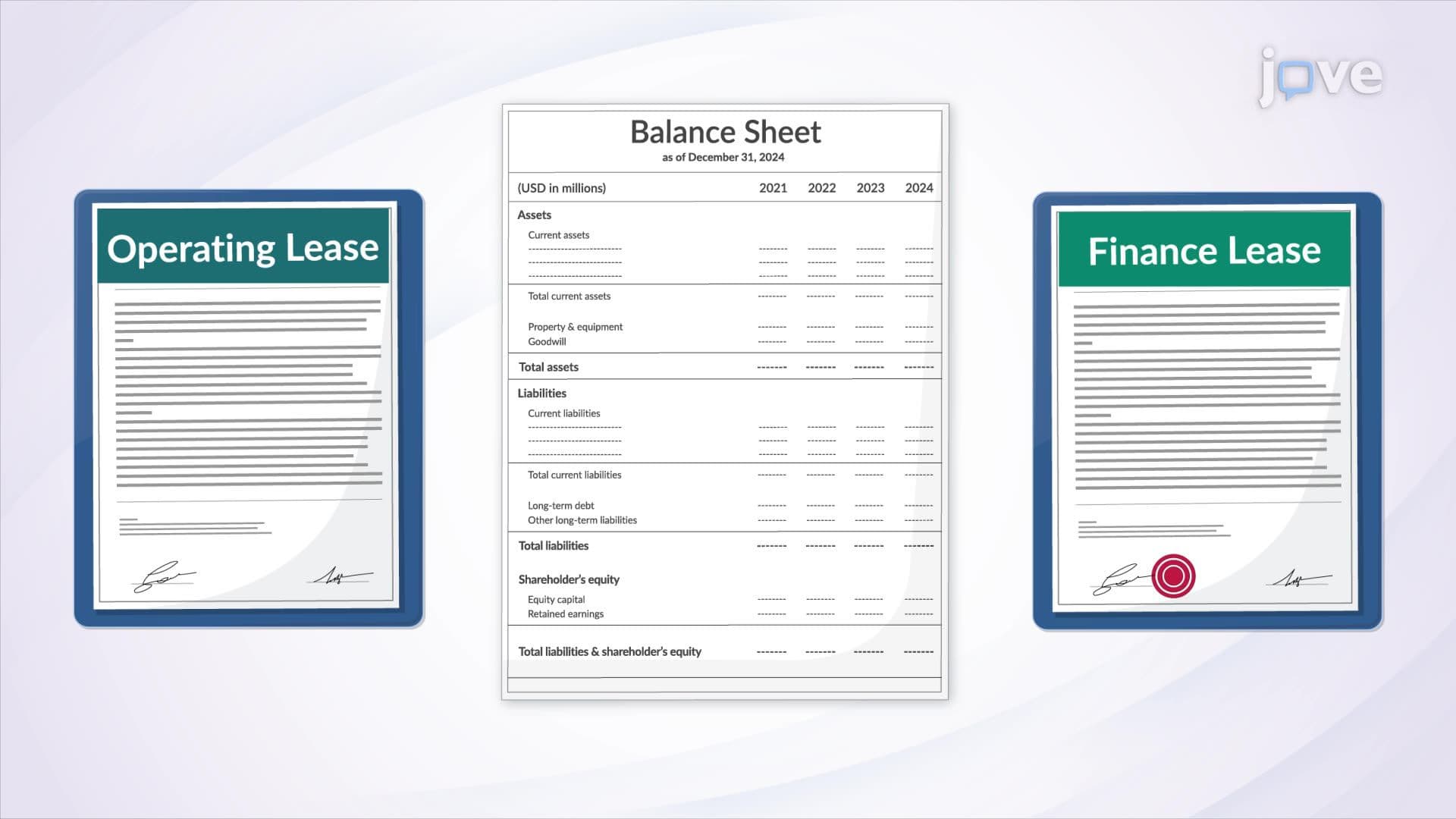
Modern executives face increasingly complex capital allocation decisions as technology lifecycles accelerate and cash flow optimization becomes critical for competitive advantage. The leasing buying overview reveals fundamental differences in how companies access assets, manage risk, and preserve financial flexibility. While traditional ownership models dominated corporate America for decades, leading companies like Microsoft and General Electric have revolutionized their approach by strategically mixing lease and purchase decisions based on asset type, business cycle, and strategic importance.
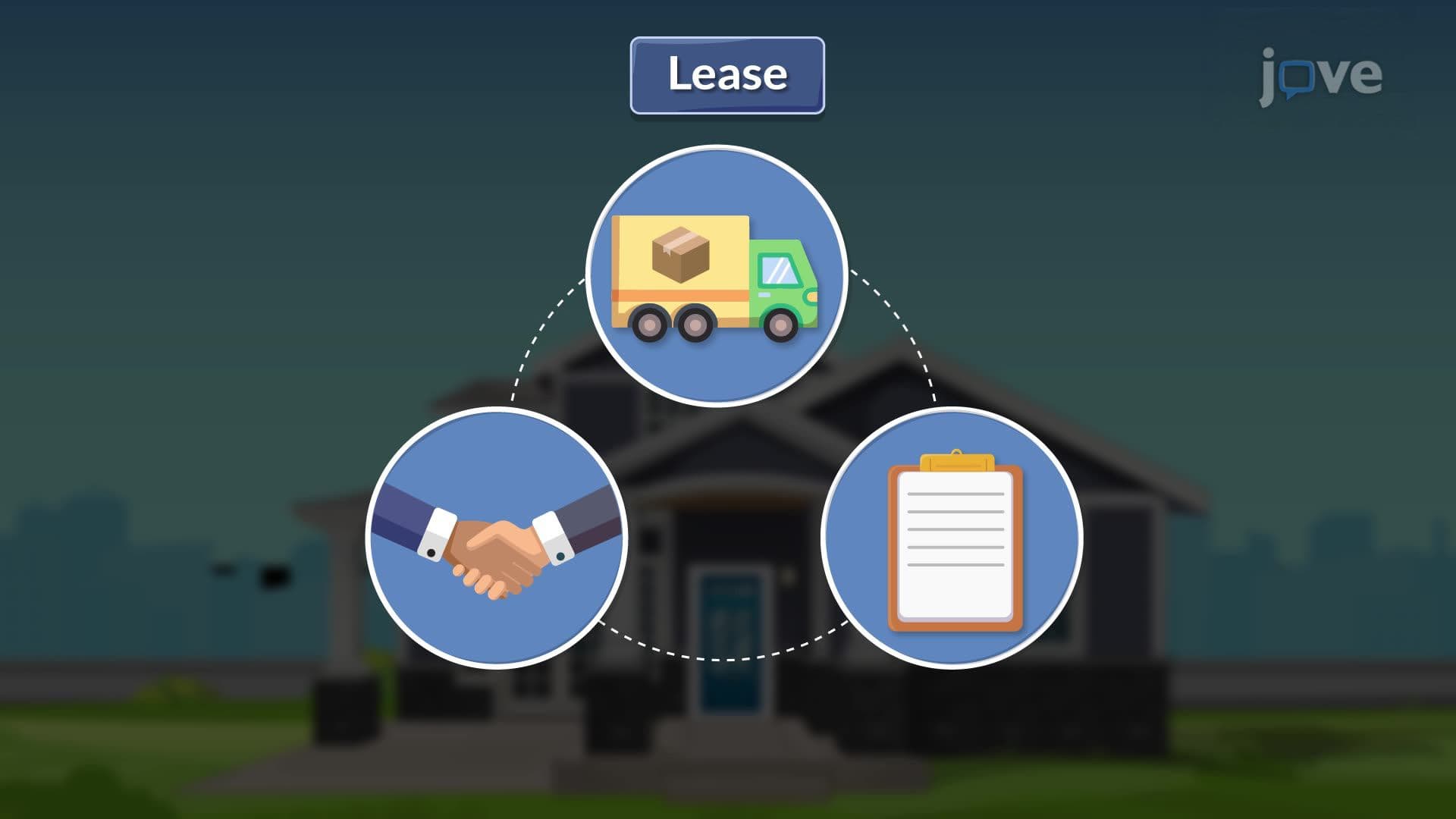
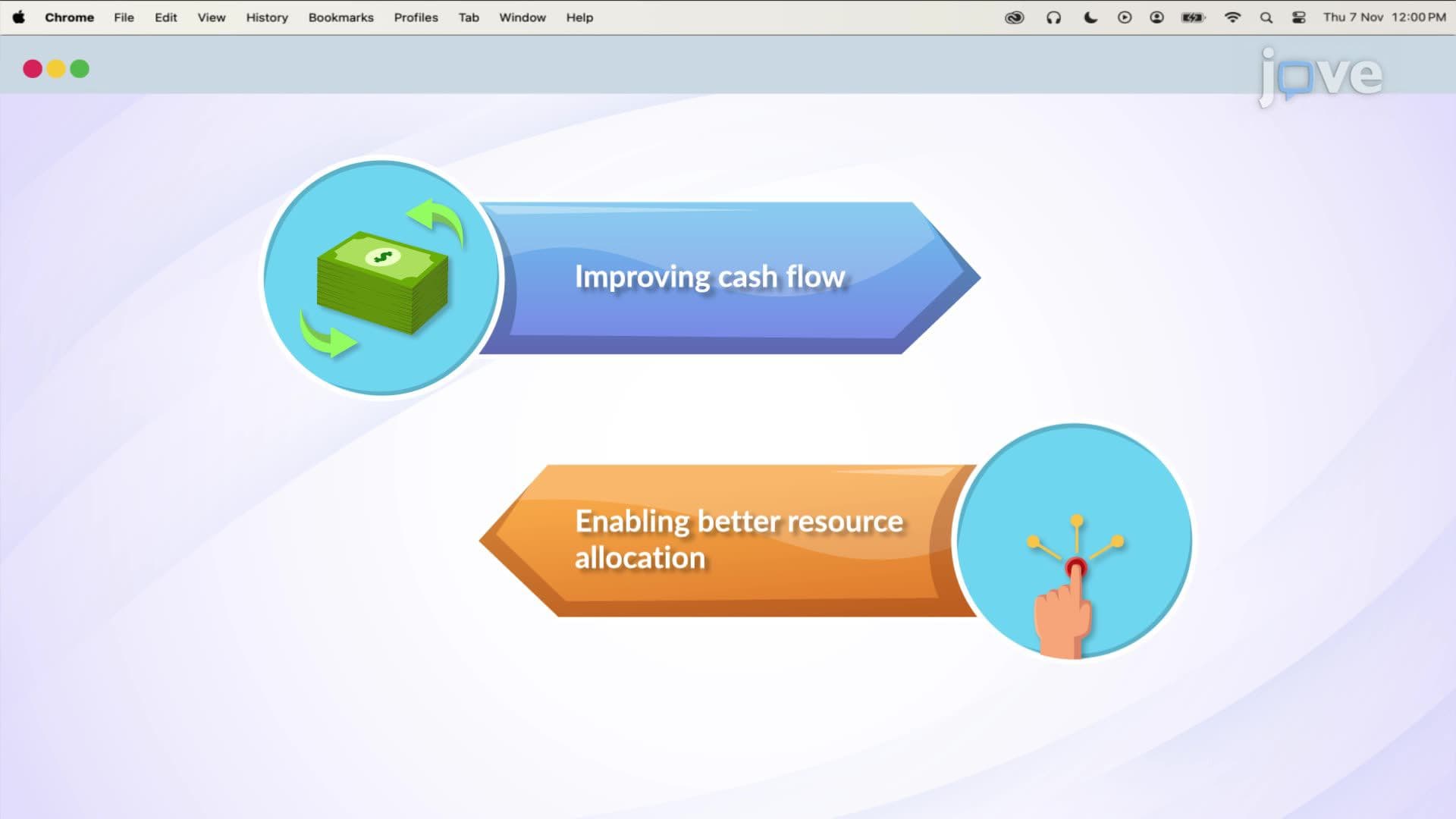
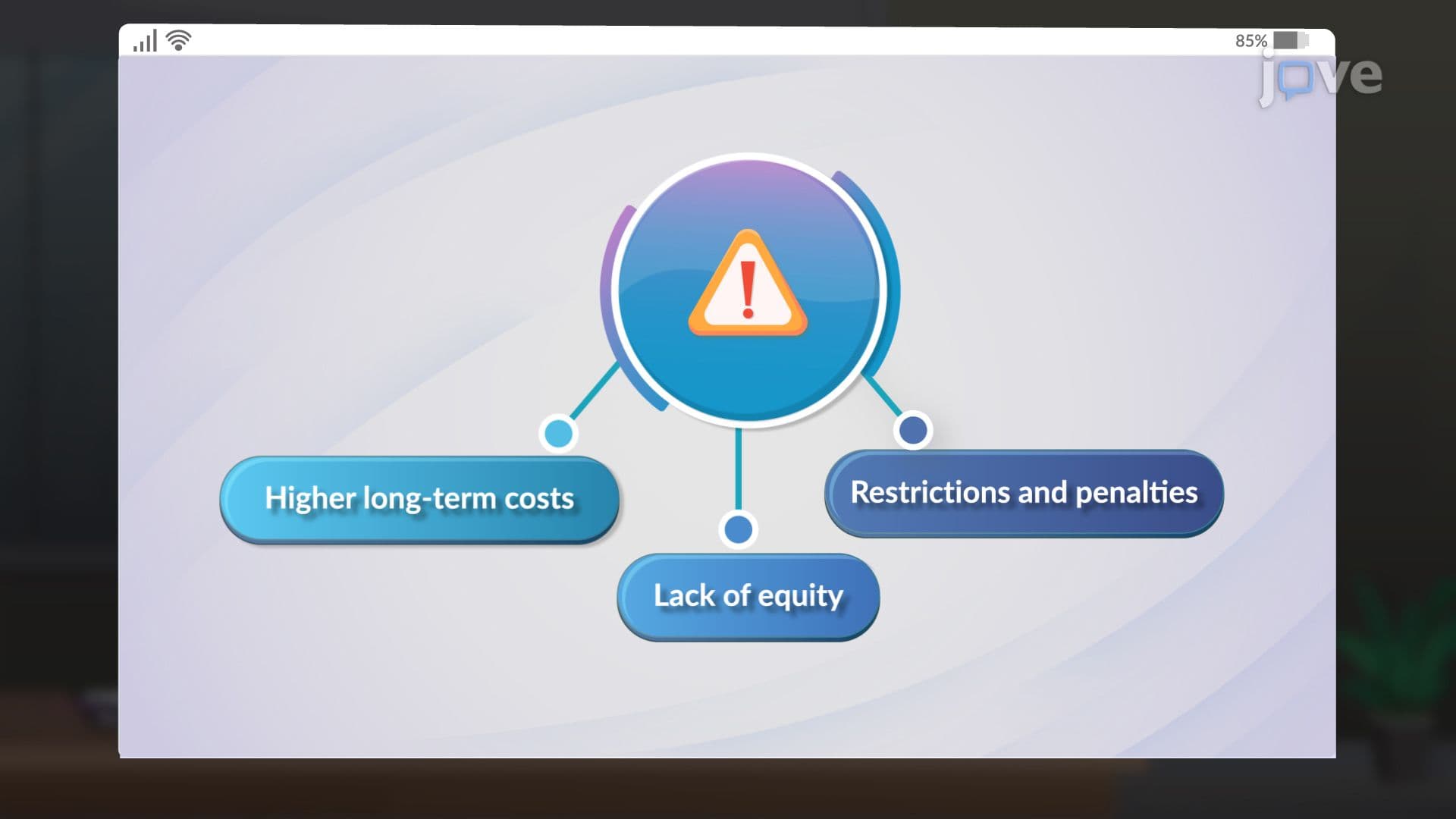
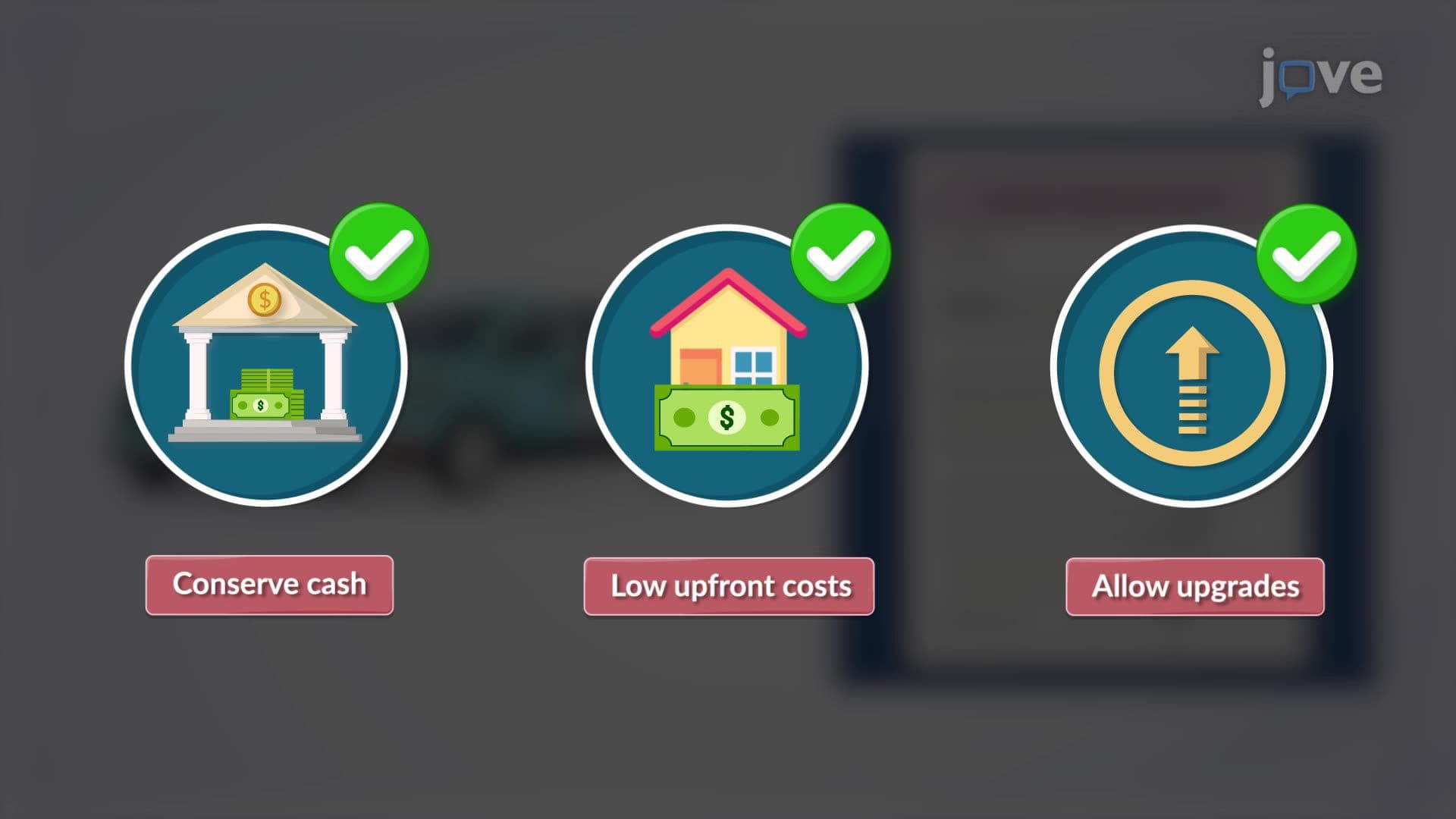
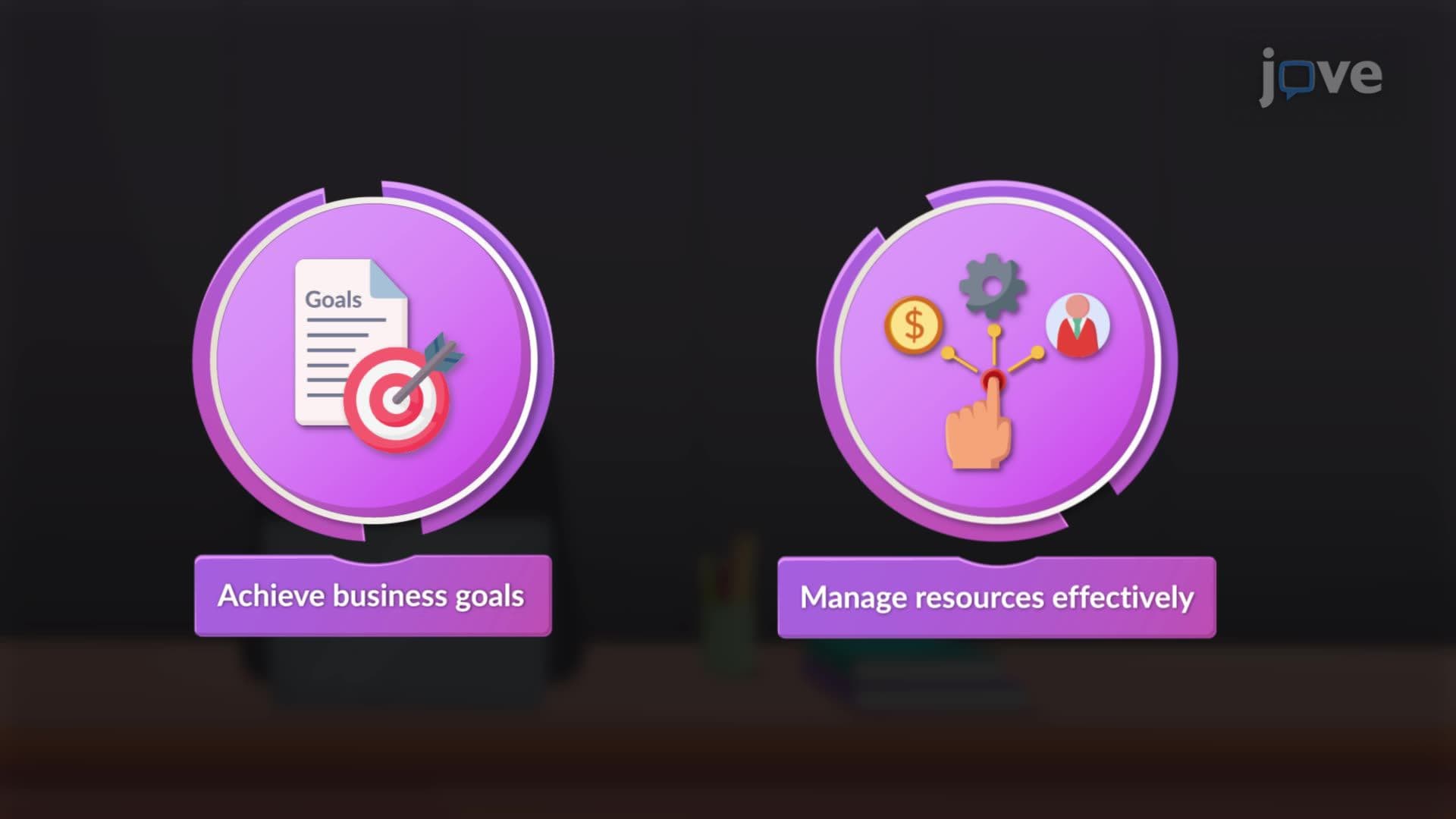
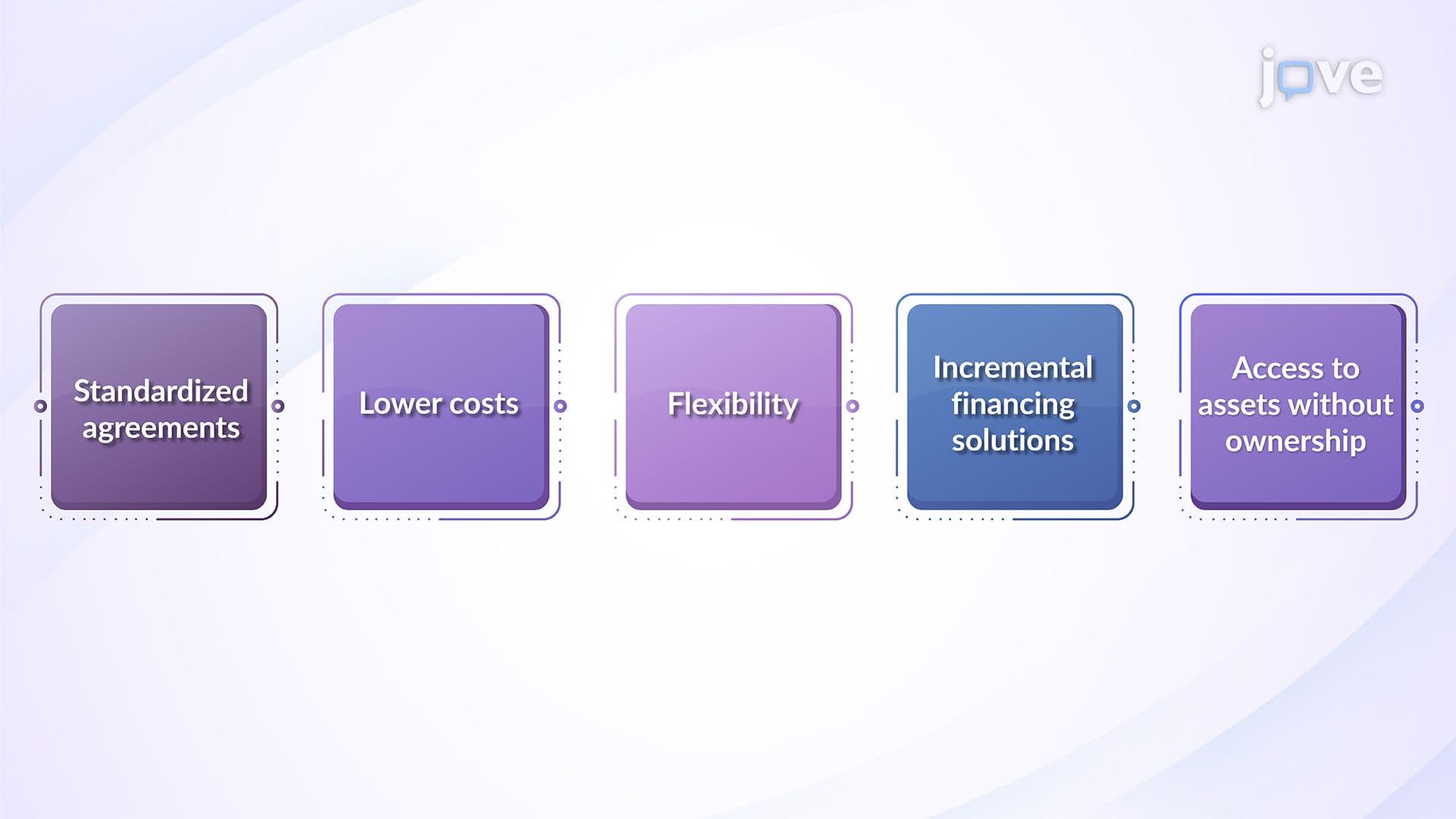
The leasing vs buying concept explained demonstrates significant P&L implications that extend beyond simple cost comparisons. Leasing typically requires lower upfront capital commitments, preserving cash for revenue-generating activities and market opportunities. For instance, a rapidly scaling fintech startup might lease office equipment and technology infrastructure to maintain liquidity for product development and customer acquisition. Conversely, established manufacturers like Boeing invest heavily in owned production equipment where long-term control and customization justify higher initial capital deployment.
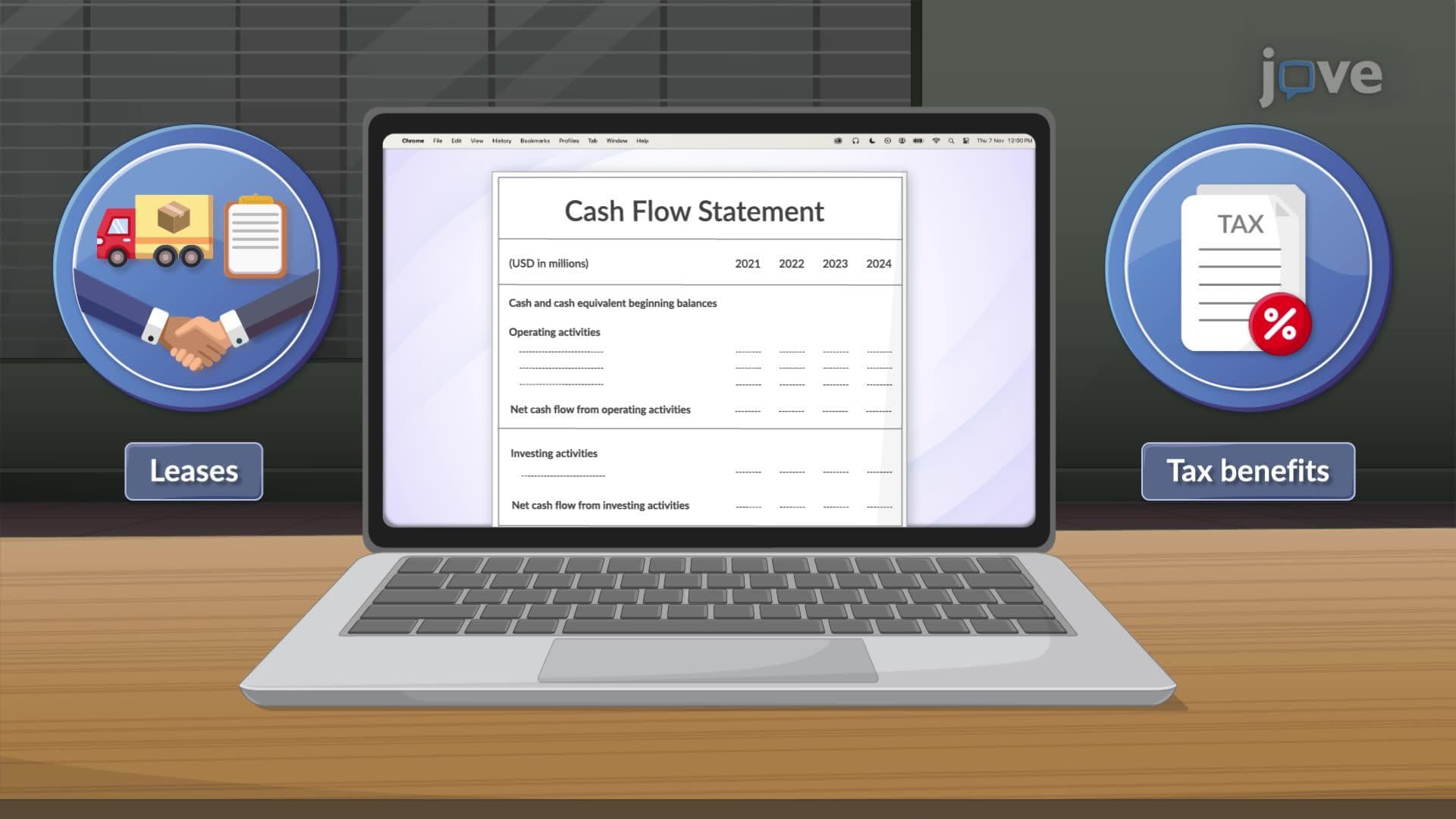
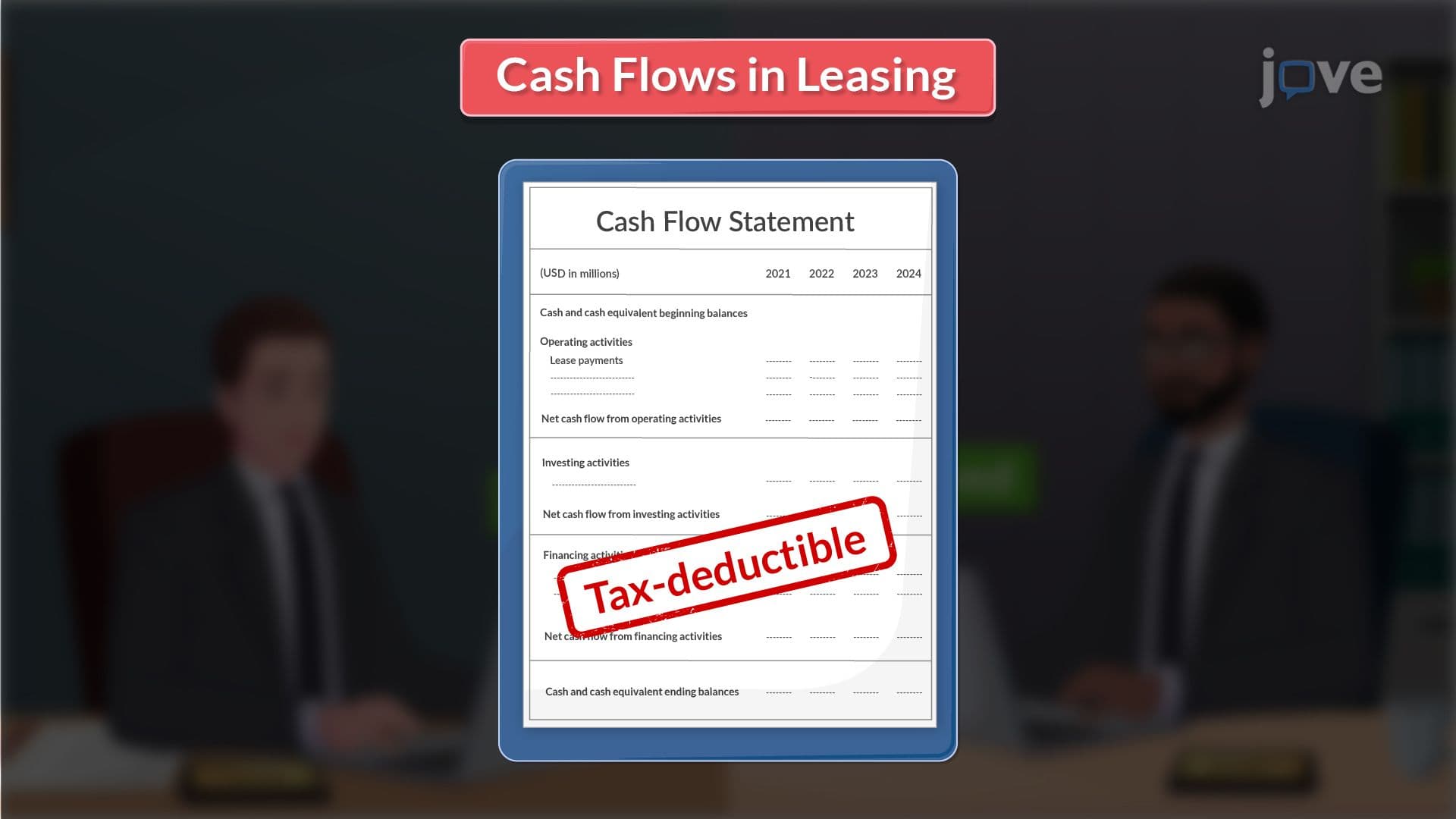
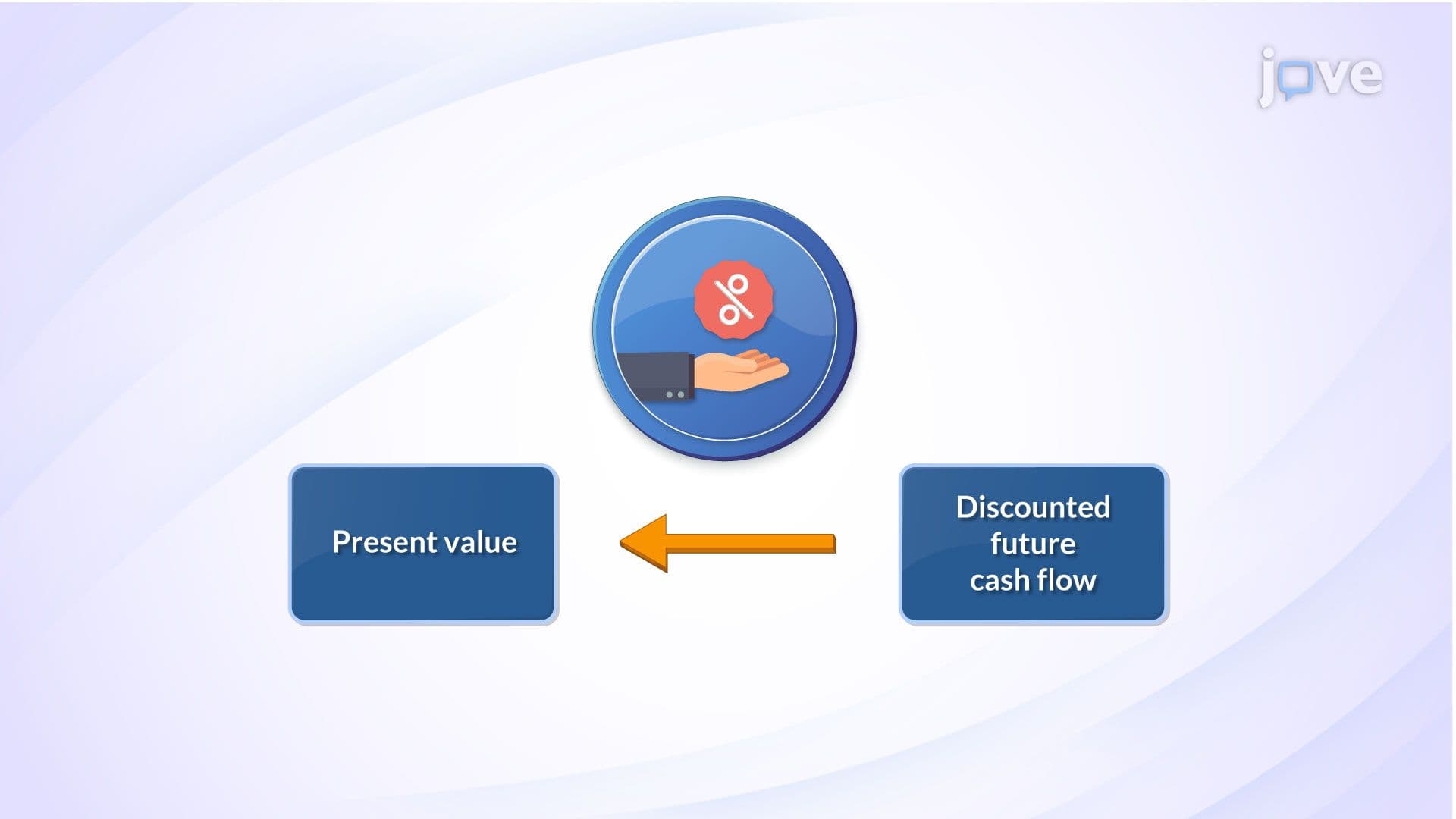
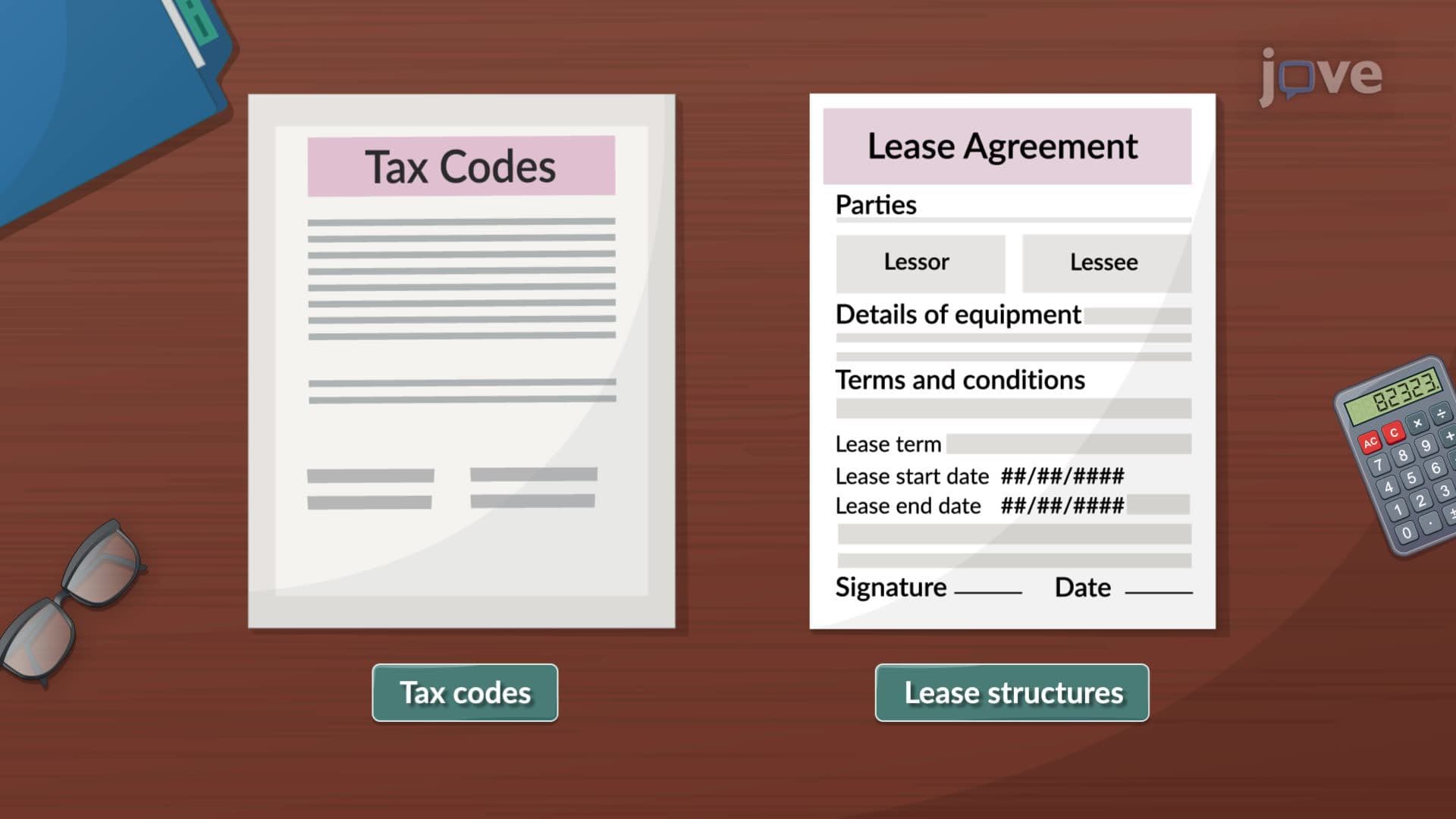
Tax treatment creates additional complexity in leasing buying decisions. Lease payments qualify as immediate business expense deductions, providing current-year tax benefits and improving short-term cash flows. Purchase decisions enable depreciation schedules that spread tax benefits over asset lifecycles while building balance sheet value. CFOs must model these scenarios carefully, considering corporate tax rates, depreciation methods, and timing of tax benefits when evaluating total cost of ownership.
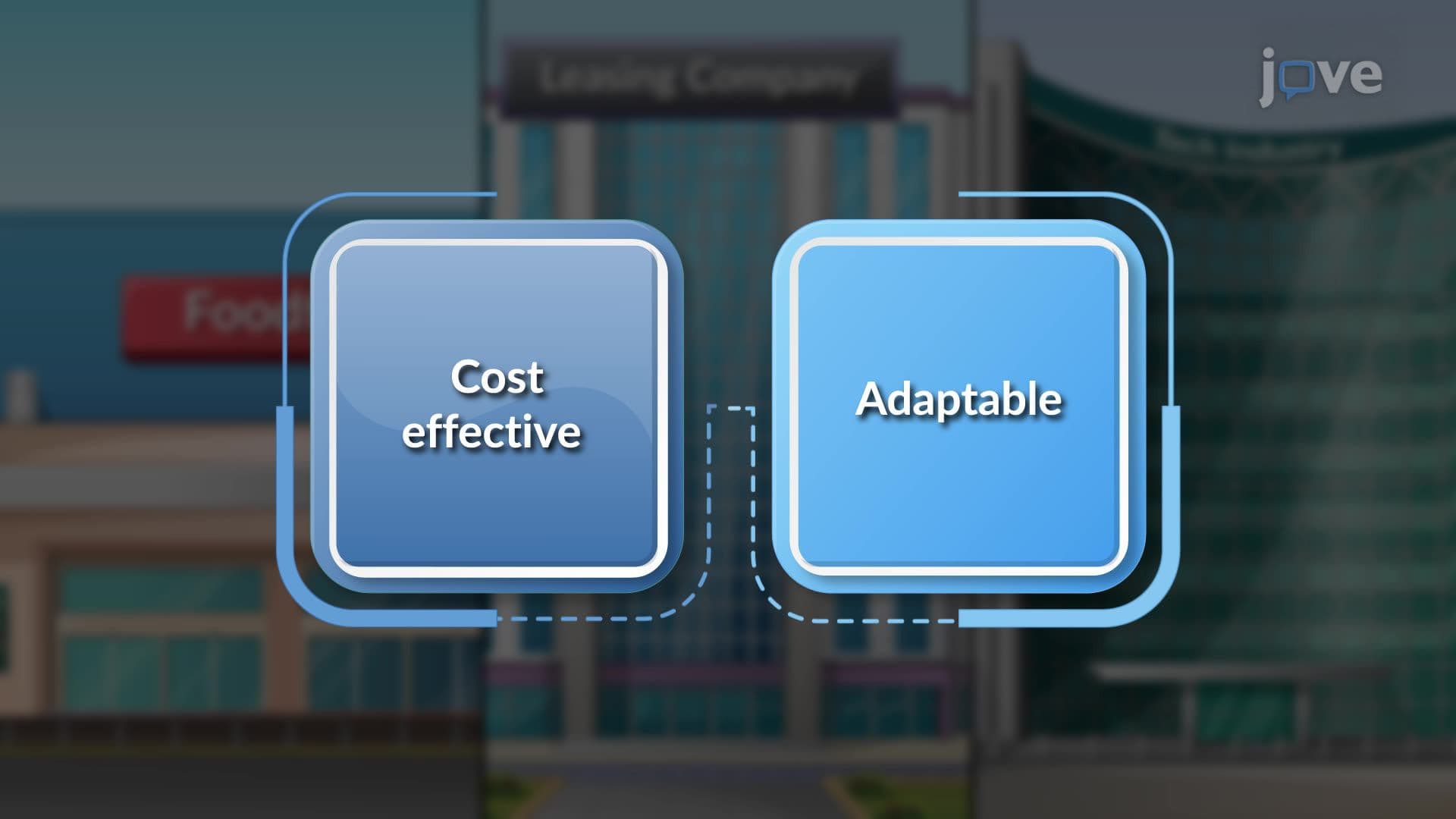
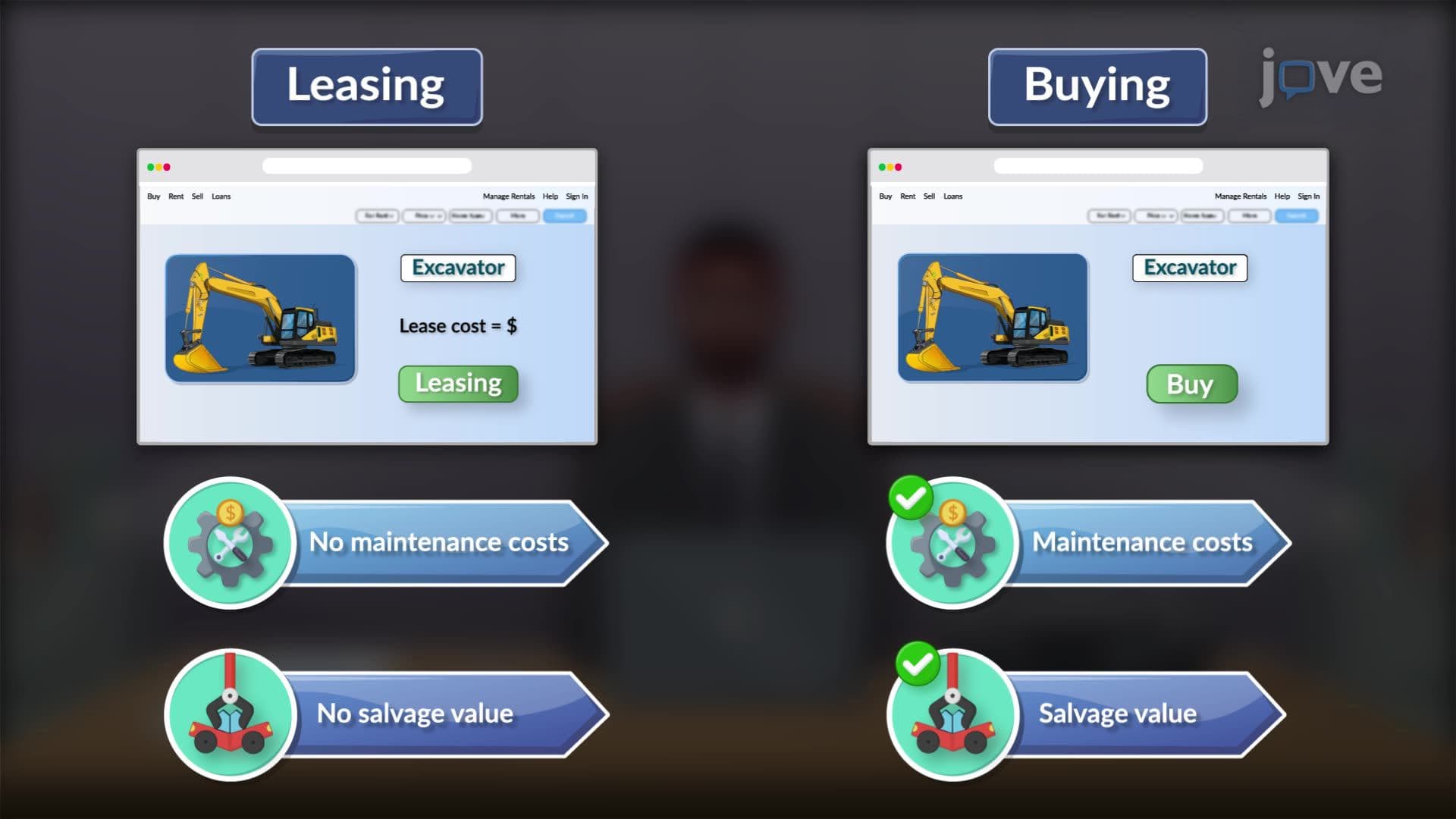
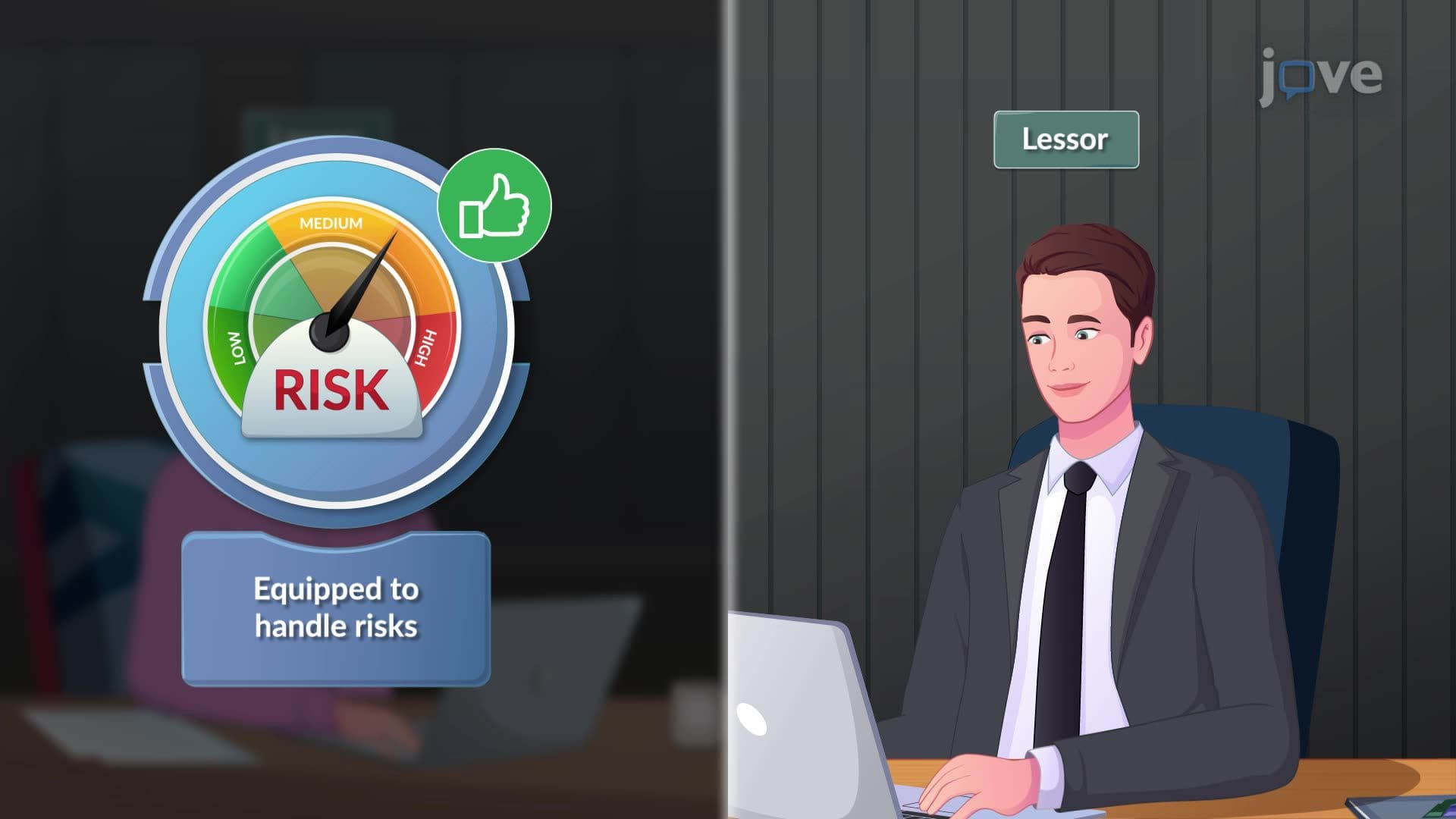
The leasing vs buying study guide framework reveals critical trade-offs between operational flexibility and long-term value accumulation. Leasing arrangements provide upgrade pathways, maintenance coverage, and risk transfer mechanisms that prove valuable in rapidly evolving industries. Technology companies frequently lease computing infrastructure to avoid obsolescence risks while maintaining access to cutting-edge capabilities. Amazon Web Services exemplifies this approach, allowing customers to "lease" computing resources rather than investing in owned data centers.
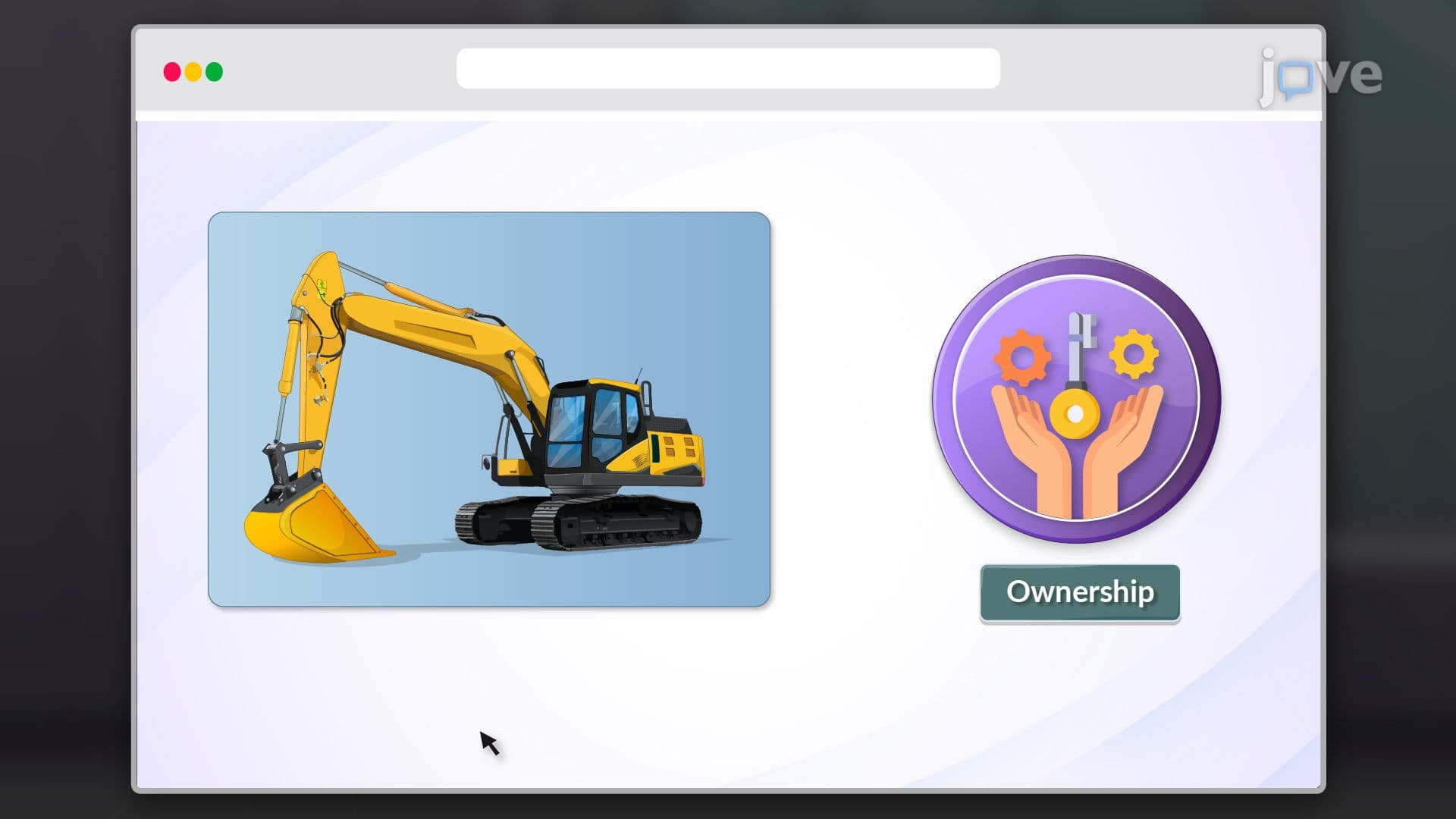
Ownership strategies excel when assets provide enduring competitive advantages or generate value beyond their primary function. Real estate acquisition by companies like Starbucks creates long-term appreciation potential while providing operational control over critical locations. Manufacturing equipment ownership enables customization, process optimization, and potential resale value that justify higher upfront investments for companies with stable, long-term operational requirements.
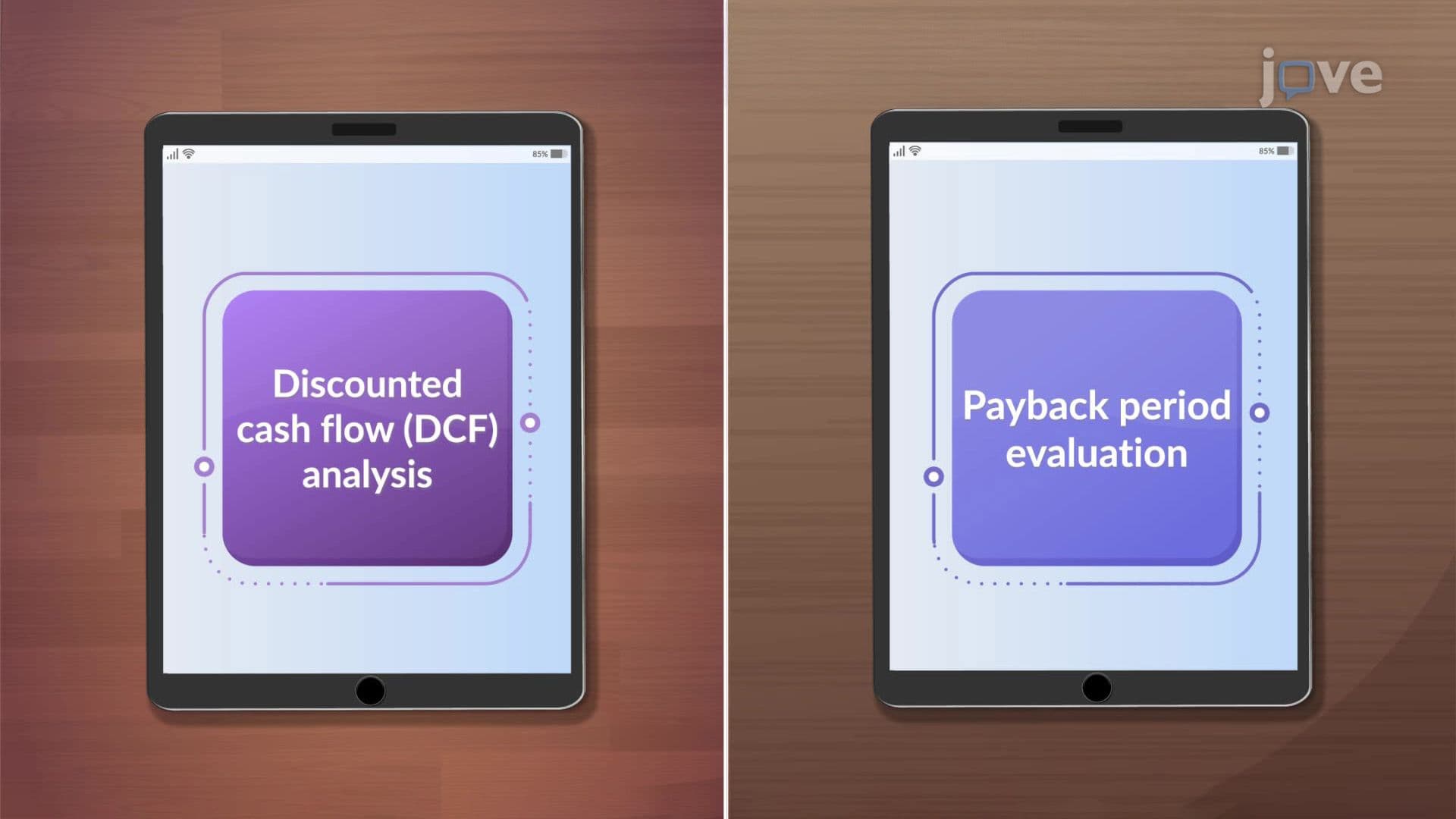
Successful leasing buying decisions require systematic evaluation of asset criticality, usage patterns, and strategic importance. Business leaders should assess whether assets represent core competitive capabilities requiring ownership control or supporting functions suitable for flexible leasing arrangements. Market volatility, technology evolution rates, and capital availability must inform these decisions alongside traditional financial metrics.
Related Micro-courses