Loading video…


 20 Concepts
 2.2K views

Video Summary: What are the Incremental Cash Flows
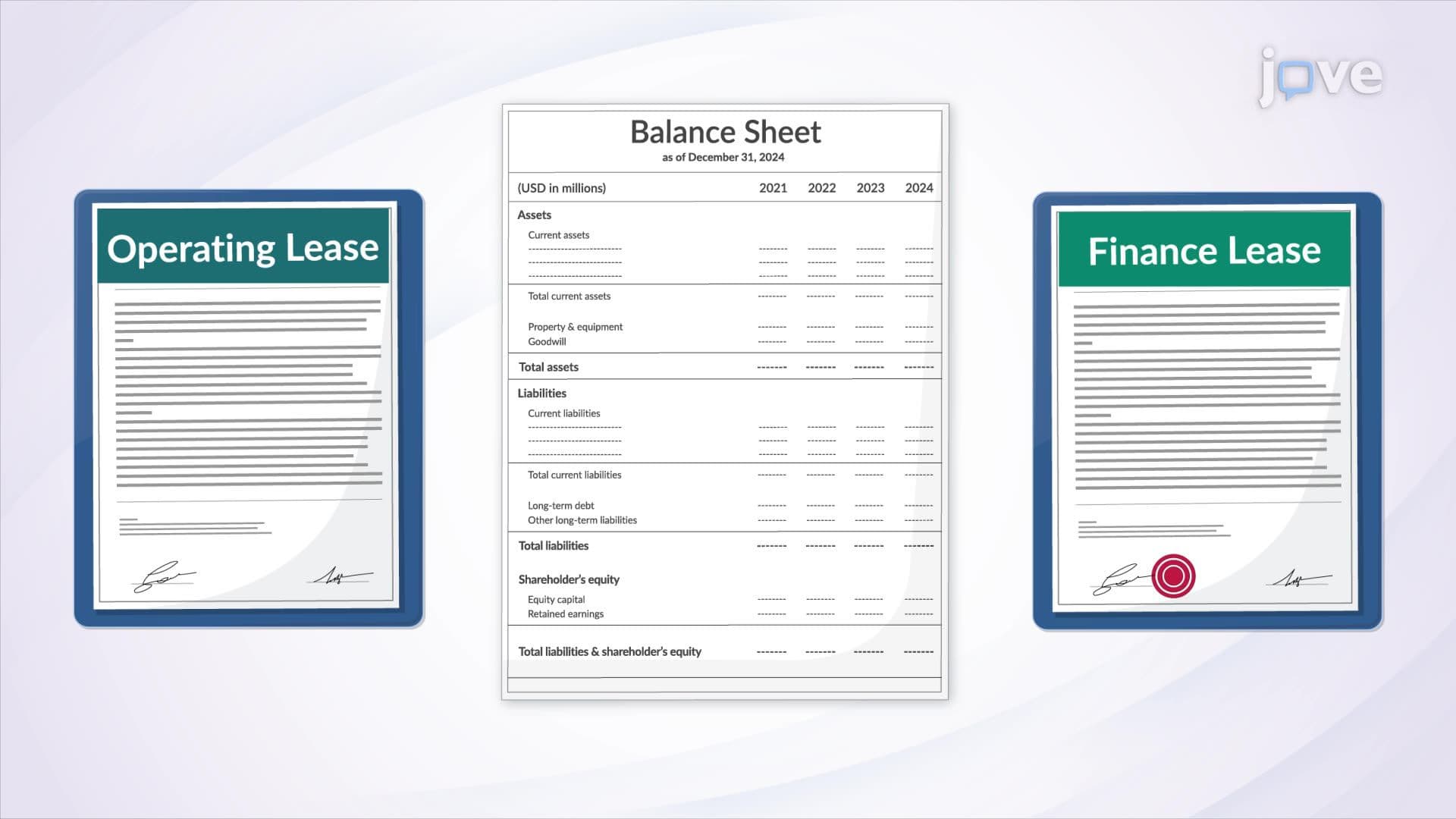
Capital allocation decisions separate successful companies from struggling ones, with incremental cash flows serving as the critical metric for lease-versus-buy decisions. Companies like Microsoft routinely evaluate whether leasing data centers generates superior returns compared to purchasing facilities outright. What are the incremental cash flows becomes essential when CFOs must justify major capital expenditures to boards and shareholders. This analysis directly impacts balance sheet optimization and working capital management across industries. Watch the full video on JoVE Coach to master this concept with expert-led visuals and step-by-step explanations.
Corporate finance teams face constant pressure to optimize capital allocation while maintaining operational flexibility. Incremental cash flows represent the differential cash impacts between two strategic alternatives-the additional cash inflows and outflows that result from choosing one option over another. This concept extends far beyond simple cost comparisons to encompass tax implications, opportunity costs, and long-term strategic positioning.
Consider Amazon's approach to warehouse expansion. Rather than purchasing distribution centers outright, Amazon frequently enters long-term lease agreements that preserve capital for core technology investments. The incremental cash flow analysis compares annual lease payments against the combined costs of property acquisition, maintenance, property taxes, and foregone investment returns on tied-up capital.
When evaluating a $50 million distribution center, Amazon's finance team would analyze the incremental impact: lease payments of $4 million annually versus purchase costs including $50 million upfront, $500,000 in annual maintenance, plus the opportunity cost of deploying that capital elsewhere. The incremental analysis reveals that leasing preserves $50 million for strategic initiatives while ownership provides depreciation benefits and potential asset appreciation.
Finance professionals must structure incremental analysis around three critical components: immediate cash flow impacts, tax optimization strategies, and strategic flexibility considerations. The framework begins with identifying truly incremental costs-those that change based on the decision-while excluding sunk costs and allocated overhead that remain constant regardless of choice.
Companies like Apple leverage this analysis for retail expansion decisions. When evaluating flagship store locations, Apple's real estate team compares leasing premium locations against purchasing smaller properties, factoring in brand positioning benefits, customer traffic patterns, and market presence objectives alongside pure financial metrics.
Sophisticated incremental analysis incorporates scenario planning and sensitivity analysis to address market volatility and changing business conditions. This approach proves essential when presenting recommendations to boards, where directors expect comprehensive risk assessment alongside financial projections. The analysis must address competitive implications, market positioning, and strategic optionality-factors that influence long-term enterprise value beyond immediate cash flow considerations.
Related Micro-courses