Loading video…


 20 Concepts
 2.2K views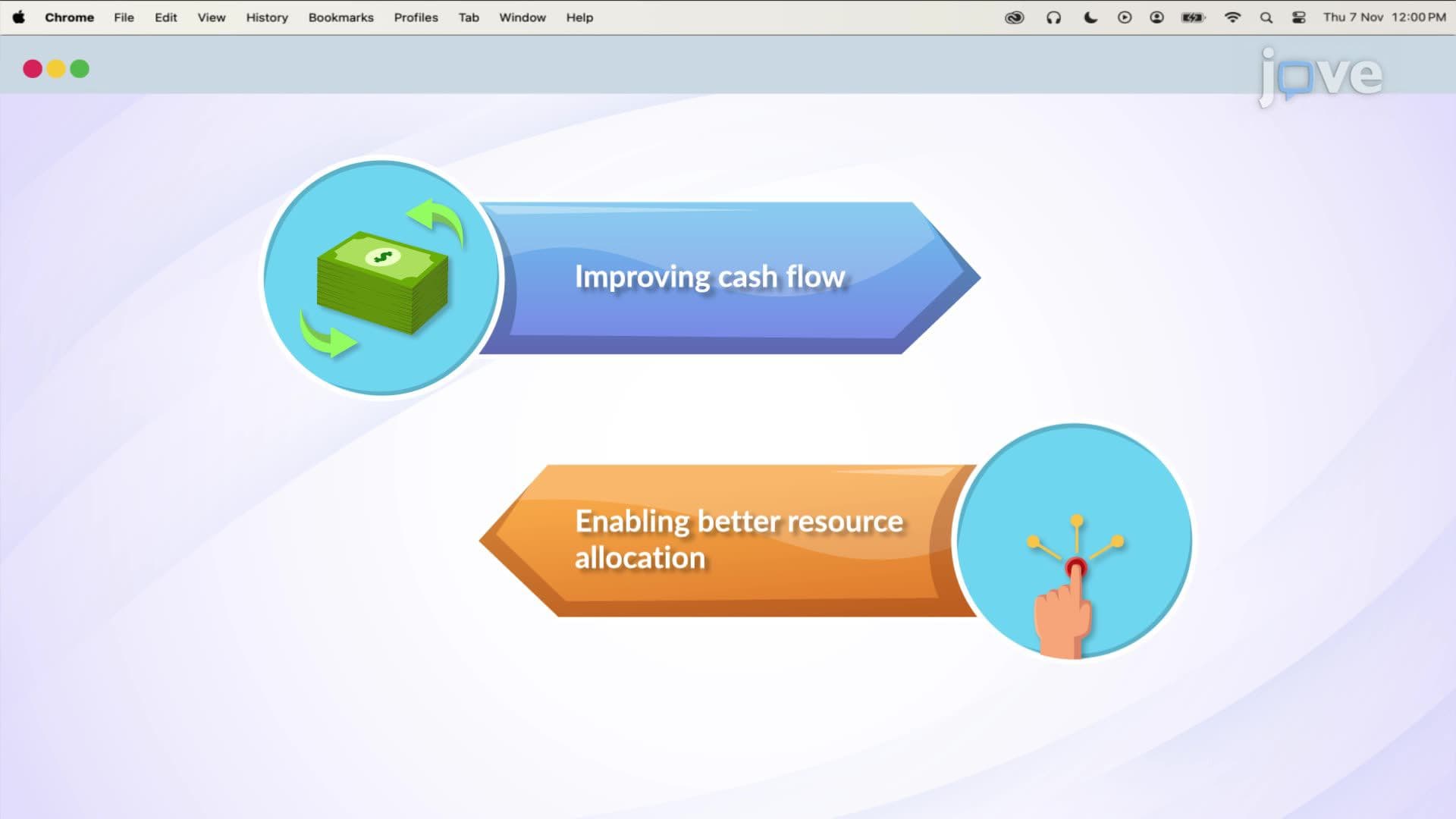

Video Summary: What are Tax Advantaged Leases
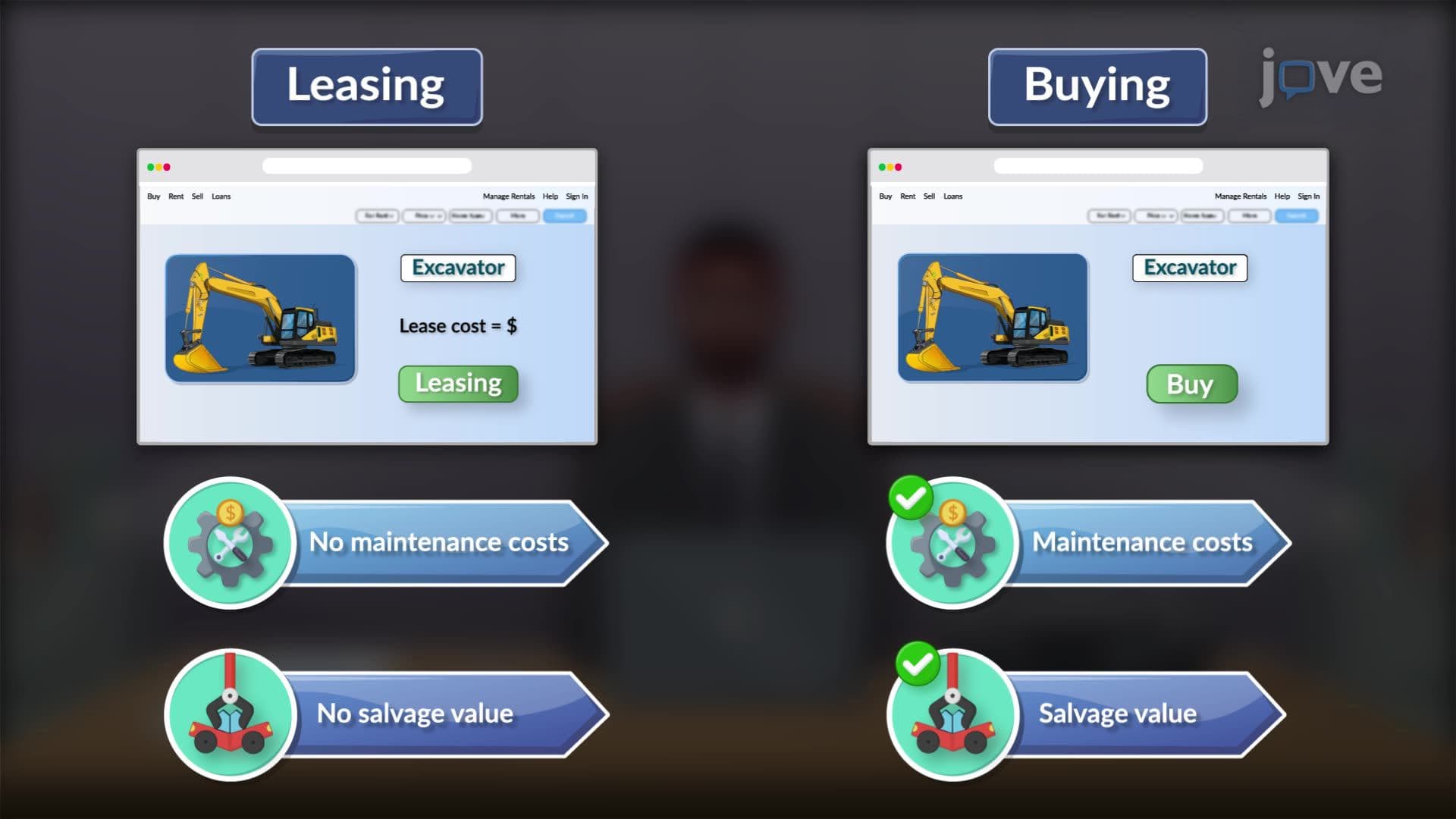
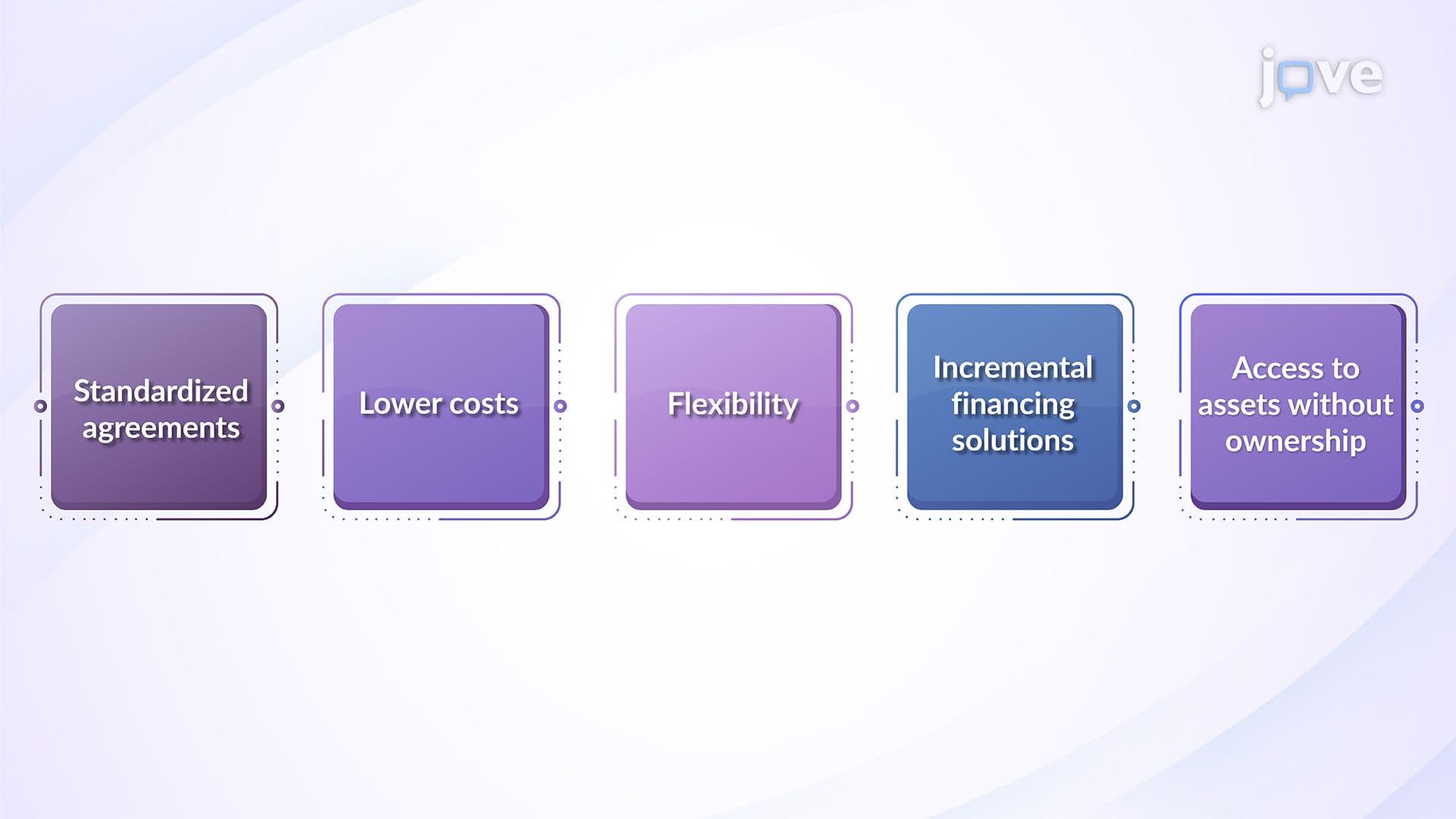
Corporate finance leaders increasingly rely on tax advantaged leases to optimize capital allocation while maintaining operational flexibility. These strategic financing arrangements allow lessors to claim depreciation and tax credits while sharing benefits with lessees through reduced payments. Companies like Caterpillar frequently structure equipment leases this way, enabling construction firms to access advanced machinery without fully utilizing tax deductions themselves. Watch the full video on JoVE Coach to master this concept with expert-led visuals and step-by-step explanations.
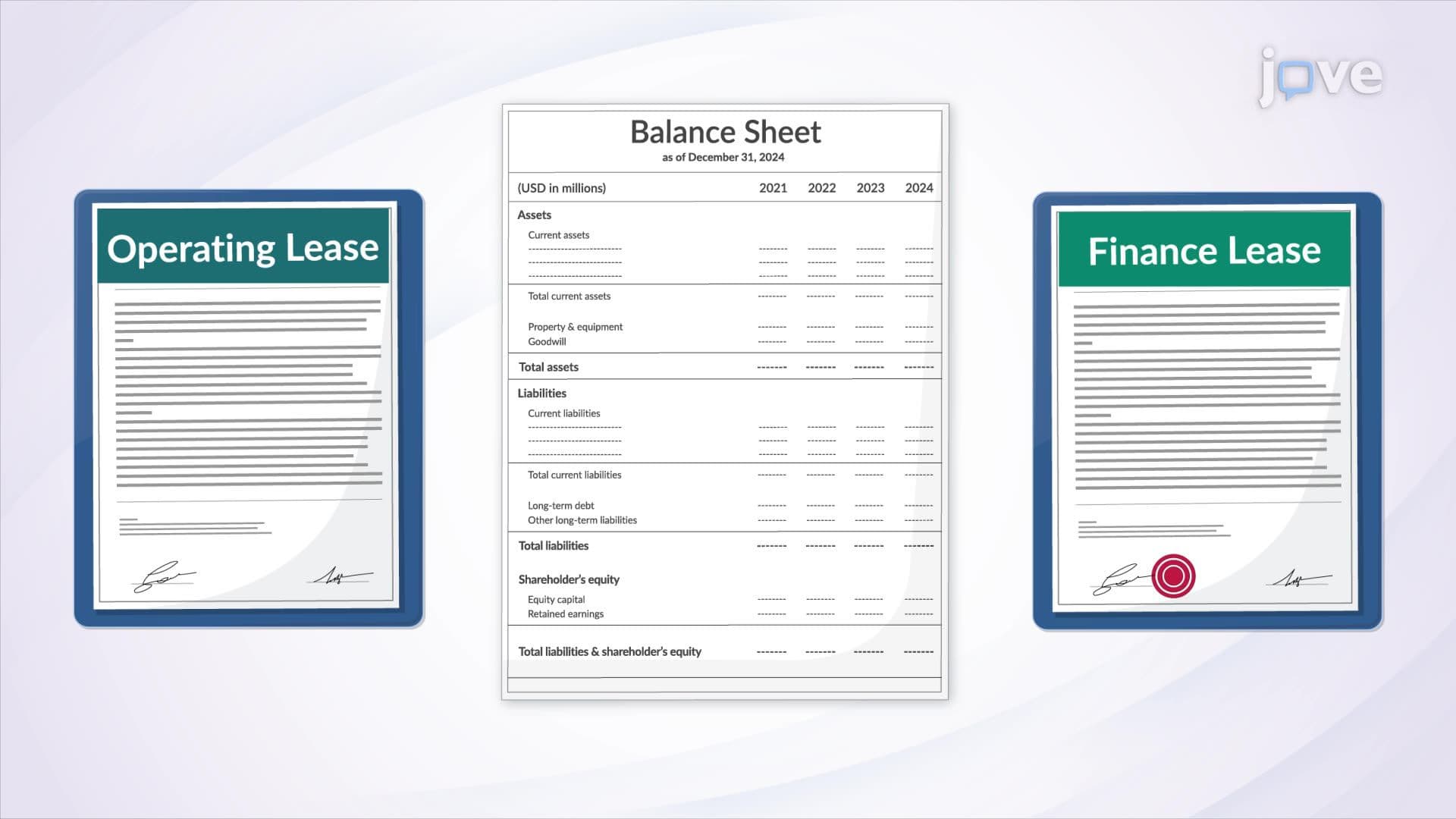
When manufacturing giants like General Electric need to deploy billions in industrial equipment across global operations, they often turn to sophisticated lease structures that optimize tax efficiency for all parties involved. Tax advantaged leases represent a strategic financing mechanism where ownership and tax benefits are deliberately separated to maximize value creation.
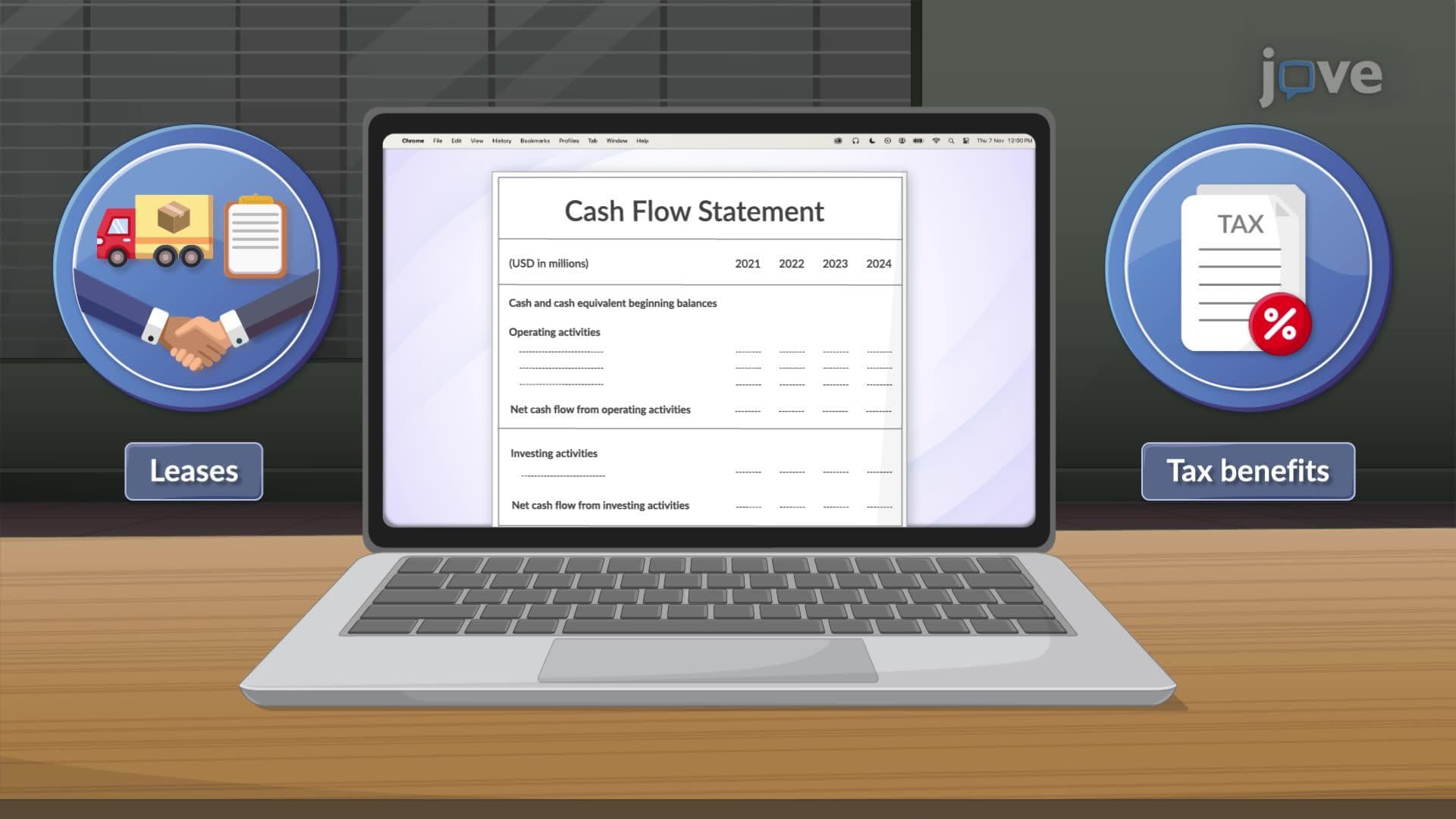
The fundamental driver behind tax-advantaged leasing lies in tax capacity mismatches between organizations. Consider a profitable technology company like Microsoft with substantial taxable income versus a growing startup with limited current tax liability. The established corporation can fully utilize depreciation deductions and investment tax credits, while the startup cannot. This creates an arbitrage opportunity where the lessor (Microsoft, in a hypothetical equipment leasing subsidiary) retains asset ownership and claims tax benefits, then shares a portion of these savings with the lessee through reduced lease payments.
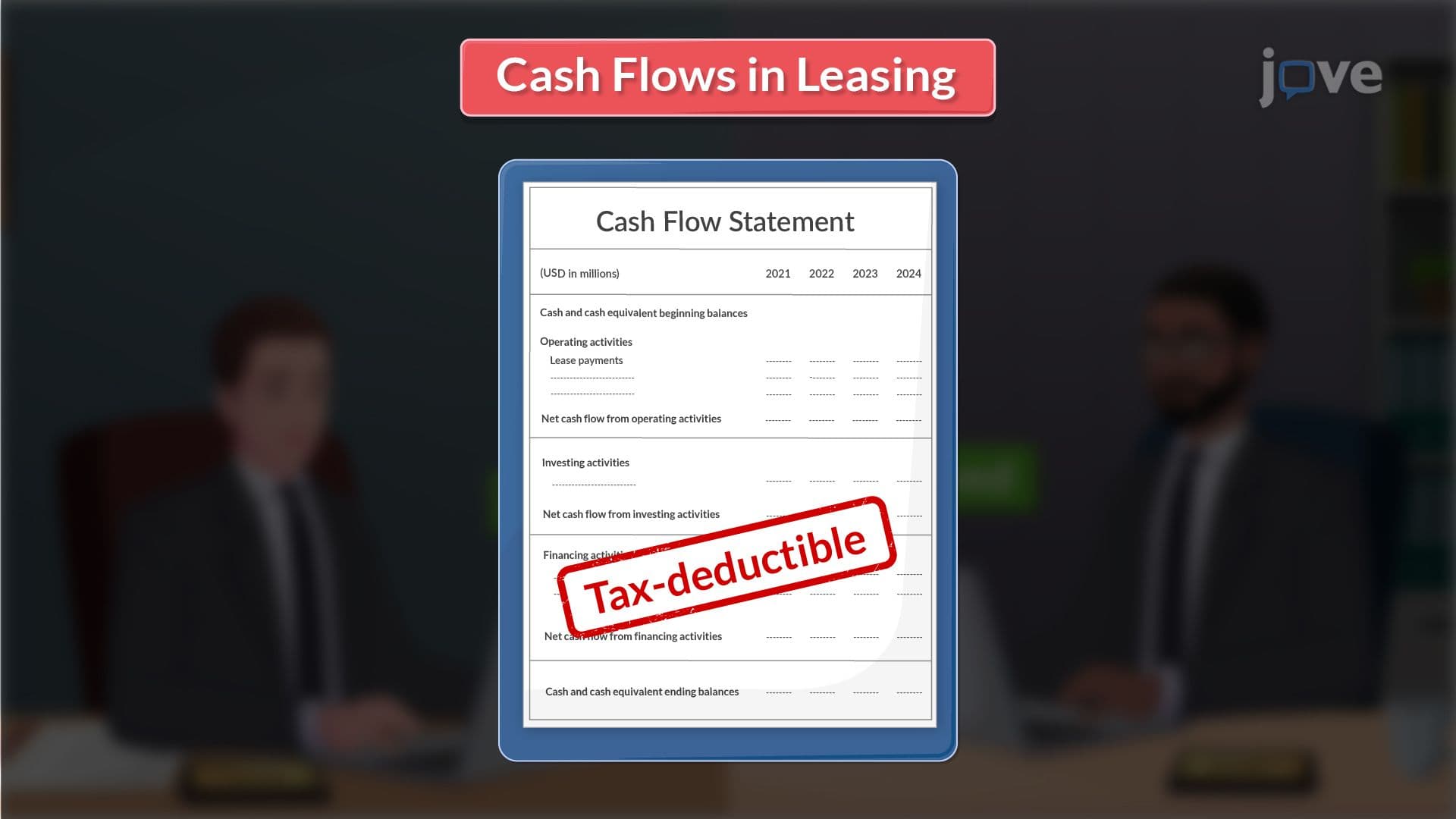
The mathematics of tax-advantaged leases demonstrate their power in corporate resource allocation. When a lessor claims $50,000 in annual depreciation on equipment with a 30% corporate tax rate, they generate $15,000 in tax savings annually. If the lessor shares two-thirds of this benefit with the lessee, the monthly lease payment drops by approximately $833. Over a typical five-year term, this translates to $50,000 in total cost savings for the lessee-a significant impact on operational cash flow and capital efficiency.
Healthcare systems, energy companies, and manufacturing firms regularly deploy tax-advantaged lease strategies for major capital investments. Hospital networks like HCA Healthcare might lease MRI equipment through these structures, while energy companies use them for drilling equipment and renewable energy installations. The key success factor involves matching lessors with strong tax positions to lessees who need equipment access but cannot fully monetize available tax benefits.
Related Micro-courses