Loading subject page…

2,194 views

Video Summary: What Is Sale and Leaseback Agreements
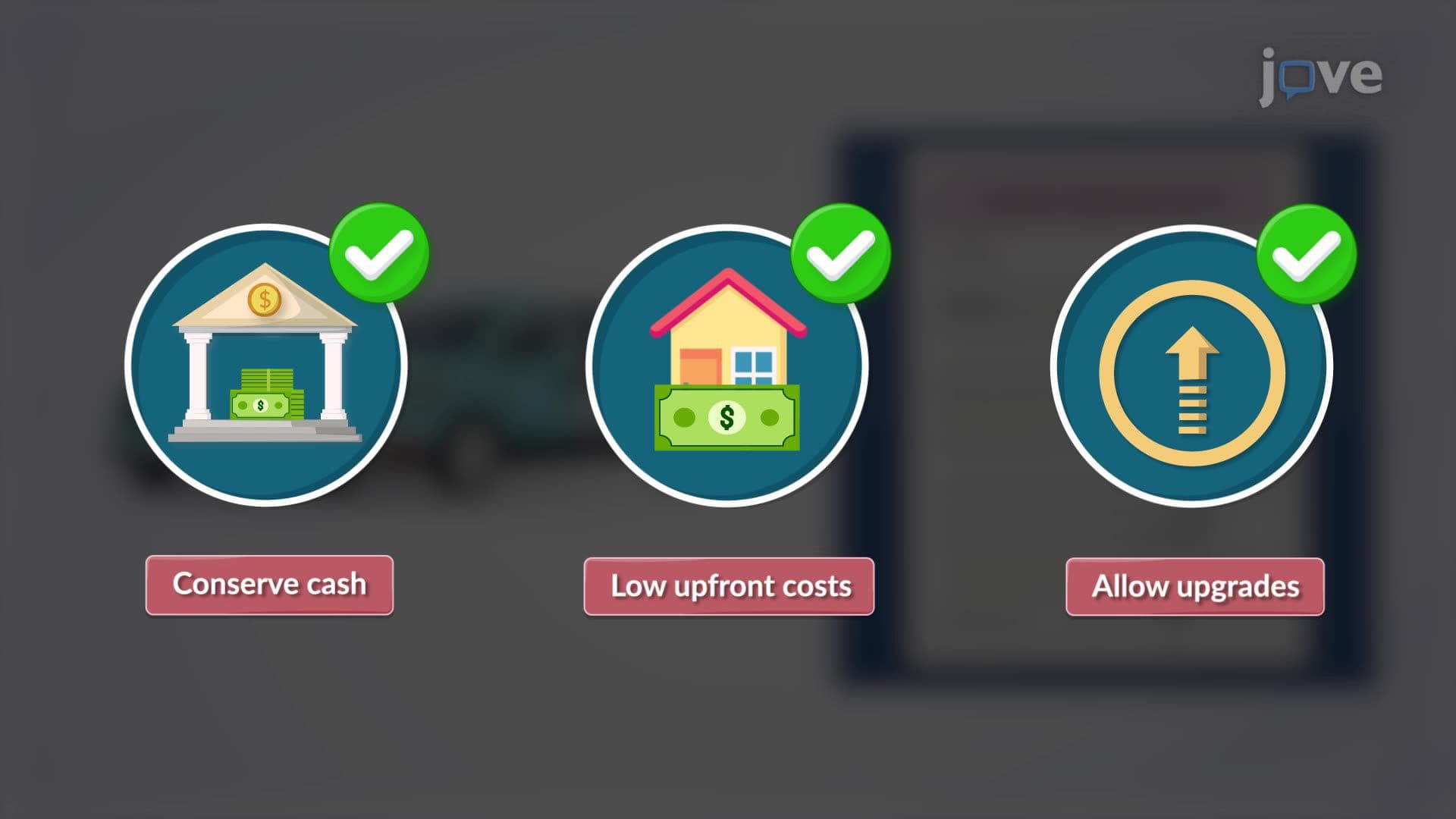
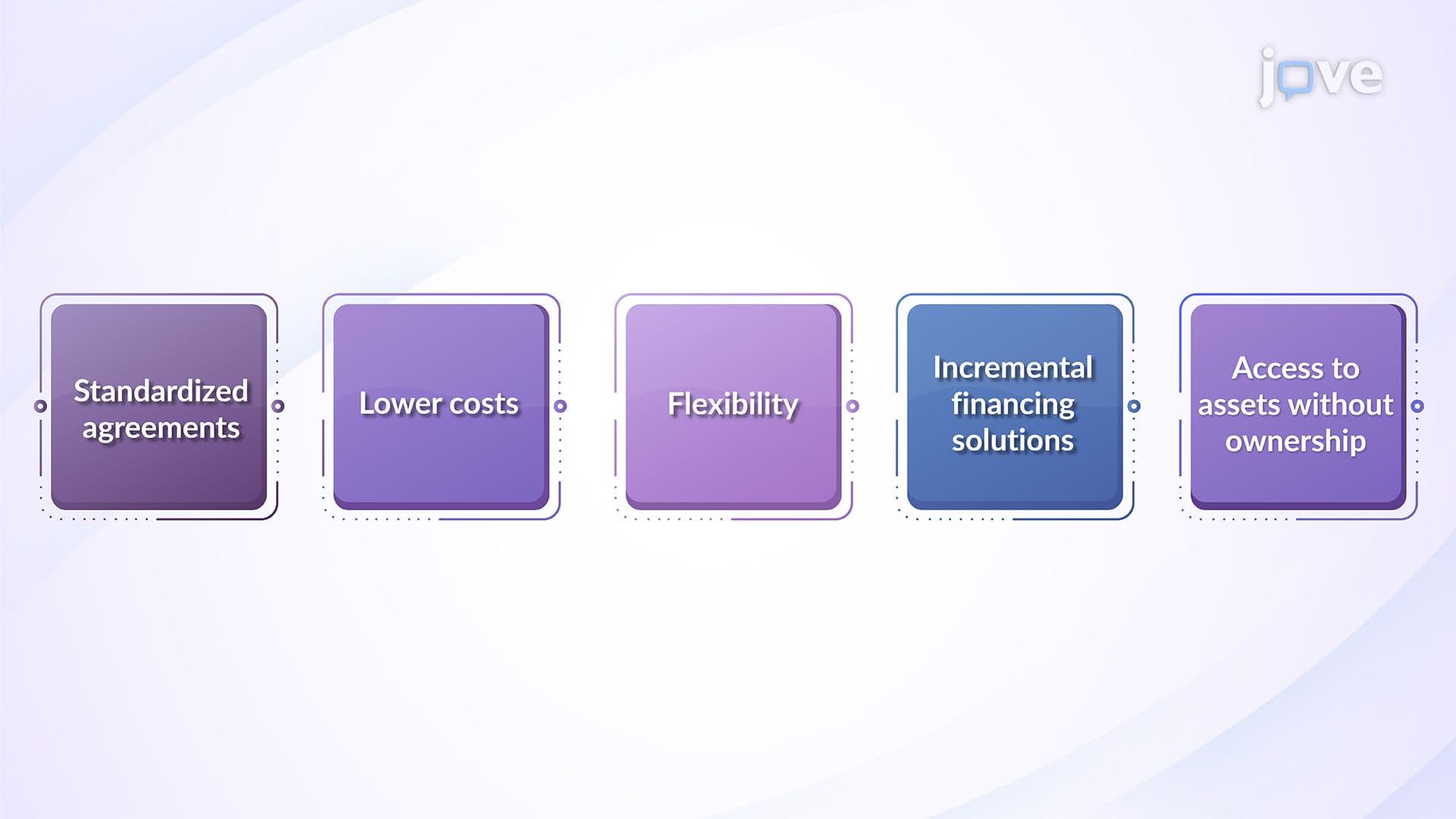
When companies face capital constraints but need to retain operational assets, sale leaseback agreements provide a strategic financing solution. These arrangements allow businesses to convert illiquid assets into immediate cash while maintaining operational control. Albertsons successfully executed this strategy in 2017, converting 71 retail properties into $720 million in working capital while continuing store operations. Sale and leaseback agreements offer sophisticated financial engineering for growth-oriented companies balancing liquidity needs with operational requirements. Watch the full video on JoVE Coach to master this concept with expert-led visuals and step-by-step explanations.
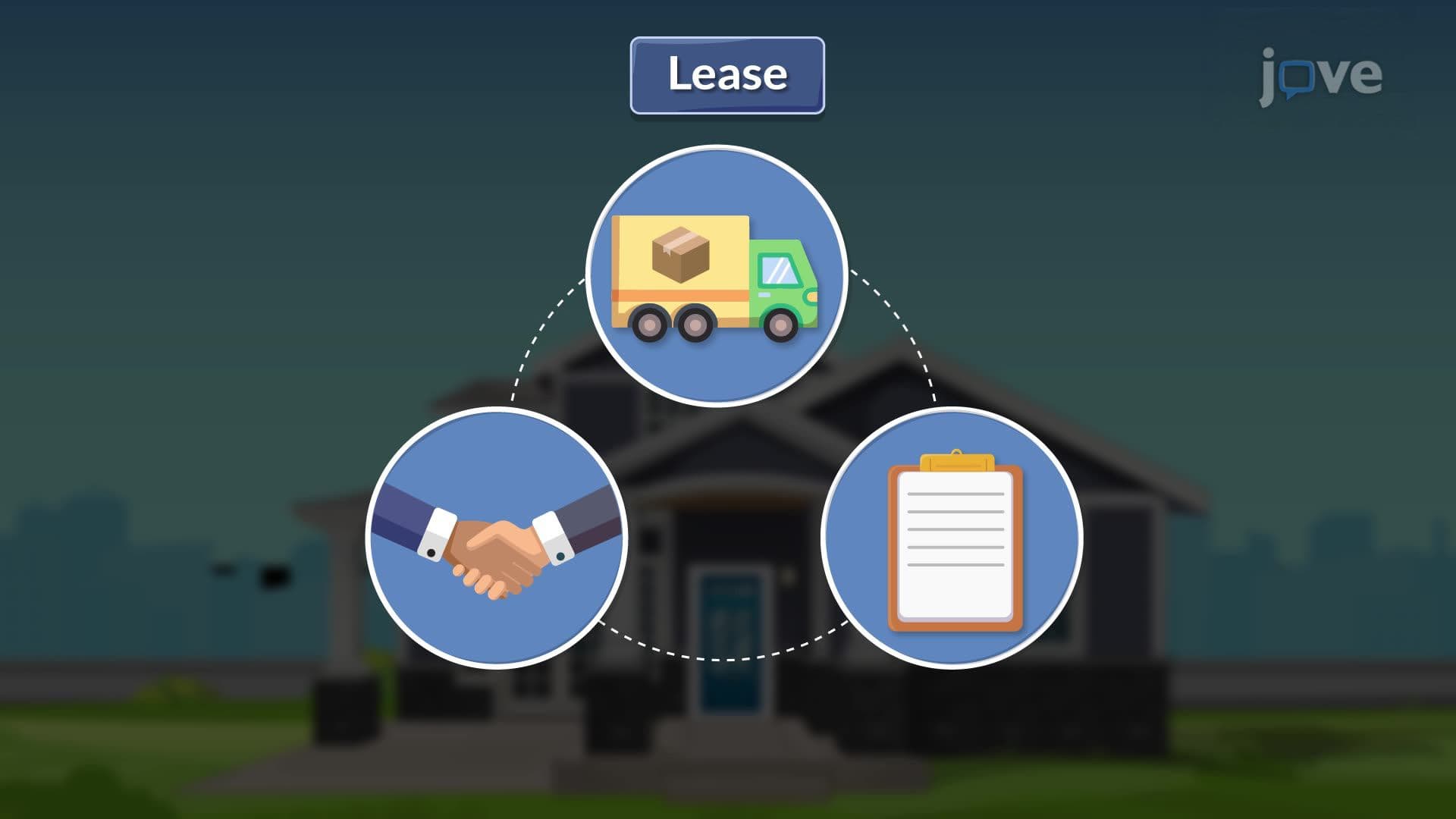
Corporate treasurers increasingly turn to sale and leaseback agreements when traditional financing falls short of strategic objectives. These transactions involve selling company-owned assets to institutional investors or specialized funds, then immediately leasing those same assets back under long-term rental agreements. This financial engineering unlocks trapped equity while preserving operational control-a critical distinction for asset-intensive businesses.
Retail chains, airlines, and healthcare systems frequently deploy sale-leaseback strategies during expansion phases or market downturns. Target Corporation has utilized sale-leaseback arrangements for multiple distribution centers, converting real estate holdings into cash for inventory investment and technology upgrades. Similarly, major airline carriers like American Airlines have executed aircraft sale-leaseback deals worth billions, maintaining fleet operations while improving balance sheet flexibility.
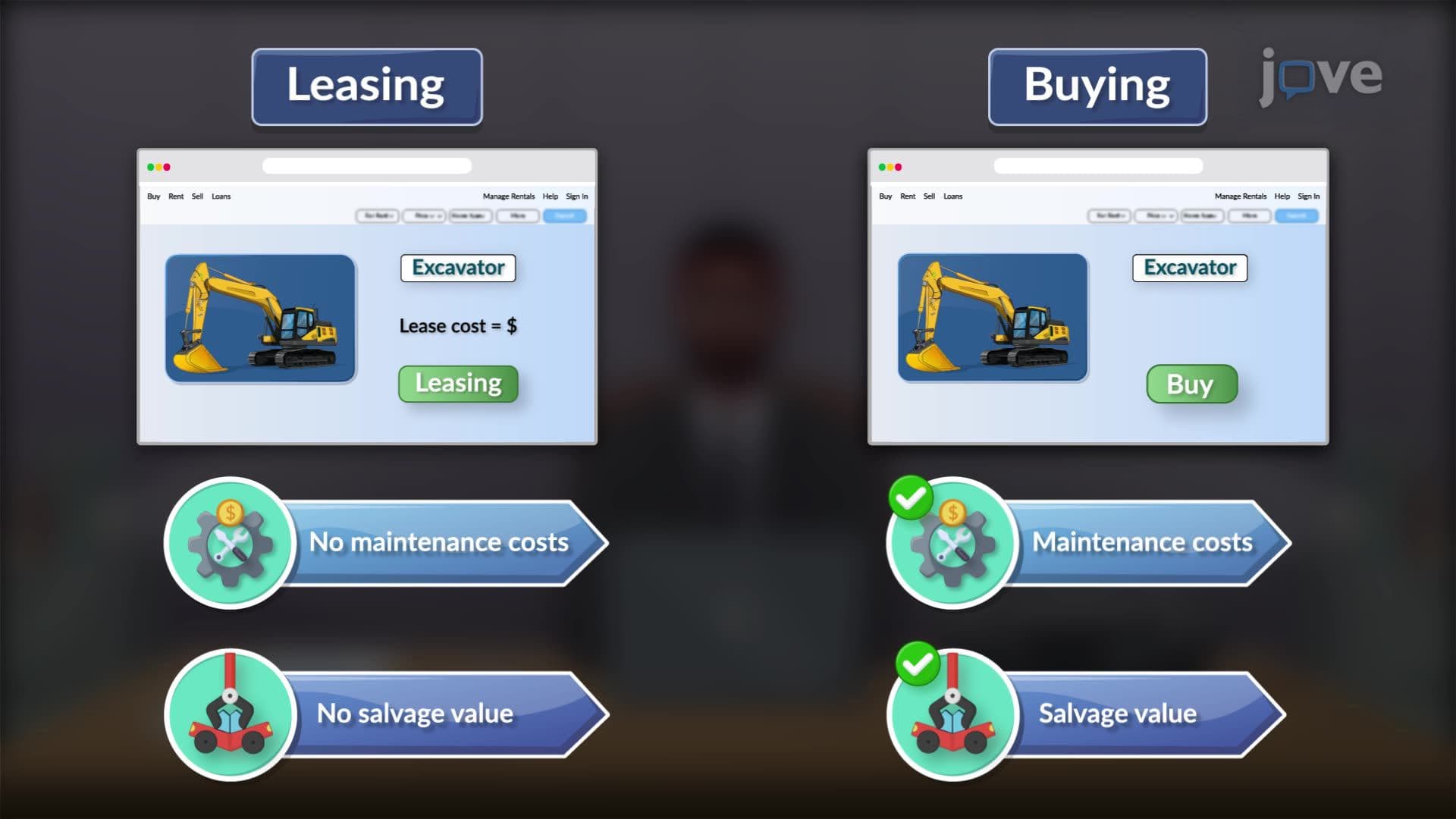
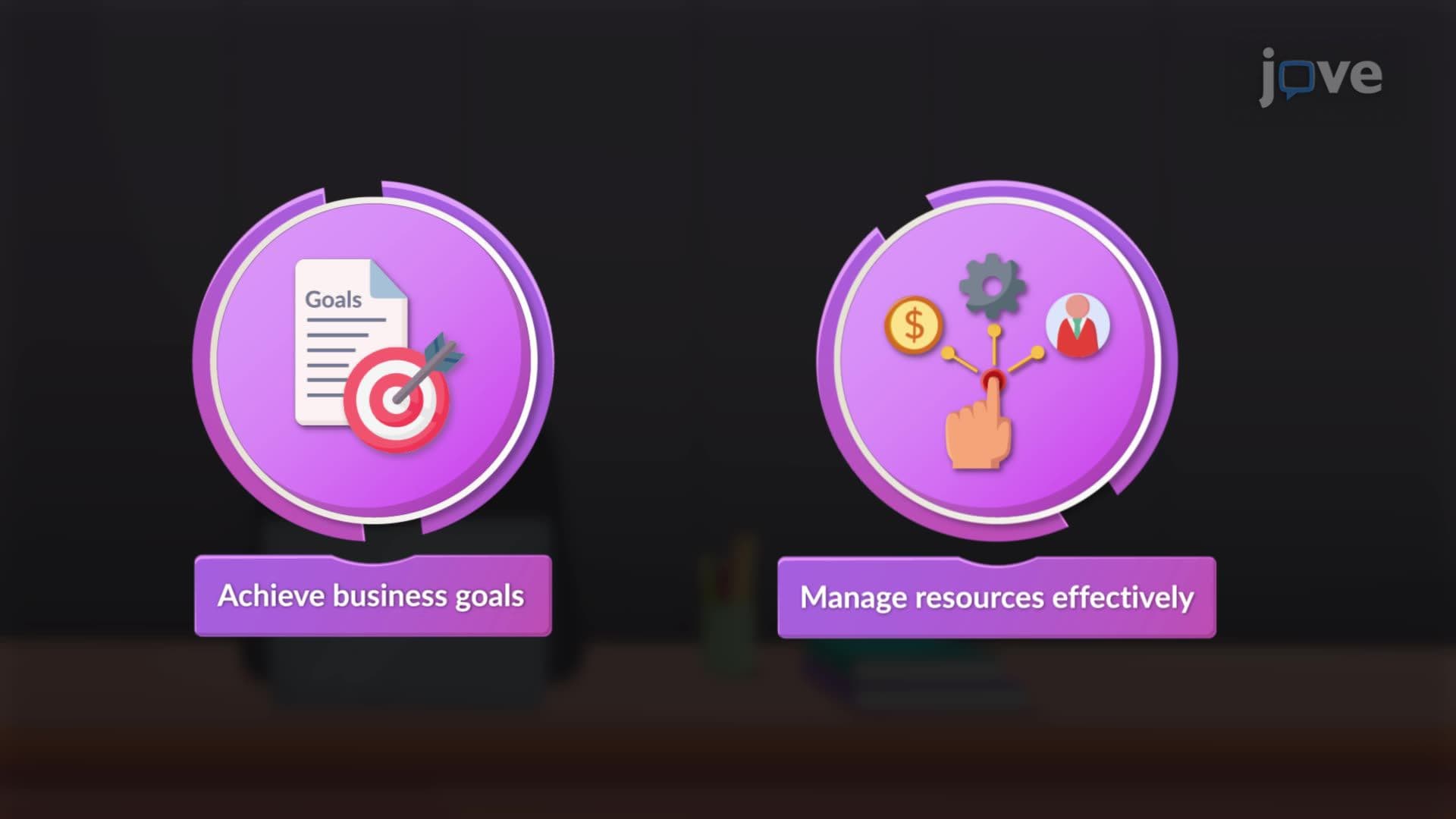
The appeal extends beyond cash generation. Companies can transfer property management responsibilities to specialized real estate firms, allowing management teams to focus on core competencies rather than asset maintenance and appreciation strategies.
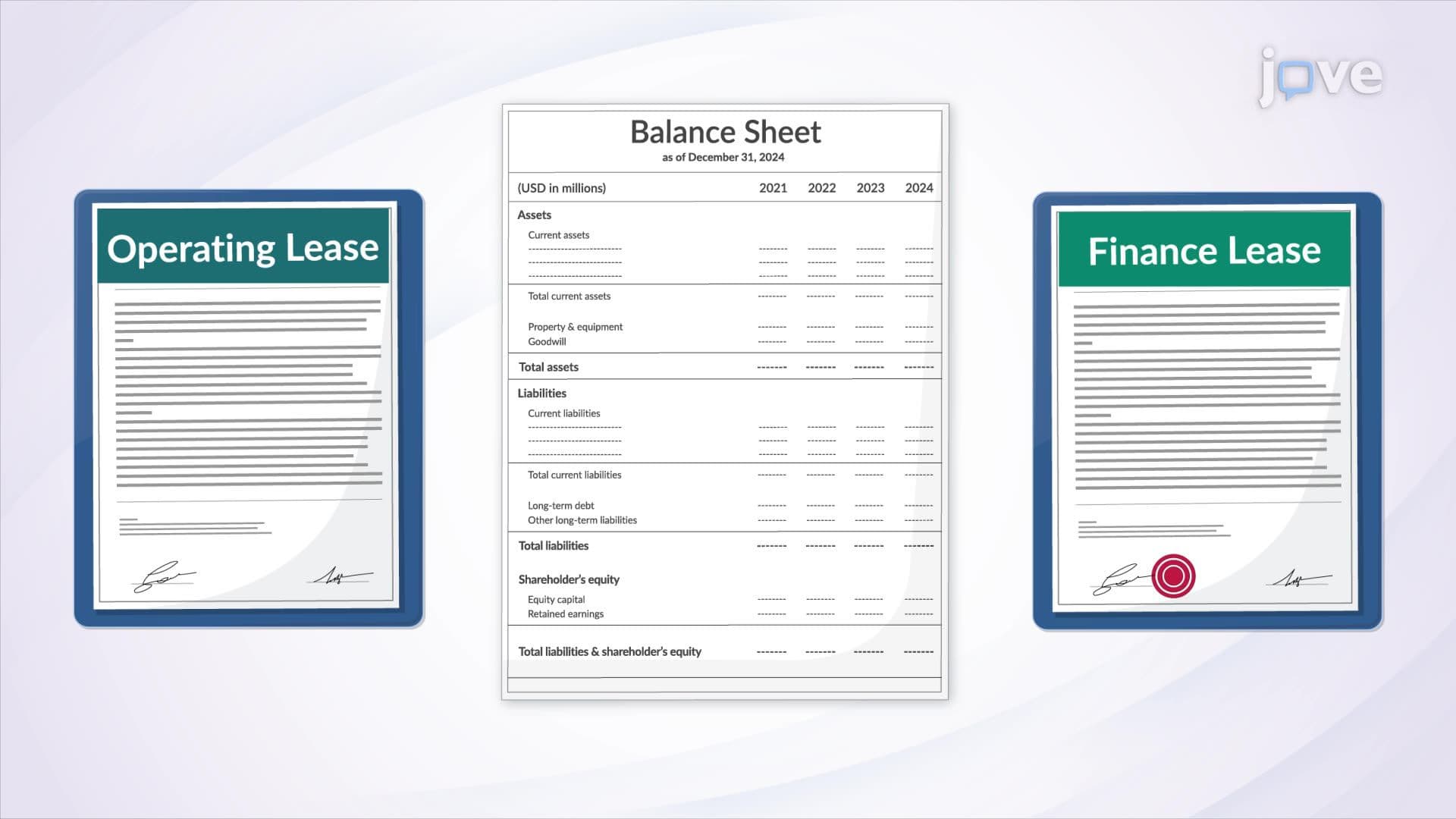
From an accounting perspective, sale-leaseback transactions fundamentally alter balance sheet composition. Assets move off-balance-sheet while creating long-term lease obligations under ASC 842 accounting standards. This shift can improve return on assets ratios and debt-to-equity metrics, though lease commitments still represent fixed obligations that rating agencies scrutinize.
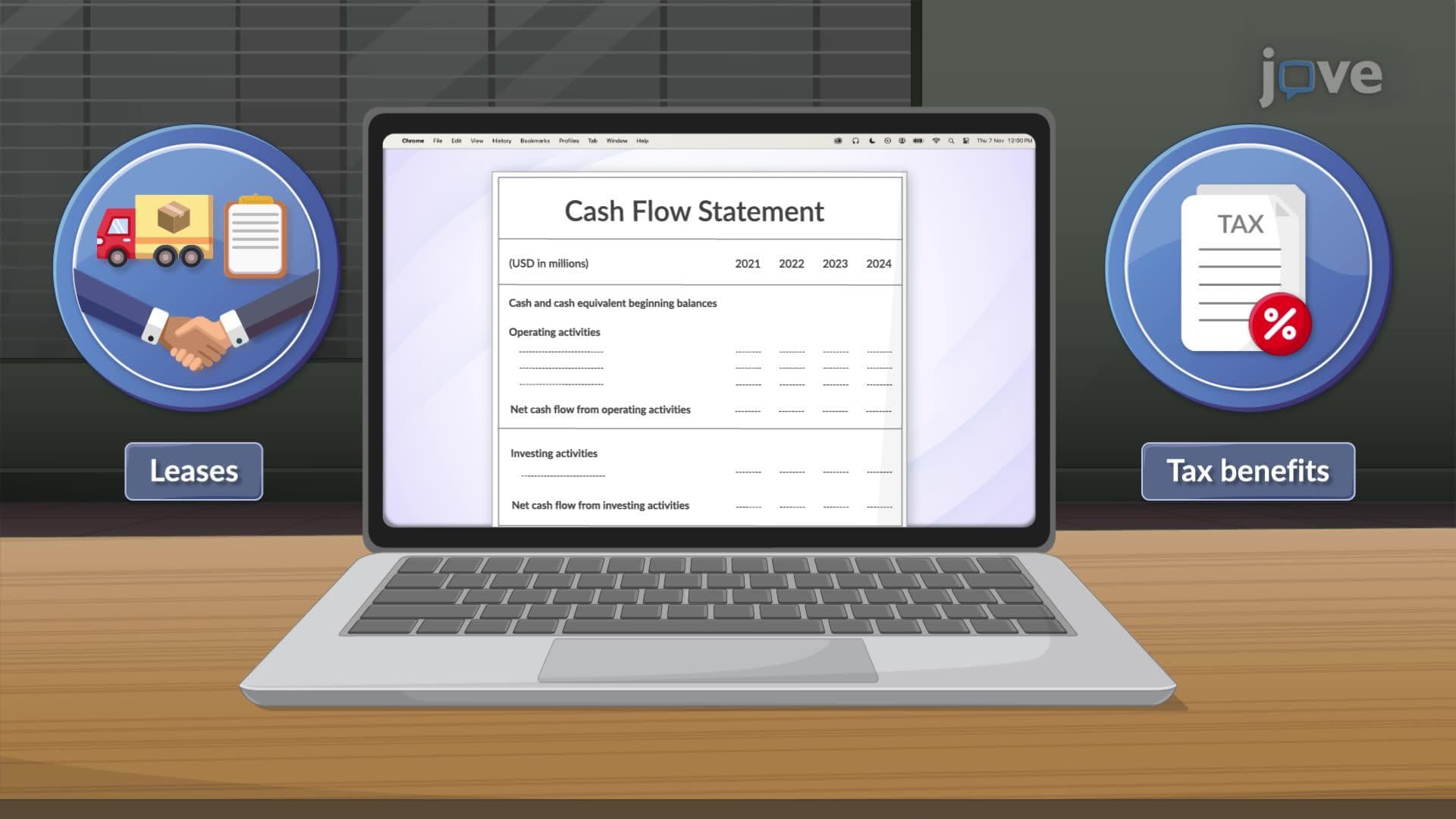
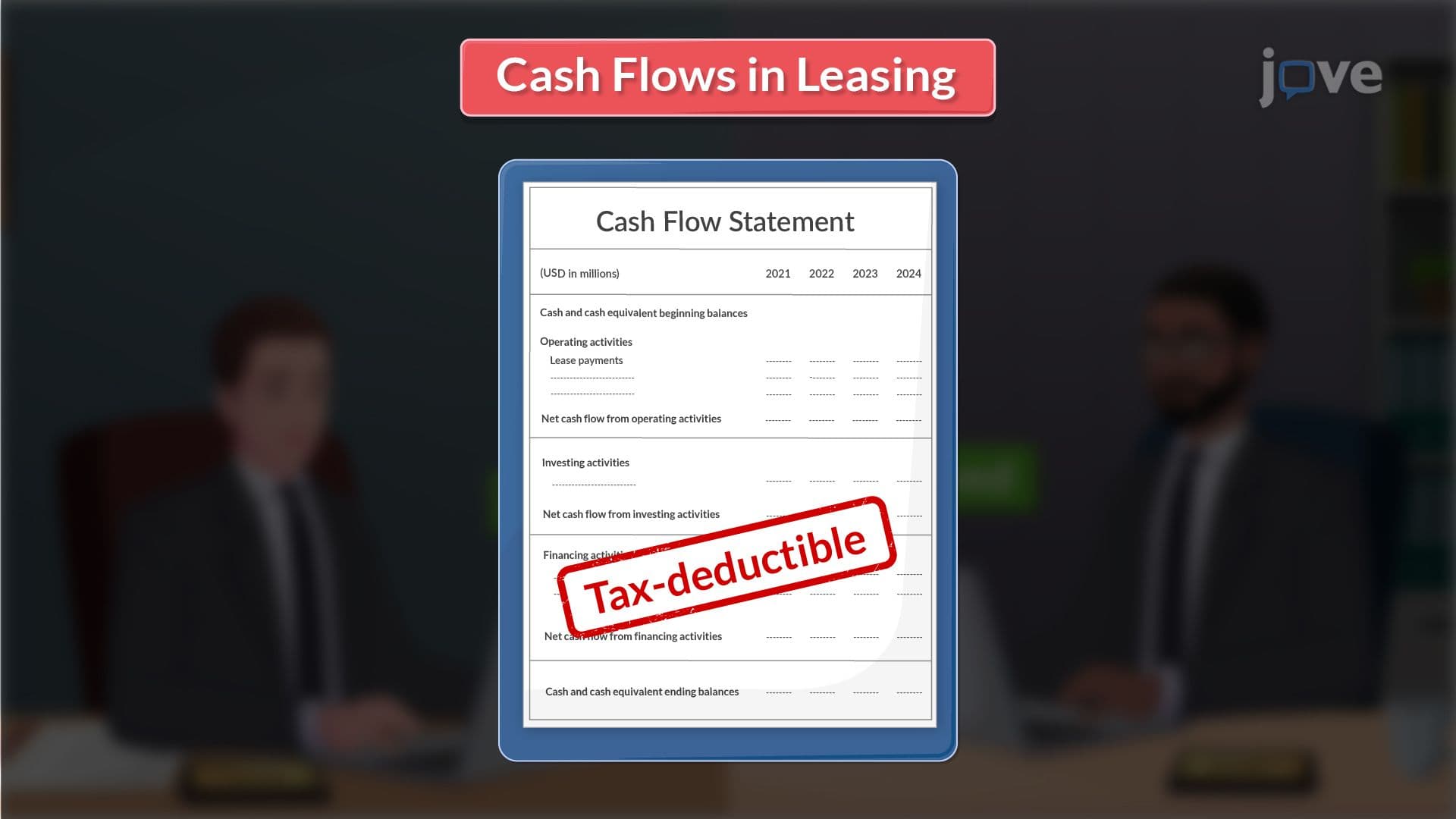
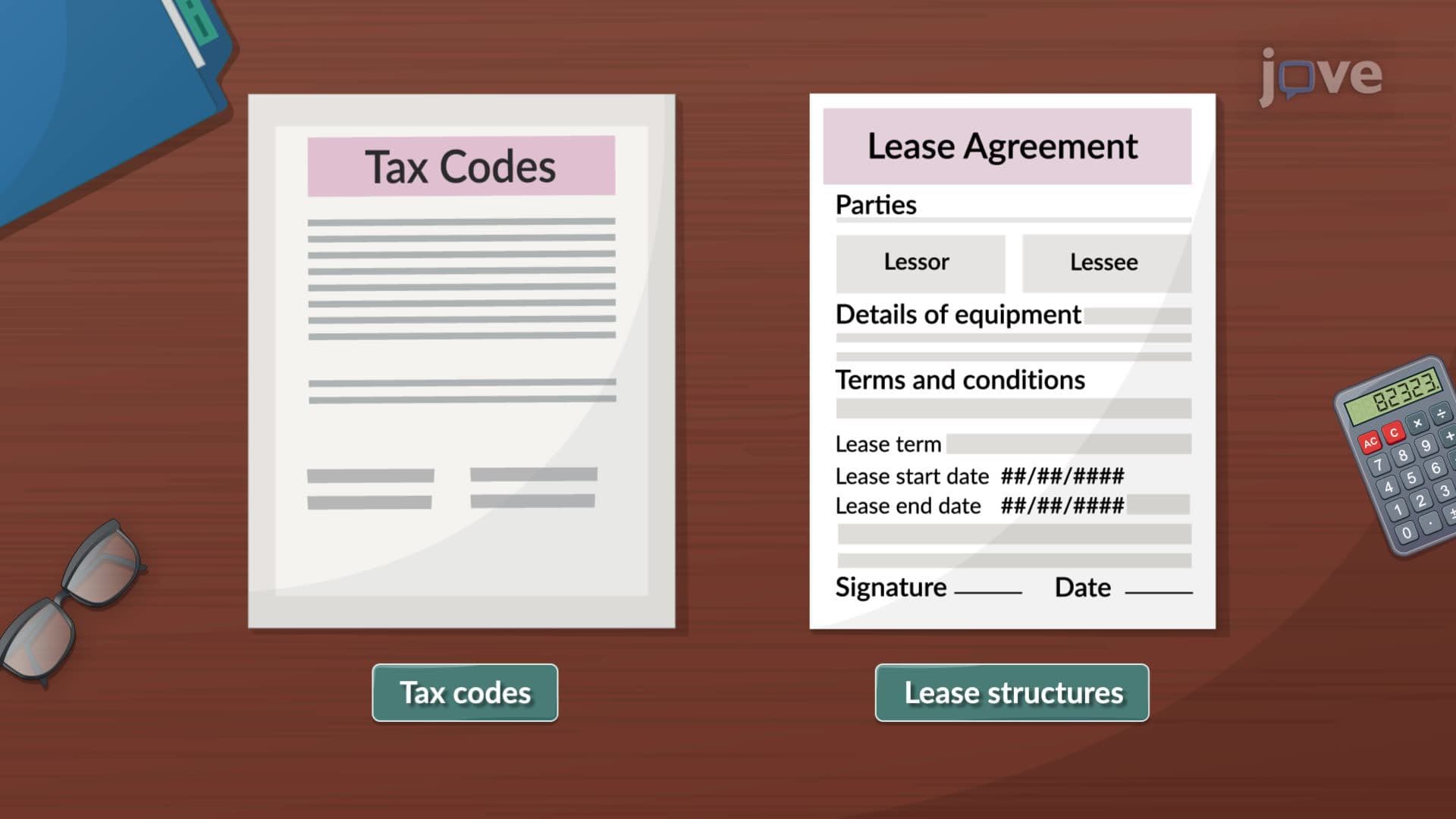
Tax considerations add complexity, as companies may realize immediate gains on asset sales while creating ongoing lease expense deductions. Sophisticated treasury teams coordinate with tax advisors to optimize transaction structure and timing around corporate tax planning cycles.
Successful sale-leaseback execution requires careful evaluation of lease terms, renewal options, and counterparty creditworthiness. Companies must model scenarios where lease payments exceed projected cash flows, potentially constraining future flexibility. Market-rate lease adjustments and purchase option provisions become critical negotiation points that can significantly impact long-term economics.
Related Micro-courses