Loading subject page…
- Finance
- Bonds Concepts and Valuation
Finance
All Micro-courses:17

1.
Introduction to Business Finance
18 Concepts
2.
Financial Markets and Instruments
14 Concepts
3.
Analysis of Financial Statements
21 Concepts
4.
Financial Ratio Analysis
28 Concepts
5.
Time Value of Money
12 Concepts
6.
Risk and Return
17 Concepts
7.
Capital Budgeting
21 Concepts
8.
Cost of Capital
10 Concepts
9.
Raising Long-term Capital
36 Concepts
10.
Short-term Financing and Planning
16 Concepts
11.
Dividend and Payout Policy
7 Concepts
12.
Stock Valuation
9 Concepts
13.
Bonds - Concepts and Valuation
11 Concepts
14.
Mergers and Acquisitions
11 Concepts
15.
Financial Ethics
12 Concepts
16.
Behavioral Finance
26 Concepts
17.
Leasing
20 Concepts
Bonds - Concepts and Valuation
 11 Concepts
 2.2K Views
 Popular topics
Concepts: 11

01:23
288 views

01:20
270 views

01:17
276 views
01:18
307 views

01:23
154 views
01:23
149 views

01:26
102 views
01:20
128 views
01:24
199 views

01:17
161 views
01:24
125 views
Understanding bonds - concepts and valuation is essential for corporate finance professionals making investment decisions and managing portfolios. This JoVE Coach micro-course covers bond pricing yield fundamentals, from calculating present value and yield to maturity to assessing credit risk and market dynamics. Learn how bonds work and how to value them using real-world examples from companies like Microsoft and Alpha Corp, enabling you to make informed fixed income investment decisions in today's market environment.
- Apply present value calculations to determine fair bond prices using coupon rate maturity and discount rates
- Evaluate yield to maturity calculations to assess potential returns on corporate and municipal bond investments
- Analyze the inverse relationship between interest rates and bond prices for portfolio management decisions
- Implement bond duration and credit rating assessments to manage interest rate and default risk exposure
- Leverage the Fisher Effect to understand how inflation impacts real returns on fixed income investments
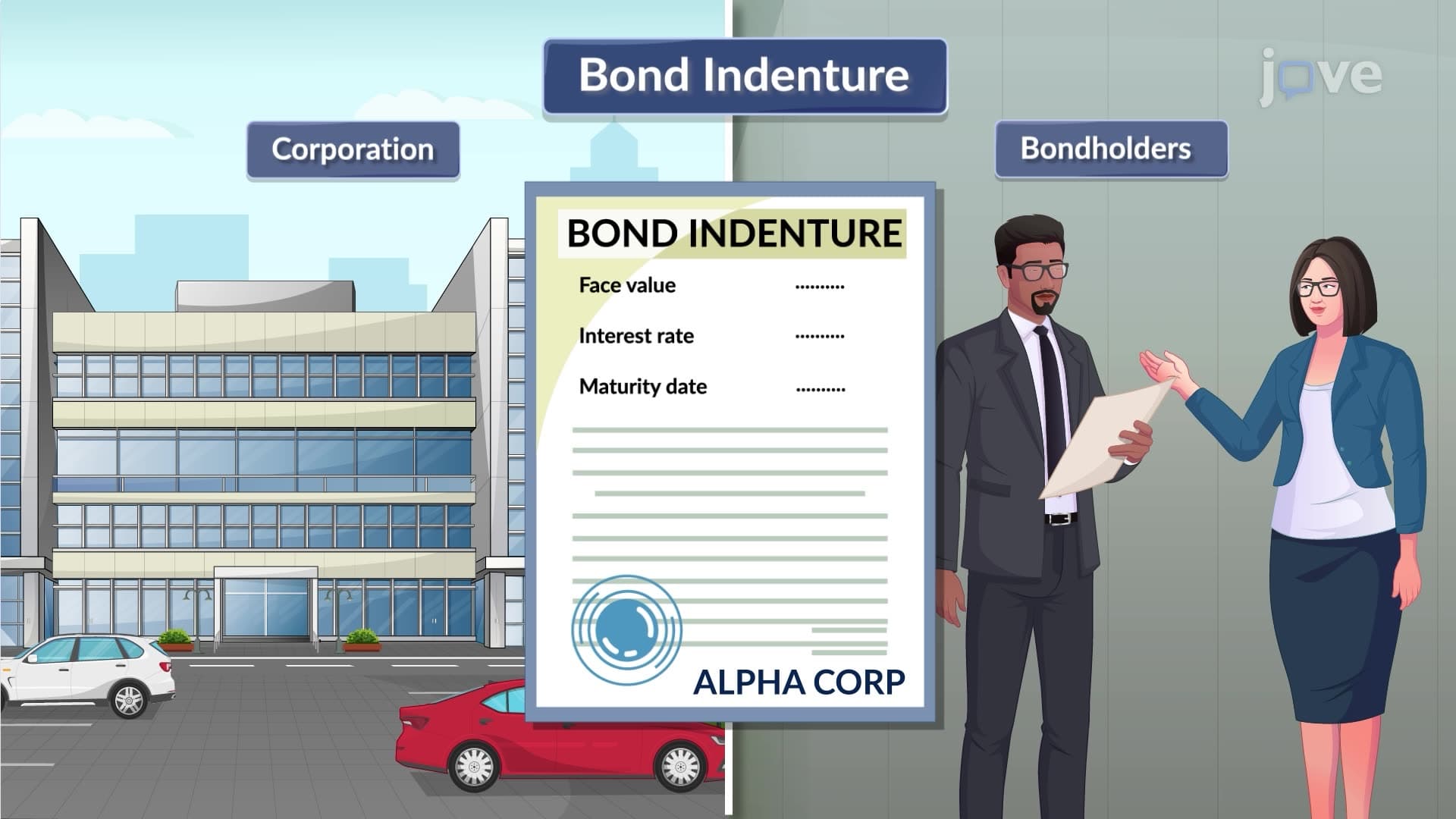
- Assess bond indenture provisions and protective covenants to evaluate investment security and terms
- Apply yield curve analysis to predict economic trends and optimize investment timing strategies
- Evaluate different bond market segments and trading mechanisms for liquidity planning
1. Bond Fundamentals and Pricing Mechanics Master the core components of bond investments including face value, coupon payments, and maturity structures. Using examples like Microsoft's AAA-rated corporate bonds, learn how coupon rate maturity affects pricing and investor returns. Understand how companies like Alpha Corp use bonds to raise capital while providing investors with predictable income streams. This foundation enables accurate assessment of bond investment opportunities and supports strategic portfolio allocation decisions in corporate finance environments.
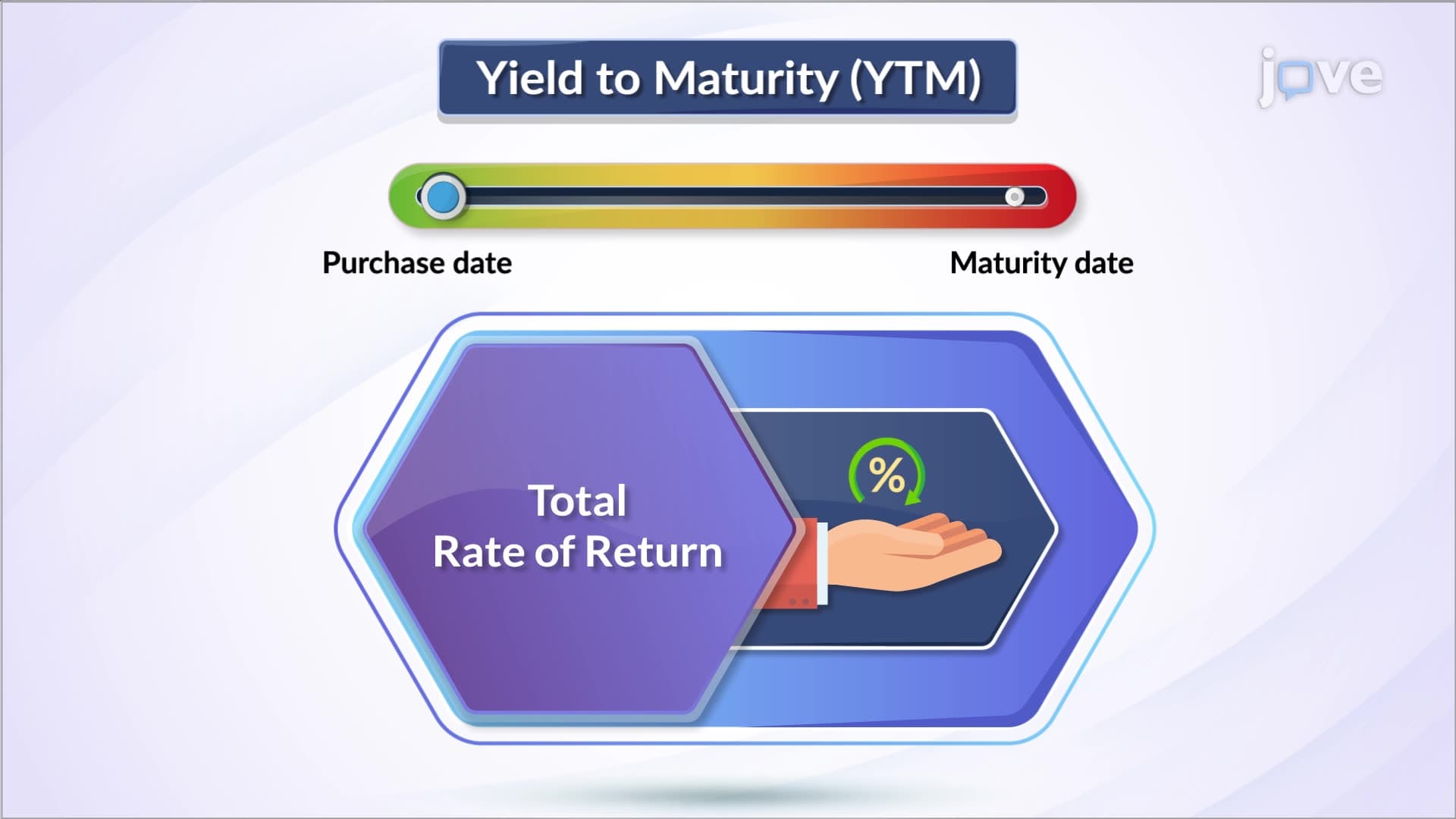
2. Present Value Calculations and Yield to Maturity Analysis Develop expertise in calculating bond present value by discounting future cash flows, including both coupon payments and principal repayment. Learn to determine yield to maturity for bonds trading at various price points, understanding how market conditions affect expected returns. Practice with real scenarios involving corporate bonds from established companies, enabling you to evaluate whether bonds are trading above or below fair value for investment decision-making purposes.
3. Interest Rate Risk and Market Price Relationships Analyze the inverse relationship between interest rates and bond prices, understanding how Federal Reserve policy changes impact fixed income portfolios. Learn to assess bond duration as a measure of price sensitivity to interest rate movements. This knowledge proves essential for treasury professionals managing corporate cash positions and investment managers optimizing portfolio performance during varying interest rate cycles in the U.S. market.
4. Credit Risk Assessment and Bond Rating Systems Understand how agencies like Moody's, Standard & Poor's, and Fitch evaluate corporate creditworthiness through their rating systems. Learn to interpret ratings from AAA investment grade to speculative grade classifications, using examples ranging from Microsoft's top-tier ratings to startup company assessments. Master the relationship between credit ratings and required yields, enabling informed decisions about credit risk versus return trade-offs in corporate bond investments.
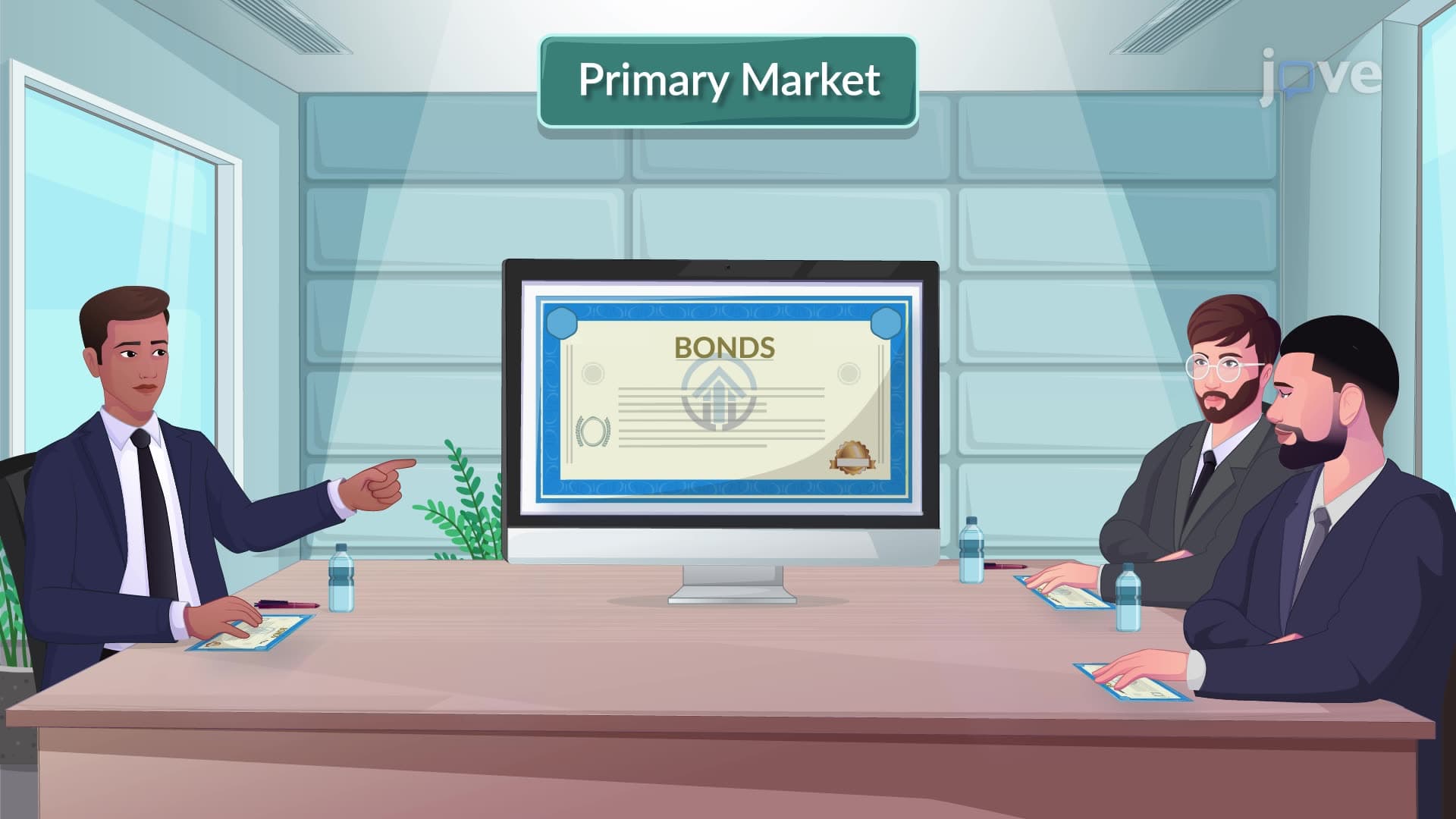
5. Bond Market Structure and Trading Mechanisms Explore primary and secondary bond markets, understanding how new issuances differ from existing bond trading. Learn about over-the-counter trading mechanisms and how TRACE regulations improved market transparency for corporate bonds. Understand liquidity considerations and pricing variations in decentralized markets, enabling better execution strategies for bond transactions and improved portfolio management in professional investment environments.
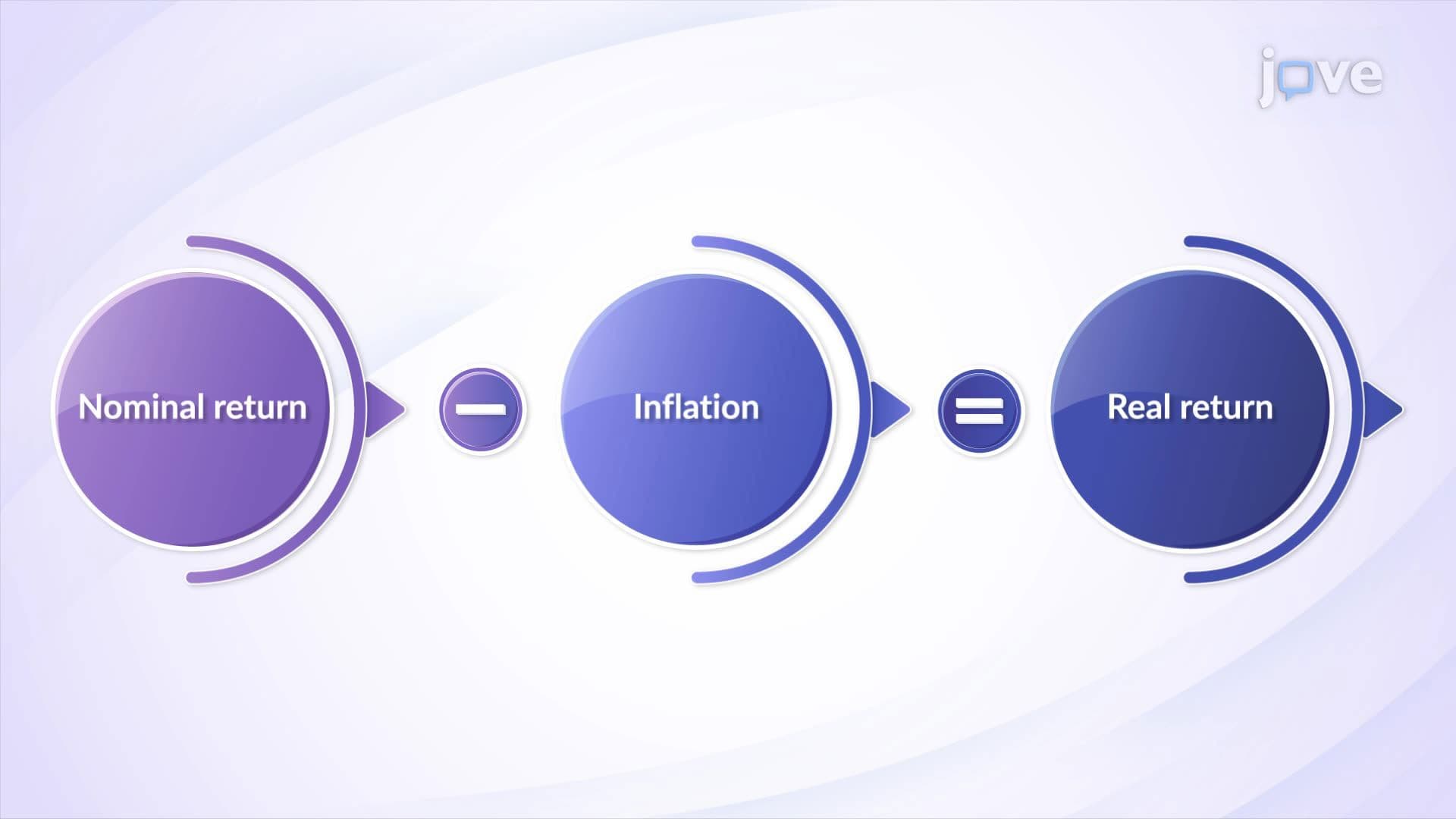
6. Inflation Impact and Real Return Calculations Master the Fisher Effect relationship between nominal rates, real rates, and expected inflation to understand how economic conditions affect bond returns. Learn to calculate real returns after adjusting for inflation impact on purchasing power. This analysis proves crucial for long-term investment planning and helps corporate finance professionals evaluate whether bond investments maintain value during inflationary periods affecting business operations and cash flow planning.
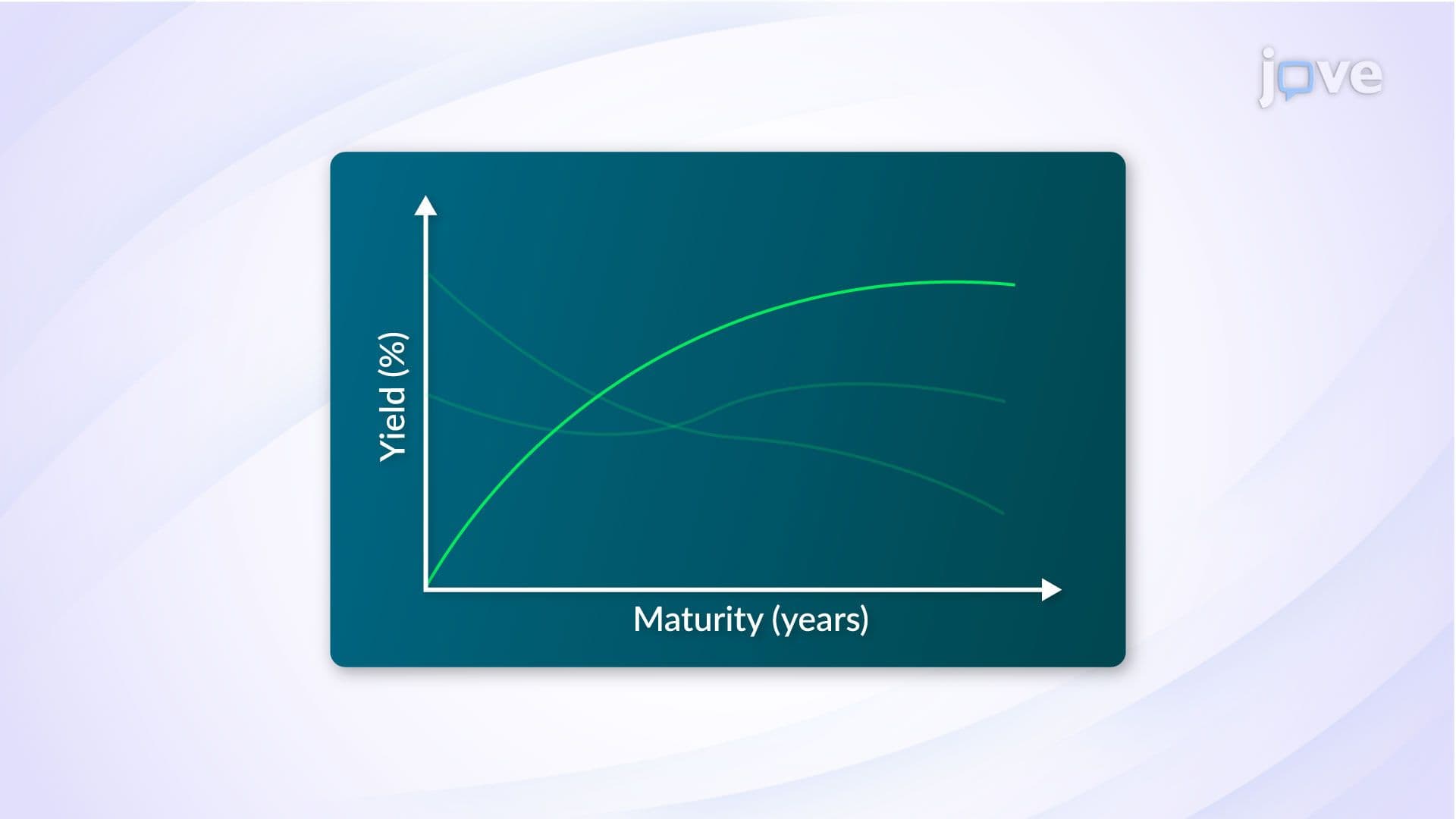
7. Yield Curve Analysis and Economic Indicators Interpret yield curve shapes and their economic implications, from normal upward-sloping curves indicating growth to inverted curves signaling potential recession. Understand how yield curve analysis informs borrowing decisions, investment timing, and economic forecasting. This expertise enables finance professionals to optimize debt issuance timing, predict borrowing costs, and make strategic investment allocation decisions based on economic cycle positioning.