- Finance
- Stock Valuation
Micro-courses:17

Stock Valuation

1. Common Stock Valuation

2. Special Cases of Common Stock Valuation I

3. Special Cases of Common Stock Valuation II

4. Common Stock Features

5. Preferred Stock Features

6. Stock Market I

7. Stock Market II

8. Stock Market Reporting
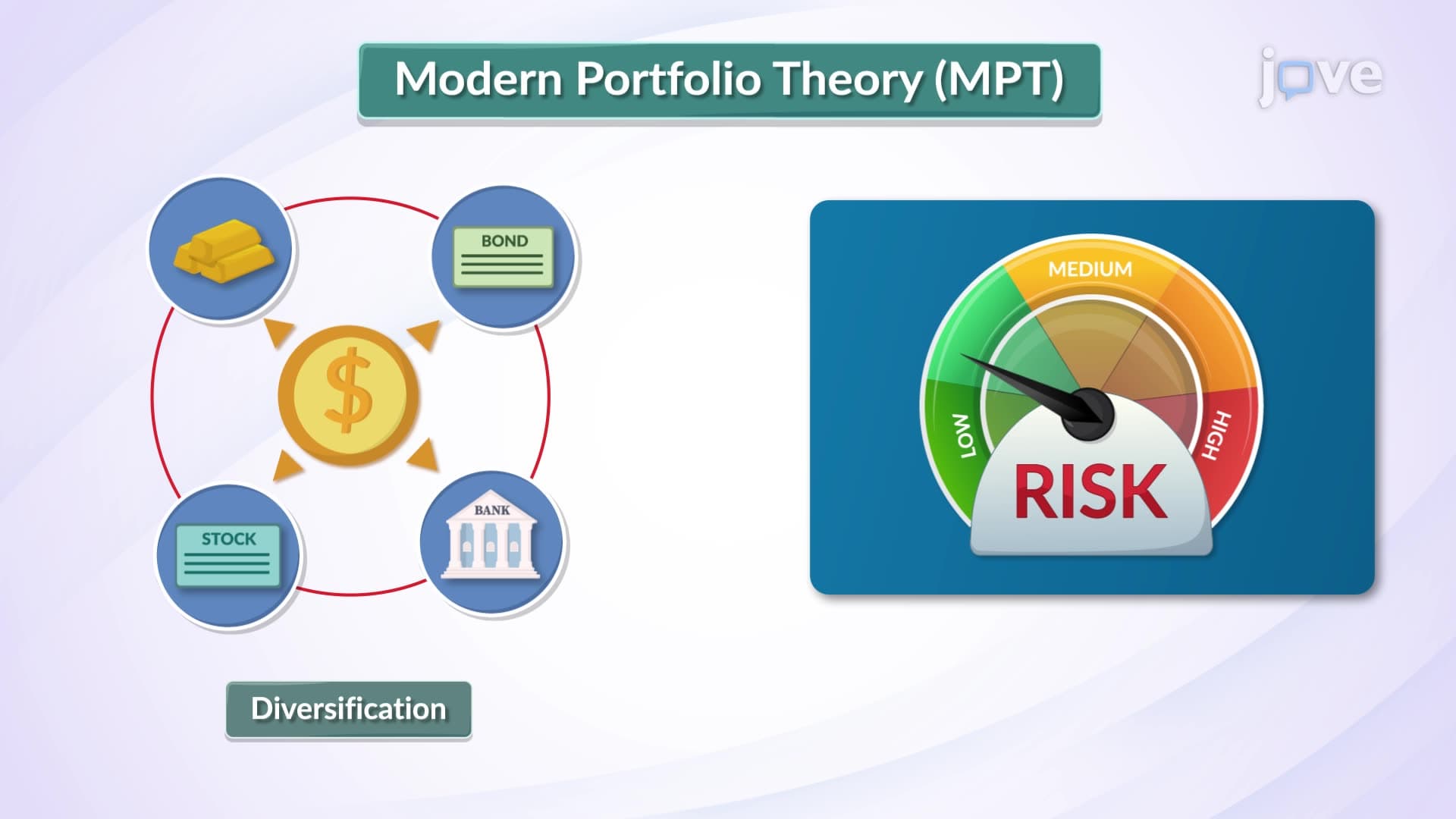
9. Modern Portfolio Theory
Stock valuation is a critical skill for business leaders making investment decisions and assessing company worth. This JoVE Coach micro-course covers equity valuation methods including dividend discount models, multi-stage growth analysis, and portfolio theory applications. Learn practical frameworks used by Wall Street analysts to determine intrinsic value and evaluate investment opportunities at companies like Apple, Microsoft, and Tesla.
- Apply dividend discount models to calculate intrinsic stock values for investment decisions
- Evaluate multi-stage growth scenarios for companies transitioning between high-growth and mature phases
- Analyze common and preferred stock features to assess risk-return profiles
- Implement Modern Portfolio Theory principles for diversified investment strategies
- Assess stock market dynamics and participant roles affecting equity valuations
- Leverage financial models to identify undervalued and overvalued investment opportunities
- Apply DCF valuation techniques for strategic business planning and M&A analysis
- Evaluate market reporting data to inform real-time investment decisions
1. Fundamental Stock Valuation Models Master the dividend discount model and its practical applications for evaluating stable-growth companies. Learn how to calculate intrinsic value using present value techniques, with real examples like determining whether Apple's current market price reflects its fundamental worth. Understand when to apply single-stage versus multi-stage models based on company maturity and growth patterns, essential skills for investment committees and strategic planning sessions.
2. Multi-Stage Growth Valuation Techniques Develop expertise in valuing high-growth companies transitioning through different business phases. Apply multi-stage dividend discount models to technology firms experiencing rapid expansion followed by market maturation. Learn to segment growth periods and discount future cash flows appropriately, crucial for evaluating startup investments, venture capital opportunities, and emerging market leaders like Tesla during their growth trajectory.
3. Equity Securities Analysis and Features Analyze the structural differences between common and preferred stock to optimize capital structure decisions. Understand voting rights, dividend preferences, and liquidation priorities that impact investment risk profiles. Examine real-world examples from major corporations to assess how equity features affect valuation multiples and investor appeal, essential knowledge for CFOs and investment banking professionals structuring deals.
4. Stock Market Operations and Reporting Navigate institutional market structures including exchanges, clearinghouses, and regulatory frameworks affecting equity valuations. Understand how market participants from retail investors to institutional funds impact price discovery. Learn to interpret market reporting data, including index movements and sector performance, to inform strategic investment timing and portfolio allocation decisions for corporate pension funds and treasury operations.
5. Modern Portfolio Theory Applications Implement diversification strategies using correlation analysis and risk-return optimization principles. Apply MPT frameworks to construct efficient portfolios balancing growth stocks with defensive positions. Learn practical applications for corporate investment committees managing excess cash, pension fund allocation strategies, and executive compensation planning involving equity positions across multiple asset classes and market sectors.
Frequently Asked Questions
Use dividend discount models for mature, dividend-paying companies with stable cash flows like Coca-Cola or Johnson & Johnson. Apply multi-stage models for growth companies transitioning between phases, such as Amazon during its expansion years. For non-dividend paying stocks, focus on earnings-based models and comparable company analysis.
Single-stage models work best for established companies with consistent dividend growth patterns, simplifying valuation for quick investment decisions. Multi-stage models provide more accuracy for companies experiencing changing growth phases, essential when evaluating acquisition targets or venture capital investments where growth rates vary significantly over time.
Use intrinsic value calculations to establish negotiation ranges for acquisition targets, ensuring purchase prices align with fundamental worth rather than market speculation. Apply portfolio theory principles when building strategic investment portfolios, and leverage multi-stage models to evaluate companies in different lifecycle phases during due diligence processes.
MPT helps optimize corporate investment portfolios by balancing risk and return across asset classes. Treasury managers use correlation analysis to diversify excess cash investments, reducing overall portfolio volatility while maintaining target returns. This framework guides decisions about allocating funds between equity positions, fixed income, and alternative investments.
Preferred stocks offer predictable dividend streams with priority over common stockholders, making them valuable for income-focused strategies. The conversion features and call provisions affect valuation significantly - convertible preferreds provide upside participation while callable features limit price appreciation. These characteristics influence capital structure decisions and investor relations strategies.
Yes, the course builds from fundamental concepts to advanced applications, making complex valuation theories accessible to operations managers, business development professionals, and strategic planning executives. Real-world examples and practical frameworks help non-finance professionals apply these concepts in their decision-making roles.
Strong valuation skills are essential for senior financial roles including CFO positions, investment banking, and private equity careers. These competencies demonstrate analytical rigor required for board-level discussions, strategic planning initiatives, and complex transaction structuring. Valuation expertise directly supports promotion to roles involving capital allocation and investment oversight responsibilities.
Absolutely. Use these models to assess whether your company's market valuation reflects operational performance and growth prospects. This analysis supports strategic decisions about share repurchase programs, dividend policies, and capital structure optimization. Understanding how markets value your company helps guide investor relations strategies and strategic communication with stakeholders.
This microcourse includes 9 concept videos that walk you through the building blocks of Finance. Each video is short, about 1 minute, so you can cover a full topic during a coffee break or between classes. The full sequence starts with Common Stock Valuation and ends with Modern Portfolio Theory.
The playlist moves from big-picture ideas to the precise vocabulary used in Finance. Early videos introduce Common Stock Valuation, Special Cases of Common Stock Valuation I, and Special Cases of Common Stock Valuation II. The middle of the series focuses on Preferred Stock Features, Stock Market I, and Stock Market II. The final stretch covers Stock Market Reporting and Modern Portfolio Theory.
The natural next step is Bonds - Concepts and Valuation. From there, you can move to Mergers and Acquisitions, Financial Ethics, and Behavioral Finance. Once you finish those, the full Finance curriculum of 17 microcourses on JoVE Coach opens up, taking you from foundational concepts to advanced systems.
Related Subjects

