- Finance
- Risk and Return
Micro-courses:17

Risk and Return
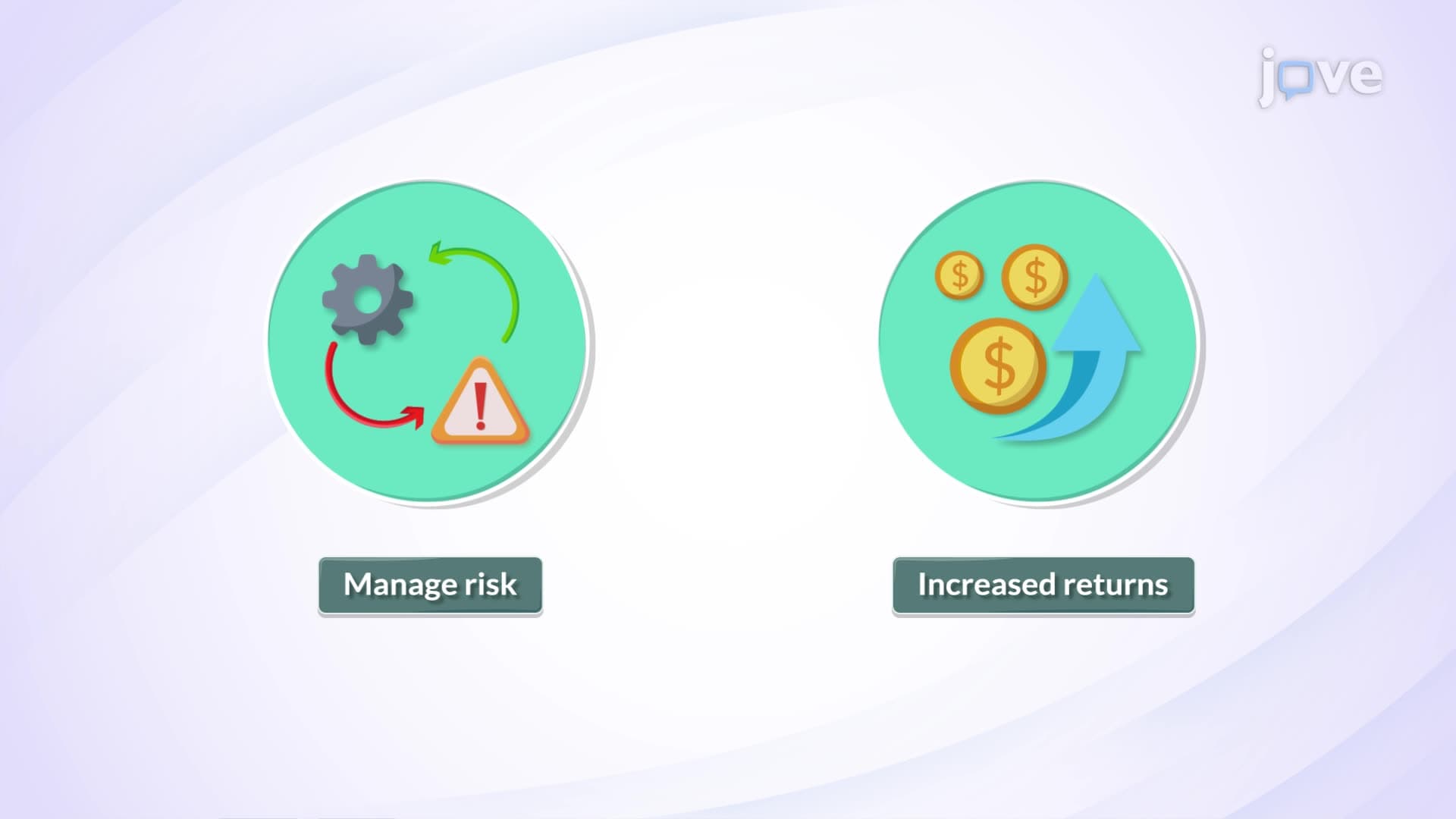
1. Risk

2. Return
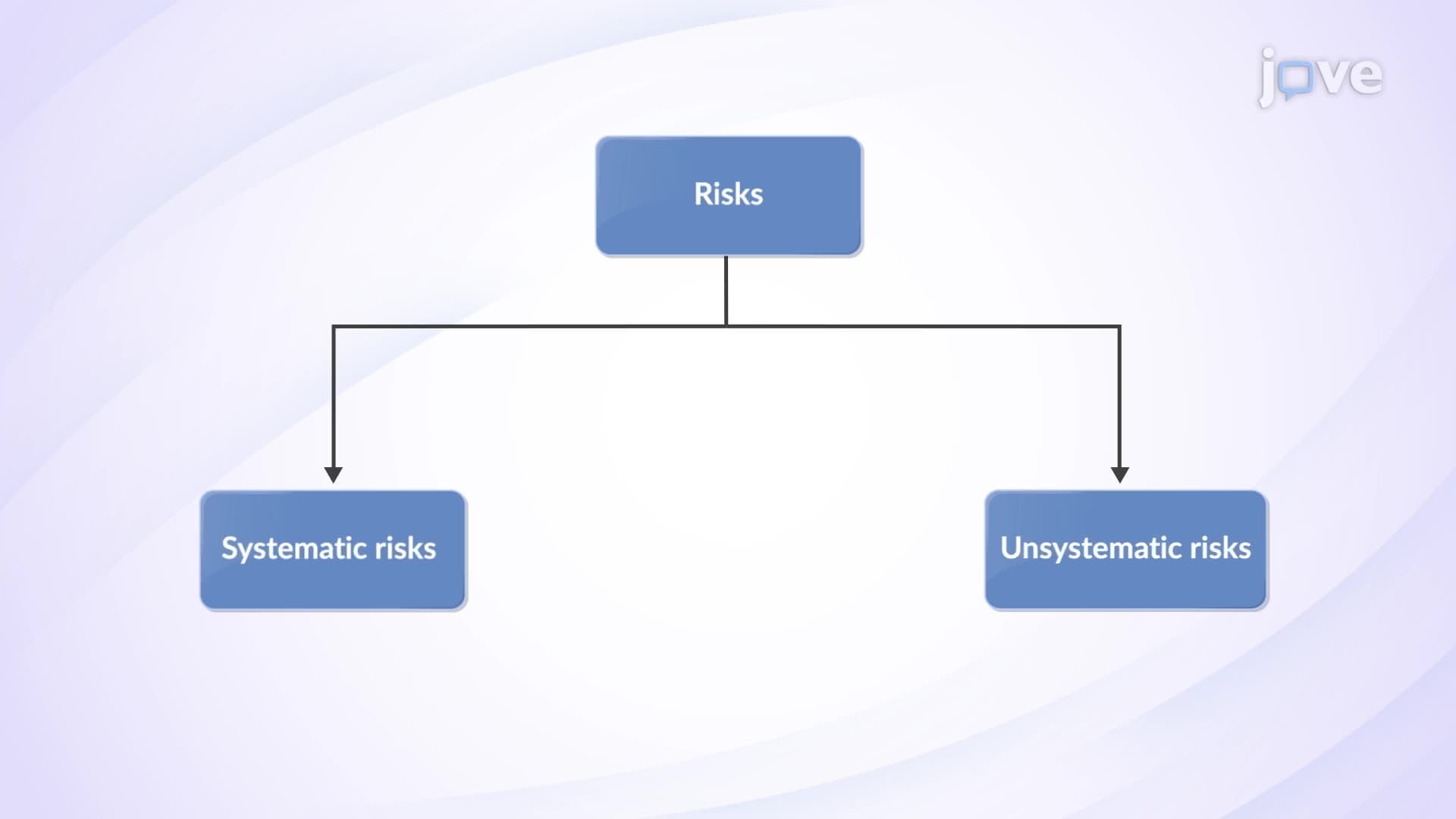
3. Types of Risk
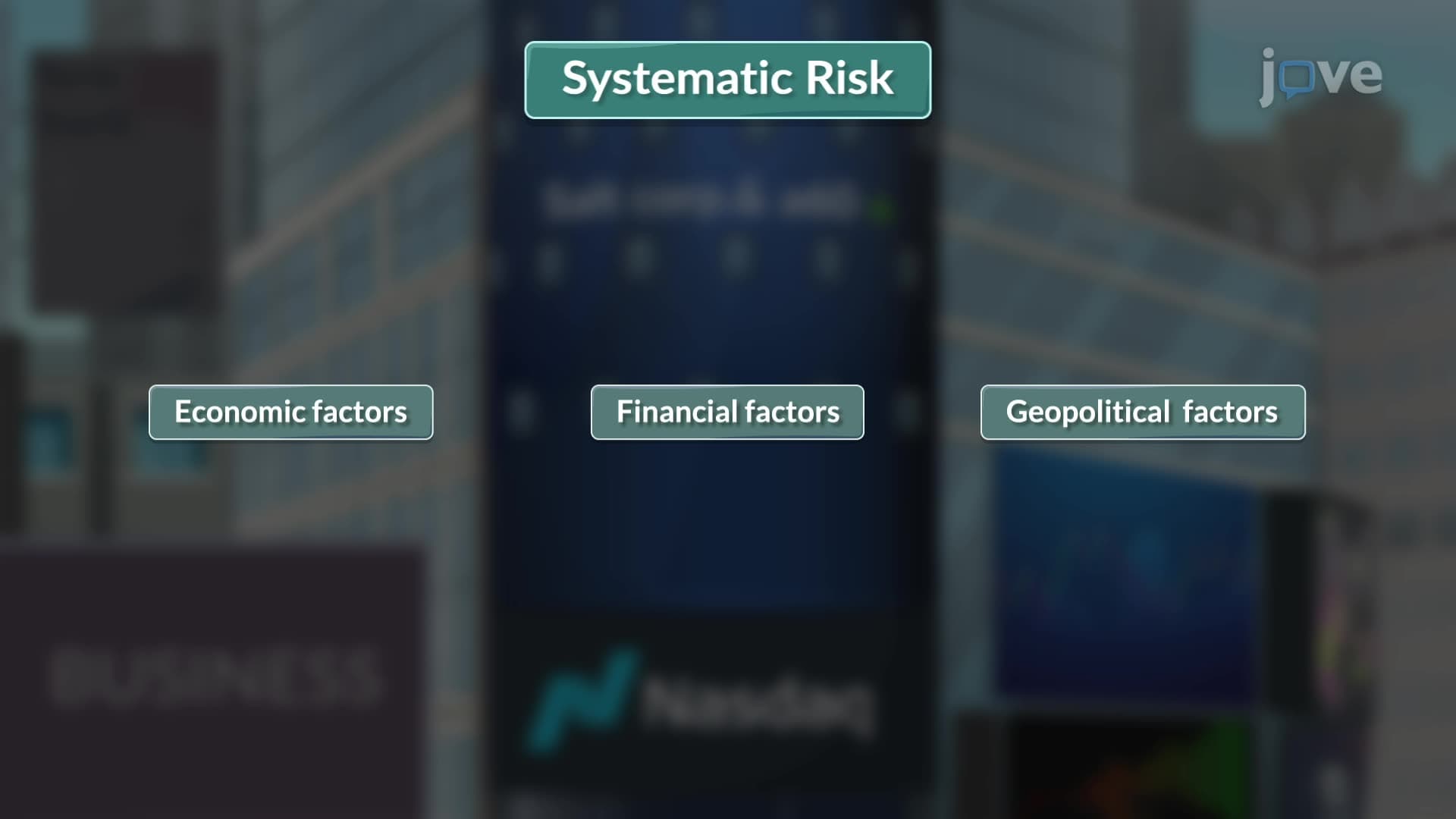
4. Types of Risk: Systematic Risk
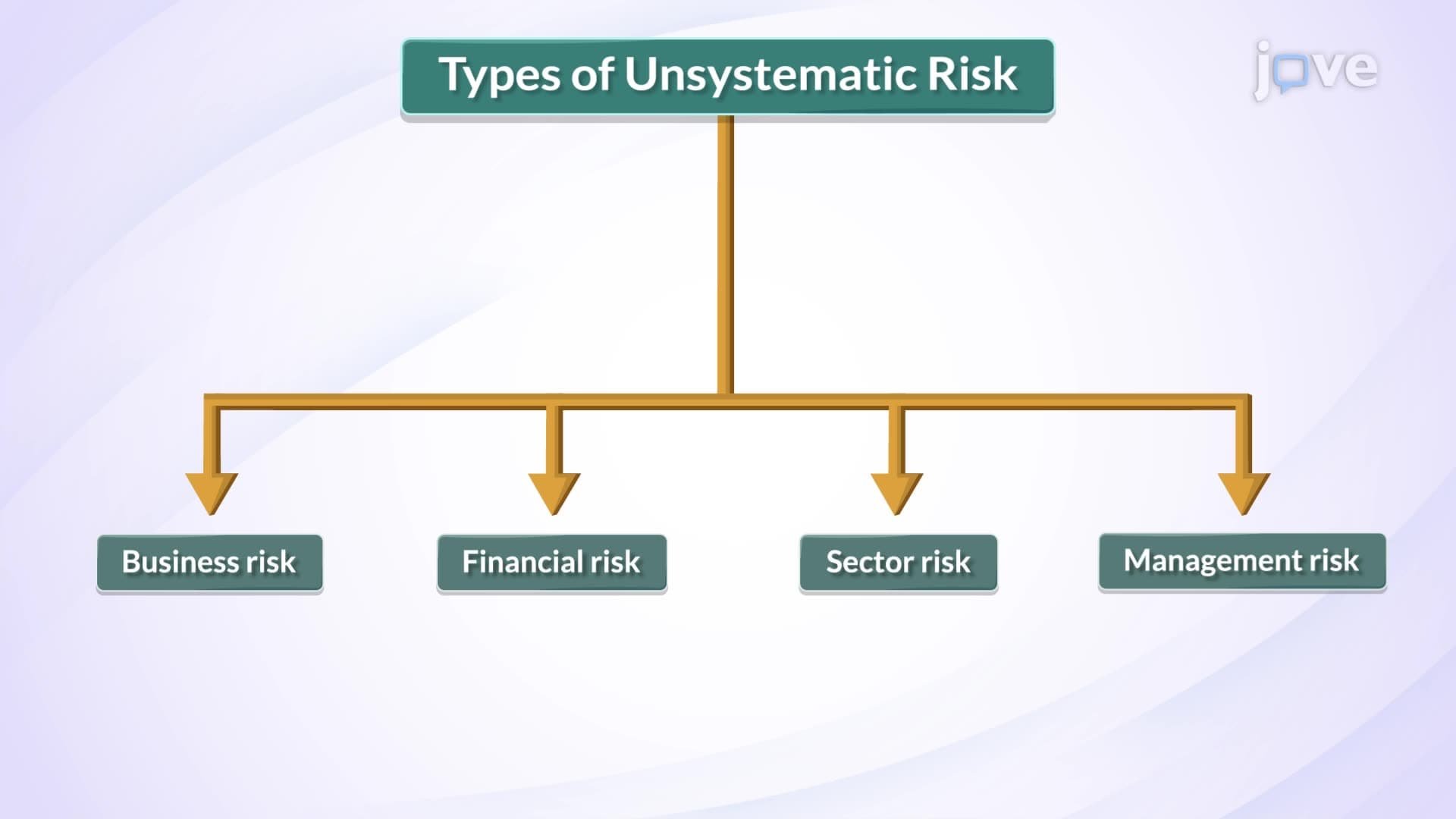
5. Types of Risk: Unsystematic Risk
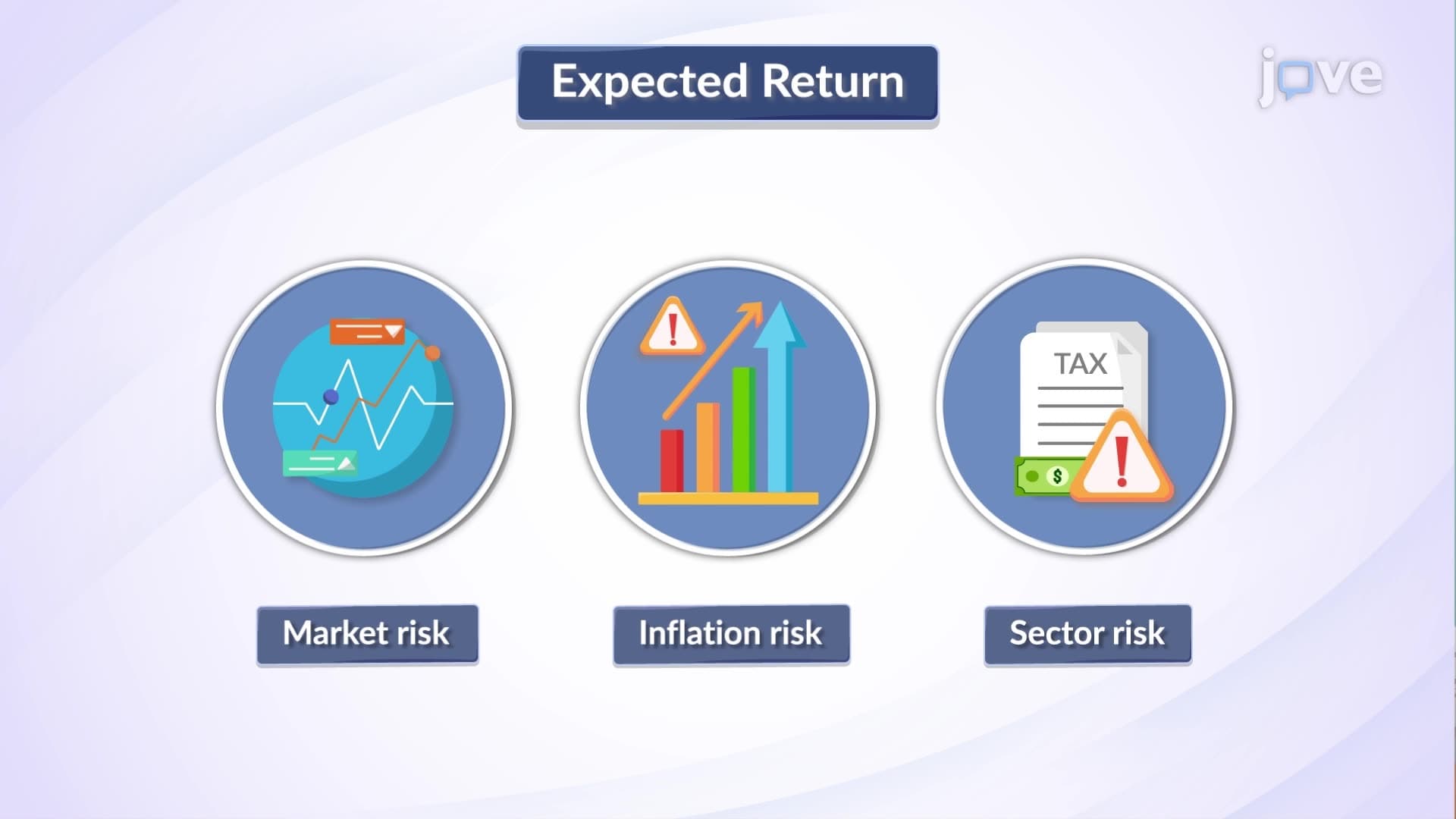
6. Expected Return
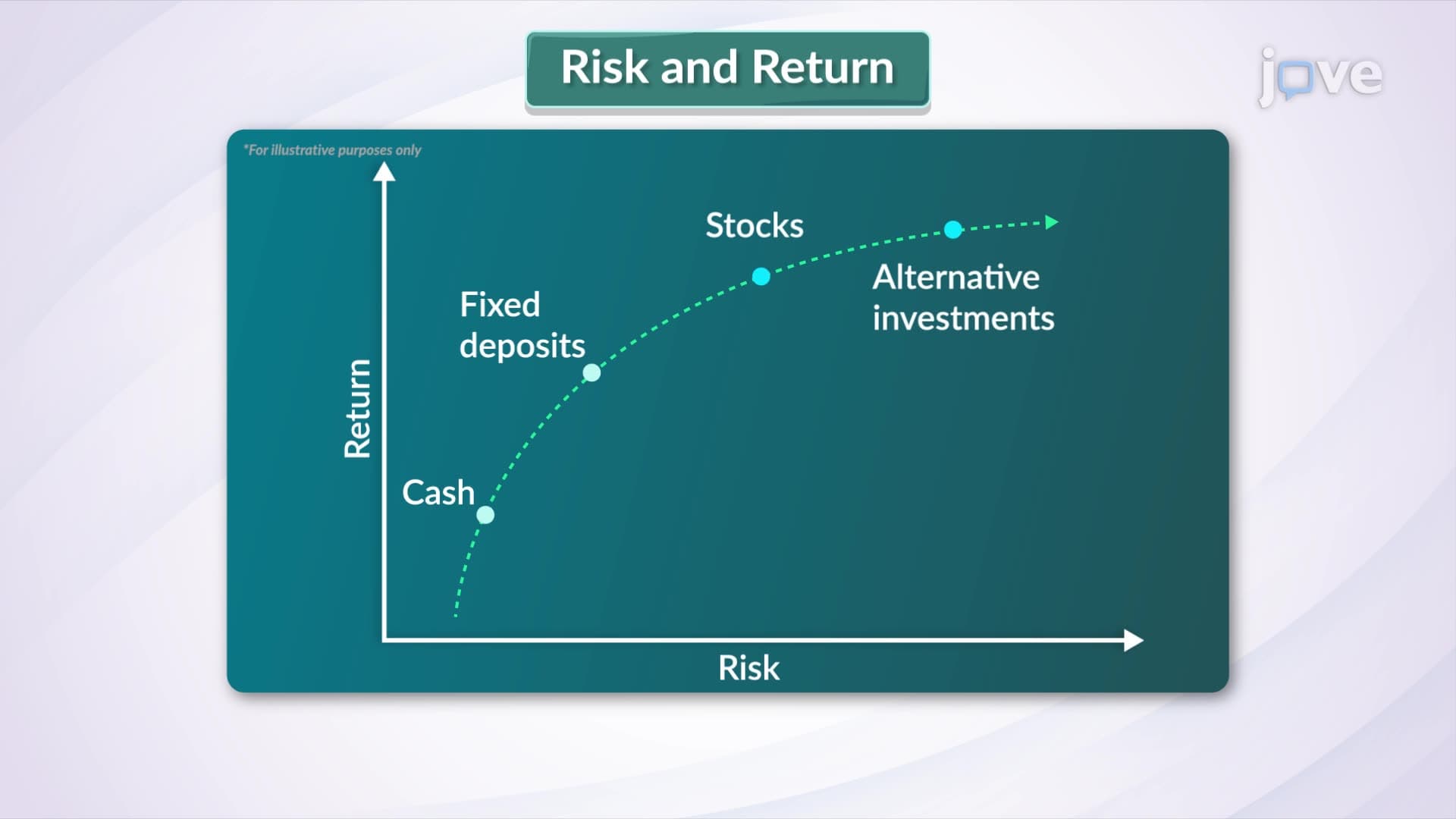
7. Relationship Between Risk and Return

8. Variance
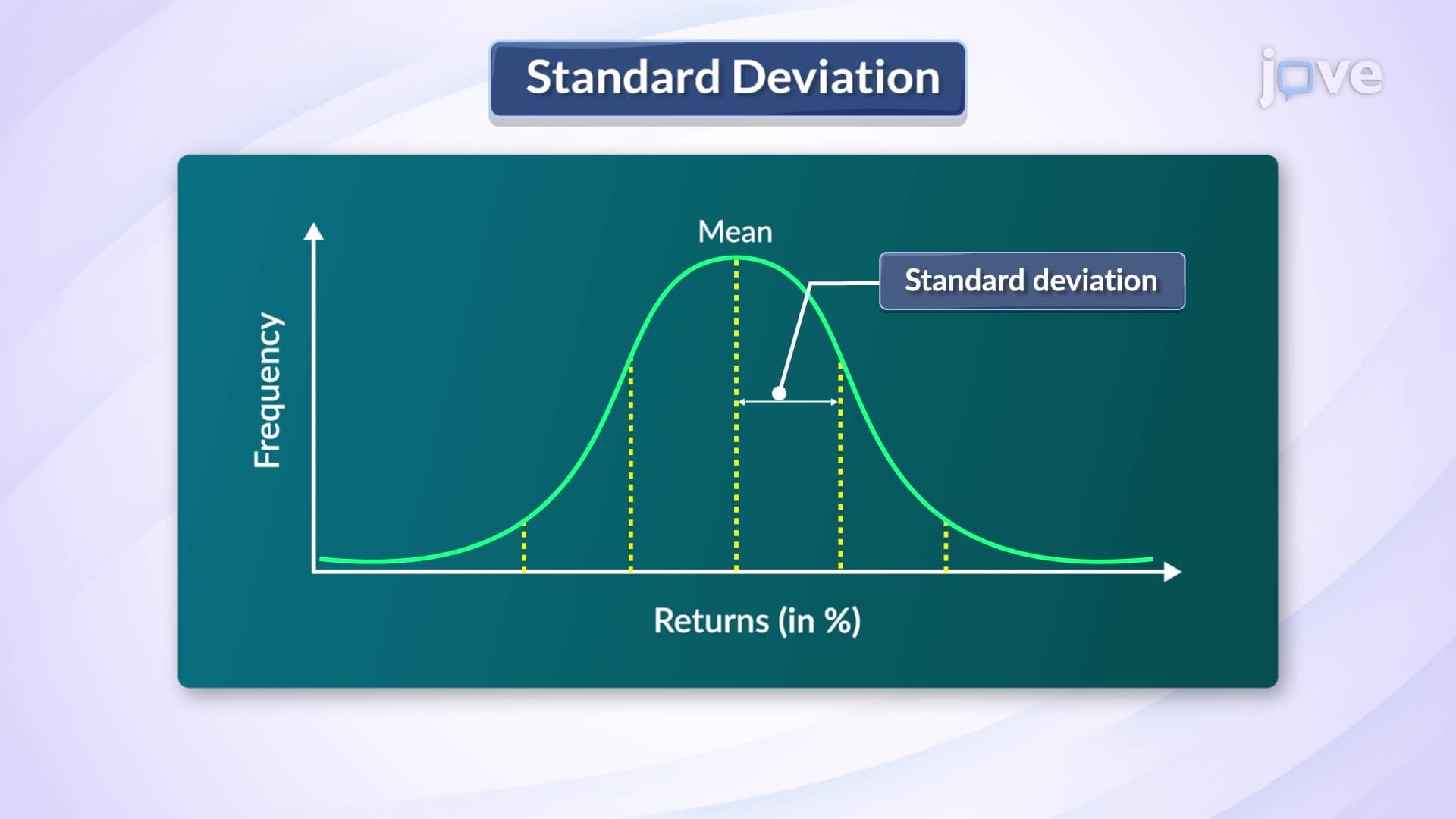
9. Standard Deviation
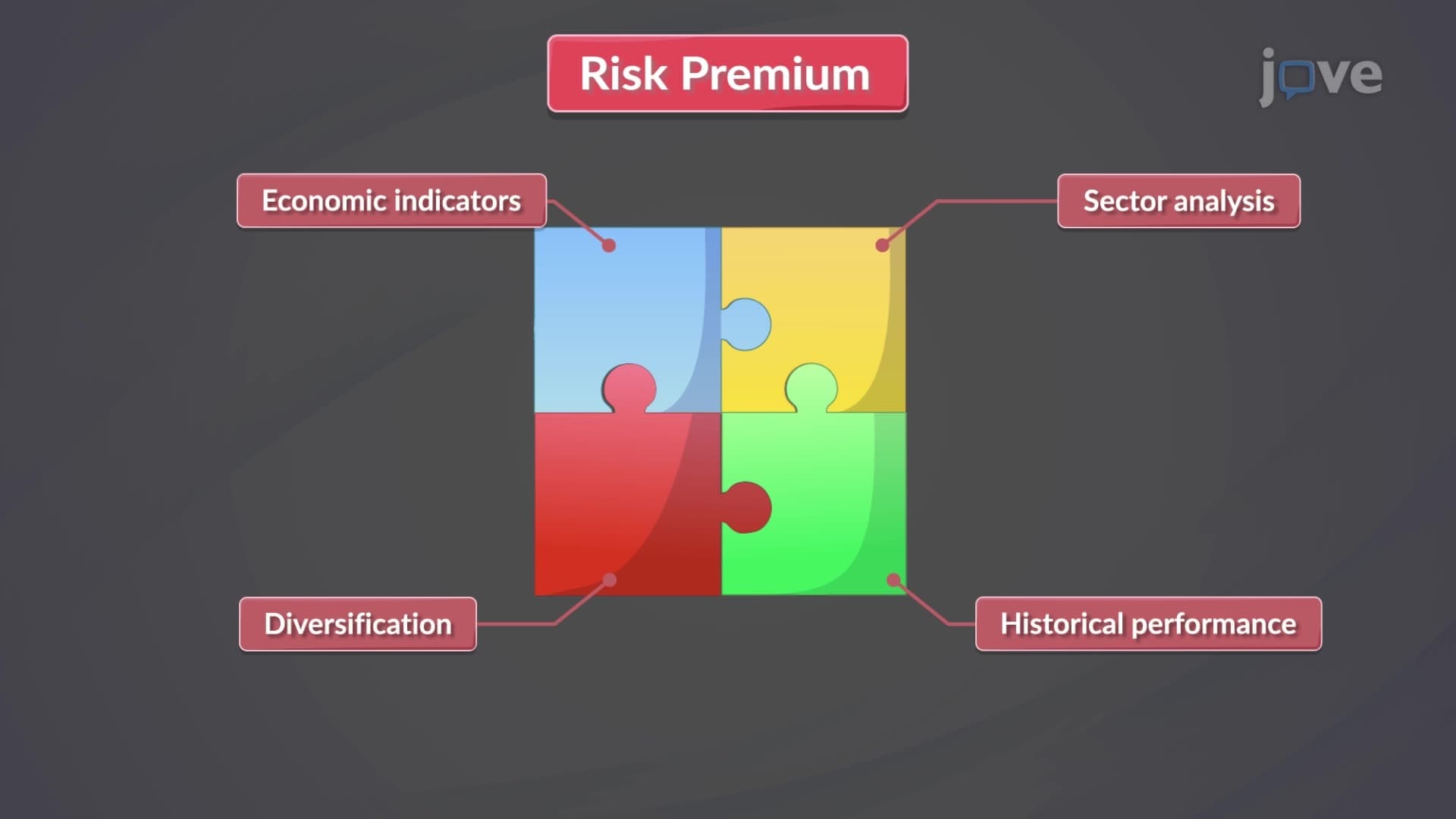
10. Risk Premium
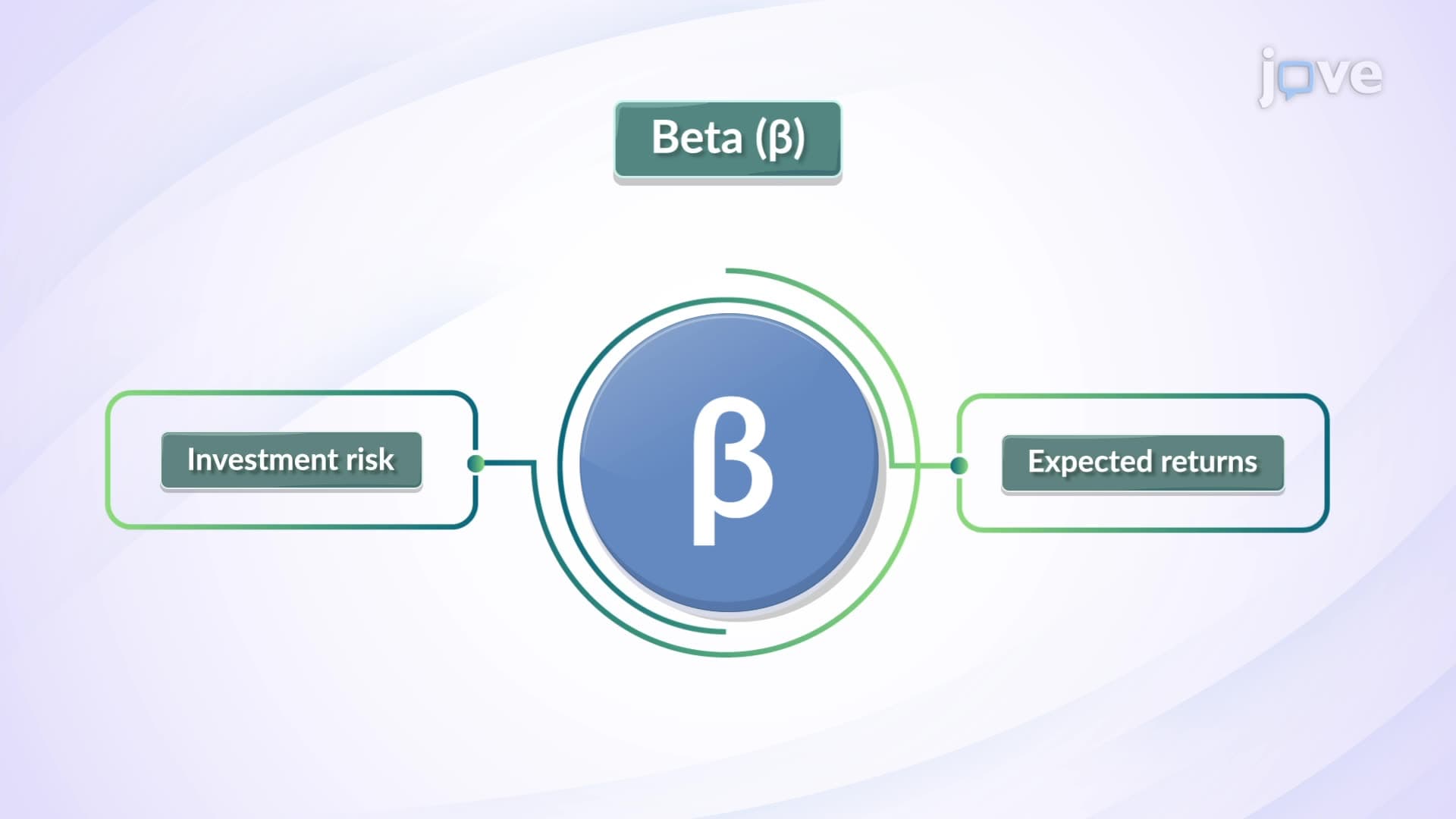
11. Beta
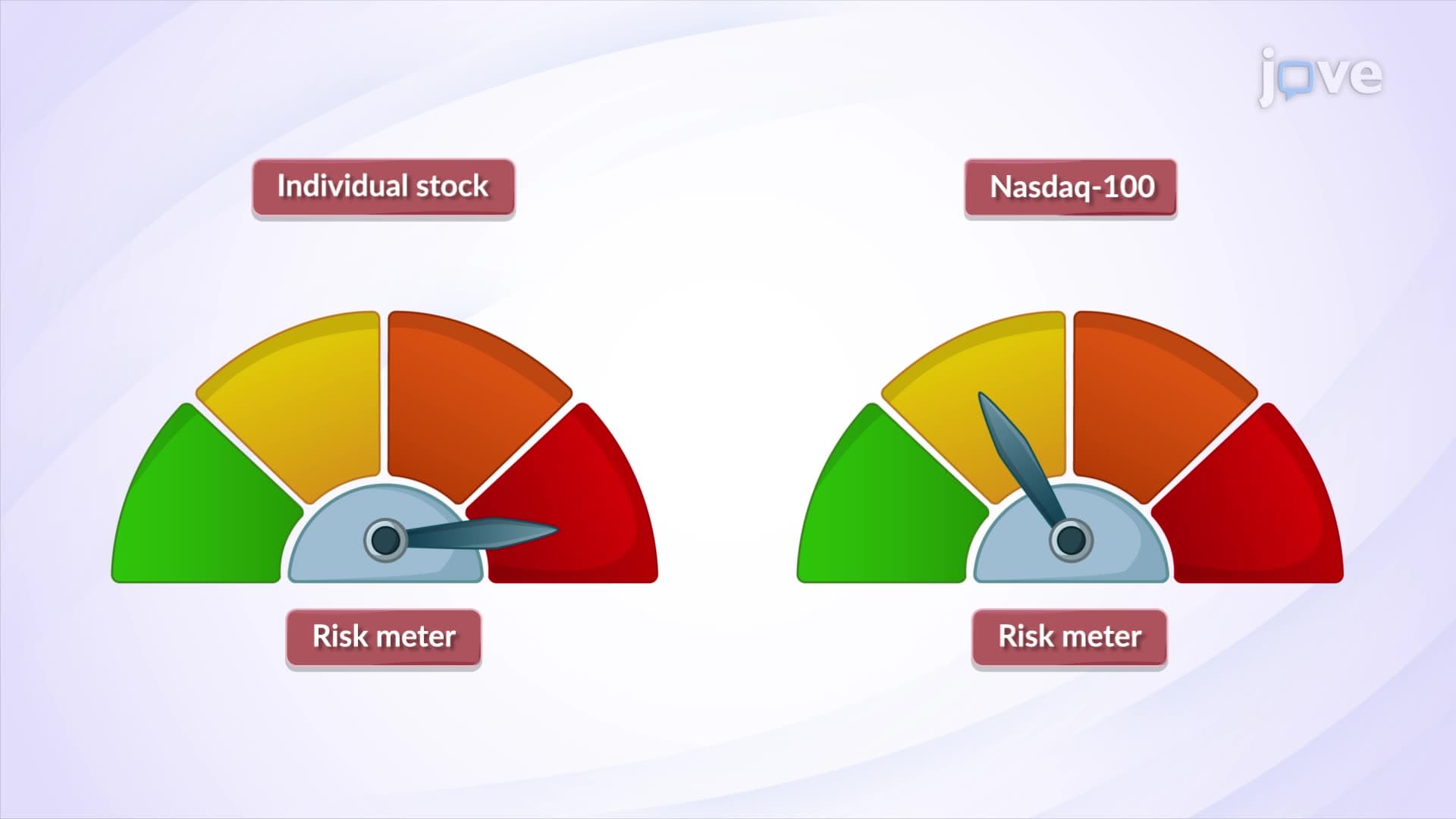
12. Security Market Line
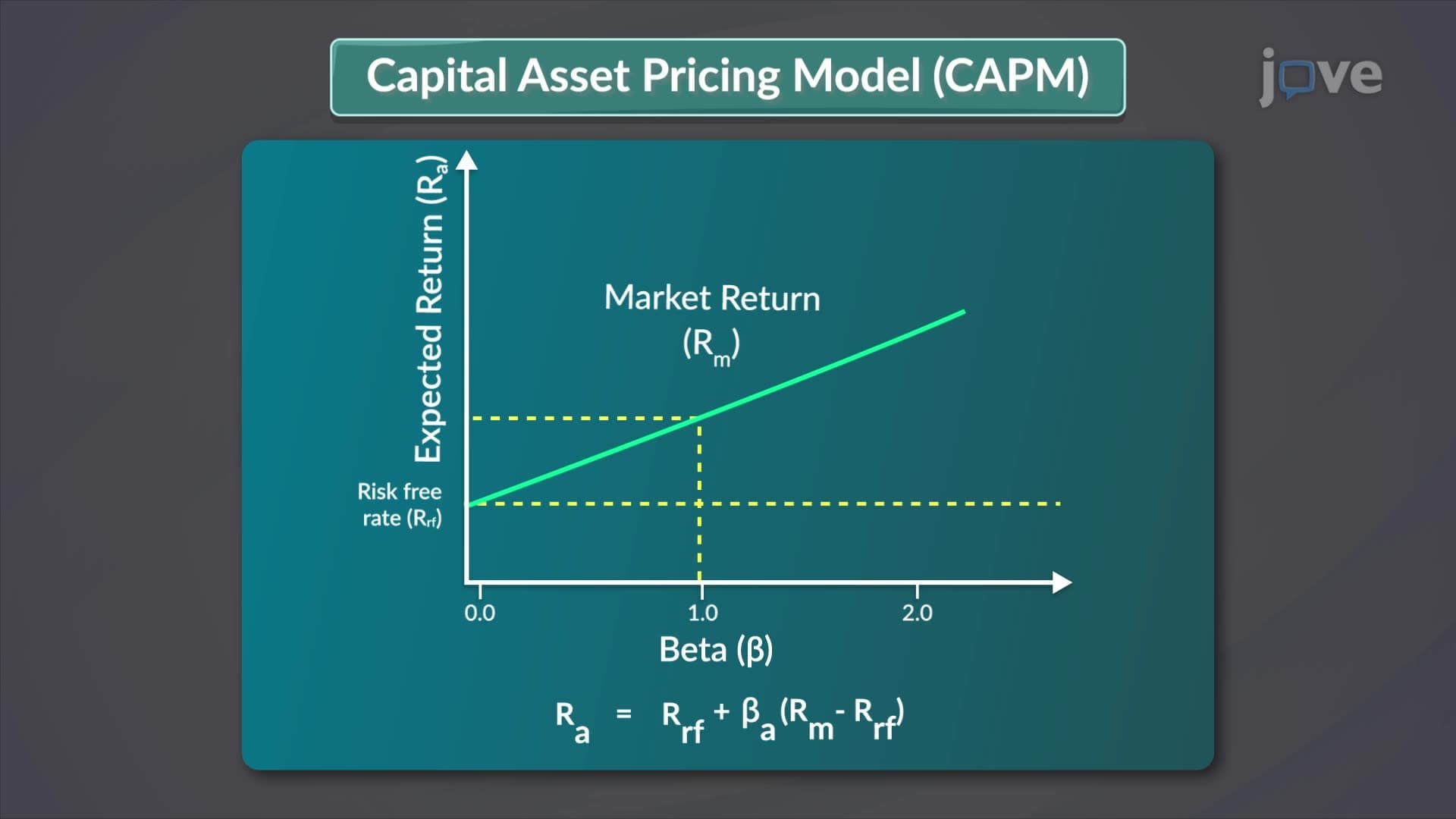
13. Capital Asset Pricing Model: Introduction
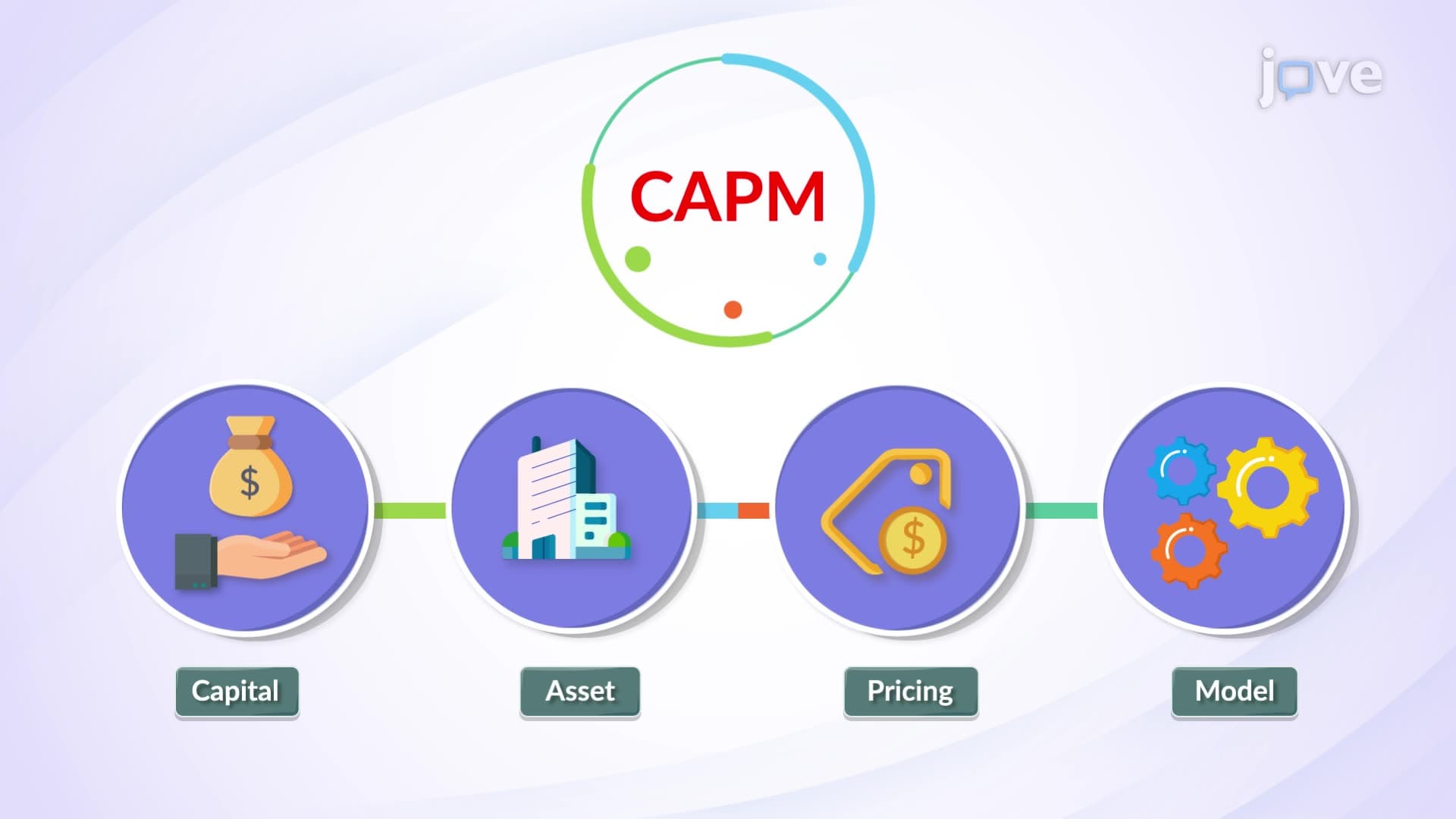
14. Capital Asset Pricing Model: Application
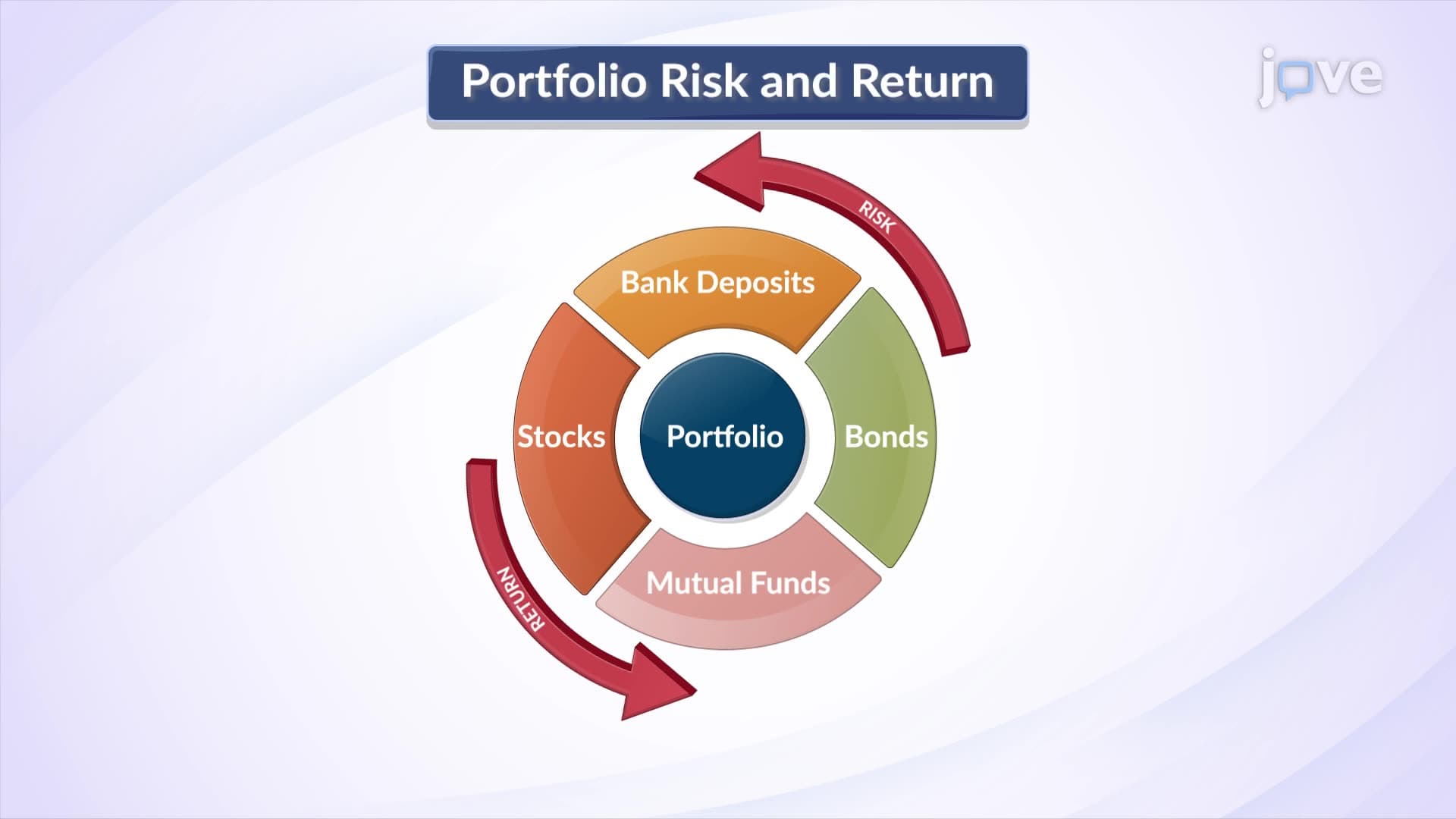
15. Portfolio Risk and Return
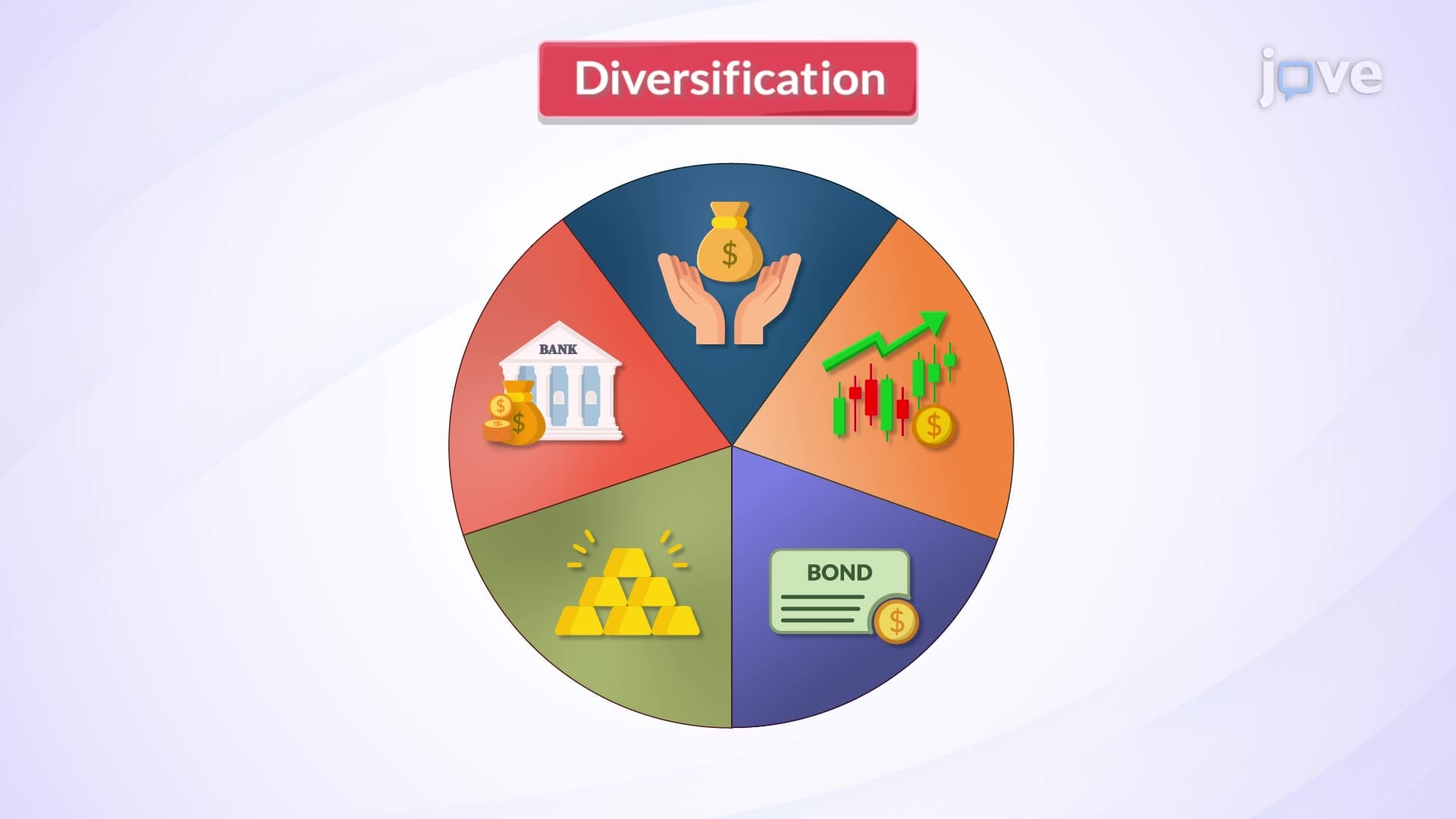
16. Diversification
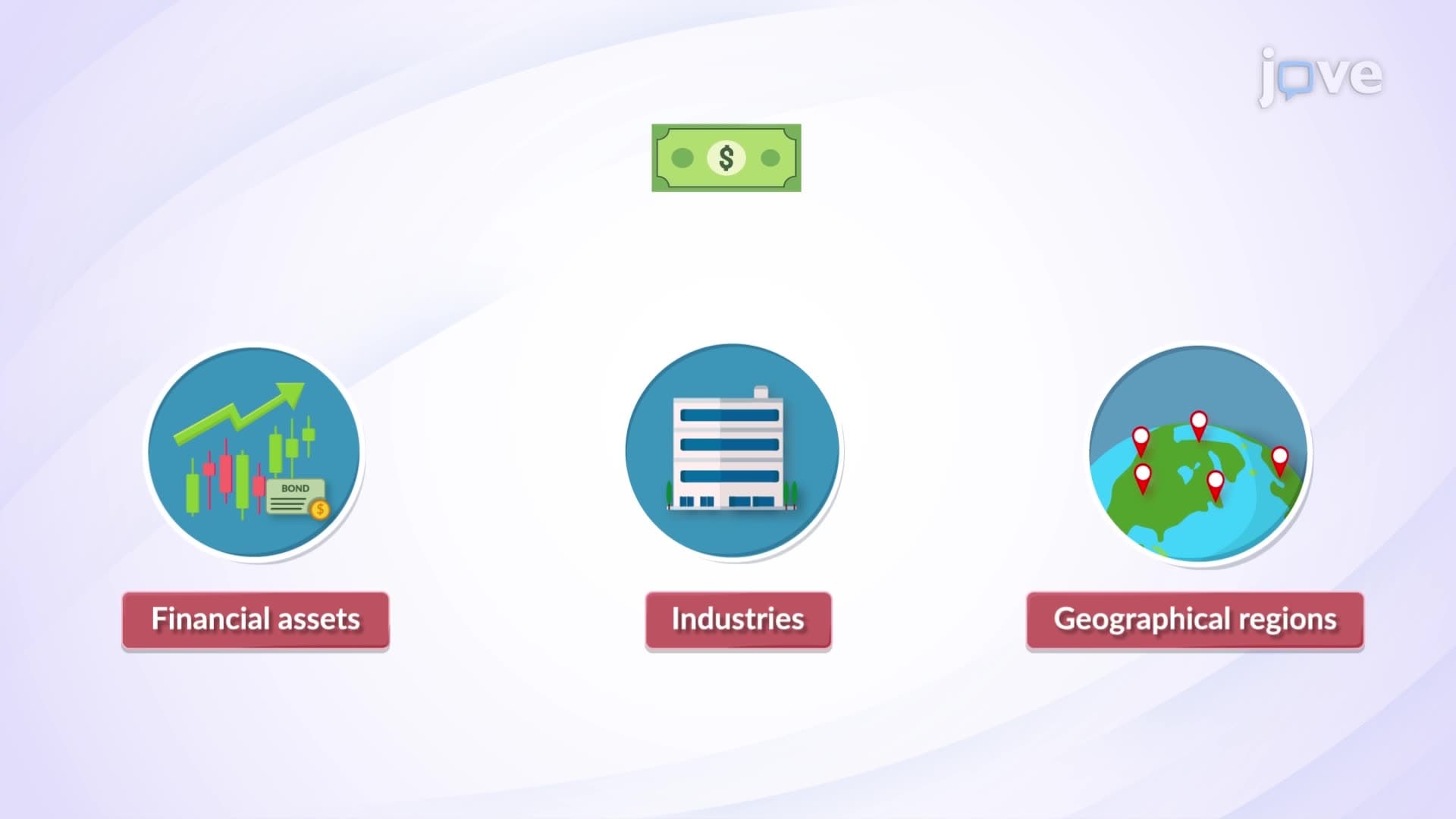
17. Diversification and Portfolio Risk
Risk and return form the cornerstone of investment decision-making for business professionals. This JoVE Coach micro-course examines the investment risk return tradeoff across systematic and unsystematic risks, portfolio diversification strategies, and quantitative models including CAPM and beta analysis. Master the relationship between risk and return in finance through real-world applications using major US corporations like Apple, Microsoft, and Tesla to optimize your organization's capital allocation decisions.
- Apply portfolio theory principles to diversify corporate investment portfolios and minimize unsystematic risk exposure
- Evaluate systematic versus unsystematic risks when assessing potential acquisitions or market expansion opportunities
- Analyze beta coefficients and security market lines to benchmark investment performance against S&P 500 indices
- Implement Capital Asset Pricing Model (CAPM) calculations to determine required rates of return for capital budgeting decisions
- Leverage variance and standard deviation metrics to quantify investment volatility in quarterly board presentations
- Assess risk premiums across asset classes to optimize corporate treasury management and cash deployment strategies
- Calculate expected returns using historical data and statistical models for strategic planning and forecasting
- Design diversified investment strategies that balance growth objectives with fiduciary risk management requirements
1. Systematic Risk Assessment and Market Impact Analysis Learn to identify and quantify systematic risks including market risk, interest rate risk, inflation risk, and currency risk that affect entire markets. Using examples from the 2020 pandemic's impact on the S&P 500, understand how macroeconomic factors influence portfolio performance. Master techniques for measuring correlation between individual securities and broad market indices, enabling more accurate forecasting of portfolio behavior during economic downturns or market volatility periods.
2. Unsystematic Risk Management and Company-Specific Analysis Develop expertise in evaluating business risk, financial risk, sector risk, and management risk specific to individual companies. Examine real cases such as Tesla's operational challenges or Netflix's competitive pressures to understand how company-specific factors impact stock valuations. Learn diversification strategies that effectively reduce unsystematic risk exposure while maintaining return potential across different industries and business models.
3. Expected Return Calculation and Statistical Modeling Master quantitative methods for calculating expected returns using historical performance data, market trends, and statistical models. Apply these techniques to evaluate mutual funds, individual securities, and alternative investments. Understand the distinction between nominal and real returns, incorporating factors such as taxation, inflation, and transaction costs into comprehensive return analysis for strategic investment planning and performance measurement.
4. Capital Asset Pricing Model (CAPM) Implementation and Applications Gain proficiency in CAPM formula application for determining required rates of return based on systematic risk exposure. Use practical examples involving major corporations to calculate cost of equity, evaluate investment projects, and benchmark portfolio performance. Learn to integrate CAPM results into capital budgeting decisions, merger valuations, and strategic planning processes while understanding model limitations and alternative approaches.
5. Beta Coefficient Analysis and Portfolio Construction Develop advanced skills in beta calculation, interpretation, and application for portfolio risk management. Analyze high-beta stocks like Amazon versus low-beta utilities to understand volatility implications for different investment objectives. Learn to construct portfolios with target beta levels, balance aggressive growth positions with defensive holdings, and communicate risk-return profiles effectively to stakeholders and investment committees.
6. Portfolio Diversification Strategies and Risk Optimization Master comprehensive diversification techniques across asset classes, geographic regions, and industry sectors. Examine successful diversification strategies used by major institutional investors and corporations. Learn to quantify diversification benefits using correlation analysis, optimize portfolio allocation for specific risk tolerance levels, and implement dynamic rebalancing strategies that maintain desired risk-return characteristics over time while adapting to changing market conditions.
Frequently Asked Questions
Corporate investments require consideration of business strategy alignment, regulatory compliance, and stakeholder expectations beyond pure financial returns. Companies must balance fiduciary responsibilities with growth objectives, often accepting lower returns for strategic value or operational synergies that individual investors might reject.
Beta helps assess how an acquisition target's stock price volatility compares to market movements, indicating systematic risk exposure. High-beta targets may amplify your company's market sensitivity, while low-beta acquisitions can provide defensive characteristics during economic downturns, informing integration and valuation strategies.
Use CAPM to establish hurdle rates for project evaluation by calculating required returns based on each project's risk profile. Apply different beta values for projects in various business segments, ensuring investment decisions account for systematic risk and provide appropriate risk-adjusted returns to shareholders.
Focus on systematic risk management when your business has significant exposure to macroeconomic factors like interest rates or commodity prices. Prioritize unsystematic risk diversification when expanding into new markets or industries where company-specific risks can be mitigated through portfolio approaches rather than operational changes.
Use concrete business analogies and visual representations like correlation matrices and risk-return scatter plots. Focus on practical implications for business performance rather than mathematical formulas, emphasizing how diversification strategies protect against unexpected losses while maintaining growth potential.
Expertise in risk-return analysis opens paths to senior roles in corporate finance, portfolio management, strategic planning, and risk management. These skills are essential for CFO positions, investment committee leadership, and board advisory roles where capital allocation decisions directly impact organizational success.
Microsoft diversifies across cloud services (Azure), productivity software (Office 365), gaming (Xbox), and hardware (Surface) to reduce dependence on any single revenue stream. This diversification strategy helps maintain stable cash flows even when individual segments face competitive pressures or market cyclicality.
This microcourse includes 17 concept videos that walk you through the building blocks of Finance. Each video is short, about 1 minute, so you can cover a full topic during a coffee break or between classes. The full sequence starts with Risk and ends with Diversification and Portfolio Risk.
The playlist moves from big-picture ideas to the precise vocabulary used in Finance. Early videos introduce Risk, Return, and Types of Risk. The middle of the series focuses on Types of Risk: Unsystematic Risk, Expected Return, and Relationship Between Risk and Return. The final stretch covers Variance, Standard Deviation, Risk Premium, Beta, Security Market Line, Capital Asset Pricing Model: Introduction, and Diversification and Portfolio Risk.
The natural next step is Capital Budgeting. From there, you can move to Cost of Capital, Raising Long-term Capital, and Short-term Financing and Planning. Once you finish those, the full Finance curriculum of 17 microcourses on JoVE Coach opens up, taking you from foundational concepts to advanced systems.
Related Subjects

