Loading…
Loading video…

6,514 views

Investment professionals at firms like Goldman Sachs rely on variance to assess portfolio risk and make informed allocation decisions. Variance measures how much investment returns deviate from their expected value, providing crucial insight into volatility patterns that drive strategic asset management. Through a practical example comparing two stocks with different risk profiles, this analysis demonstrates how variance calculations reveal which investments offer stable performance versus high volatility—critical knowledge for portfolio construction and client advisory services. Watch the full video on JoVE Coach to master this concept with expert-led visuals and step-by-step explanations.
When BlackRock's portfolio managers evaluate potential investments for their $10 trillion in assets under management, they consistently rely on variance as a fundamental risk metric. Variance quantifies the degree to which investment returns fluctuate around their expected value, providing essential insight into the predictability and stability of financial performance.
In corporate finance and investment management, variance serves as a cornerstone for risk assessment and strategic planning. Unlike simple return calculations that only show average performance, variance reveals the consistency of those returns—a critical factor when fiduciaries must balance growth objectives with capital preservation requirements.
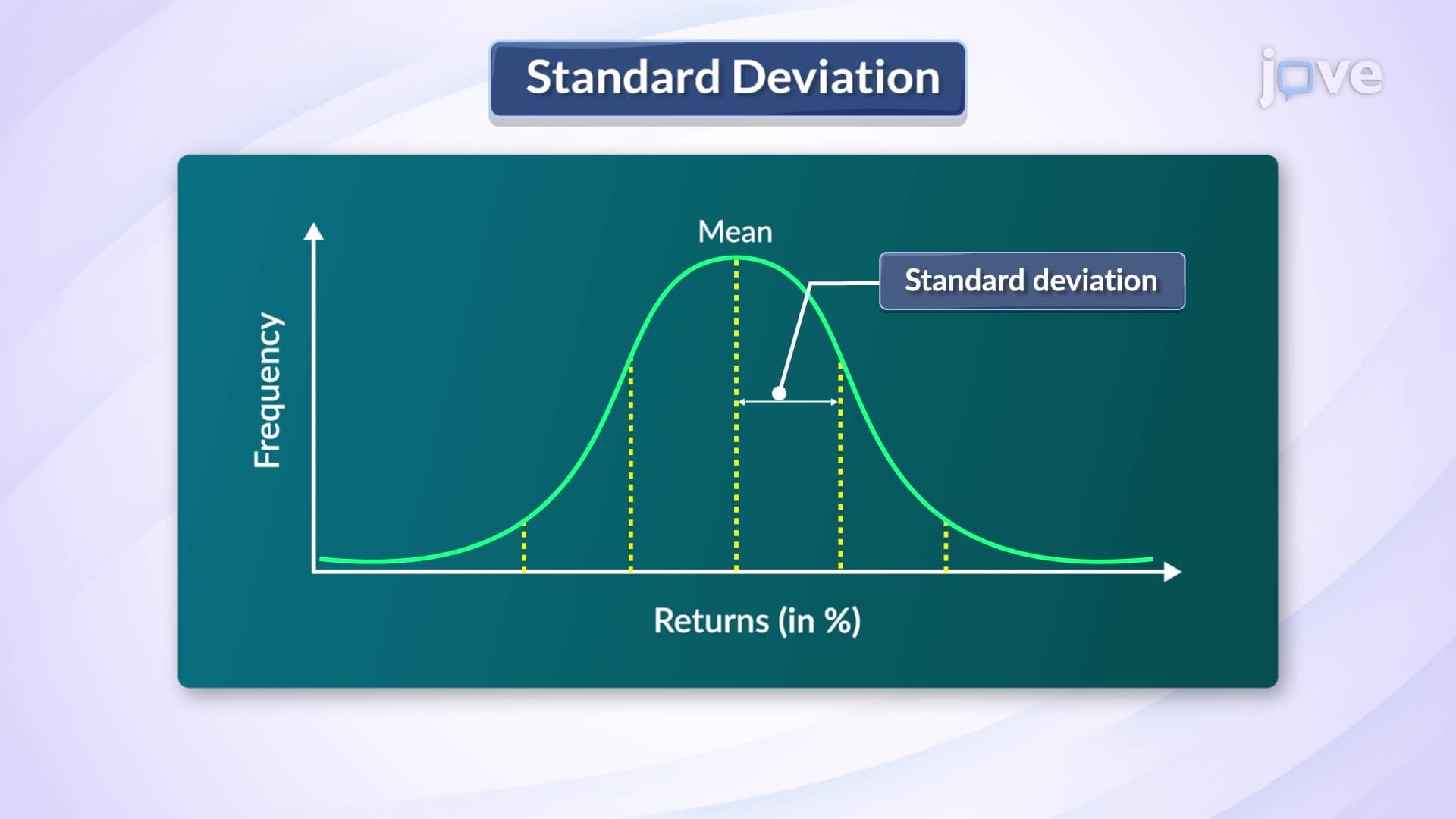
The calculation involves determining how far each period's returns deviate from the mean return, squaring those deviations to eliminate negative values, and dividing by the degrees of freedom (n-1). This mathematical approach transforms abstract risk concepts into quantifiable metrics that drive billion-dollar investment decisions.
Consider how Vanguard's investment committee evaluates mutual fund performance. When comparing two equity funds with identical 8% annual returns, variance analysis might reveal that Fund A maintains consistent monthly performance with low variance, while Fund B achieves the same return through volatile swings between gains and losses. This distinction fundamentally changes risk assessment and client suitability determinations.
Investment advisors use variance to construct portfolios aligned with client risk tolerance. High-net-worth individuals approaching retirement typically favor low-variance investments that provide predictable income streams, while younger professionals might accept higher variance in exchange for potentially superior long-term returns.
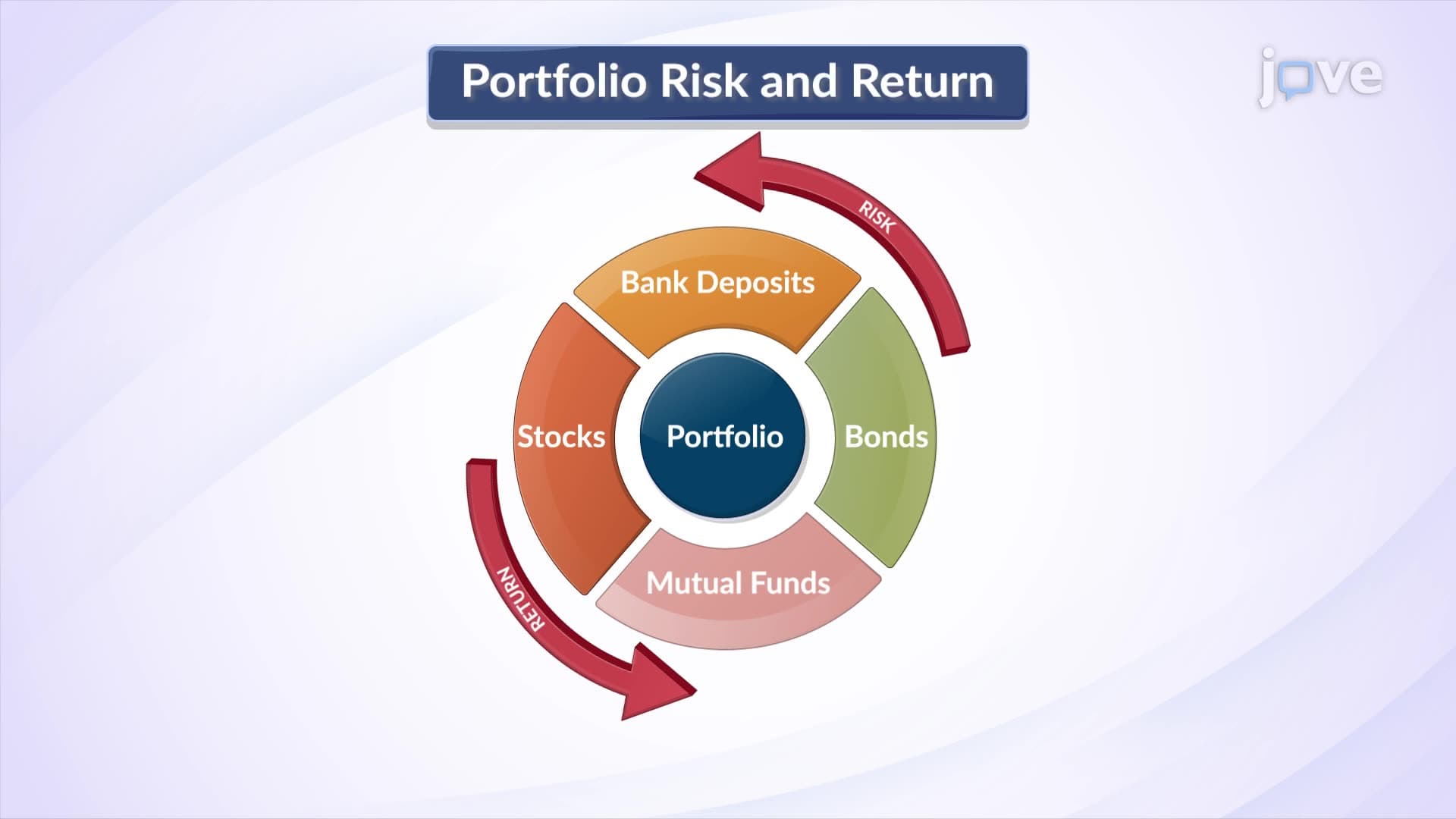
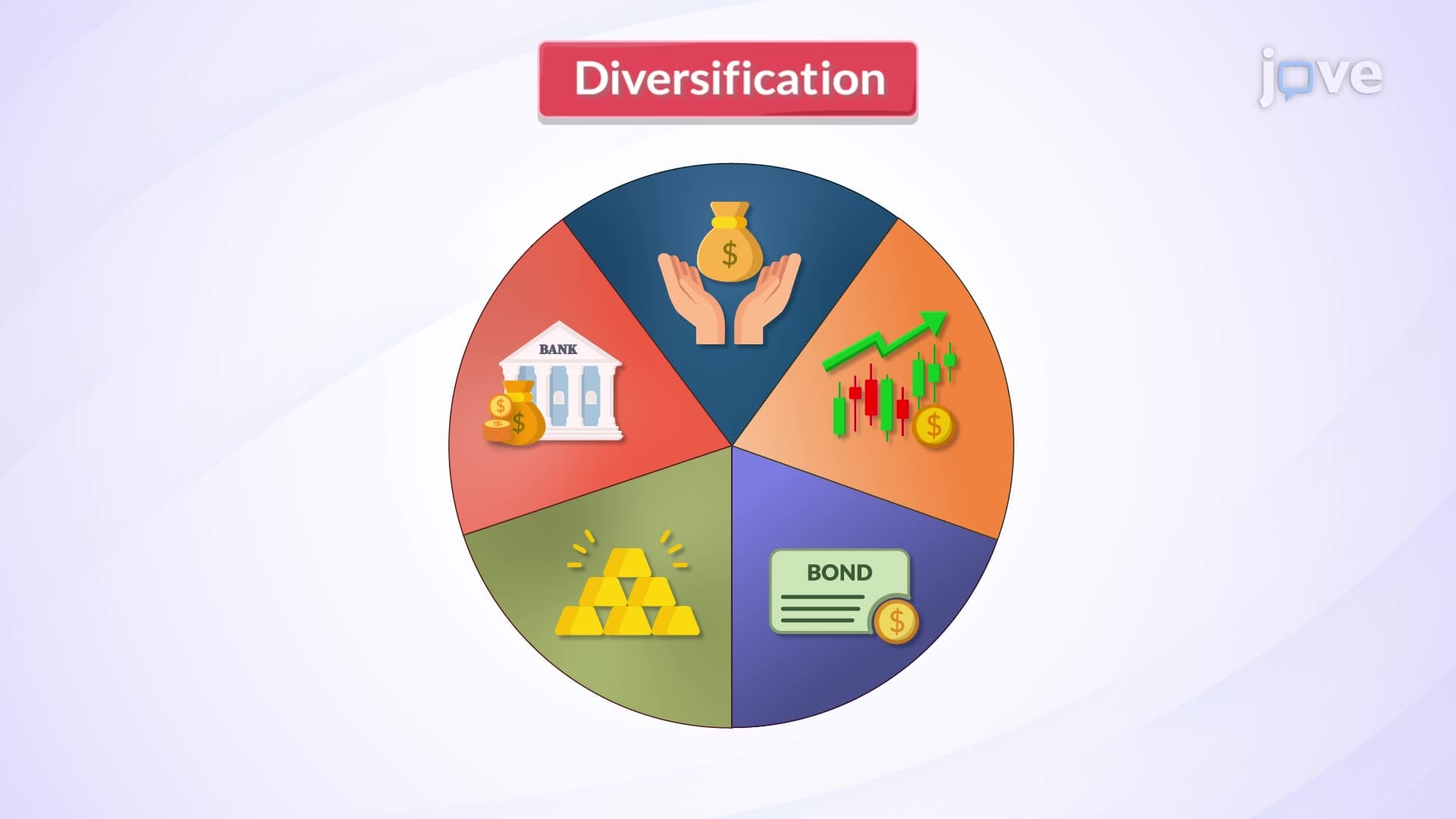
Variance analysis forms the mathematical foundation for modern portfolio theory, enabling sophisticated diversification strategies. When JPMorgan Chase constructs institutional portfolios, variance calculations help identify assets with low correlation, reducing overall portfolio risk through strategic asset allocation. This approach has generated billions in value for pension funds, endowments, and corporate treasury operations by optimizing the risk-return relationship across diverse asset classes.
Frequently Asked Questions
Variance measures how much investment returns deviate from their expected average, quantifying volatility and risk. It's calculated by averaging the squared differences between actual returns and mean returns. This metric helps investment professionals assess whether an asset delivers consistent performance or experiences significant fluctuations that could impact portfolio stability.
Portfolio managers leverage variance to explain risk-return trade-offs and justify investment recommendations during client presentations. By comparing variance across different assets, they demonstrate why certain investments align with specific risk tolerance levels. This data-driven approach builds client confidence and supports fiduciary responsibilities in wealth management relationships.
Corporate treasurers use variance analysis to evaluate cash management options and short-term investment vehicles. Lower variance investments provide predictable liquidity for operational needs, while higher variance options might offer better returns for longer-term cash reserves. This analysis directly impacts working capital optimization and financial planning accuracy.
Apple's treasury team historically used variance metrics to balance their massive cash reserves across low-risk securities like government bonds and higher-yielding corporate bonds. By analyzing variance patterns, they optimized returns while maintaining the liquidity needed for strategic acquisitions, dividend payments, and operational flexibility during economic uncertainty.
Basic arithmetic skills and spreadsheet proficiency are sufficient for most professional variance applications. While the underlying mathematical concepts provide valuable context, modern financial software automates calculations. The key skill is interpreting results and translating variance data into actionable business insights for investment decisions and risk management strategies.
Variance expertise demonstrates quantitative risk assessment capabilities essential for portfolio management, investment banking, and corporate finance roles. This skill set opens opportunities in wealth management, pension fund administration, and executive treasury positions where risk-adjusted return analysis drives strategic decisions and regulatory compliance requirements.
Standard deviation naturally follows variance since it's the square root of variance, providing risk metrics in the same units as returns. Additionally, exploring covariance and correlation expands your ability to analyze relationships between multiple investments, enabling sophisticated portfolio optimization and diversification strategies used by institutional investment managers.
Related Micro-courses
Related Subjects