Loading…
Loading video…

6,514 views
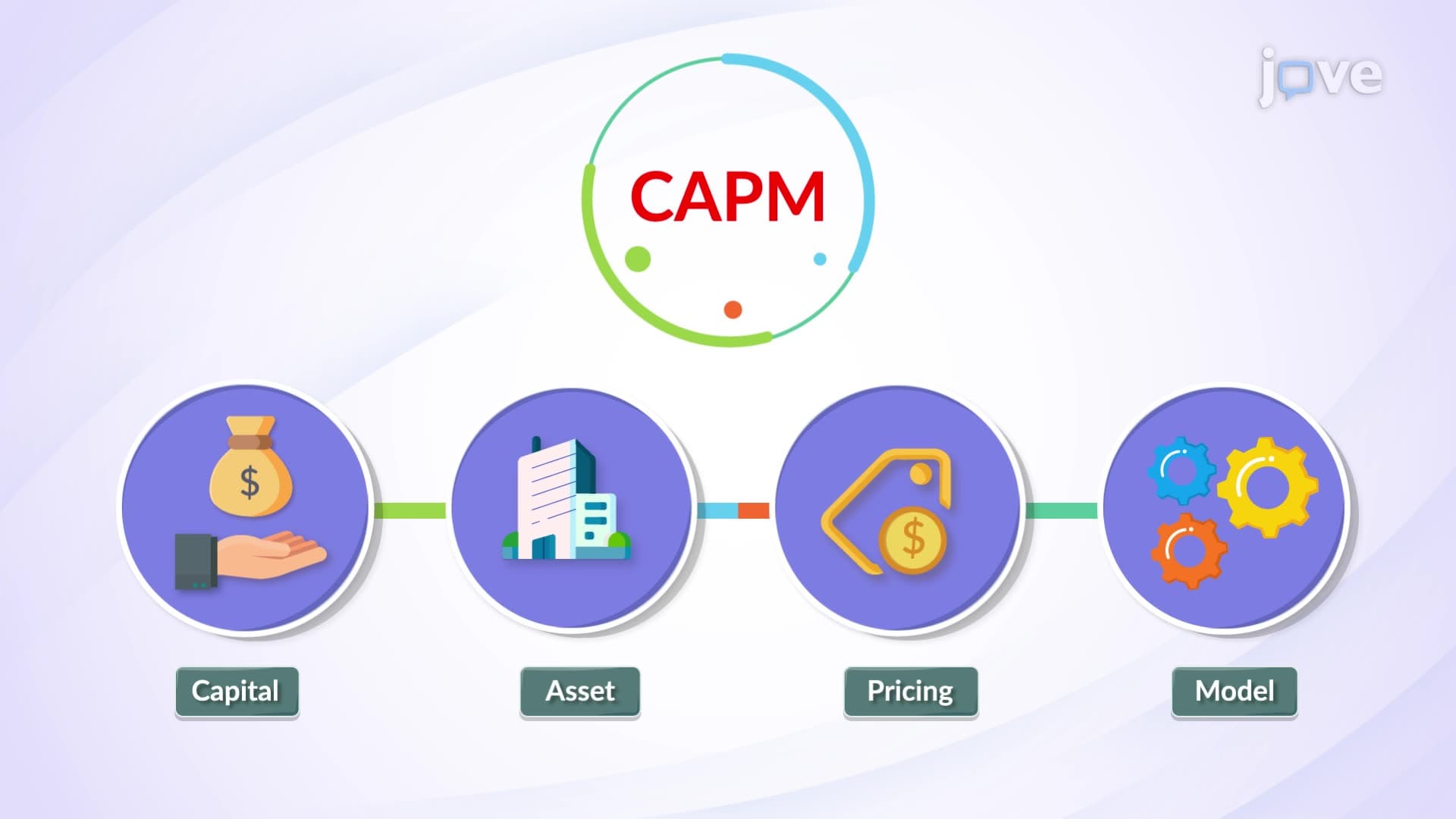
When portfolio managers at BlackRock evaluate multi-billion dollar investment decisions, they rely on the capital asset pricing model to quantify expected returns against systematic risk. This foundational framework helps financial professionals determine whether Apple stock trading at current levels offers adequate compensation for market exposure. The Capital Asset Pricing Model Introduction Explained demonstrates how beta coefficients, risk-free rates, and market premiums combine into actionable investment insights that drive institutional portfolio allocation decisions. Watch the full video on JoVE Coach to master this concept with expert-led visuals and step-by-step explanations.
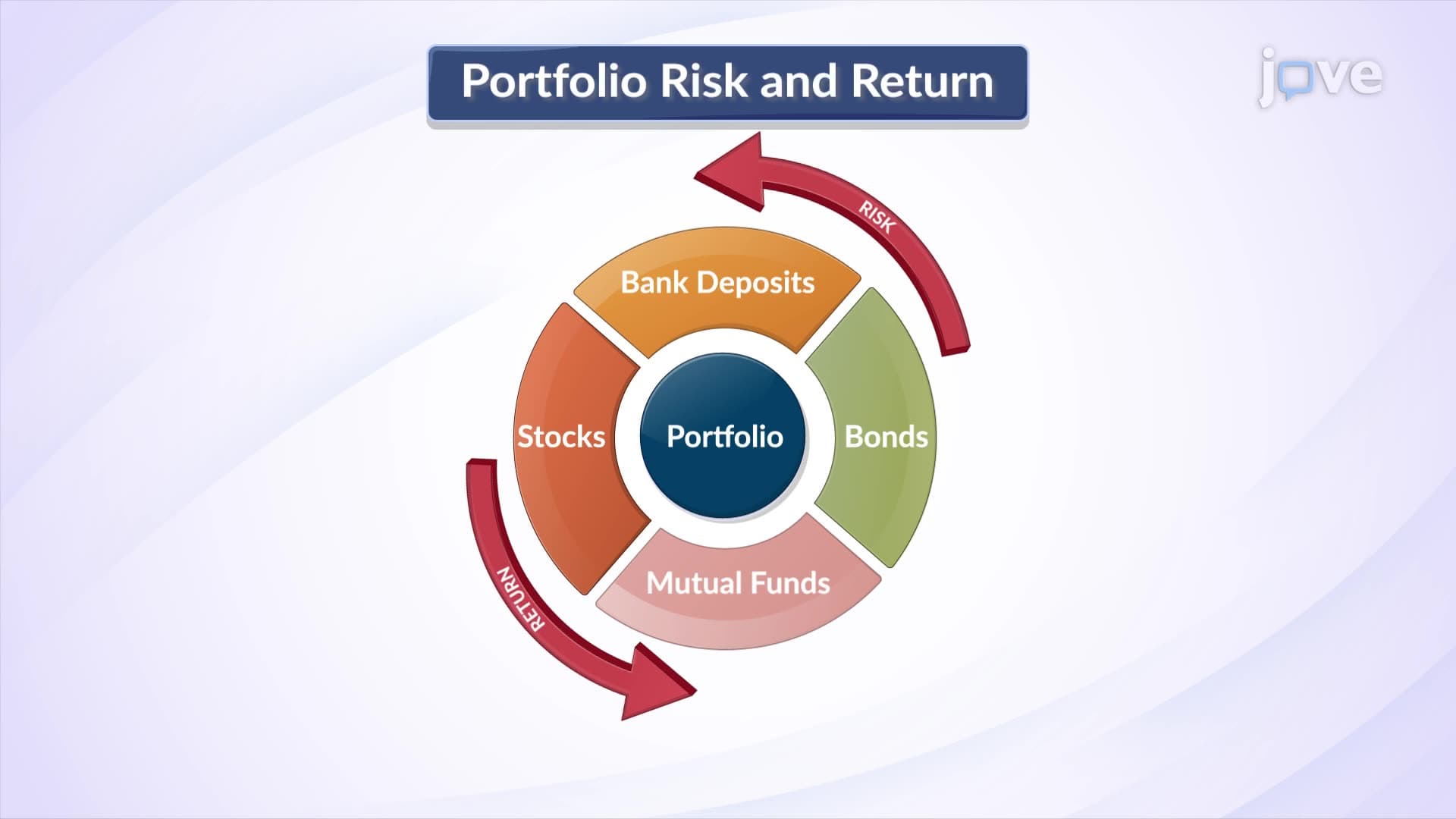
Modern portfolio management at institutional investors like Vanguard and Fidelity relies heavily on systematic approaches to risk-return analysis. When chief investment officers allocate billions across asset classes, they need frameworks that translate market uncertainty into quantifiable metrics. The capital asset pricing model serves this critical function by establishing mathematical relationships between systematic risk exposure and expected investment returns.
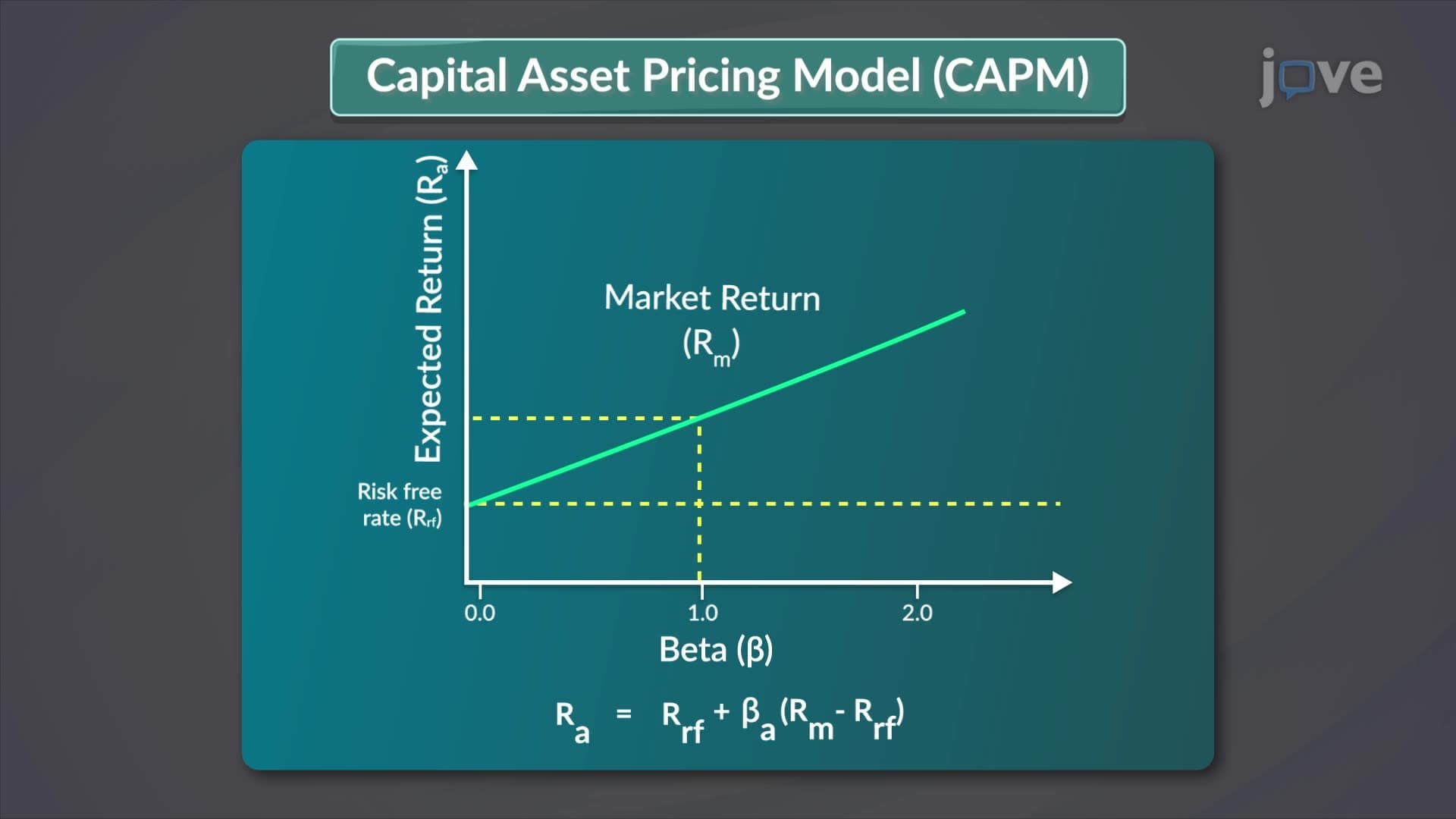
The model's elegance lies in its simplicity: Expected Return = Risk-free Rate + Beta × (Market Return - Risk-free Rate). Each component carries specific business implications. The risk-free rate, typically represented by 10-year Treasury yields, establishes the baseline return for zero-risk investments. Currently trading around 4.5%, this rate affects corporate borrowing costs and capital allocation decisions across industries.
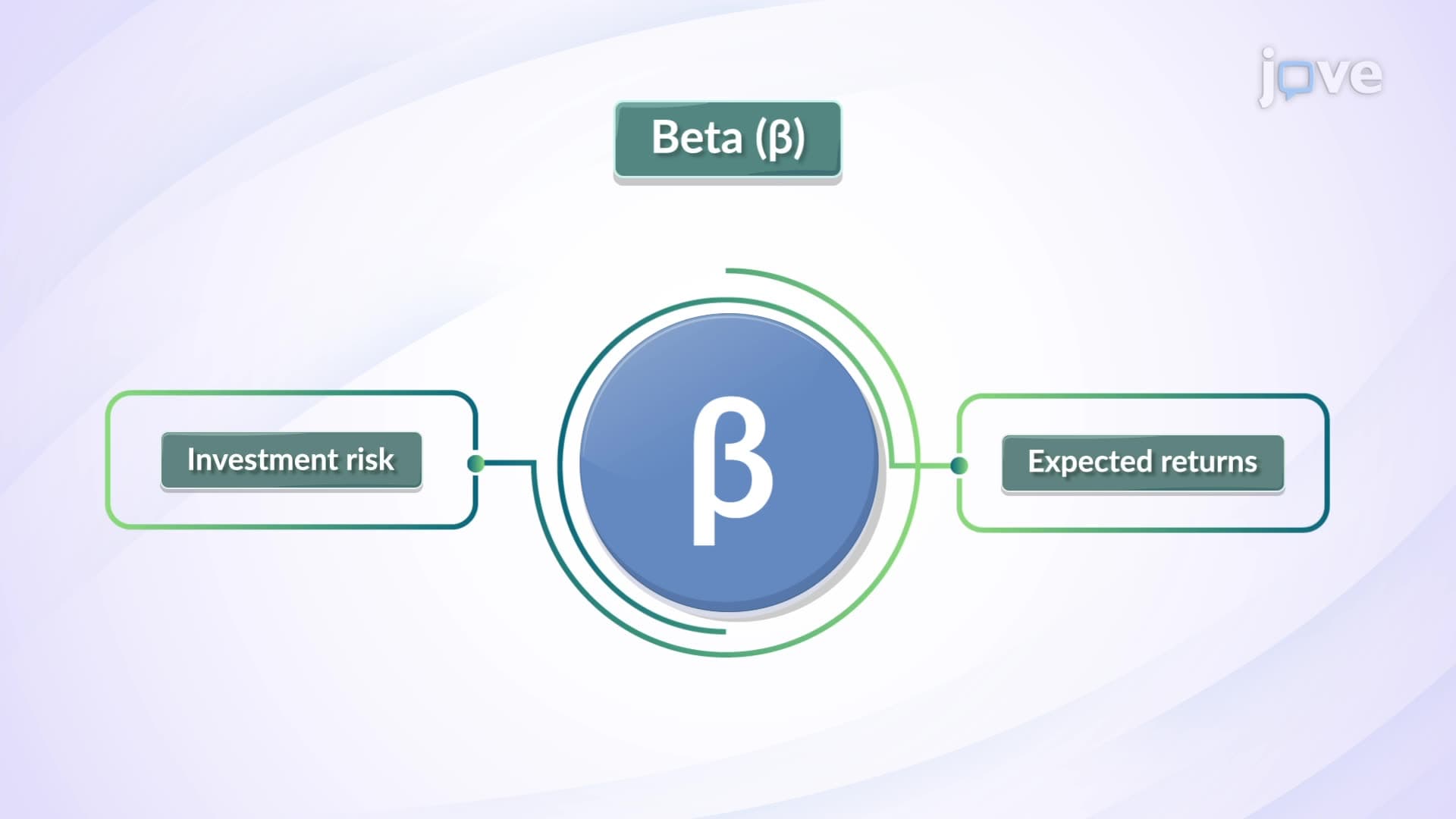
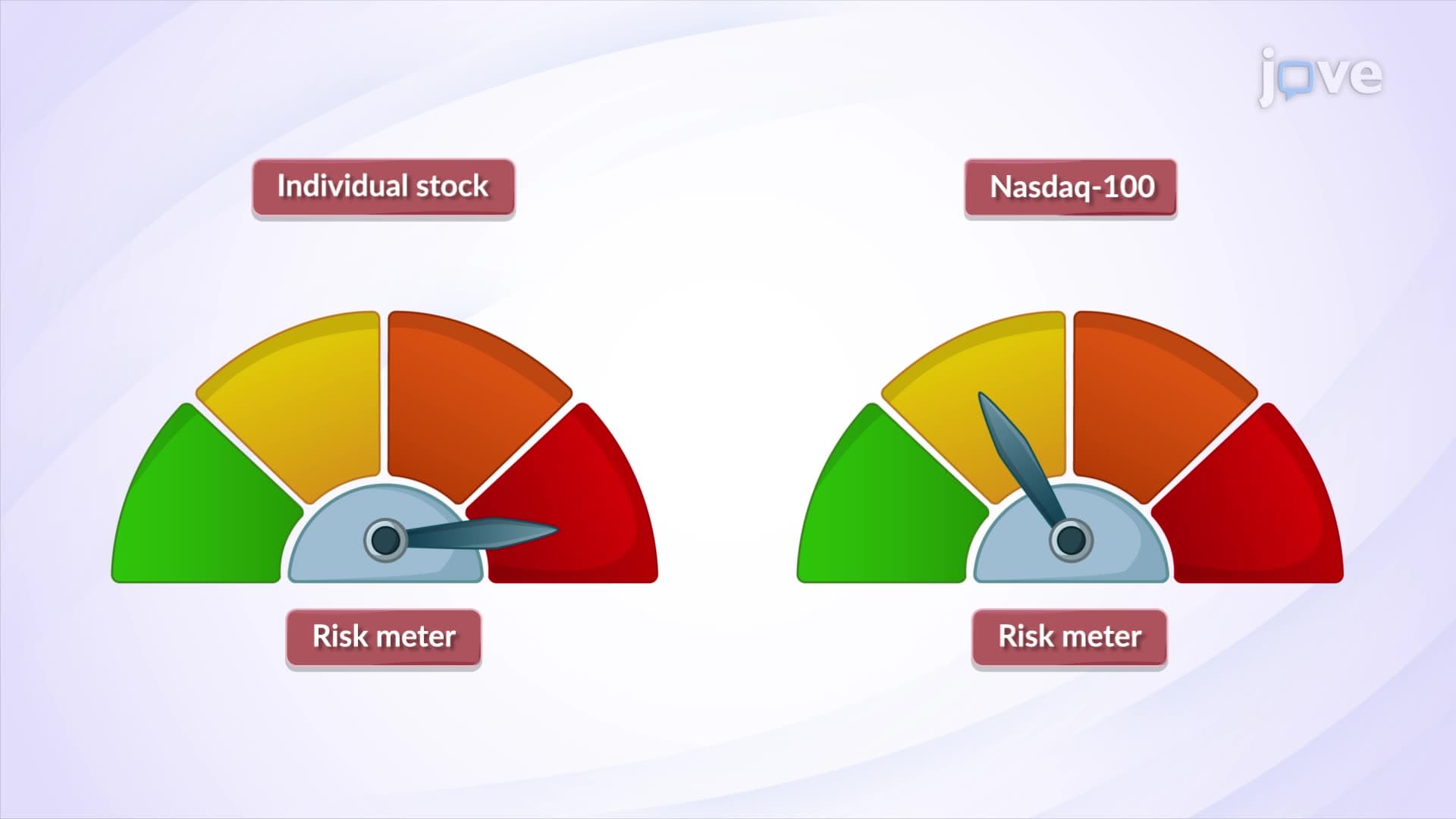
Beta coefficients measure systematic risk sensitivity. Tesla's beta of approximately 2.0 indicates the stock typically moves twice as much as the S&P 500 in either direction. This high beta reflects the electric vehicle industry's volatility and growth dynamics. Conversely, Coca-Cola's beta near 0.6 demonstrates the defensive characteristics of consumer staples, making it attractive during economic uncertainty.
Investment committees use CAPM extensively for capital budgeting decisions. When Amazon evaluates new fulfillment center investments, finance teams apply risk-adjusted discount rates derived from CAPM calculations. Projects in stable markets might use lower discount rates, while international expansion initiatives require higher rates reflecting additional systematic risks.
The model also influences executive compensation design. Many Fortune 500 companies tie performance bonuses to risk-adjusted returns rather than absolute stock price appreciation. This approach, grounded in CAPM principles, ensures management teams consider both returns generated and risks undertaken in pursuing growth strategies.
While CAPM provides valuable insights, seasoned practitioners recognize its limitations. The model assumes perfect capital markets and uniform investor expectations—conditions rarely observed in practice. Behavioral finance research has revealed how investor psychology, market microstructure effects, and liquidity constraints can cause actual returns to deviate from CAPM predictions. Professional investors increasingly supplement CAPM with multi-factor models that incorporate size, value, and momentum factors for more nuanced risk assessment.
Frequently Asked Questions
The capital asset pricing model quantifies expected investment returns based on systematic risk exposure, helping executives make data-driven capital allocation decisions. It transforms complex market dynamics into actionable metrics for portfolio management, acquisition analysis, and strategic planning. Understanding CAPM enables leaders to communicate investment rationale using standardized risk-return frameworks that boards and stakeholders readily comprehend.
Calculate the target's cost of equity using CAPM to determine appropriate discount rates for cash flow projections in your valuation model. Compare the acquisition's expected returns against your company's weighted average cost of capital and strategic alternatives. This systematic approach helps justify investment decisions to boards and ensures you're adequately compensated for systematic risks inherent in the transaction.
Frame your investment proposal's expected returns relative to systematic risk using CAPM calculations, demonstrating you've considered market volatility and risk-free alternatives. Show how your project's risk-adjusted returns compare to industry benchmarks and alternative capital deployment options. This quantitative approach builds credibility and shows sophisticated financial analysis backing your strategic recommendations.
JPMorgan Chase uses CAPM extensively in their investment banking division when advising clients on merger valuations and capital structure decisions. Their analysts calculate industry-specific beta coefficients and apply risk-adjusted discount rates to determine fair value ranges for acquisition targets, ensuring clients understand both potential returns and systematic risk exposures before committing capital to major transactions.
Calculate separate beta coefficients for each business segment using comparable public companies, then weight them by revenue or asset contribution to derive a blended cost of equity. This segmented approach provides more accurate risk assessment than using a single company-wide beta, particularly important for conglomerates like General Electric that span diverse industries with varying systematic risk characteristics.
While helpful, extensive finance training isn't required to grasp CAPM's core concepts and practical applications. The model's intuitive logic—higher risk demands higher expected returns—aligns with fundamental business principles. Focus on understanding how beta coefficients reflect systematic risk and how CAPM calculations inform capital allocation decisions rather than memorizing complex mathematical derivations.
CAPM fluency demonstrates sophisticated financial analysis capabilities valued in investment banking, corporate development, and senior management roles. You'll communicate more effectively with institutional investors, make better-informed strategic decisions, and contribute meaningfully to board discussions about capital allocation and risk management. This foundational knowledge opens pathways to portfolio management, private equity, and C-suite positions requiring quantitative business judgment.
Progress to multi-factor asset pricing models like the Fama-French three-factor model, which incorporates size and value effects beyond market beta. Explore weighted average cost of capital (WACC) calculations that combine CAPM-derived equity costs with debt financing costs for comprehensive capital budgeting analysis. These advanced frameworks build upon CAPM foundations while addressing its practical limitations in modern portfolio management.
Related Micro-courses
Related Subjects