Loading…
Loading video…

6,514 views
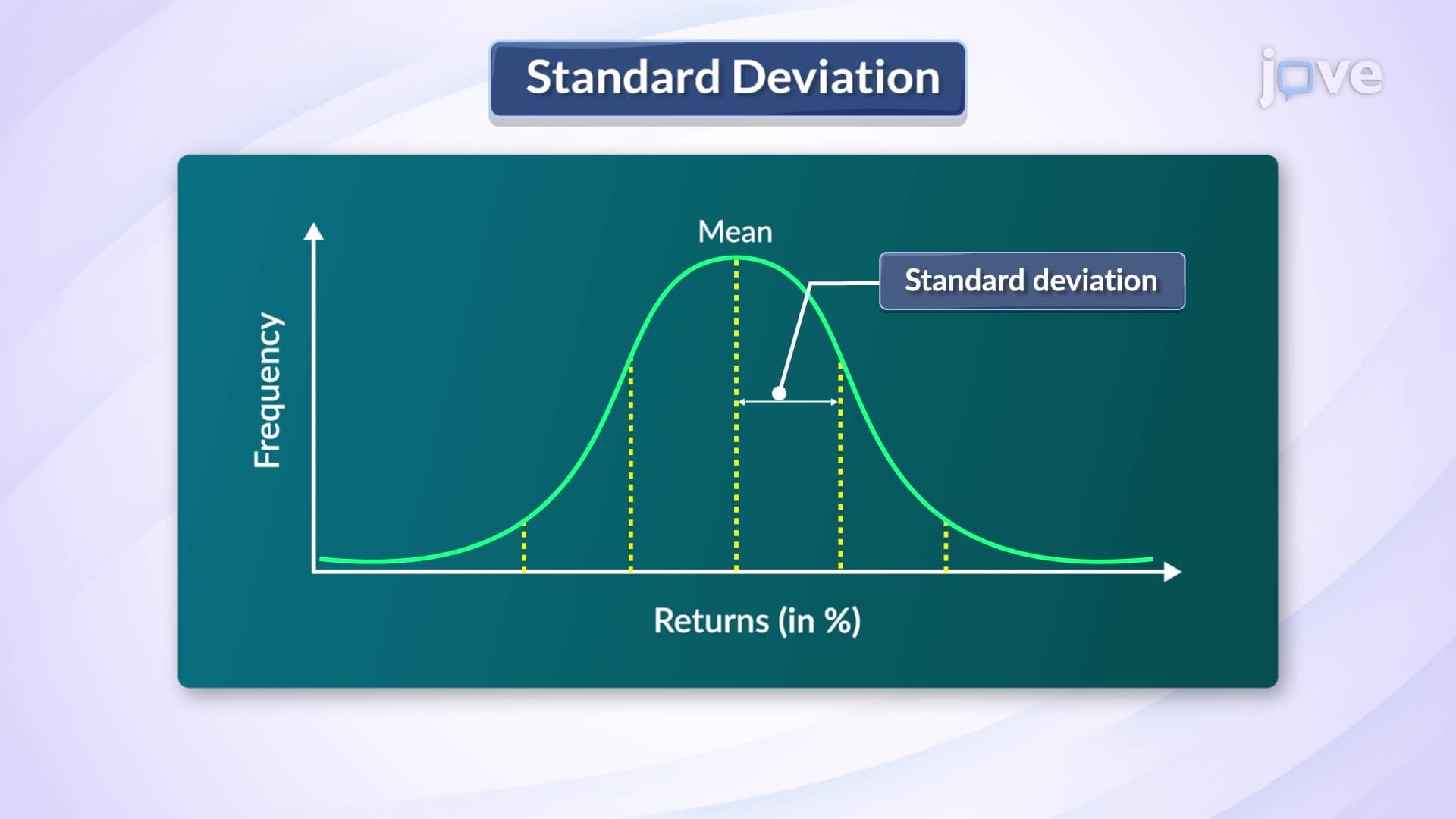
Investment managers at firms like Vanguard use standard deviation to communicate portfolio risk to institutional clients, making it essential for financial decision-making. Standard deviation measures the degree of variation in data sets, helping professionals assess volatility in everything from stock returns to sales forecasts. When comparing two investments, the standard deviation reveals which carries higher risk—crucial intelligence for portfolio allocation and risk management strategies. Watch the full video on JoVE Coach to master this concept with expert-led visuals and step-by-step explanations.
Standard deviation serves as a critical risk management tool across industries, from hedge funds managing billions in assets to manufacturing companies forecasting demand variability. At its core, standard deviation quantifies how much individual data points deviate from the average, providing executives with measurable insight into uncertainty and volatility.
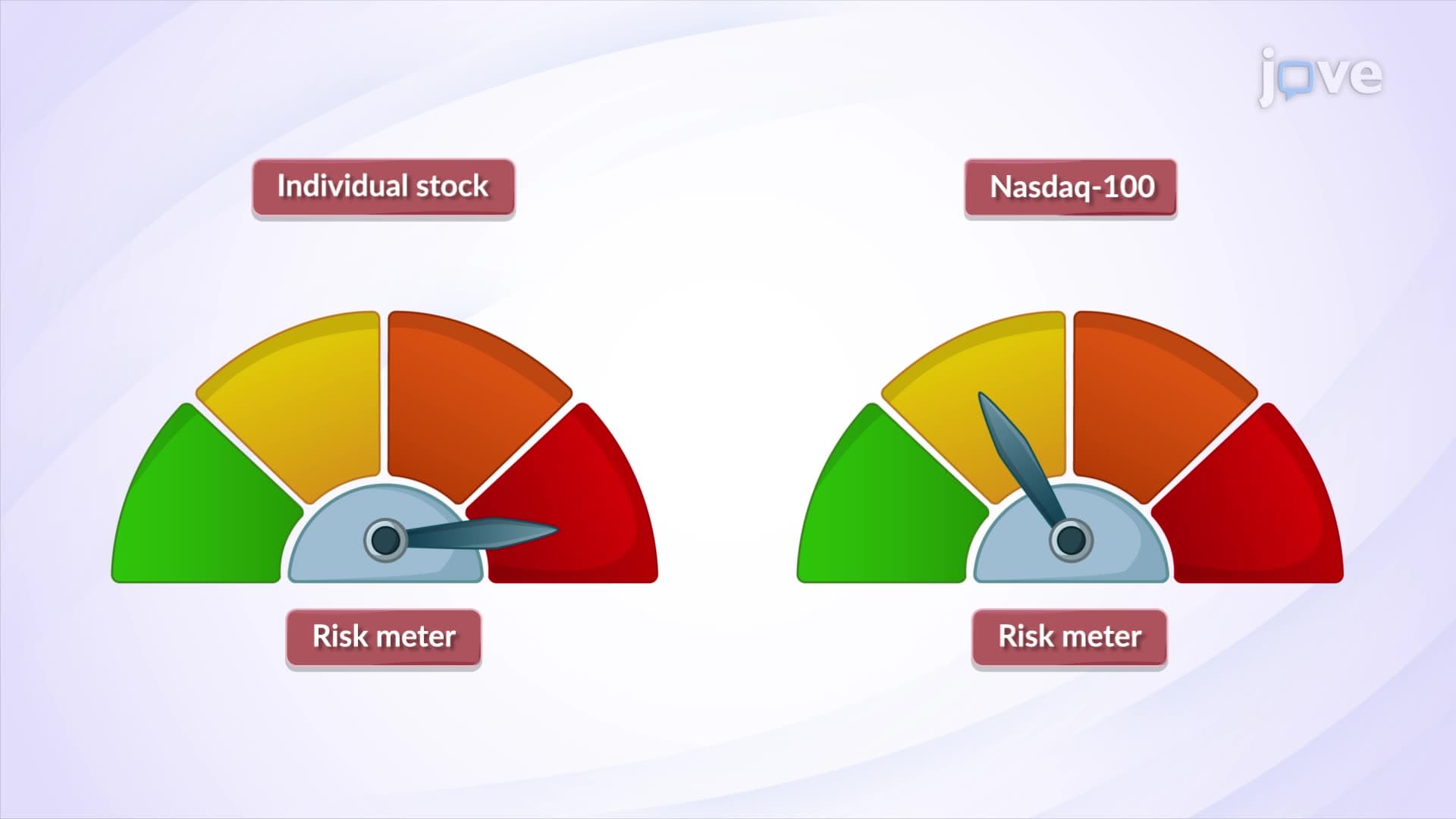
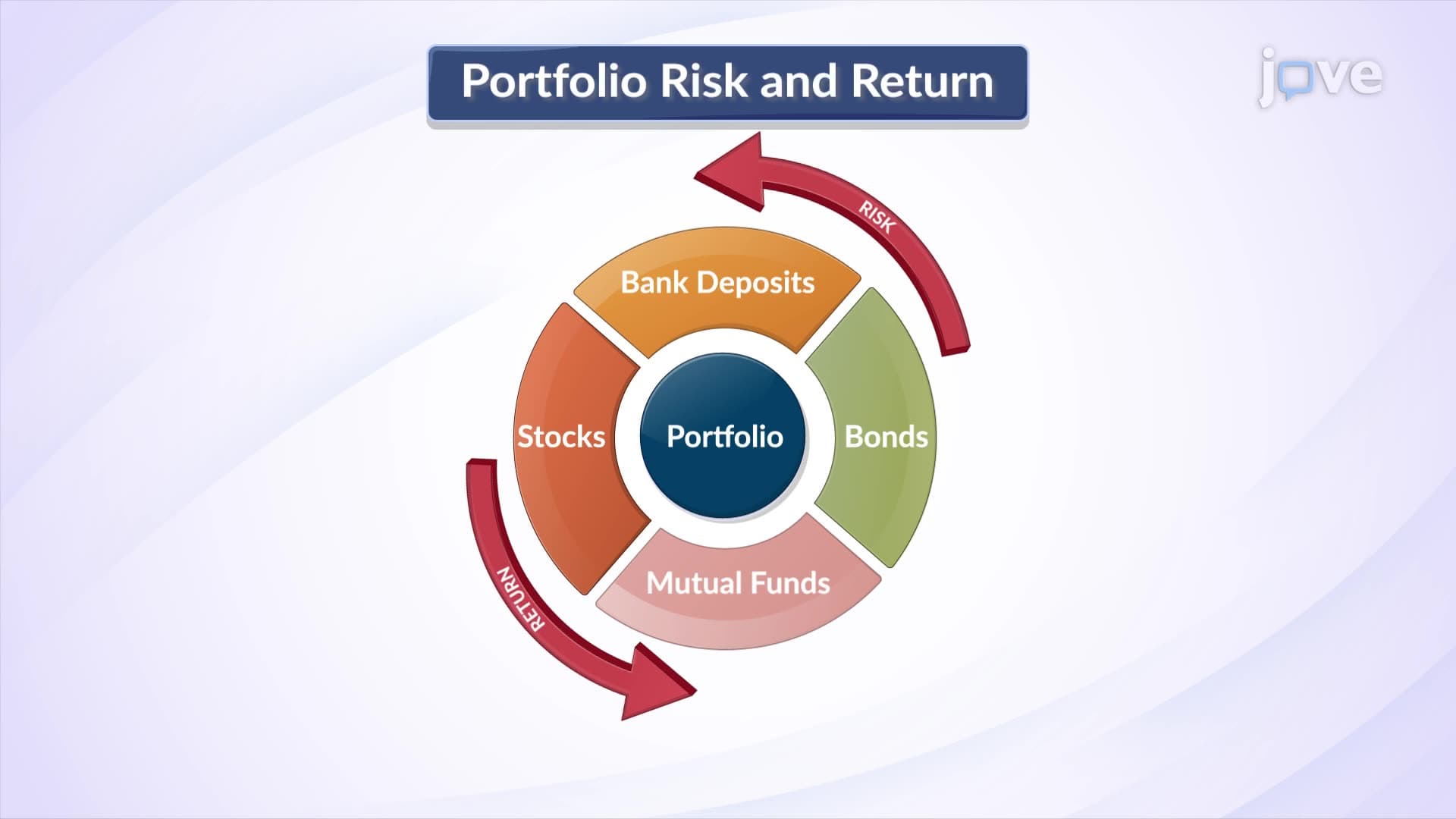
Portfolio managers at BlackRock and other institutional investment firms rely heavily on standard deviation to construct diversified portfolios. When analyzing two stocks with identical average returns, the security with lower standard deviation represents more predictable performance—essential for pension funds and insurance companies requiring steady returns. A stock with 15% standard deviation experiences significantly more price volatility than one with 5% standard deviation, directly impacting portfolio risk profiles and client satisfaction.
Beyond finance, standard deviation drives operational decisions across business functions. Supply chain managers use it to evaluate supplier reliability, comparing delivery time variations to minimize disruption risks. Marketing executives analyze campaign performance data, using standard deviation to identify which channels provide consistent lead generation versus those with unpredictable spikes. Manufacturing operations leverage this metric to assess quality control, where lower standard deviation in product specifications indicates superior process consistency.
Companies like General Electric use standard deviation analysis when evaluating market entry opportunities, comparing revenue volatility across different geographic regions or product segments. Higher standard deviation markets may offer greater upside potential but require larger cash reserves and more flexible operational strategies. This quantitative approach enables data-driven strategic planning and helps boards understand the risk implications of expansion decisions.
The mathematical calculation—taking the square root of variance—translates complex statistical concepts into actionable business intelligence, making standard deviation an indispensable tool for modern executives navigating uncertain markets.
Frequently Asked Questions
Standard deviation measures how much your data points spread out from the average, giving you a number that represents variability or risk. In business, it helps you understand whether your investments, sales, or other metrics are consistent or highly volatile. Think of it as your "uncertainty meter" for any data set you're analyzing.
Portfolio managers use standard deviation to measure investment risk and construct balanced portfolios for clients. A mutual fund with 12% standard deviation is riskier than one with 6%, even if both have similar average returns. This helps match client risk tolerance with appropriate investment strategies and justify portfolio allocation decisions to institutional investors.
Include standard deviation analysis when discussing risk assessment, comparing strategic alternatives, or explaining performance variability to stakeholders. It's particularly valuable in budget presentations, investment proposals, and quarterly reviews where you need to quantify uncertainty. Board members and senior executives appreciate seeing risk quantified rather than described qualitatively.
Amazon analyzes standard deviation in customer demand patterns to optimize inventory levels and warehouse staffing. Products with low demand variability (low standard deviation) require less safety stock, while high-variability items need larger buffers to prevent stockouts. This approach minimizes holding costs while maintaining customer satisfaction through consistent availability.
You need basic understanding of averages and percentages, but most business applications use software like Excel or specialized financial tools to calculate standard deviation automatically. Focus on interpreting results rather than manual calculations. Understanding what the numbers mean for business decisions matters more than computational ability.
Proficiency in risk analysis and data interpretation distinguishes you as a strategic thinker capable of quantitative decision-making. This skill proves valuable for roles in finance, operations, consulting, and general management, where data-driven insights drive promotion opportunities. Executives who can communicate risk effectively often advance to senior leadership positions.
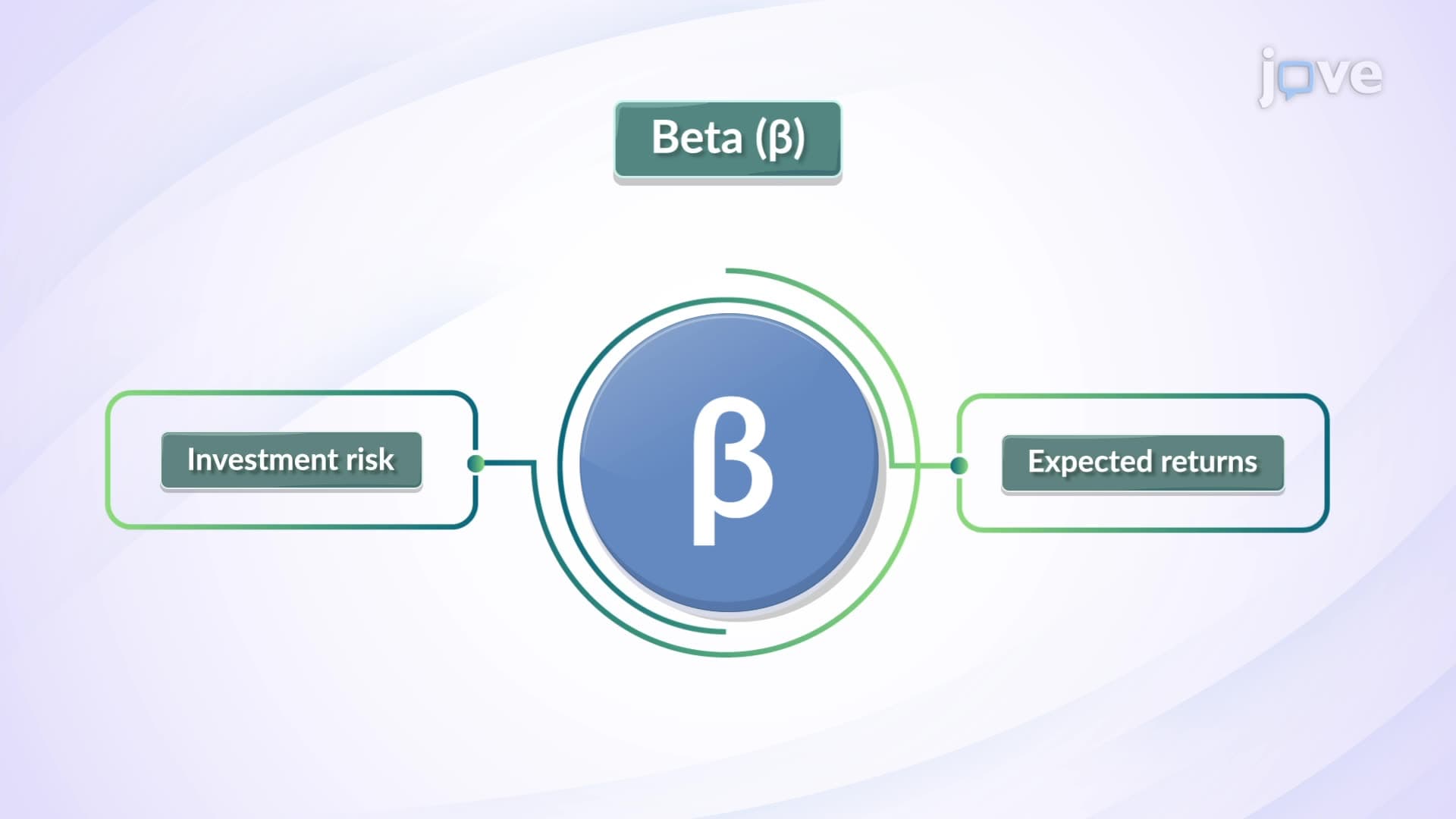
Explore variance analysis, correlation coefficients, and beta calculations to build comprehensive risk assessment capabilities. These concepts work together in portfolio theory and business analytics, forming the foundation for advanced financial modeling and strategic planning skills valued in senior management roles.
Related Micro-courses
Related Subjects