Loading…
Loading video…

6,514 views
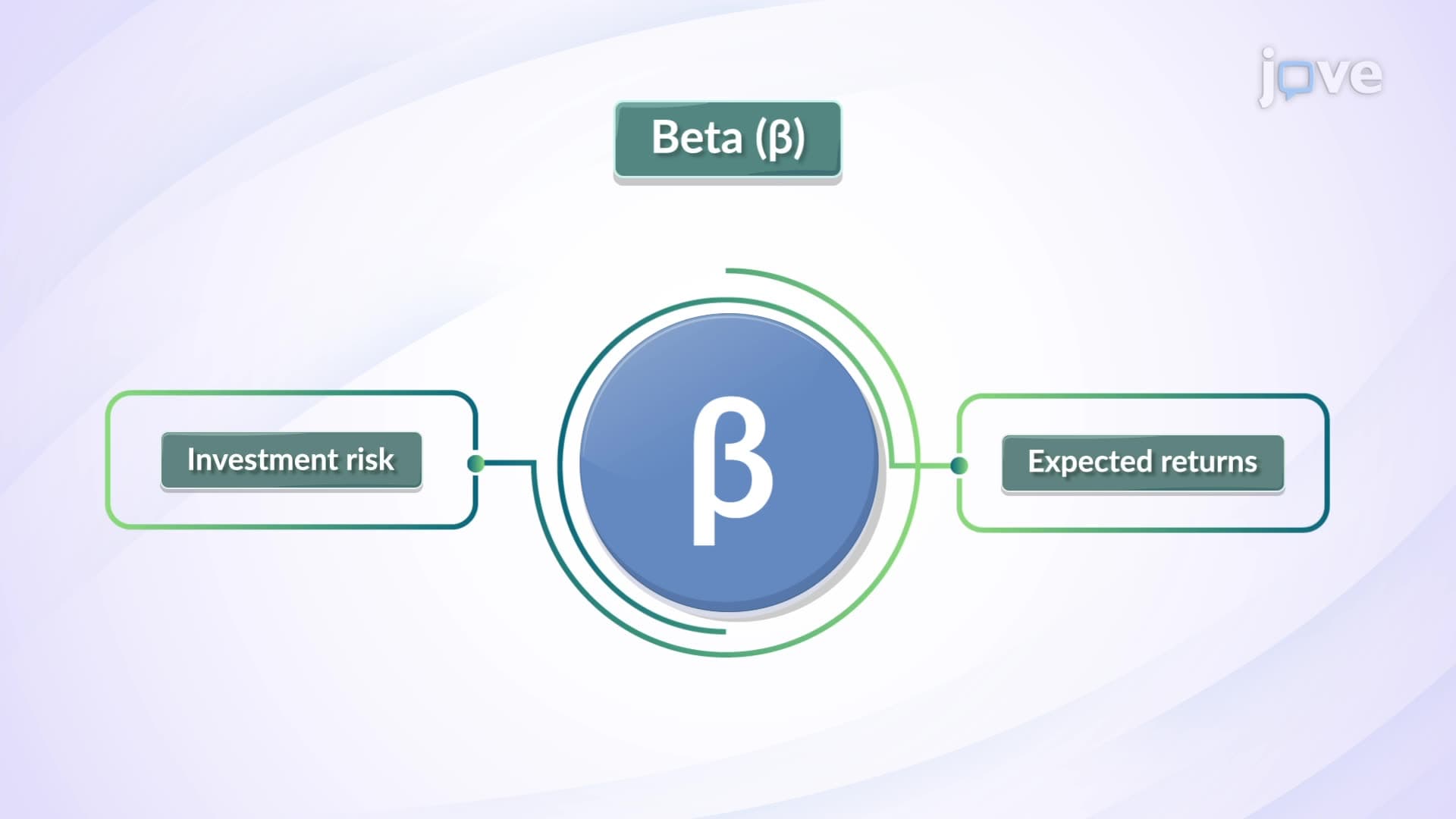
When portfolio managers at JPMorgan Chase evaluate investment risk, beta becomes their primary measurement tool for understanding how individual securities move relative to broader market fluctuations. Beta definition explained through practical application: this statistical measure quantifies volatility by comparing a stock's price movements to market benchmarks like the S&P 500. Consider Apple's beta of approximately 1.2, indicating 20% greater volatility than the overall market during earnings announcements or product launches. Watch the full video on JoVE Coach to master this concept with expert-led visuals and step-by-step explanations.
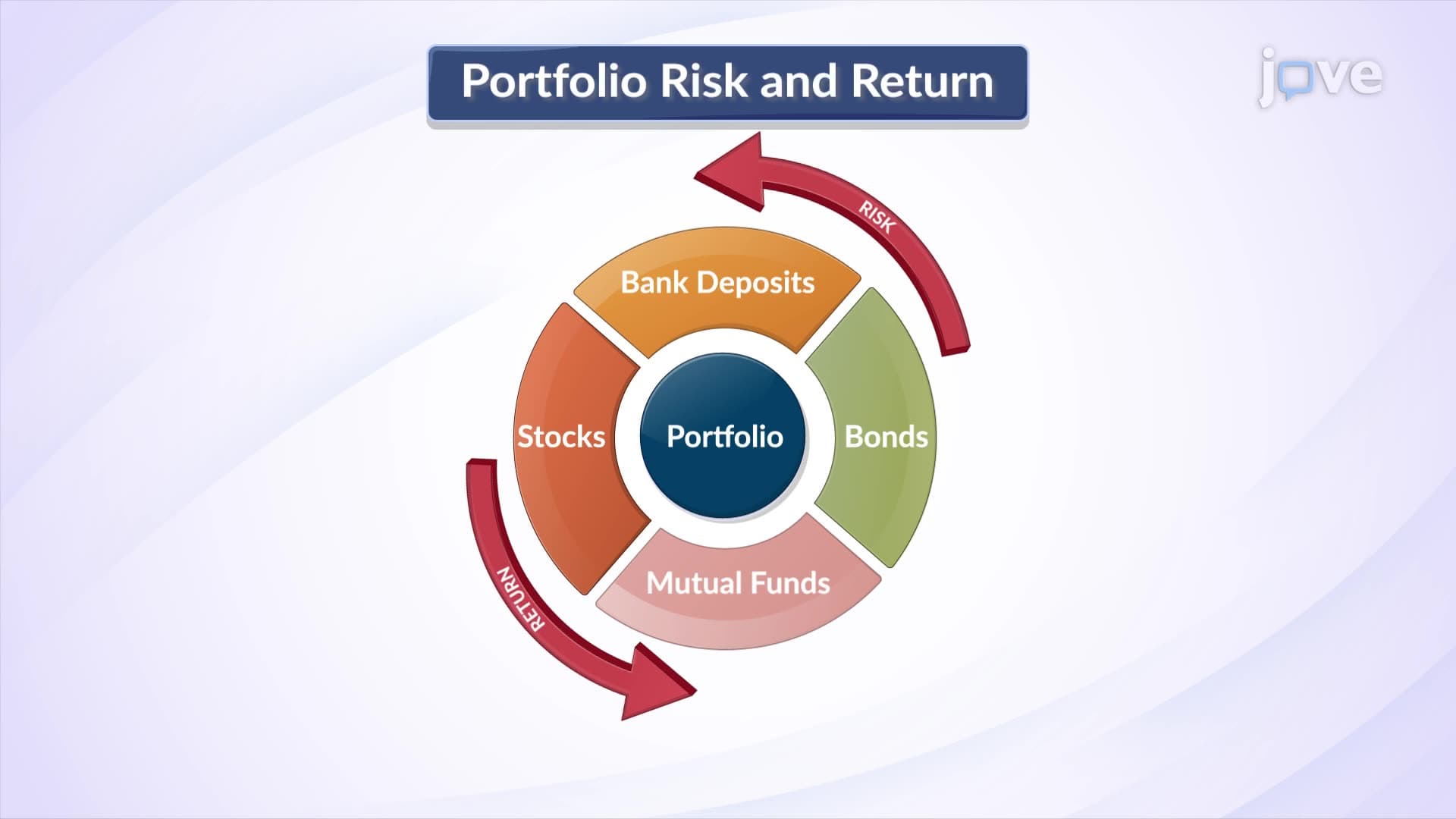
When BlackRock's portfolio management teams construct institutional portfolios worth billions, they rely heavily on beta analysis to balance risk and return expectations. Beta measures a security's sensitivity to market movements, providing quantitative insight into how individual investments will likely perform relative to broader market indices.
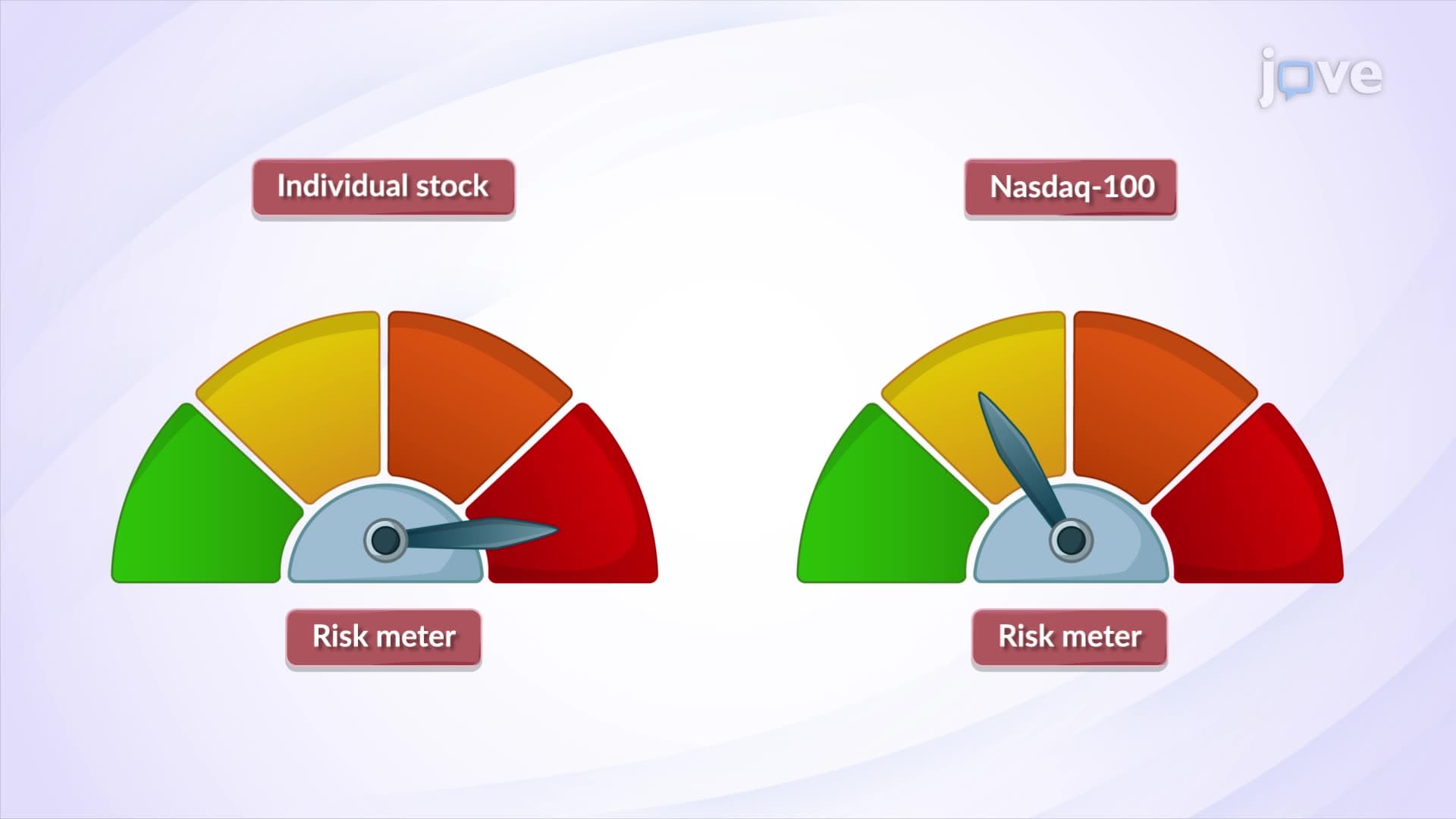
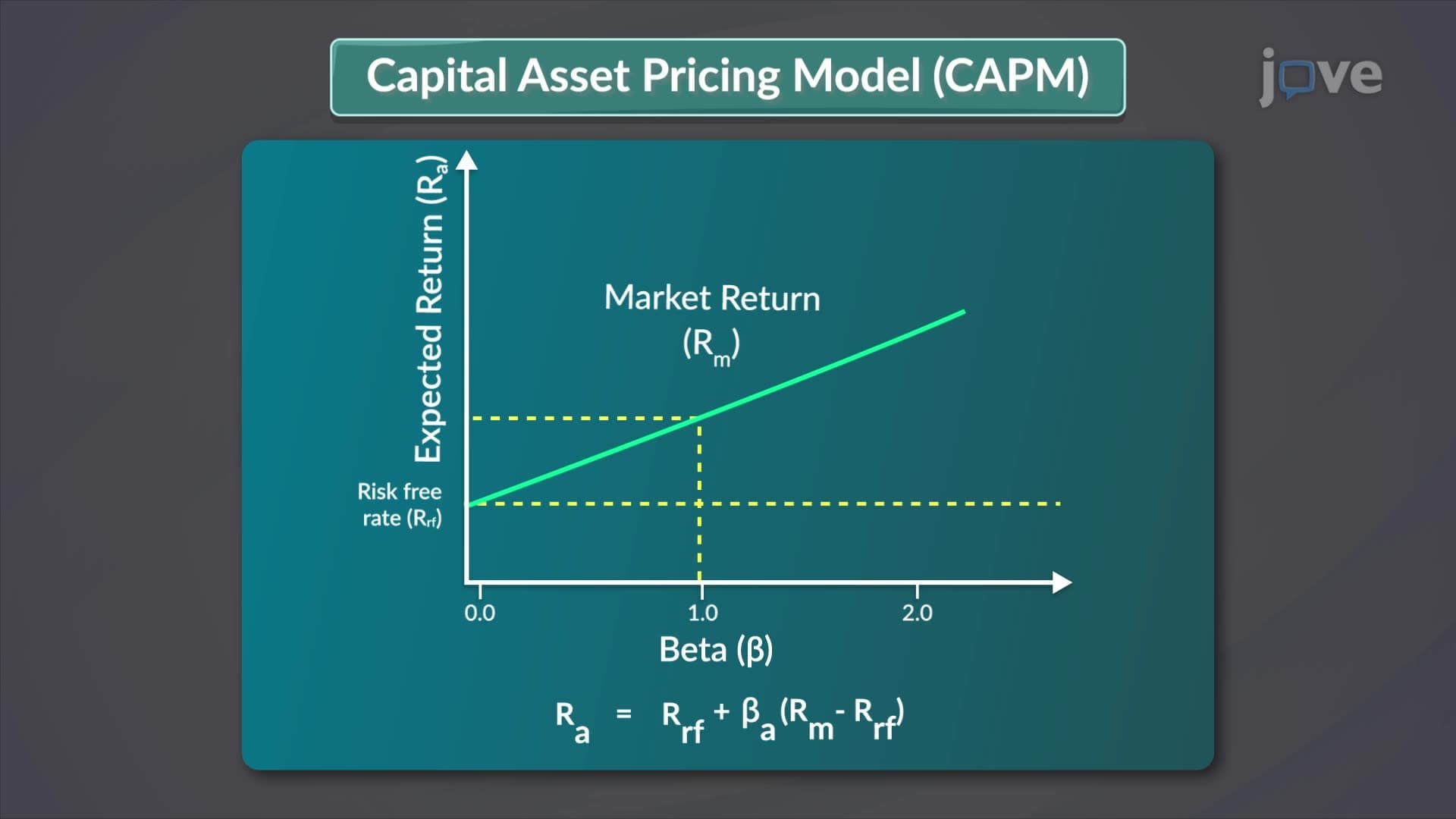
Beta represents the slope coefficient from regression analysis comparing a stock's returns to market returns over time. A beta of 1.0 indicates the security moves in lockstep with the market. Tesla, with its beta typically ranging from 1.8 to 2.2, demonstrates high-beta characteristics—when the S&P 500 gains 10%, Tesla might surge 18-22%, but market declines of 10% could trigger Tesla drops of 18-22% or more.
This volatility measurement proves essential for portfolio construction. Growth-focused mutual funds often target high-beta technology stocks like NVIDIA or Amazon to amplify returns during bull markets. Conversely, utility companies like Duke Energy maintain betas below 0.8, making them attractive defensive holdings during market turbulence.
Professional fund managers utilize beta for systematic risk assessment and portfolio hedging. Low-beta stocks (below 1.0) include consumer staples like Procter & Gamble and healthcare giants like Johnson & Johnson, which provide stability during economic downturns. High-beta names concentrate in growth sectors—technology, biotech, and emerging market equities.
Beta analysis becomes particularly valuable during market stress testing. When Federal Reserve policy shifts create market volatility, portfolio managers can predict which holdings will experience amplified movement. A portfolio weighted toward high-beta growth stocks requires more sophisticated hedging strategies and higher cash reserves to manage drawdown risk.
While beta provides valuable risk metrics, it carries limitations that sophisticated investors must acknowledge. Historical beta may not predict future correlations, particularly during black swan events or sector-specific disruptions. The 2008 financial crisis demonstrated how previously stable low-beta financial stocks experienced dramatic correlation shifts, challenging traditional beta-based risk models and requiring more dynamic hedging approaches.
Frequently Asked Questions
Beta measures how much a stock's price moves compared to the overall market, expressed as a number. A beta of 1.5 means the stock typically moves 50% more than the market in either direction. Portfolio managers use this to predict volatility and construct balanced investment strategies.
Present beta as a risk quantification tool when proposing portfolio allocations or individual stock selections. Use beta to explain why high-growth positions require larger position limits and more active monitoring. Compare sector betas to justify defensive positioning during uncertain economic periods.
Beta provides concrete numbers for risk conversations, making abstract volatility concepts tangible. When presenting a stock with beta of 1.8, explain that market gains and losses will be amplified by roughly 80%. This helps non-finance executives understand portfolio risk exposure and expected performance ranges.
Microsoft typically maintains a beta around 0.9-1.1, making it less volatile than many technology peers due to its diversified revenue streams and enterprise focus. Compared to higher-beta tech stocks like Salesforce or Zoom, Microsoft offers more predictable returns while still providing technology sector exposure for institutional portfolios.
Beta requires only basic understanding of market movements and correlation concepts. Most business professionals can quickly grasp that numbers above 1.0 mean higher volatility while numbers below 1.0 indicate stability. The mathematical calculation matters less than interpreting results for practical investment decisions.
Beta fluency demonstrates quantitative risk assessment capabilities essential for senior roles in corporate development, treasury management, or investment oversight. Board members and C-suite executives expect data-driven risk discussions, and beta provides the foundation for sophisticated portfolio and capital allocation conversations.
Alpha generation strategies and the Capital Asset Pricing Model (CAPM) build naturally on beta knowledge. Understanding how beta integrates with expected returns and systematic risk provides the foundation for advanced portfolio theory and modern investment management approaches.
Related Micro-courses
Related Subjects