Loading…
Loading video…

6,514 views

Risk pervades every business decision, from Apple's billion-dollar product launches to your quarterly budget allocation. Understanding risk fundamentals helps professionals navigate uncertainty while maximizing returns on investment capital. Financial risk encompasses market volatility that affects entire sectors, plus company-specific operational challenges like management scandals or supply chain disruptions. Effective risk management through diversification and due diligence protects capital while preserving growth opportunities. Watch the full video on JoVE Coach to master this concept with expert-led visuals and step-by-step explanations.
When JPMorgan Chase executives decide whether to approve a $500 million corporate loan, they're navigating the fundamental concept of risk—the uncertainty surrounding potential outcomes and their financial impact. Risk represents the possibility that actual results will differ from expected results, creating either losses or missed opportunities for value creation.
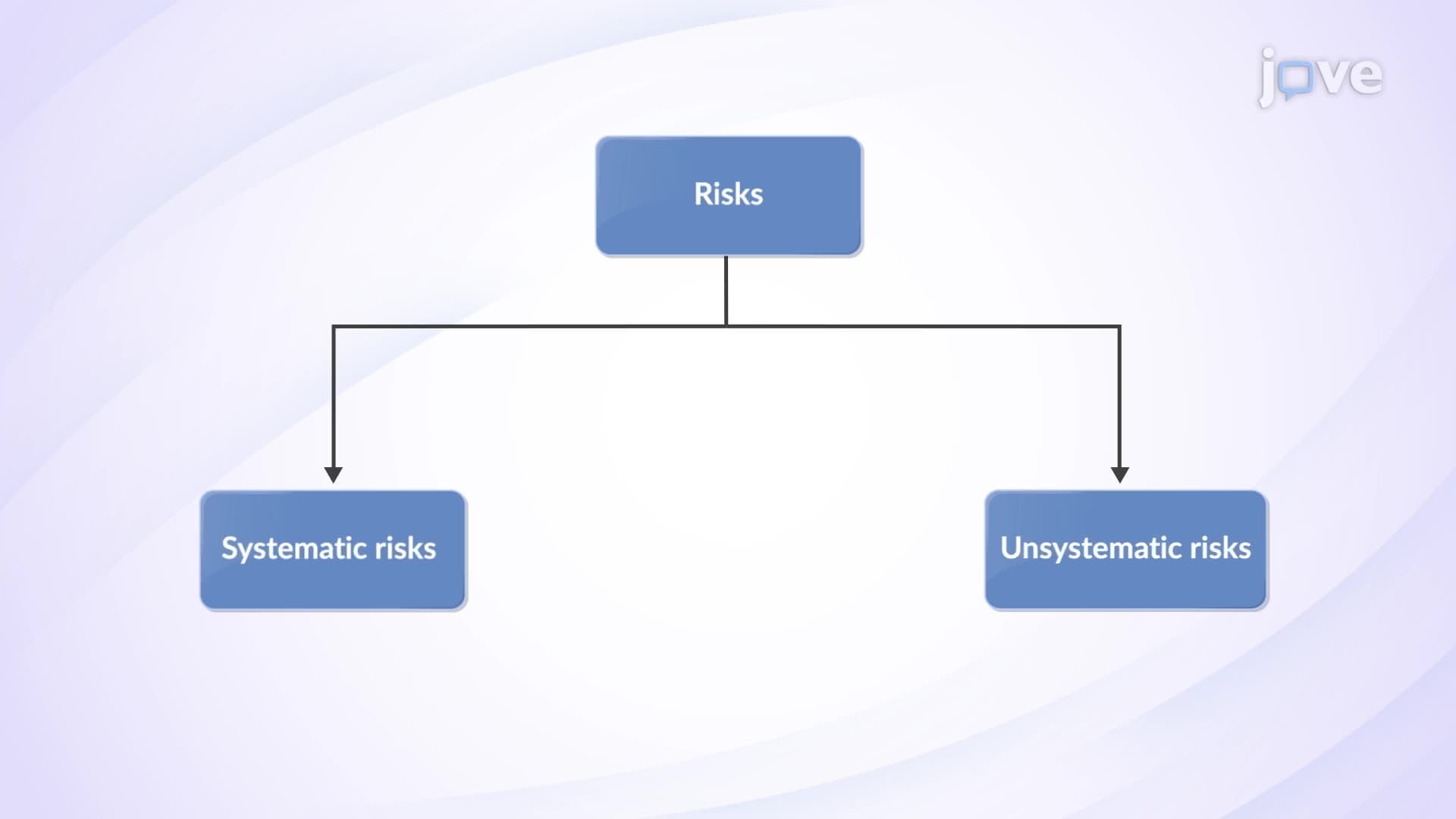
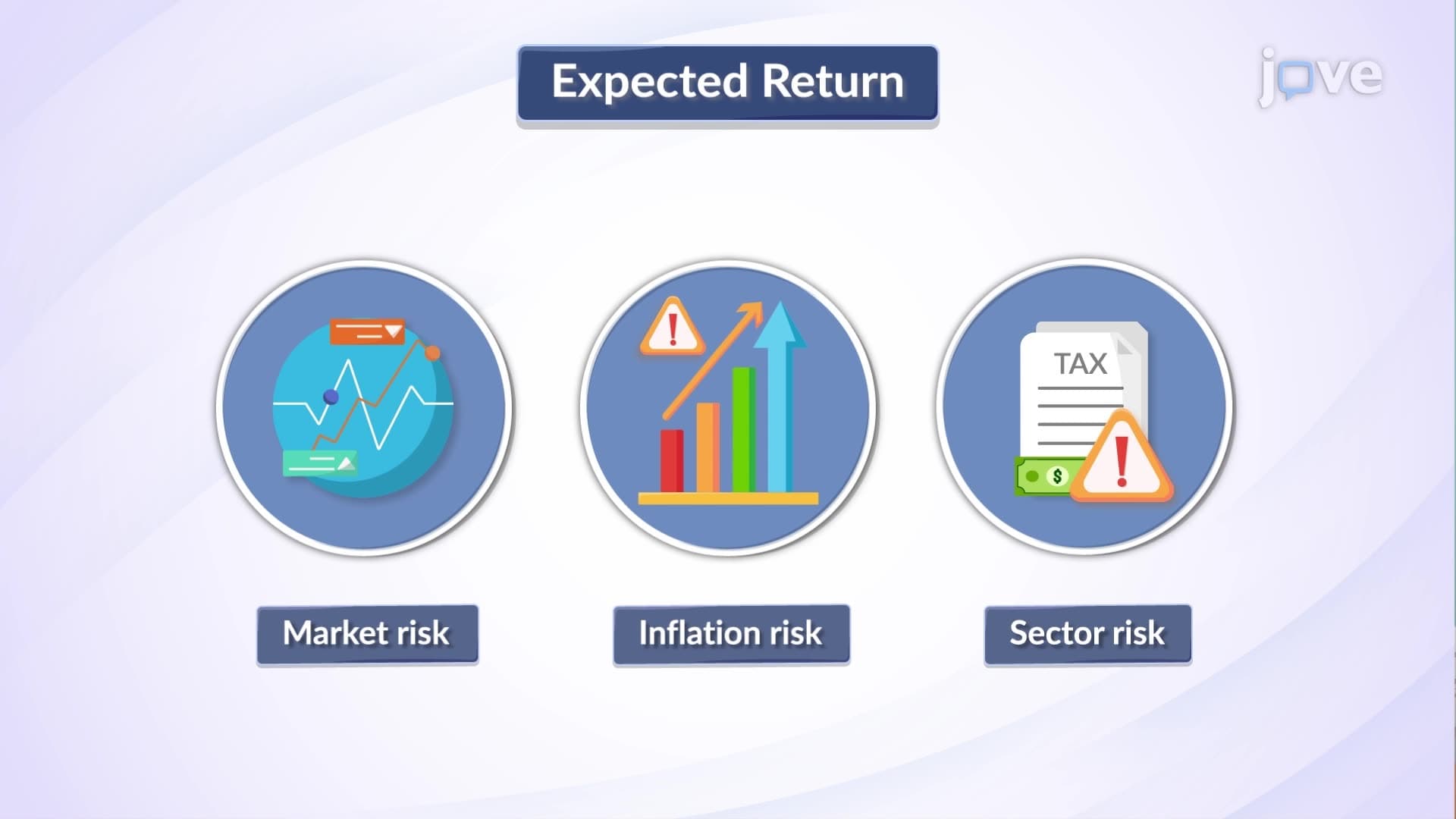
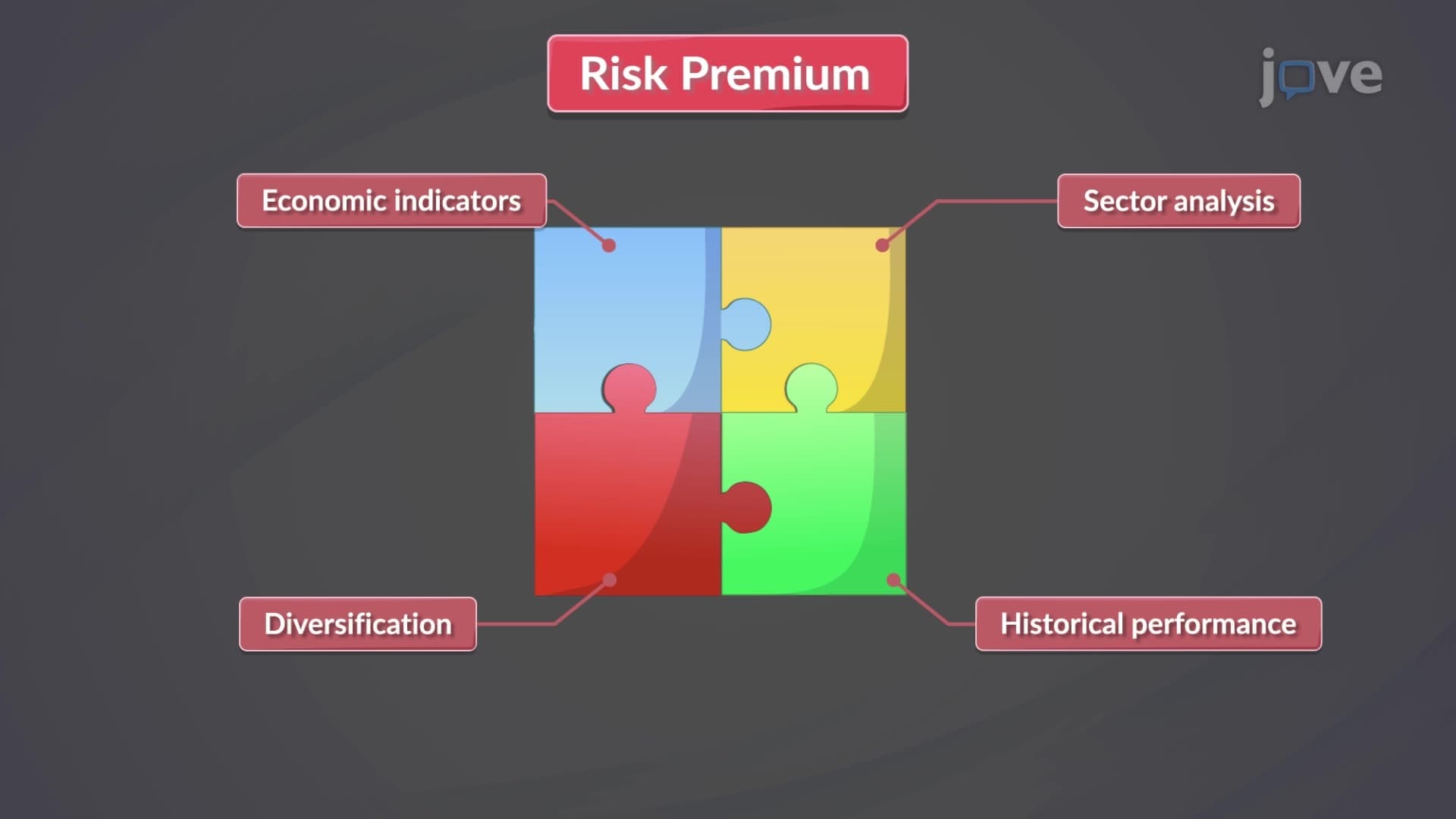
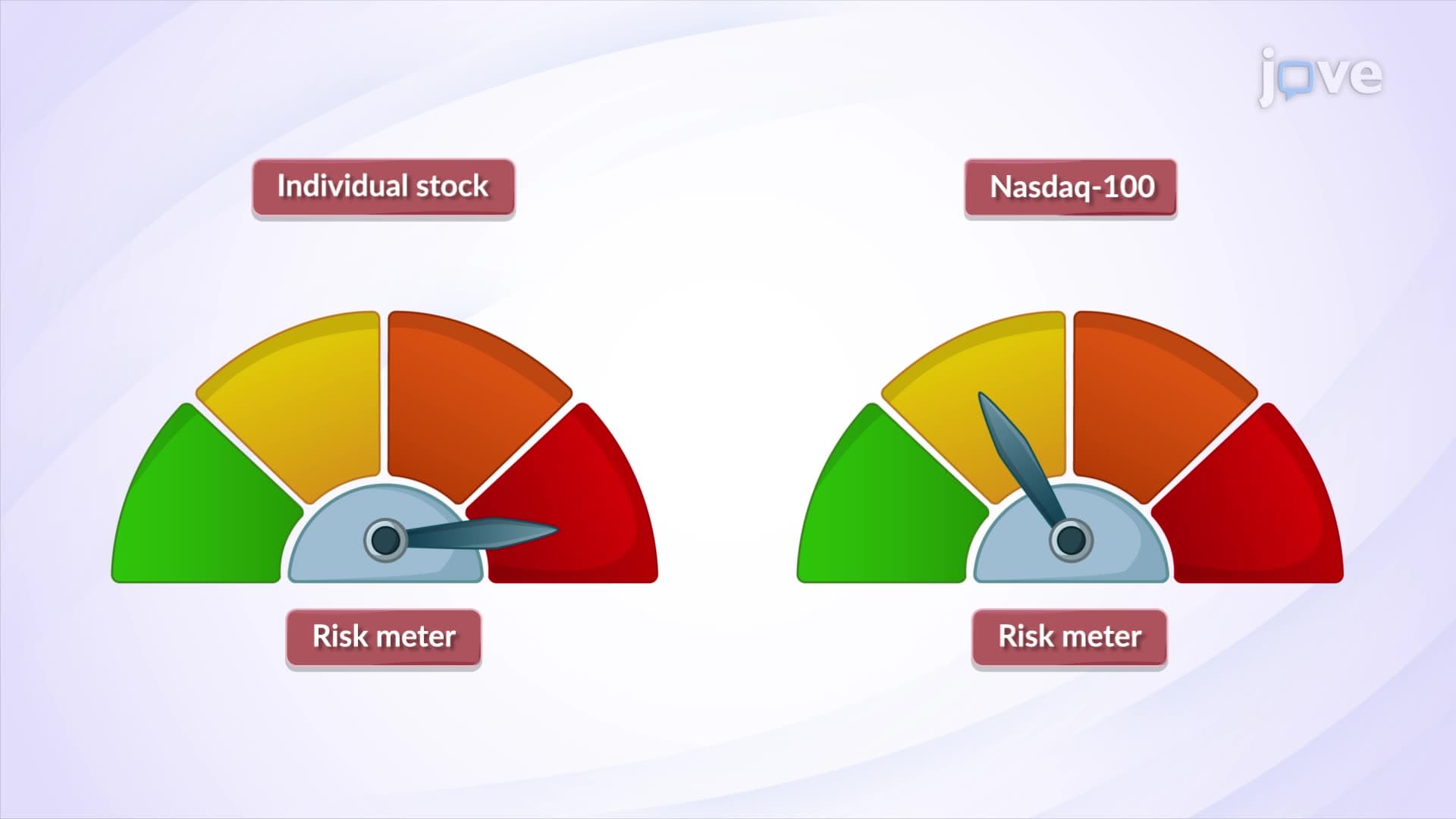
Professional investors and corporate strategists distinguish between systematic and unsystematic risks. Market risk affects entire sectors simultaneously—think of how rising interest rates impact all real estate investment trusts, or how supply chain disruptions affect multiple automotive manufacturers. The 2008 financial crisis demonstrated market risk when virtually all financial stocks declined regardless of individual bank performance.
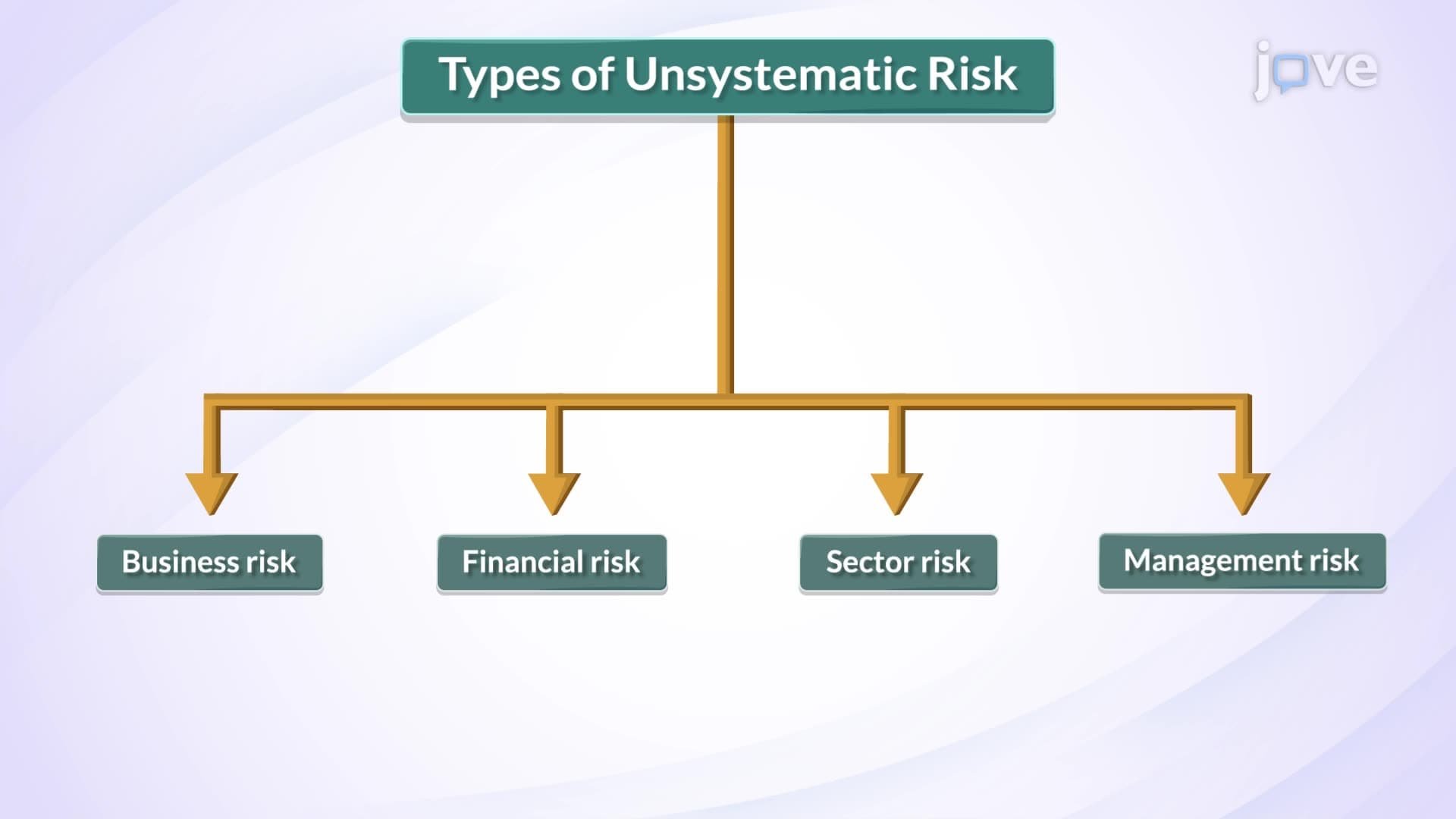
Company-specific operational risk stems from internal factors unique to individual organizations. When Wells Fargo faced regulatory penalties for unauthorized account creation, the bank's stock declined while competitors remained stable. Similarly, when a manufacturing company experiences quality control failures, its reputation and financial performance suffer independently of broader industry trends.
Successful executives implement systematic approaches to risk identification and mitigation. Diversification remains the cornerstone strategy—just as BlackRock diversifies across asset classes and geographies, business leaders spread operational risks across multiple revenue streams, supplier relationships, and geographic markets. Amazon exemplifies this approach, maintaining diverse business units from e-commerce to cloud computing, reducing dependence on any single profit center.
Professional risk management extends beyond intuition to rigorous analysis. Before Microsoft acquired LinkedIn for $26 billion, extensive due diligence examined financial statements, competitive positioning, regulatory compliance, and cultural integration challenges. This systematic approach helps executives quantify risks and structure transactions that protect shareholder value while pursuing growth opportunities.
Frequently Asked Questions
Risk is the uncertainty that actual business outcomes will differ from your expected results, potentially causing financial losses or missed opportunities. It's present in every strategic decision, from hiring key personnel to launching new products. Understanding risk helps you make informed choices about resource allocation and strategic priorities.
Start by categorizing potential risks into market-wide factors (economic recession, industry disruption) and company-specific issues (key employee departure, supplier problems). Build contingency scenarios into your financial projections and identify early warning indicators. Present risk-adjusted forecasts that show both optimistic and conservative outcomes to help leadership make informed decisions.
Recommend diversification when your organization shows dangerous concentration in customer base, revenue streams, or supplier relationships. If one client represents over 30% of revenue, or a single product drives most profits, diversification reduces vulnerability. Present specific expansion opportunities that align with core competencies while spreading operational risk.
Amazon leveraged its existing technology infrastructure and gradually scaled AWS while maintaining its core e-commerce business. This approach allowed them to test market demand without betting the entire company on an unproven concept. The diversification strategy ultimately created a massive new revenue stream that now generates higher margins than retail operations.
No advanced finance education is required—risk concepts apply across all business functions from marketing to operations. Focus on identifying uncertainty factors that could impact your department's performance and developing mitigation strategies. The key is systematic thinking about potential problems before they occur, which improves decision-making regardless of your functional expertise.
Risk awareness demonstrates strategic thinking skills that executives value in promotion decisions. Leaders who can anticipate problems, present balanced scenarios, and recommend mitigation strategies stand out during performance reviews. This capability becomes increasingly important in senior roles where decisions carry greater financial consequences.
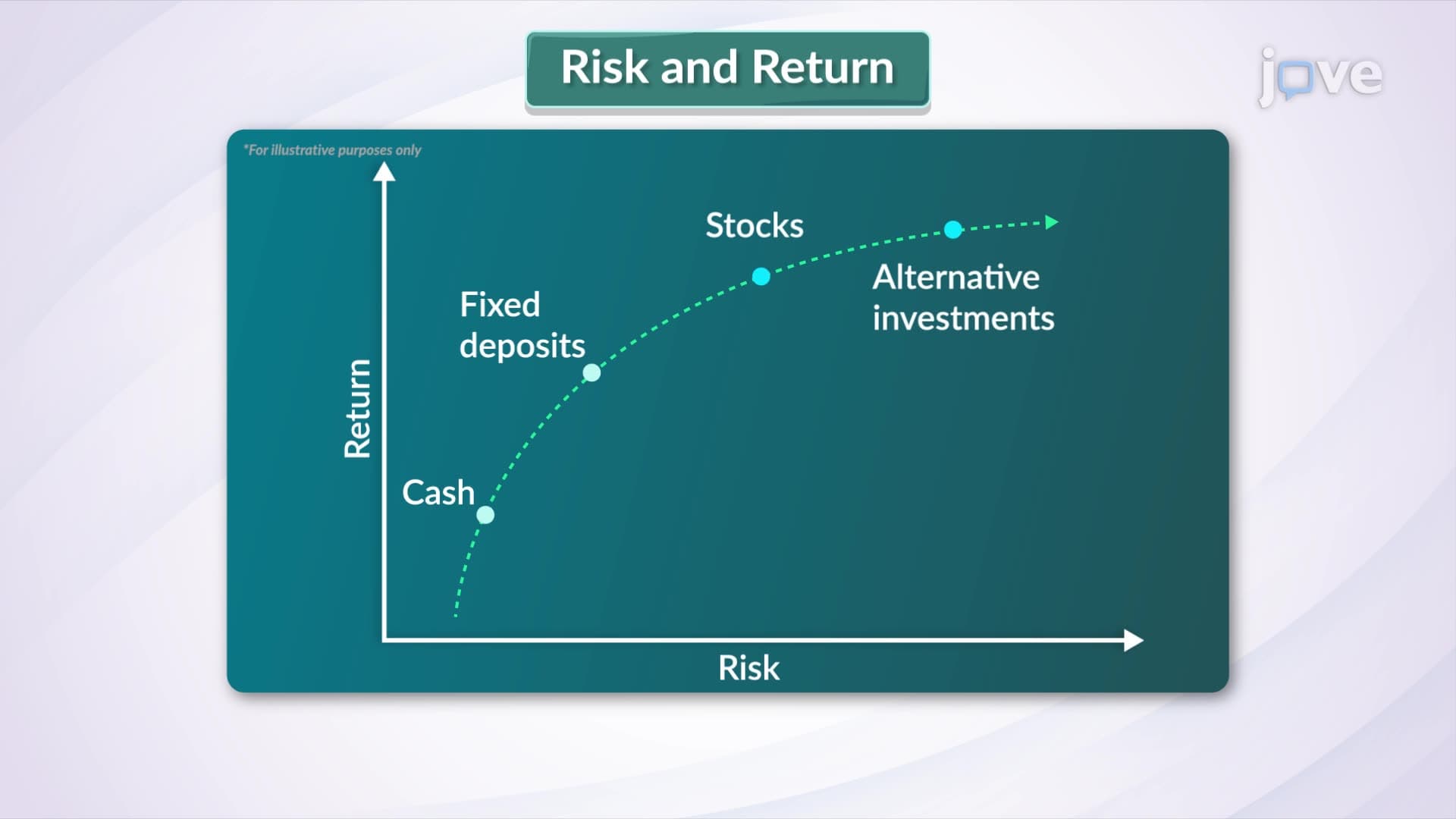
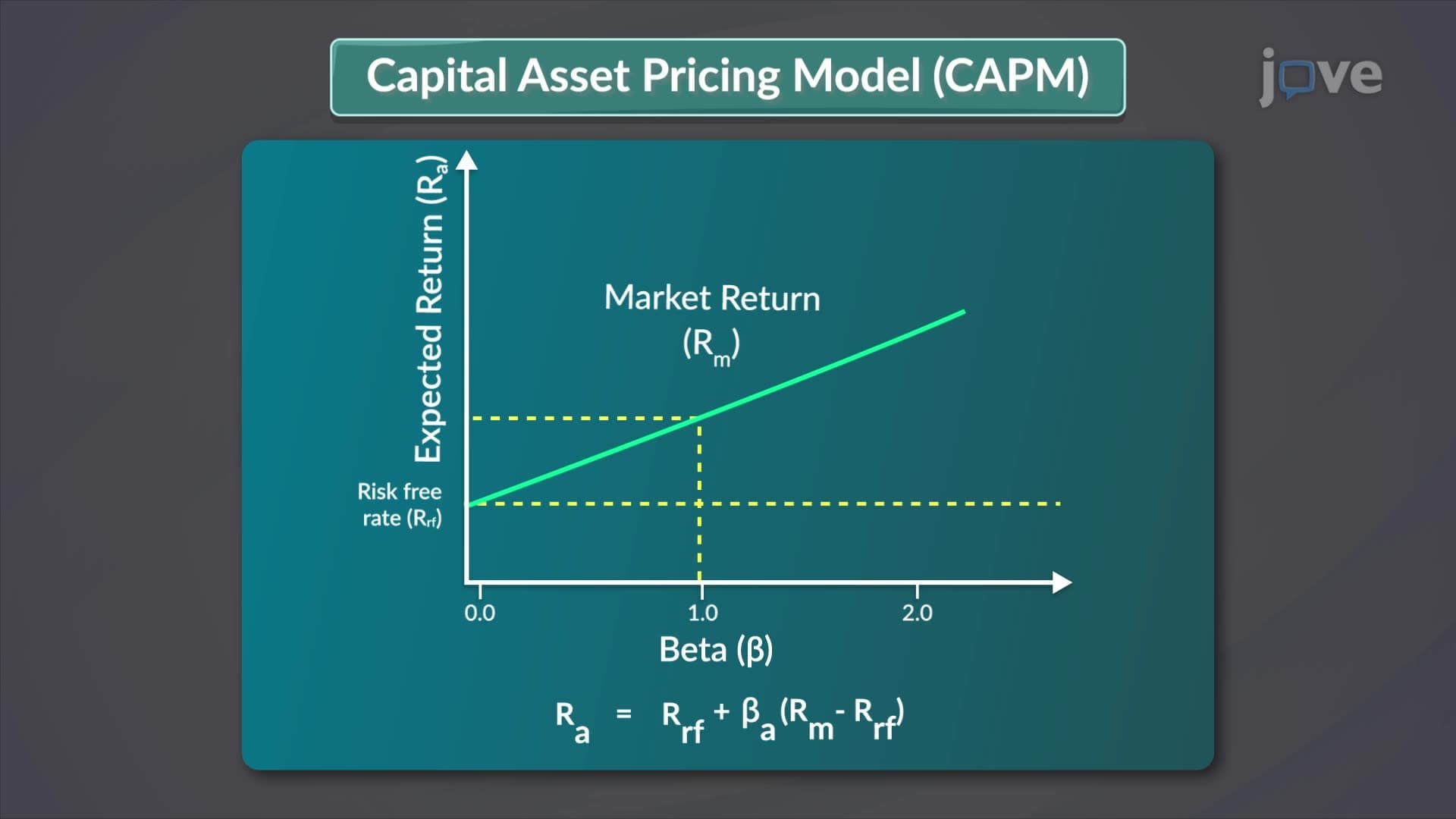
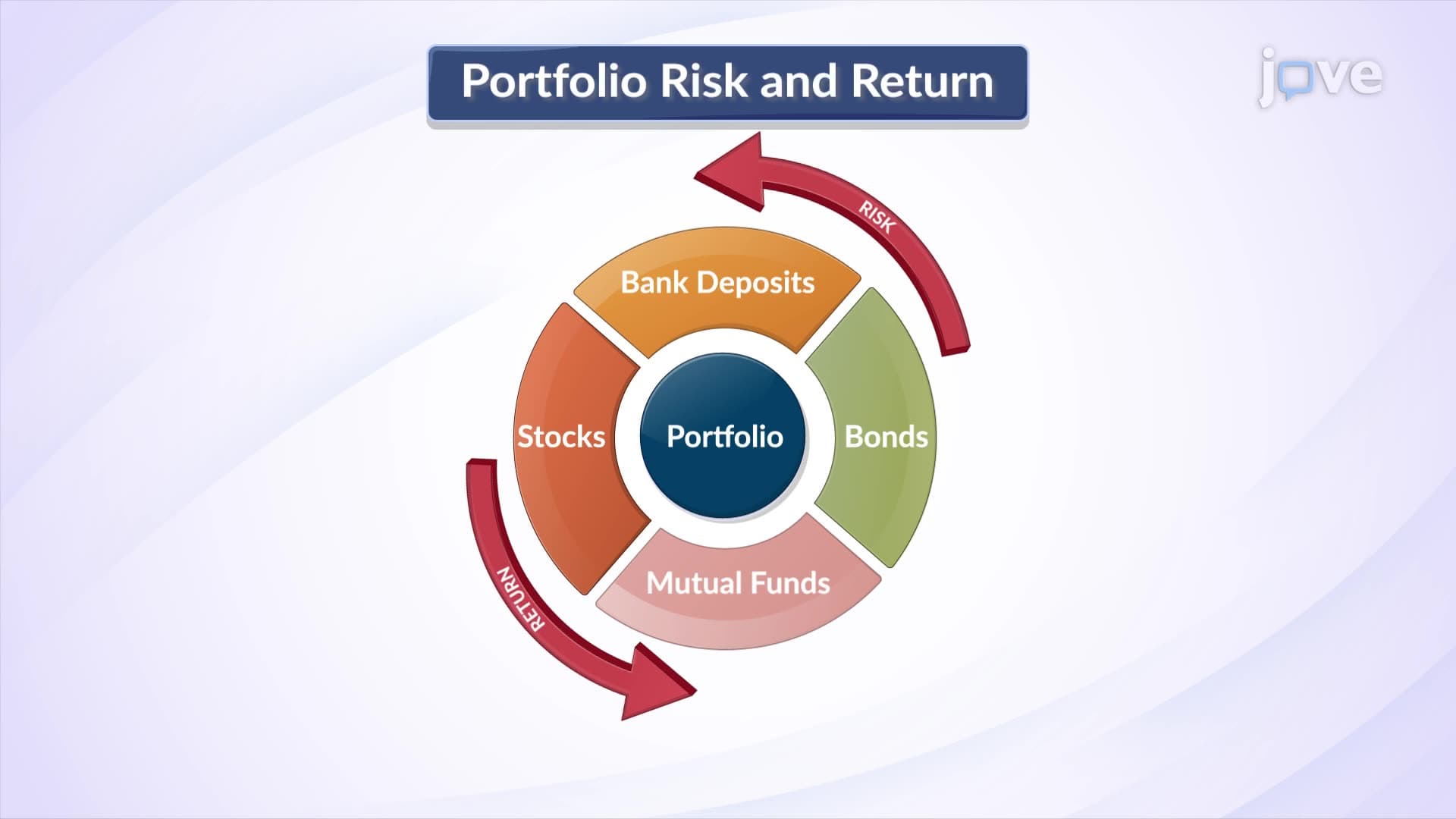
Risk management naturally leads to portfolio theory and capital allocation decisions. Understanding how to balance risk and return across different investment opportunities helps you contribute more effectively to strategic planning discussions and resource allocation meetings.
Related Micro-courses
Related Subjects