Loading…
Loading video…

6,514 views
When BlackRock's CEO Larry Fink makes billion-dollar asset allocation decisions, the relationship between risk return fundamentals guide every choice. The relationship between risk and return explained reveals why tech giants like Amazon command higher investor premiums than utility stocks—higher uncertainty demands higher compensation. This core principle shapes everything from venture capital portfolios to corporate treasury strategies. Working professionals across finance, strategy, and operations must master this tradeoff to optimize business decisions and personal wealth building. Watch the full video on JoVE Coach to master this concept with expert-led visuals and step-by-step explanations.
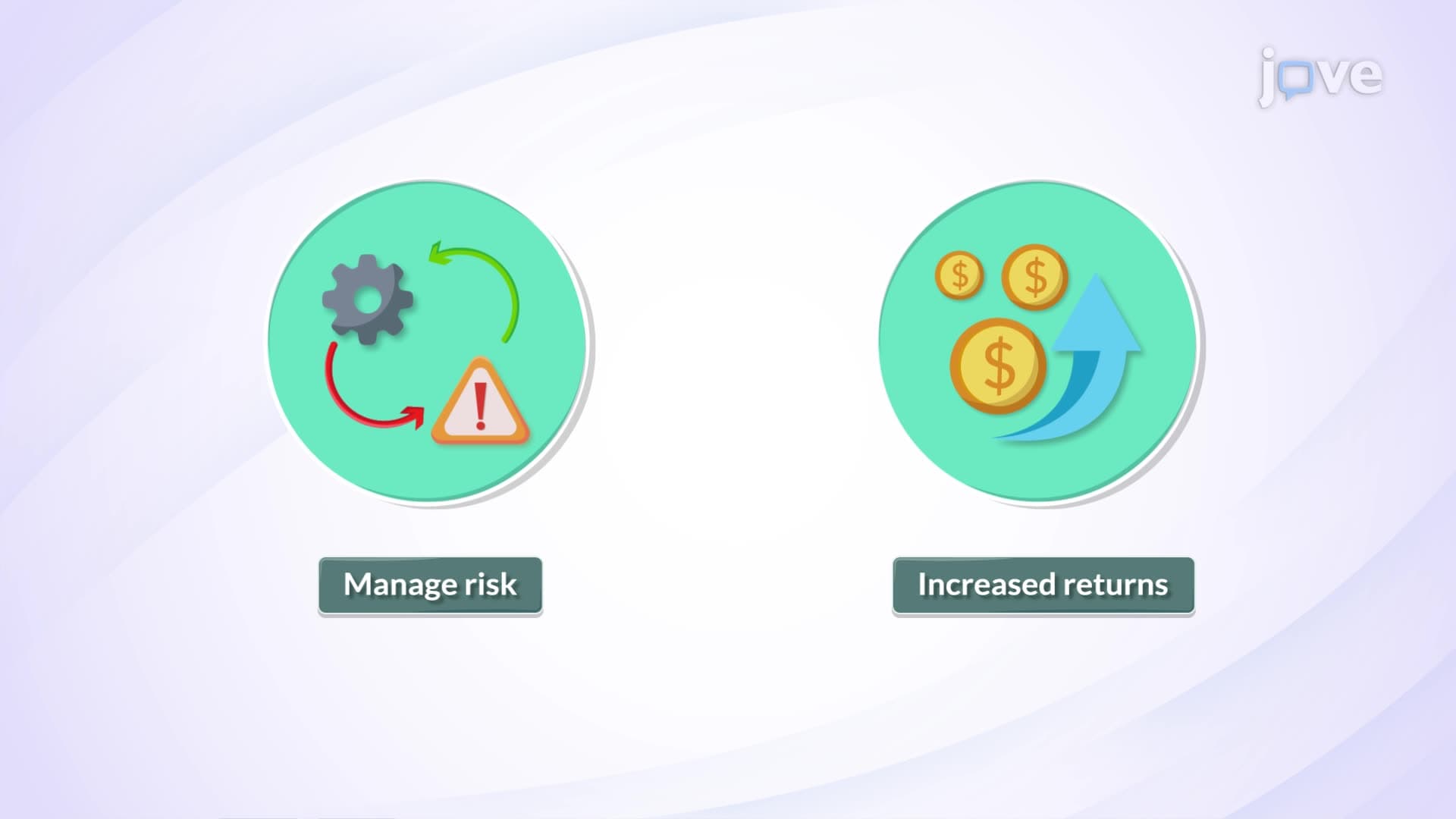
Corporate treasurers at companies like Microsoft face this fundamental principle daily: accepting higher uncertainty to achieve superior returns, or choosing stability at the cost of growth potential. This relationship between risk and return forms the backbone of every significant business decision, from merger acquisitions to product development funding.
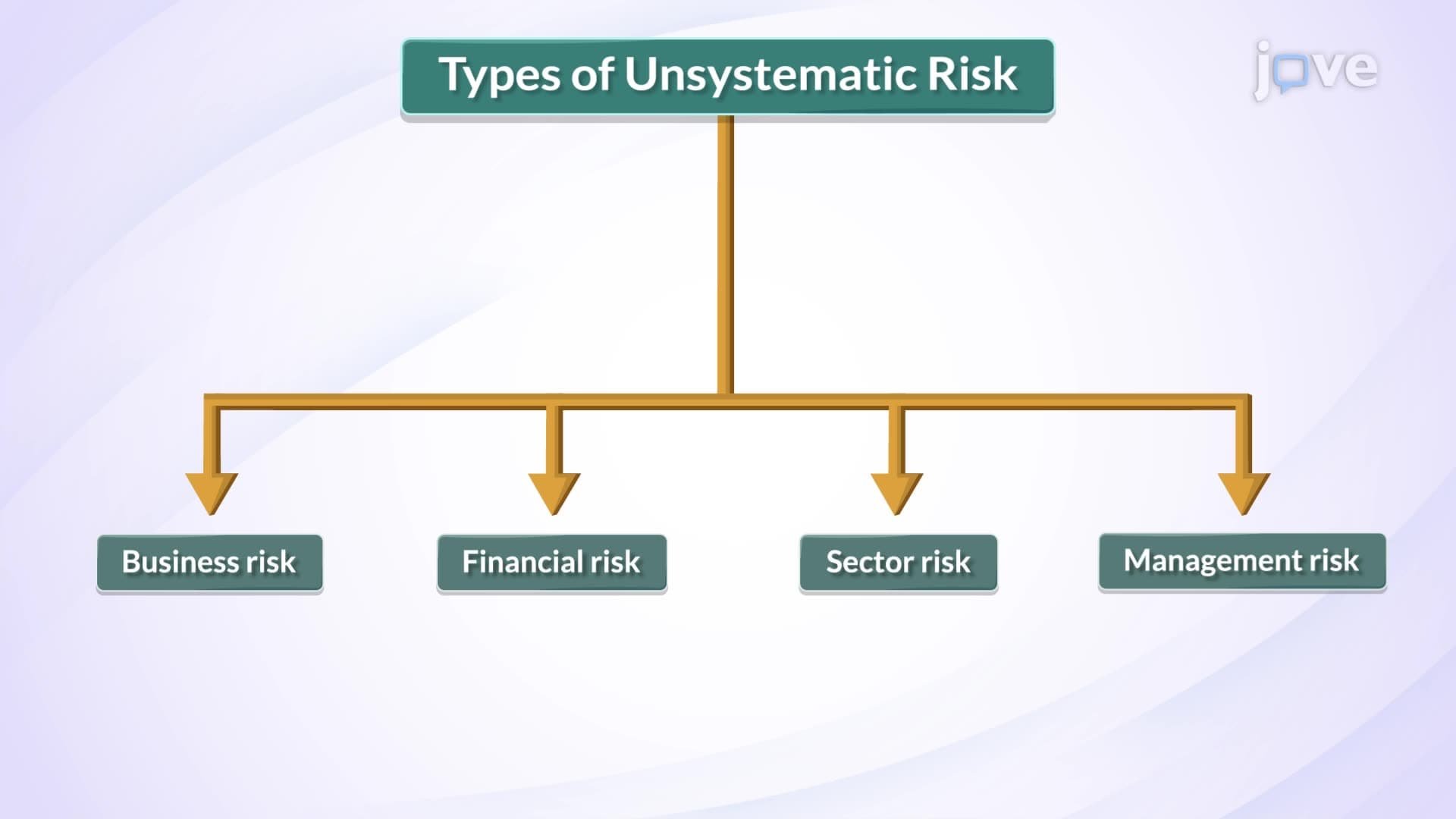
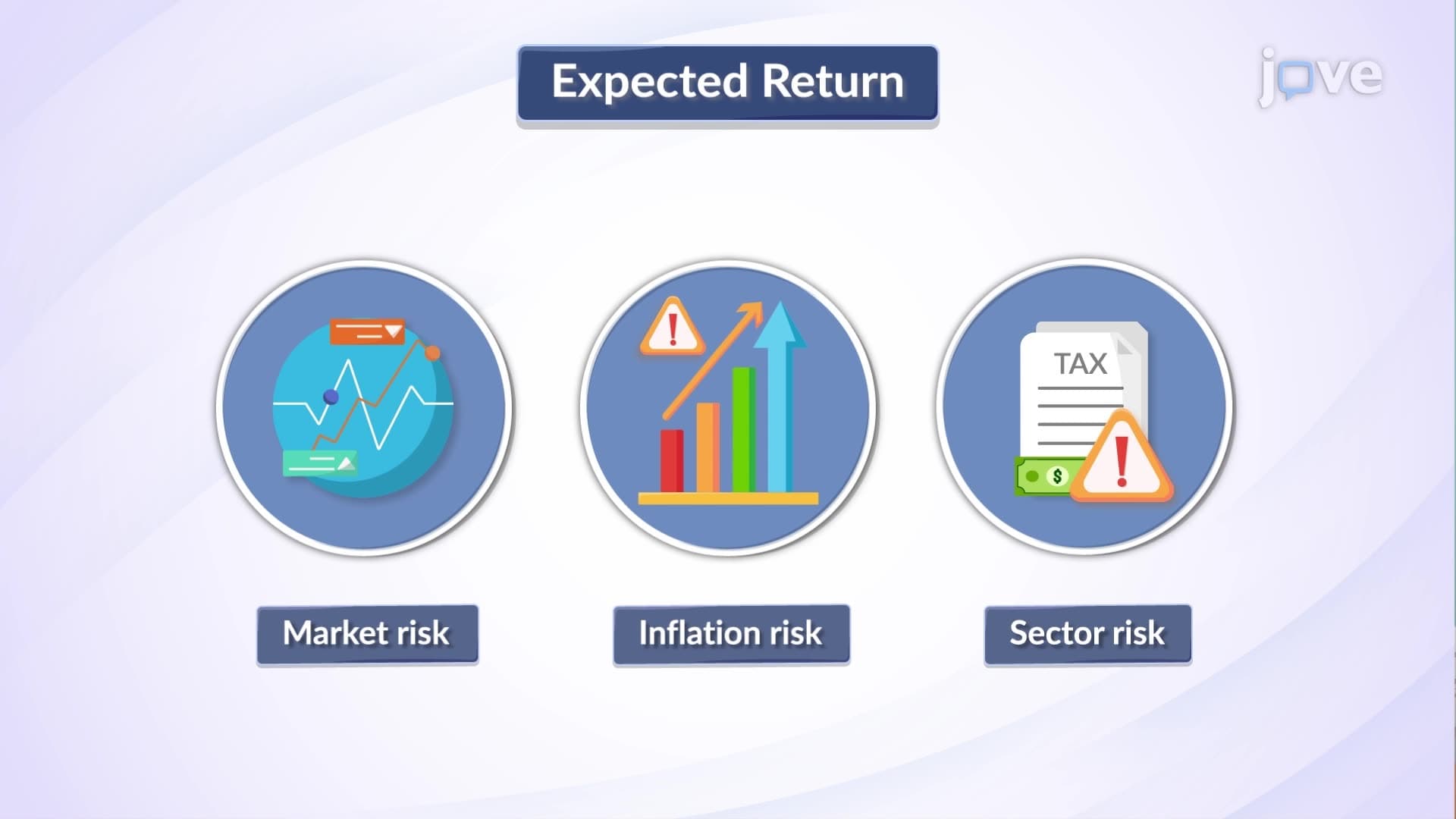
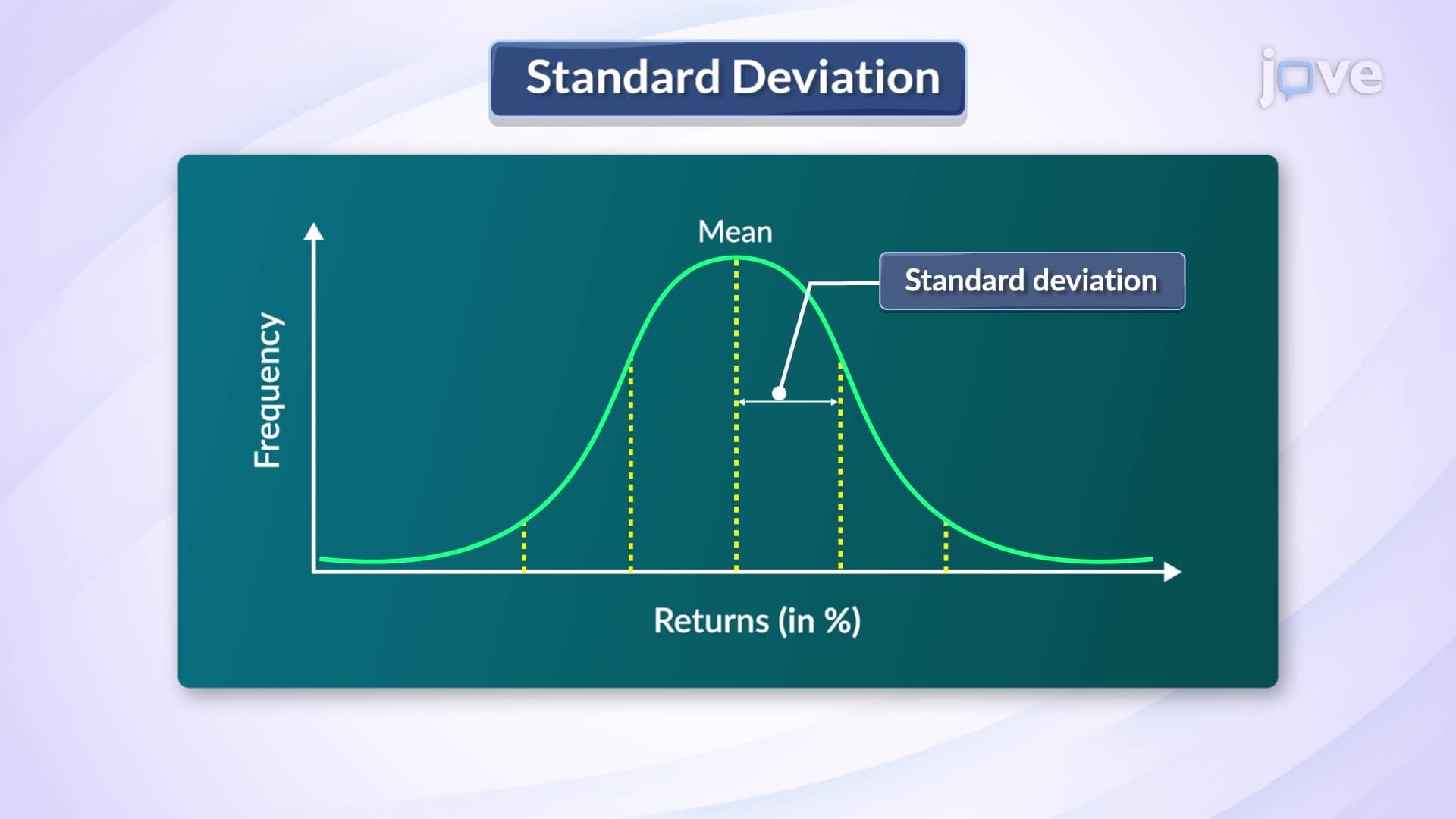
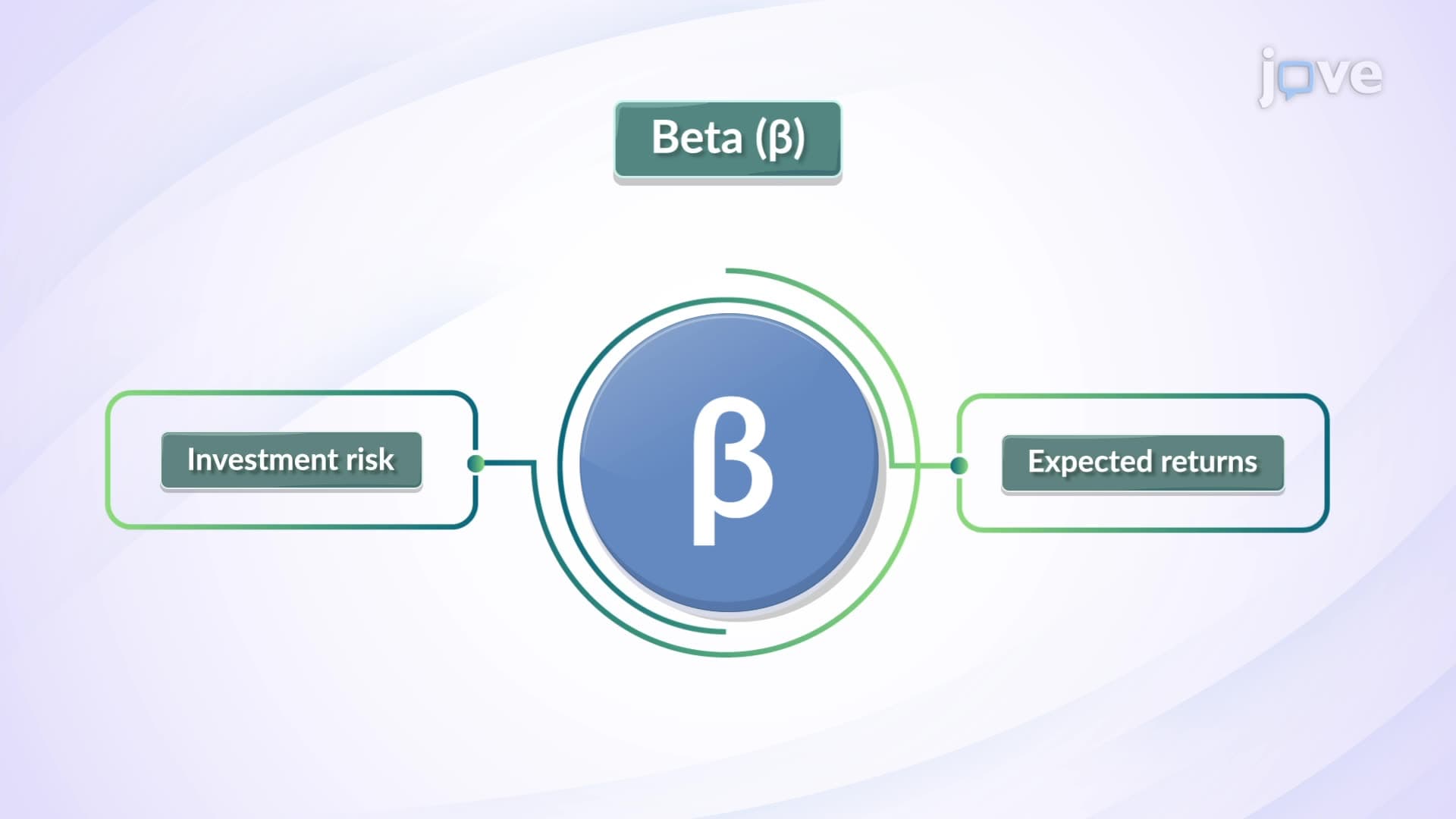
Risk encompasses more than simple volatility—it represents the probability that actual outcomes will deviate from projected performance. When Berkshire Hathaway's Warren Buffett evaluates potential investments, he's measuring multiple risk dimensions: market risk, credit risk, operational risk, and regulatory changes. Professional investors must quantify these uncertainties using metrics like standard deviation, beta coefficients, and value-at-risk models.
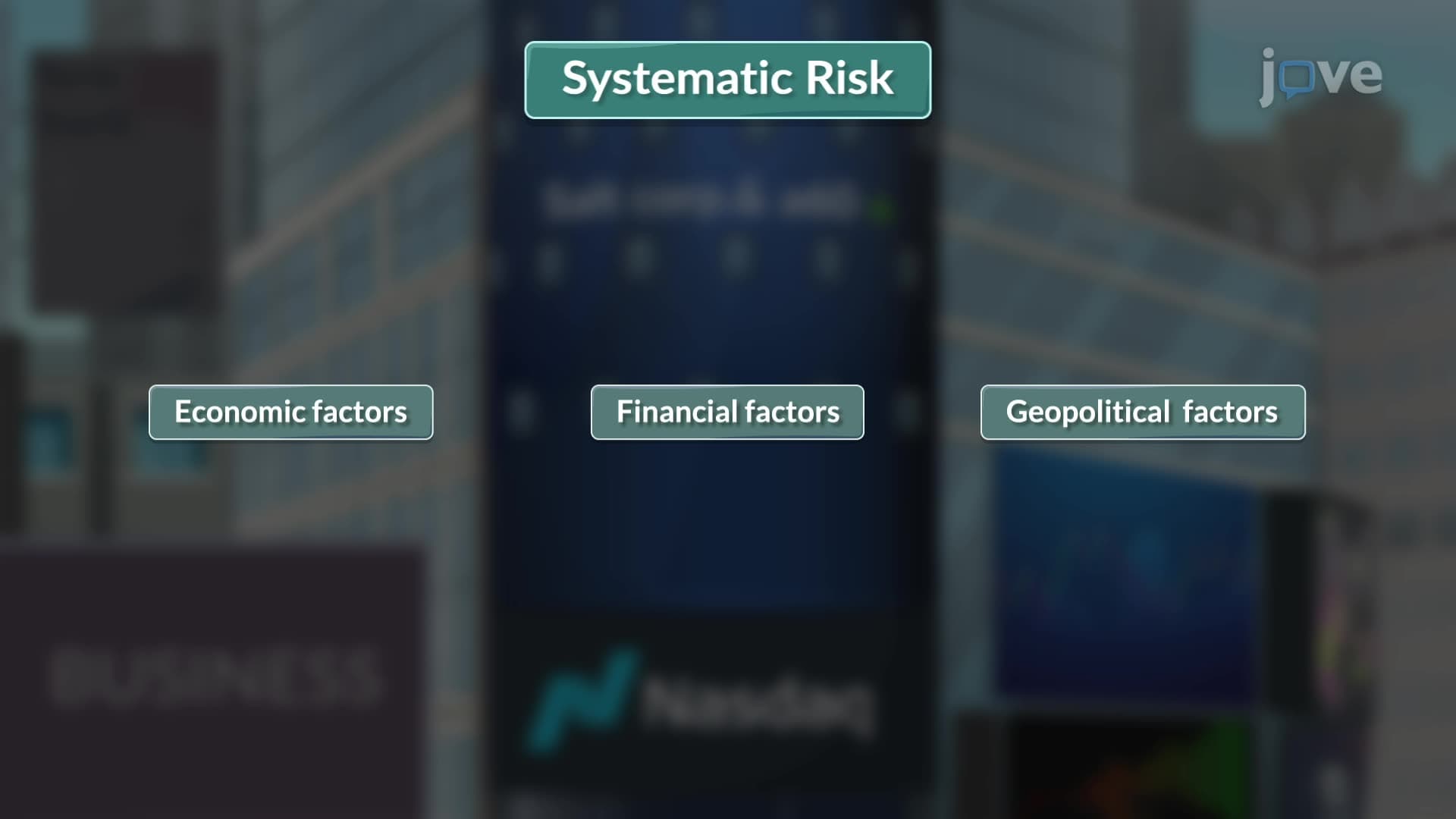
The what is relationship between risk and return question becomes critical during economic transitions. Consider how rising interest rates impact different asset classes: while tech stocks face valuation pressure due to higher discount rates, financial institutions like JPMorgan Chase often benefit from improved net interest margins.
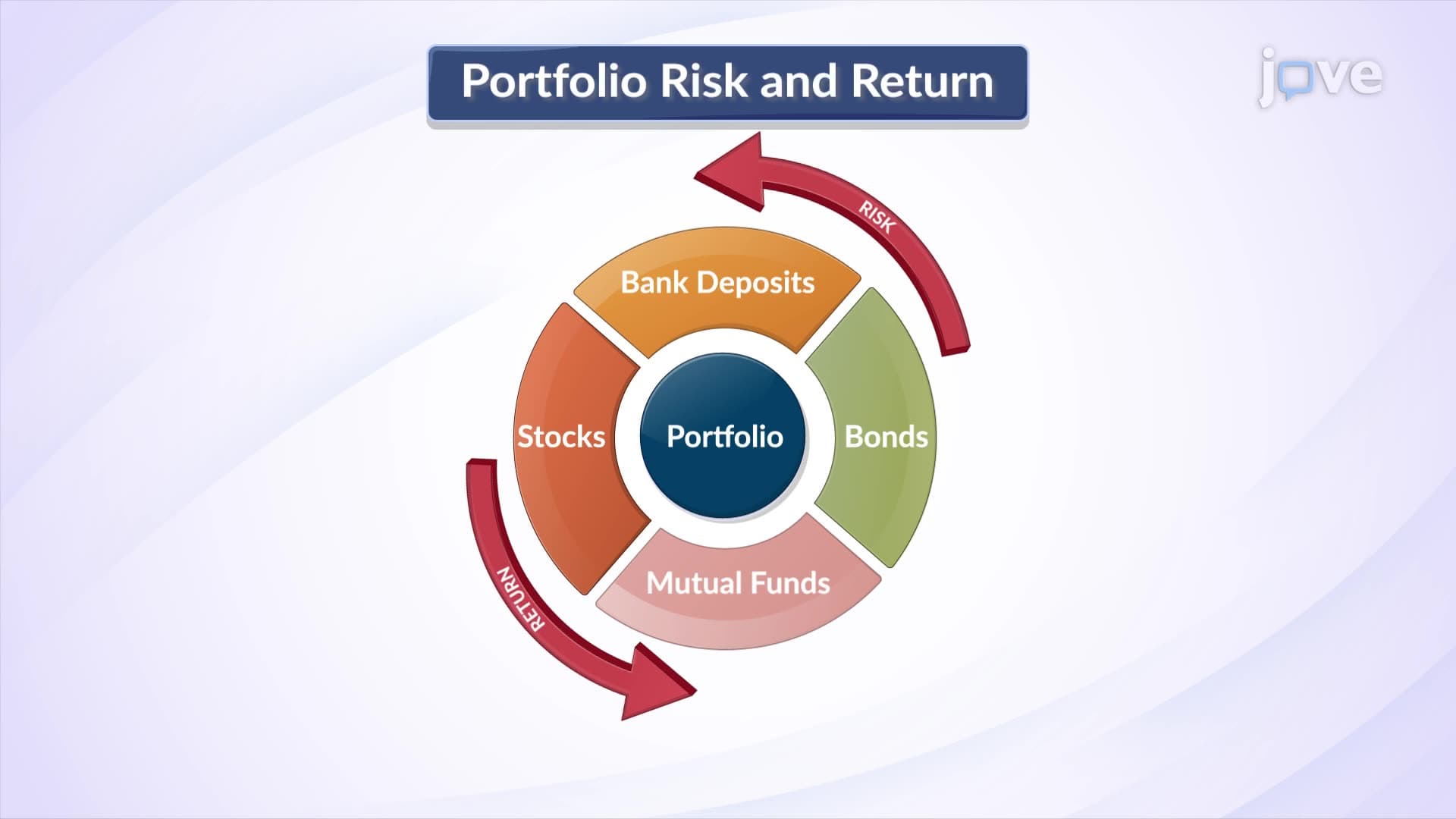
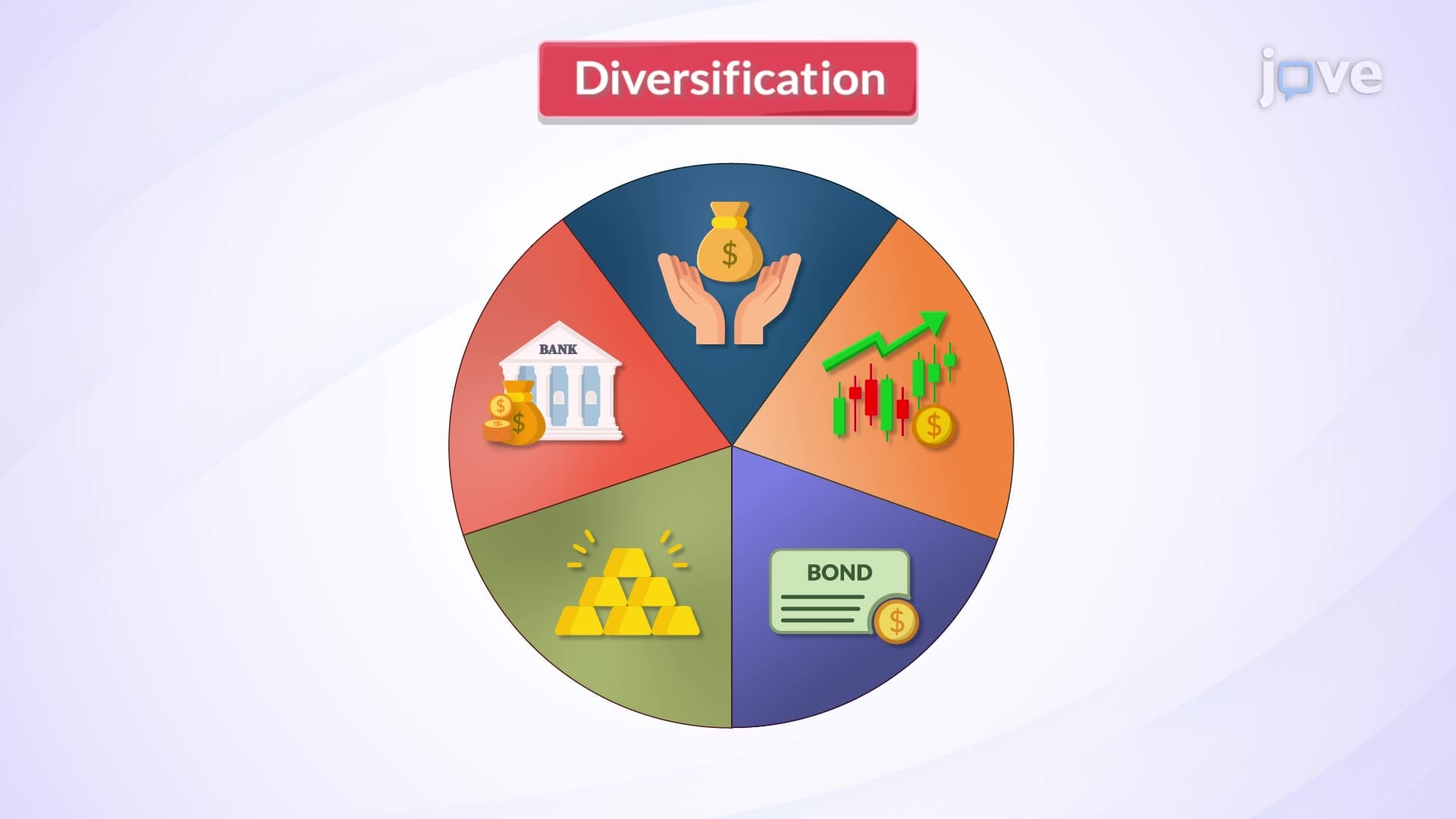
Modern portfolio theory demonstrates that diversification can reduce overall risk without sacrificing returns—the only "free lunch" in finance. Corporate pension funds like those managed by Vanguard exemplify this principle by combining growth equities, fixed income, real estate investment trusts (REITs), and alternative investments.
Successful executives understand that risk tolerance varies with investment horizons and liquidity needs. Short-term operational cash might reside in Treasury bills or high-grade commercial paper, while long-term strategic reserves can pursue higher-risk growth opportunities through private equity or emerging market exposure.
The risk-return relationship directly impacts capital structure decisions. Companies like Apple maintain substantial cash reserves in low-risk securities, accepting minimal returns for maximum flexibility during strategic opportunities or market disruptions. Conversely, leveraged buyout firms deliberately increase risk through debt financing to amplify potential equity returns.
This fundamental principle also guides pricing strategies, vendor selection, and geographic expansion decisions. Each choice involves trading certainty for potential reward, requiring sophisticated risk assessment frameworks that account for competitive dynamics and market positioning.
Frequently Asked Questions
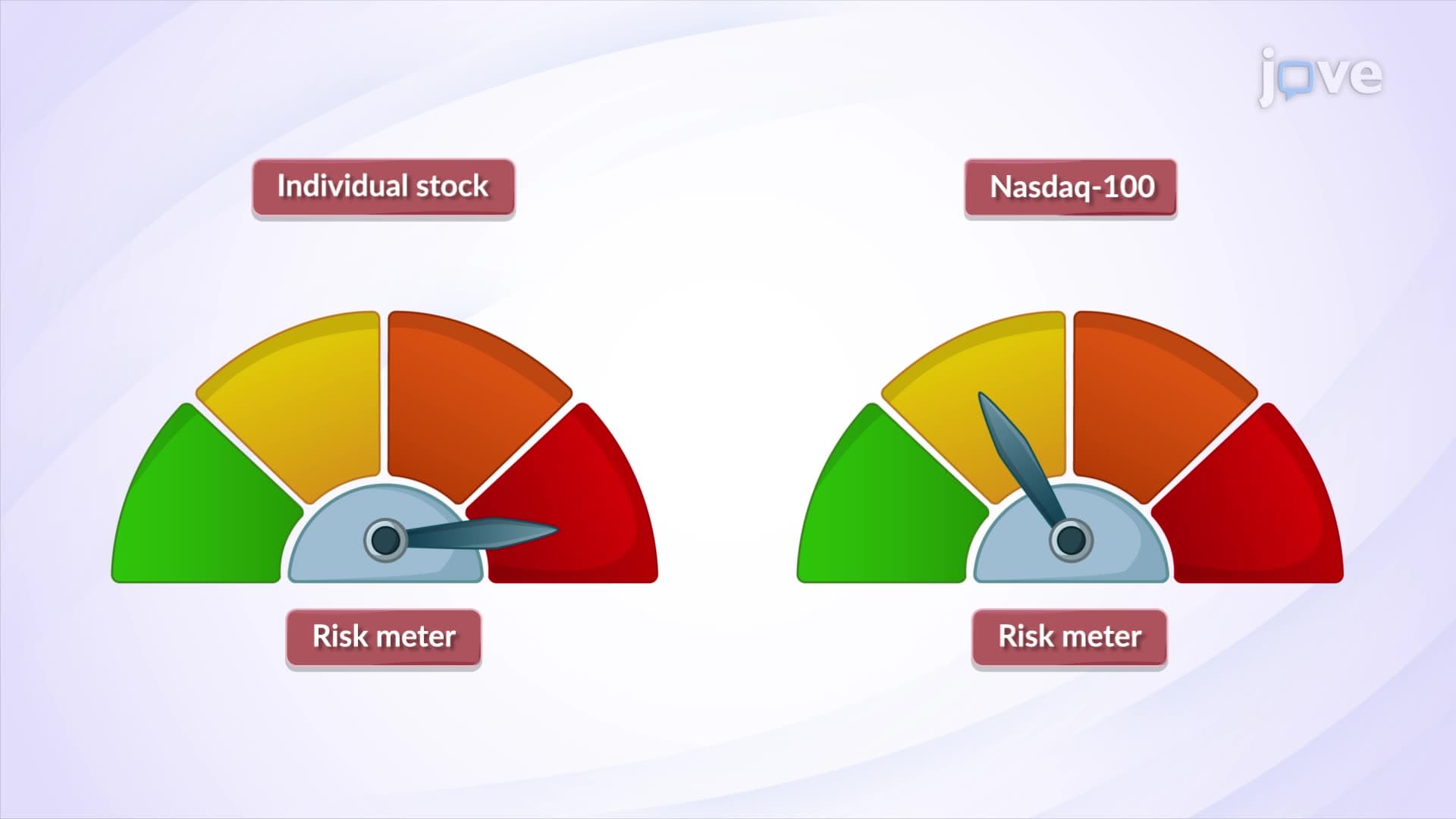
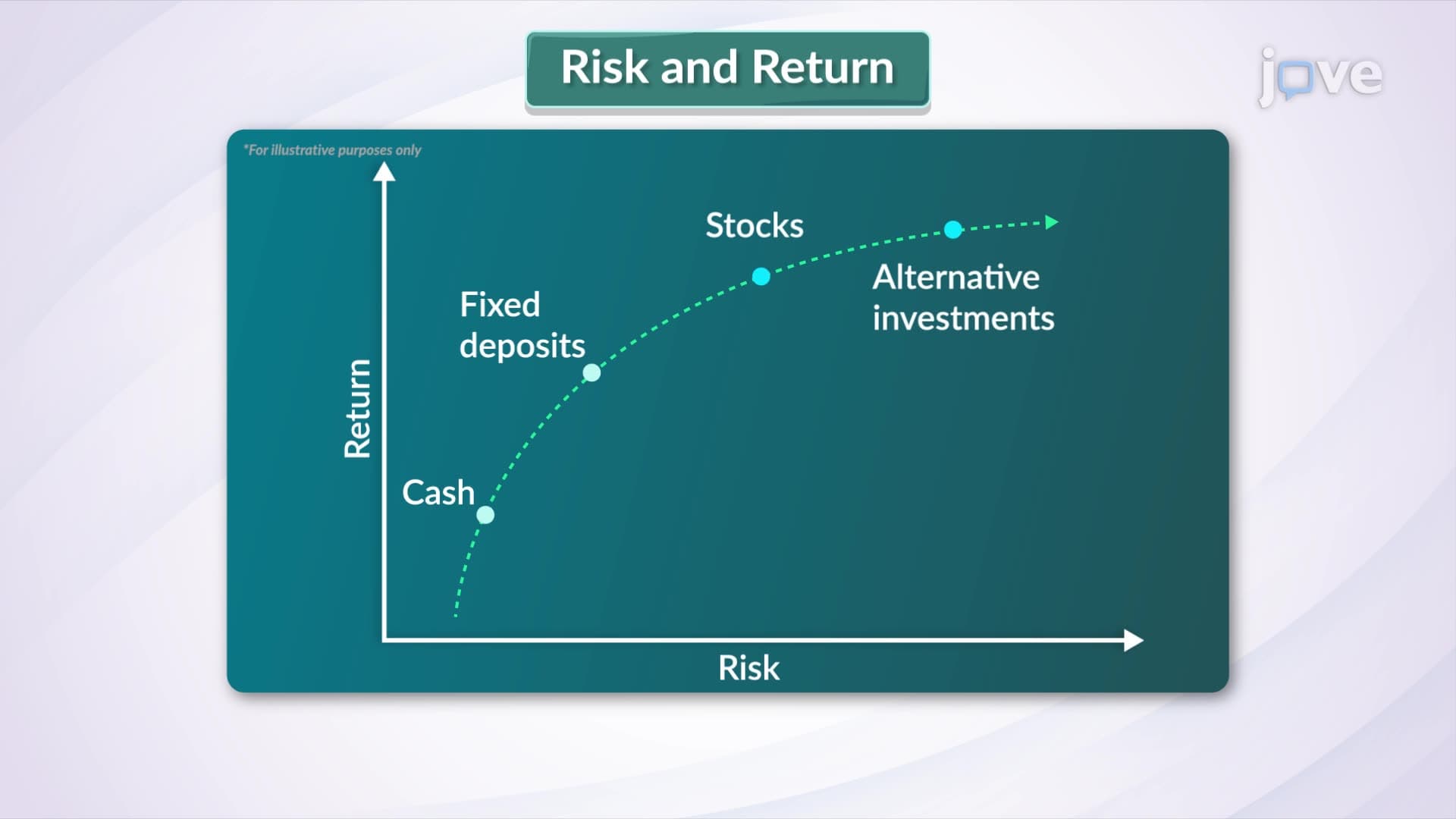
The relationship between risk and return establishes that higher-risk investments typically offer higher potential returns to compensate investors for accepting greater uncertainty. This fundamental principle explains why emerging market stocks generally provide higher expected returns than established blue-chip companies, and why venture capital investments command premium return expectations compared to government bonds.
Structure proposals using risk-adjusted metrics like Sharpe ratios and present multiple scenarios with probability weightings. Clearly articulate the downside protection measures and explain how the proposed risk level aligns with the company's strategic objectives and financial capacity. Include comparable investments from industry peers to provide context for the risk-return tradeoff.
Risk tolerance determines the acceptable variance between expected and actual returns across different time horizons. Companies with stable cash flows like Procter & Gamble can typically accept higher portfolio volatility than capital-intensive businesses with cyclical revenues. Understanding organizational risk capacity prevents overexposure during market downturns while ensuring adequate growth potential.
Amazon consistently accepts short-term profitability risks to capture long-term market share and revenue growth. Their cloud computing division (AWS) required massive upfront infrastructure investments with uncertain returns, but now generates substantial margins and competitive advantages. This demonstrates how strategic risk-taking can create sustainable competitive moats and premium valuations.
Absolutely—the risk-return relationship mirrors everyday decision-making patterns that all professionals navigate. The key is recognizing that every business choice involves trading certainty for opportunity, whether in hiring decisions, market expansion, or technology investments. Focus on understanding the underlying tradeoffs rather than complex mathematical formulations.
This expertise enables you to make more sophisticated resource allocation recommendations, participate meaningfully in strategic planning discussions, and build personal wealth more effectively. Employers value professionals who can evaluate opportunities holistically, balancing growth potential with downside protection across different business scenarios and market conditions.
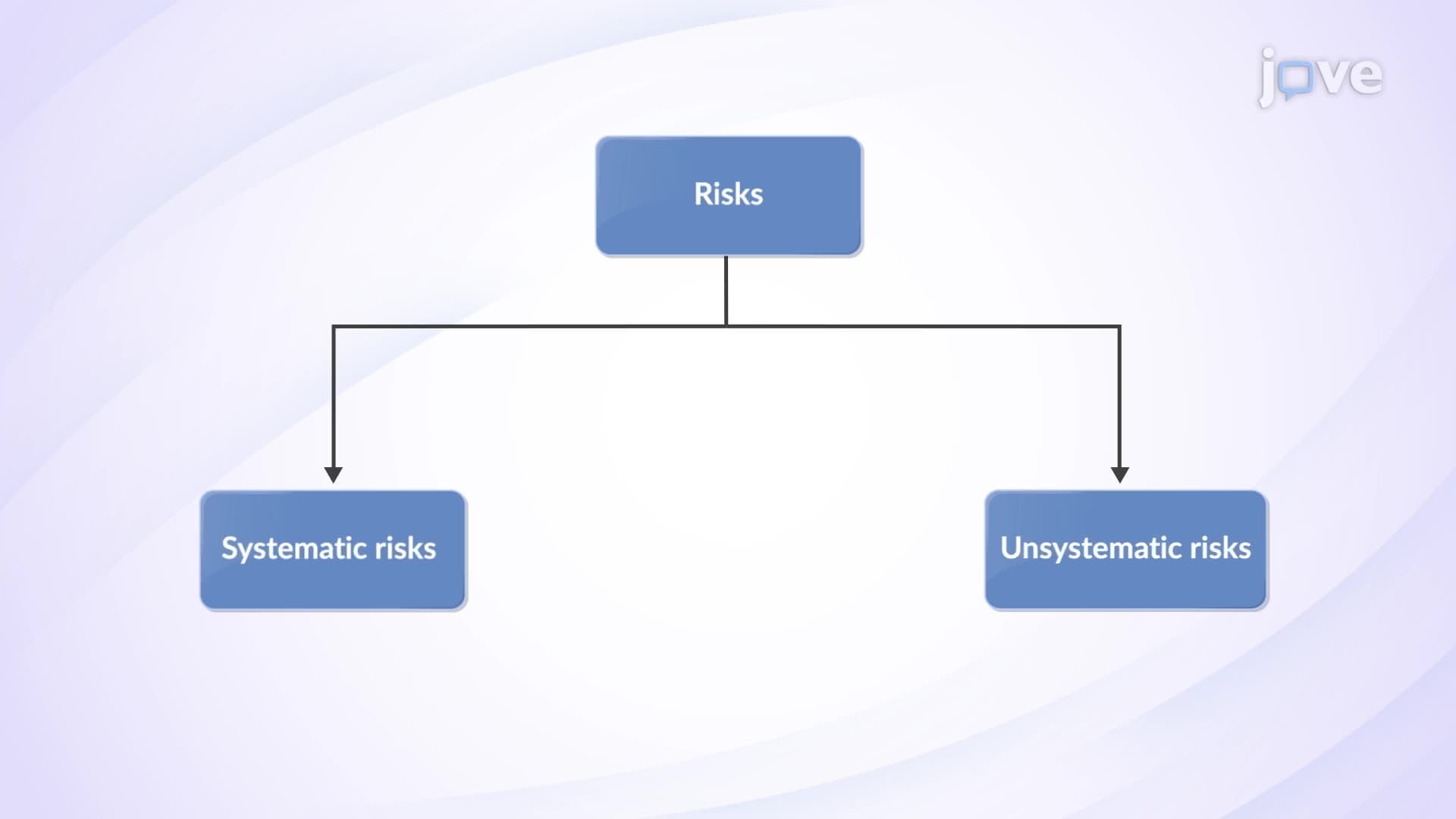
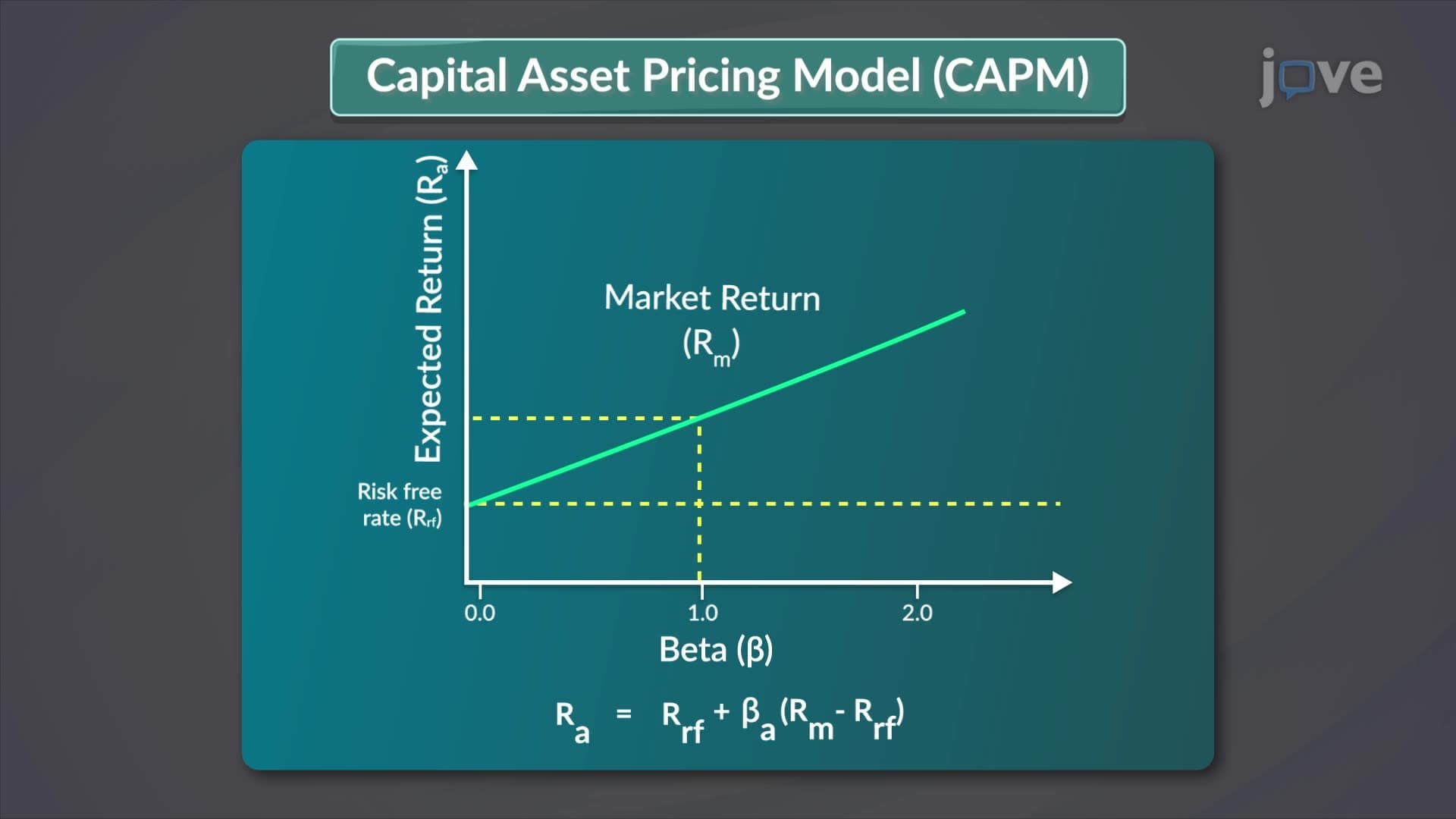
Modern Portfolio Theory and the Capital Asset Pricing Model (CAPM) provide frameworks for optimizing risk-adjusted returns across multiple assets. These concepts help explain how diversification reduces portfolio risk and how systematic versus idiosyncratic risk factors influence expected returns in different market environments.
Rising interest rates increase the opportunity cost of holding risky assets, as safer government securities offer more attractive yields. This typically compresses valuations for growth stocks while benefiting financial sector companies through improved lending margins. Understanding these dynamics helps predict sector rotation patterns and optimal asset allocation timing.
Related Micro-courses
Related Subjects