- Finance
- Financial Markets and Instruments
Micro-courses:17

Financial Markets and Instruments
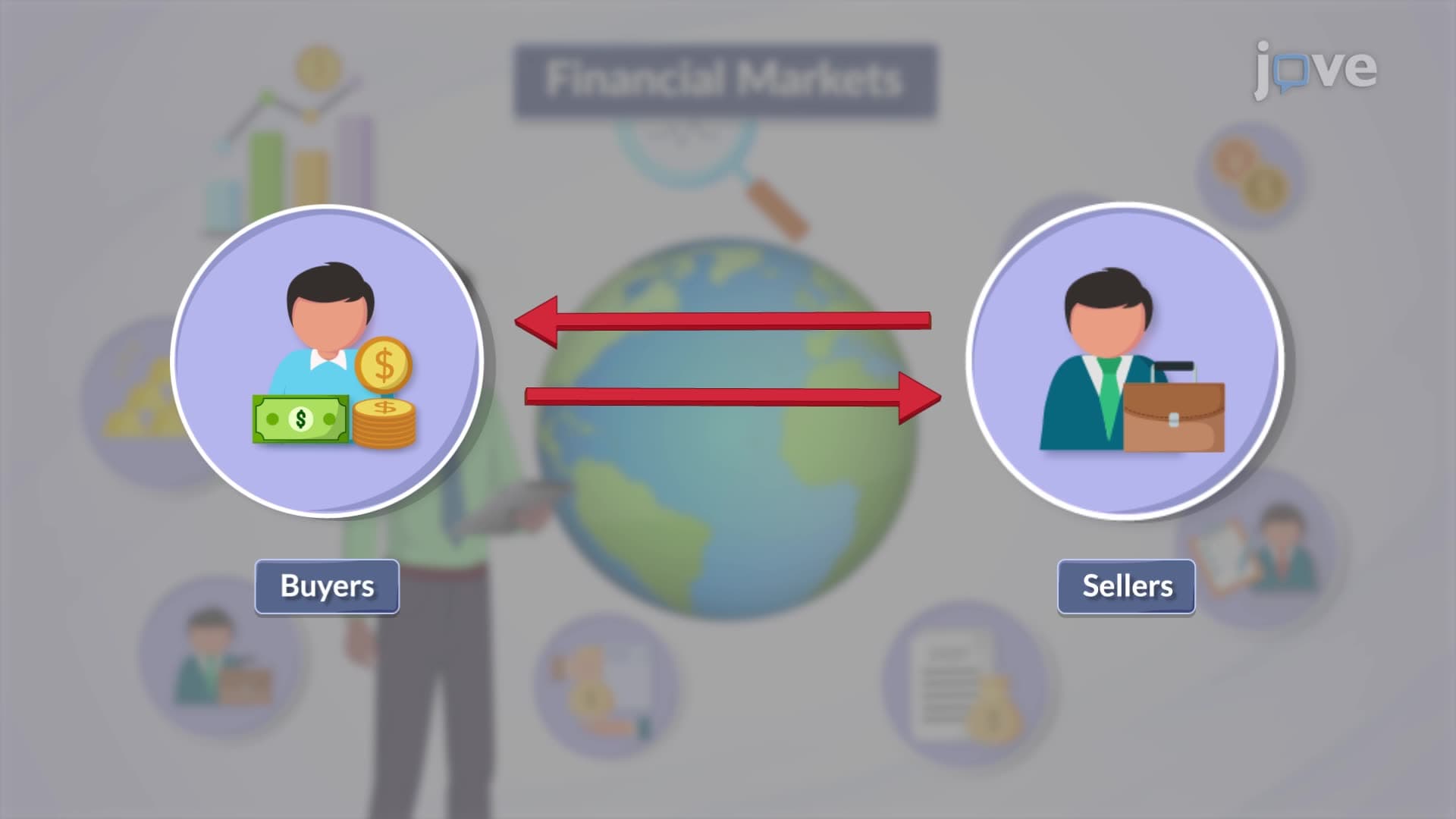
1. Introduction to Financial Markets
2. Money Market
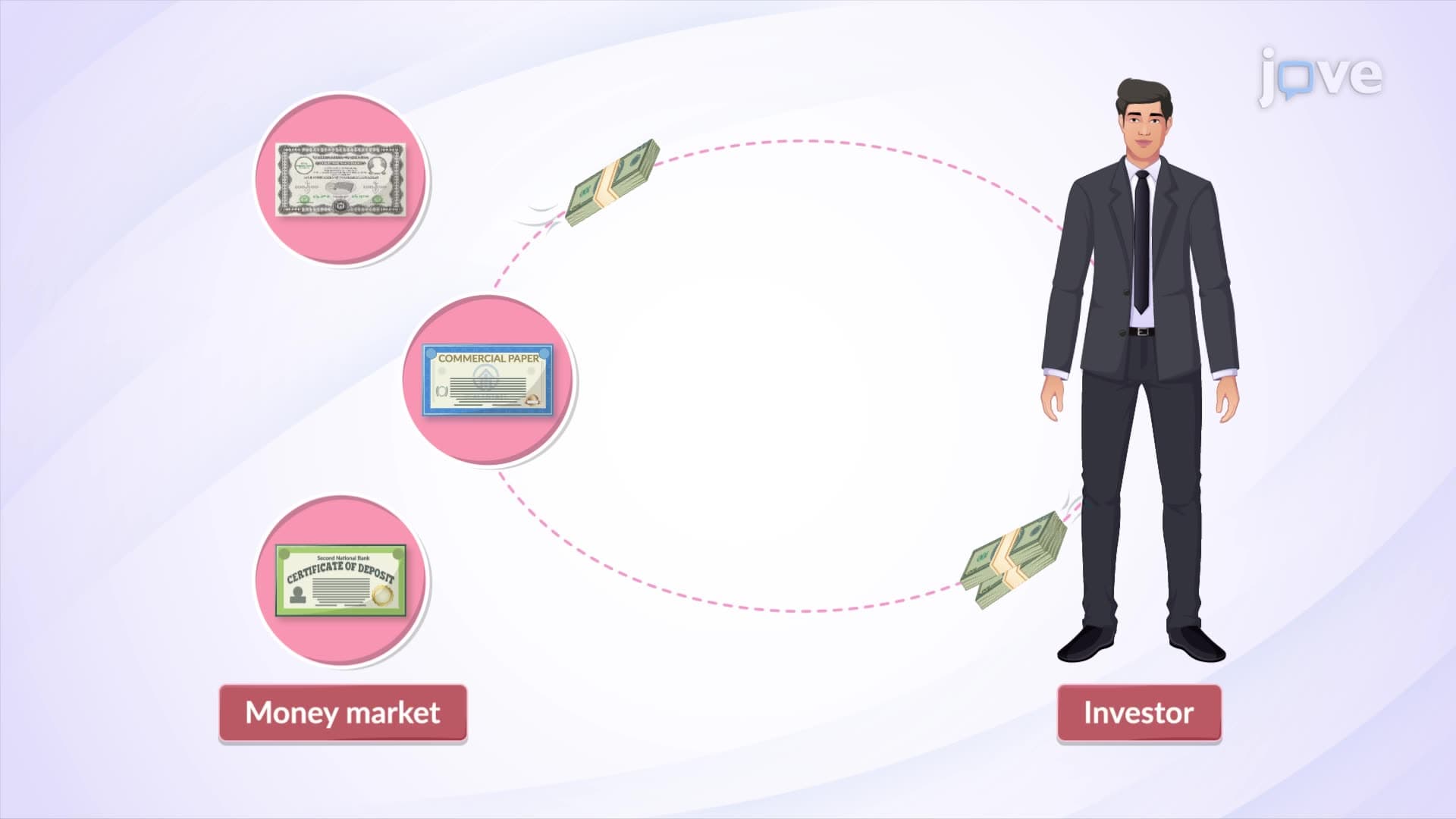
3. Money Market Instruments
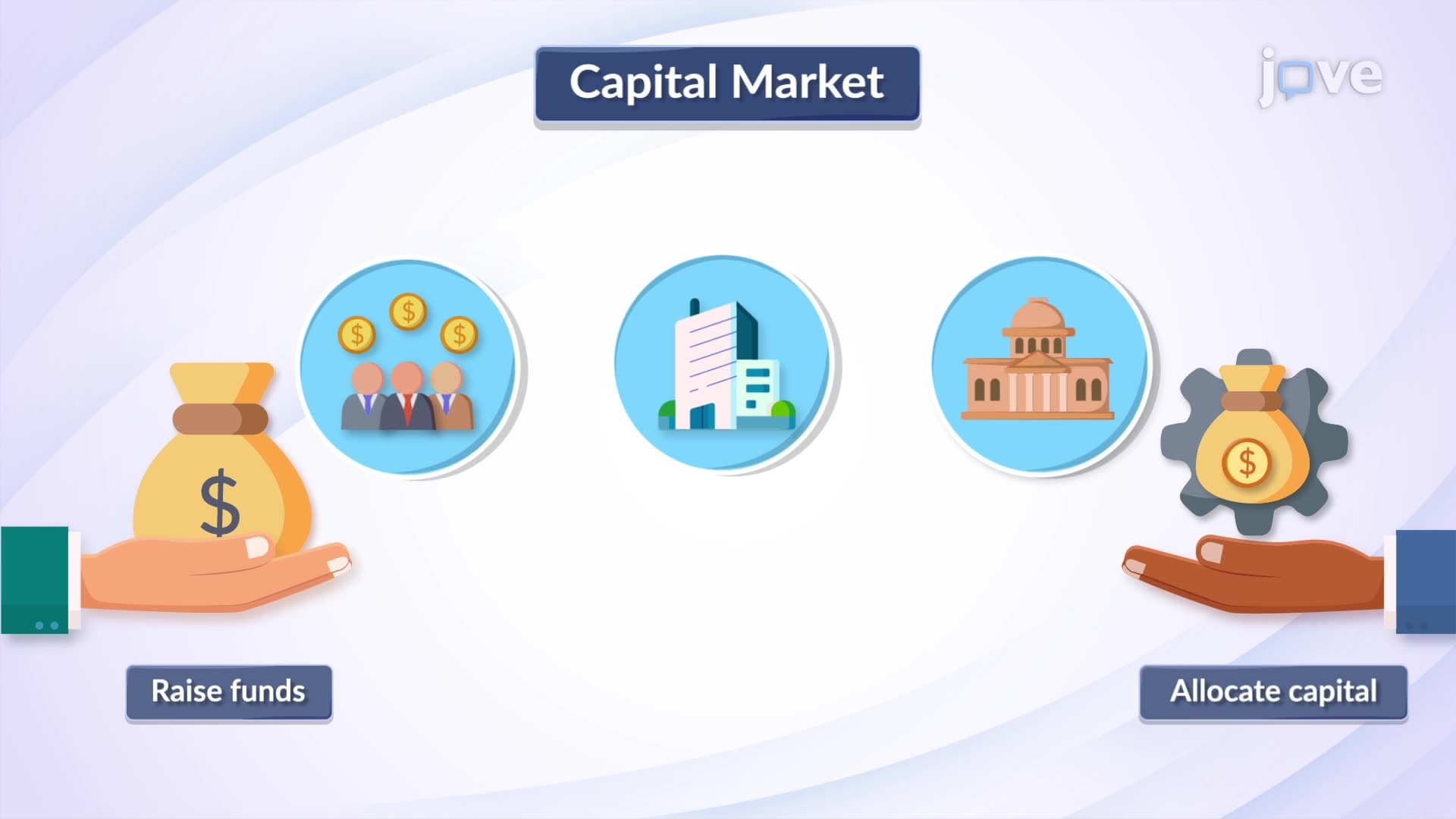
4. Capital Market
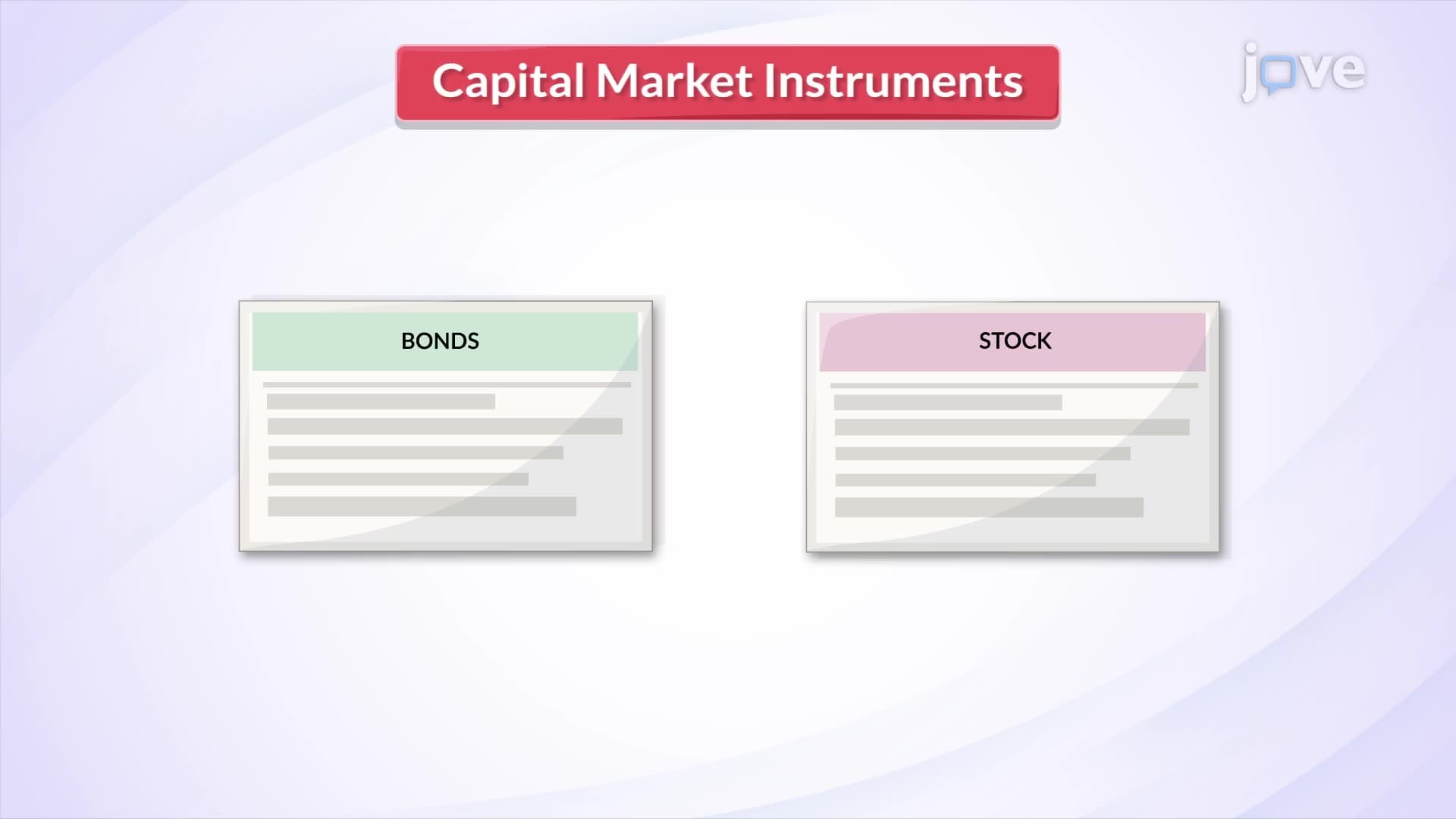
5. Capital Market Instruments
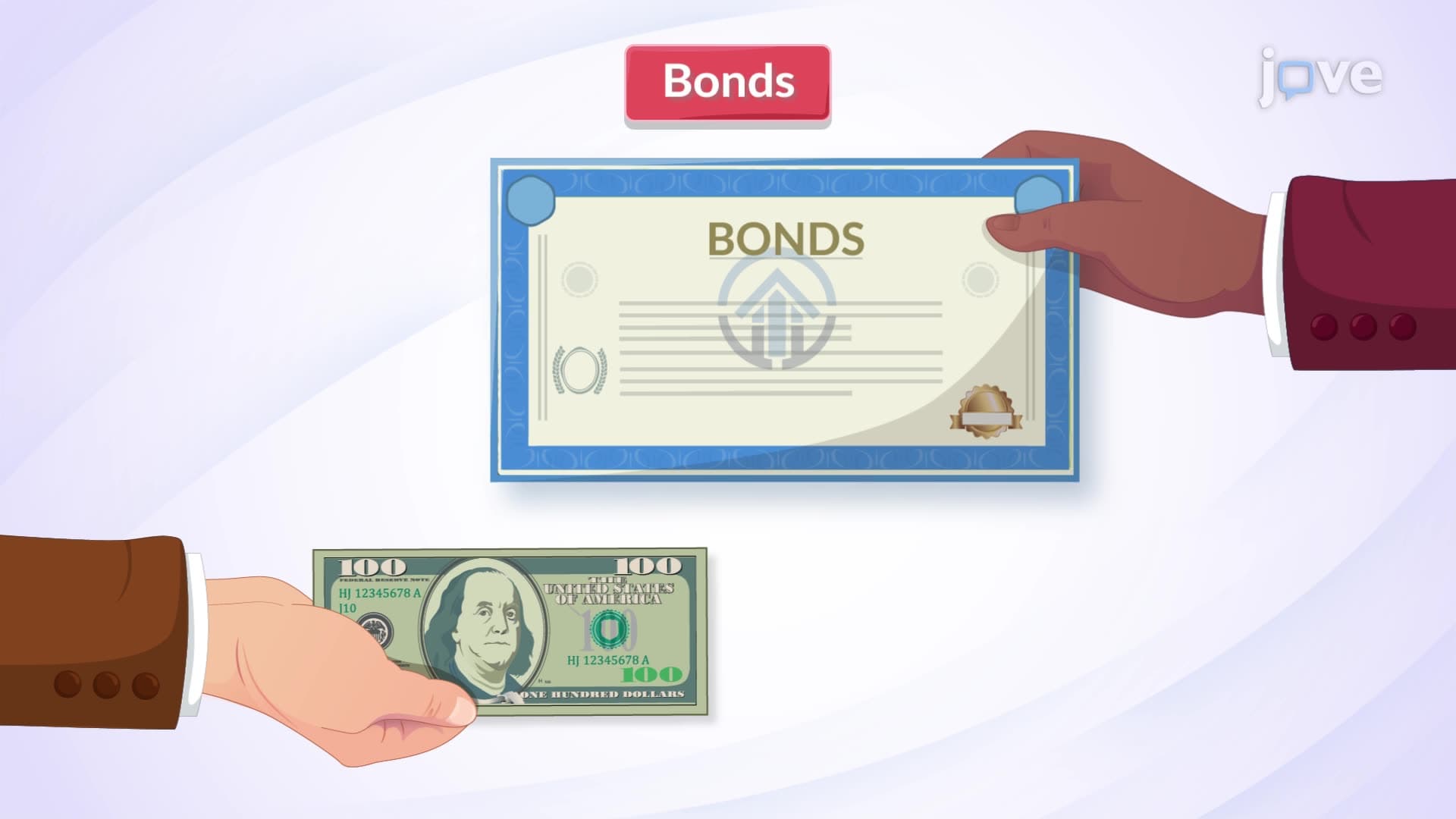
6. Introduction to Bonds
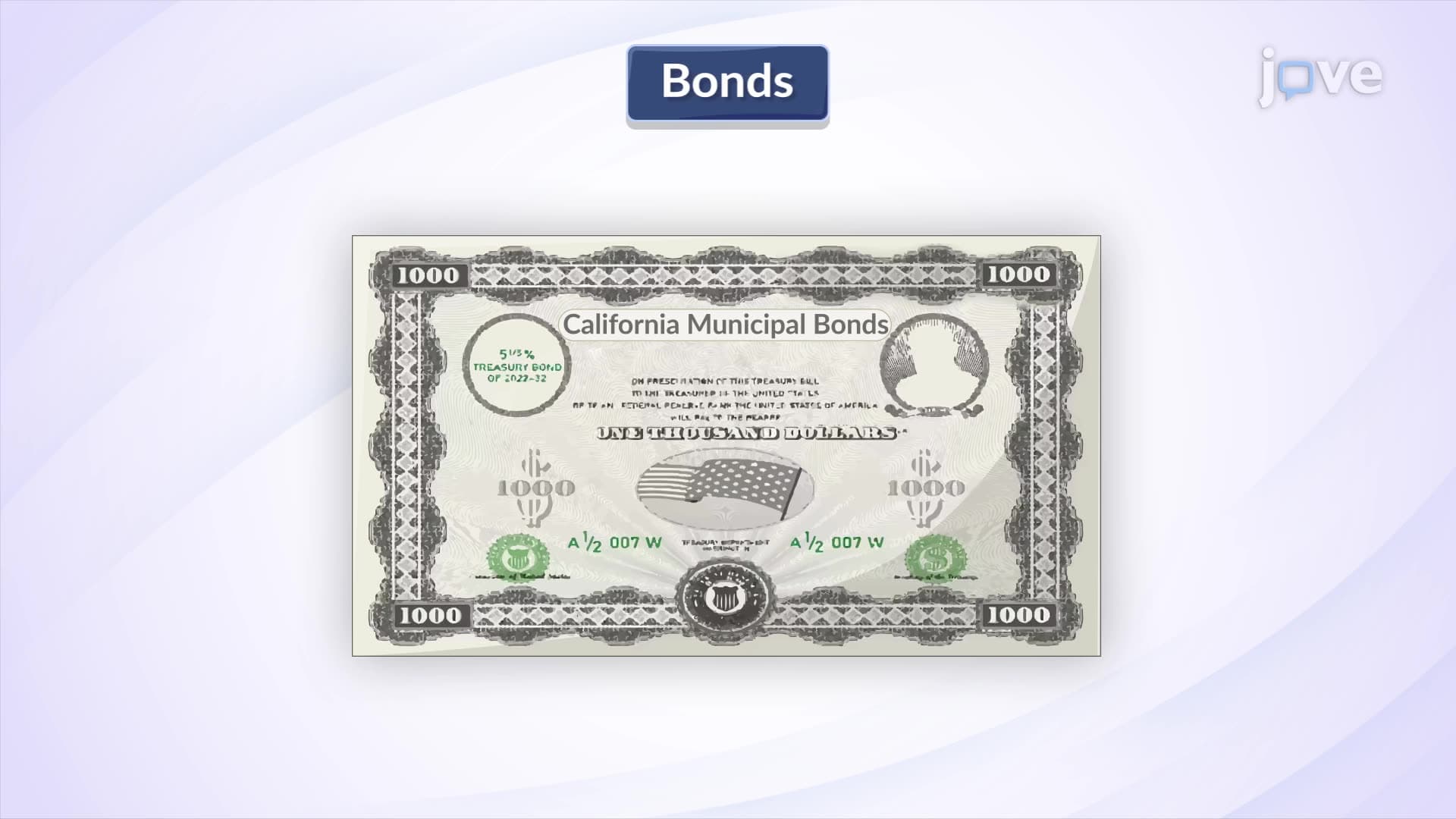
7. Features of Bonds
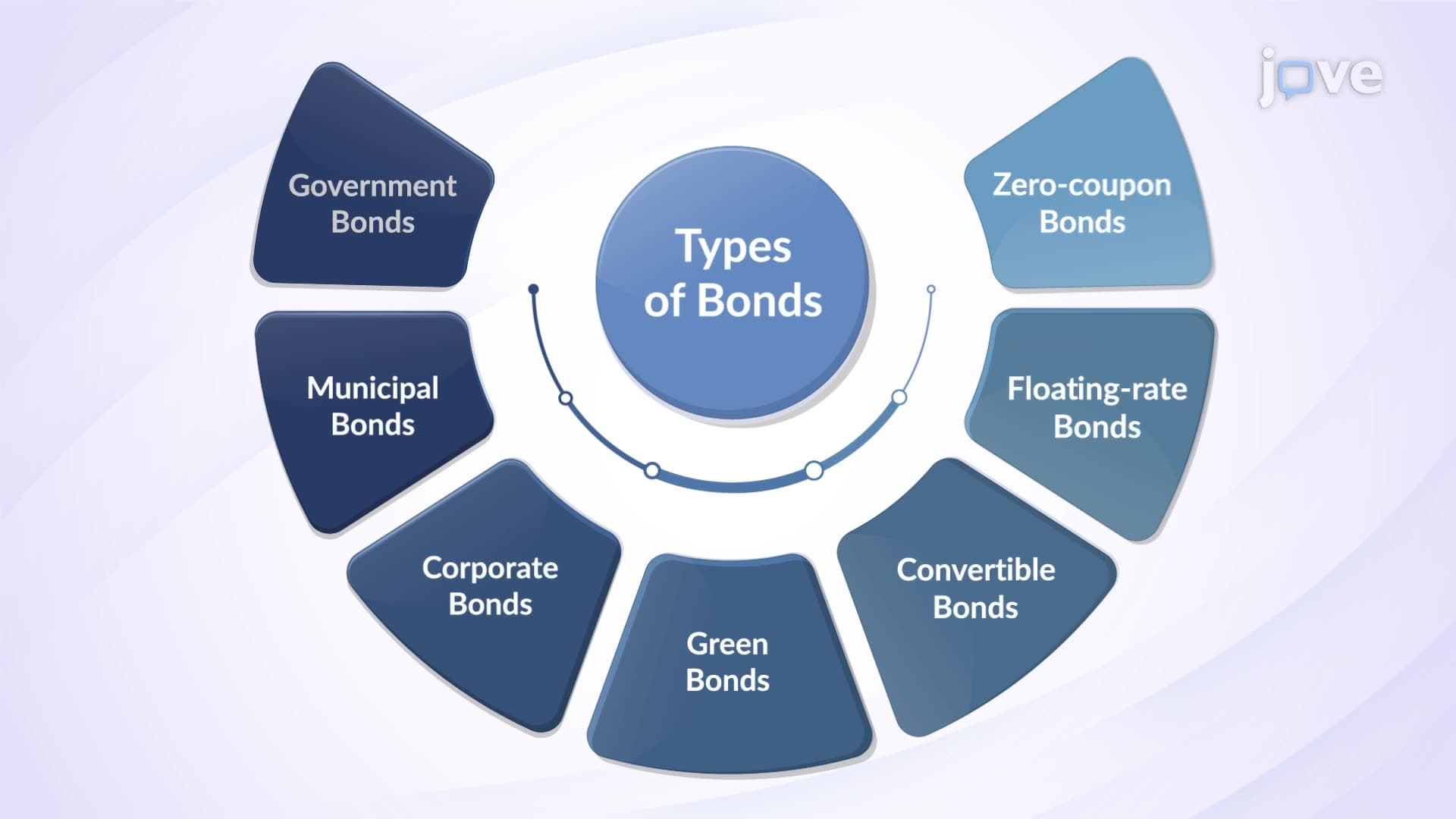
8. Types of Bonds
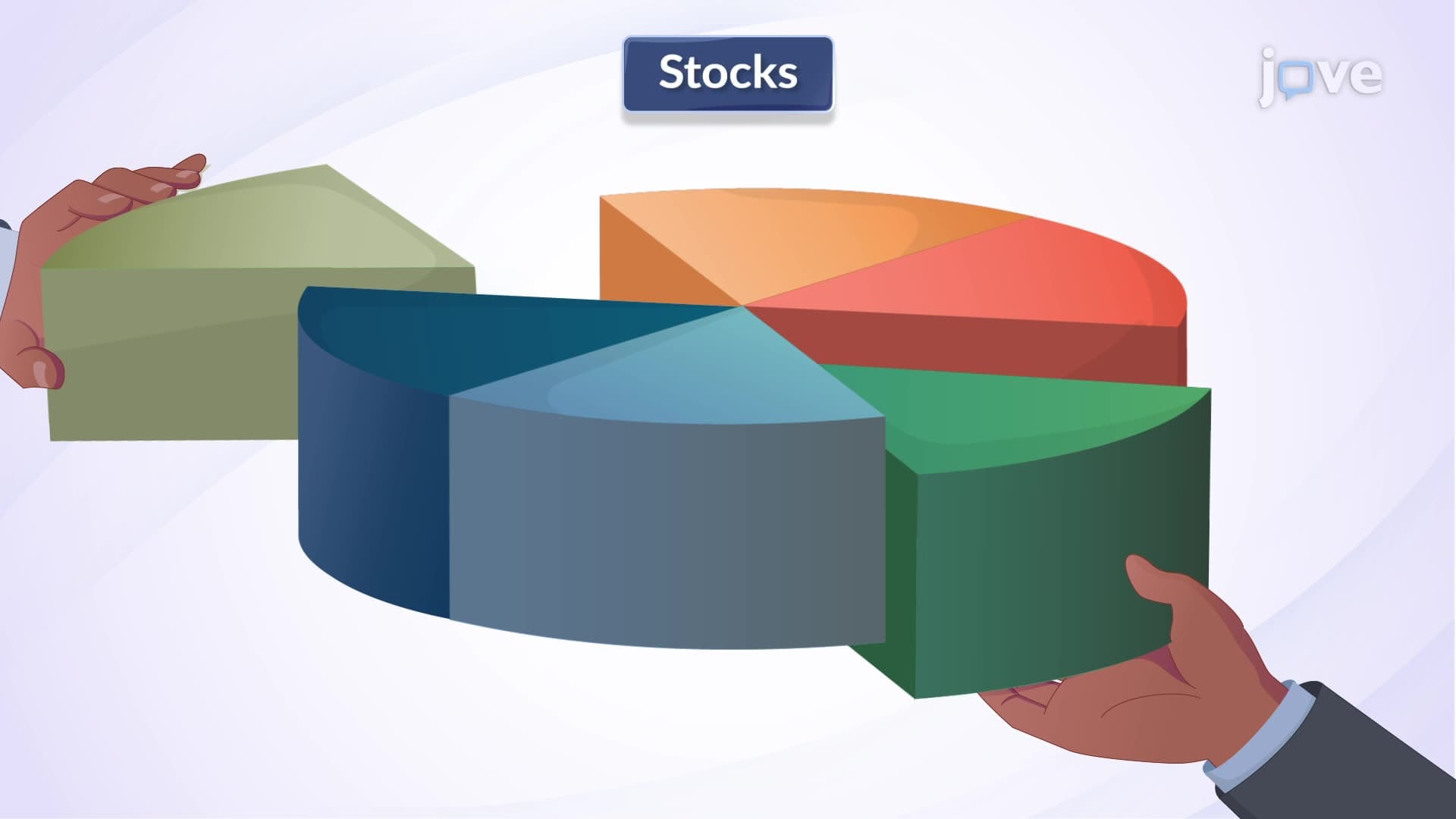
9. Introduction to Stock
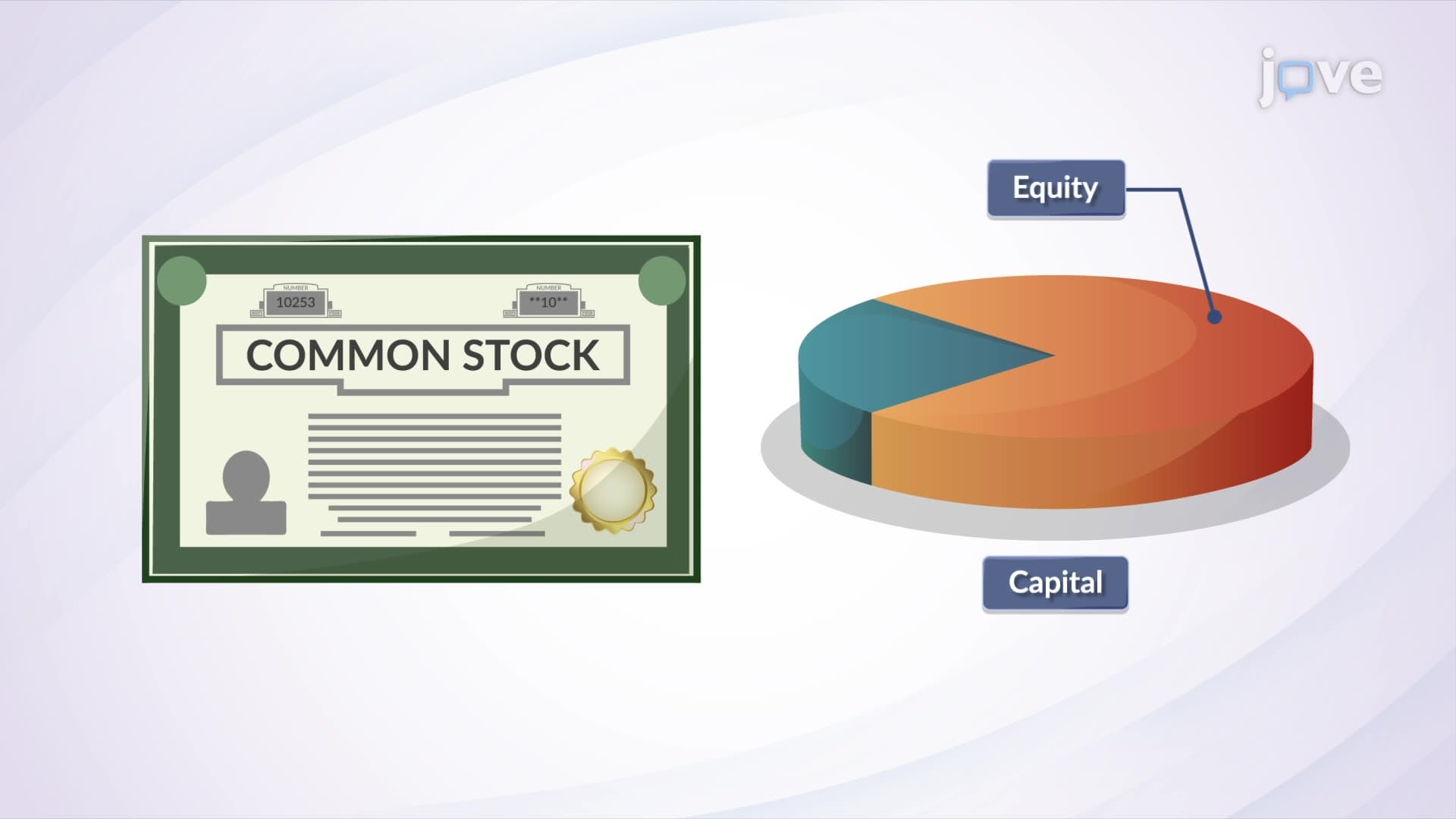
10. Common Stock

11. Preferred Stock
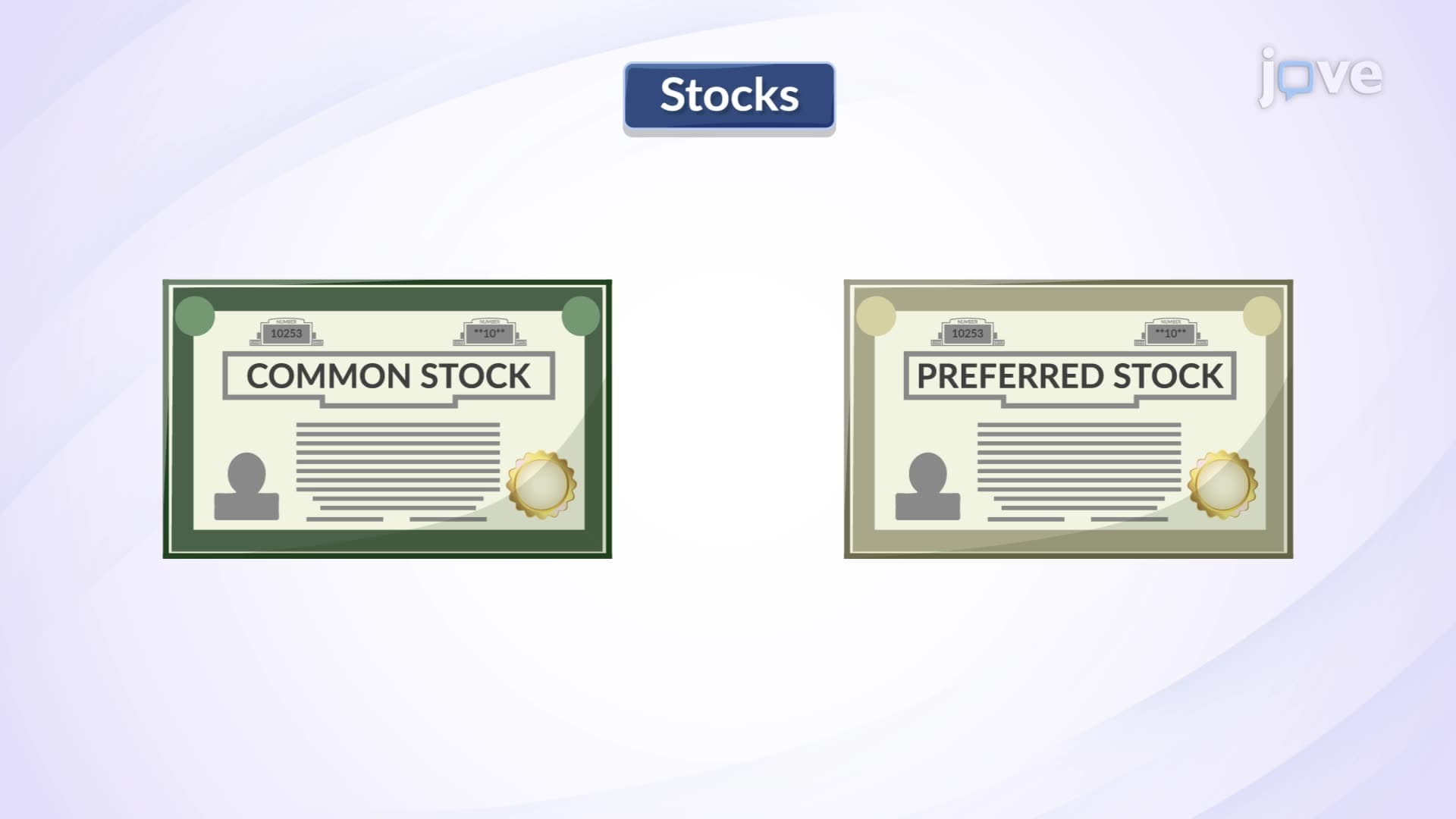
12. Common Stock vs. Preferred Stock
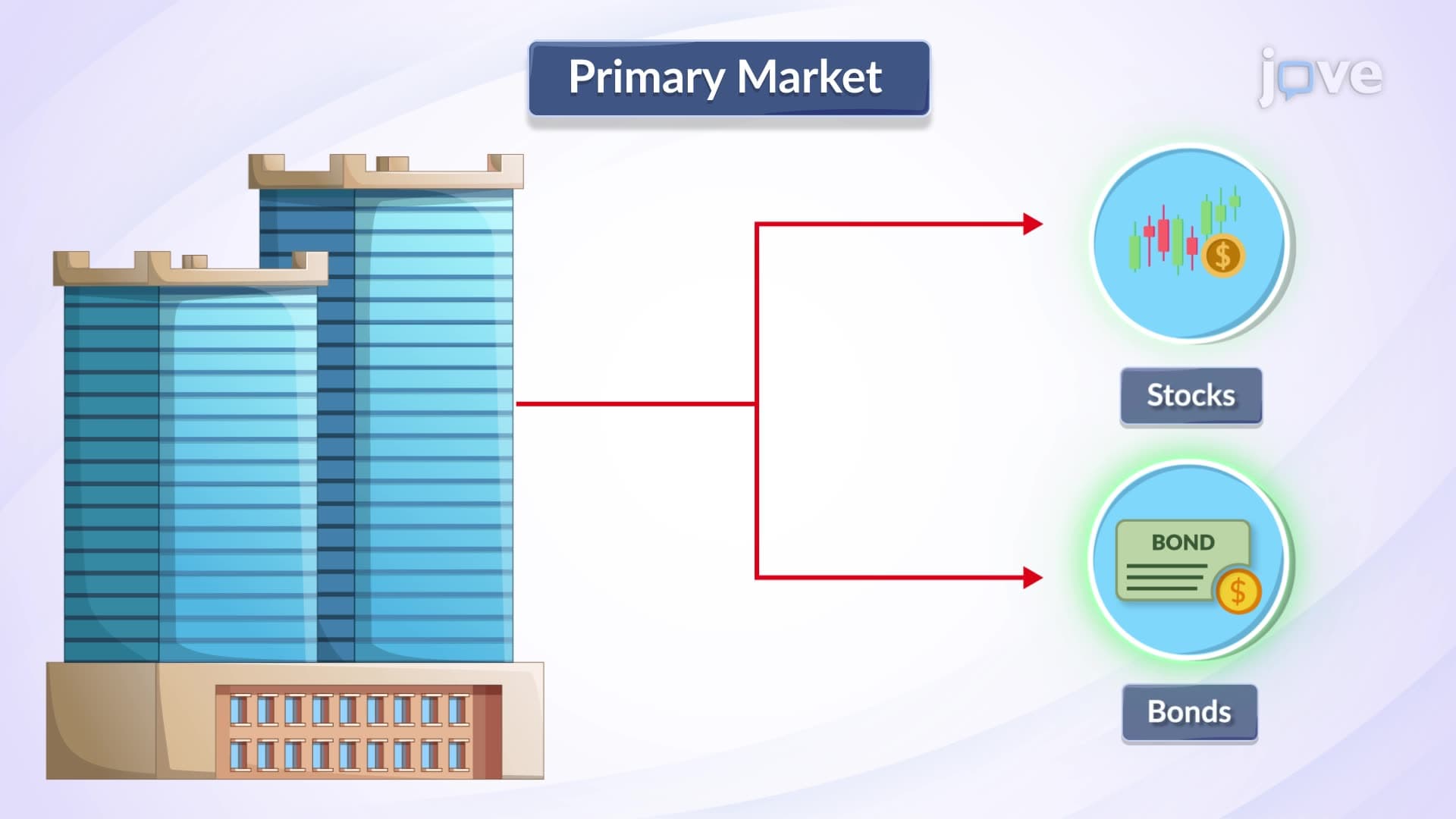
13. Types of Capital Market: Primary Market
14. Types of Capital Market: Secondary Market
Financial markets and instruments form the backbone of modern business finance, enabling corporations like Amazon and Tesla to raise capital while providing investment opportunities for institutional and individual participants. This JoVE Coach micro-course delivers practical insights into money markets, capital markets, stocks, bonds, and derivatives that drive business growth. Learn how major exchanges like NASDAQ and NYSE facilitate trillion-dollar transactions daily.
- Apply money market instruments to optimize short-term corporate cash management and liquidity planning
- Evaluate capital market opportunities for strategic business expansion and long-term financing decisions
- Analyze bond characteristics to assess fixed-income investment risks and returns for corporate portfolios
- Implement equity financing strategies using common and preferred stock structures for business growth
- Leverage primary and secondary market dynamics to time capital raising and investment activities effectively
- Assess various types of financial instruments to build diversified investment portfolios aligned with business objectives
- Navigate regulatory frameworks governing financial markets to ensure compliance in corporate transactions
- Optimize capital allocation decisions using comprehensive understanding of market mechanisms and pricing
1. Financial Market Ecosystem and Structure Master how financial market structure operates through major US exchanges like NASDAQ and NYSE, where corporations access capital while investors trade securities. Understand regulatory oversight by the SEC, market participants from individual investors to institutional players, and how transparent price discovery mechanisms create efficient capital allocation. Learn practical applications for corporate financing decisions and investment strategy development in today's interconnected markets.
2. Money Markets and Short-Term Instruments Explore money market mechanics where Treasury bills, commercial paper, and certificates of deposit provide liquidity management solutions for corporations. Understand how companies like major banks issue CDs while corporations utilize commercial paper for working capital needs. Master the risk-return profiles of instruments with maturities under one year, enabling effective cash management and short-term investment strategies for business operations.
3. Capital Markets for Long-Term Financing Analyze capital market functions where companies like Amazon and Tesla raise growth capital through stock and bond issuances. Understand how the New York Stock Exchange facilitates long-term securities trading, enabling businesses to access patient capital for expansion, R&D, and strategic initiatives. Learn to evaluate capital market conditions for optimal timing of financing activities and investment decisions.
4. Bond Markets and Fixed-Income Securities Decode bond characteristics including maturity, coupon rates, and credit ratings that impact corporate financing costs and investment returns. Study various bond types from US Treasury securities to corporate bonds issued by companies like IBM, municipal bonds for infrastructure projects, and specialized instruments like green bonds from Tesla. Master credit risk assessment and interest rate sensitivity for portfolio management.
5. Equity Markets: Common and Preferred Stock Analysis Distinguish between common stock offering voting rights and growth potential versus preferred stock providing fixed dividends and liquidation preferences. Understand how companies structure equity offerings to balance control retention with capital requirements. Analyze dividend policies, shareholder rights, and valuation implications for both corporate issuers and institutional investors making strategic allocation decisions.
6. Primary vs Secondary Market Dynamics Compare primary markets where companies conduct IPOs and debt issuances to raise fresh capital versus secondary markets enabling investor-to-investor trading on exchanges. Understand how investment banks facilitate primary market transactions while exchanges like NASDAQ provide secondary market liquidity. Learn timing considerations for corporate actions and how secondary market performance influences future primary market access and pricing.
Frequently Asked Questions
Financial markets provide essential liquidity management tools like commercial paper for short-term funding needs, enable long-term capital raising through stock and bond issuances, and offer investment vehicles for excess cash. Companies use these markets to optimize capital structure, manage working capital, and fund growth initiatives while investors utilize various instruments to diversify portfolios and generate returns.
Money markets serve immediate liquidity needs with instruments maturing within one year, ideal for managing seasonal cash flows or short-term investments. Capital markets facilitate long-term strategic financing through stocks and bonds, supporting major expansions, acquisitions, or infrastructure projects. Understanding both enables optimal timing and instrument selection for specific business objectives and cash flow requirements.
Companies can issue commercial paper for cost-effective short-term funding, utilize bonds for fixed-rate long-term capital, or raise equity to fuel aggressive growth without debt service obligations. Each instrument offers unique advantages: bonds provide predictable costs, stocks avoid dilution of existing ownership percentages, and derivatives can hedge operational risks, enabling tailored financial strategies aligned with business cycles.
Evaluate instruments based on cost of capital, timing requirements, impact on financial ratios, and strategic objectives. Short-term needs typically favor money market instruments like Treasury bills or commercial paper, while major capital projects may require bond issuances or equity raises. Consider market conditions, company credit profile, existing capital structure, and regulatory requirements when structuring optimal financing solutions.
Primary market knowledge helps time new issuances when investor demand is strong and pricing favorable, while secondary market dynamics indicate ongoing investor sentiment toward your securities. Strong secondary market performance enhances future primary market access and pricing. Monitor both markets to optimize timing for debt refinancing, equity raises, or strategic announcements that could impact trading activity.
SEC regulations govern disclosure requirements, insider trading restrictions, and market manipulation prevention. Companies must maintain transparent reporting, especially around material events affecting stock prices or bond ratings. Understanding these frameworks prevents compliance issues, builds investor confidence, and ensures smooth execution of capital market transactions while protecting the organization from regulatory penalties.
Comprehensive understanding of financial markets and instruments positions professionals as strategic advisors capable of optimizing capital allocation, managing financial risks, and identifying growth opportunities. This expertise becomes increasingly valuable in senior roles requiring P&L oversight, M&A evaluation, or board-level financial decision support, directly contributing to business performance and career progression.
This microcourse includes 14 concept videos that walk you through the building blocks of Finance. Each video is short, about 1 minute, so you can cover a full topic during a coffee break or between classes. The full sequence starts with Introduction to Financial Markets and ends with Types of Capital Market: Secondary Market.
The playlist moves from big-picture ideas to the precise vocabulary used in Finance. Early videos introduce Introduction to Financial Markets, Money Market, and Money Market Instruments. The middle of the series focuses on Capital Market Instruments, Introduction to Bonds, and Features of Bonds. The final stretch covers Types of Bonds, Introduction to Stock, Common Stock, Preferred Stock, Common Stock vs. Preferred Stock, Types of Capital Market: Primary Market, and Types of Capital Market: Secondary Market.
The natural next step is Analysis of Financial Statements. From there, you can move to Financial Ratio Analysis, Time Value of Money, and Risk and Return. Once you finish those, the full Finance curriculum of 17 microcourses on JoVE Coach opens up, taking you from foundational concepts to advanced systems.
Related Subjects

