Loading video…


 14 Concepts
 29.4K views

Video Summary: Types of Capital Markets Secondary Market
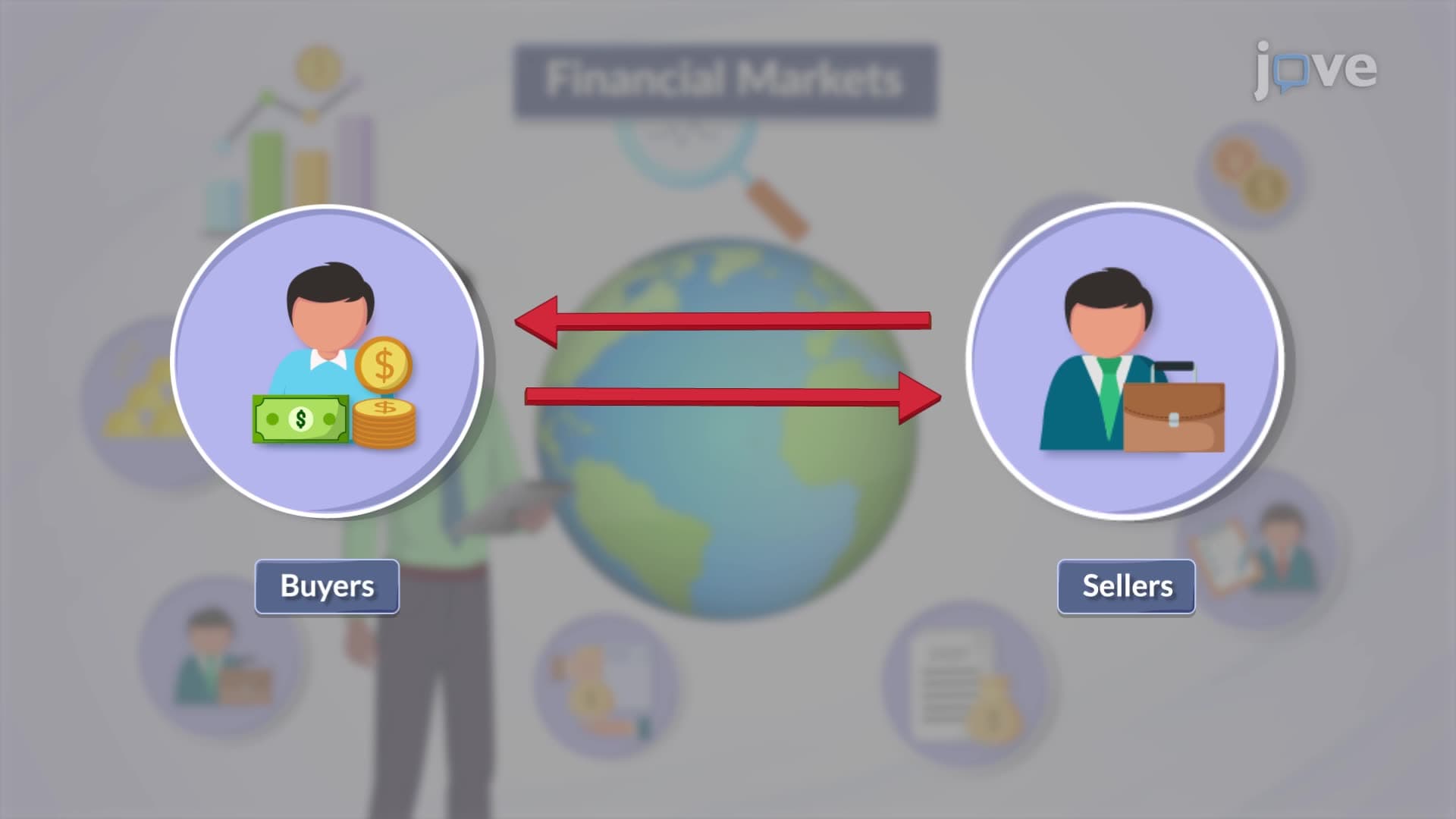
Understanding types of capital markets: secondary market dynamics is crucial when evaluating liquidity strategies and portfolio management decisions. The secondary market enables trading of previously issued securities, providing essential price discovery mechanisms that impact everything from corporate valuations to retirement portfolios. After Apple's shares were initially offered to public investors, they now trade continuously on NASDAQ, demonstrating how the types of capital markets: secondary market creates ongoing value through investor-to-investor transactions. This market structure influences corporate financing costs, merger valuations, and investment strategies across industries. Watch the full video on JoVE Coach to master this concept with expert-led visuals and step-by-explanations.
Consider this scenario: Your company's CFO needs to evaluate whether to buy back shares or pursue an acquisition. The decision hinges on understanding how secondary markets value your equity relative to potential targets. The secondary market represents the trading ecosystem where previously issued securities change hands between investors, creating the continuous price discovery that drives strategic business decisions.
Secondary markets operate through sophisticated infrastructure that includes exchanges like NYSE and NASDAQ, electronic communication networks (ECNs), and over-the-counter (OTC) markets. Market makers like Goldman Sachs and JPMorgan Chase provide liquidity by maintaining bid-ask spreads, while institutional investors such as BlackRock and Vanguard influence price movements through large block trades. This structure creates the liquidity that enables pension funds to rebalance portfolios and corporations to execute share repurchase programs efficiently.
The secondary market's price discovery mechanism directly impacts corporate strategy. When Tesla's stock trades at high multiples on NASDAQ, it signals investor confidence that can lower the company's cost of equity capital for future projects. Conversely, declining secondary market valuations can trigger covenant violations in debt agreements or complicate merger negotiations. Understanding these dynamics helps executives time major announcements, structure compensation packages, and evaluate acquisition opportunities.
Secondary market data provides real-time competitive intelligence. When pharmaceutical companies like Pfizer announce drug trial results, secondary market reactions reveal investor sentiment about competitive positioning relative to companies like Merck or Johnson & Johnson. This information influences everything from R&D budget allocation to partnership negotiations. Smart business leaders monitor secondary market trends to anticipate competitor moves and identify strategic opportunities before they become obvious to the broader market.
Related Micro-courses