Loading subject page…

- Finance
- Financial Markets and Instruments
- Introduction to Stock
Micro-course: Financial Markets and Instruments
29,421 views
Learn key concepts and earn your certificate.








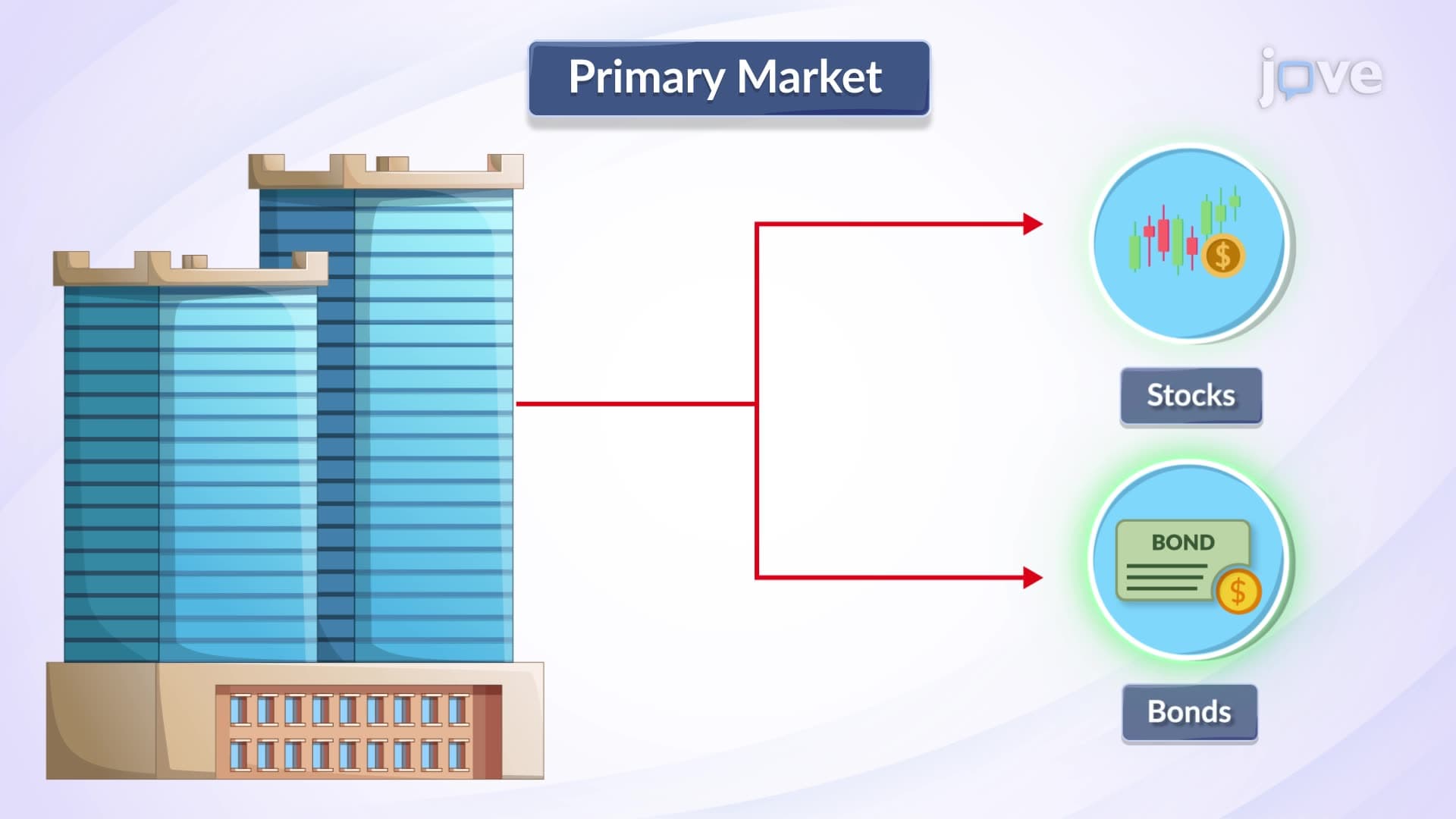

Introduction to Stock


00:00
01:27
Video Summary: What Is Stock
Stock fundamentals drive critical business decisions across every industry, from startup fundraising to Fortune 500 capital allocation strategies. Understanding what stock represents-ownership shares in a company-enables professionals to evaluate equity financing options, assess investment opportunities, and navigate shareholder dynamics. Companies like Microsoft have leveraged stock issuance to fuel decades of growth while maintaining strategic control through careful share structure design. Stock basics encompass ownership rights, dividend potential, and market valuation mechanics that directly impact corporate strategy and investor relations. Watch the full video on JoVE Coach to master this concept with expert-led visuals and step-by-step explanations.
- Apply stock definition principles to evaluate whether equity financing or debt financing better serves your company's strategic objectives and growth timeline
- Analyze the trade-offs between common stock and preferred stock structures when designing compensation packages or negotiating investment terms
- Assess how stock issuance impacts founder control and decision-making authority in board meetings and strategic planning sessions
- Evaluate dividend policy implications on cash flow management and investor expectations for your business unit or portfolio companies
- Implement stock performance metrics to measure management effectiveness and align executive compensation with shareholder value creation
- Leverage understanding of stock price fluctuations to time equity raises, employee stock option grants, and strategic acquisitions
- Identify how external market sentiment and internal company performance drive stock valuation in investor presentations and quarterly reviews
- Compare equity financing alternatives to optimize capital structure decisions and minimize cost of capital for major business initiatives
Understanding Stock: The Foundation of Corporate Finance Strategy
When Netflix decided to shift from DVD rental to streaming in 2007, the company needed substantial capital to license content and build technology infrastructure. Rather than taking on crushing debt, Netflix issued additional stock, allowing investors to share both the risk and potential rewards of this transformative strategy. This decision illustrates why understanding stock fundamentals is crucial for every business professional navigating today's capital-intensive markets.
Core Components of Stock Ownership
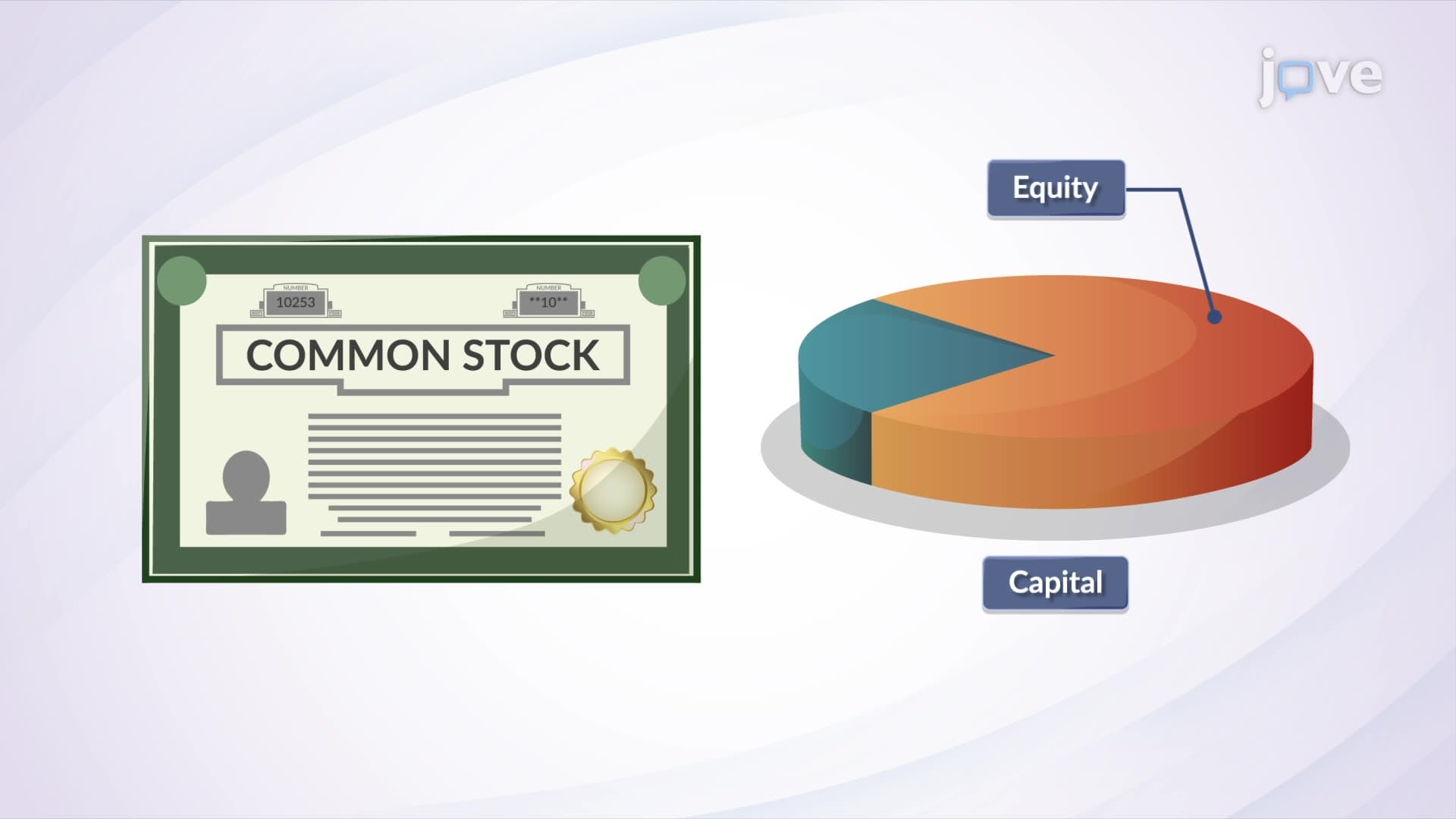
A stock overview reveals that equity represents fractional ownership in a corporation, granting shareholders proportional claims to company assets and earnings. This stock concept extends beyond simple ownership-it creates accountability mechanisms that align management decisions with shareholder interests. Common stock typically provides voting rights on major corporate decisions, including board elections and merger approvals, while preferred stock offers priority dividend claims and liquidation preferences without voting power.
For working professionals, these distinctions matter significantly. When Apple's board approved massive share buyback programs exceeding $100 billion annually, common stockholders benefited from increased ownership percentages, while preferred stockholders (if any existed) would maintain their fixed dividend claims regardless of the buyback impact.
Strategic Implications of Stock Issuance
Stock basics include understanding how equity financing affects corporate control and growth trajectory. Unlike debt financing, which requires fixed interest payments regardless of company performance, stock issuance distributes both risks and rewards among shareholders. This stock study guide principle explains why high-growth companies like Tesla frequently issued new shares during expansion phases, accepting ownership dilution in exchange for capital flexibility.
The accountability aspect cannot be overstated. Public companies face quarterly earnings pressure and shareholder activism that privately-held firms avoid. When activist investors like Carl Icahn acquire significant stakes in companies such as CVS Health, they leverage stock ownership to influence strategic decisions, from operational changes to executive compensation structures.
Market Dynamics and Professional Applications
Understanding stock price fluctuations enables better strategic timing for corporate actions. Amazon's stock appreciation from under $100 to over $3,000 per share (pre-split) reflected investor confidence in the company's long-term vision, validating management's strategy of prioritizing growth over short-term profitability. This stock concept demonstrates how market sentiment translates into tangible business advantages, including easier access to acquisition financing and enhanced employee recruitment through equity compensation.
Stock dividends represent another critical consideration for portfolio companies and mature businesses. Companies like Coca-Cola have paid consistent dividends for decades, attracting income-focused investors and providing predictable cash flow requirements that influence capital allocation decisions and operational planning.
Frequently Asked Questions
Stock represents fractional ownership in a corporation, giving shareholders proportional claims to company assets, earnings, and decision-making rights. It's the primary mechanism companies use to raise capital while distributing both business risks and rewards to investors. Understanding stock structure is essential for evaluating financing options, compensation packages, and investment opportunities in professional settings.
Evaluate your cash flow stability, growth timeline, and control preferences. Stock issuance doesn't require fixed payments like debt, making it ideal for unpredictable revenue businesses, but dilutes ownership control. Debt maintains control but creates payment obligations regardless of performance. Consider your industry's typical capital structures and investor expectations.
Common stock provides voting rights and unlimited upside potential but ranks last in liquidation scenarios. Preferred stock typically offers fixed dividends and liquidation preferences but limited voting power. In venture capital deals, founders often retain common stock while investors receive preferred shares with protective provisions and exit preferences.
Focus on total shareholder return, comparing stock price appreciation plus dividends against relevant benchmarks and peer companies. Include key performance drivers like revenue growth, margin expansion, and market share gains that justify stock valuation. Present both absolute returns and risk-adjusted metrics to demonstrate management effectiveness.
Microsoft's stock buyback strategy exemplifies strategic equity management. Since 2010, Microsoft has repurchased over $200 billion in shares while simultaneously issuing stock for employee compensation and acquisitions. This approach returns excess cash to shareholders, supports stock price appreciation, and maintains flexibility for strategic investments in cloud computing and AI development.
No specialized finance degree is required, but understanding basic equity principles enhances your strategic decision-making capability. Most stock concepts build on fundamental business knowledge you already possess. Focus on how stock impacts your specific role-whether that's employee compensation, partnership negotiations, or performance measurement systems.
Stock knowledge enables more sophisticated strategic thinking and stakeholder management. You'll better evaluate acquisition opportunities, design effective compensation packages, and communicate with investors or board members. This expertise signals financial literacy and strategic thinking capability that executives value in leadership candidates.
Dive deeper into capital structure optimization, including debt-to-equity ratios and weighted average cost of capital calculations. Understanding options and derivatives enhances your grasp of executive compensation and risk management strategies. Corporate valuation methods become more relevant as you advance into strategic planning and M&A activities.
Related Micro-courses

21 Concepts

28 Concepts

12 Concepts