Loading subject page…


29,438 views


Video Summary: What are Features of Bonds
Corporate treasurers regularly evaluate the features of bonds to optimize capital structure and investment portfolios, especially in today's volatile interest rate environment. Understanding what are features of bonds enables finance professionals to make strategic decisions about debt financing, cash management, and risk mitigation. Companies like Microsoft leverage these debt instruments to fund operations while offering investors predictable returns through fixed coupon payments, predetermined maturity dates, and principal protection. Watch the full video on JoVE Coach to master this concept with expert-led visuals and step-by-step explanations.
When JPMorgan Chase's treasury team evaluates funding options or Goldman Sachs structures client portfolios, they rely on a sophisticated understanding of bond characteristics. These debt securities represent contractual agreements where issuers promise specific returns in exchange for investor capital, making them fundamental tools in corporate finance and investment management.
The primary attraction of bonds lies in their ability to generate predetermined income streams through coupon payments. Unlike equity dividends that fluctuate with company performance, bond coupons provide contractual certainty. For instance, when Apple issued $7 billion in corporate bonds in 2021, investors received guaranteed semi-annual payments regardless of iPhone sales volatility. This predictability makes bonds essential for insurance companies managing liability matching, pension funds meeting beneficiary obligations, and corporate treasurers planning cash flow requirements.
Bond maturities create strategic flexibility for both issuers and investors. Short-term bonds (under 3 years) offer liquidity and reduced interest rate risk, while long-term bonds (10+ years) typically provide higher yields to compensate for duration risk. Tesla's 2025 convertible bonds exemplify how companies use specific maturity dates to align financing needs with business cycles, while institutional investors use laddering strategies to manage reinvestment risk across multiple maturity periods.
Rating agencies like Moody's and S&P evaluate issuer creditworthiness, creating yield spreads that reflect default probability. Investment-grade bonds from companies like Johnson & Johnson trade at lower yields due to strong balance sheets, while high-yield bonds from emerging companies offer premium returns to compensate for increased risk. This risk-return framework enables portfolio managers to construct diversified fixed-income allocations matching client risk tolerance and return objectives.
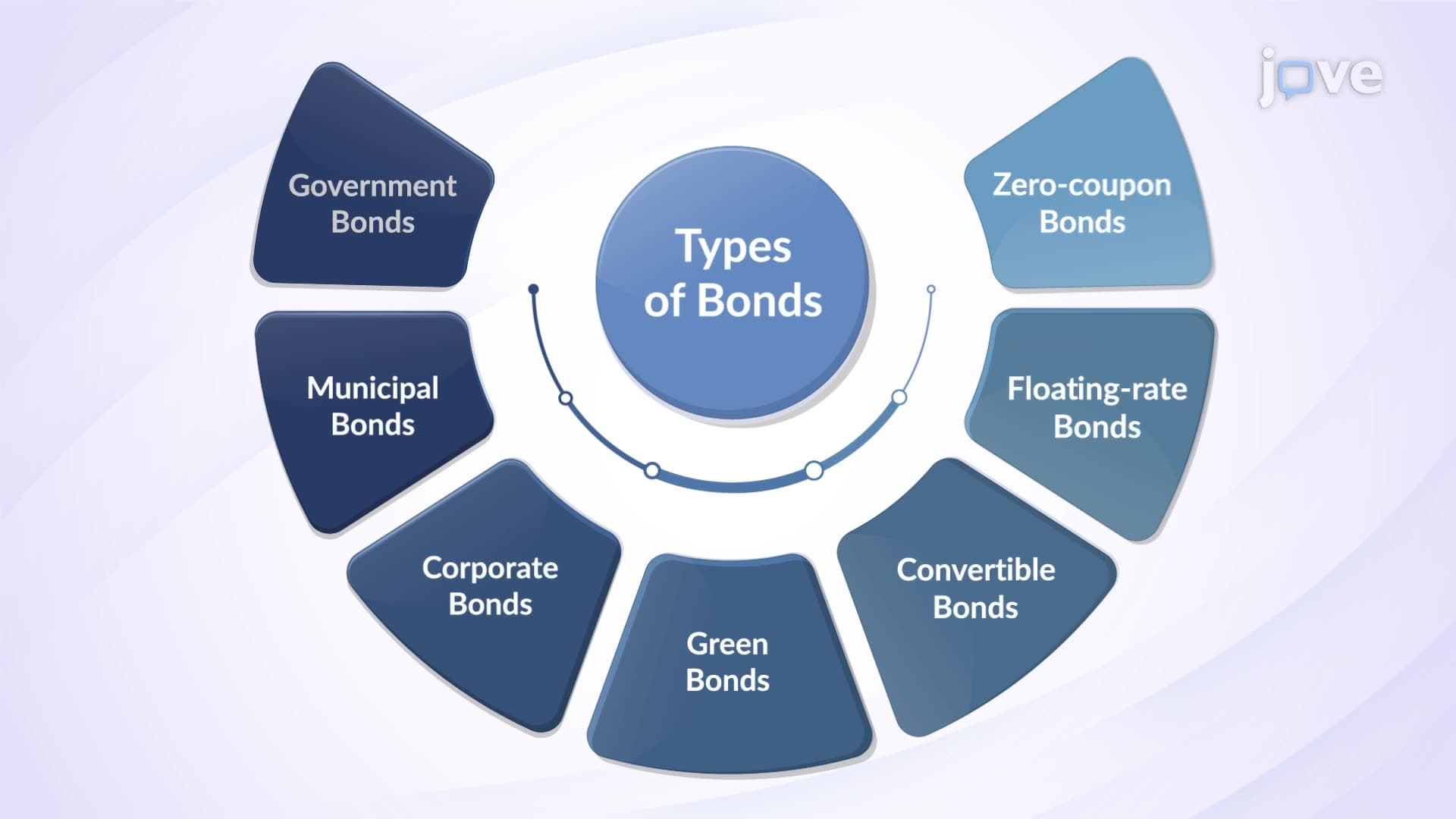
Municipal bonds issued by state and local governments offer significant tax advantages, with interest payments typically exempt from federal taxes and sometimes state taxes for residents. California's recent infrastructure bonds demonstrate how these features attract high-net-worth investors seeking after-tax yield optimization, making municipal bonds crucial components in comprehensive tax planning strategies for affluent clients and corporate cash management programs.
Related Micro-courses