Loading subject page…

- Finance
- Financial Markets and Instruments
- Introduction to Bonds
Micro-course: Financial Markets and Instruments
29,421 views
Learn key concepts and earn your certificate.





Introduction to Bonds


00:00
01:11
Video Summary: What are Bonds
Corporate treasury teams at companies like Microsoft regularly evaluate bonds as both funding mechanisms and investment vehicles to optimize their capital structure. Understanding what are bonds is essential for finance professionals making strategic decisions about debt financing, portfolio allocation, and risk management. These fixed-income securities represent loans between investors and borrowers, with predetermined interest payments and maturity dates that impact cash flow planning and balance sheet management. Watch the full video on JoVE Coach to master this concept with expert-led visuals and step-by-step explanations.
- Apply bond fundamentals to evaluate corporate financing options and assess whether debt or equity funding better serves strategic growth initiatives
- Analyze coupon rates and maturity structures to determine optimal bond investments for corporate cash management and treasury operations
- Evaluate credit risk factors when recommending bond purchases for institutional portfolios or pension fund allocations
- Implement bond pricing principles to negotiate favorable terms when your company issues corporate debt for expansion or refinancing
- Compare government versus corporate bond yields to inform investment committee decisions and asset allocation strategies
- Leverage fixed-income knowledge to communicate with rating agencies, investment bankers, and institutional investors during capital raising
- Assess interest rate sensitivity of bond portfolios to manage duration risk and optimize returns in changing market conditions
- Identify opportunities to use bonds as hedging instruments against equity volatility in diversified investment strategies
Understanding Bonds in Corporate Finance
When Walmart's treasury team needs to fund a $2 billion distribution center expansion, they face a critical decision: tap bank credit lines or issue corporate bonds directly to investors. This scenario illustrates why finance professionals must understand bond mechanics-these instruments often provide more favorable terms and greater funding capacity than traditional bank financing.
Bond Structure and Investor Relations
Bonds function as contractual agreements where corporations or governments borrow money from investors with specific repayment terms. Unlike bank loans negotiated with a single institution, bonds allow companies to access capital from thousands of investors simultaneously. The issuer promises to pay periodic interest (coupon payments) and return the principal amount at maturity.
Consider Apple's approach to capital management: despite holding over $150 billion in cash, the company regularly issues bonds to fund operations and shareholder returns. This strategy demonstrates how sophisticated corporations use bonds not just for funding shortfalls, but as strategic tools to optimize their cost of capital and maintain financial flexibility.
Types of Bonds and Strategic Applications
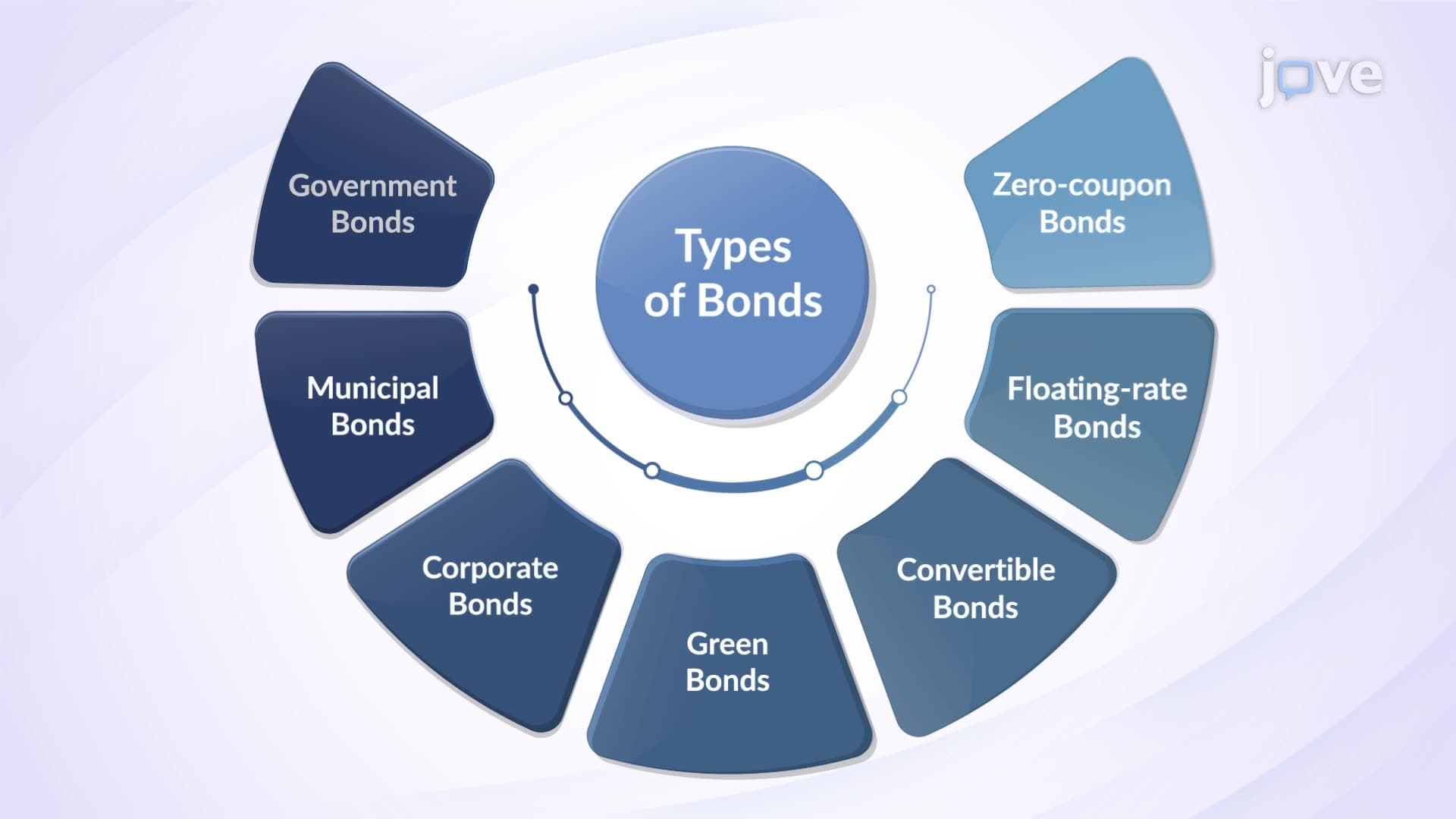
Corporate finance teams encounter various types of bonds serving different strategic purposes. Investment-grade corporate bonds from companies like Johnson & Johnson typically offer lower yields but greater security, making them suitable for conservative portfolios. High-yield bonds from growth companies provide higher returns but carry increased credit risk, appealing to investors seeking enhanced income.
Government bonds, particularly U.S. Treasuries, serve as benchmark rates for corporate bond pricing and provide risk-free alternatives for cash management. Municipal bonds offer tax advantages that make them attractive to high-tax-bracket investors and corporations with specific tax strategies.
Bond Valuation in Investment Decisions
Finance professionals must evaluate bonds using present value calculations, considering factors like credit quality, interest rate environment, and liquidity needs. When General Electric faced credit rating downgrades, their bond prices declined significantly, demonstrating how credit risk directly impacts investment returns and corporate borrowing costs.
Understanding bond duration and convexity helps portfolio managers assess interest rate sensitivity-critical knowledge when the Federal Reserve adjusts monetary policy. This technical expertise enables better hedging decisions and more accurate performance projections for fixed-income allocations.
Frequently Asked Questions
Bonds are IOUs issued by companies or governments to raise money from investors. The issuer pays regular interest and returns the original amount at a specified future date. They're essential tools for corporate financing and portfolio diversification in professional investment strategies.
Focus on credit rating, yield-to-maturity, and duration to match your liquidity needs and risk tolerance. Compare similar-maturity Treasury yields to assess credit spreads. Consider how bond performance correlates with your business cycle and cash flow requirements.
Issue bonds when you need large amounts of capital ($100M+), want fixed rates for predictable budgeting, or seek to establish public market presence. Bond markets often provide lower costs than bank financing for investment-grade companies and offer longer repayment terms.
Amazon issued billions in corporate bonds to fund warehouse expansion and technology investments while preserving equity for employee compensation and avoiding dilution. This debt financing strategy supported aggressive growth while maintaining founder control and maximizing shareholder value.
Basic financial literacy suffices for fundamental bond concepts, though institutional bond management requires deeper expertise. Understanding present value, credit risk, and interest rate relationships helps you make informed decisions and communicate effectively with treasury teams and investment advisors.
Bond expertise opens roles in corporate treasury, investment banking, asset management, and credit analysis. It's essential for CFO track positions, portfolio management roles, and any function involving capital allocation decisions or institutional investor relations.
Explore yield curve analysis and credit derivatives to understand advanced fixed-income strategies. These concepts help you evaluate interest rate risk, structure hedging programs, and optimize debt portfolios for changing market conditions.
Related Micro-courses

21 Concepts

28 Concepts

12 Concepts