Loading video…


 14 Concepts
 29.4K views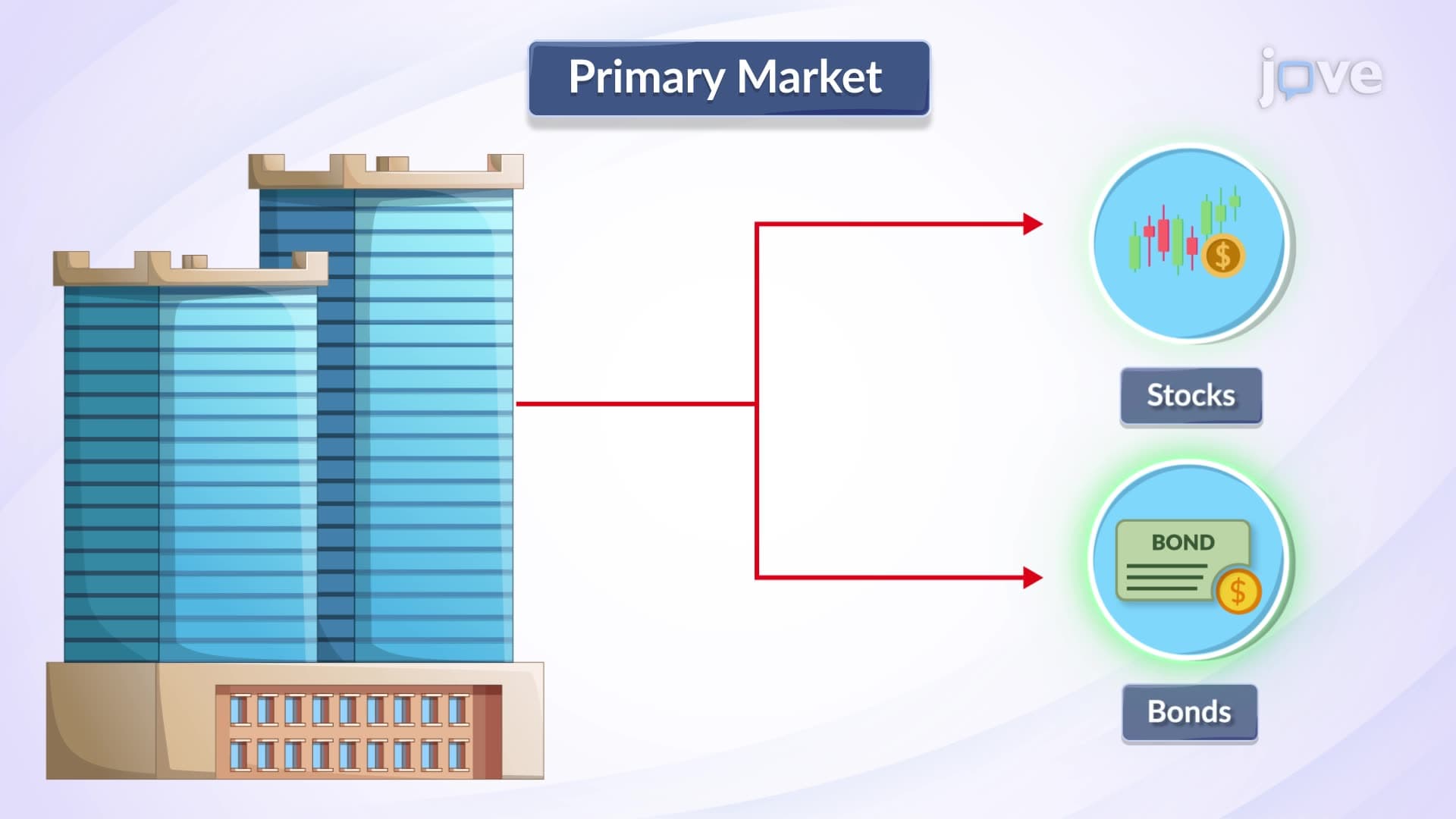

Video Summary: Types of Capital Markets Primary Market
When Netflix went public in 2002, it raised $82.5 million through the primary market-demonstrating how types of capital markets: primary market mechanisms fuel business expansion. Understanding types of capital markets: primary market operations is critical for executives evaluating IPO strategies, funding rounds, or capital allocation decisions. This foundational knowledge directly impacts your ability to assess investment opportunities and corporate financing strategies in today's competitive landscape. Watch the full video on JoVE Coach to master this concept with expert-led visuals and step-by-step explanations.
When Airbnb's leadership decided to go public in December 2020, they navigated the complex primary market landscape to raise $3.5 billion-a decision that required deep understanding of capital market mechanics. For working professionals, mastering types of capital markets: primary market concepts is essential for strategic decision-making, whether you're evaluating investment opportunities, planning corporate financing, or advising clients on capital structure optimization.
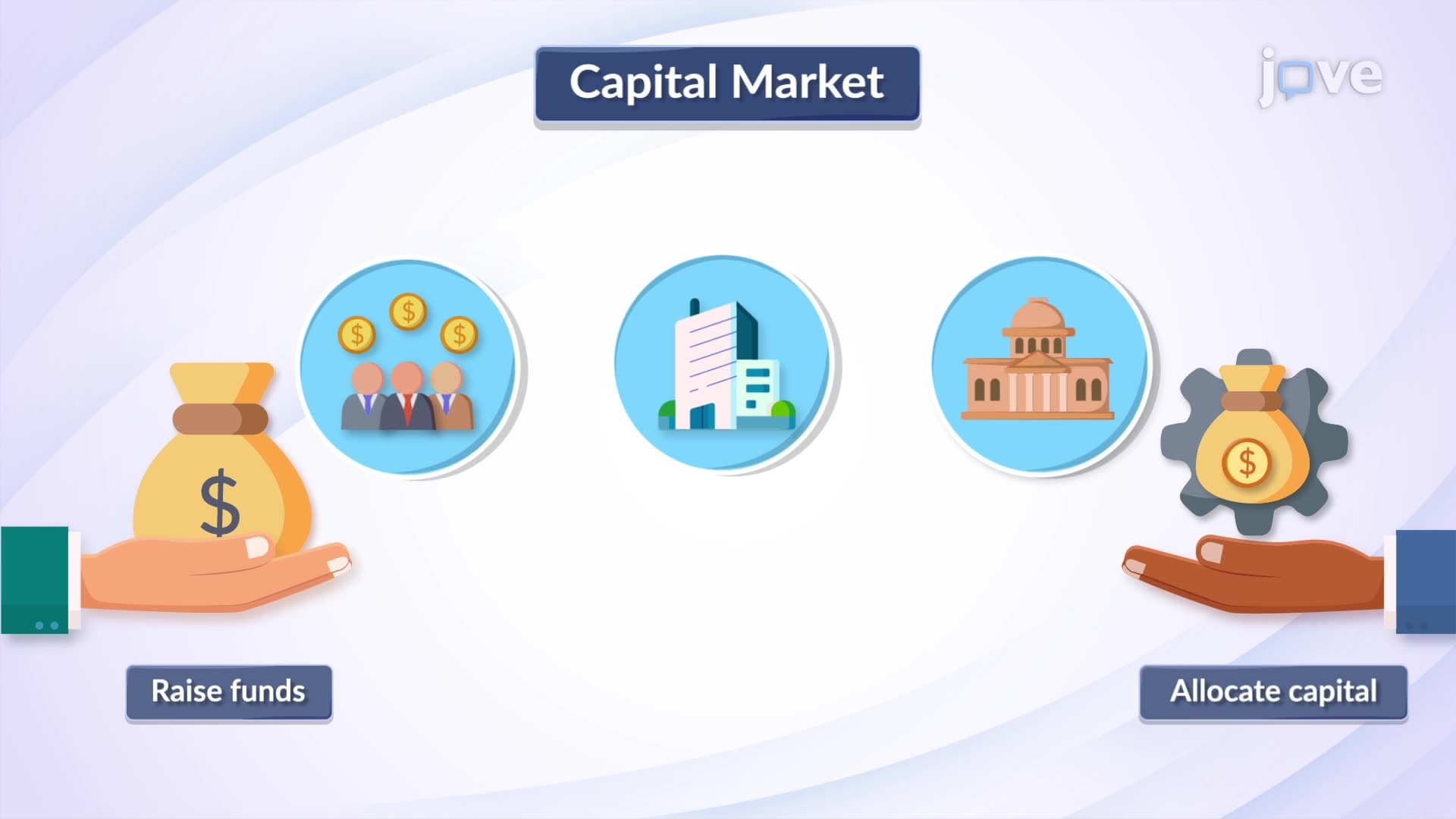
The primary market serves as the initial gateway where companies, governments, and entities issue new securities directly to investors. Unlike secondary markets where existing securities change hands, primary markets create new capital formation. This distinction carries profound strategic implications for business leaders making financing decisions.
Consider Goldman Sachs' role as lead underwriter for major IPOs-they don't just facilitate transactions; they provide market intelligence, price discovery, and risk assessment that directly impacts a company's long-term capital structure. For executives, understanding this underwriter relationship is crucial when selecting financial partners and negotiating fee structures that can impact millions in costs.
Primary market activities directly influence your company's cost of capital and growth trajectory. When companies like Beyond Meat launched their IPO in 2019, the primary market reception (trading up 163% on day one) signaled strong investor appetite, affecting subsequent financing rounds and strategic partnerships.
Professional applications include: evaluating optimal timing for equity raises, assessing market appetite for your industry sector, and structuring offerings to minimize dilution while maximizing capital efficiency. These decisions require analyzing interest rate environments, sector multiples, and competitive positioning-all grounded in primary market dynamics.
Primary market performance serves as a leading indicator for business planning. When WeWork's IPO failed spectacularly in 2019, it reflected broader market skepticism about business model sustainability and corporate governance-insights that informed strategic decisions across the shared workspace sector.
For portfolio managers and corporate development professionals, primary market trends provide early warning signals about sector rotation, investor sentiment shifts, and regulatory changes that impact long-term strategic planning and resource allocation decisions.
Related Micro-courses