Loading subject page…


29,424 views


Video Summary: What are Financial Markets
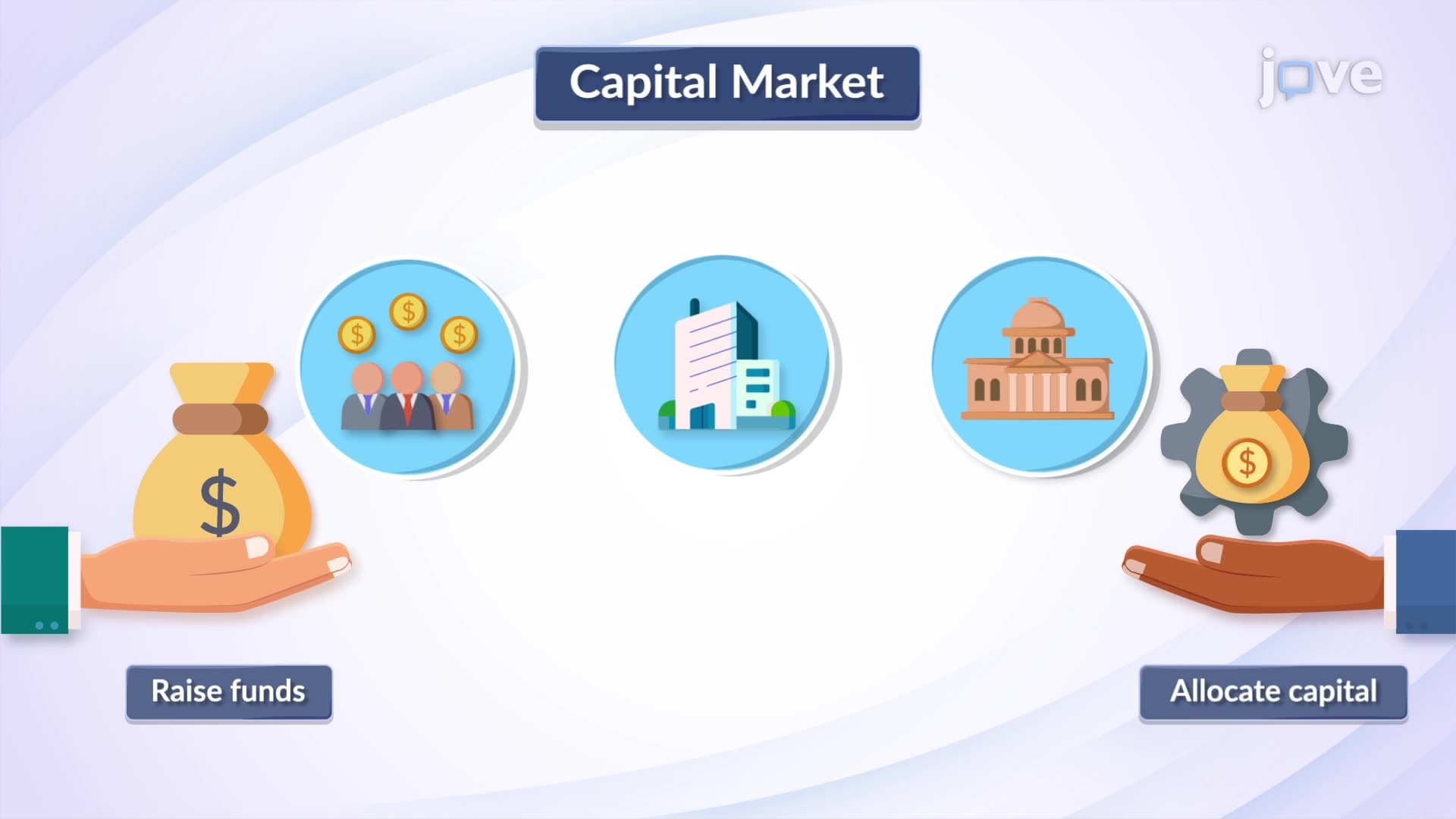
When Morgan Stanley analysts evaluate investment opportunities across financial markets, they're navigating complex ecosystems where trillions of dollars change hands daily. Financial markets serve as the backbone of capital allocation, connecting companies seeking funding with investors pursuing returns. These regulated trading environments-including major exchanges like NASDAQ-enable price discovery, risk management, and liquidity provision that drive business growth and economic stability. Watch the full video on JoVE Coach to master this concept with expert-led visuals and step-by-step explanations.
Financial markets represent far more than trading floors and stock tickers-they're strategic infrastructure that determines how efficiently capital flows through the economy. When Tesla raised over $12 billion through equity offerings in 2020-2021, CEO Elon Musk leveraged public markets not just for funding, but as a strategic tool for accelerating growth, validating market confidence, and establishing competitive positioning in the electric vehicle sector.
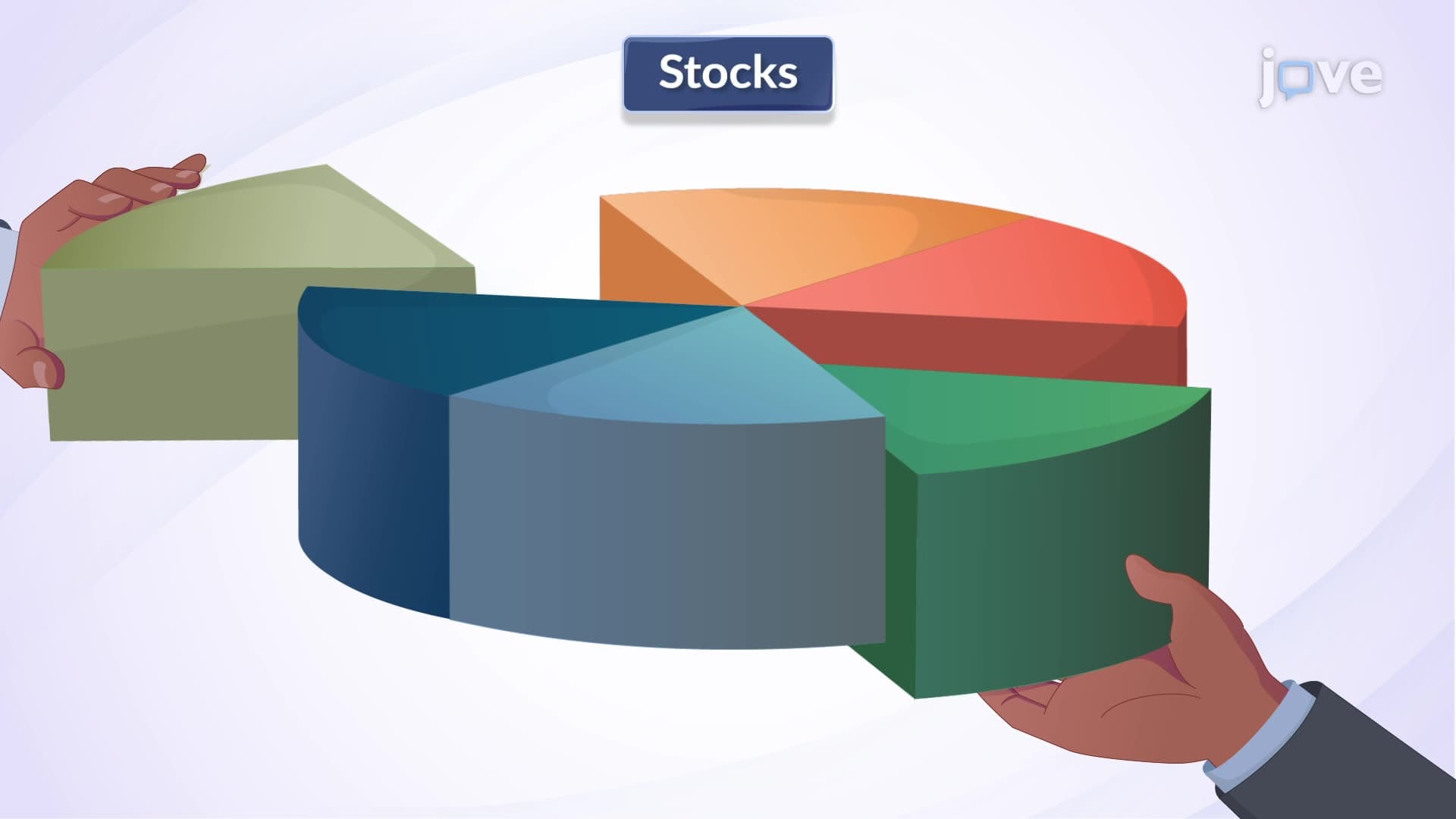
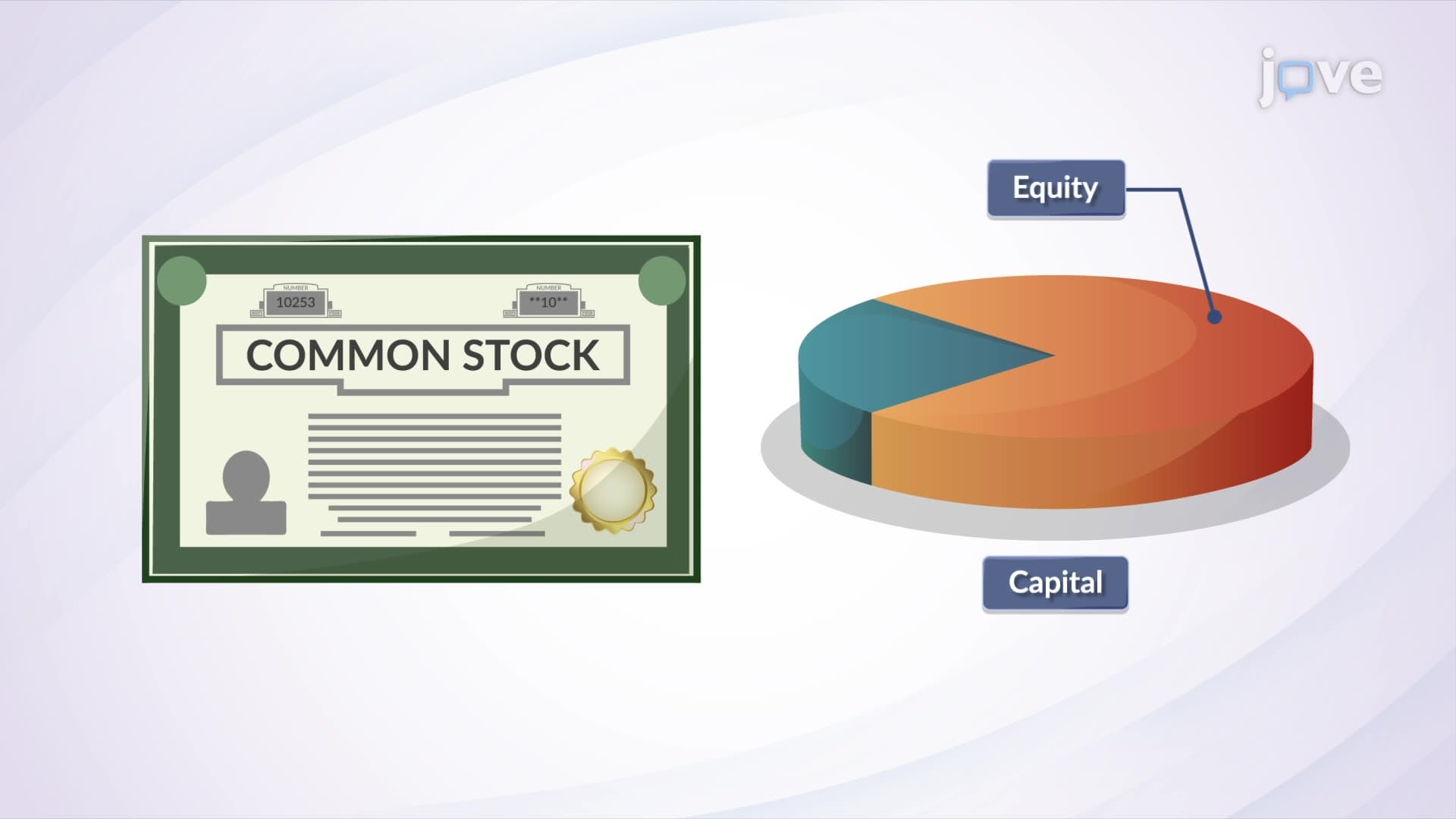
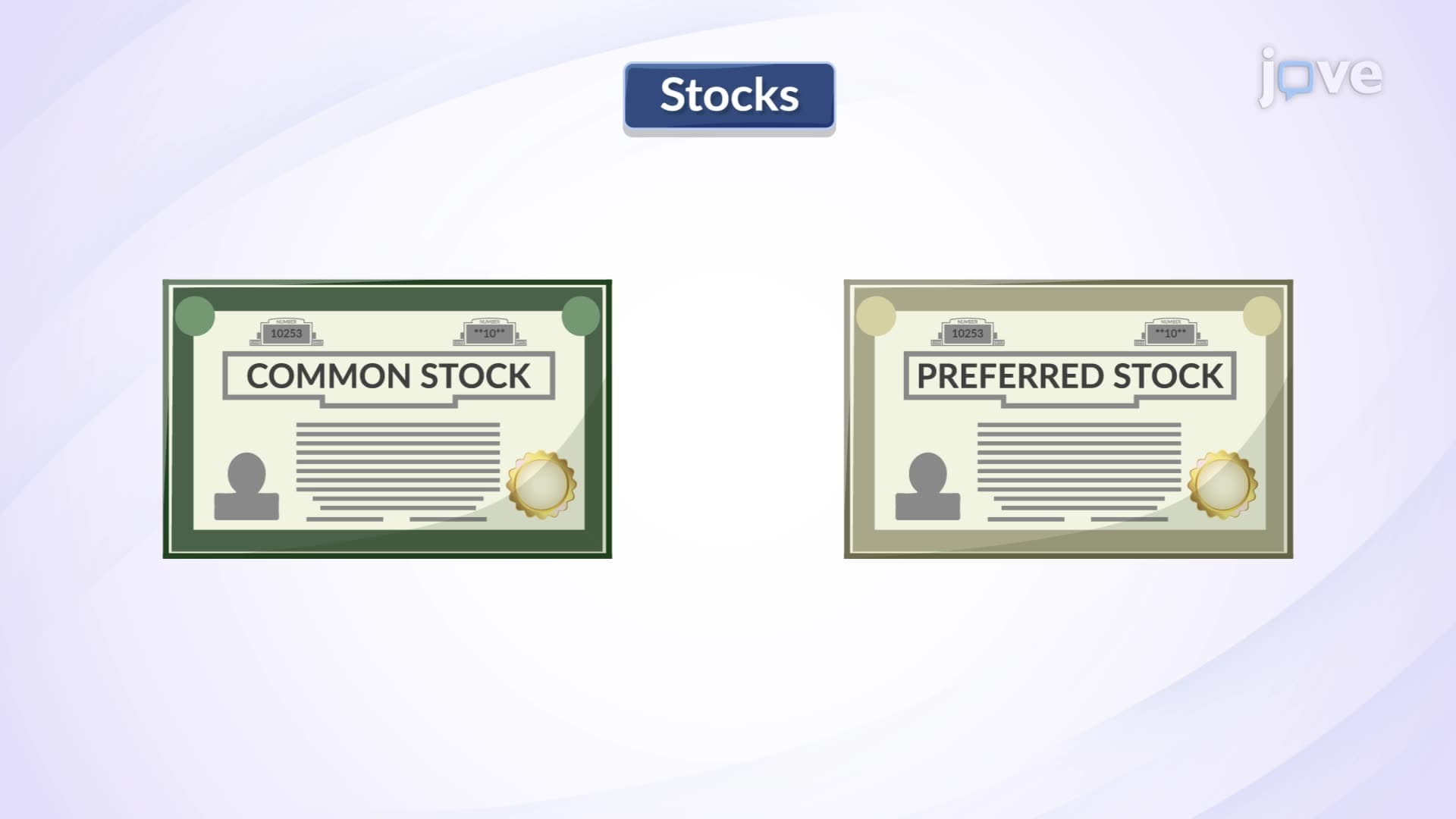
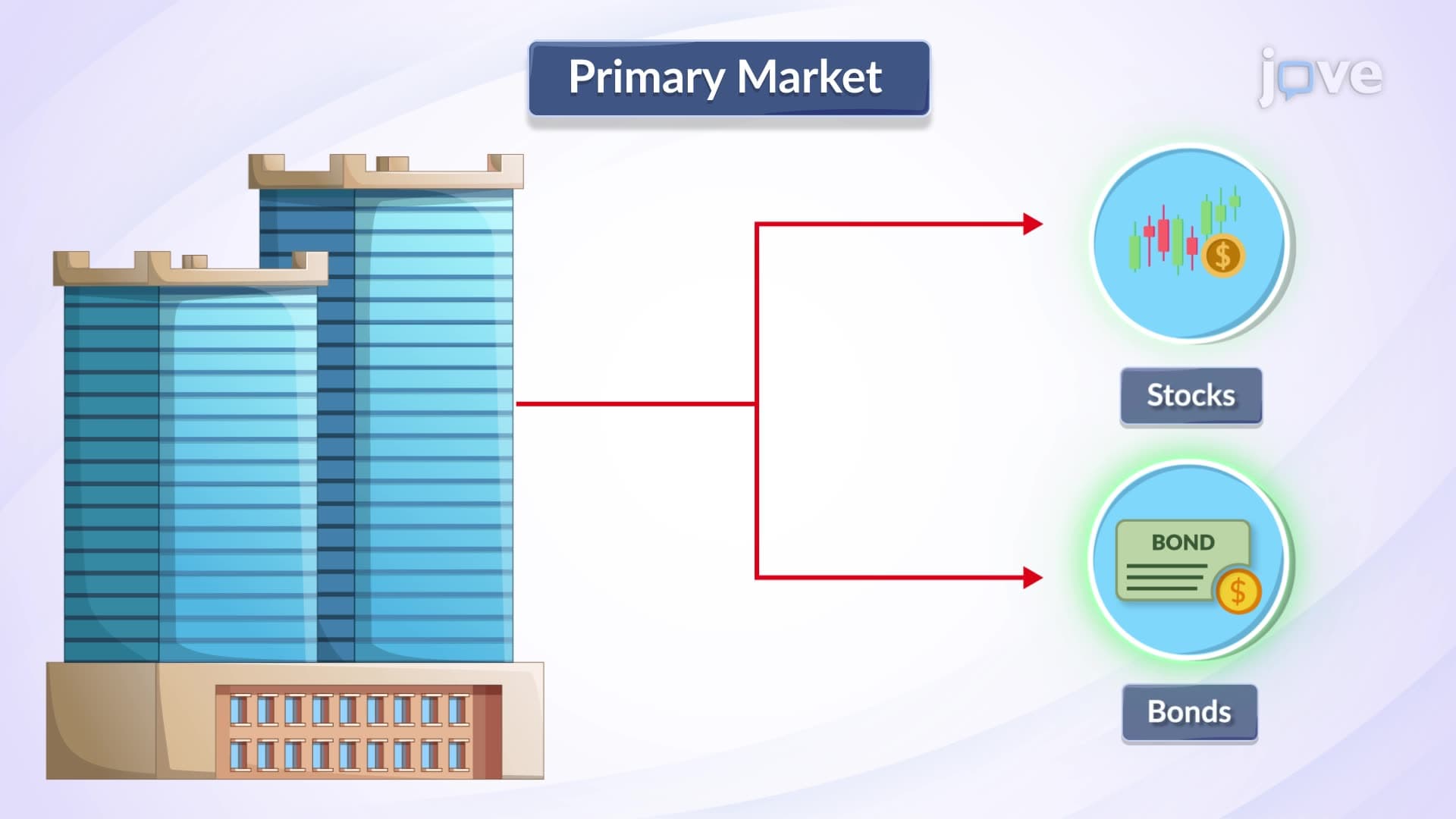
Equity markets enable companies to raise growth capital while providing investors ownership stakes and voting rights. The NASDAQ's technology-focused listing standards have made it the preferred venue for innovative companies, with over 3,000 listed securities generating daily trading volumes exceeding $50 billion.
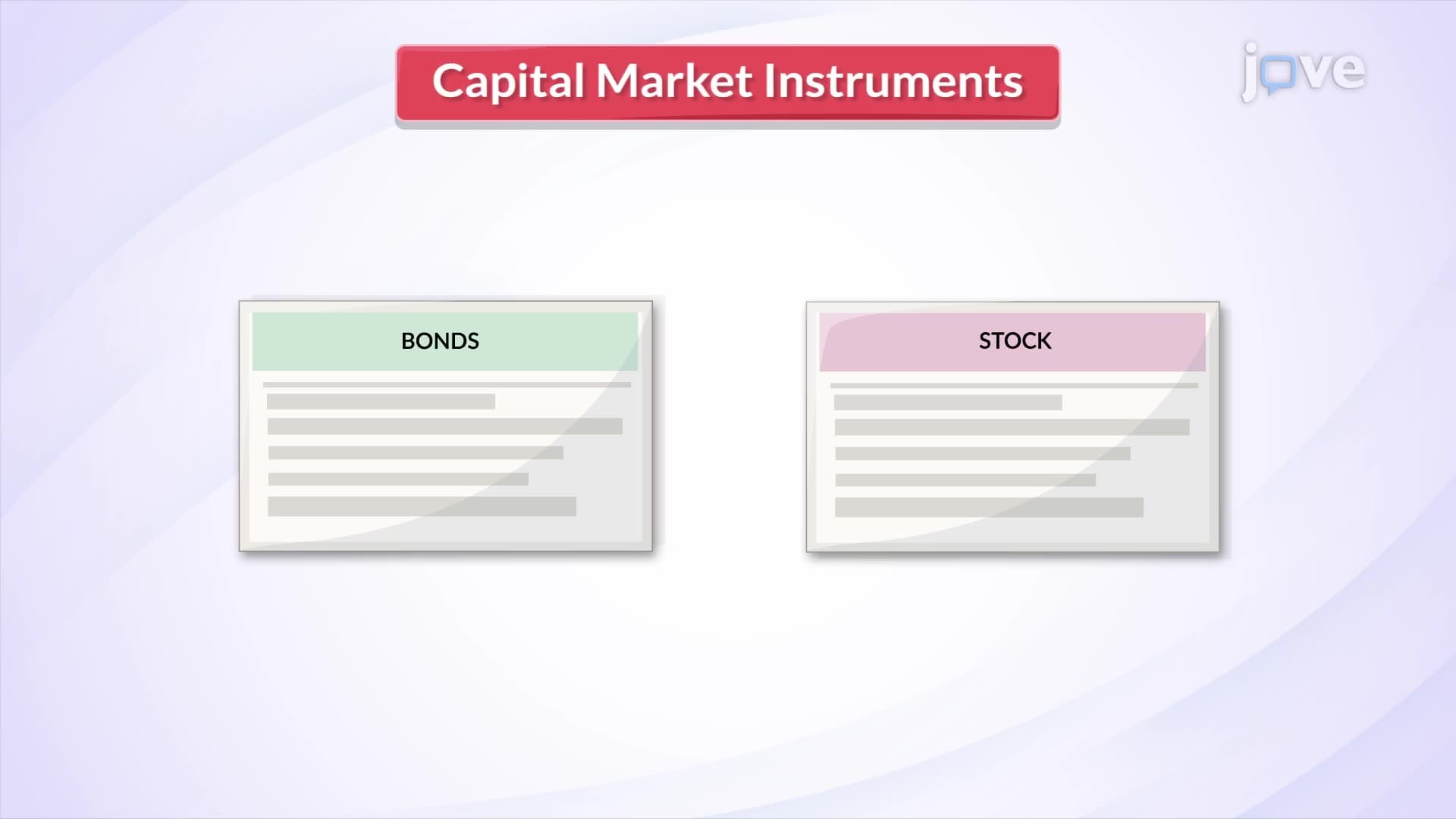
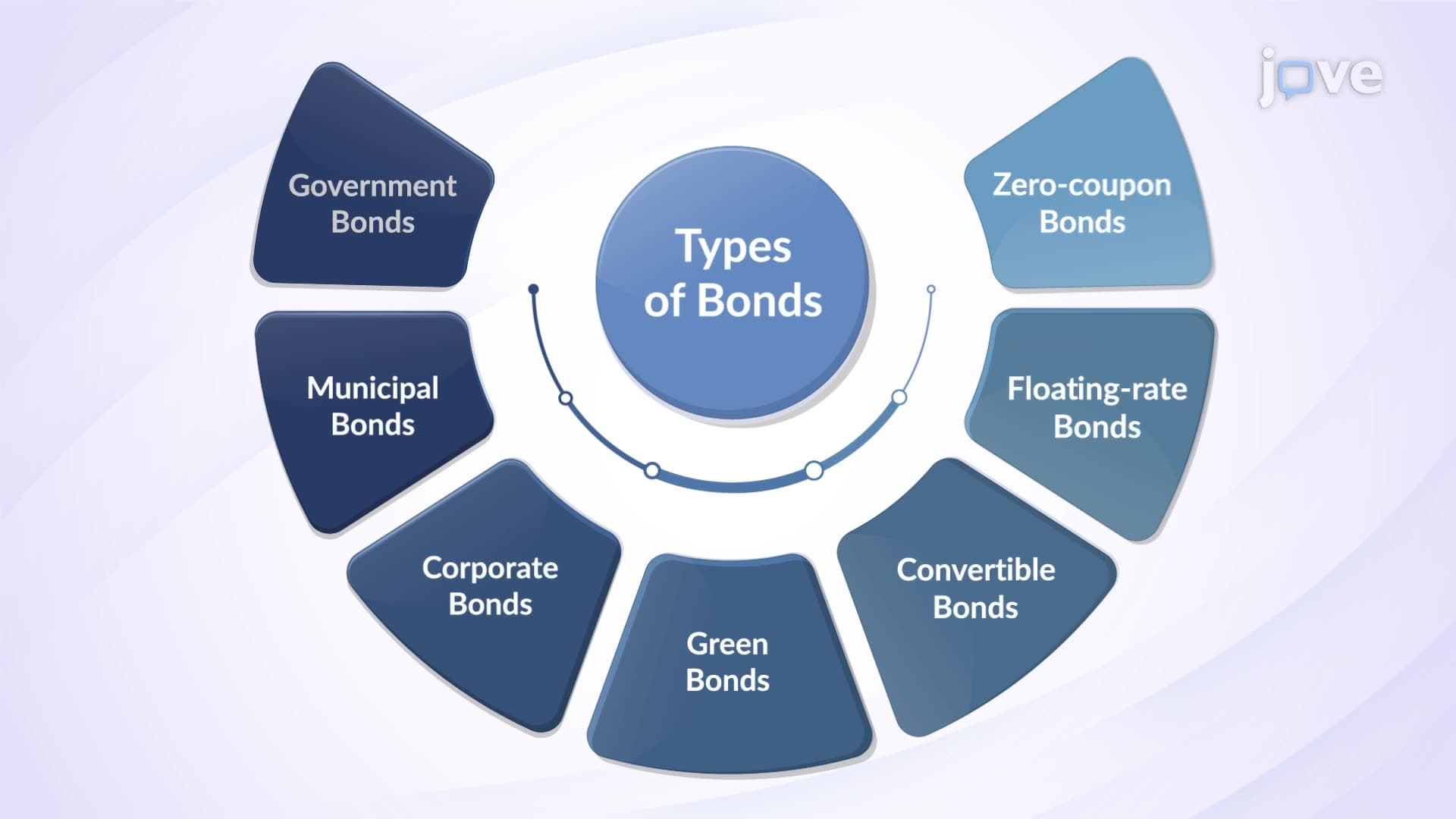
Fixed-income markets offer more predictable financing through corporate bonds, municipal securities, and government debt instruments. Apple's corporate bond program, which has raised over $100 billion since 2013, demonstrates how companies leverage debt markets to fund operations, acquisitions, and shareholder returns while maintaining financial flexibility.
Derivatives markets provide sophisticated risk management tools through options, futures, and swaps. Airlines like Southwest Airlines famously use fuel hedging strategies through commodity derivatives to stabilize operating costs and protect profit margins against volatile oil prices.
The Securities and Exchange Commission (SEC) ensures market integrity through disclosure requirements, anti-fraud enforcement, and fair trading practices. This regulatory oversight creates the transparency and trust necessary for efficient capital allocation. Companies must balance compliance costs with the benefits of market access-a strategic consideration that influences everything from corporate structure to international expansion plans.
Market conditions directly impact corporate strategy, from merger and acquisition timing to dividend policy decisions. Understanding market cycles, investor sentiment, and regulatory changes enables executives to optimize capital structure, time major transactions, and communicate effectively with stakeholders. The interconnected nature of global financial markets means that disruptions in one sector can create opportunities or challenges across industries, making market literacy essential for strategic decision-making.
Related Micro-courses