- Finance
- Dividend and Payout Policy
Micro-courses:17

Dividend and Payout Policy

1. Cash Dividend Payments
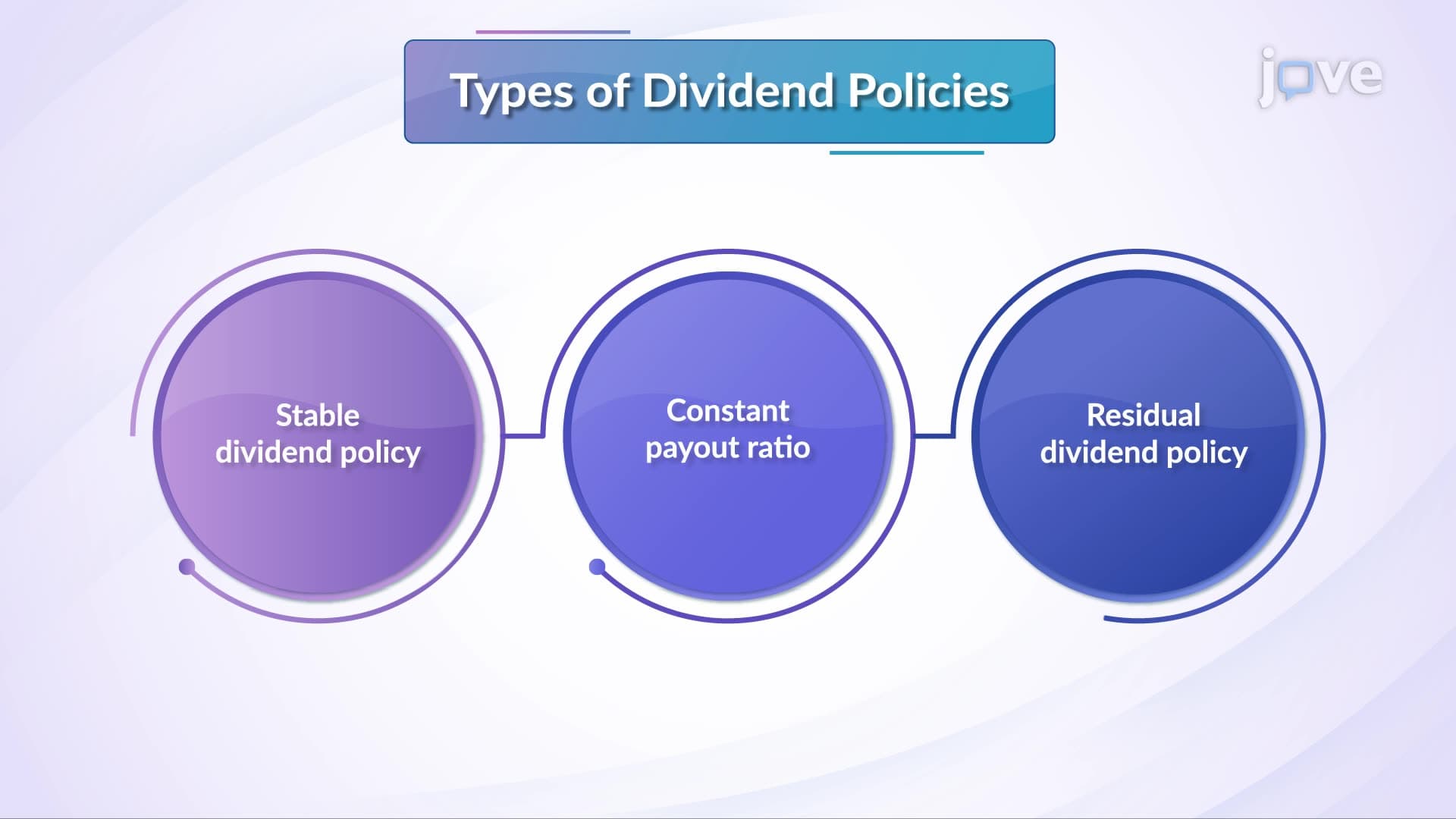
2. Dividend Policy
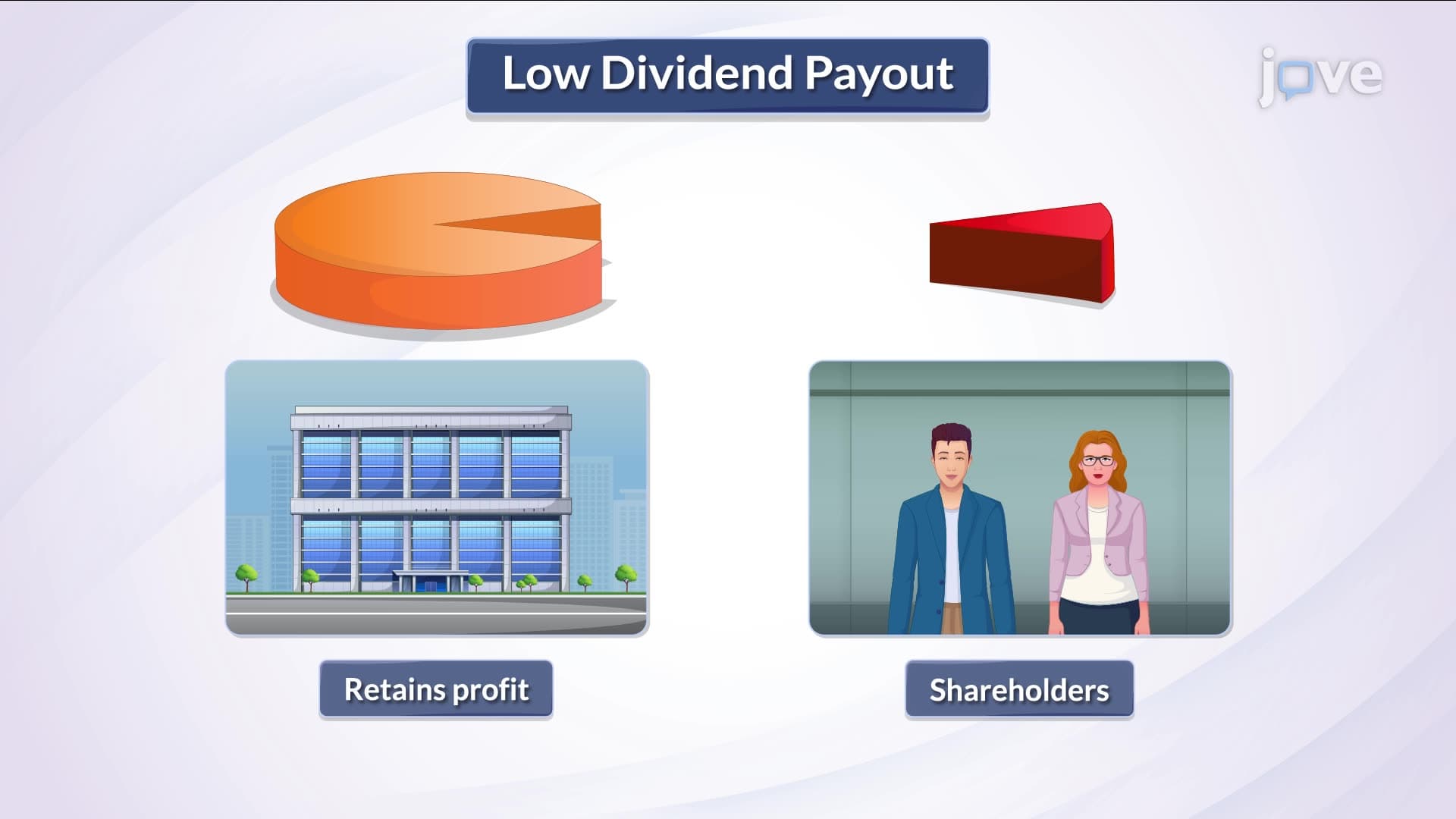
3. Factors Supporting Low Dividend Payout
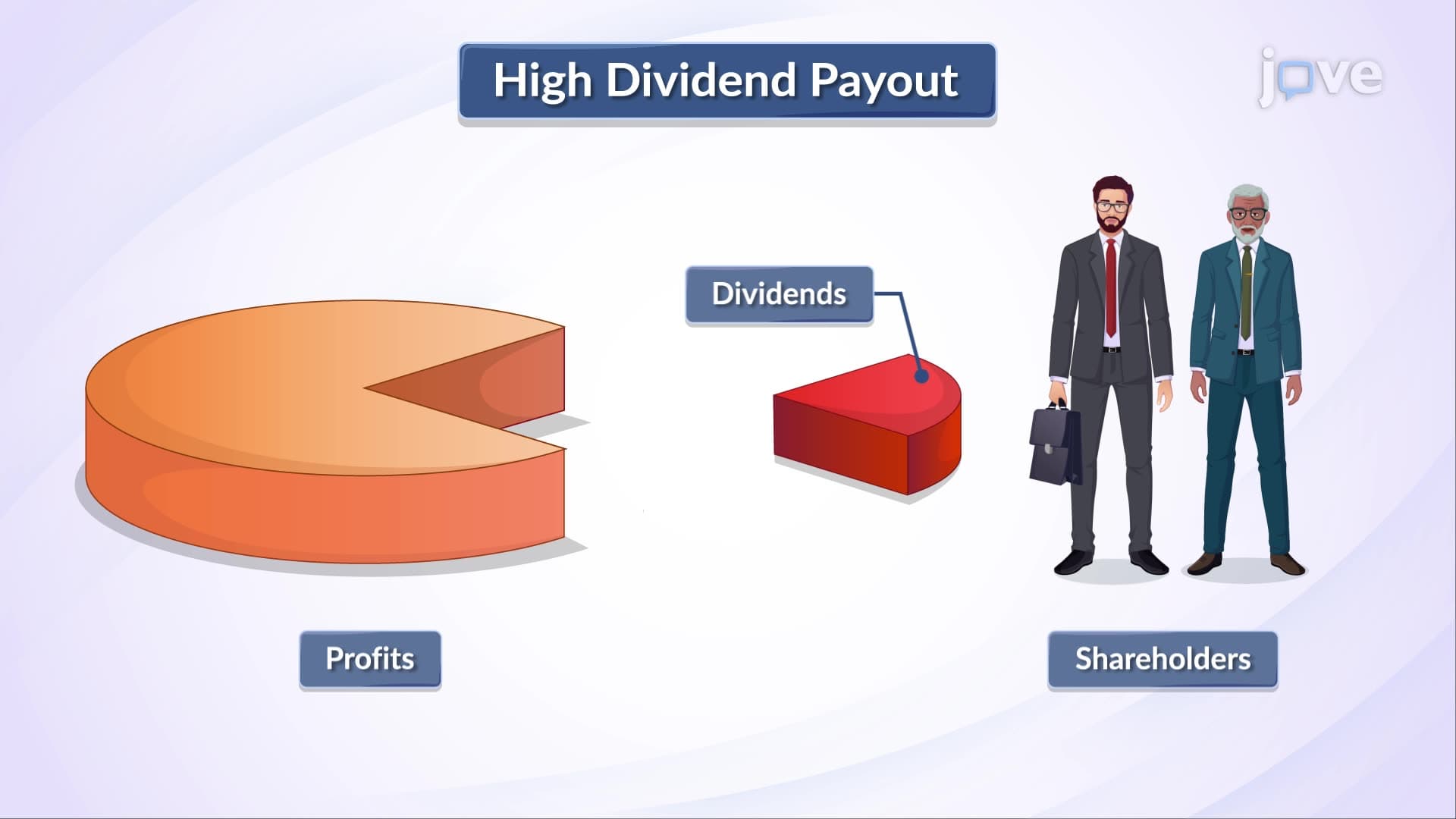
4. Factors Supporting High Dividend Payout

5. Stock Repurchases
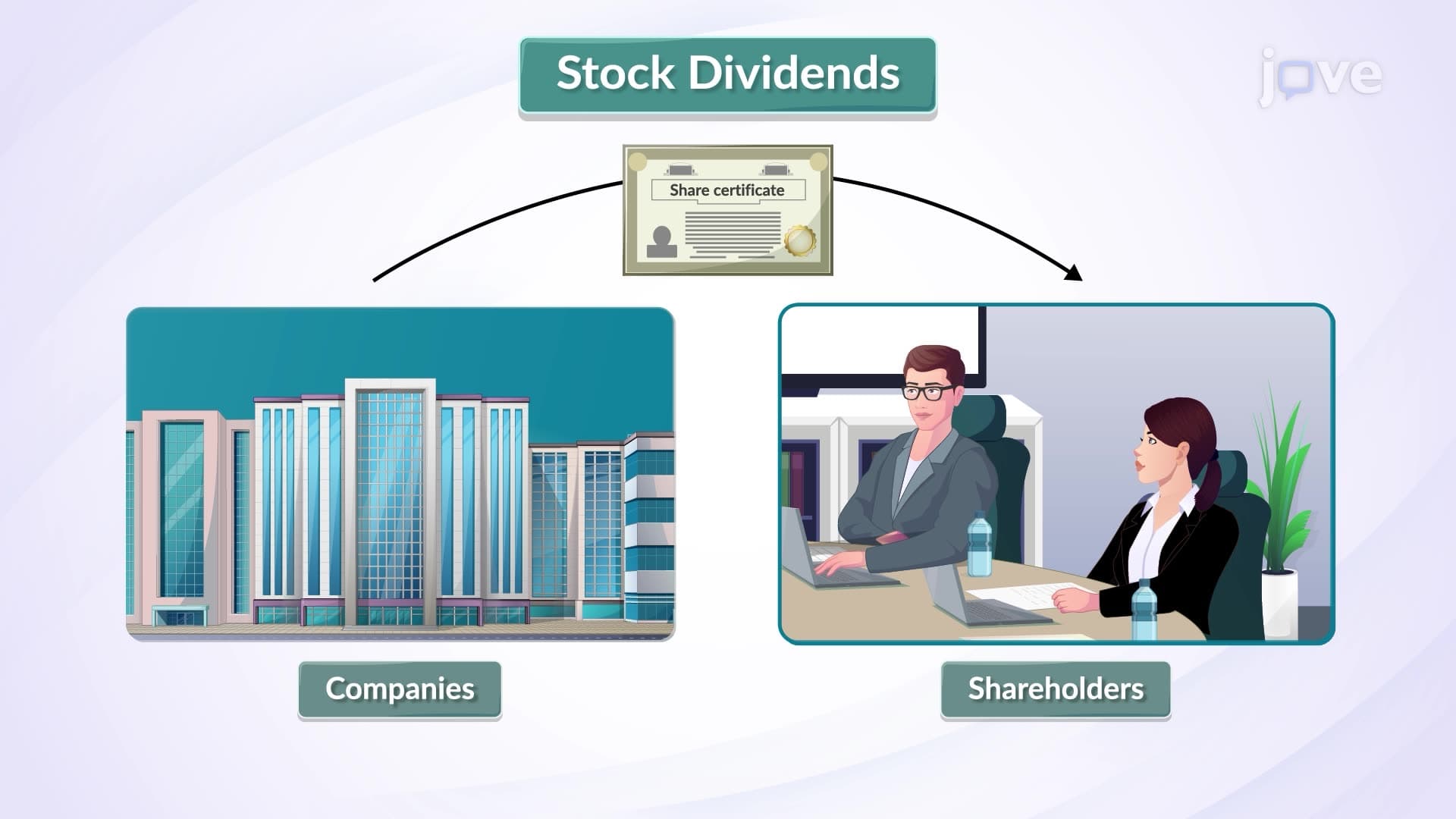
6. Stock Dividend

7. Stock Split
Dividend and payout policy represents one of the most critical strategic decisions facing corporate executives today. This comprehensive JoVE Coach program examines how companies like Apple, Microsoft, and Procter & Gamble structure their dividend policy decisions to maximize shareholder value while funding growth initiatives. You'll master the frameworks that drive how companies decide on dividend payout policies, from cash distributions to stock repurchases.
- Apply dividend policy frameworks to evaluate optimal payout ratios for different business lifecycle stages
- Analyze the strategic implications of cash dividends versus stock buybacks on earnings per share and market valuation
- Implement residual dividend models to balance shareholder returns with capital reinvestment needs
- Evaluate how dividend signaling affects investor perception and stock price performance
- Assess the impact of retention ratios on long-term growth prospects and competitive positioning
- Leverage stock split strategies to enhance market liquidity and broaden investor accessibility
- Apply tax optimization principles when structuring dividend and payout policies
- Analyze industry benchmarks to determine appropriate dividend yield targets for your sector
1. Cash Dividend Strategy and Implementation Master the fundamentals of cash dividend payments and their role in shareholder value creation. Examine how industry leaders like Coca-Cola and Johnson & Johnson maintain consistent quarterly distributions while balancing growth investments. Learn to evaluate the optimal timing, frequency, and amount of cash dividends based on cash flow patterns, profitability metrics, and market expectations. Understand the signaling effects of dividend announcements and how they influence investor perception and stock valuation in today's market environment.
2. Dividend Policy Framework Development Analyze the three primary dividend policy approaches: stable dividend policy, constant payout ratio, and residual dividend policy. Explore how companies select the most appropriate framework based on their business model, growth trajectory, and industry dynamics. Study real-world applications from companies like Duke Energy's stable utility dividends versus technology firms' variable payout strategies. Learn to design policy frameworks that align with long-term strategic objectives while meeting short-term shareholder expectations.
3. Low Dividend Payout Strategy for Growth Companies Examine the strategic rationale behind retaining earnings for reinvestment rather than distributing high dividends. Analyze how companies like Apple historically prioritized innovation funding over dividend payments during rapid growth phases. Understand the factors that support low payout strategies, including debt obligations, volatile earnings, and tax optimization considerations. Learn to communicate the value proposition of retained earnings to shareholders focused on long-term capital appreciation rather than immediate income.
4. High Dividend Payout Policy for Mature Enterprises Explore how established companies with limited growth opportunities maximize shareholder value through substantial dividend distributions. Study examples from mature industries where companies like Procter & Gamble consistently return significant portions of earnings to shareholders. Analyze the characteristics of businesses that benefit from high payout policies, including stable cash flows, strong market positions, and excess capital generation capabilities that exceed profitable reinvestment opportunities.
5. Stock Repurchase Programs and Share Buybacks Understand how stock buybacks function as an alternative to cash dividends for returning capital to shareholders. Examine the mechanics of share repurchases and their impact on earnings per share, return on equity, and stock price performance. Study how companies signal confidence in their undervalued stock through strategic buyback programs. Learn to evaluate the optimal timing and structure of repurchase programs while considering market conditions, available cash, and alternative investment opportunities.
6. Stock Dividends and Stock Splits for Market Positioning Analyze non-cash distribution strategies that increase share count while maintaining proportional ownership. Examine how stock dividends allow companies to reward shareholders while preserving cash for operational needs and growth investments. Study stock split strategies used by high-performing companies to enhance trading liquidity and make shares more accessible to retail investors. Understand the market psychology and signaling effects associated with stock splits as indicators of management confidence and growth expectations.
Frequently Asked Questions
Companies analyze their cash flow stability, growth opportunities, debt obligations, and peer benchmarks to establish appropriate payout ratios. Technology companies typically maintain lower ratios (20-30%) to fund innovation, while utilities often distribute 60-80% of earnings due to stable cash flows and limited growth investments.
Key considerations include tax implications for shareholders, stock valuation relative to intrinsic value, flexibility needs for future capital allocation, and signaling objectives. Buybacks offer more flexibility and tax efficiency, while dividends provide predictable income streams that attract income-focused investors.
Successful communication requires clear rationale tied to long-term strategy, advance notice to investors, and emphasis on value creation opportunities. Companies should highlight how the policy change supports competitive positioning, growth investments, or financial strength improvements while maintaining transparency about future intentions.
Dividend decisions communicate management's confidence in future cash flows and growth prospects to the market. Consistent or increasing dividends signal financial strength and stability, while cuts may indicate operational challenges. This signaling effect influences stock valuations and investor sentiment beyond the immediate cash impact.
Income-focused funds and retirees prefer high, stable dividends, while growth-oriented investors favor retained earnings for reinvestment. Insurance companies and pension funds often seek predictable dividend streams for liability matching, whereas venture capital and growth funds prioritize capital appreciation over current income.
When Microsoft initiated its dividend in 2003 and steadily increased payments, it attracted new investor segments while maintaining growth investments. The policy signaled maturity and cash generation capability, leading to expanded institutional ownership and reduced volatility as the investor base diversified beyond growth-focused funds.
Essential competencies include financial modeling for cash flow projections, understanding of tax implications across investor types, industry analysis for peer benchmarking, and strategic thinking about capital allocation trade-offs. Strong communication skills are crucial for presenting policy recommendations to boards and investors.
Expertise in dividend policy demonstrates strategic financial acumen and understanding of shareholder value creation. Professionals who can optimize capital allocation decisions and effectively communicate policy rationale to stakeholders often advance to senior treasury, CFO, or investor relations roles where these skills directly impact corporate performance.
This microcourse includes 7 concept videos that walk you through the building blocks of Finance. Each video is short, about 1 minute, so you can cover a full topic during a coffee break or between classes. The full sequence starts with Cash Dividend Payments and ends with Stock Split.
The playlist moves from big-picture ideas to the precise vocabulary used in Finance. Early videos introduce Cash Dividend Payments, Dividend Policy, and Factors Supporting Low Dividend Payout. The middle of the series focuses on Stock Repurchases, Stock Dividend, and Stock Split. The final stretch covers Stock Split.
The natural next step is Stock Valuation. From there, you can move to Bonds - Concepts and Valuation, Mergers and Acquisitions, and Financial Ethics. Once you finish those, the full Finance curriculum of 17 microcourses on JoVE Coach opens up, taking you from foundational concepts to advanced systems.
Related Subjects

