Loading…
Loading video…

2,194 views
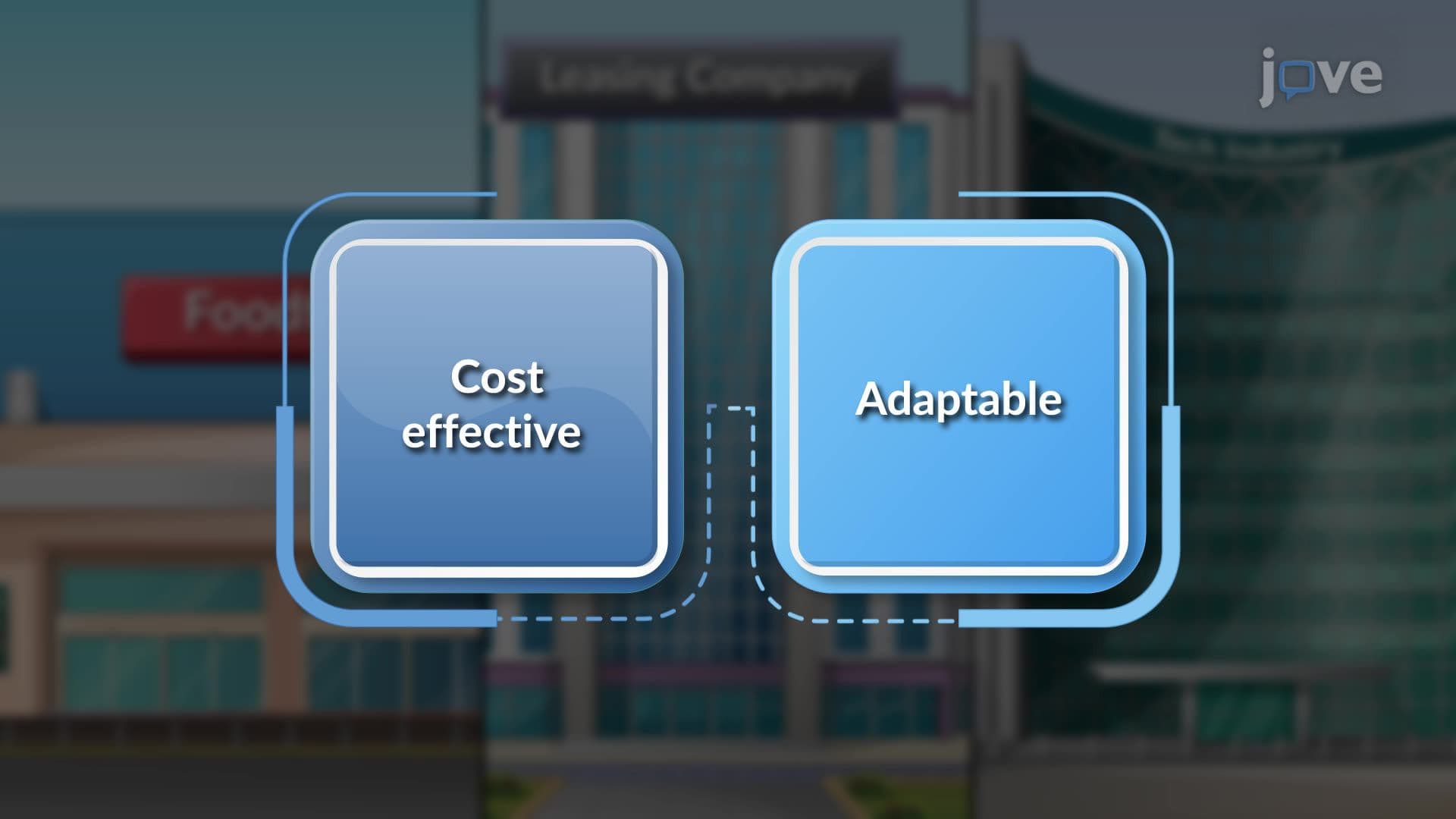
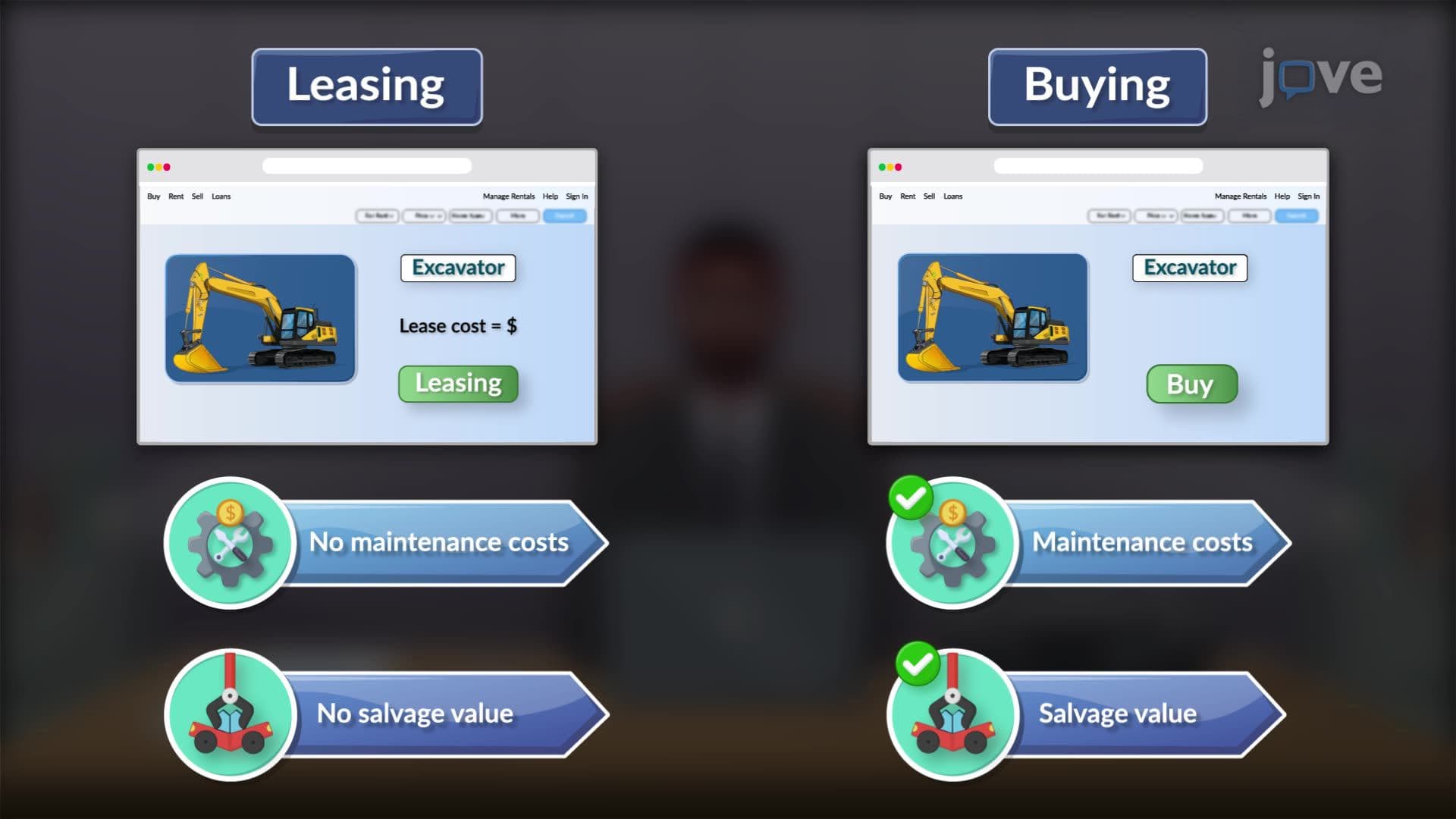
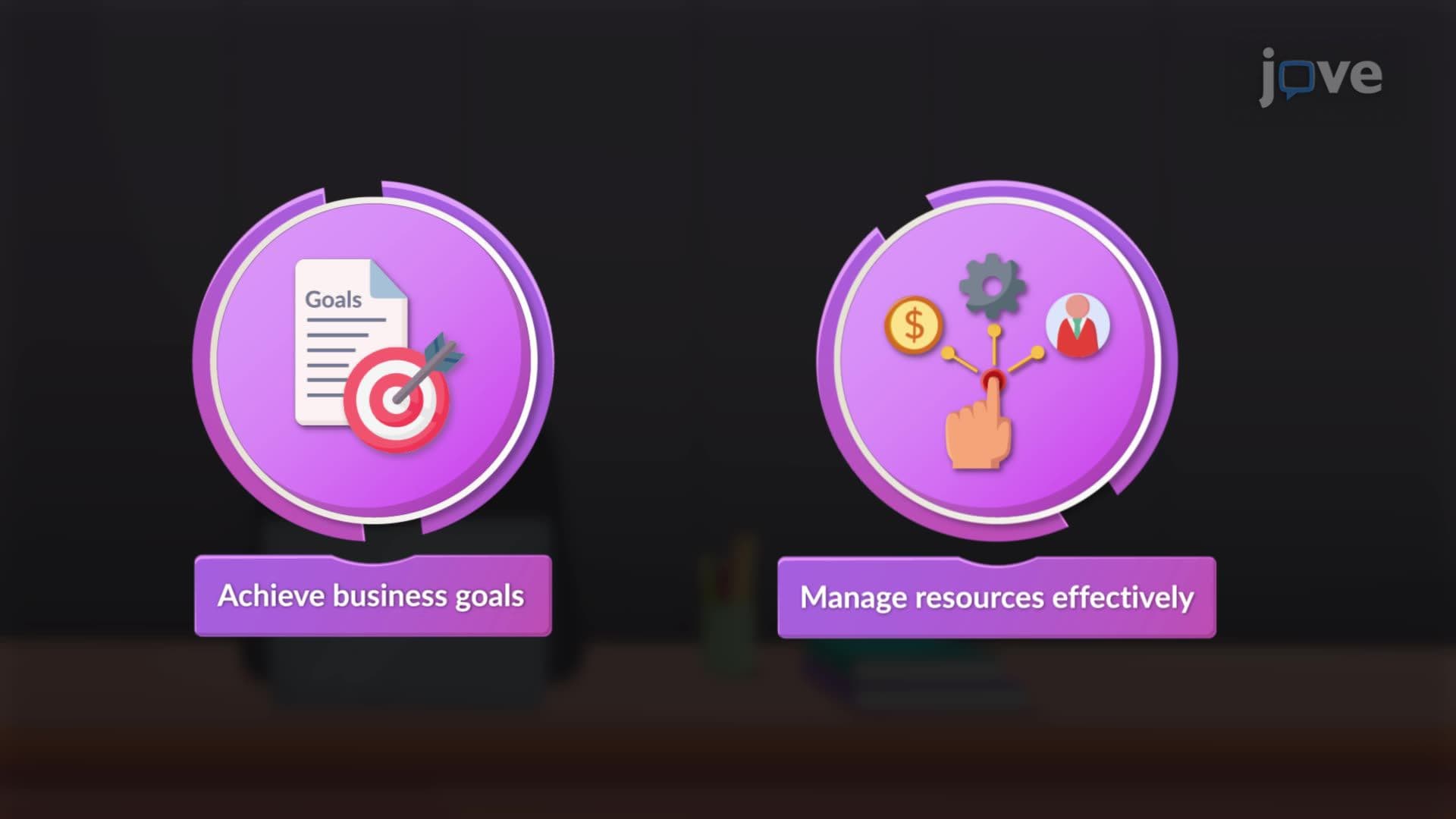
Modern enterprises face mounting pressure to optimize capital allocation while maintaining operational flexibility in volatile markets. Operating leases enable businesses to access critical assets without the substantial capital commitments of ownership, making them essential tools for strategic resource management. Companies like FedEx leverage operating leases extensively for their delivery vehicle fleets, allowing rapid scaling during peak seasons without depleting cash reserves. This financing structure transfers ownership responsibilities to lessors while providing lessees with predictable monthly expenses and early termination flexibility. Watch the full video on JoVE Coach to master this concept with expert-led visuals and step-by-step explanations.
Modern business leaders increasingly recognize operating leases as sophisticated financial instruments that extend far beyond simple equipment rental agreements. Unlike traditional asset purchases that tie up significant capital and create long-term balance sheet obligations, operating leases provide strategic flexibility essential for navigating today's dynamic business environment. Companies like Starbucks utilize operating leases for prime retail locations, enabling rapid market expansion without the substantial capital requirements of real estate ownership.
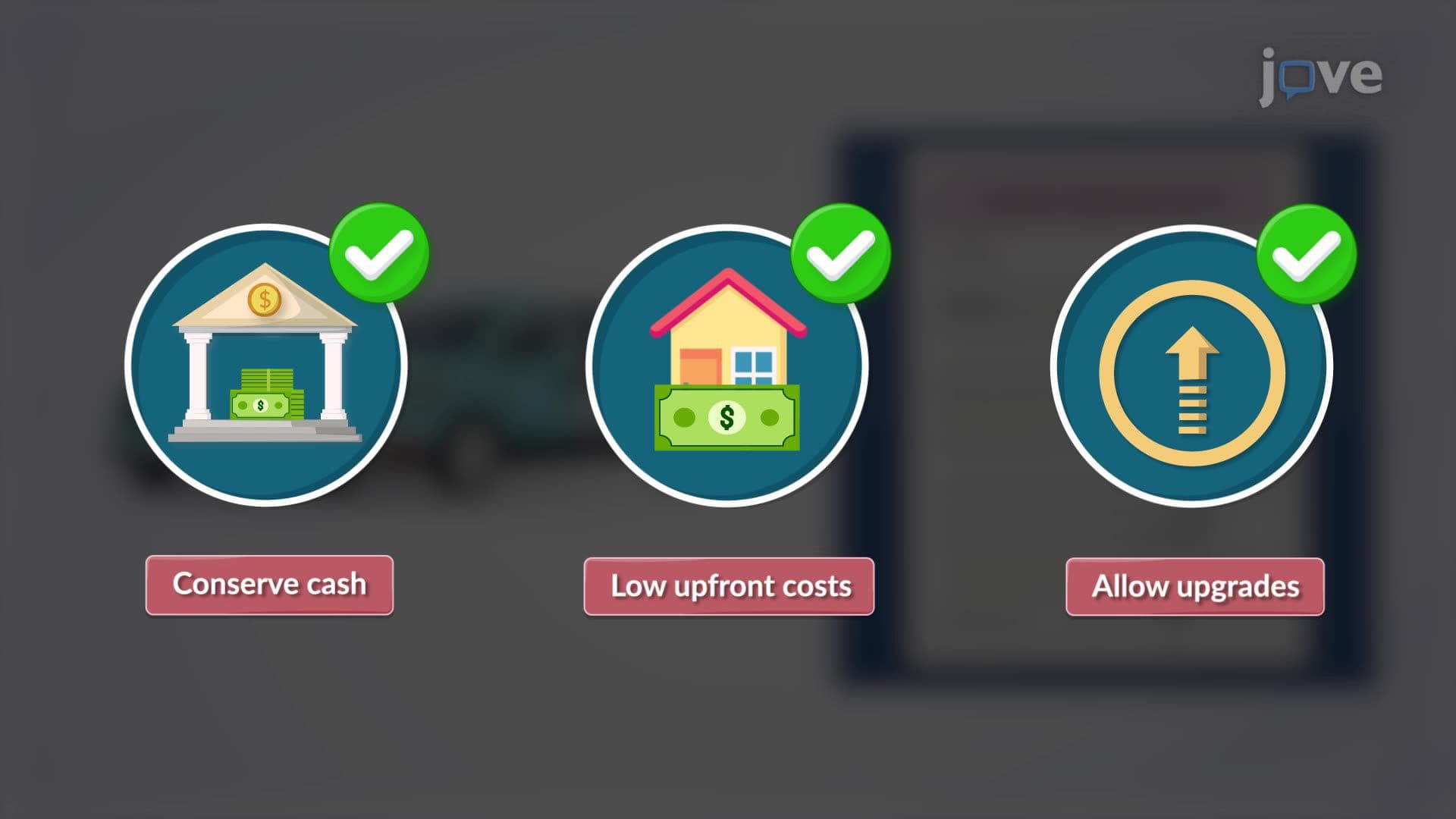
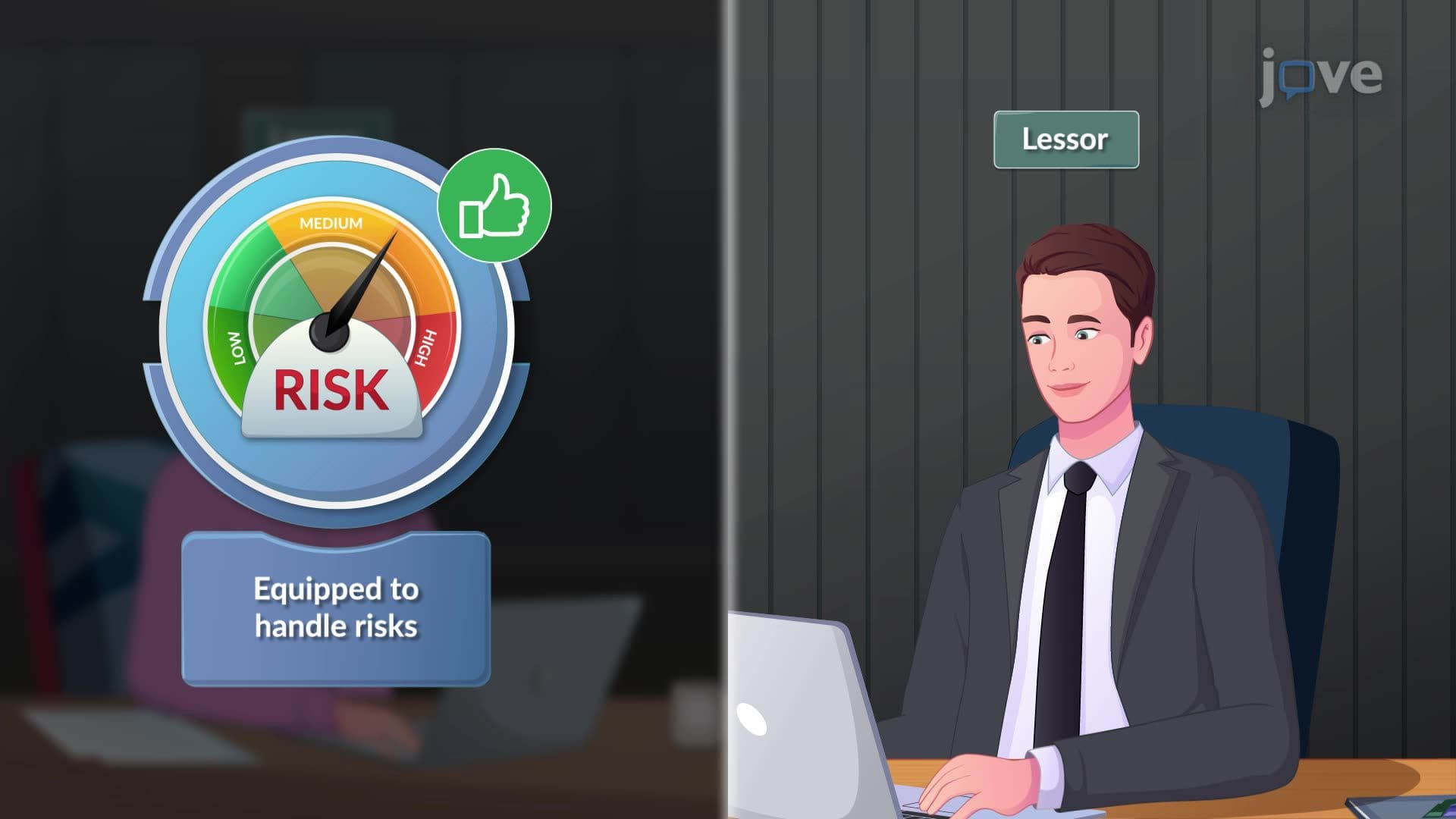
Operating leases deliver unmatched operational agility by transferring asset ownership risks to specialized lessors while providing businesses with immediate access to productivity-enhancing resources. This structure proves particularly valuable for technology-dependent organizations where equipment obsolescence presents ongoing challenges. Microsoft's corporate clients frequently employ operating leases for IT infrastructure, ensuring access to cutting-edge technology while avoiding the depreciation risks associated with rapidly evolving hardware platforms.
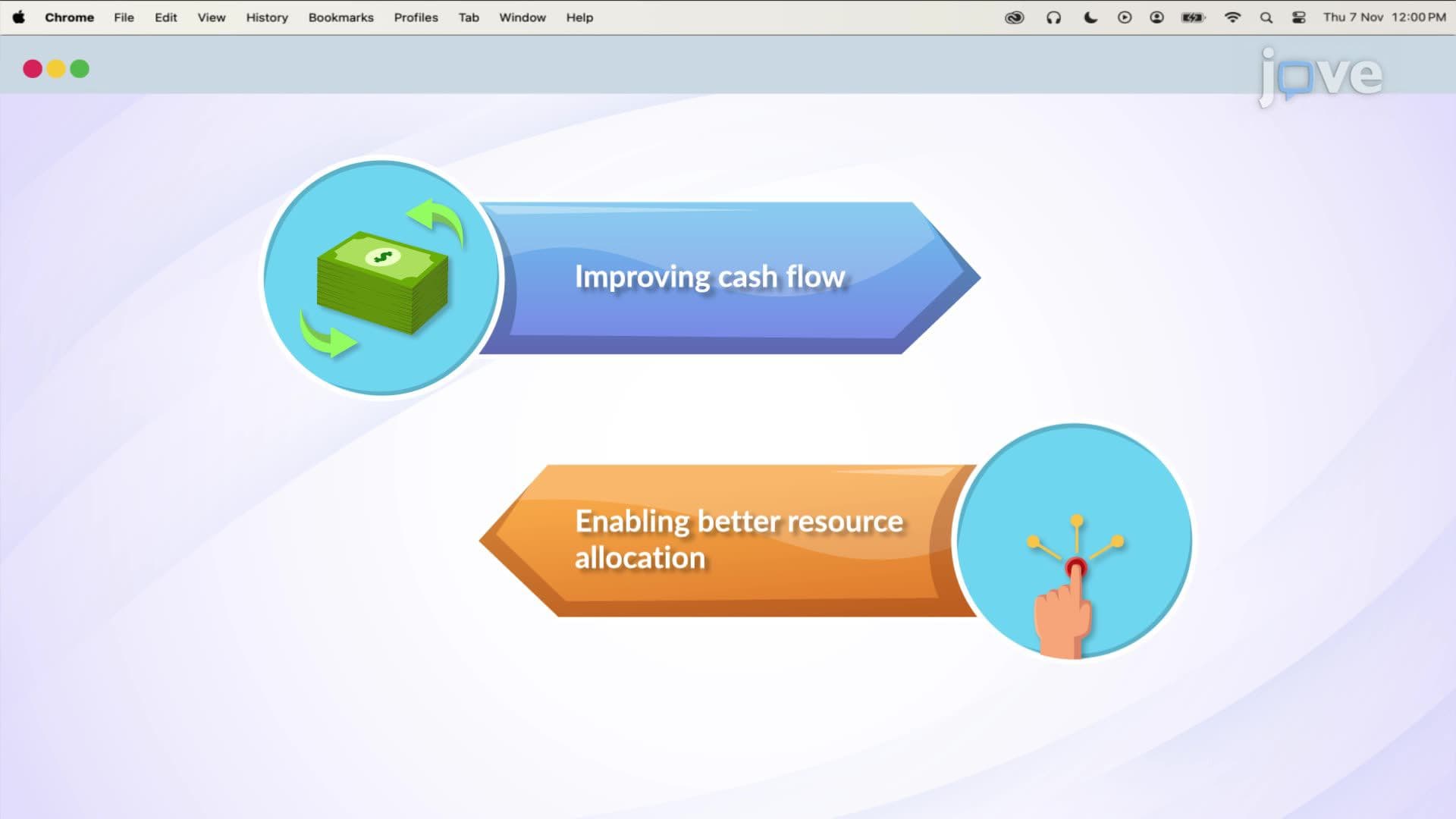
From a financial management perspective, operating leases offer predictable expense structures that facilitate more accurate budgeting and cash flow forecasting. Monthly lease payments typically encompass maintenance, insurance, and other operational costs, converting variable expenses into fixed, manageable budget line items. This approach enables CFOs to maintain stronger working capital positions while accessing necessary operational assets.
Different industries leverage operating leases to address sector-specific challenges and opportunities. Logistics companies like UPS utilize operating leases for vehicle fleets, enabling seasonal capacity adjustments without permanent asset commitments. Technology firms lease server equipment and software licensing through operating structures, maintaining access to latest innovations while preserving capital for research and development initiatives. Healthcare organizations frequently employ operating leases for medical equipment, ensuring regulatory compliance and technological currency without substantial capital expenditures.
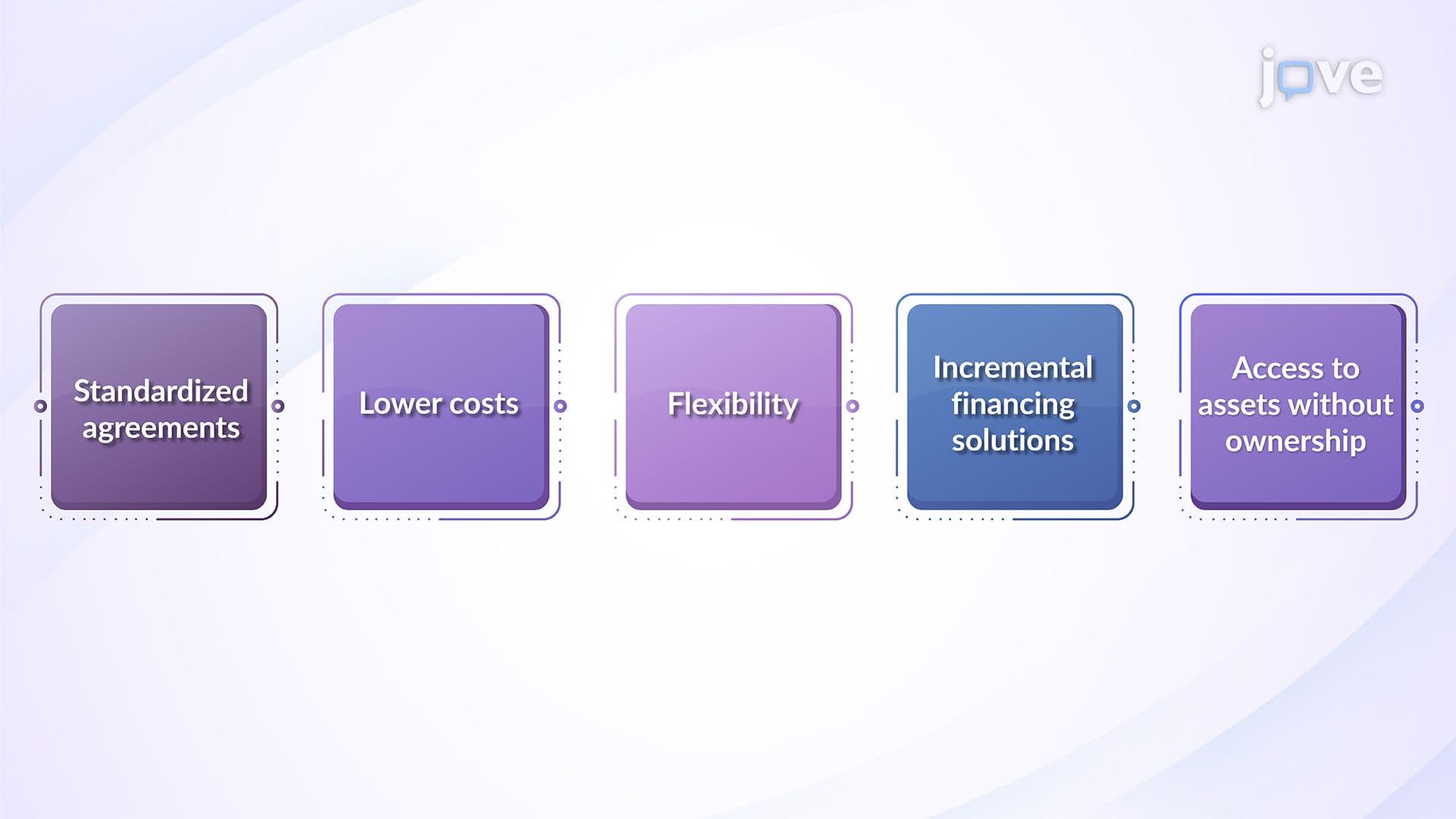
The strategic value of operating leases extends beyond immediate financial benefits to encompass competitive positioning and market responsiveness. Organizations that master operating lease structures gain significant advantages in capital efficiency, operational flexibility, and risk management—critical capabilities for sustainable business growth.
Frequently Asked Questions
An operating lease allows businesses to use assets without ownership, transferring maintenance and obsolescence risks to the lessor. Unlike purchasing, operating leases preserve working capital, provide predictable monthly expenses, and offer termination flexibility for changing business needs.
Operating leases work best for assets with high obsolescence risk, seasonal business needs, or when maintaining balance sheet flexibility is crucial. They're ideal for technology equipment, delivery vehicles, or when you need the option to upgrade or terminate early without significant penalties.
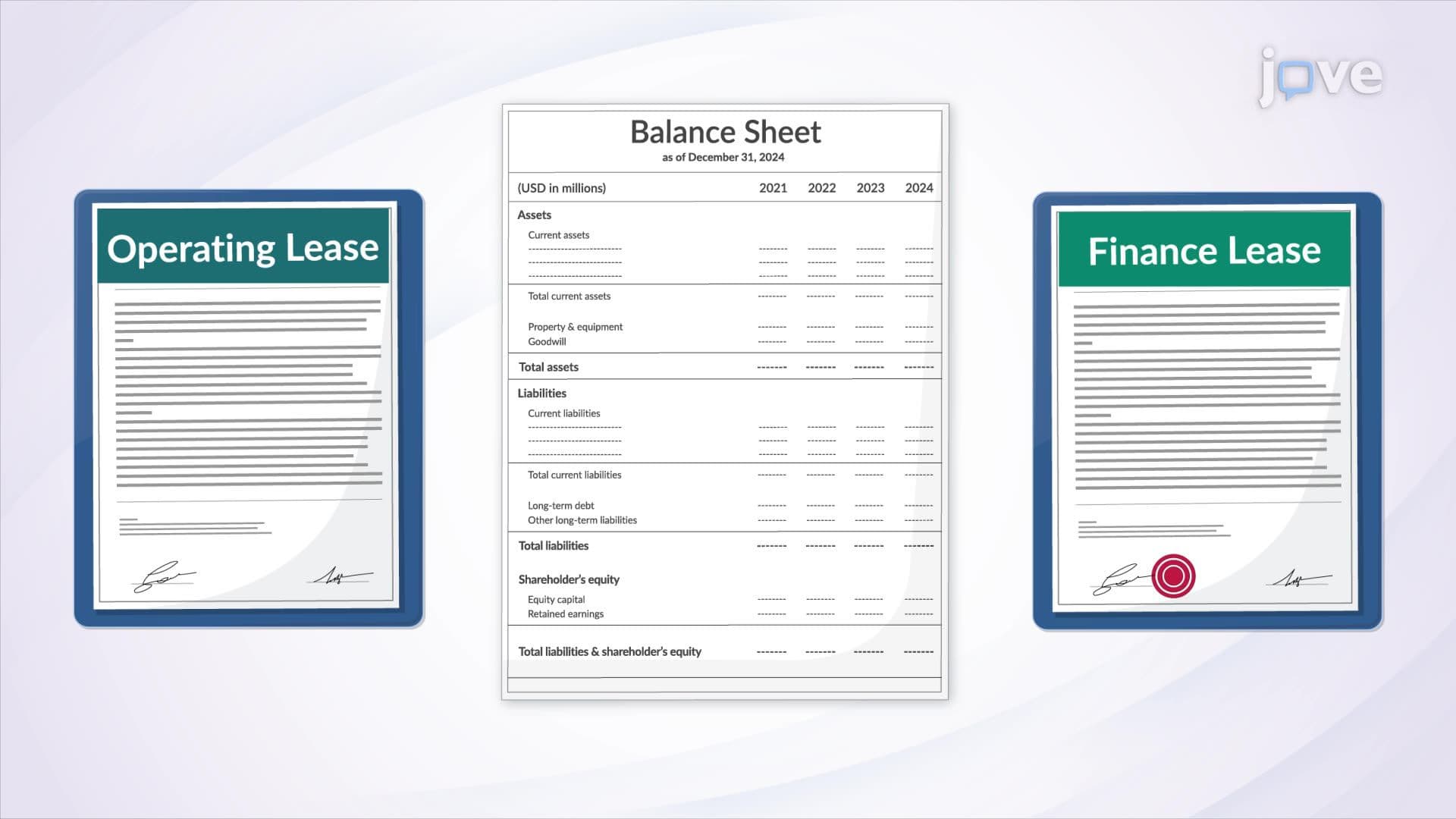
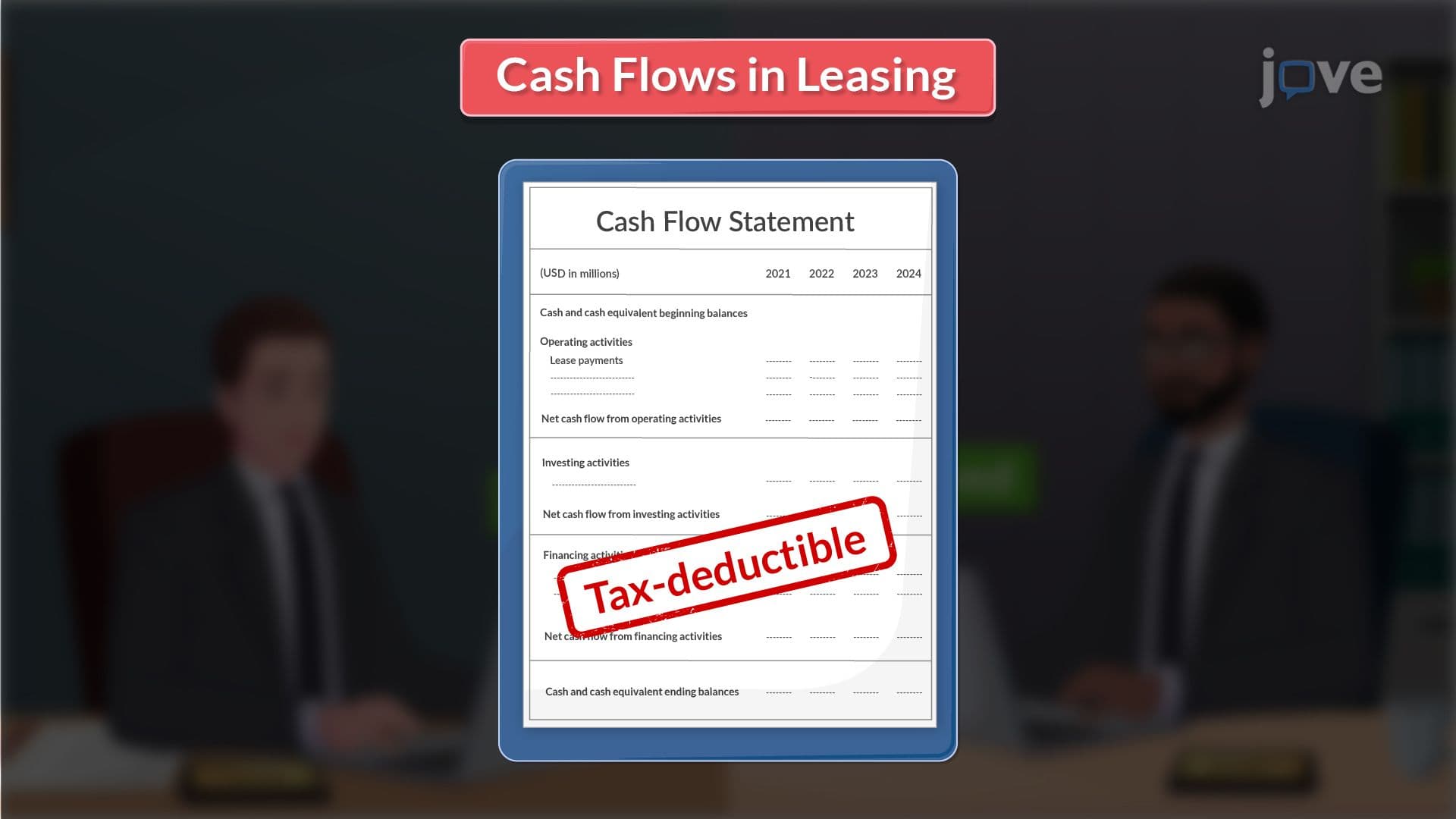
Operating leases appear as operating expenses on income statements rather than debt on balance sheets, potentially improving debt-to-equity ratios. Monthly payments provide predictable cash flow impacts, though new accounting standards (ASC 842) now require lease assets and liabilities on balance sheets.
Amazon extensively uses operating leases for warehouse facilities and delivery vehicles across its logistics network. This approach enables rapid geographic expansion during peak seasons while maintaining capital flexibility for technology investments and avoiding long-term real estate commitments in volatile markets.
Focus on capital preservation, operational flexibility, and risk transfer benefits. Highlight how operating leases enable business agility, provide predictable expenses for budgeting, and free up capital for core business investments while transferring maintenance and obsolescence risks to specialized lessors.
Basic financial literacy helps, but operating lease evaluation focuses on practical business considerations like total cost comparisons, flexibility needs, and operational requirements. Most leasing companies provide comprehensive support and analysis tools for decision-making.
Mastering operating leases demonstrates strategic financial thinking essential for management roles. This knowledge proves valuable in capital allocation decisions, vendor negotiations, and operational planning—skills highly valued across finance, operations, and general management career paths.
Study finance leases, sale-leaseback arrangements, and capital budgeting methodologies. Understanding these complementary concepts provides comprehensive insight into strategic asset management and capital allocation frameworks essential for senior leadership roles.
Related Micro-courses


Related Subjects