Loading subject page…

Micro-course: Leasing
2,194 views
Learn key concepts and earn your certificate.




Financial Leases

00:00
01:23
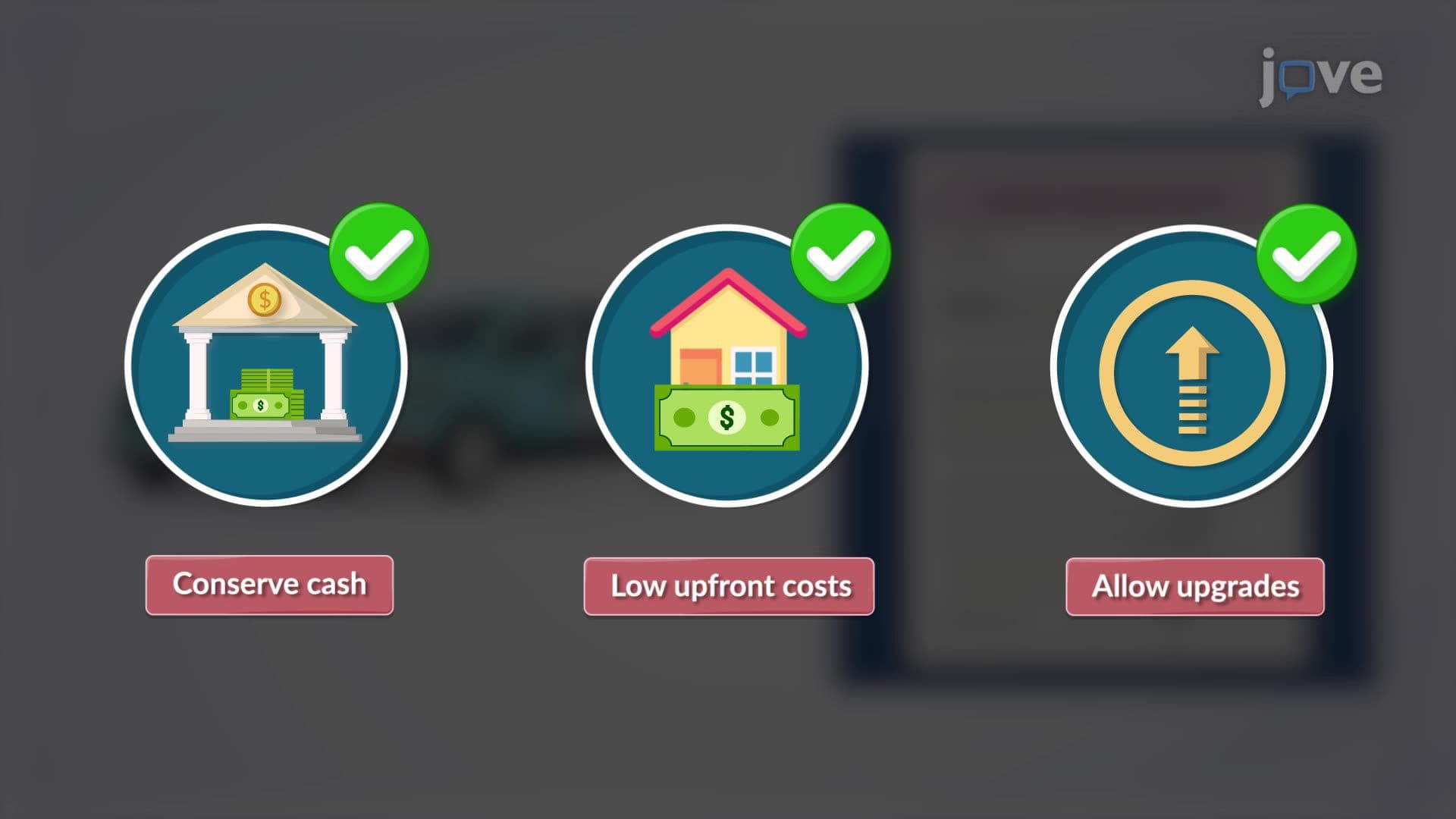
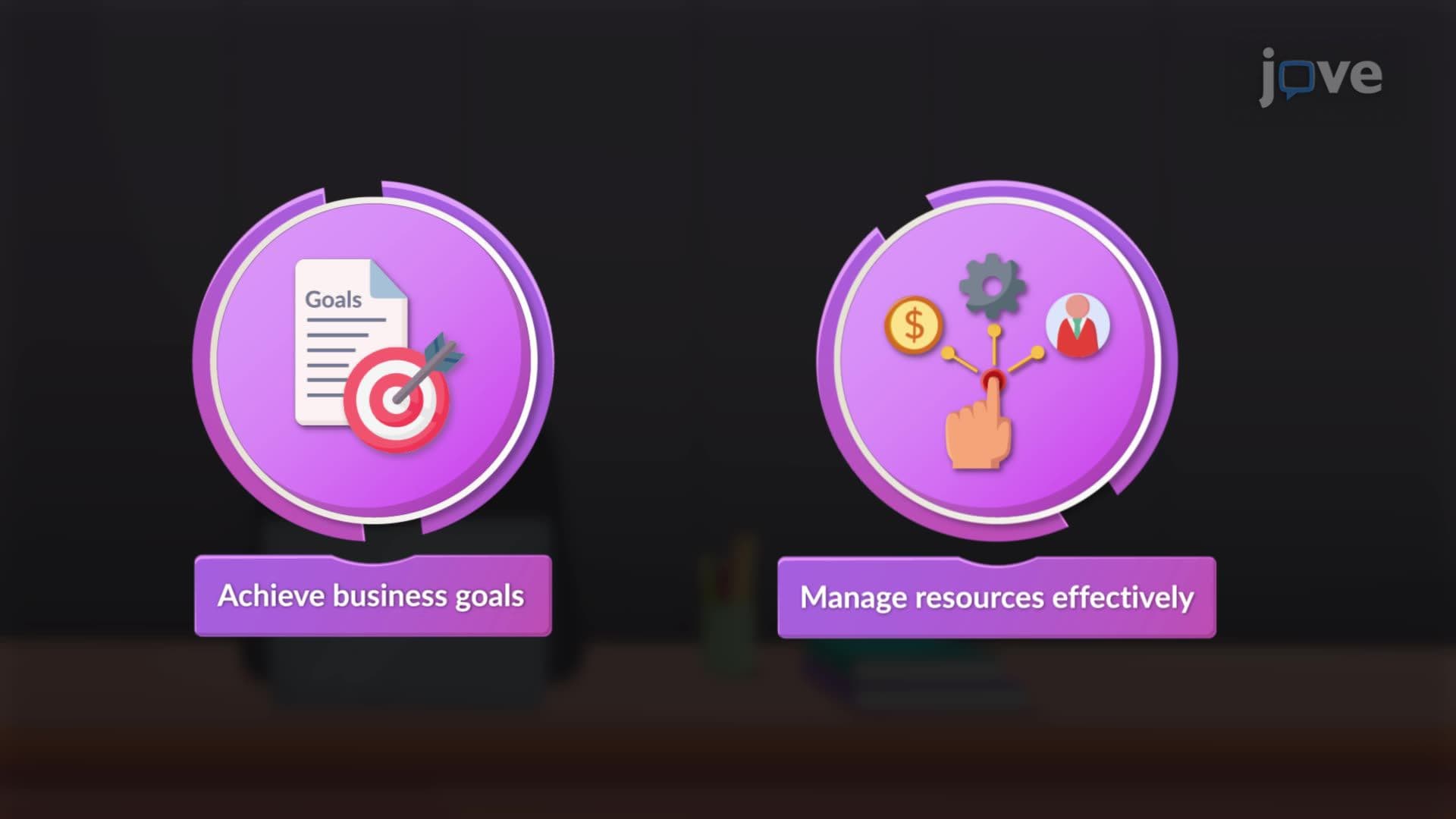
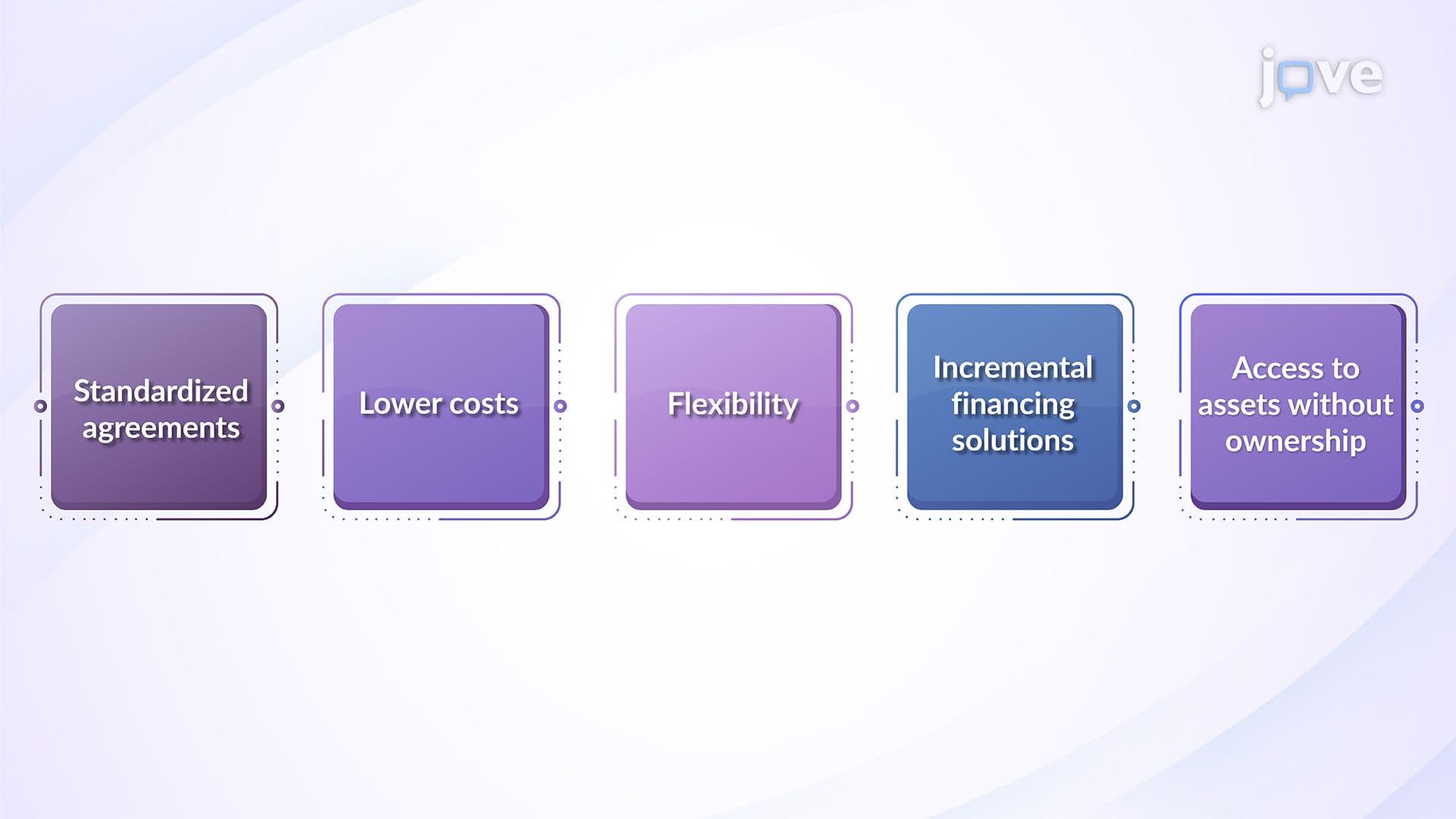
- Apply financial lease structures to optimize your company's capital allocation and preserve cash flow for strategic initiatives
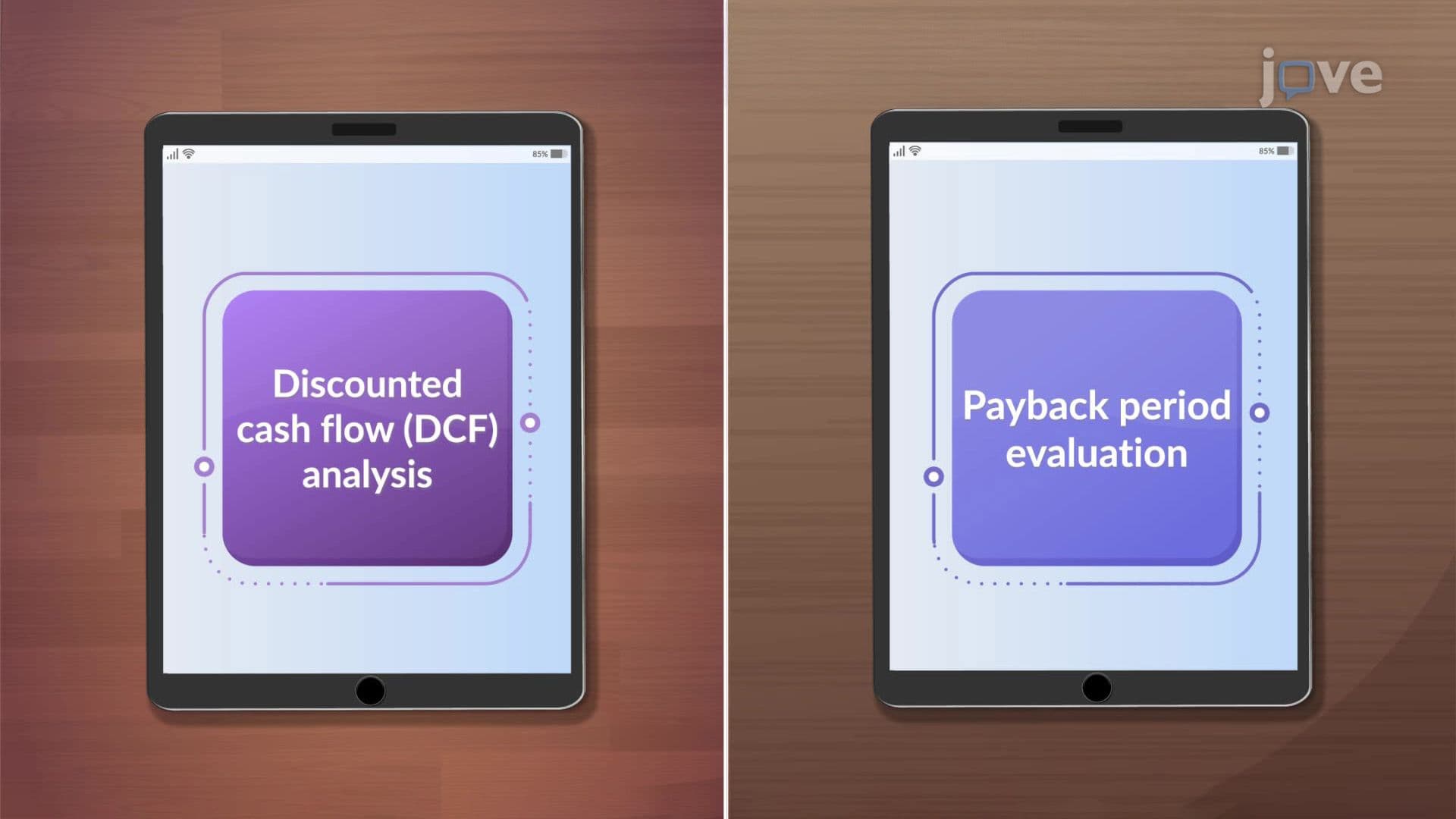
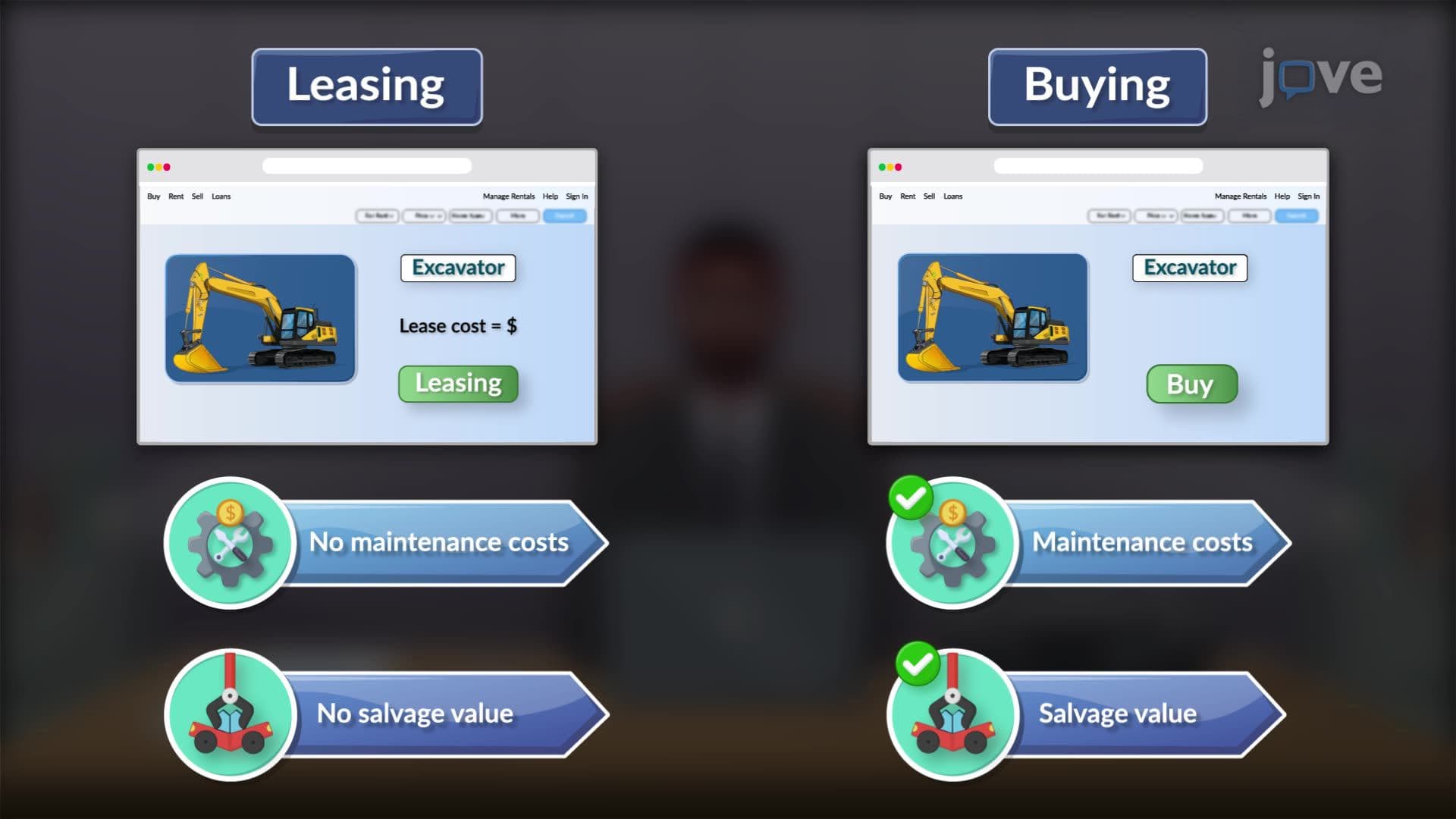
- Evaluate the total cost of ownership versus purchase alternatives when presenting equipment acquisition proposals to leadership
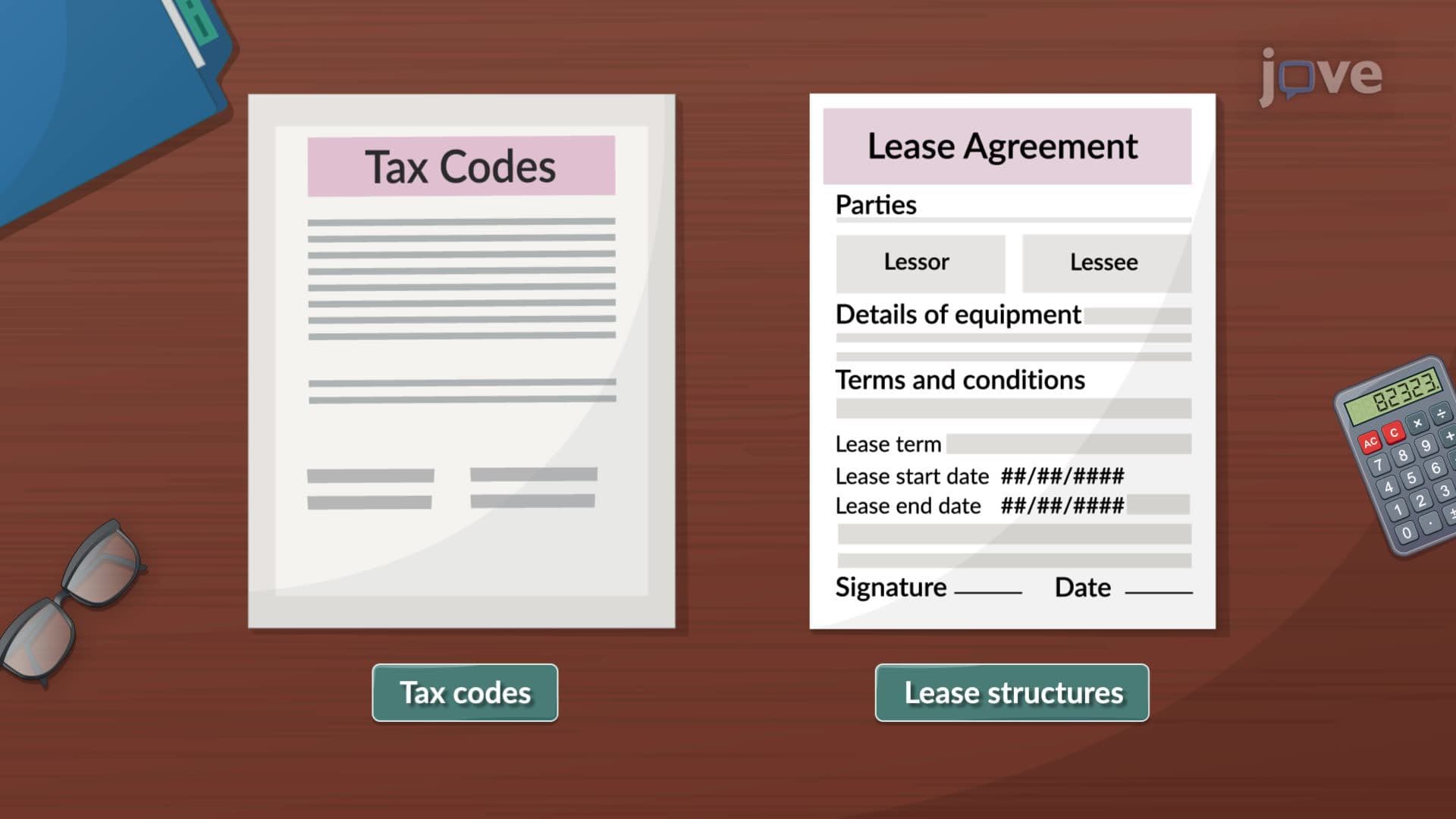
- Analyze tax implications and deductibility benefits that financial leases offer compared to traditional financing methods
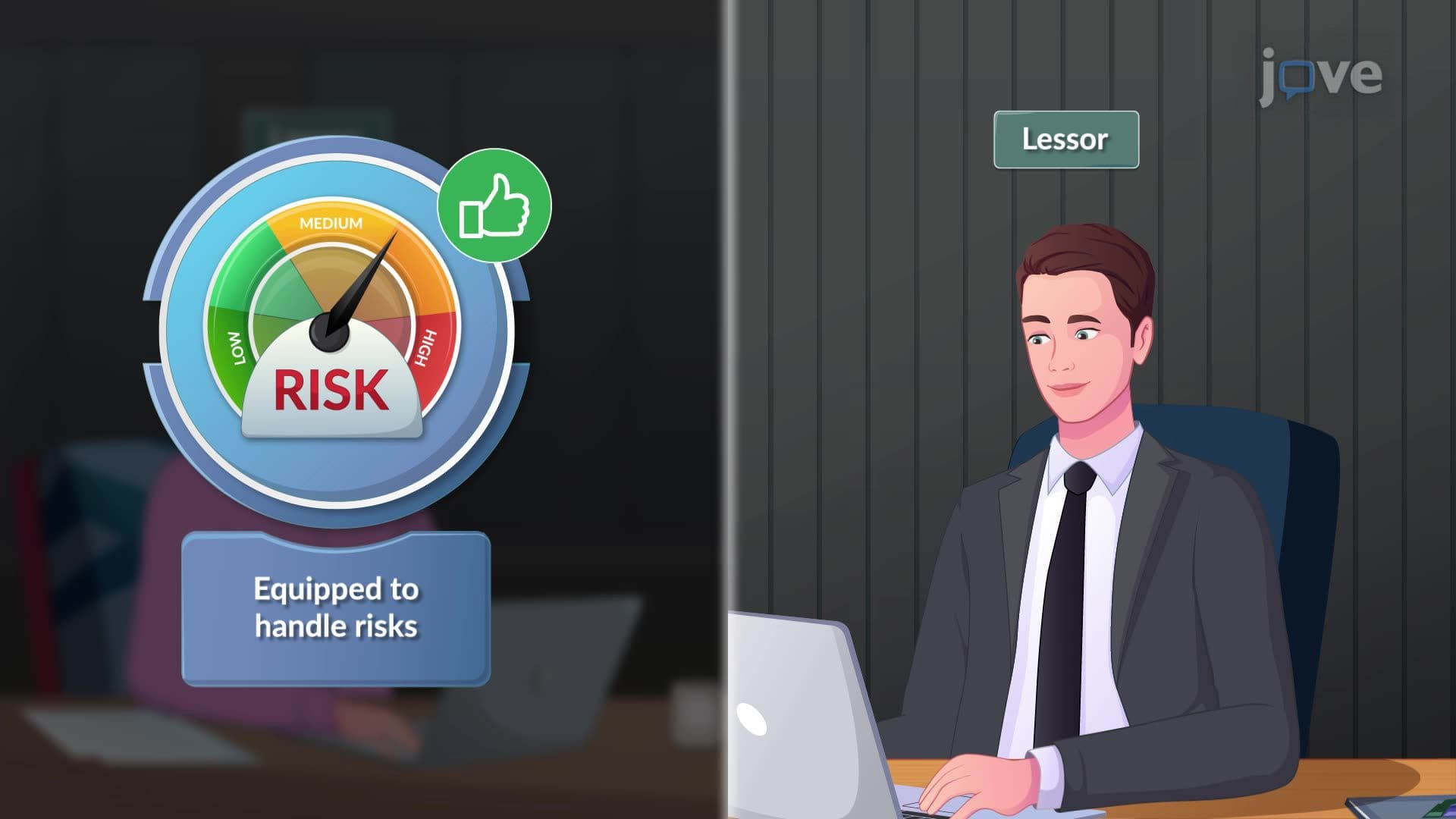
- Implement risk assessment frameworks to determine when lease agreements align with your organization's asset management strategy
- Compare financial lease terms with operating leases to recommend optimal structures for different asset classes and project timelines
- Leverage lease accounting standards to accurately represent financial obligations on balance sheets and in financial reporting
- Identify scenarios where financial leases provide competitive advantages in capital-intensive industries like construction and manufacturing
- Assess the impact of non-cancelable lease commitments on long-term financial flexibility and strategic decision-making
Understanding Financial Leases in Corporate Strategy
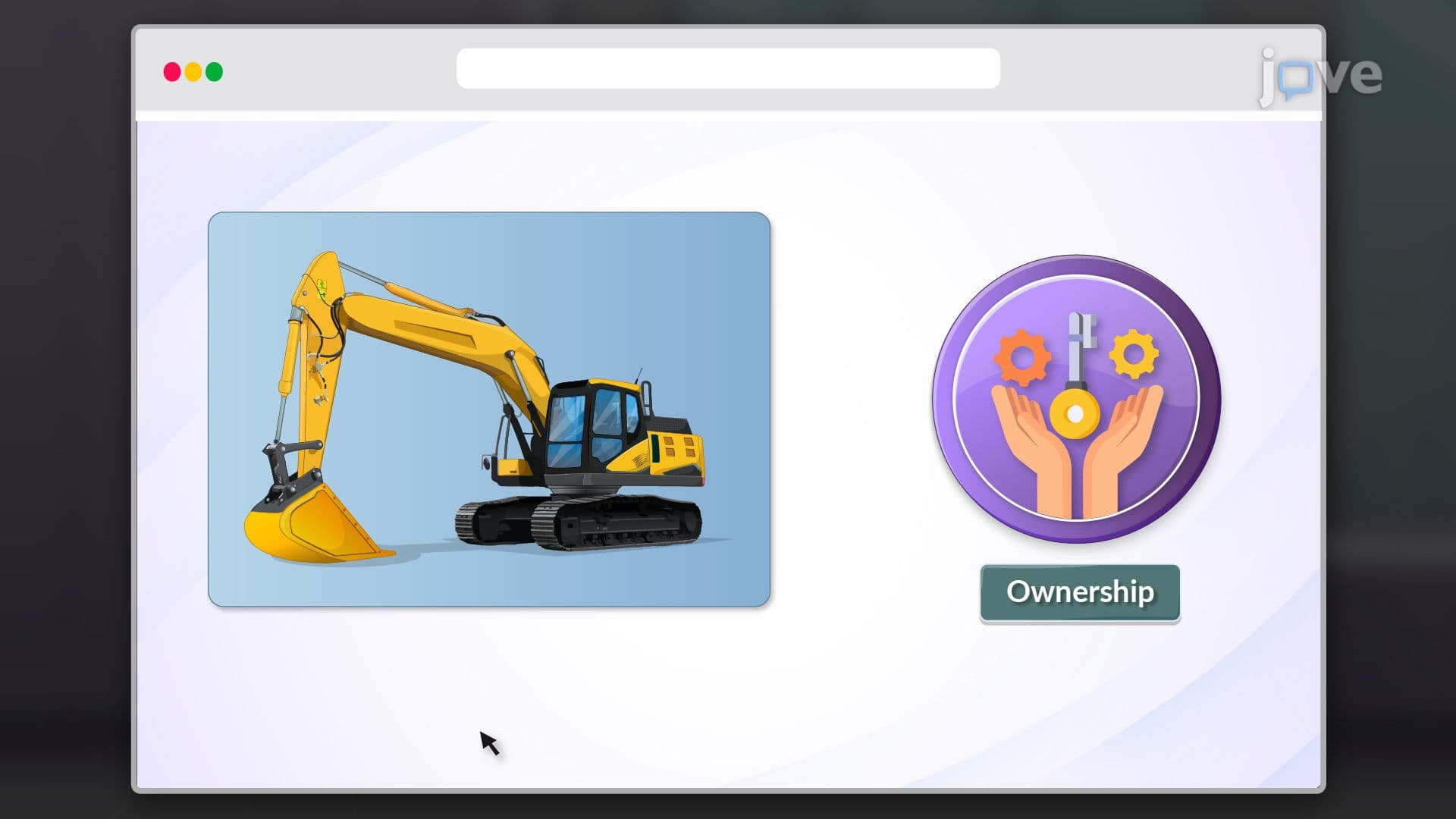
When General Electric's aviation division needs to expand its manufacturing capabilities without straining its balance sheet, financial leases become a critical tool. Unlike traditional purchases that require substantial upfront capital, financial leases enable companies to access essential assets while maintaining financial flexibility for unexpected market opportunities or economic downturns.
Key Characteristics That Define Financial Lease Structures
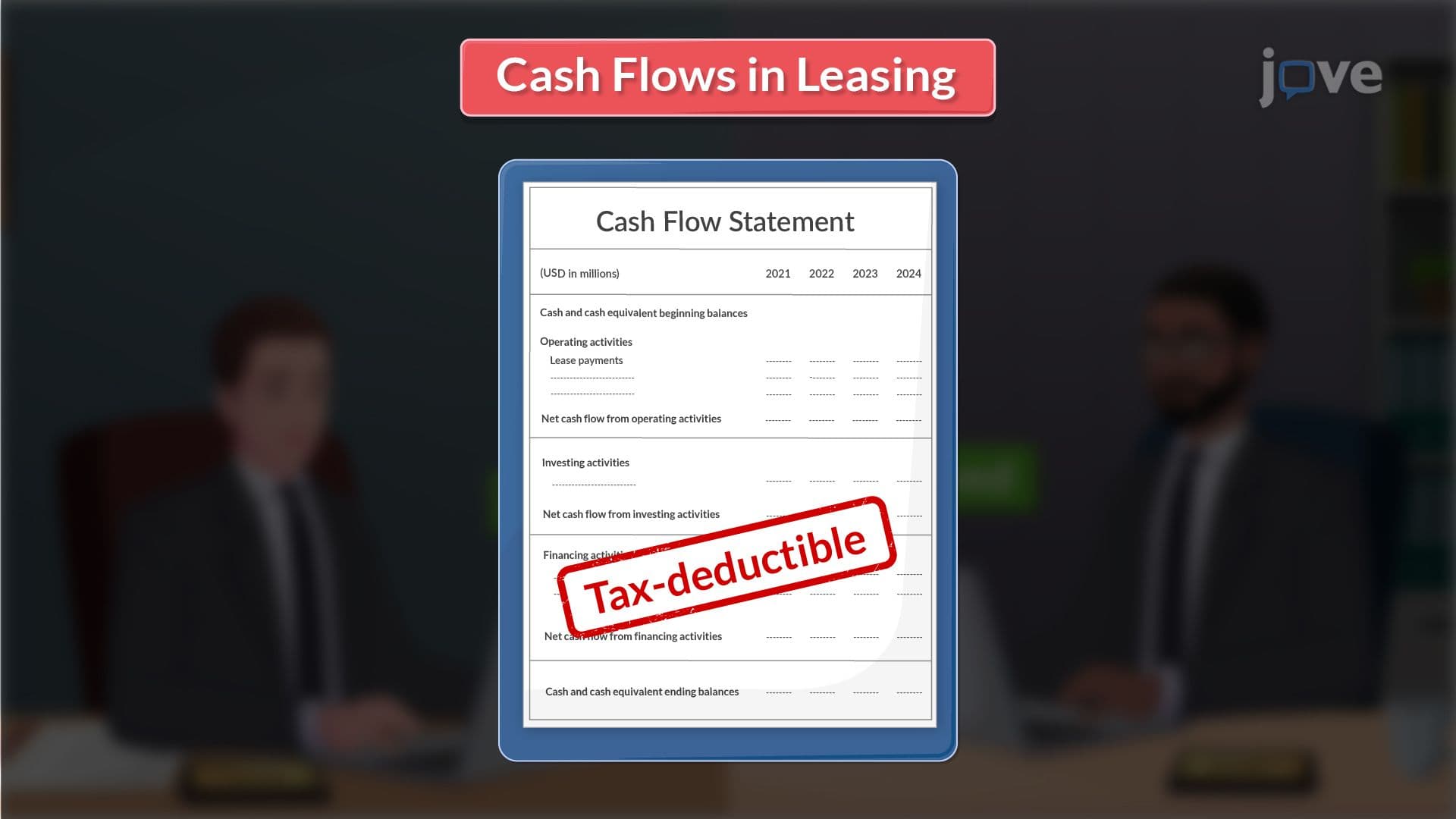
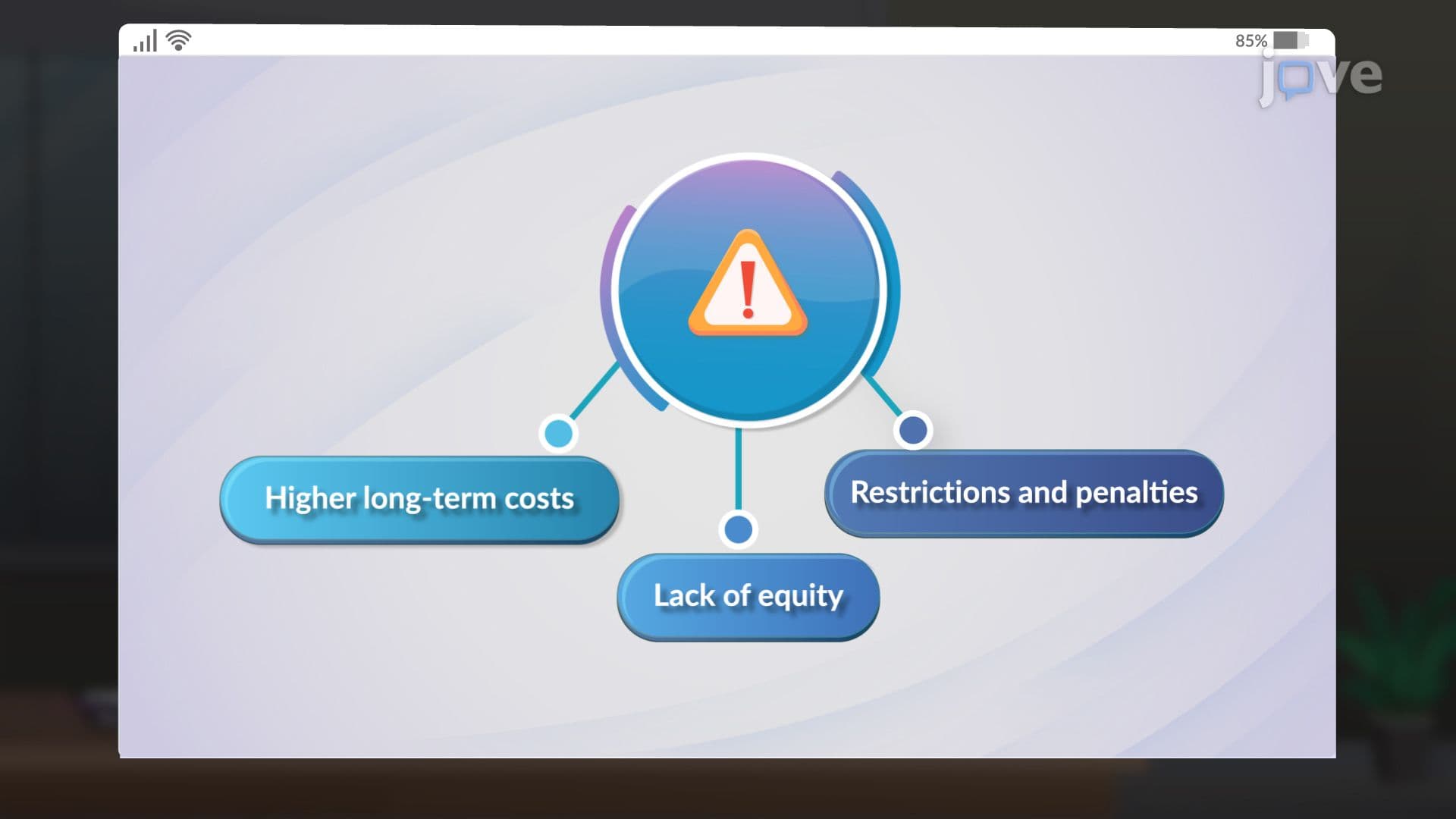
Financial leases distinguish themselves through several defining features that transfer substantial ownership benefits to the lessee. These agreements typically span most of an asset's useful economic life, often 75% or more, ensuring the lessee captures the majority of the asset's productive value. The lease payments are structured to be non-cancelable, providing predictable cash flow obligations that mirror debt service while offering potential tax advantages through deductible business expenses.
The arrangement often includes bargain purchase options or automatic ownership transfer provisions, effectively guaranteeing that the lessee will own the asset at lease termination. This structure makes financial leases particularly attractive for companies like United Airlines when acquiring aircraft fleets, where long-term operational control justifies the higher total cost compared to operating leases.
Strategic Applications Across Industries
Manufacturing giants like Ford Motor Company leverage financial leases for specialized production equipment that requires customization for specific assembly lines. The lease structure allows Ford to spread costs over the equipment's productive life while claiming immediate tax deductions, improving cash flow management during periods of capital expansion.
Technology companies face unique challenges with rapidly evolving hardware requirements. However, for stable infrastructure like data center cooling systems or backup power generators, financial leases provide Amazon Web Services with predictable cost structures while transferring maintenance responsibilities and ownership benefits that align with long-term facility operations.
Financial Reporting and Compliance Considerations
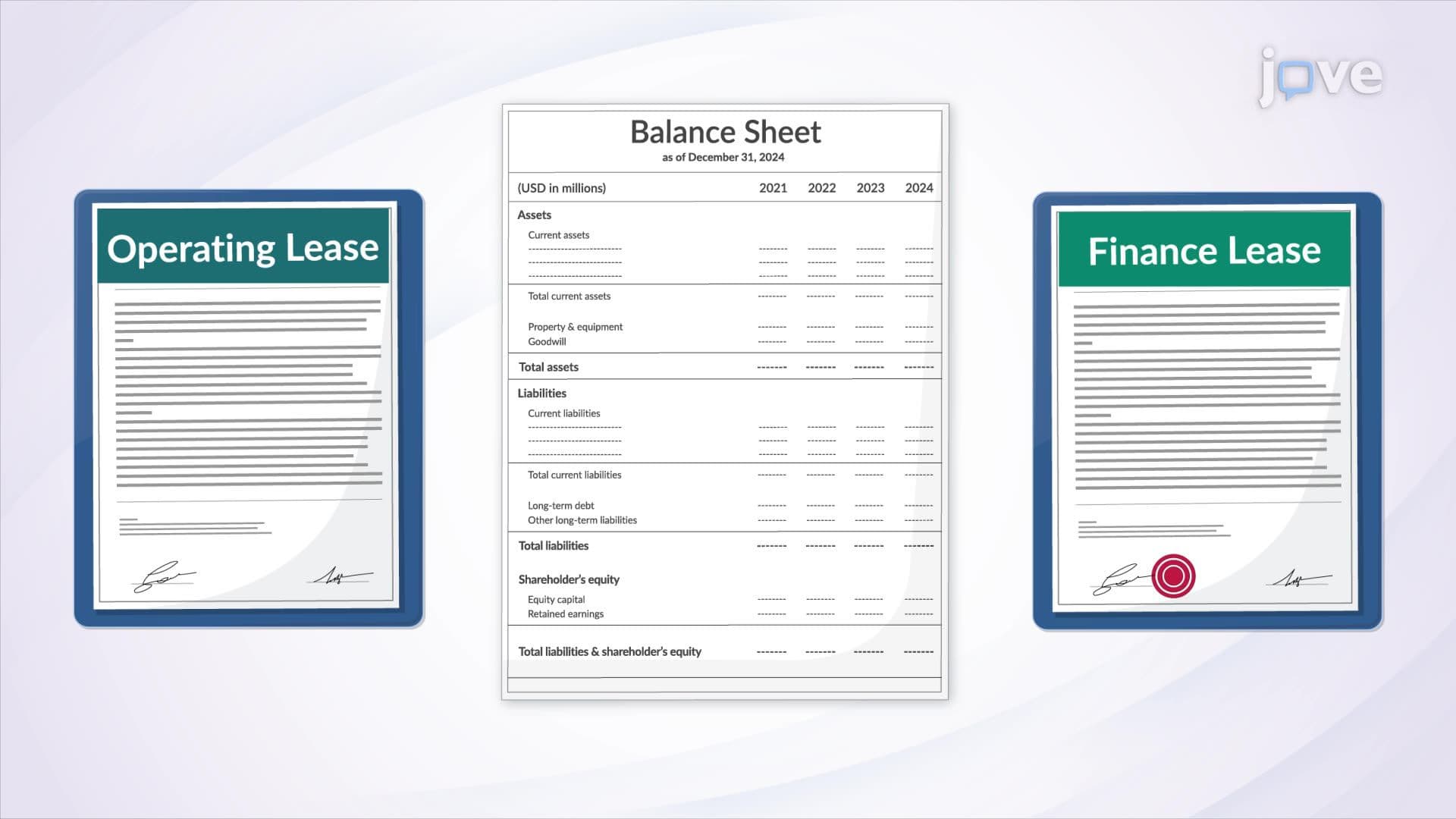
Under current accounting standards, financial leases appear on corporate balance sheets as both assets and liabilities, providing transparency for stakeholders and credit rating agencies. This treatment requires finance teams to carefully model the impact on key financial ratios and debt covenant compliance, making financial leases a strategic decision that extends beyond simple cost comparison to encompass broader capital structure management.
Frequently Asked Questions
Financial leases are long-term agreements where companies gain most ownership benefits without upfront purchase costs. Unlike outright purchases, they preserve capital while transferring maintenance responsibilities and providing potential tax deductions. The lessee typically gains ownership at lease end through automatic transfer or bargain purchase options.
Consider financial leases when your company needs long-term control over specialized assets and can benefit from ownership transfer provisions. They're ideal for equipment used throughout its useful life, offering tax advantages and eventual ownership. Operating leases work better for assets you'll replace or upgrade frequently.
Financial leases appear as both assets and liabilities on your balance sheet, affecting debt-to-equity ratios and borrowing capacity. However, lease payments are typically tax-deductible as business expenses. Credit agencies view them similarly to debt, so factor this into your overall capital structure planning and covenant compliance.
FedEx utilizes financial leases to acquire cargo aircraft without massive upfront capital requirements, maintaining cash flow for route expansion and technology investments. The leases transfer ownership risks while providing tax benefits, and eventual ownership aligns with FedEx's long-term operational strategy for maintaining aging aircraft through specialized maintenance programs.
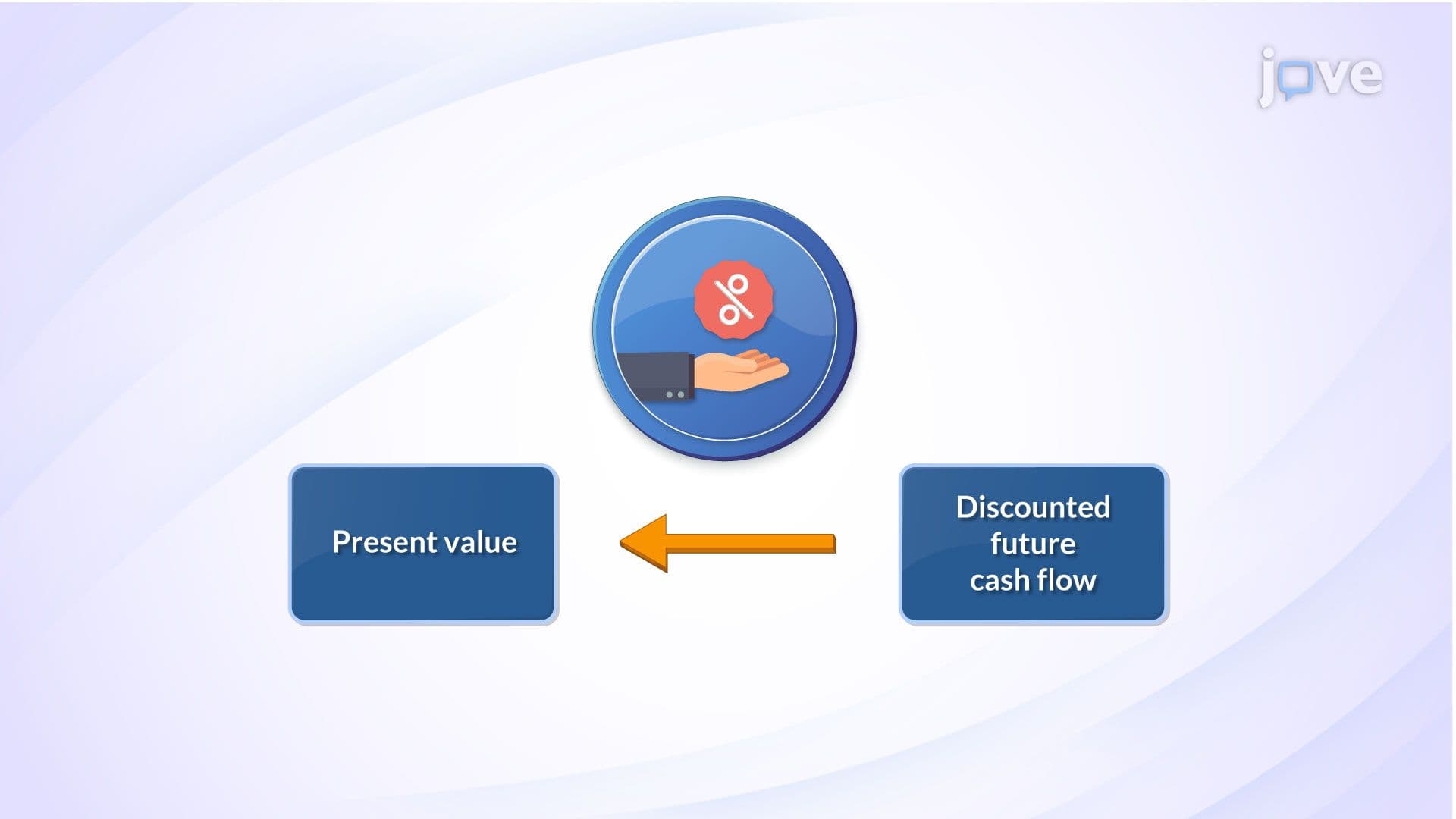
You need basic understanding of present value calculations, tax implications, and balance sheet impact. Most finance professionals can quickly grasp the concepts with fundamental accounting knowledge. Focus on total cost analysis, cash flow timing, and how lease terms align with your strategic asset utilization plans.
Understanding financial leases demonstrates sophisticated capital allocation skills valued in senior finance roles. This knowledge positions you to lead equipment acquisition discussions, optimize tax strategies, and contribute to strategic planning initiatives. It's particularly valuable in capital-intensive industries where lease-versus-buy decisions impact millions in shareholder value.
Dive into sale-leaseback transactions, which allow companies to monetize owned assets while retaining operational control. Also explore synthetic leases and off-balance-sheet financing structures that provide different risk-reward profiles for sophisticated capital management strategies.
Related Micro-courses
18 Concepts
14 Concepts

21 Concepts

