Loading subject page…


2,194 views

Video Summary: What Is Tax Benefits in Leasing
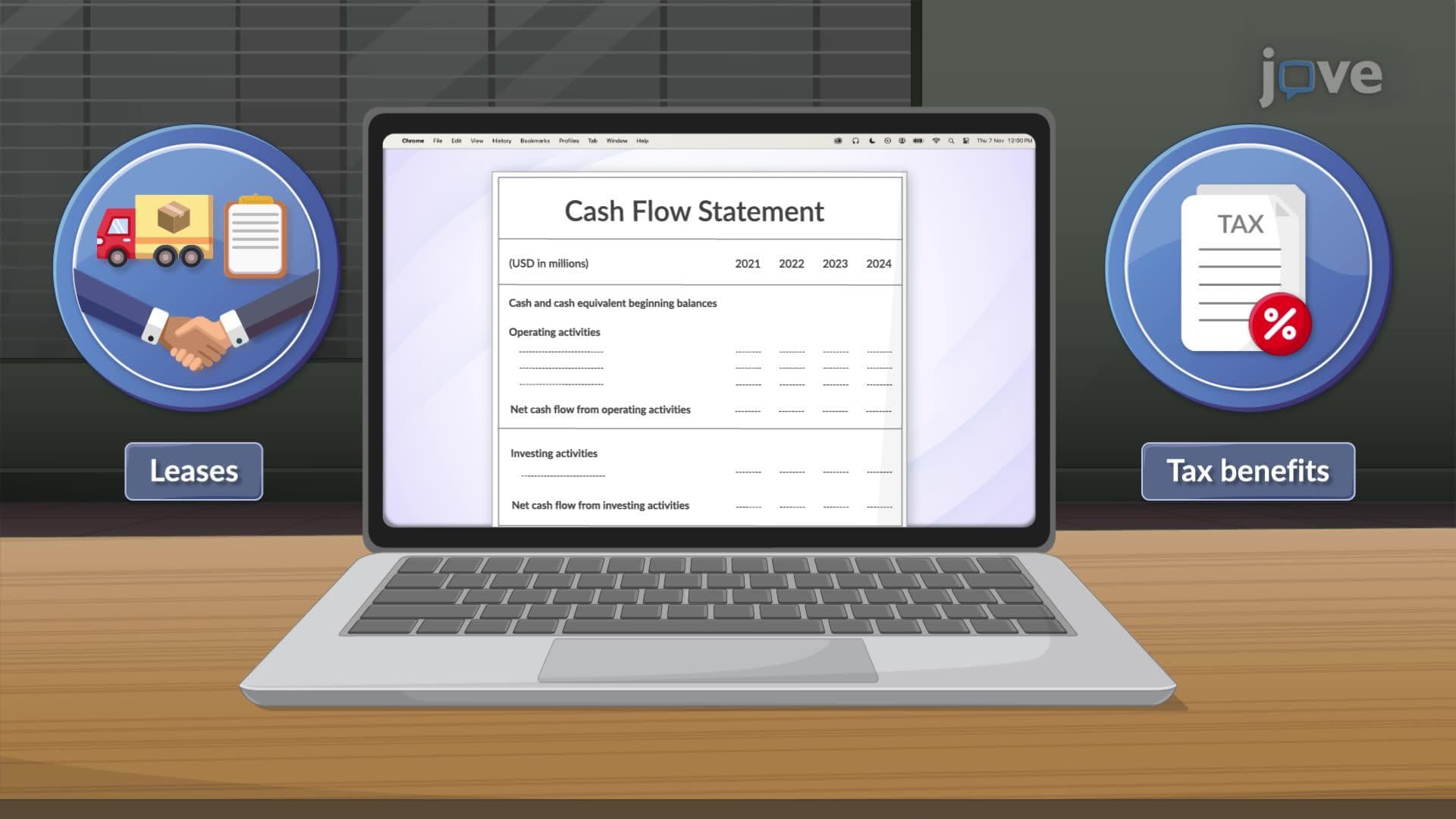
Tax benefits leasing strategies can significantly impact corporate cash flow and reduce taxable income across industries, with companies like General Electric historically leveraging lease structures to optimize their tax positions. Understanding what is tax benefits in leasing enables finance professionals to make strategic decisions about equipment acquisition, real estate transactions, and capital allocation. These tax advantages vary based on lease classification, depreciation schedules, and the tax bracket differential between lessors and lessees. Watch the full video on JoVE Coach to master this concept with expert-led visuals and step-by-step explanations.
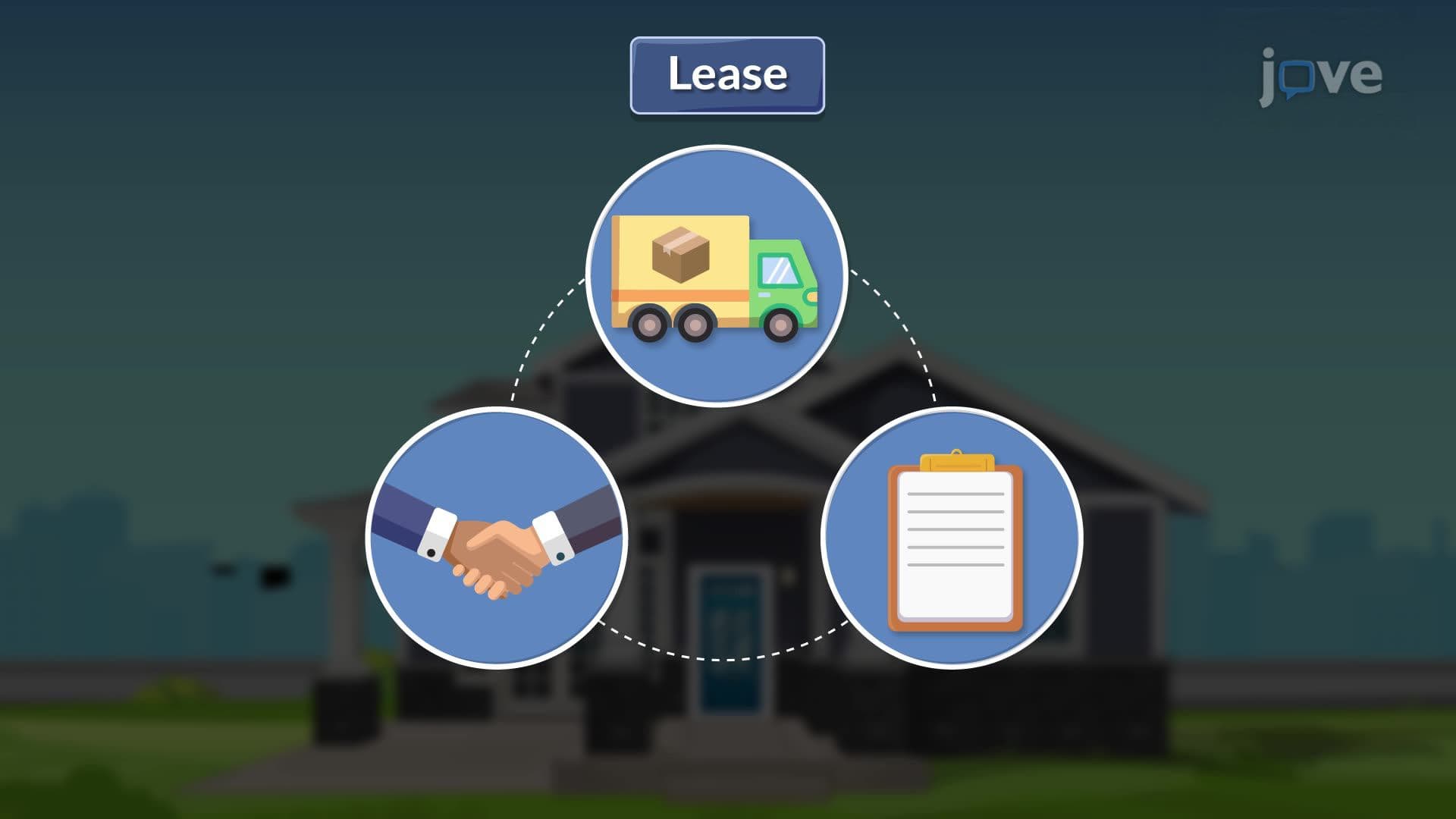
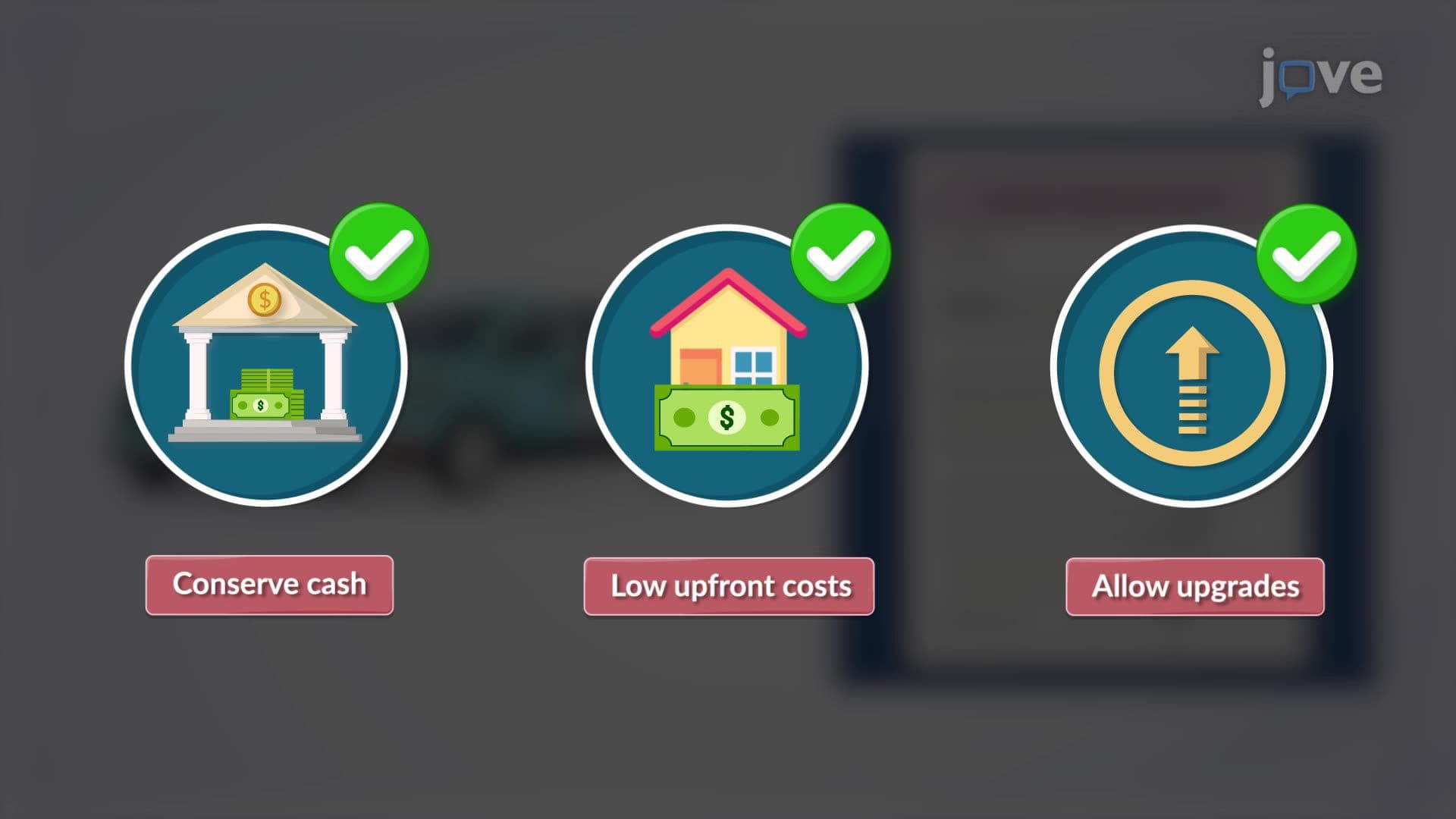
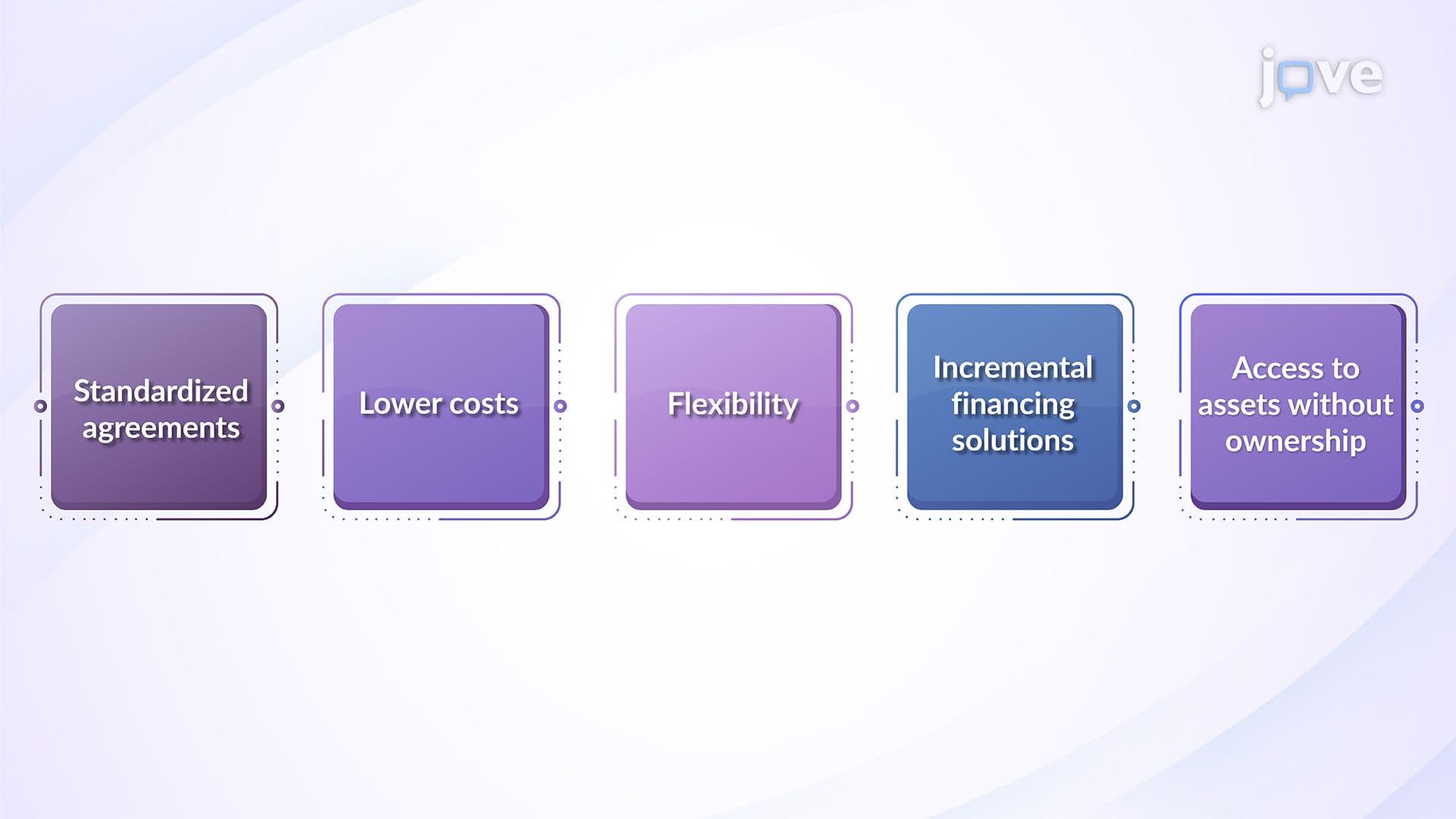
When Starbucks expanded rapidly across the United States, the company leveraged lease agreements not just for real estate flexibility, but for significant tax advantages that improved their bottom line. Tax benefits in leasing represent a powerful financial tool that enables businesses to optimize their tax positions while acquiring necessary assets, equipment, and real estate without the full capital commitment of ownership.
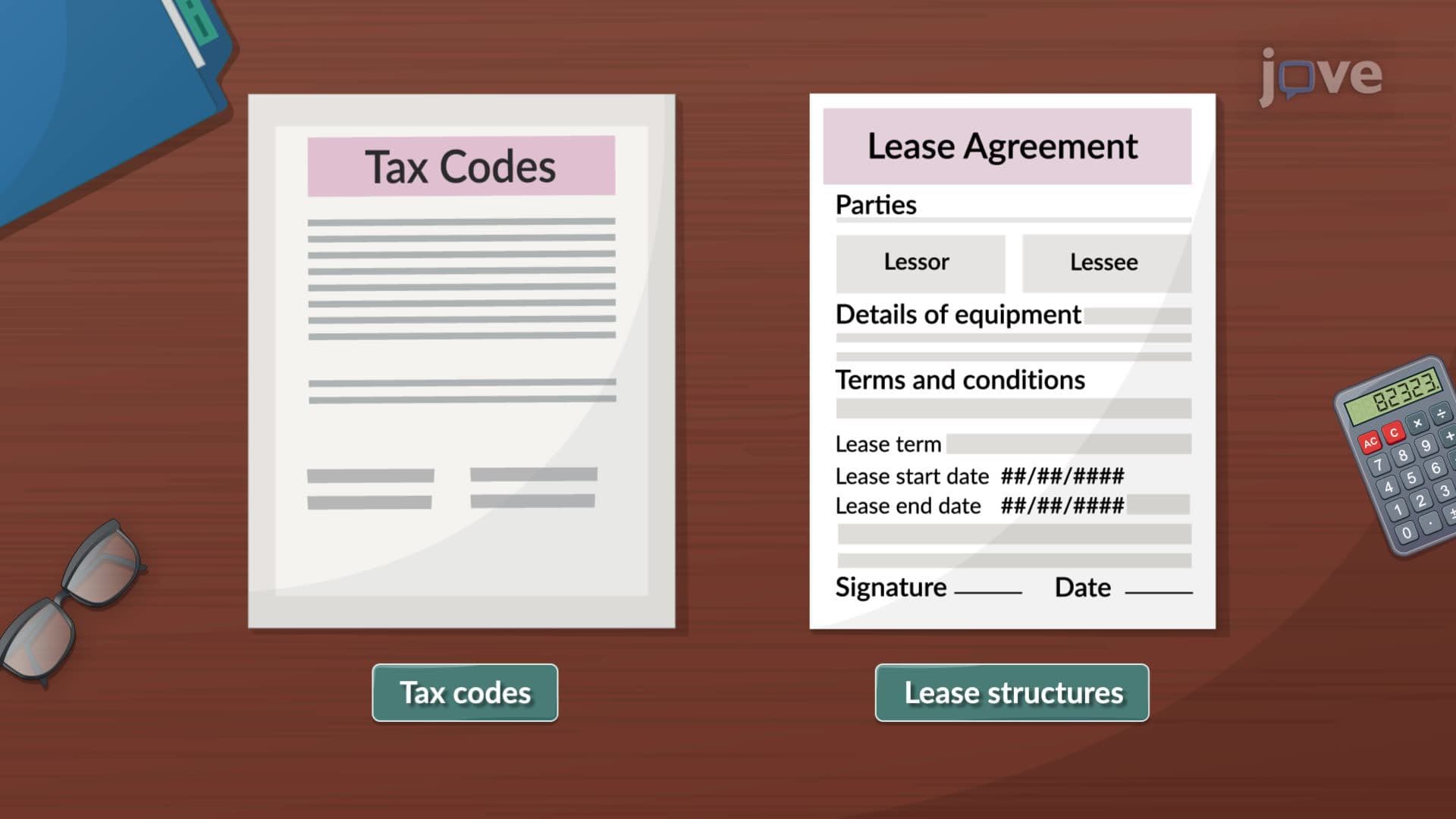
The core tax benefits leasing definition explained centers on how lease structures transfer valuable tax deductions between parties in different tax situations. Companies in higher tax brackets-often established corporations like IBM or Microsoft-can serve as lessors and capture maximum value from depreciation deductions and interest expense write-offs. Meanwhile, lessees in lower tax brackets or start-up phases can access equipment and facilities without losing significant tax benefits they couldn't fully utilize anyway. This creates a strategic arbitrage opportunity where both parties benefit from the transaction structure.
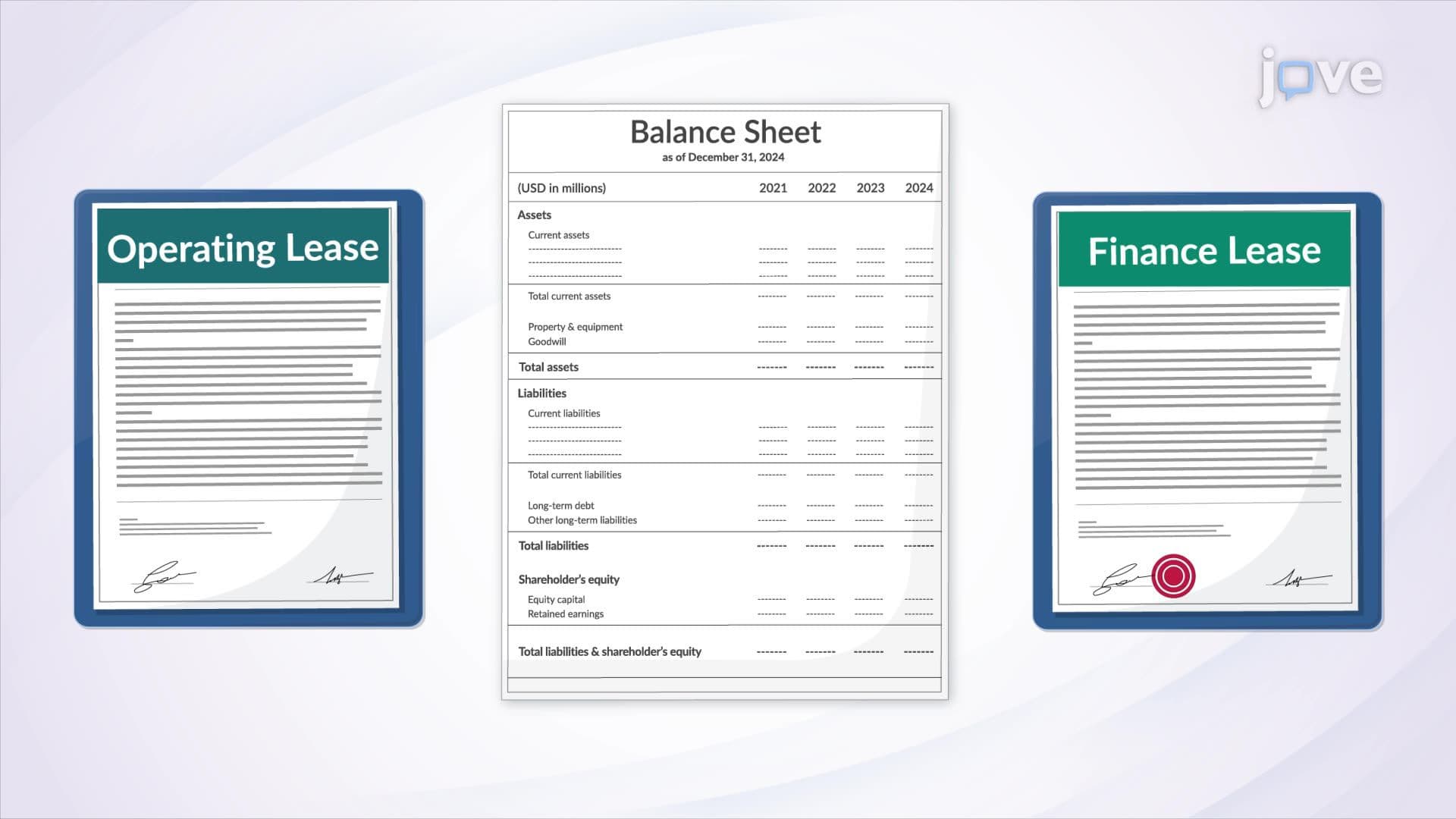
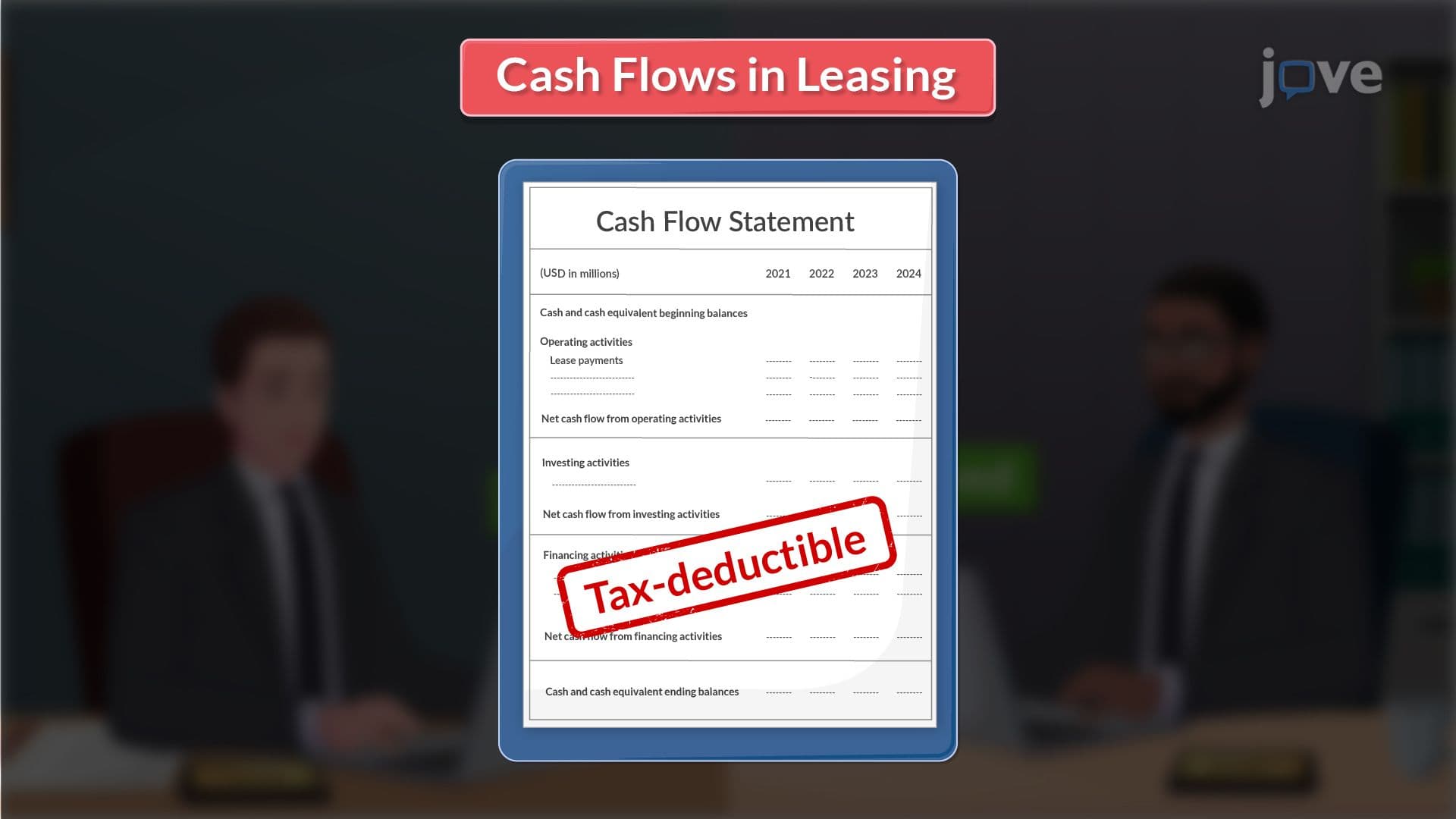
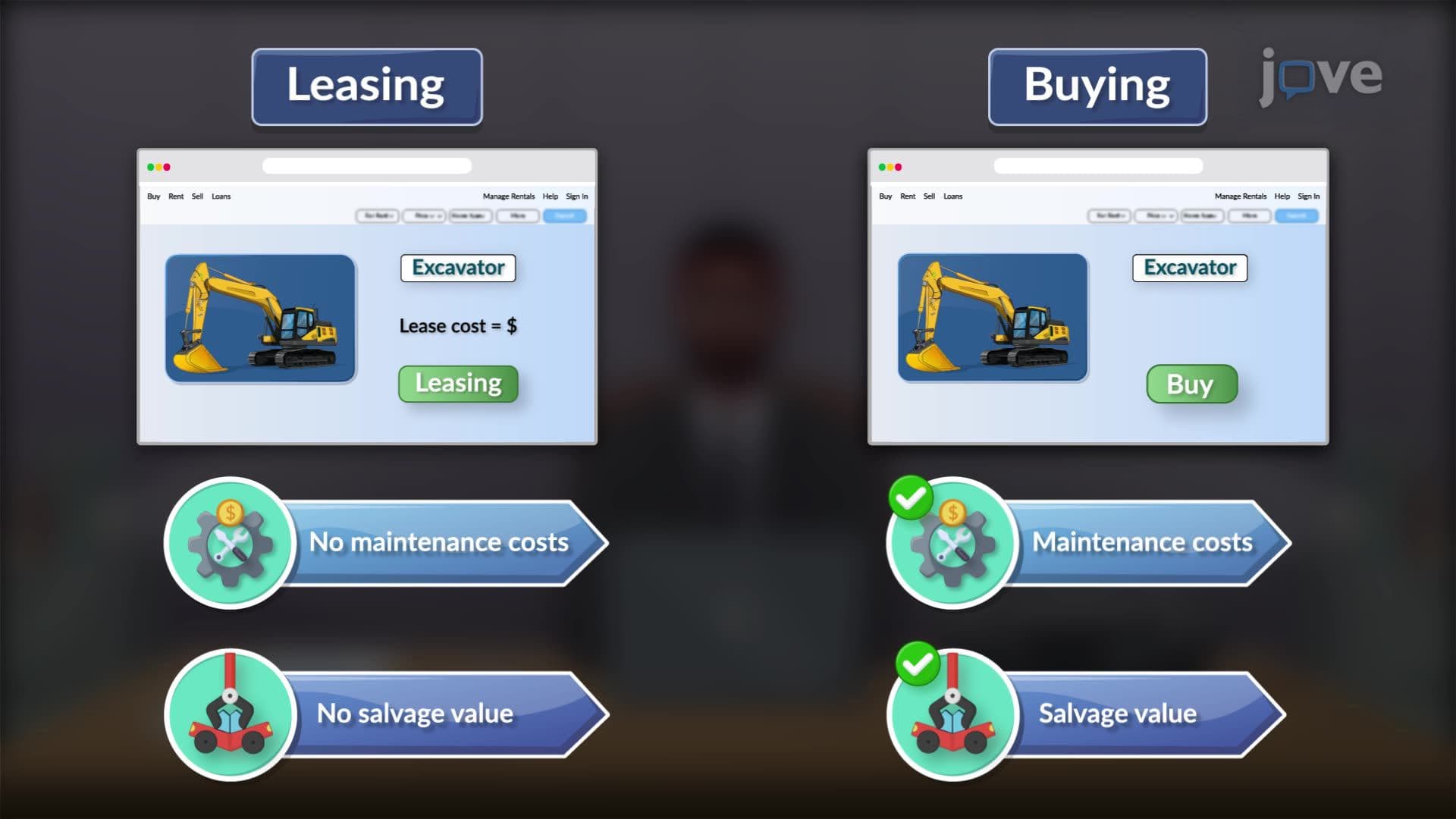
Operating leases offer immediate expense deductions that reduce taxable income dollar-for-dollar, while capital leases provide depreciation schedules that can be strategically timed. Amazon's extensive use of operating leases for warehouse facilities demonstrates how major corporations use lease classification to manage both their balance sheet appearance and tax obligations. The choice between lease types affects not only tax benefits but also key financial ratios that impact credit ratings and investor perceptions.
Professional lease structuring considers fiscal year timing, revenue cycles, and cash flow optimization. Starting leases early in the fiscal year maximizes first-year deductions, while structuring payments around seasonal revenue patterns can smooth tax obligations. Small businesses particularly benefit from deferred sales tax payments available in certain lease structures, preserving working capital for growth investments. Companies like FedEx have mastered this approach, timing aircraft lease agreements to coincide with their operational expansion and tax planning cycles.
Related Micro-courses