Loading subject page…


6,069 views

Video Summary: Basics of Investment Decision Making Explained
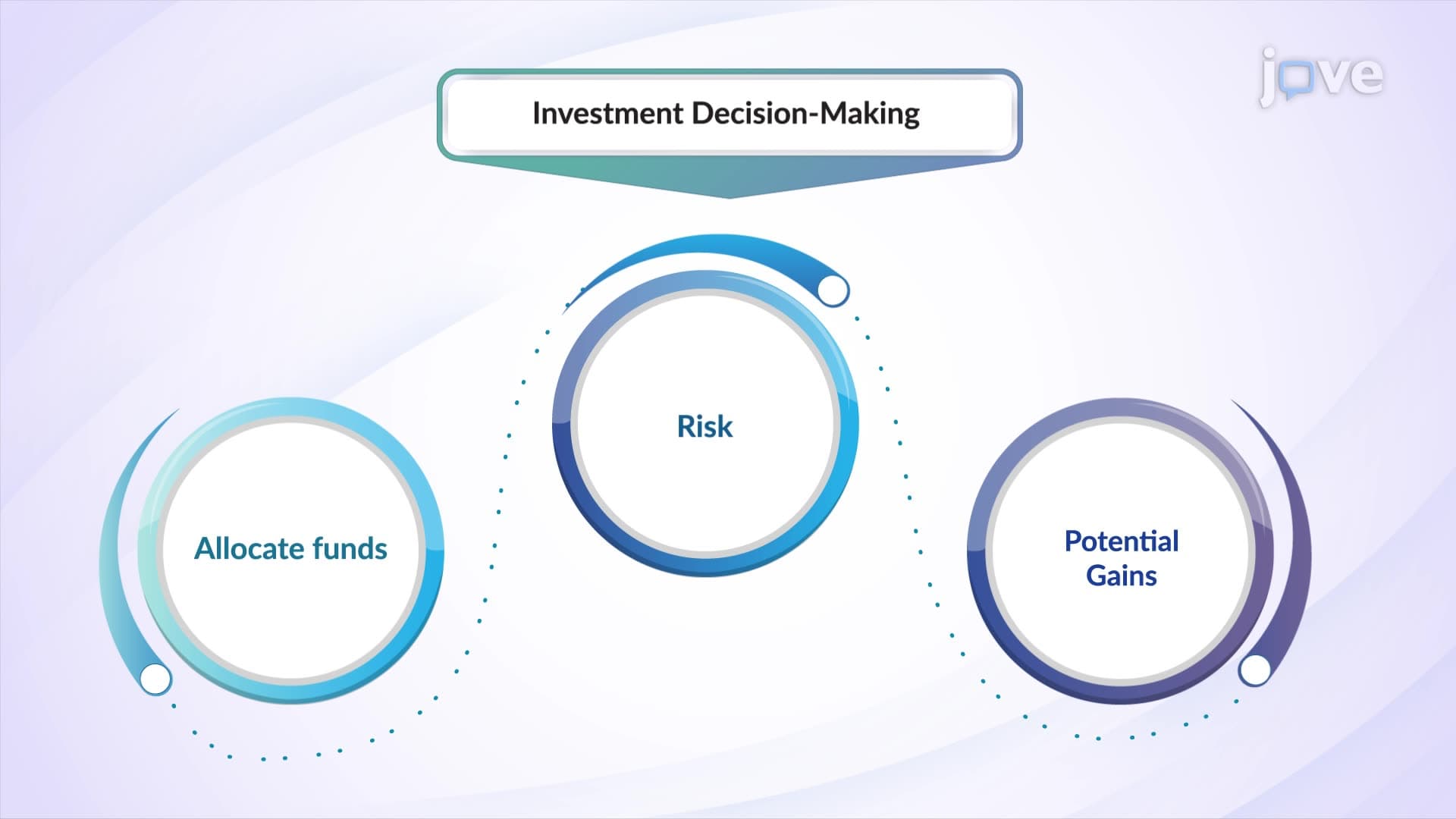
The basics of investment decision making have become critical as US companies navigate inflation, supply chain disruptions, and digital transformation pressures. Companies like Best Buy successfully pivoted to omnichannel retail by mastering systematic investment evaluation frameworks that balance potential returns against operational risks. The basics of investment decision making explained through BrightMart Electronics' e-commerce expansion demonstrates how professionals assess setup costs, ongoing expenses, and revenue projections while factoring cybersecurity threats and competitive dynamics. Watch the full video on JoVE Coach to master this concept with expert-led visuals and step-by-step explanations.
Investment decision making in corporate America has evolved beyond simple payback calculations. Today's professionals must navigate complex scenarios where Amazon's AWS expansion, Microsoft's cloud infrastructure investments, or Apple's manufacturing diversification strategies demonstrate sophisticated evaluation frameworks. The basics of investment decision making require systematic approaches that balance quantitative analysis with strategic vision.
Effective investment evaluation begins with comprehensive cost assessment. Initial capital requirements often represent just the tip of the iceberg-ongoing operational expenses, maintenance costs, and scaling investments significantly impact total cost of ownership. When Walmart invested billions in e-commerce capabilities to compete with Amazon, their analysis extended beyond website development to include logistics transformation, technology infrastructure, and workforce retraining.
Risk assessment forms the second pillar of sound investment decision making. Cybersecurity threats, regulatory changes, and competitive responses can dramatically alter investment outcomes. Target's 2013 data breach cost over $290 million, demonstrating why modern investment decisions must incorporate comprehensive risk modeling beyond traditional financial metrics.
The most sophisticated investment frameworks evaluate strategic fit alongside financial returns. When Netflix transitioned from DVD rentals to streaming, their investment decisions prioritized market positioning and customer retention over short-term profitability. This strategic alignment enabled them to dominate an entirely new market category.
Professional investment decision making also requires scenario planning. Best-case, worst-case, and most-likely scenarios help executives understand potential outcomes and develop contingency strategies. Companies like General Electric use Monte Carlo simulations and sensitivity analysis to stress-test major capital allocation decisions across diverse business units.
Successful investment decisions require robust implementation frameworks and ongoing performance monitoring. Key performance indicators must align with original investment objectives while remaining flexible enough to adapt to changing market conditions. The basics of investment decision making extend beyond initial approval to include milestone tracking, budget variance analysis, and course correction protocols that ensure maximum return on invested capital.
Related Micro-courses