Loading…
Loading video…

6,069 views

Capital allocation decisions can make or break quarterly earnings, as Amazon demonstrated when it invested $13.9 billion in R&D in 2022 to maintain competitive advantage. The net present value method provides finance professionals with a quantitative framework for evaluating investment opportunities by comparing present value of future cash flows against initial capital requirements. This financial technique enables managers to rank competing projects objectively, ensuring resources flow toward initiatives that maximize shareholder value. Watch the full video on JoVE Coach to master this concept with expert-led visuals and step-by-step explanations.
When Walmart decides whether to build a new distribution center or Netflix evaluates content acquisition deals, executives rely on the net present value method to quantify investment attractiveness. This financial evaluation technique transforms future cash flows into today's dollars, enabling apples-to-apples comparisons across diverse opportunities.
The fundamental NPV calculation follows this structure: NPV = Sum of (Cash Flow / (1 + Discount Rate)^Time Period) - Initial Investment. For working professionals, this translates to a systematic approach for evaluating whether projected returns justify upfront costs. The discount rate typically reflects your company's weighted average cost of capital (WACC) plus project-specific risk premiums.
Consider Microsoft's cloud infrastructure investments. When evaluating data center expansion, finance teams project annual cash flows from increased Azure capacity, discount them using Microsoft's cost of capital (approximately 8-10%), then subtract construction costs. Positive NPV signals value creation; negative NPV suggests resources could generate better returns elsewhere.
NPV methodology extends beyond individual project evaluation to comprehensive portfolio optimization. Private equity firms like Blackstone routinely use NPV analysis to compare acquisition targets across industries. The technique enables systematic ranking of opportunities, supporting capital allocation decisions that maximize risk-adjusted returns.
However, NPV limitations require careful consideration. The method assumes reinvestment at the discount rate and may undervalue flexibility in uncertain environments. Tech companies often supplement NPV with real options analysis for R&D investments, recognizing that initial projects create valuable expansion opportunities not captured in traditional cash flow projections.
Successful NPV implementation requires accurate cash flow forecasting and appropriate discount rate selection. Industry benchmarks suggest using company-specific WACC for core business investments, while adding risk premiums for ventures outside traditional competencies. Regular sensitivity analysis helps identify key assumptions driving investment recommendations, strengthening presentations to senior leadership and board committees.
Frequently Asked Questions
The net present value method evaluates investment attractiveness by comparing discounted future cash flows against initial costs. Finance professionals use NPV because it accounts for time value of money, provides objective comparison metrics across projects, and directly measures value creation potential for shareholders.
Start with your company's weighted average cost of capital (WACC) as the baseline discount rate. Add risk premiums for projects outside core competencies or in volatile markets. Consult your CFO's office or treasury team for current WACC calculations, typically ranging from 6-12% for established US corporations.
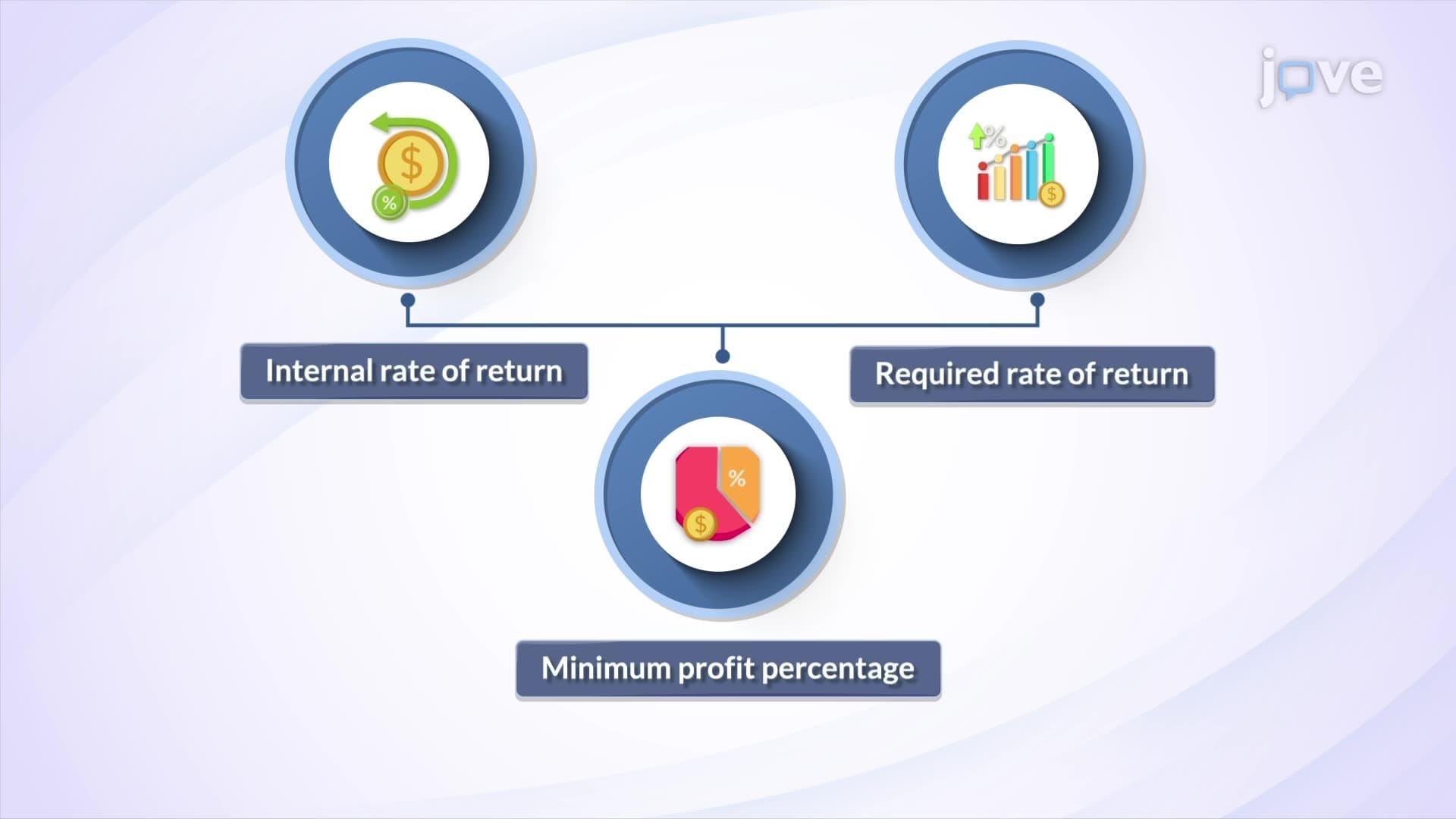
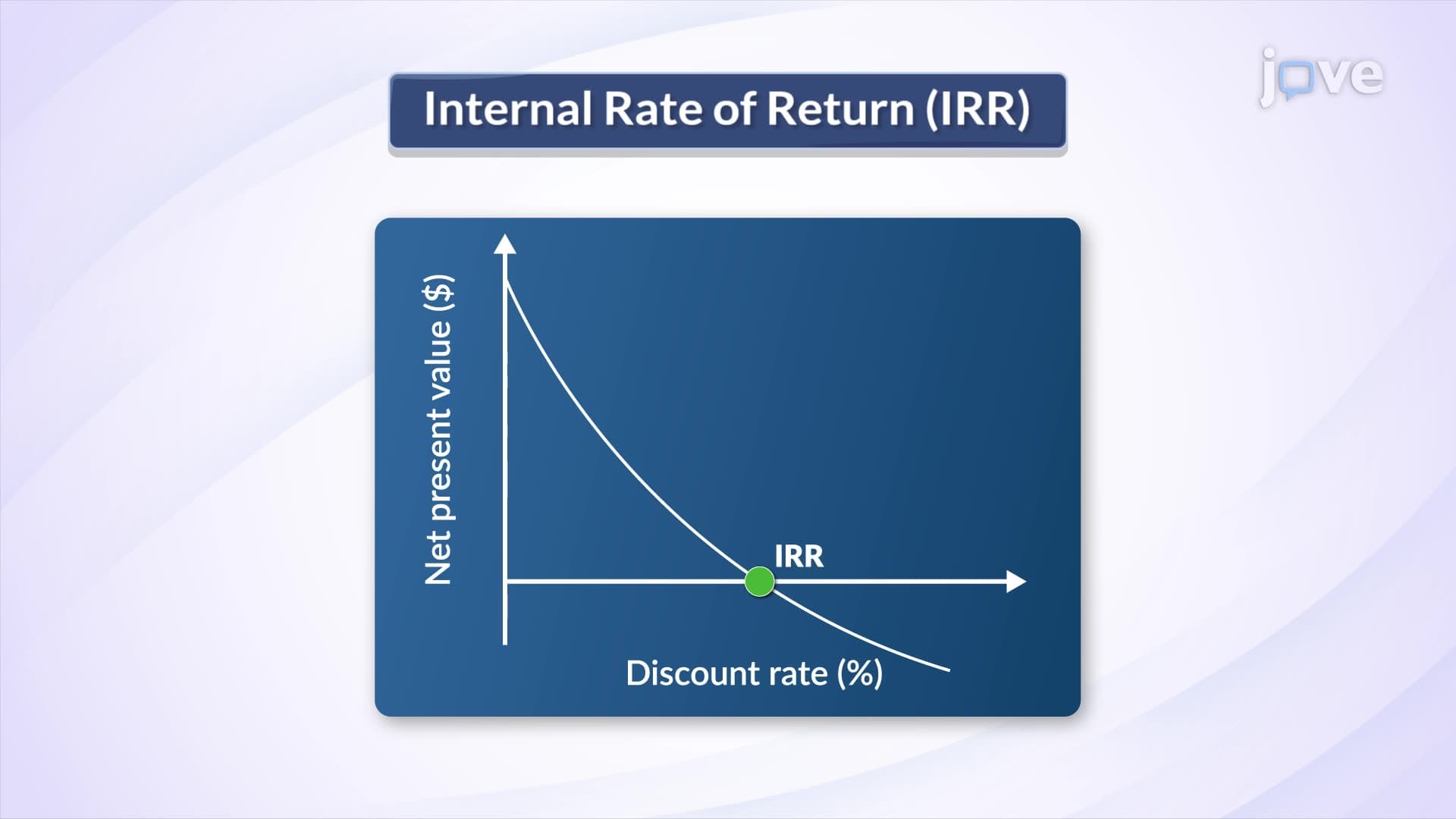
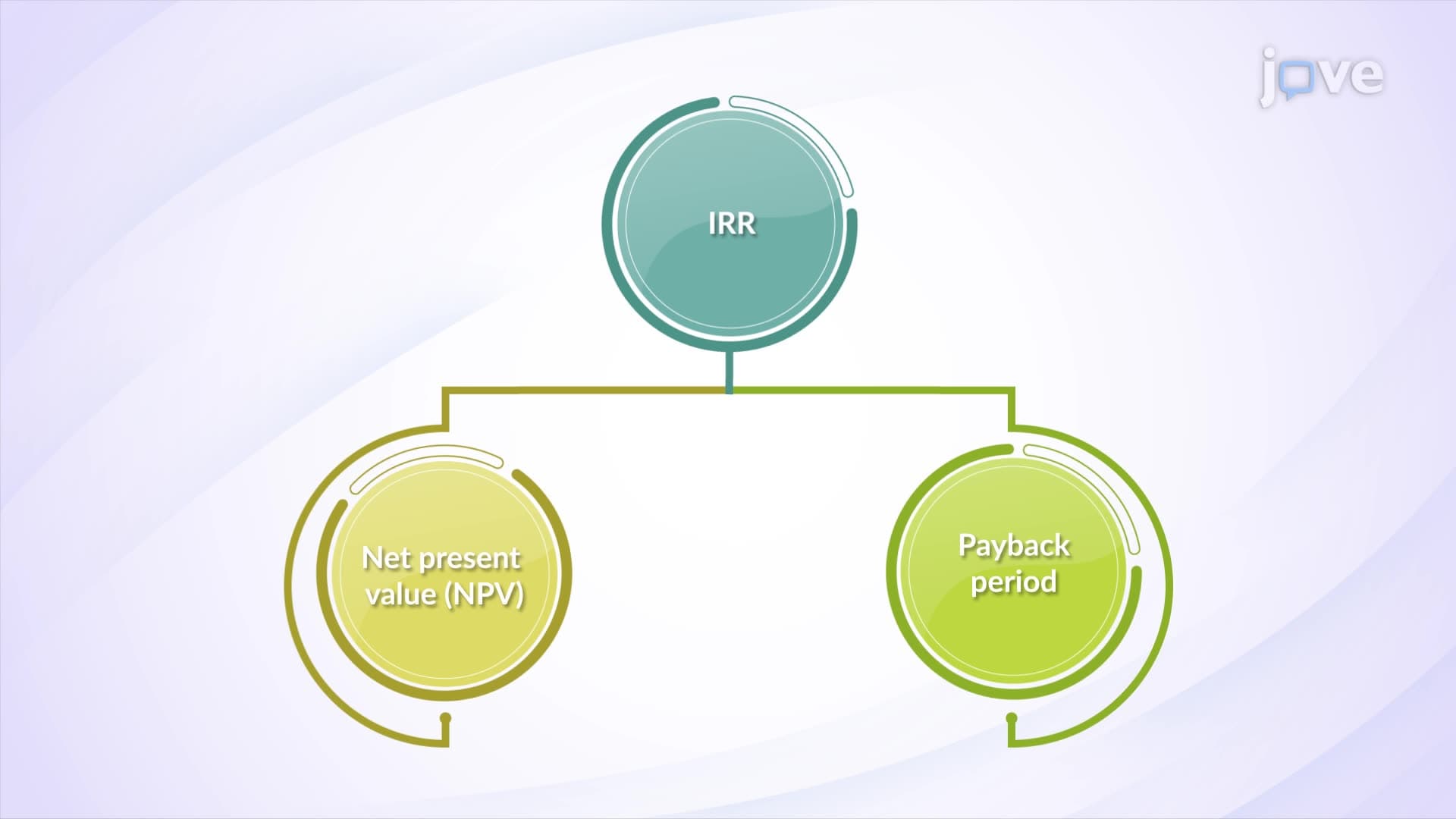
Use NPV for long-term capital investments, acquisition evaluations, and project prioritization where cash flow timing matters significantly. Supplement with payback period analysis for liquidity concerns and internal rate of return for percentage-based comparisons. NPV works best when you have reliable cash flow forecasts and clear discount rate assumptions.
Amazon likely projected future cost savings and revenue increases from faster delivery capabilities, discounted these benefits to present value, then compared against warehouse and technology infrastructure costs. The positive NPV from reduced shipping costs and increased customer retention justified billions in upfront logistics investments.
Basic financial literacy and spreadsheet skills enable effective NPV application for most business scenarios. Understanding present value concepts, cash flow forecasting, and discount rate selection provides sufficient foundation. Many professionals learn NPV through practical application rather than extensive theoretical study.
NPV proficiency demonstrates quantitative decision-making skills valued in senior management roles. The ability to structure investment cases using NPV methodology enhances credibility during budget discussions, strategic planning sessions, and board presentations, positioning you for finance leadership opportunities.
Internal rate of return (IRR) and modified internal rate of return (MIRR) provide percentage-based investment metrics that complement NPV analysis. Real options valuation becomes valuable for evaluating investments with significant flexibility or expansion potential, particularly common in technology and pharmaceutical industries.
Related Micro-courses



Related Subjects