Loading subject page…

- Finance
- Capital Budgeting
- Average Rate of Return
Micro-course: Capital Budgeting
6,069 views
Learn key concepts and earn your certificate.











Average Rate of Return


00:00
01:29
Video Summary: What Is Average Rate of Return
Capital budgeting decisions drive competitive advantage, yet many professionals struggle with choosing the right evaluation metrics. The average rate of return provides a foundational framework for assessing investment profitability across industries, from healthcare infrastructure to manufacturing expansions. Companies like General Electric use this metric alongside other tools to screen potential projects before deeper financial analysis. Watch the full video on JoVE Coach to master this concept with expert-led visuals and step-by-step explanations.
- Apply average rate of return calculations to evaluate capital expenditure proposals and equipment upgrades in your organization
- Assess the limitations of ARR when presenting investment recommendations to senior leadership and board members
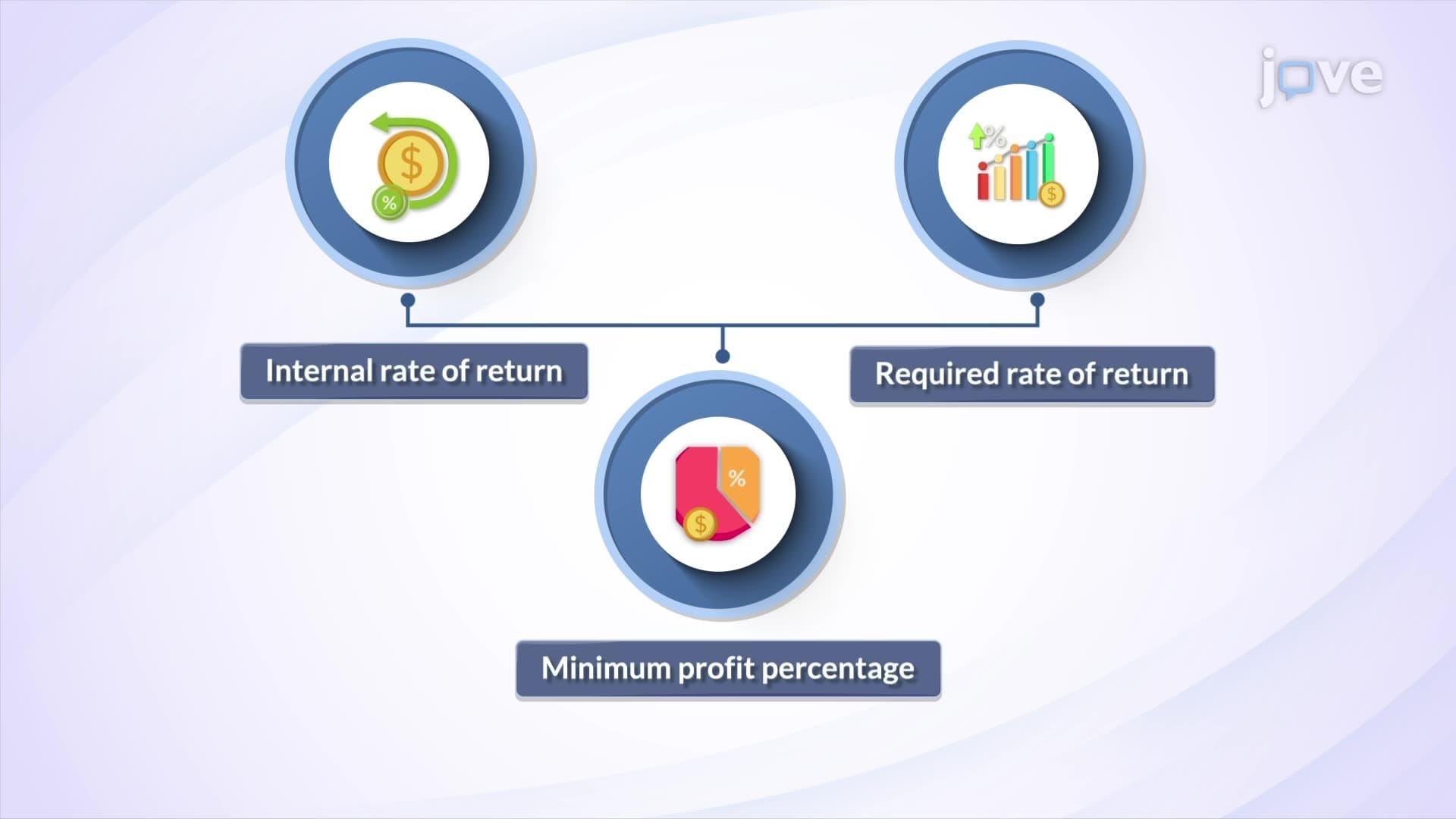
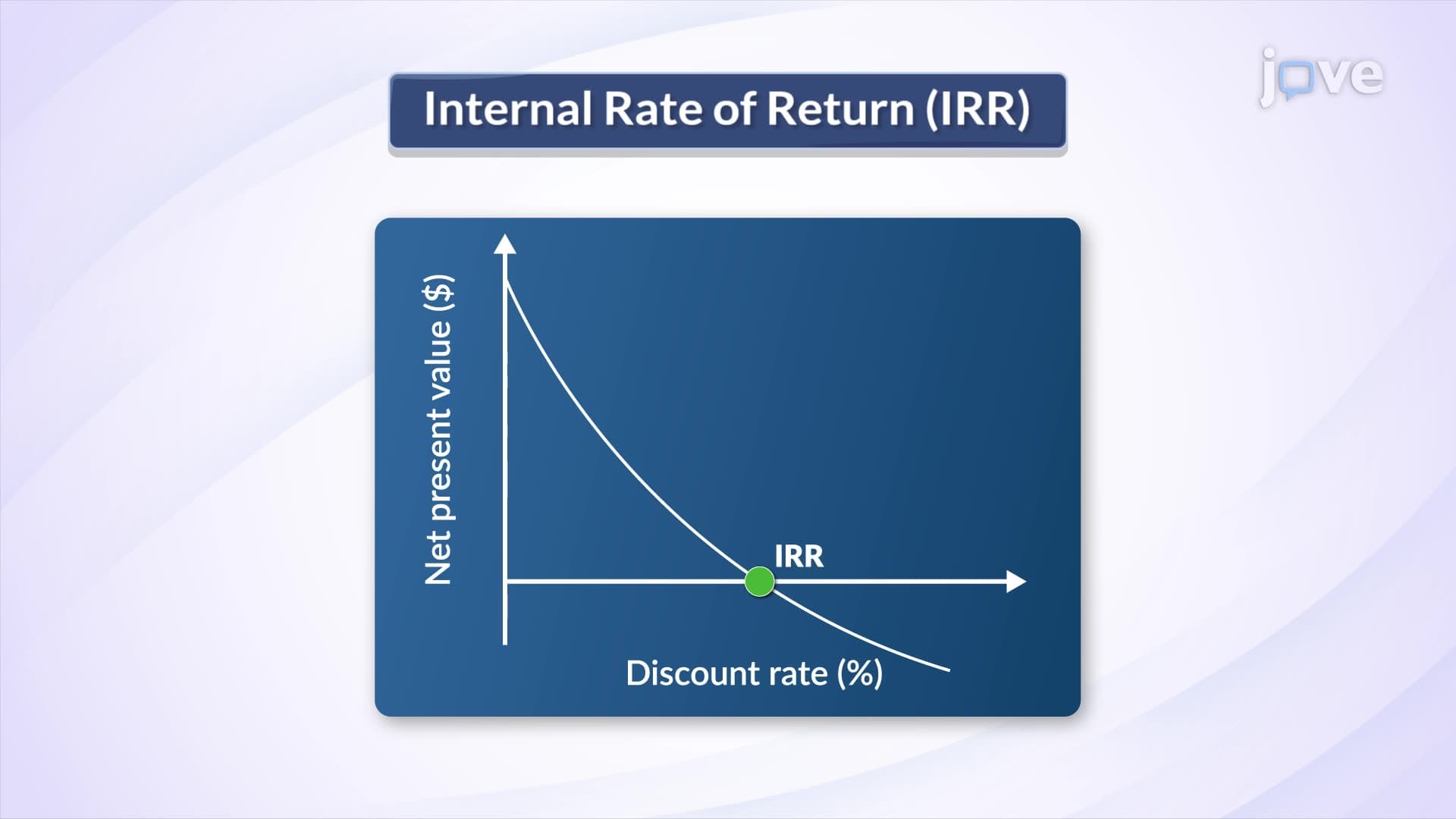
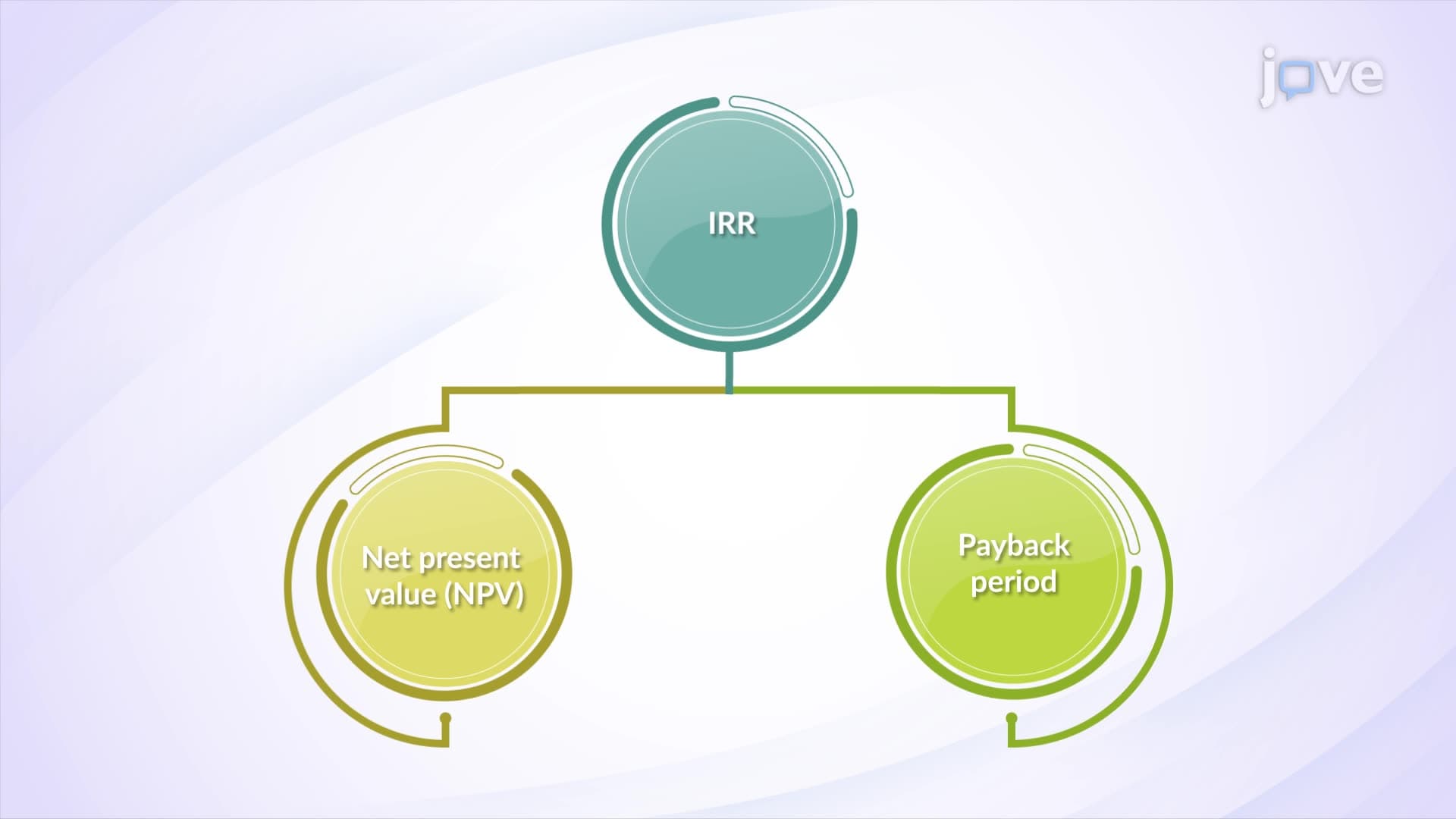
- Analyze how ARR compares to other financial metrics like NPV and IRR in comprehensive project evaluation frameworks
- Implement ARR as an initial screening tool to quickly filter potential investments before detailed financial modeling
- Evaluate the trade-offs between calculation simplicity and analytical depth when choosing financial metrics for different stakeholder audiences
- Leverage ARR insights to communicate investment attractiveness to non-financial executives and cross-functional teams
- Identify situations where ARR's limitations around time value of money could lead to suboptimal capital allocation decisions
- Compare investment alternatives using ARR while understanding when to escalate analysis to more sophisticated valuation methods
Understanding Average Rate of Return in Strategic Context
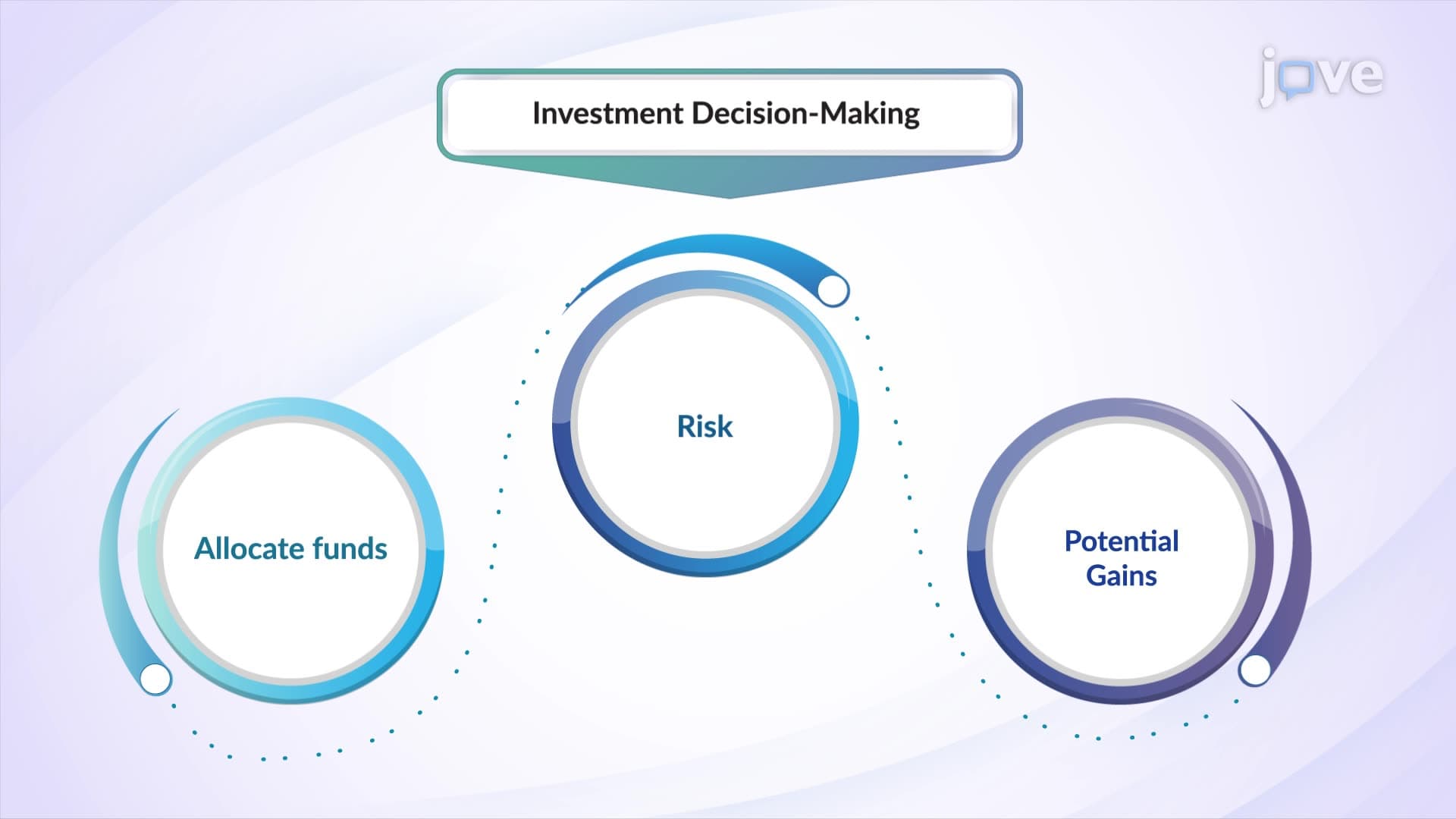
When Walmart evaluates new distribution centers or Amazon considers warehouse automation investments, finance teams need reliable metrics to assess profitability quickly. The average rate of return serves as a critical first-pass filter in capital budgeting decisions, offering executives a straightforward percentage that answers a fundamental question: "What annual return can we expect from this investment relative to its cost?"
Calculation Framework and Business Applications
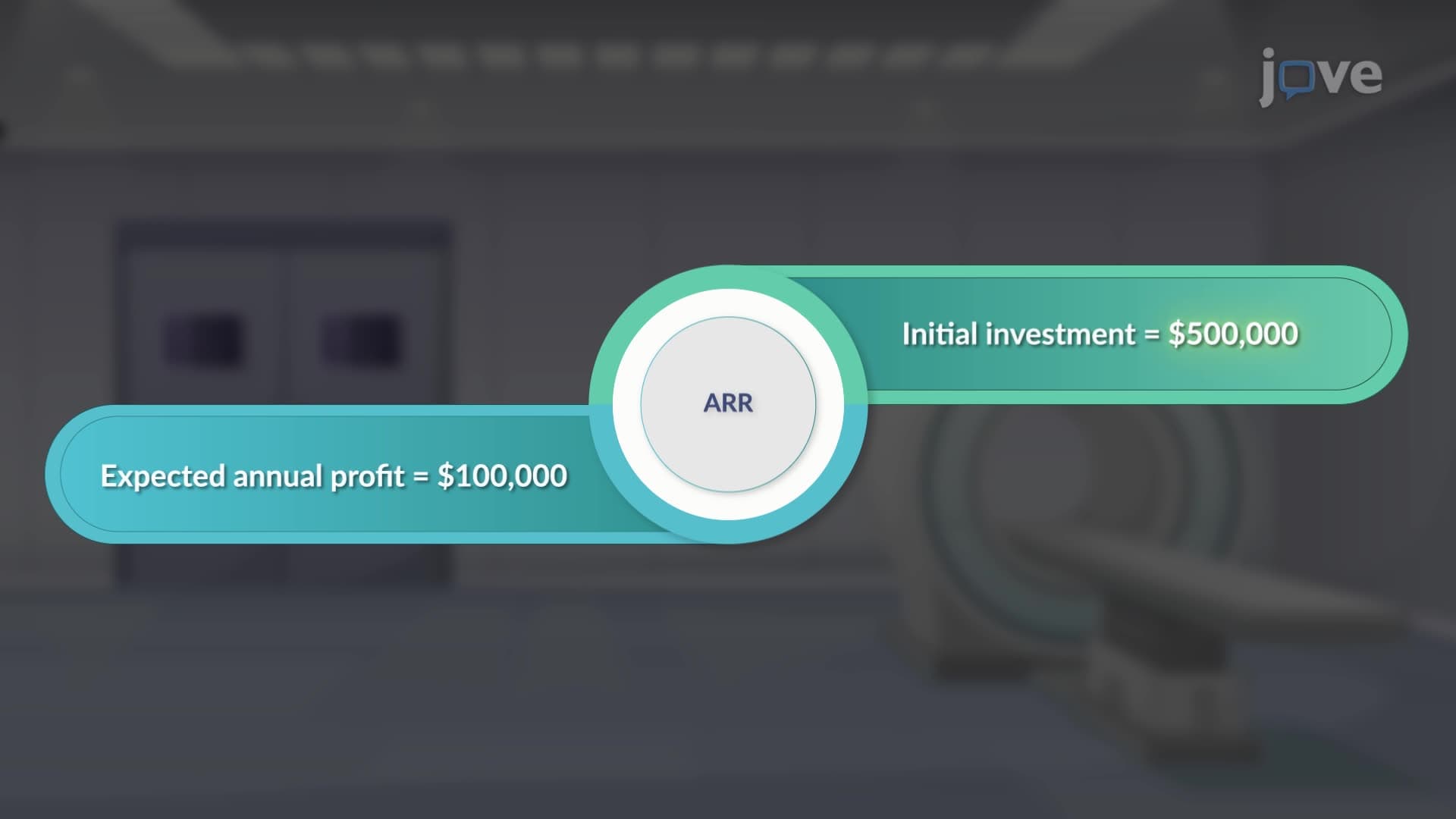
The average rate of return formula is elegantly simple: divide average annual profit by initial investment cost, then multiply by 100 for a percentage. This accessibility makes ARR invaluable during strategy meetings where non-financial stakeholders need to grasp investment attractiveness quickly. Unlike complex discounted cash flow models, ARR delivers immediate insights that resonate with operational managers evaluating equipment purchases or facility expansions.
Consider how healthcare systems like Kaiser Permanente might evaluate medical equipment investments. A $2 million MRI machine generating $400,000 in additional annual profits yields a 20% ARR-instantly comparable to other investment opportunities or financing costs. This clarity accelerates decision-making processes and facilitates cross-departmental discussions about resource allocation priorities.
Strategic Limitations and Risk Considerations
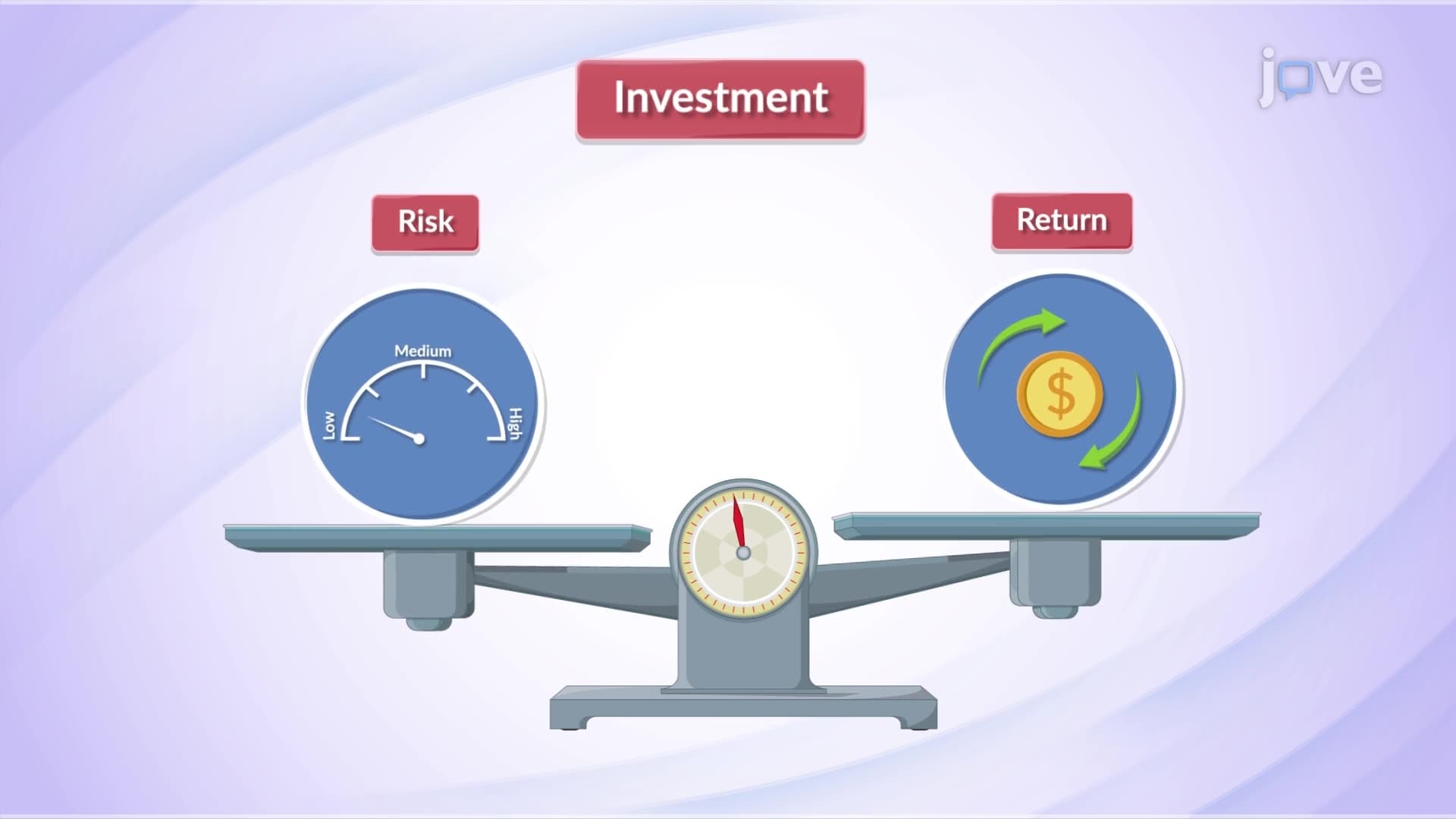
Professional investors and CFOs recognize ARR's critical blind spots. The metric ignores the time value of money, treating Year 1 and Year 5 cash flows as equivalent-a significant oversight when evaluating long-term projects. Additionally, ARR doesn't account for investment risk profiles, potentially making a volatile technology startup appear as attractive as a stable utility investment with identical ARRs.
Smart organizations use ARR as part of a comprehensive evaluation framework. Companies like Microsoft combine ARR with net present value calculations and risk-adjusted hurdle rates to ensure capital allocation aligns with strategic objectives and shareholder value creation.
Implementation Best Practices for Working Professionals
Successful ARR implementation requires understanding your audience and decision context. When presenting to boards or senior executives, ARR provides accessible headline metrics that complement detailed financial analysis. For initial project screening, establish ARR thresholds based on your industry's typical returns and risk profiles. Manufacturing companies might set 15% minimum ARRs, while technology firms targeting 25%+ returns reflect their higher-risk, higher-reward business models.
Frequently Asked Questions
Average rate of return measures annual profit as a percentage of initial investment cost, providing a simple profitability snapshot. Unlike NPV or IRR, ARR doesn't consider the time value of money, making it useful for quick screening but insufficient for final investment decisions. It's particularly valuable when communicating with non-financial stakeholders who need straightforward performance indicators.
ARR excels as a preliminary screening tool during capital allocation discussions and strategic planning sessions. Present ARR alongside project summaries to quickly identify the most promising opportunities before investing time in detailed financial modeling. Use ARR thresholds to filter proposals-anything below your company's minimum acceptable return gets eliminated early, focusing executive attention on viable investments.
Use ARR for initial project screening, communicating with non-financial executives, and evaluating short-term investments where timing differences are minimal. Switch to NPV or IRR for final investment decisions, long-term projects, or when cash flow timing significantly impacts value. ARR works best as the first step in a multi-stage evaluation process, not as the sole decision criterion.
Starbucks likely evaluated new store locations using ARR-type analysis, comparing initial investment costs (lease deposits, equipment, renovation) against projected annual profits. A $300,000 store investment generating $75,000 annual profit yields a 25% ARR, helping prioritize locations. However, Starbucks would supplement this with market analysis, brand positioning, and long-term value considerations beyond simple ARR calculations.
No advanced finance background is required-ARR's strength lies in its simplicity. Basic arithmetic skills and understanding of profit/investment concepts are sufficient. The metric's accessibility makes it valuable for operations managers, project leaders, and department heads who need to evaluate investments within their areas of responsibility without extensive financial modeling expertise.
ARR proficiency enhances your ability to evaluate investment opportunities, contribute meaningfully to capital budgeting discussions, and communicate financial concepts to diverse stakeholders. These skills are essential for promotion to general management roles, strategic planning positions, or entrepreneurial ventures where capital allocation decisions directly impact business success and competitive advantage.
Progress to net present value (NPV) and internal rate of return (IRR) concepts, which address ARR's time value limitations. Then explore risk-adjusted return measures and portfolio theory applications. Understanding payback period calculations and sensitivity analysis will round out your capital budgeting toolkit, preparing you for complex strategic investment decisions.
ARR expectations vary significantly by industry risk profiles and capital intensity. Technology companies might target 30%+ ARRs reflecting high growth potential, while utilities accept 8-12% returns given stable cash flows and regulatory environments. Understanding your industry's typical ARR ranges helps set realistic investment thresholds and evaluate competitive positioning against peer companies' capital allocation strategies.
Related Micro-courses

10 Concepts

36 Concepts

16 Concepts