Loading…
Loading video…

6,069 views

When choosing between projects limited resources becomes a critical challenge, companies like Apple must strategically allocate capital to maximize shareholder value. The concept of choosing between projects limited resources explained centers on Net Present Value (NPV) analysis, which helps executives evaluate competing investment opportunities. Through practical NPV calculations using real cash flow projections and discount rates, finance leaders can identify which projects deliver the highest economic value despite resource constraints. Watch the full video on JoVE Coach to master this concept with expert-led visuals and step-by-step explanations.
Modern corporations face constant pressure to allocate limited capital across competing growth opportunities. Whether you're evaluating new product launches, facility expansions, or technology upgrades, the fundamental challenge remains: how do you choose between projects when resources are scarce? This strategic decision-making process requires sophisticated financial analysis that goes beyond simple payback calculations.
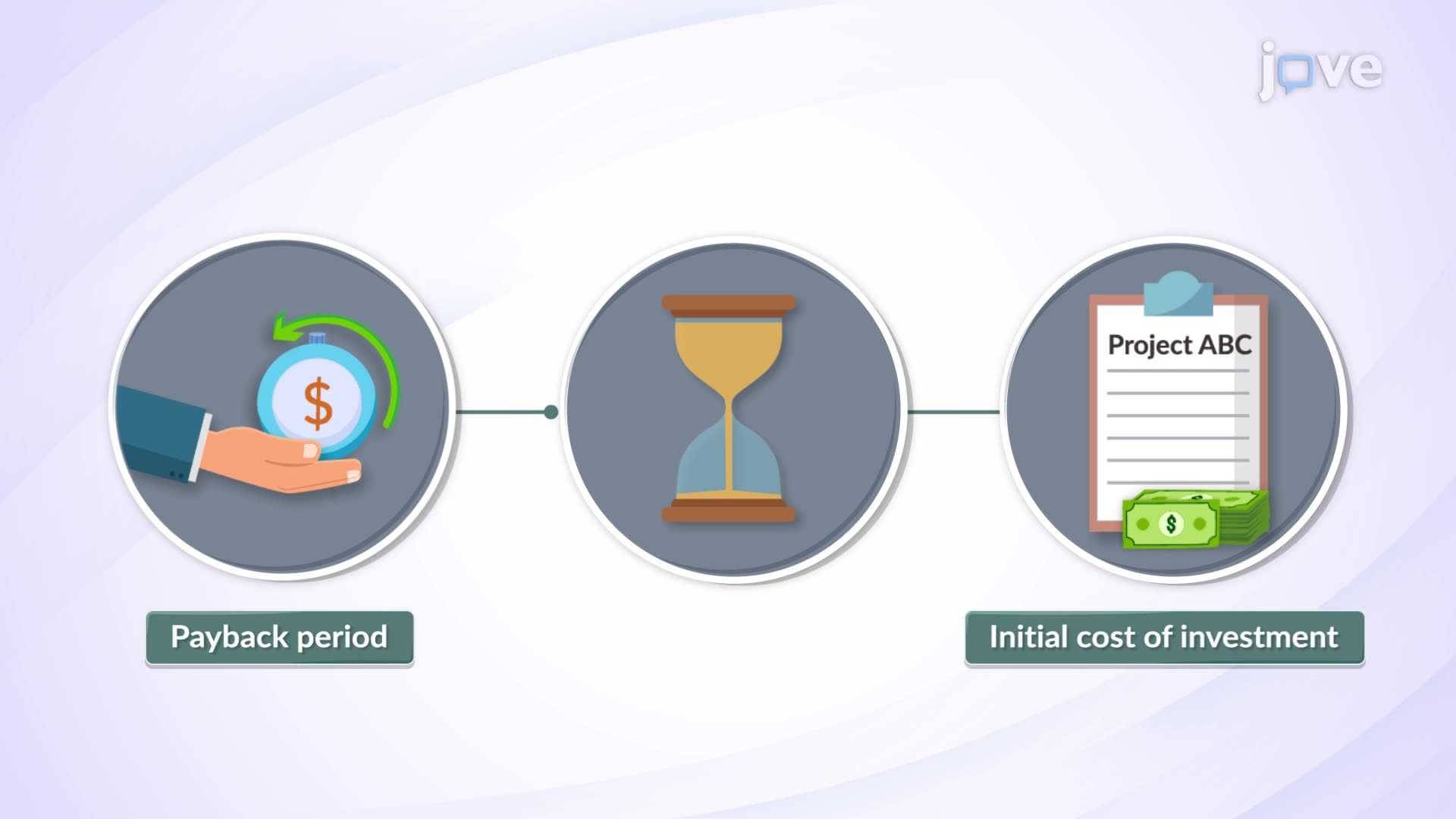
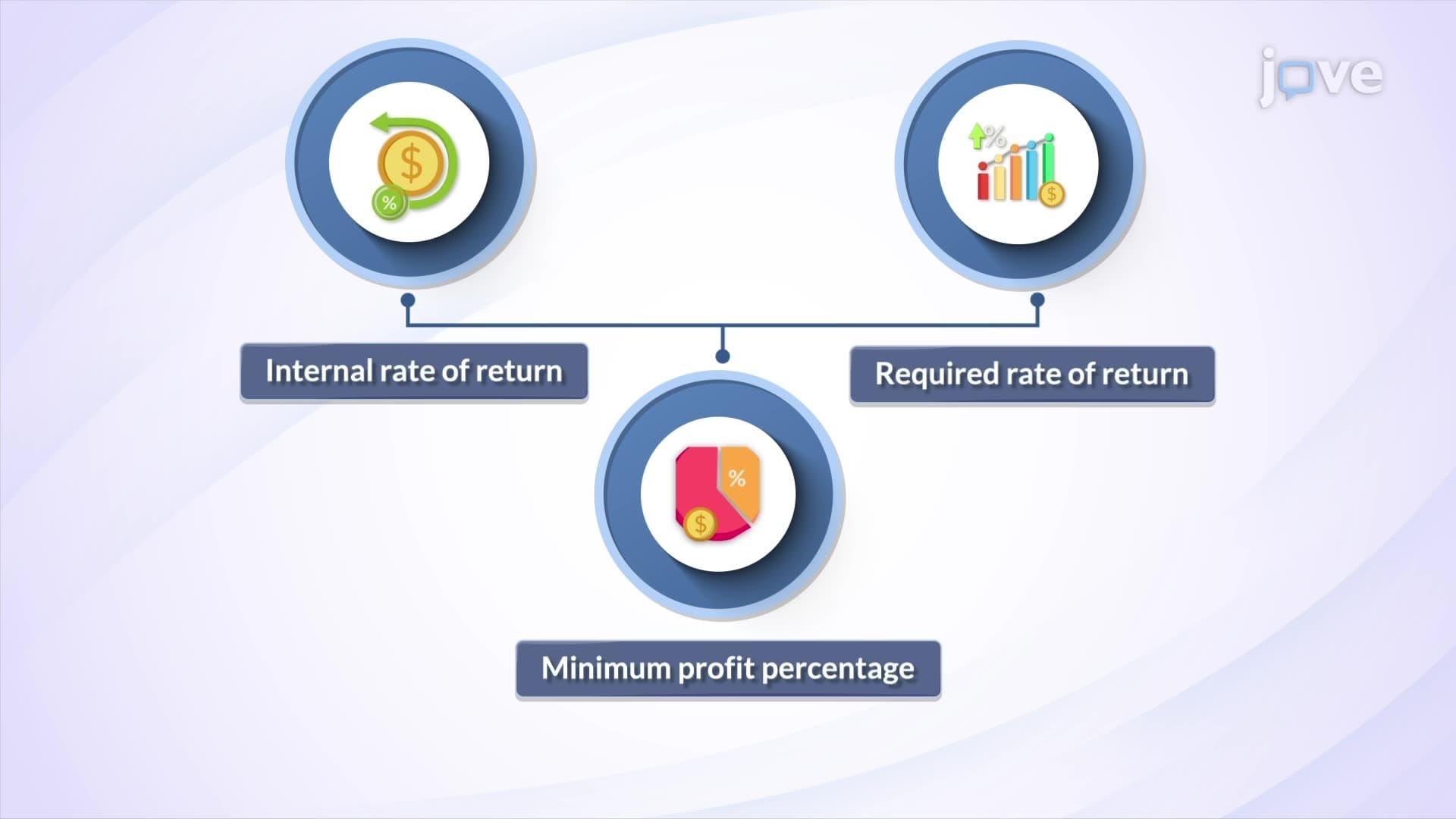
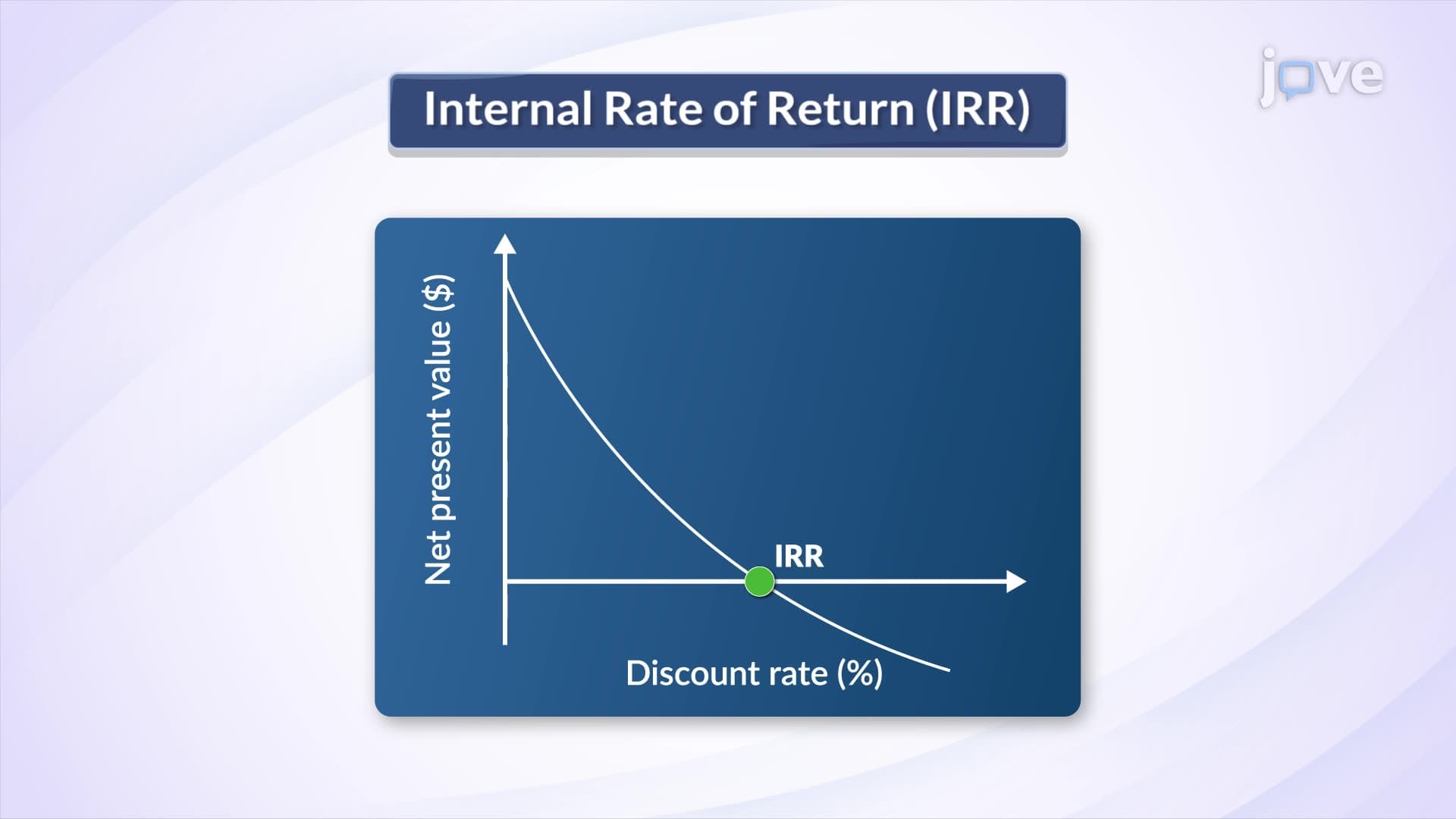
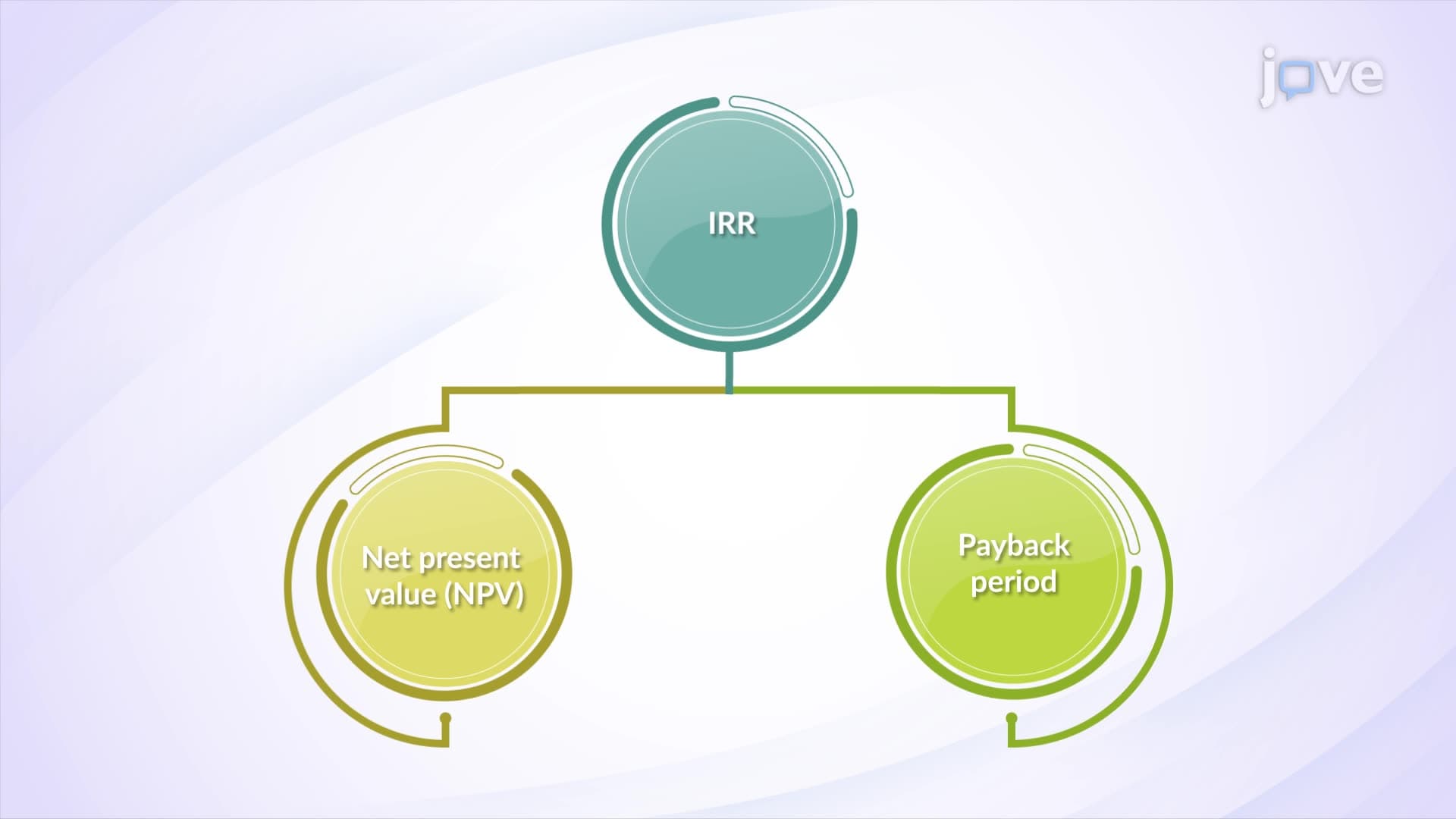
Net Present Value serves as the gold standard for capital budgeting decisions because it quantifies the actual dollar value each project adds to shareholder wealth. Unlike internal rate of return or payback period methods, NPV provides an absolute measure of value creation that accounts for the time value of money. When Amazon evaluates warehouse expansion projects across different regions, they apply NPV analysis to determine which locations will generate the highest economic returns given their capital constraints.
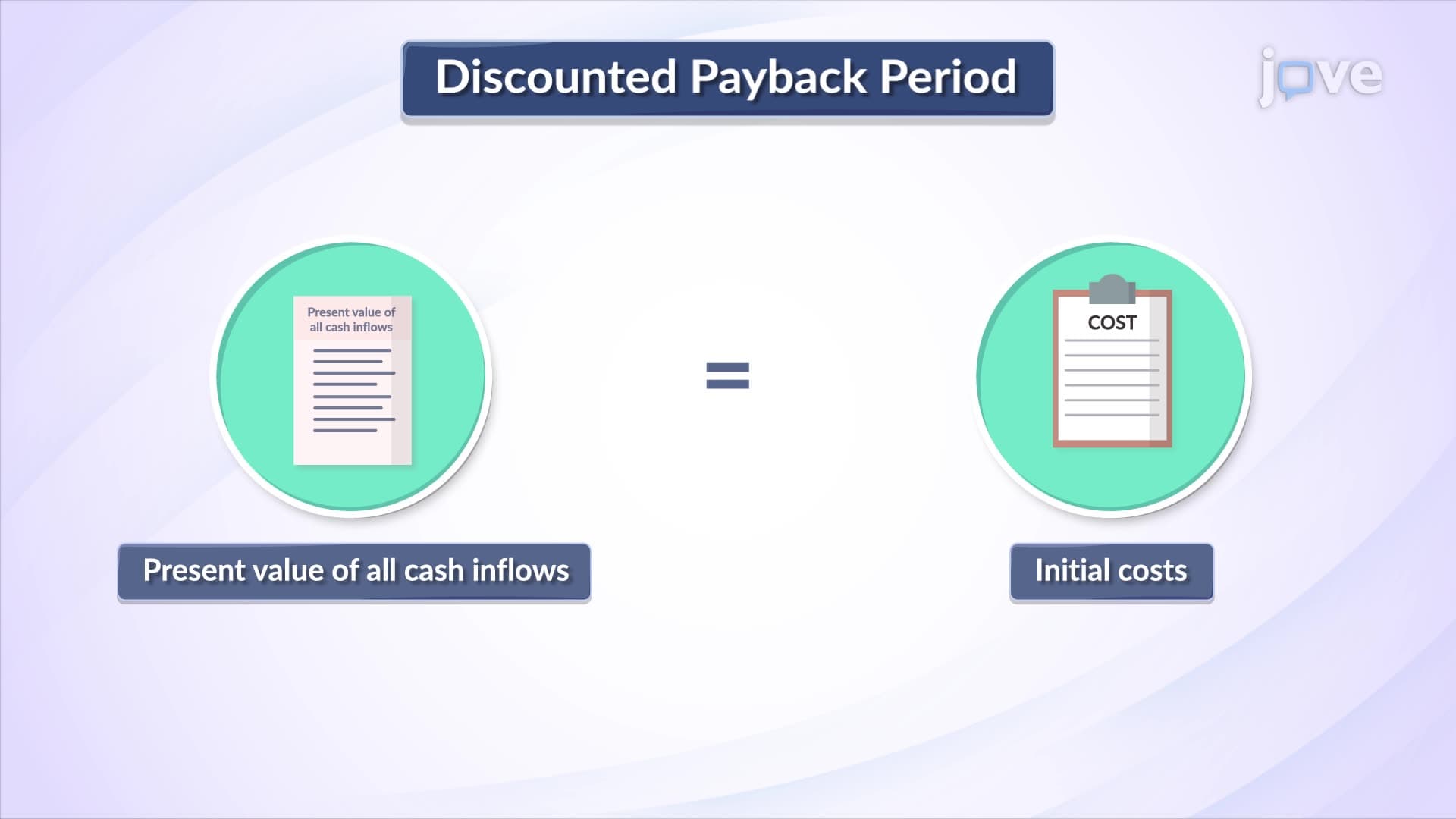
The NPV calculation discounts future cash flows back to present value using the company's weighted average cost of capital. This approach ensures that projects generating earlier cash flows receive appropriate preference over those with backend-loaded returns. For finance professionals, mastering NPV analysis means understanding how discount rate assumptions, cash flow timing, and risk adjustments impact project rankings.
Corporate finance teams typically face budget limitations that require ranking multiple positive-NPV projects. The profitability index—NPV divided by initial investment—becomes crucial for comparing projects of different scales. A $50 million data center upgrade might have higher absolute NPV than a $10 million software implementation, but the smaller project could offer superior returns per dollar invested.
Consider how Microsoft approaches R&D allocation across its cloud, gaming, and productivity divisions. Each business unit competes for finite resources, requiring detailed financial modeling that considers not only projected returns but also strategic alignment with corporate objectives. The winning projects demonstrate both strong financial metrics and competitive positioning advantages.
When presenting capital allocation recommendations to senior management, effective finance professionals frame NPV analysis within broader strategic context. They address questions about market timing, competitive response, and operational scalability that pure financial metrics cannot capture. This comprehensive approach ensures resource allocation decisions support long-term value creation rather than short-term financial optimization.
Frequently Asked Questions
It's the strategic process of selecting optimal investment projects when available capital is insufficient to fund all profitable opportunities. Companies use quantitative methods like NPV analysis to rank competing projects and allocate resources to maximize shareholder value.
Focus on NPV calculations alongside strategic context, including market timing and competitive implications. Prepare sensitivity analyses showing how key assumptions affect project rankings, and align recommendations with corporate strategic objectives beyond pure financial returns.
Use NPV when projects have different scales, timing, or risk profiles, as it provides absolute value creation measures. NPV works best for strategic decisions involving significant capital commitments, while simpler methods like payback period suffice for routine operational investments.
GE systematically evaluated business units using NPV and strategic fit criteria, divesting lower-return assets to focus capital on high-growth segments like renewable energy and healthcare technology. This approach enabled them to optimize resource allocation while maintaining financial flexibility.
Basic understanding of present value concepts and spreadsheet modeling suffices for most applications. The key is grasping how discount rates and cash flow timing affect project value, which comes through practice with real business scenarios rather than theoretical study.
These skills are essential for senior finance roles, strategic planning positions, and general management advancement. Demonstrating ability to optimize resource allocation and defend investment decisions with quantitative analysis significantly enhances promotion prospects and executive credibility.
Study weighted average cost of capital (WACC) calculation, as it determines the discount rate used in NPV analysis. Understanding how debt and equity costs combine to establish hurdle rates will strengthen your ability to evaluate investment opportunities accurately.
Related Micro-courses



Related Subjects