Loading subject page…

- Finance
- Capital Budgeting
- Net Present Value
Micro-course: Capital Budgeting
6,069 views
Learn key concepts and earn your certificate.
















Net Present Value

00:00
01:23
- Apply net present value calculations to evaluate capital expenditure proposals and justify budget recommendations to senior leadership
- Analyze how discount rates impact investment decisions and calibrate risk assumptions based on market conditions and company cost of capital
- Compare multiple project alternatives using standardized NPV metrics to optimize portfolio allocation and resource deployment
- Evaluate the time value of money implications when presenting long-term strategic initiatives to boards and investment committees
- Implement NPV frameworks in business case development for new product launches, facility expansions, and technology investments
- Assess opportunity costs by incorporating realistic discount rates that reflect current market interest rates and business risk profiles
- Leverage NPV sensitivity analysis to model best-case and worst-case scenarios for strategic planning purposes
- Identify when projects with positive NPV align with corporate strategy and create sustainable competitive advantages
Understanding Net Present Value in Corporate Decision-Making
When Amazon's leadership evaluates whether to build a new fulfillment center, they're essentially asking: "Will this investment generate more value than our cost of capital?" Net present value provides the quantitative foundation for answering this critical question. Unlike simple payback periods or accounting returns, NPV accounts for the fundamental financial principle that money today is worth more than money tomorrow.
The Strategic Framework Behind NPV Analysis
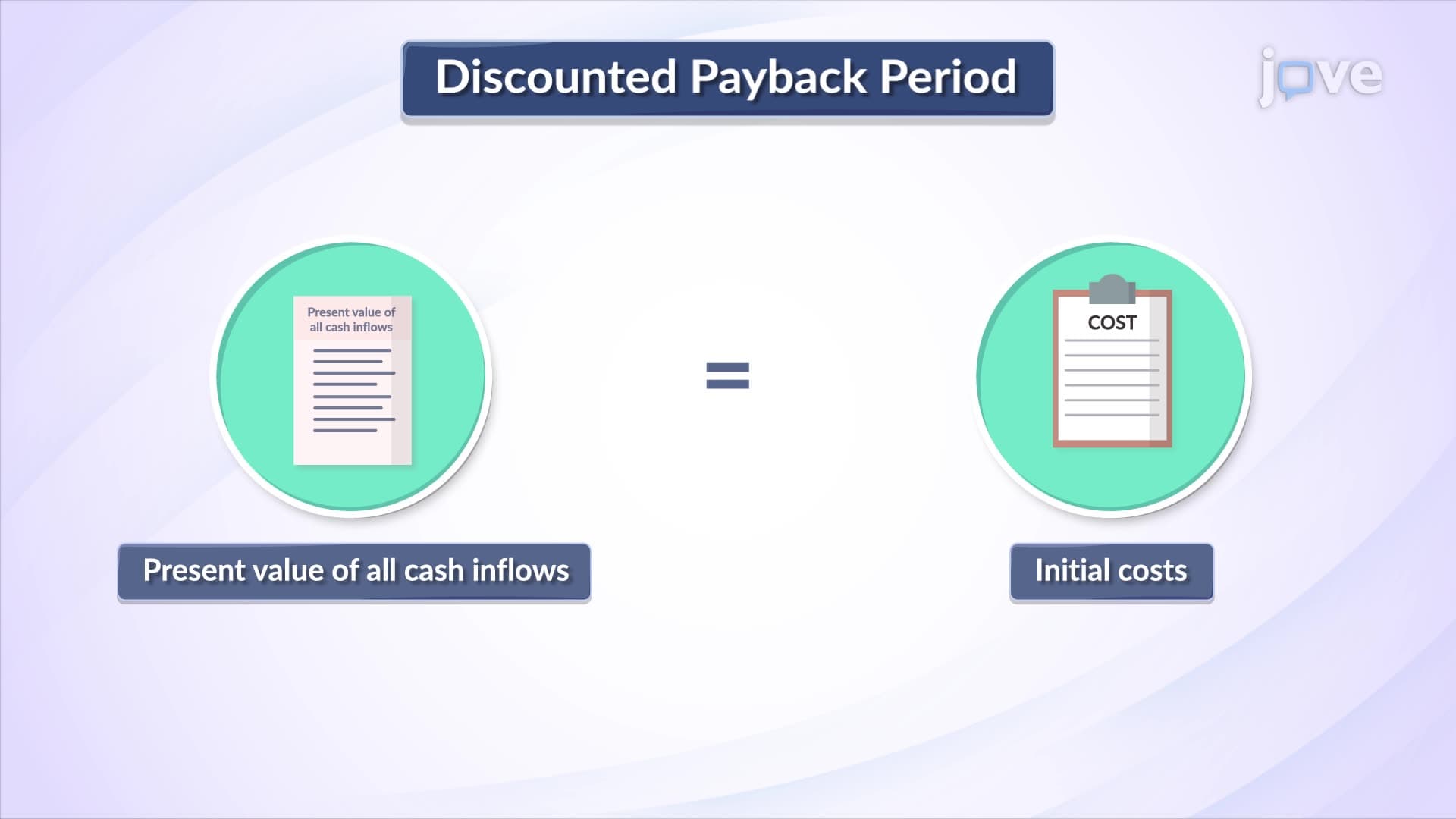
Net present value definition explained centers on discounting future cash flows to present-day equivalents using a required rate of return. This discount rate typically reflects the company's weighted average cost of capital (WACC) plus a risk premium specific to the project. For instance, when Microsoft evaluates cloud infrastructure investments, they might use a 12% discount rate that combines their borrowing costs, equity investors' return expectations, and the technological risks inherent in rapidly evolving markets.
The NPV calculation follows this simplified formula: NPV = (Future Cash Flows ÷ (1 + Discount Rate)^Years) - Initial Investment. A positive NPV indicates the project will create shareholder value, while negative NPV suggests capital would generate better returns elsewhere.
Real-World Applications Across Industries
Manufacturing giants like Ford Motor Company regularly use NPV analysis to evaluate assembly line automation projects. Consider a $50 million robotics investment expected to reduce labor costs by $15 million annually over seven years. Using Ford's 10% cost of capital, the NPV calculation helps executives determine if this automation creates more value than alternative investments like expanded R&D or market expansion initiatives.
Financial services firms apply NPV concepts differently but equally rigorously. When JPMorgan Chase considers opening new branch locations, they project customer acquisition costs, deposit growth, loan origination volumes, and operational expenses across multiple years. The NPV framework helps them compare the lifetime value of different geographic markets and optimize their physical footprint strategy.
Integration with Corporate Performance Management
What is net present value in the context of quarterly earnings guidance and long-term strategic planning? Public companies must balance NPV-positive projects with earnings predictability. Sometimes management may defer positive-NPV investments to smooth quarterly results, or accelerate depreciation schedules to optimize tax benefits. Understanding these dynamics helps professionals navigate the tension between theoretical financial optimization and practical business operations.
Frequently Asked Questions
Net present value measures whether an investment will create more wealth than it costs, expressed in today's dollars. It's the gold standard for capital budgeting because it accounts for both project profitability and the time value of money. CFOs use NPV to rank competing projects and allocate limited capital to the highest-value opportunities.
Focus on the business story behind the numbers rather than technical calculations. Present NPV as "profit after accounting for our cost of money" and use scenarios to show upside potential and downside protection. Include sensitivity analysis showing how changing assumptions affects the investment's attractiveness, and always tie NPV results back to strategic objectives.
Start with your company's weighted average cost of capital, then adjust for project-specific risks. Technology projects might warrant higher rates due to obsolescence risk, while utility infrastructure might use lower rates given stable cash flows. Consult with your finance team or use industry benchmarks from firms like McKinsey or Deloitte for guidance.
While Apple doesn't publish their internal analysis, the iPhone launch required massive upfront R&D and manufacturing investments against uncertain market acceptance. NPV analysis likely modeled various adoption scenarios, factored in cannibalization of iPod sales, and considered the strategic value of entering mobile communications. The positive NPV from ecosystem effects and recurring services revenue justified the enormous initial capital commitment.
No advanced credentials are required, though basic financial literacy helps. Most professionals can master NPV concepts through focused study and practical application. The key is understanding business logic rather than memorizing formulas – why we discount future cash flows, how risk affects discount rates, and what NPV results mean for strategic decision-making.
NPV fluency demonstrates quantitative business acumen that's valued across functions from product management to corporate development. You'll contribute more effectively to strategic planning, speak credibly with finance teams, and make stronger business cases for your initiatives. This analytical capability often differentiates candidates for senior management roles.
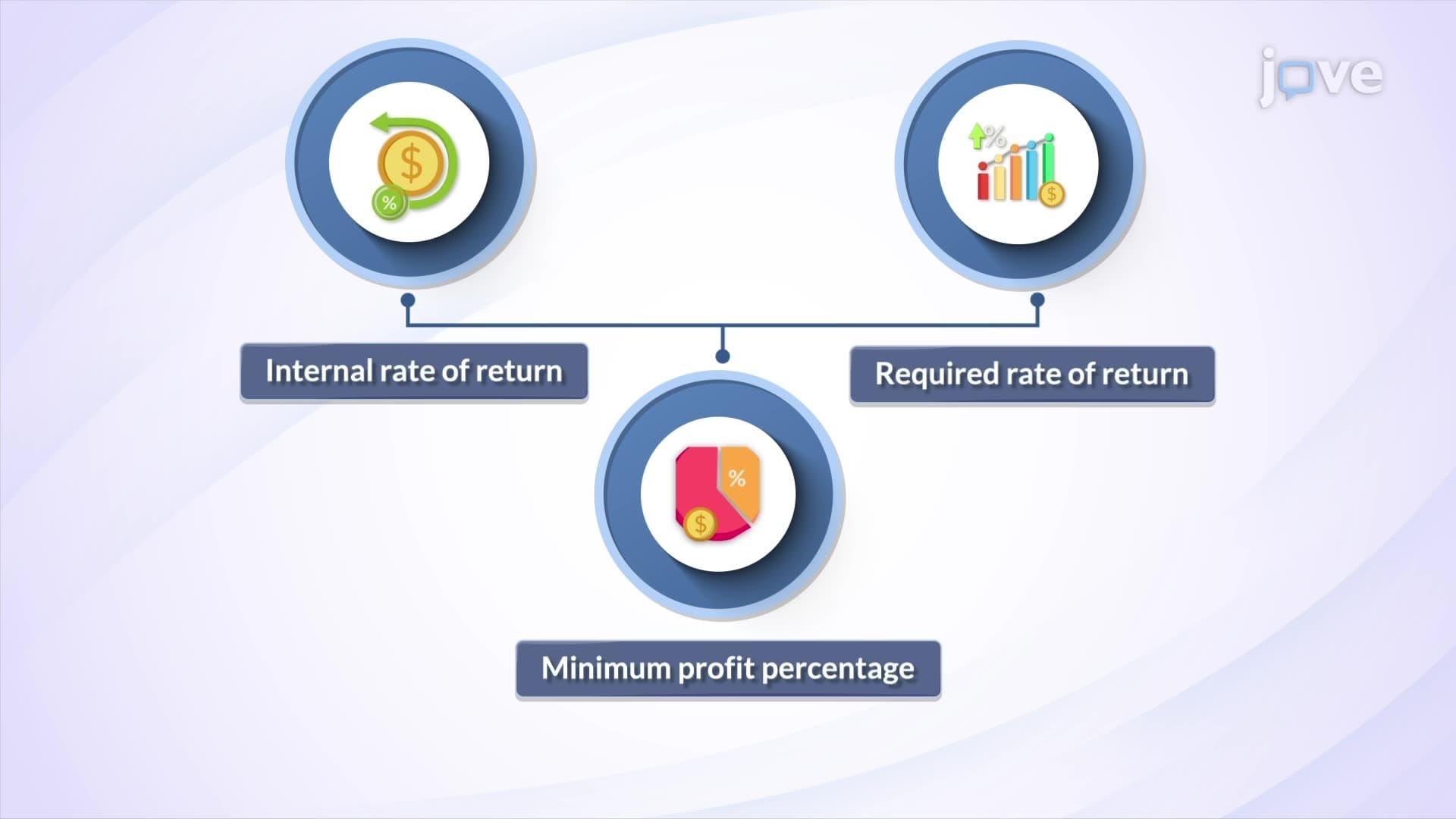
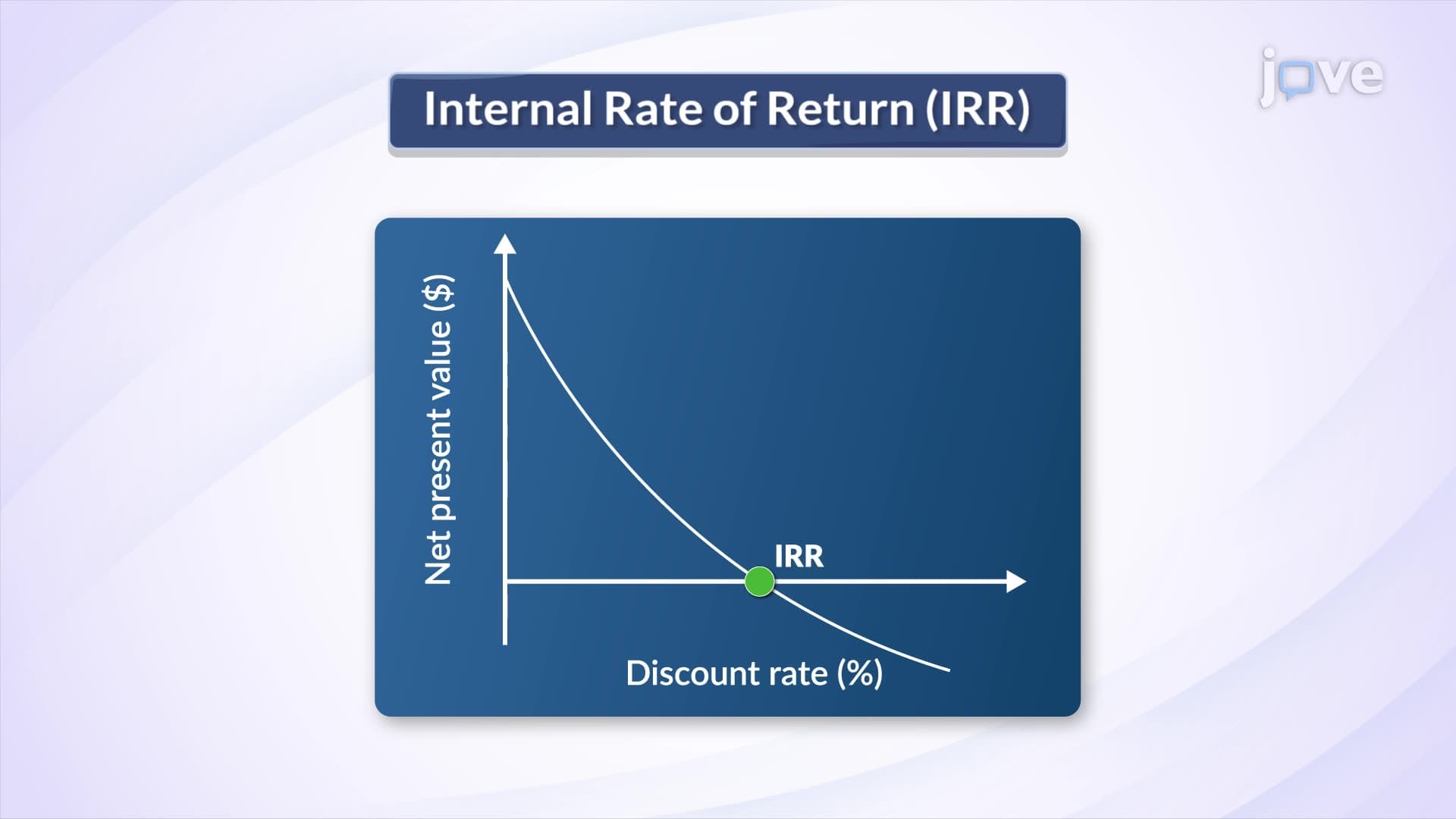
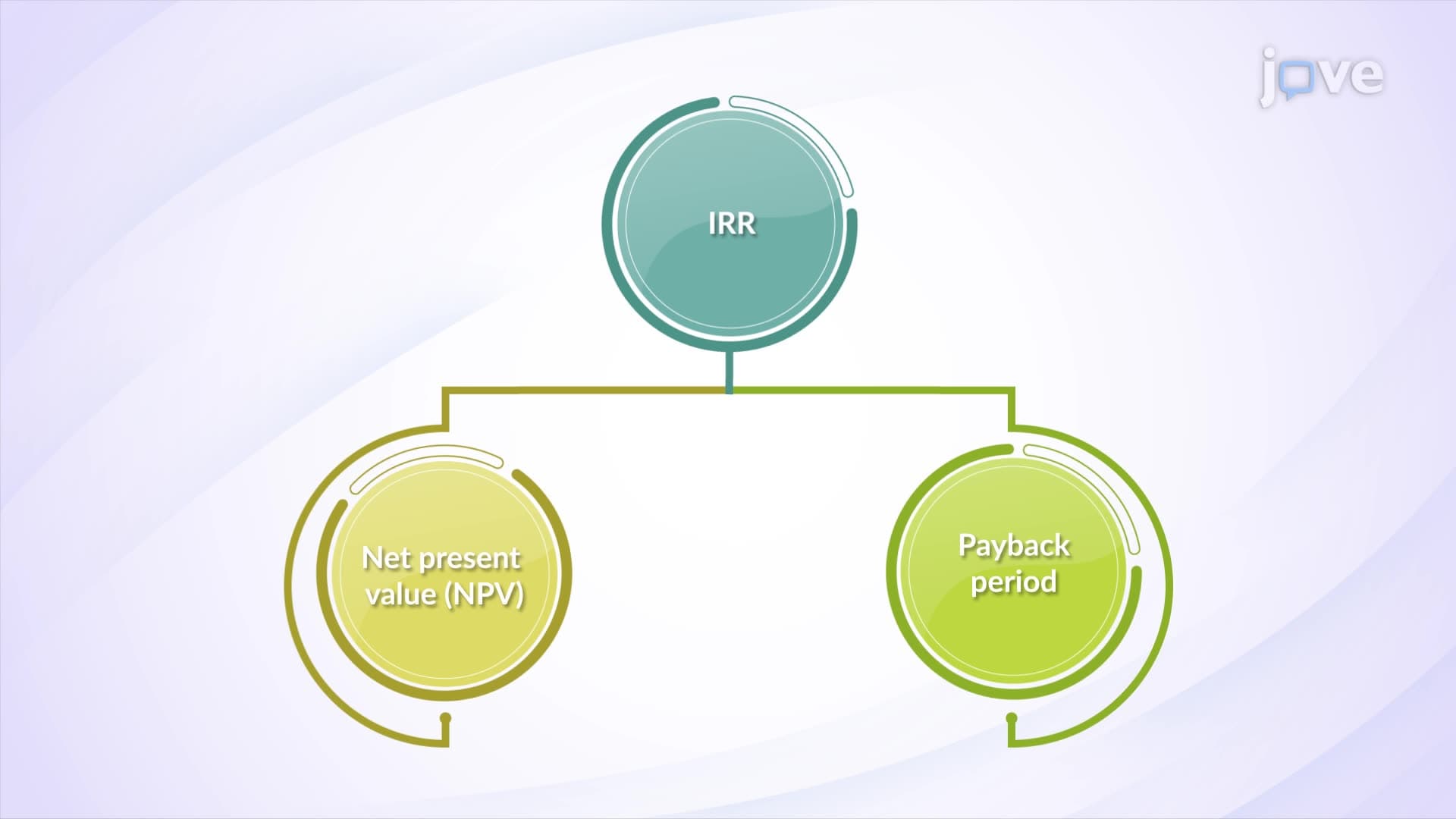
Internal rate of return (IRR) naturally follows NPV as it answers "what return does this project generate?" while NPV asks "does this project create value?" Understanding both metrics together, plus their limitations, provides a comprehensive foundation for evaluating capital allocation decisions and investment opportunities.
Related Micro-courses

10 Concepts

36 Concepts

16 Concepts

