Loading…
Loading video…

6,069 views

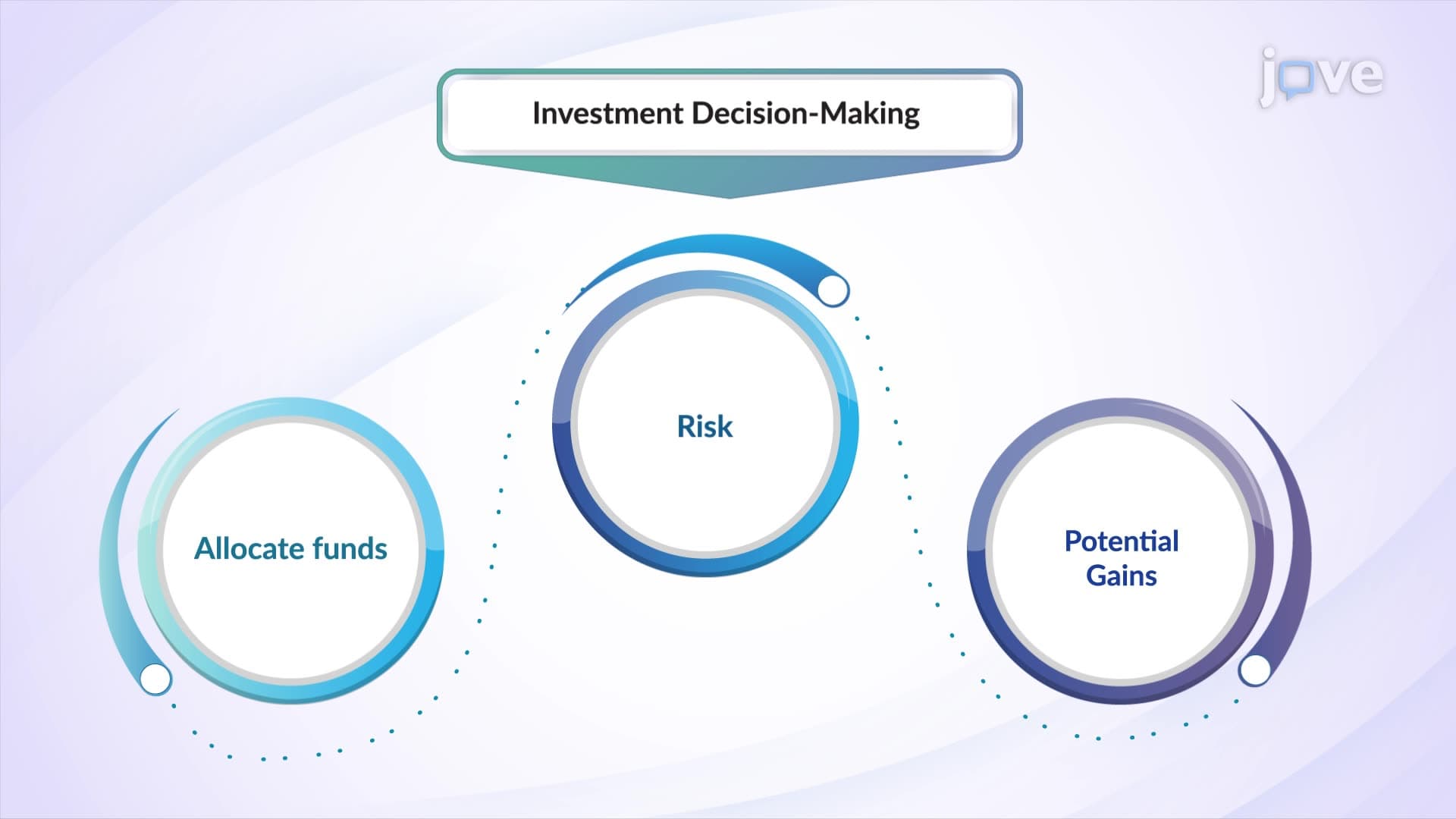
Decision making through average rate analysis drives critical capital allocation decisions across industries, from healthcare systems investing millions in new technology to manufacturing giants evaluating production line upgrades. Companies like Johnson & Johnson rely on Average Rate of Return (ARR) calculations to ensure every investment dollar generates returns that exceed their cost of capital and strategic benchmarks. This systematic approach to Decision Making Through Average Rate Explained helps executives compare competing projects and align financial commitments with long-term growth objectives. Watch the full video on JoVE Coach to master this concept with expert-led visuals and step-by-step explanations.
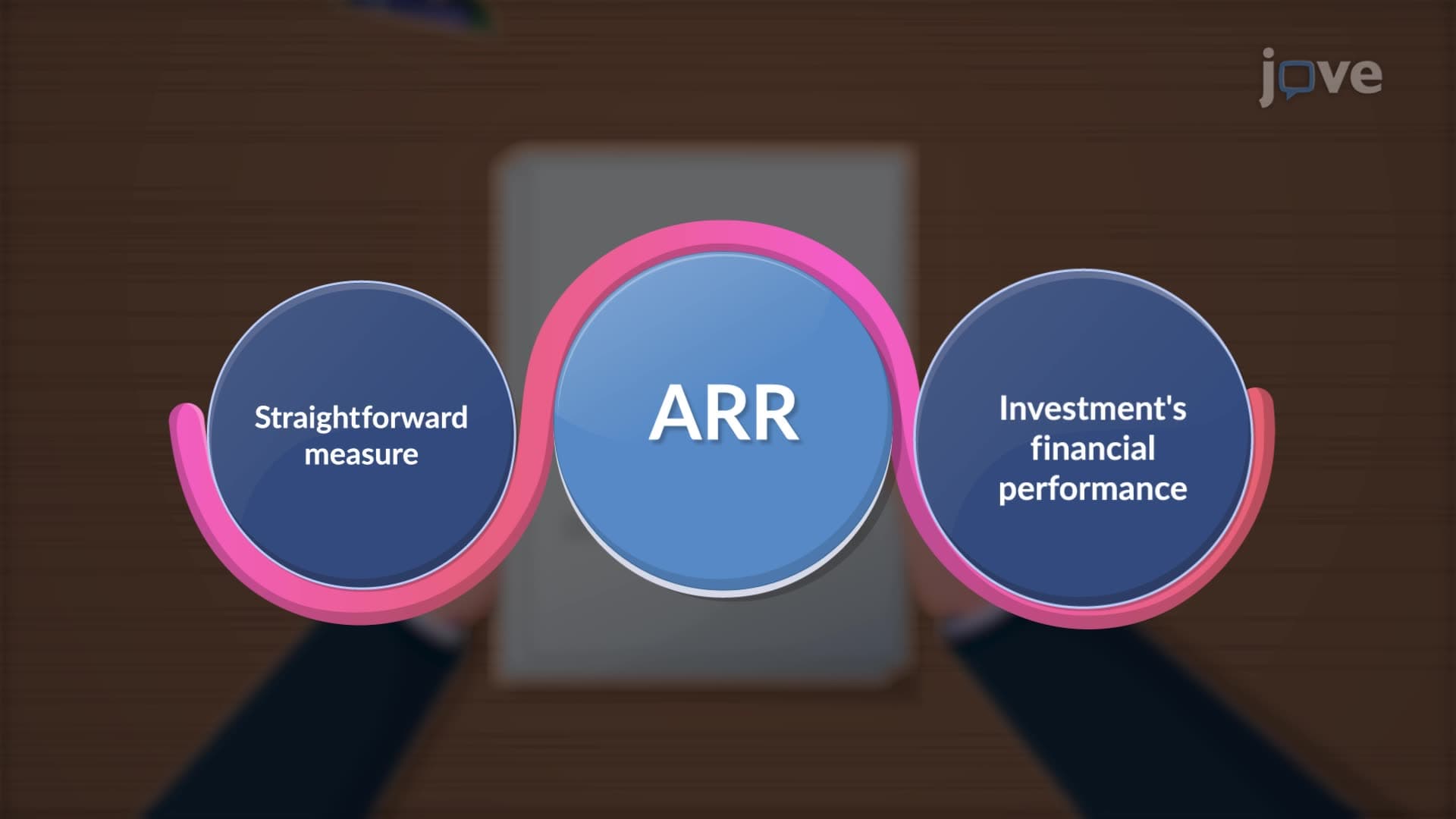
Modern executives face increasingly complex capital allocation decisions as competition intensifies and stakeholder expectations rise. The Average Rate of Return (ARR) provides a straightforward framework for evaluating investment opportunities, particularly valuable when presenting to boards or stakeholders who prefer easily interpretable metrics over complex discounted cash flow models.
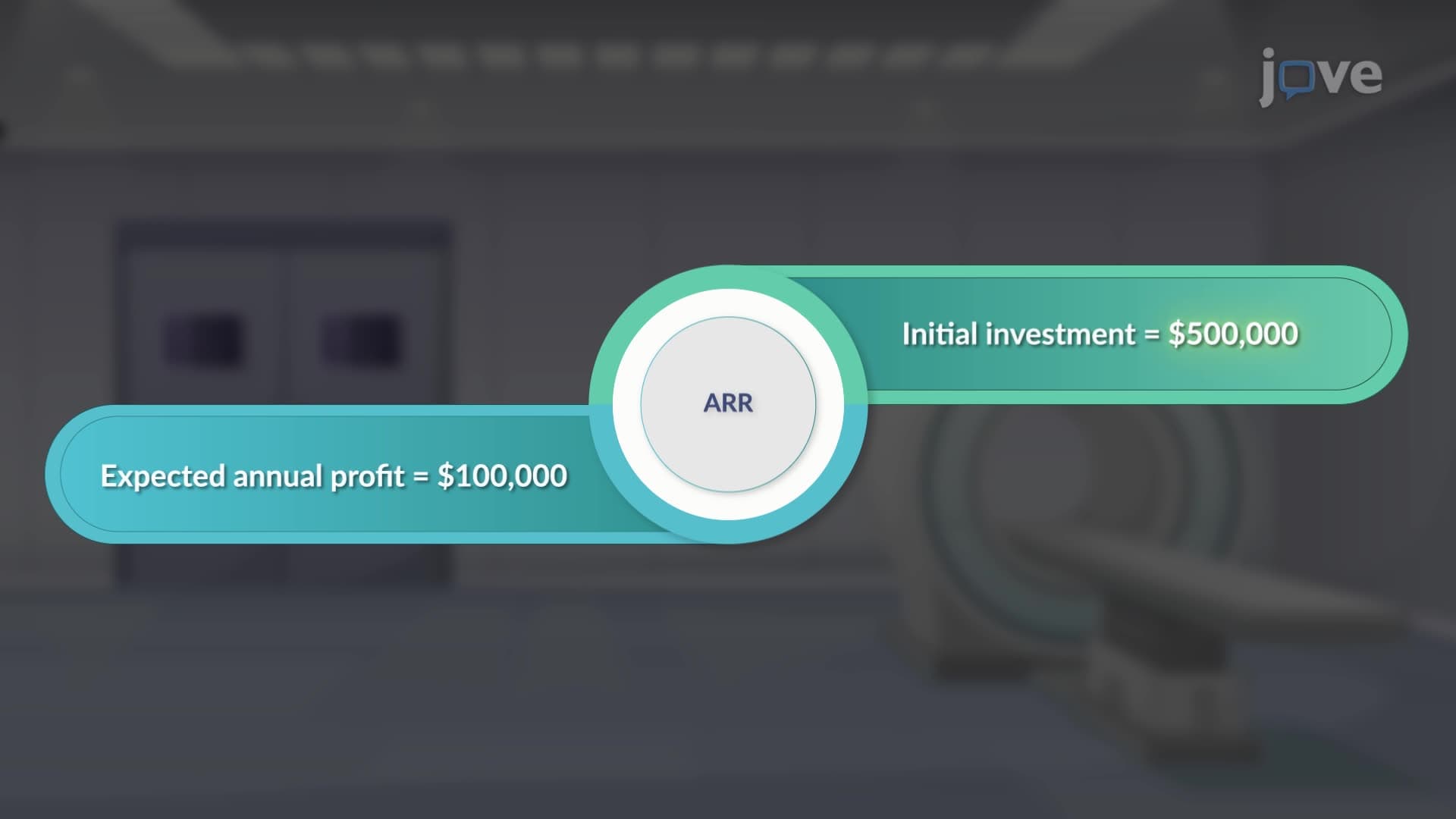
The ARR methodology centers on a simple but powerful principle: ARR = (Average Annual Profit / Initial Investment) × 100. This calculation transforms complex multi-year projections into a single percentage that executives can quickly benchmark against industry standards, cost of capital, or alternative investment opportunities.
Consider how Walmart approaches store expansion decisions. When evaluating a new distribution center requiring $50 million in capital, management projects average annual profit increases of $12 million over the facility's useful life. The resulting 24% ARR significantly exceeds their typical 15% required return threshold, supporting the investment decision while demonstrating clear value creation to shareholders.
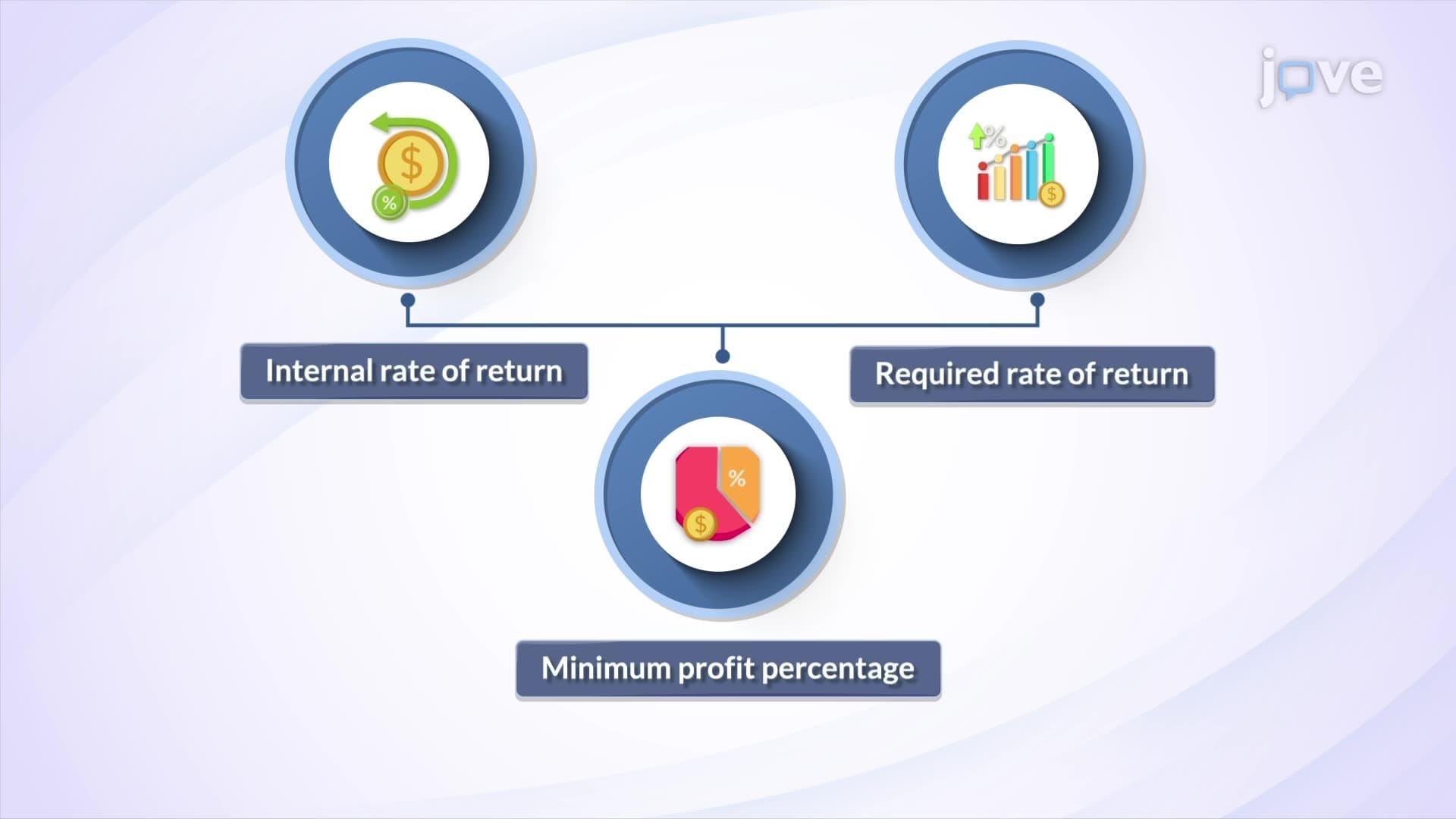
Smart organizations establish required return rates that reflect their industry position, risk profile, and strategic objectives. Technology companies like Microsoft might require 20-25% returns on new product development investments, while utilities such as Consolidated Edison operate with lower thresholds reflecting their stable, regulated revenue streams.
The ARR comparison process forces managers to articulate why specific projects deserve scarce capital resources. When CVS Health evaluates pharmacy technology upgrades, they compare ARR results against both internal hurdle rates and industry benchmarks to ensure competitive positioning while maintaining profitability standards.
Sophisticated organizations use ARR analysis as part of broader portfolio optimization strategies. General Electric's former approach to business unit evaluation exemplified this principle—divesting operations that consistently generated returns below corporate thresholds while investing heavily in segments exceeding ARR targets.
This systematic approach prevents emotional decision-making and ensures capital flows toward opportunities with highest strategic and financial impact, ultimately driving sustainable competitive advantage through disciplined resource allocation.
Frequently Asked Questions
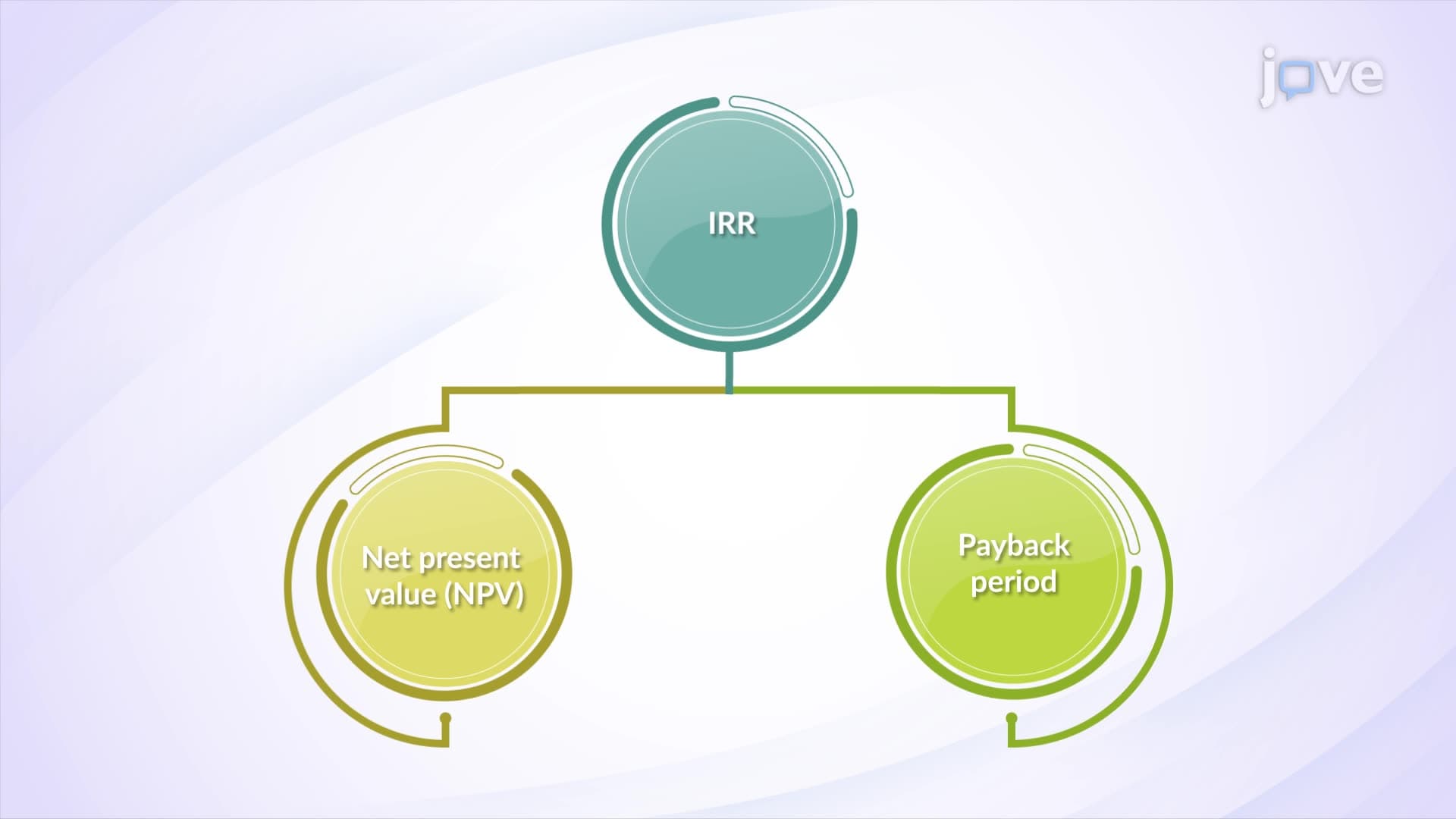
Decision making through average rate uses ARR to evaluate investments by comparing average annual profits to initial costs, expressed as a percentage. Unlike NPV or IRR, ARR provides an intuitive metric that senior executives and board members can quickly understand and benchmark against industry standards without complex financial modeling expertise.
Establish your required rate by analyzing industry benchmarks, your company's cost of capital, and strategic risk tolerance. Most successful companies set rates 3-5 percentage points above their weighted average cost of capital, adjusting higher for riskier ventures or lower for strategic initiatives that provide non-financial benefits like market share protection.
Use ARR when presenting to non-financial stakeholders, comparing simple projects with similar timeframes, or conducting initial investment screening. It's particularly effective in board presentations where you need clear, comparable metrics, though combine it with NPV analysis for major capital decisions exceeding $1 million or multi-year strategic initiatives.
Home Depot uses ARR analysis when evaluating store renovation projects. A typical $500,000 store upgrade that generates $125,000 in additional annual profit yields a 25% ARR, well above their 18% threshold, supporting the investment decision while ensuring consistent profitability standards across their 2,000+ locations.
No advanced finance degree required—ARR uses basic math that any manager can master. The key skills involve gathering accurate profit projections, understanding your industry's typical return expectations, and presenting results clearly to stakeholders. Most professionals learn effective ARR application through practice with real business scenarios rather than theoretical study.
ARR proficiency demonstrates strategic thinking and financial acumen that senior executives value highly. Leaders who can quickly evaluate investment opportunities and communicate findings effectively often advance faster, as these skills directly impact P&L performance and resource optimization—core competencies for VP and C-suite roles.
Next, study Net Present Value (NPV) and Internal Rate of Return (IRR) to build comprehensive capital budgeting expertise. Understanding how these metrics complement ARR analysis will enhance your ability to present complete investment recommendations and participate effectively in senior-level strategic planning discussions.
Related Micro-courses



Related Subjects