Loading subject page…

- Finance
- Capital Budgeting
- Calculating Profitability Index
Micro-course: Capital Budgeting
6,069 views
Learn key concepts and earn your certificate.













Calculating Profitability Index


00:00
01:27
Video Summary: What Is Calculating Profitability Index
When capital allocation decisions determine competitive advantage, calculating profitability index becomes essential for strategic resource deployment. This metric helps executives at companies like General Electric evaluate competing investment opportunities by comparing present value returns against initial capital requirements. The profitability index formula divides projected cash flow present value by upfront investment costs, enabling data-driven portfolio prioritization. Watch the full video on JoVE Coach to master this concept with expert-led visuals and step-by-step explanations.
- Apply profitability index calculations to prioritize competing capital projects within budget constraints and resource limitations
- Evaluate investment opportunities using the PI threshold of 1.0 to distinguish value-creating from value-destroying initiatives
- Compare multiple projects with different investment scales using standardized profitability ratios for strategic decision-making
- Implement PI analysis alongside NPV and IRR metrics to build comprehensive investment evaluation frameworks
- Analyze capital allocation efficiency by ranking projects based on return-per-dollar-invested rather than absolute returns
- Assess portfolio optimization strategies when facing capital rationing scenarios in corporate finance environments
- Leverage profitability index insights to strengthen business cases for board presentations and executive approvals
- Identify potential blind spots in PI methodology, including reinvestment assumptions and qualitative strategic factors
Understanding Profitability Index in Strategic Context
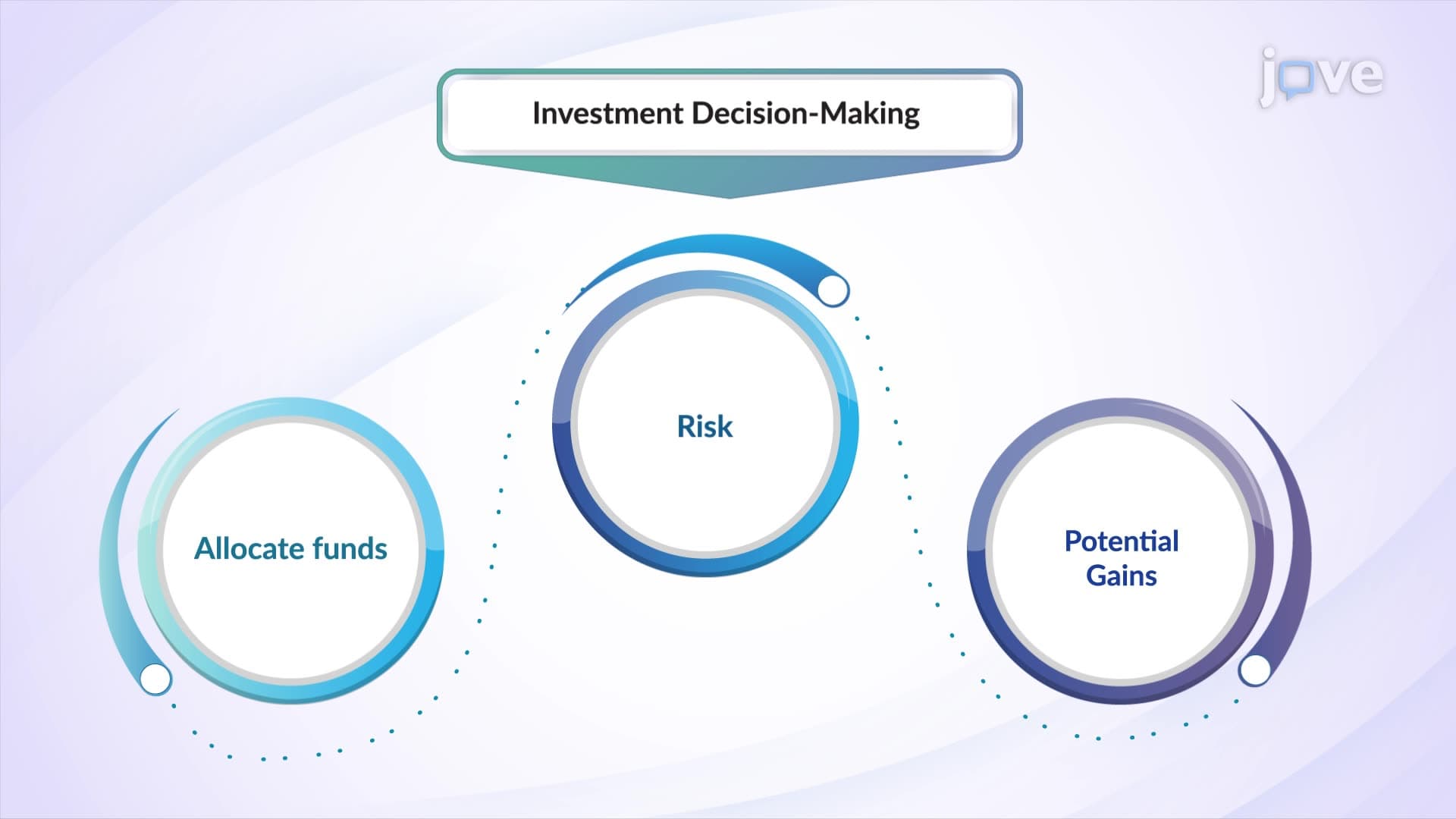
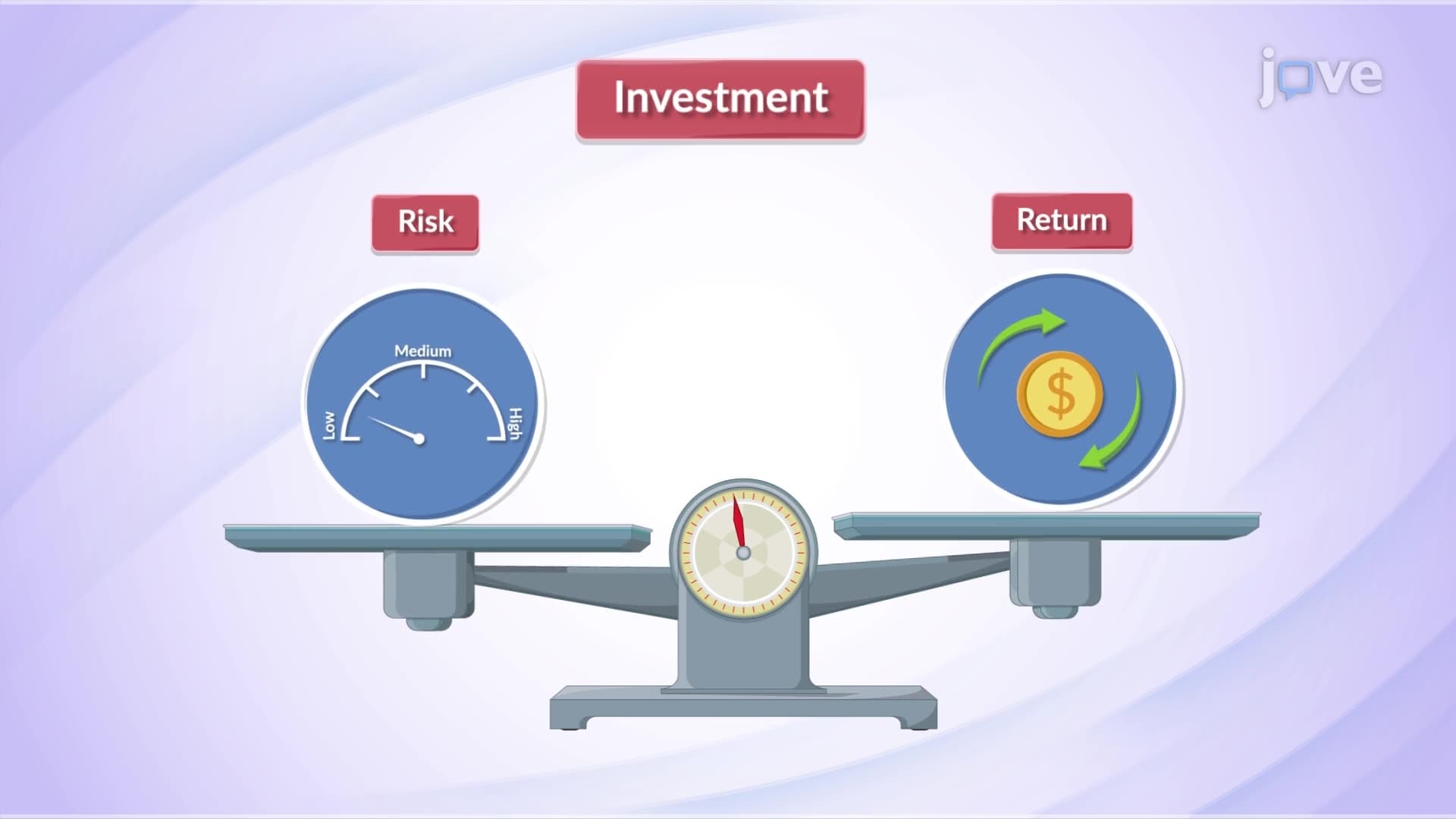
Corporate finance executives face constant pressure to maximize shareholder value through optimal capital allocation. The profitability index serves as a crucial decision-making tool when evaluating competing investment opportunities, particularly during periods of capital constraints. Unlike absolute metrics such as net present value, PI provides a relative measure of investment efficiency-revealing how much value each dollar invested generates.
The Mathematical Foundation and Business Logic
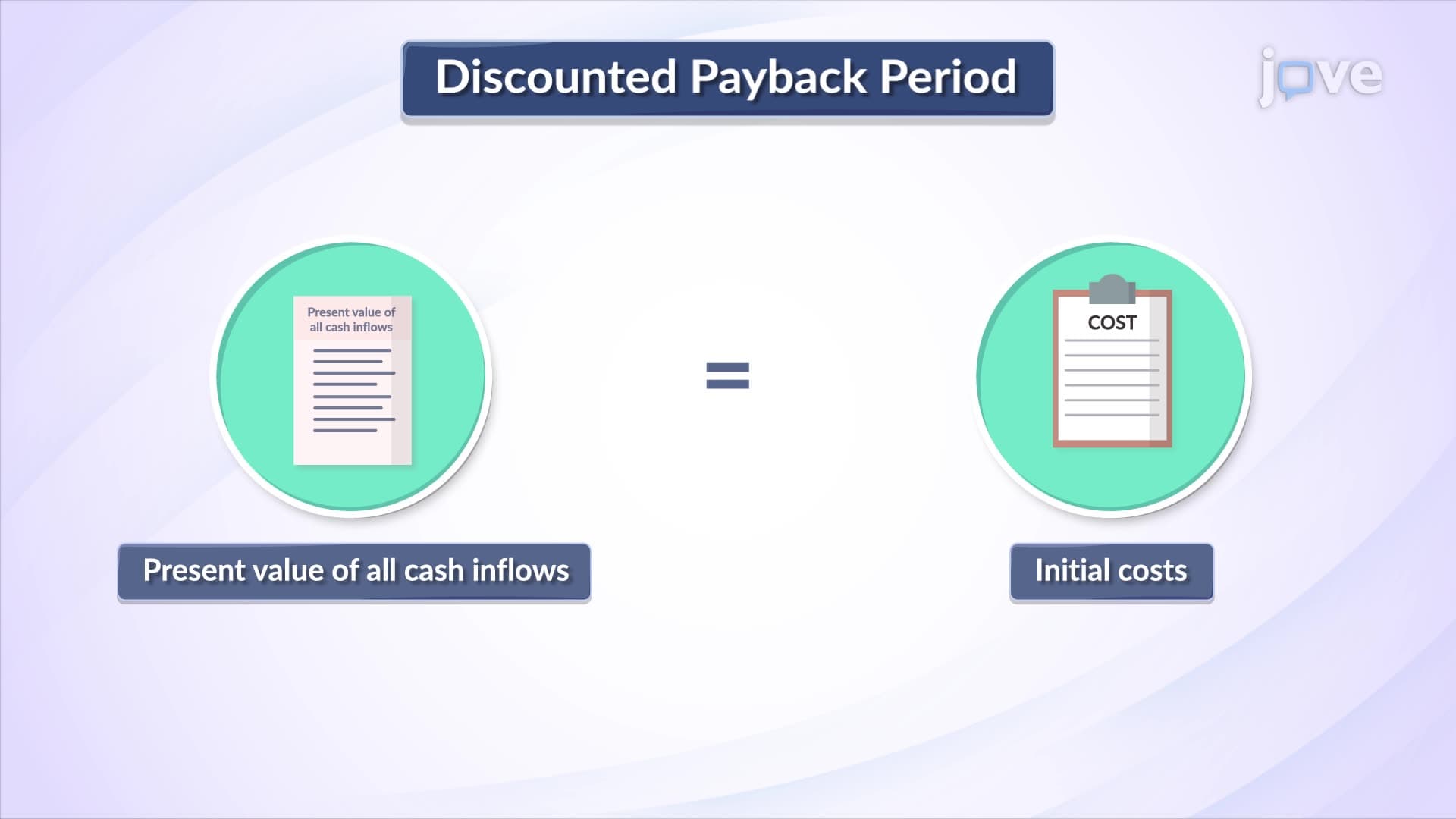
The profitability index calculation follows a straightforward formula: Present Value of Future Cash Flows ÷ Initial Investment. This ratio transforms complex cash flow projections into actionable insights. When Microsoft evaluates cloud infrastructure investments versus software development initiatives, PI enables direct comparison despite vastly different investment scales. A PI greater than 1.0 indicates value creation, while ratios below 1.0 suggest capital destruction. Higher PI values signal superior investment efficiency, making this metric particularly valuable for resource allocation decisions.
Strategic Applications in Capital Rationing
Real-world capital allocation rarely involves unlimited resources. Consider how Amazon approaches fulfillment center expansion versus technology platform investments. With finite capital budgets, the profitability index helps prioritize projects that deliver maximum bang-for-the-buck. This becomes critical during economic uncertainty when access to capital tightens. Executive teams use PI rankings to sequence project implementation, ensuring the most efficient investments receive priority funding while less attractive opportunities face deferral or cancellation.
Integration with Comprehensive Financial Analysis
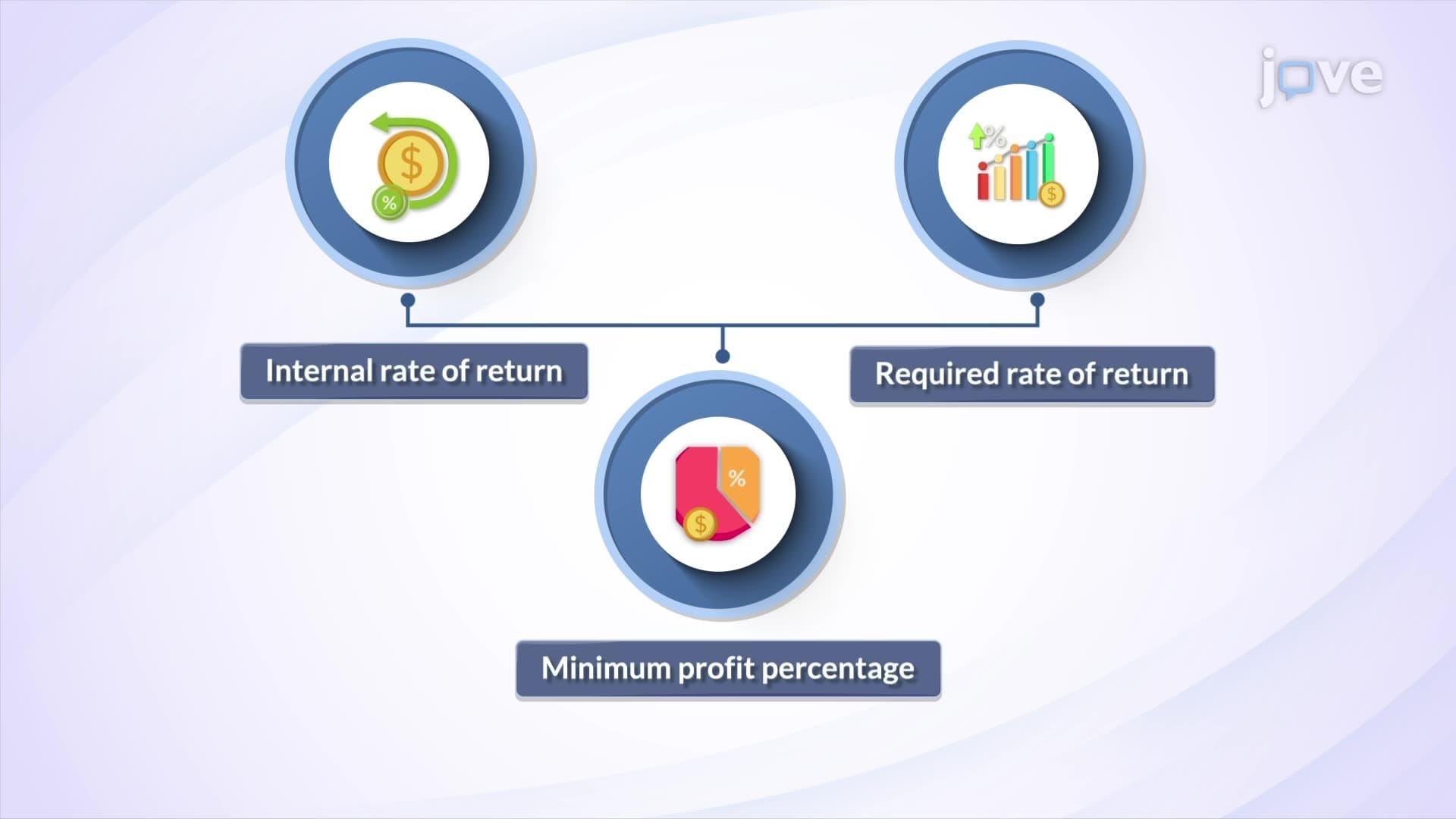
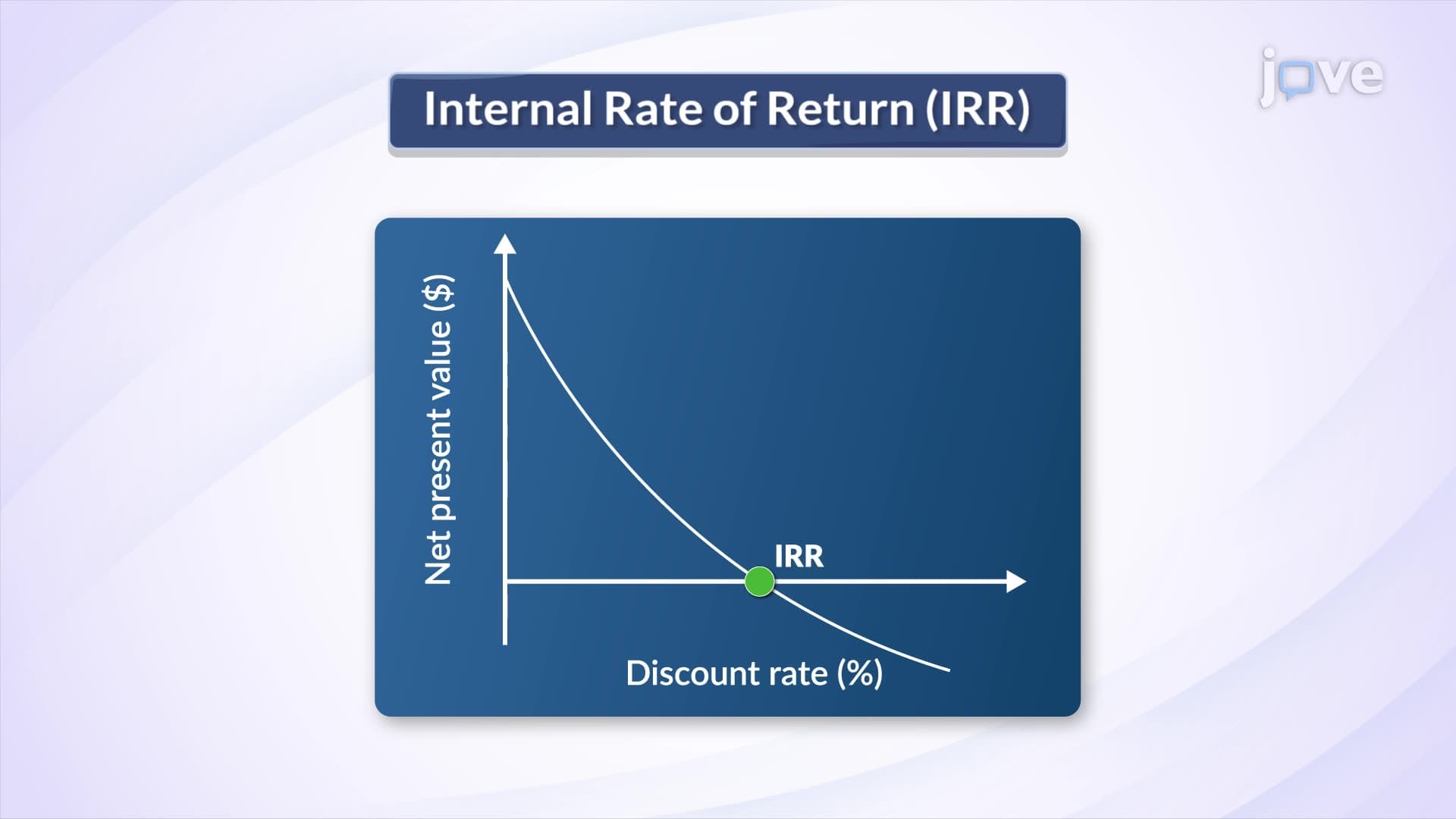
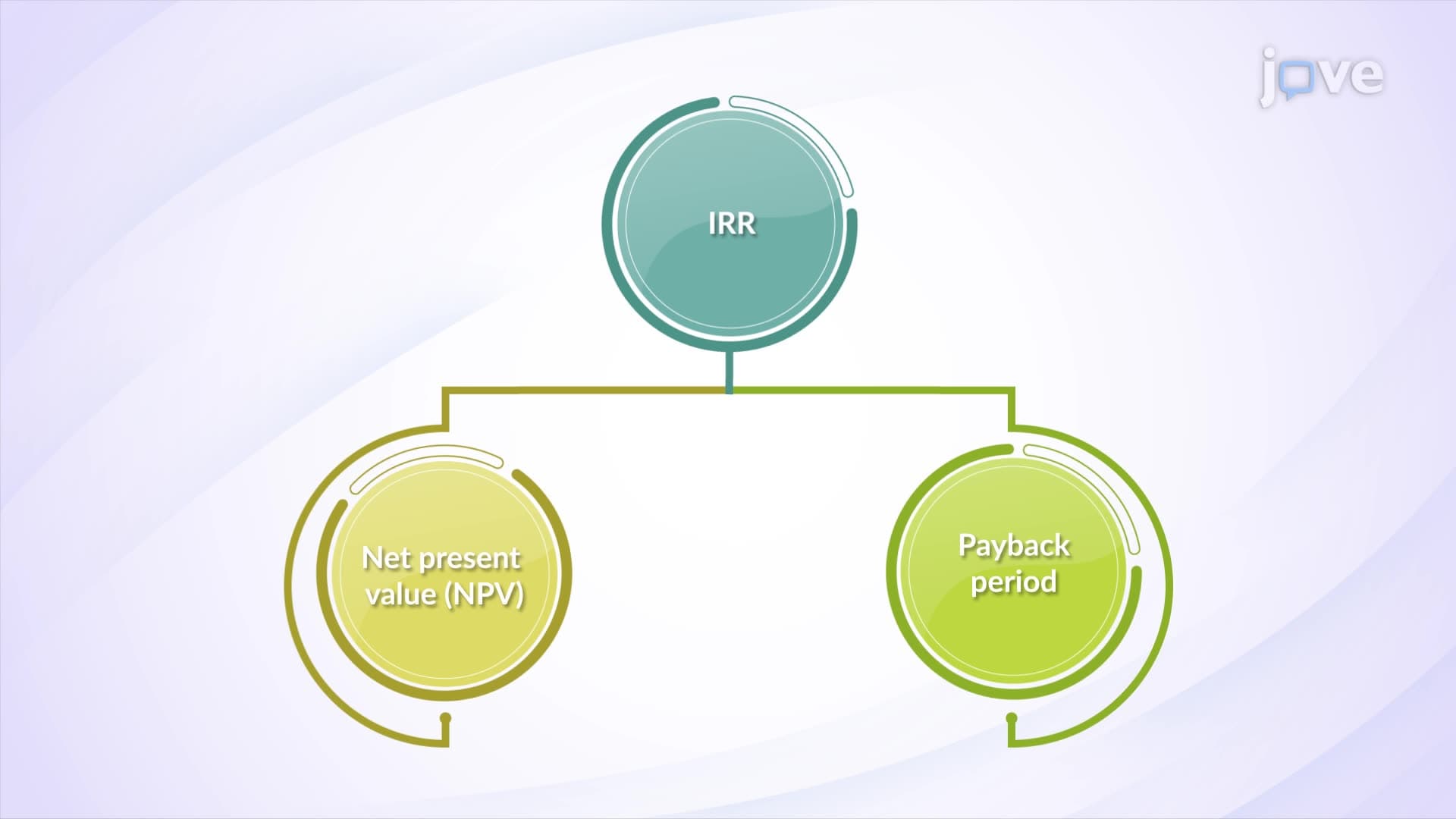
Sophisticated financial analysis requires multiple evaluation metrics working in concert. While PI excels at measuring investment efficiency, it should complement rather than replace NPV and IRR analysis. Goldman Sachs investment committees typically examine all three metrics when evaluating major capital commitments. This multi-dimensional approach reveals different aspects of investment attractiveness: NPV shows absolute value creation, IRR indicates return rates, and PI measures capital efficiency. Together, these metrics provide the comprehensive perspective necessary for high-stakes investment decisions.
Frequently Asked Questions
Profitability index measures investment efficiency by dividing expected cash flow present value by initial investment cost. This ratio helps executives compare projects of different sizes and prioritize capital allocation when resources are limited. It's essential for strategic planning because it reveals which investments generate the most value per dollar spent.
Present PI calculations alongside project proposals to demonstrate investment efficiency and support funding requests. Rank competing initiatives by their PI values to show leadership which projects deliver superior returns. This quantitative approach strengthens your business case and helps secure approval for high-priority investments while building credibility as a data-driven decision maker.
Never use PI in isolation for board presentations. Combine it with NPV, IRR, and qualitative factors like strategic alignment and competitive positioning. This comprehensive approach demonstrates thorough analysis and addresses different stakeholder concerns about both absolute returns and capital efficiency.
Walmart's massive investment in e-commerce infrastructure and technology required careful capital allocation between distribution centers, technology platforms, and acquisition opportunities. By applying PI-style thinking, they could compare the efficiency of different investment paths-prioritizing initiatives that generated the highest customer value and market share gains per dollar invested, ultimately competing effectively against Amazon.
Basic financial literacy and spreadsheet skills are sufficient to calculate PI effectively. The formula is straightforward, and most professionals can master the concept with practice. Focus on understanding the business logic behind the calculation and developing judgment about when PI analysis adds value to decision-making processes.
PI expertise demonstrates sophisticated capital allocation thinking that senior executives value highly. This skill set positions you for strategic finance roles, investment committee participation, and business development opportunities. Companies increasingly seek professionals who can optimize resource allocation and drive profitable growth through disciplined investment analysis.
Explore weighted average cost of capital (WACC) to better understand discount rates used in PI calculations. WACC knowledge enhances your ability to perform more sophisticated investment analysis and engage in strategic discussions about capital structure optimization and hurdle rates for different business units.
Related Micro-courses

10 Concepts

36 Concepts

16 Concepts