Loading…
Loading video…

6,069 views
Decision making through internal rate explained becomes critical when Fortune 500 companies like General Electric evaluate multi-million dollar capital investments. This metric helps executives determine which projects will generate sufficient returns above their cost of capital, ensuring optimal resource allocation in competitive markets. Using a practical electronics manufacturing scenario, the analysis demonstrates how comparing IRR against required rates of return drives strategic investment choices that enhance shareholder value. Watch the full video on JoVE Coach to master this concept with expert-led visuals and step-by-step explanations.
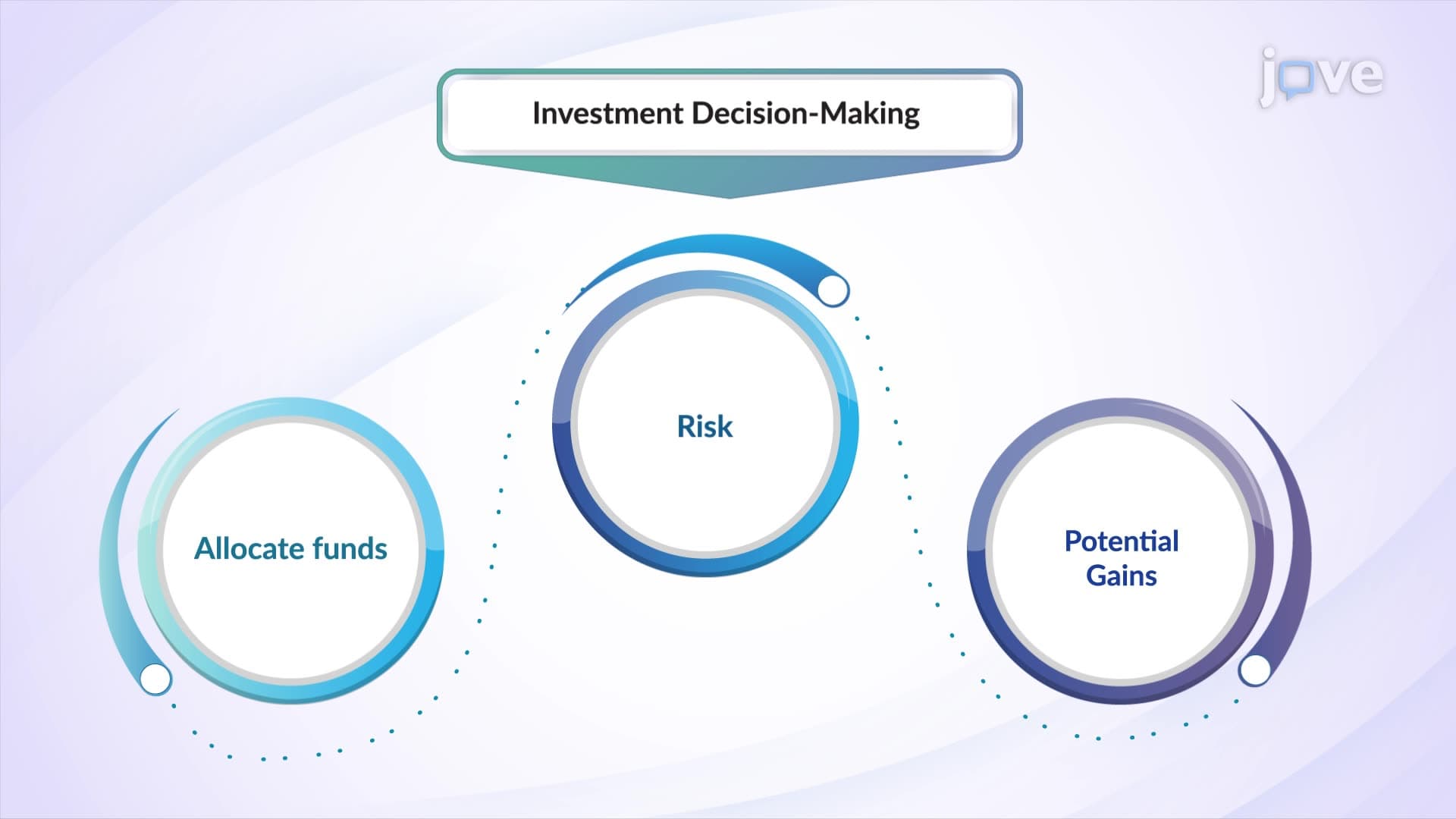
When Amazon evaluates whether to build a new fulfillment center or Microsoft considers acquiring a software company, executives rely on sophisticated financial metrics to guide these multi-billion dollar decisions. The internal rate of return serves as a critical benchmark that transforms complex cash flow projections into a single, comparable percentage that leadership teams can use to rank competing opportunities.
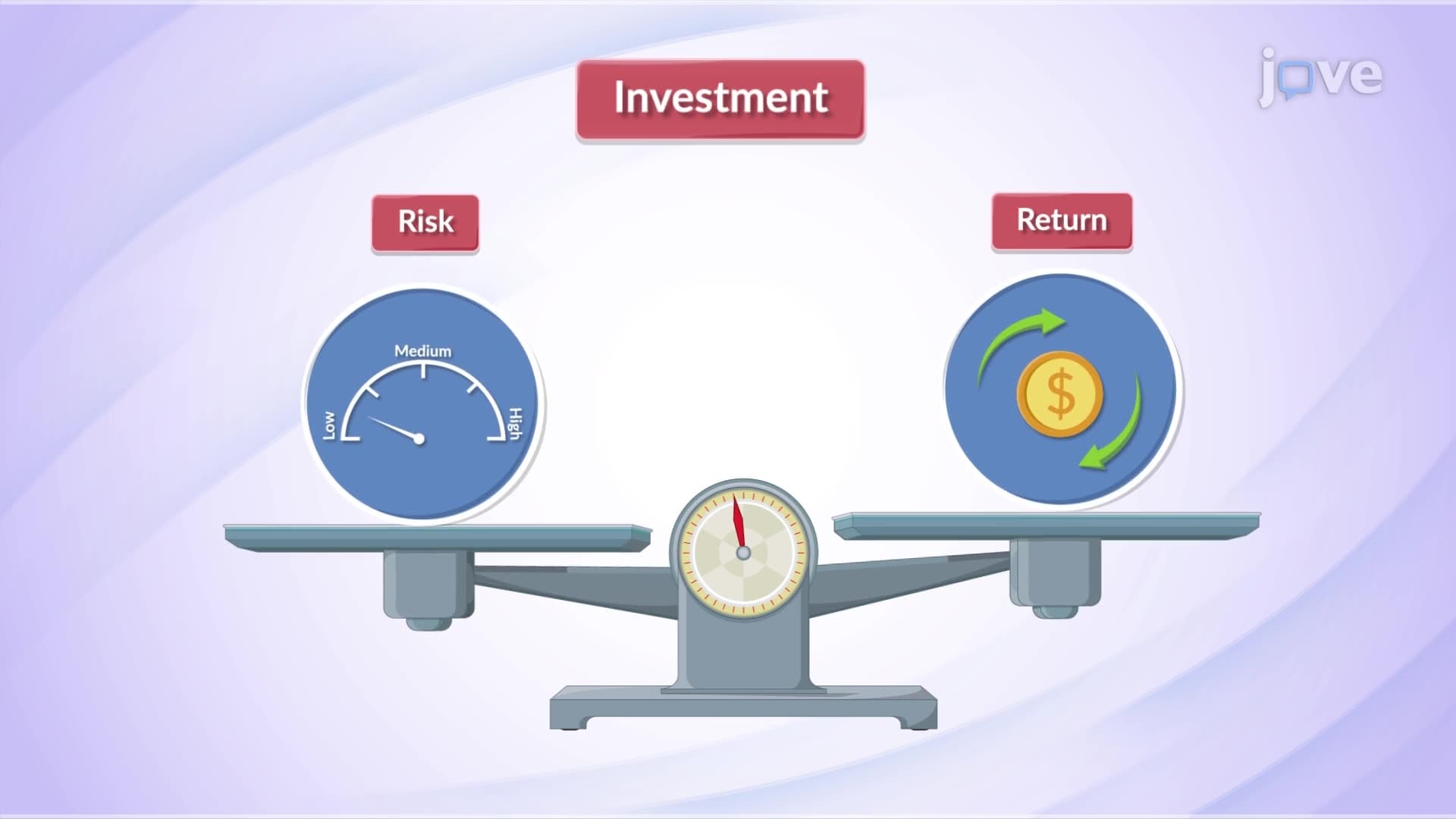
The power of IRR analysis lies in its ability to account for the time value of money while providing a standardized comparison metric across diverse investment opportunities. Consider how Intel approaches semiconductor fabrication plant investments: a $5 billion facility might generate varying cash flows over 15 years, making simple return calculations inadequate. By calculating the IRR, executives can determine whether the project's expected return of 18% exceeds Intel's cost of capital of 12%, signaling a value-creating investment.
This decision-making framework becomes particularly valuable when companies face capital constraints. If Boeing has three potential aircraft development programs but can only fund two, IRR analysis helps prioritize projects that maximize shareholder returns relative to risk.
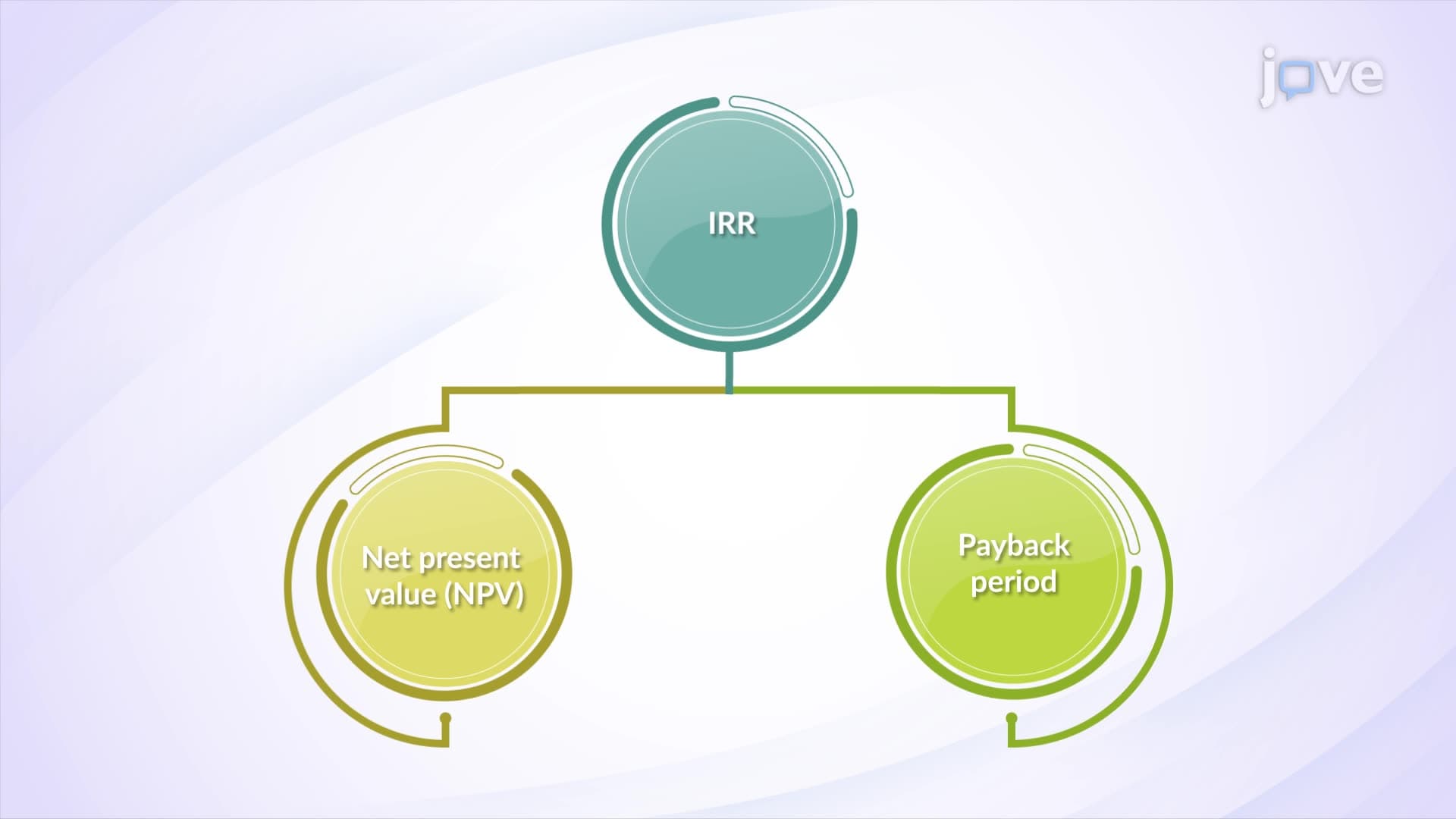
Professional investors and corporate development teams recognize that IRR analysis works best within a broader financial evaluation framework. Private equity firms like KKR typically combine IRR projections with net present value calculations and sensitivity analysis to account for market volatility and operational risks.
The limitation emerges when comparing projects of different scales or durations. A $100 million project with 25% IRR might create less absolute value than a $1 billion project with 18% IRR. This is why Goldman Sachs investment committees evaluate both metrics simultaneously, ensuring that high-percentage returns don't overshadow larger value-creation opportunities.
Leading CFOs establish IRR hurdle rates based on their company's weighted average cost of capital, adjusted for project-specific risk factors. Technology companies often require 20%+ IRRs for R&D investments due to execution uncertainty, while established retailers might accept 15% for proven store expansion strategies.
This disciplined approach to decision making through internal rate explained helps companies maintain financial discipline while pursuing growth opportunities that align with shareholder expectations and competitive positioning requirements.
Frequently Asked Questions
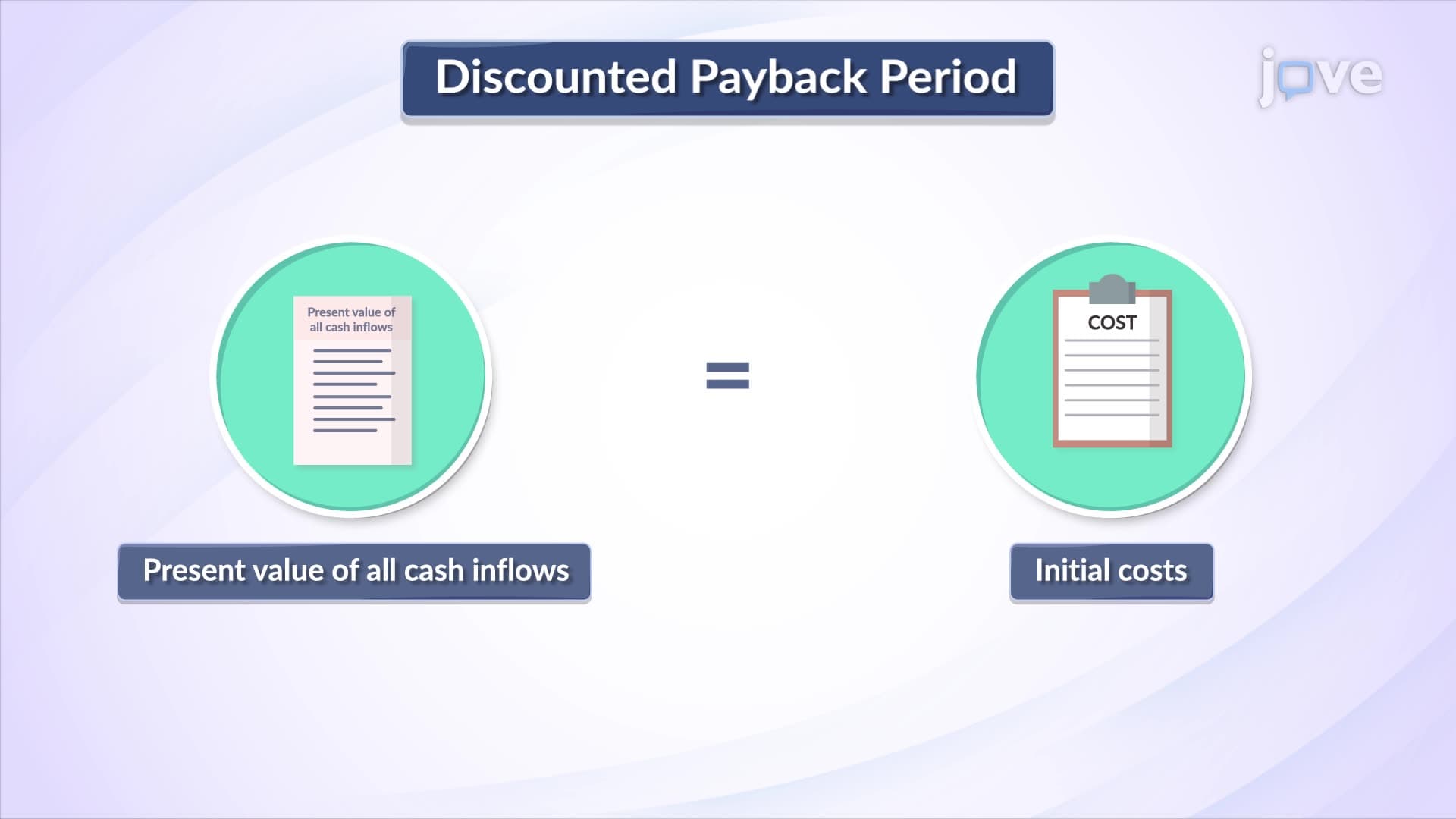
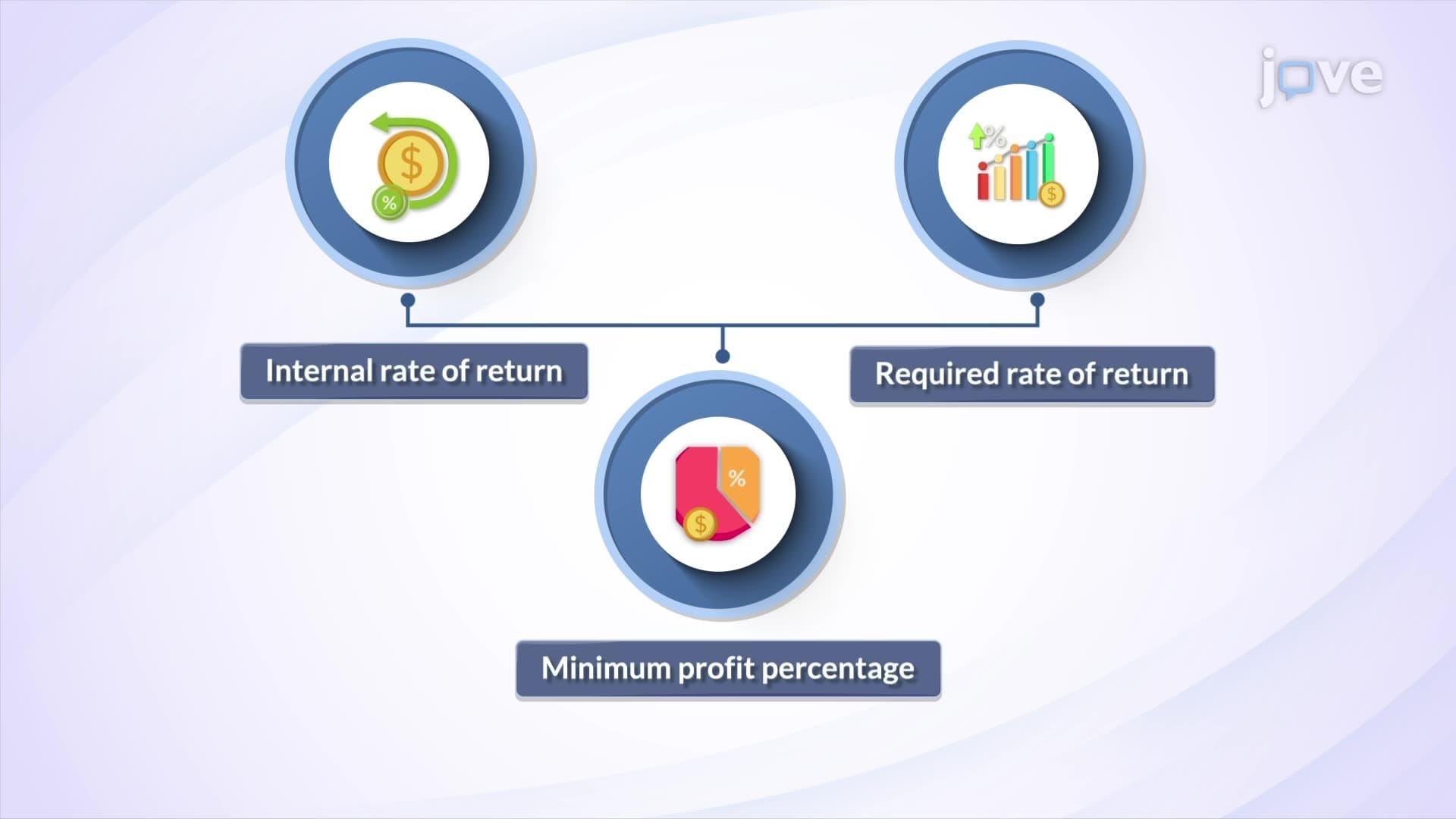
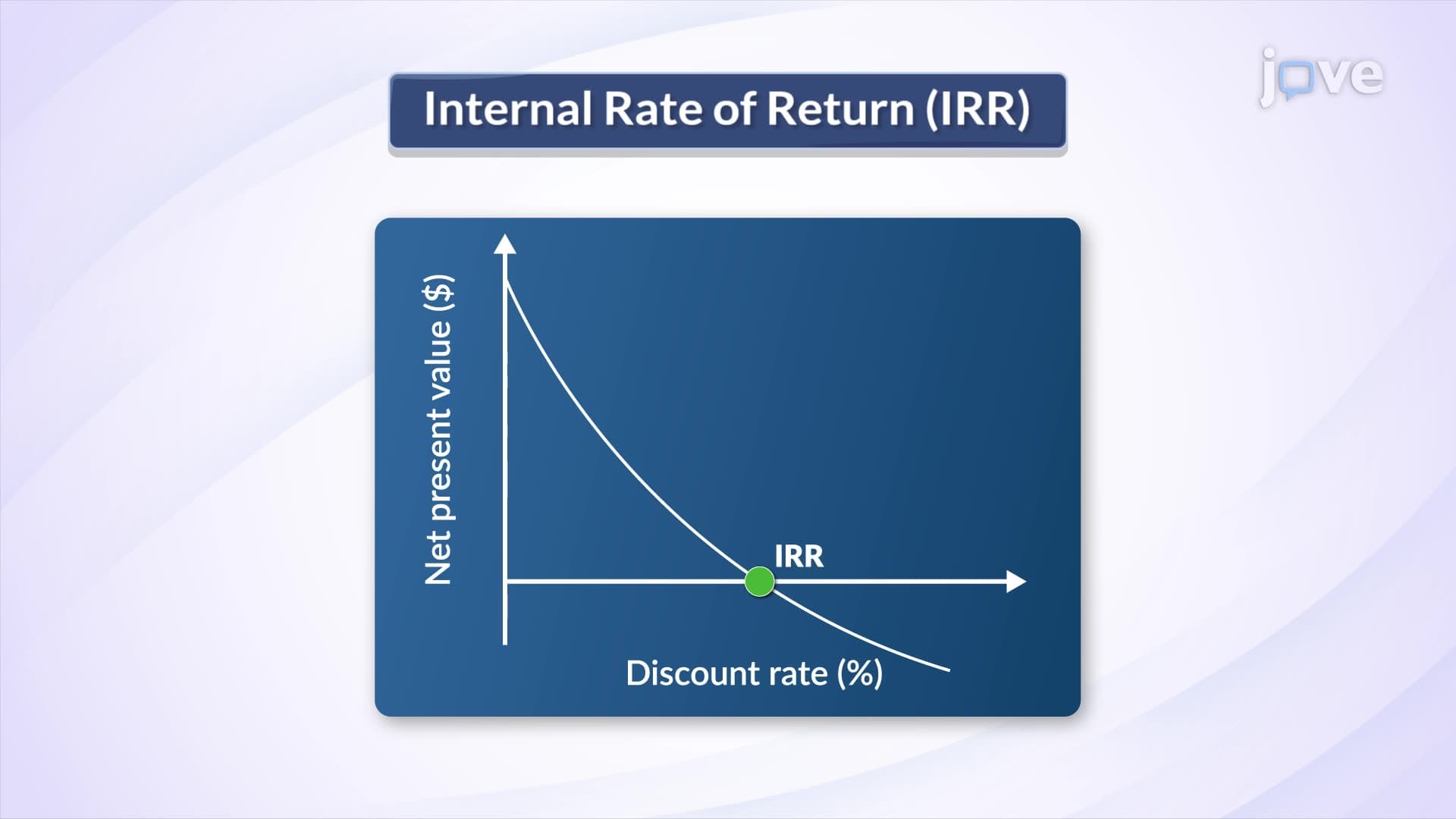
It's a financial analysis method that calculates the discount rate making a project's net present value equal zero, essentially showing the project's expected return percentage. This metric helps executives compare investment opportunities by providing a standardized return rate that accounts for cash flow timing. Companies use it to determine whether projects exceed their cost of capital and create shareholder value.
Focus on the strategic implications rather than calculation mechanics when presenting to leadership. Compare the project's IRR to your company's hurdle rate and explain the competitive advantage or market opportunity driving projected returns. Always pair IRR with dollar impact (NPV) and risk factors to provide complete context for decision-making.
IRR can be misleading when comparing projects of different sizes or durations, as it doesn't reflect absolute dollar value creation. Use IRR alongside NPV analysis, especially for large capital allocation decisions. Also consider that IRR assumes reinvestment at the calculated rate, which may not reflect realistic market conditions.
Apple likely evaluates new product lines by projecting development costs, manufacturing investments, and expected revenue streams over product lifecycles. For example, iPhone development required massive upfront R&D and manufacturing investments, but generated IRRs well above Apple's cost of capital through sustained premium pricing and market share gains.
You need basic understanding of cash flows and present value concepts, but most financial software handles complex calculations. Focus on developing skills in cash flow forecasting, risk assessment, and business case development. Many successful executives rely on finance teams for calculations while maintaining strategic oversight of assumptions and implications.
IRR fluency demonstrates strategic thinking capabilities essential for senior management roles. It enables you to contribute meaningfully to capital allocation discussions, evaluate acquisition opportunities, and justify resource requests with quantitative analysis. This financial acumen is particularly valuable for roles in corporate development, strategic planning, and general management.
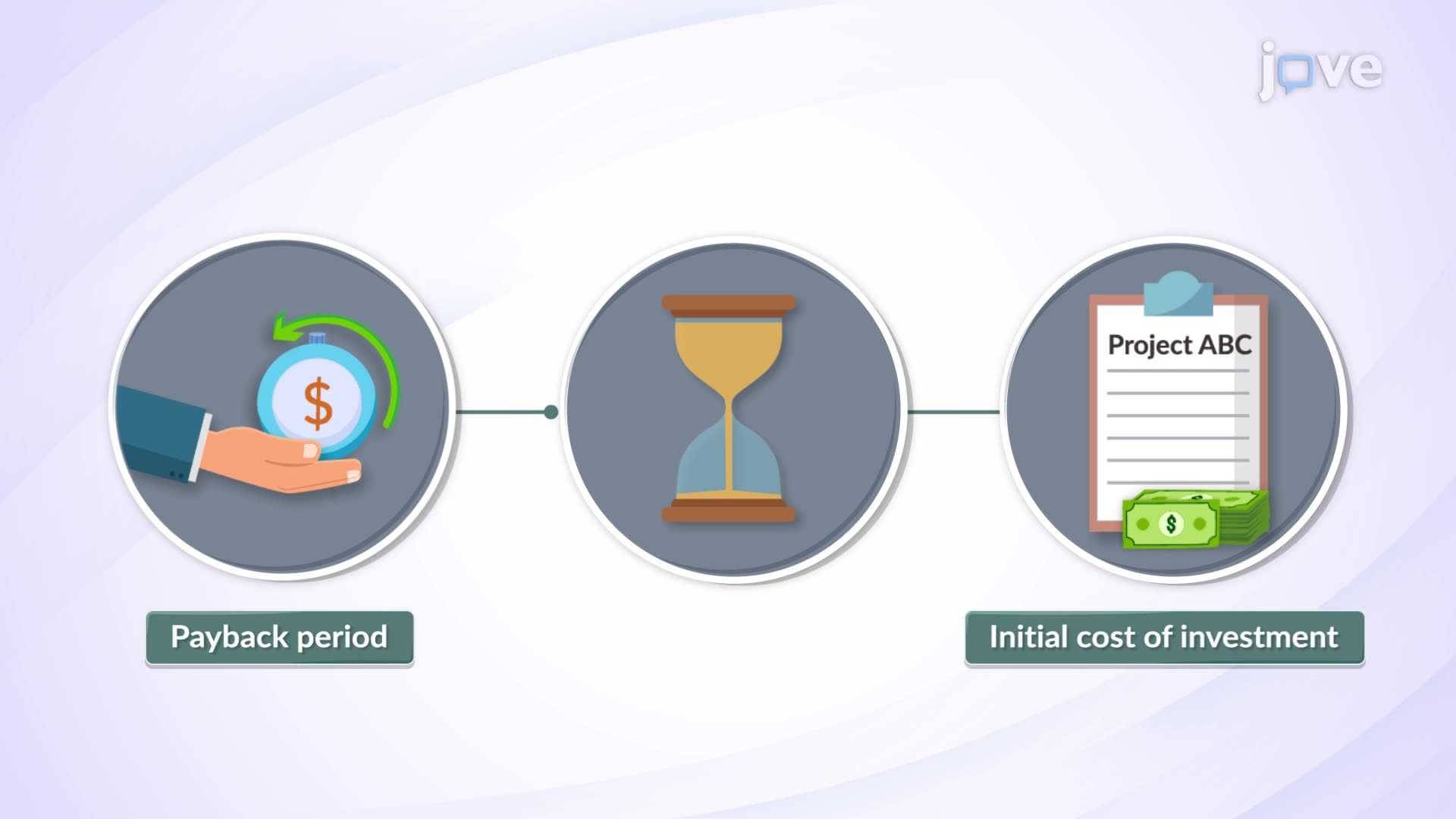
Master net present value (NPV) for absolute value measurement, payback period for liquidity assessment, and return on invested capital (ROIC) for operational efficiency evaluation. Understanding weighted average cost of capital (WACC) is also crucial since it provides the benchmark against which IRR is typically measured in corporate settings.
Related Micro-courses



Related Subjects