Loading subject page…


6,069 views

Video Summary: What Is Internal Rate of Return
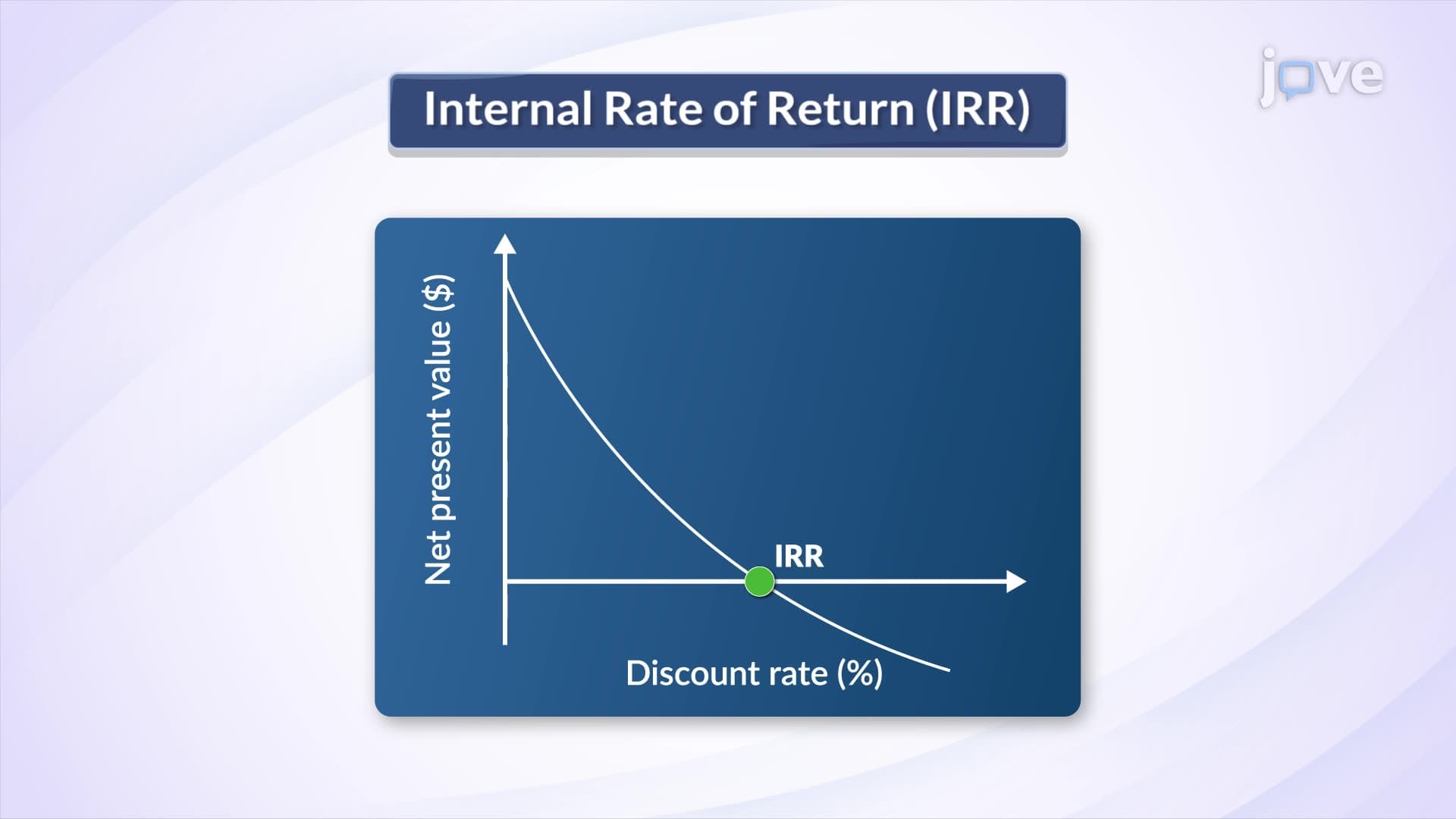
Corporate finance teams at companies like Microsoft and General Electric rely on internal rate of return (IRR) to evaluate multi-million-dollar project investments and acquisitions. The internal rate of return definition explained centers on finding the discount rate that makes a project's net present value equal zero, essentially determining the break-even profitability threshold for capital allocation decisions. Watch the full video on JoVE Coach to master this concept with expert-led visuals and step-by-step explanations.
When Amazon evaluates whether to build a new fulfillment center or Netflix decides on content acquisition budgets, both companies use internal rate of return as a cornerstone metric. The internal rate of return concept explained reveals why this tool has become indispensable for capital allocation decisions across American enterprises.
The internal rate overview demonstrates how this metric transforms complex cash flow projections into a single, comparable percentage. Unlike absolute dollar returns, IRR enables apples-to-apples comparisons between a $10 million factory expansion and a $50 million technology platform investment. Fortune 500 companies like Johnson & Johnson use IRR to evaluate pharmaceutical R&D investments, where initial costs are substantial but revenue streams extend over decades.
The calculation methodology centers on finding the discount rate that reduces net present value to zero. This break-even rate represents the maximum cost of capital a project can bear while remaining viable. When JPMorgan Chase evaluates branch expansion opportunities, each location's projected cash flows are discounted at various rates until the IRR emerges as the precise threshold where investment costs equal discounted future returns.
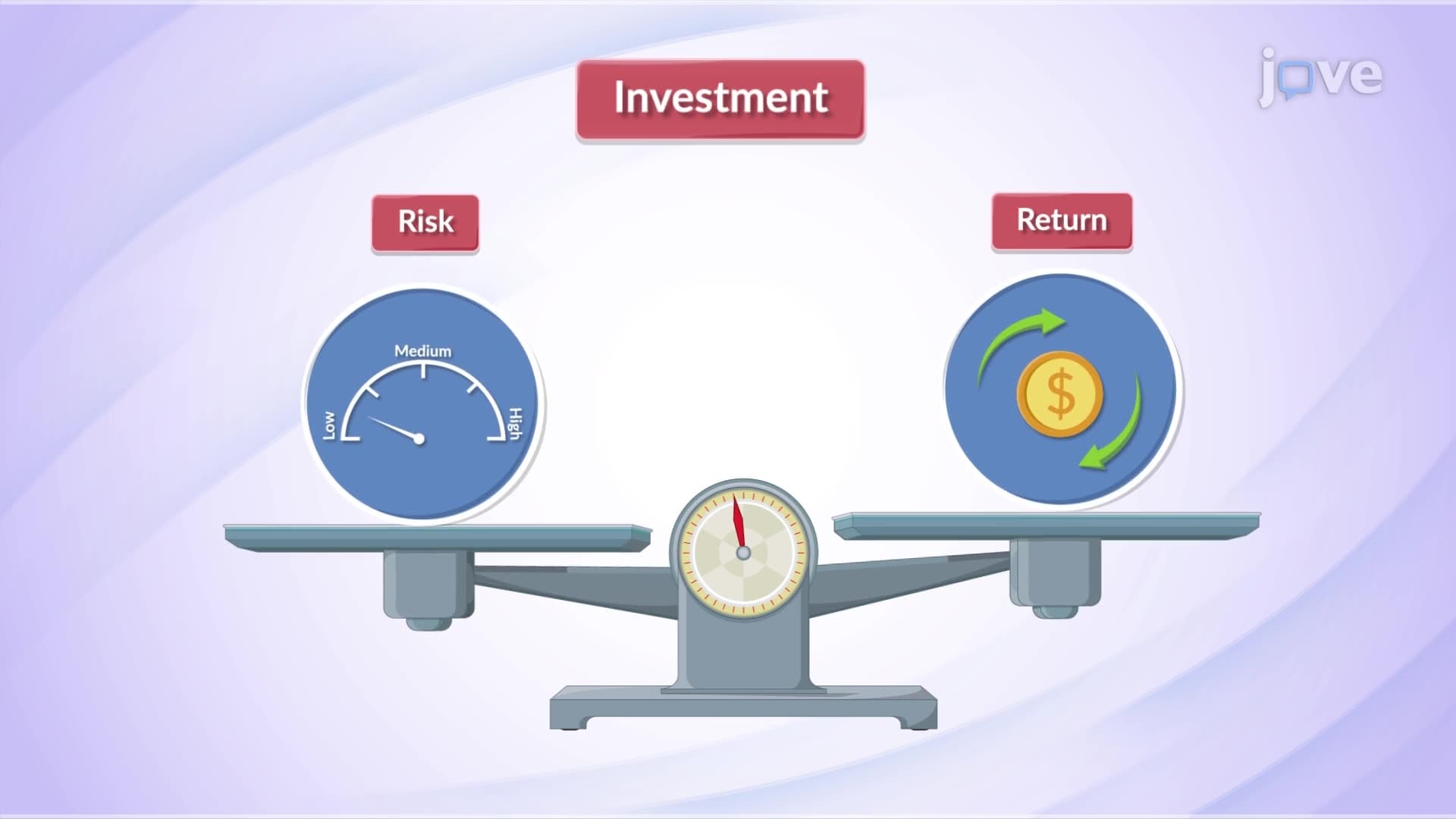
Modern portfolio theory applications demonstrate how internal rate return definition extends beyond individual projects. Private equity firms like Blackstone and KKR use IRR to evaluate entire portfolio companies, measuring management effectiveness and exit timing strategies. The metric becomes particularly powerful when comparing investments with different risk profiles-a stable utility investment might generate 8% IRR while a technology startup targets 25% IRR to justify higher volatility.
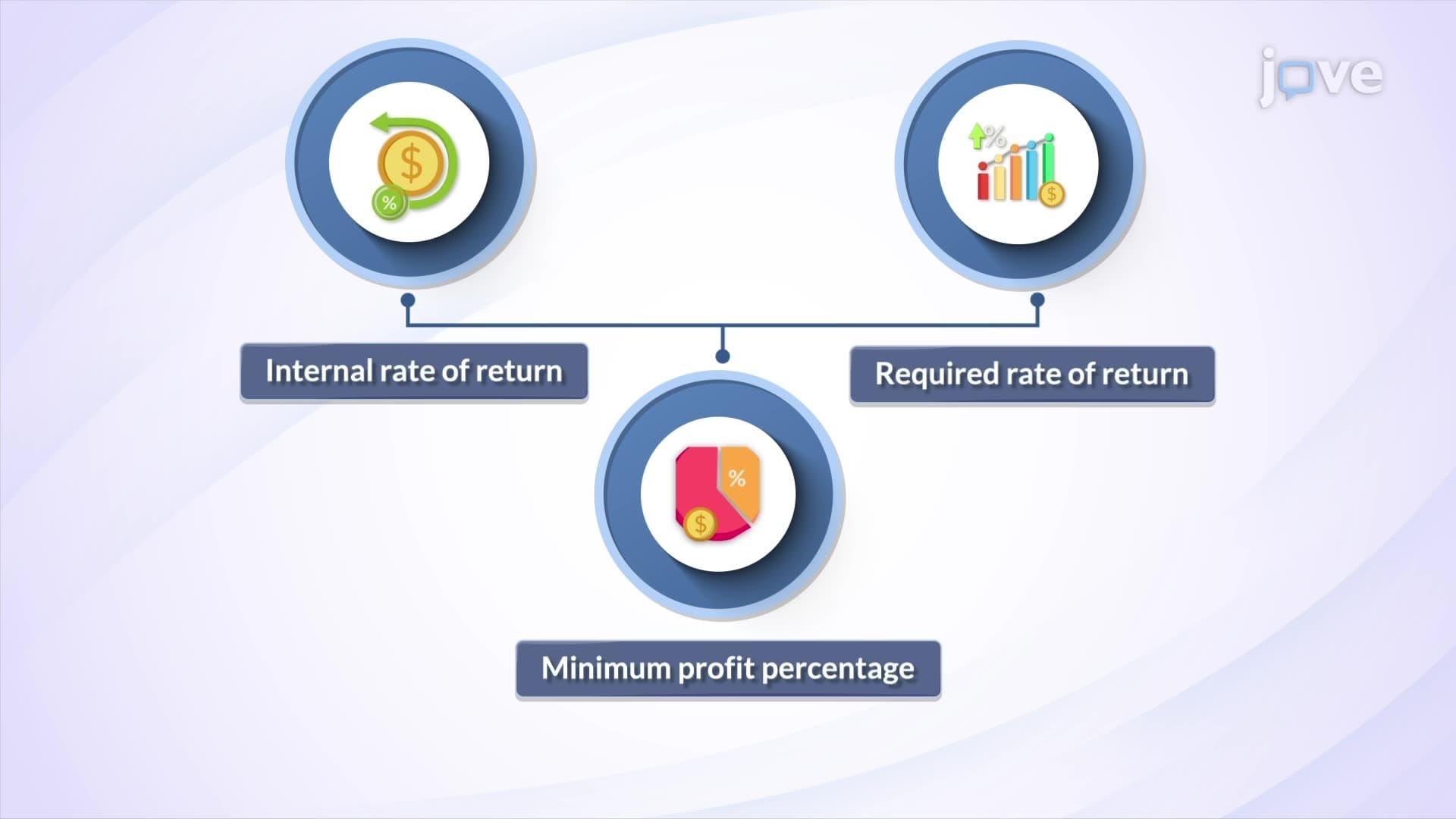
The internal rate of return study guide reveals critical decision rules that separate successful analysts from their peers. Projects exceeding the company's hurdle rate (typically WACC plus risk premium) merit further consideration, while those falling short face rejection or restructuring. Apple's legendary capital discipline stems partly from rigorous IRR analysis that ensures each investment-from chip development to retail expansion-meets stringent return thresholds.
However, experienced financial professionals recognize IRR limitations. Multiple IRR solutions can emerge with unconventional cash flow patterns, while the metric assumes reinvestment at the IRR rate itself-often unrealistic for high-return projects.
Related Micro-courses