Loading subject page…

- Finance
- Capital Budgeting
- Introduction to Capital Budgeting
Micro-course: Capital Budgeting
6,069 views
Learn key concepts and earn your certificate.














Introduction to Capital Budgeting

00:00
01:18
Video Summary: What Is Capital Budgeting
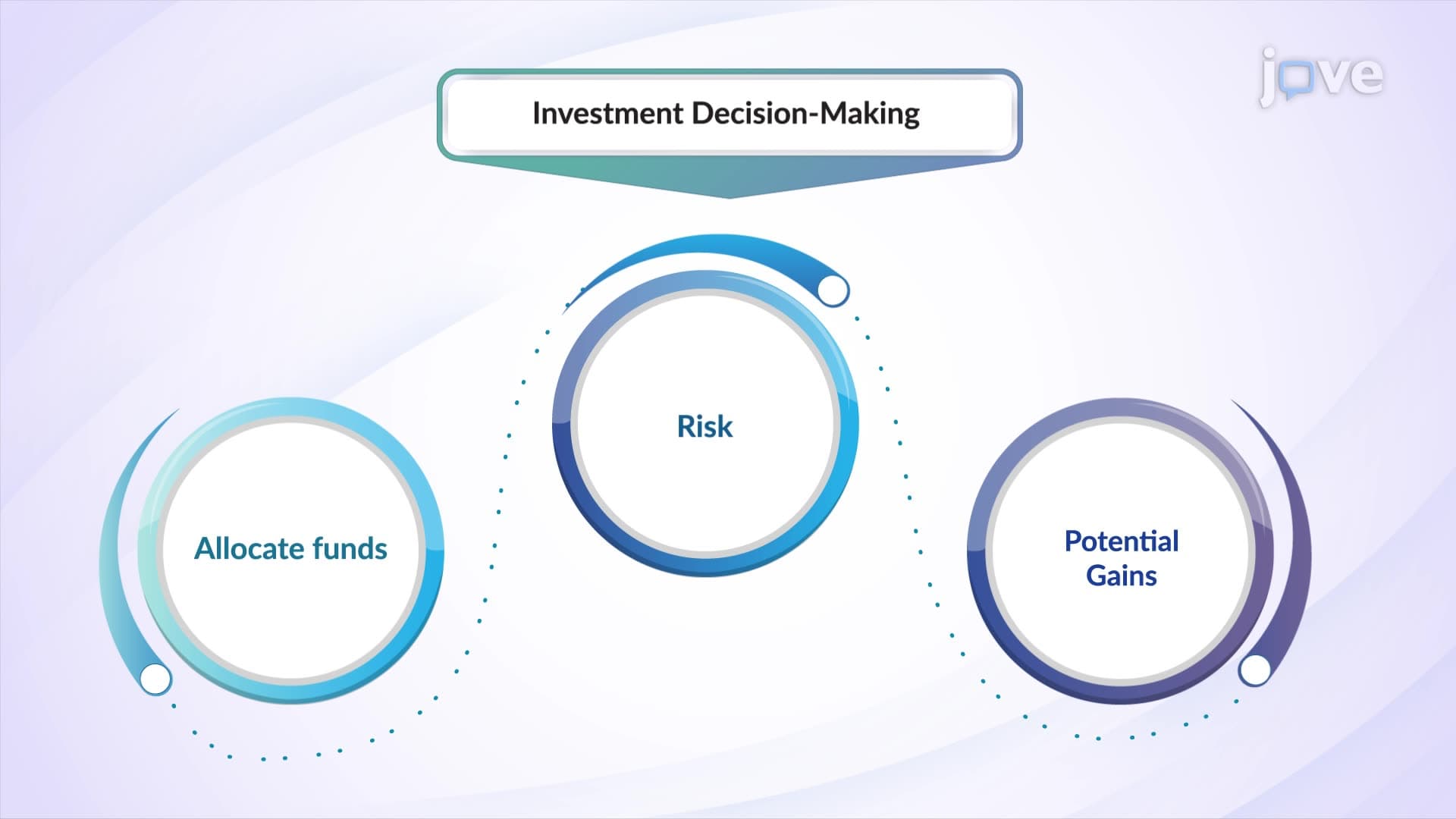
When Apple decides to invest $430 billion in U.S. manufacturing over five years or Amazon commits $15 billion to new fulfillment centers, they're executing capital budgeting-the strategic process companies use to evaluate and select long-term investments that drive shareholder value. What is capital budgeting becomes critical when executives must choose between competing projects with limited resources. This systematic approach helps organizations assess potential returns, manage risk, and allocate capital to initiatives that strengthen competitive positioning. Watch the full video on JoVE Coach to master this concept with expert-led visuals and step-by-step explanations.
- Apply systematic evaluation frameworks to assess multi-million-dollar investment opportunities and present recommendations to executive leadership
- Evaluate competing capital projects using financial metrics that align with your organization's strategic priorities and risk tolerance
- Analyze the relationship between capital allocation decisions and long-term competitive advantage in your industry
- Implement capital budgeting processes that integrate operational expertise with financial analysis for more accurate project assessments
- Assess how capital investment timing affects cash flow, market positioning, and resource optimization across business units
- Leverage capital budgeting insights to strengthen business cases for major initiatives during budget planning cycles
- Identify key risk factors and sensitivity variables that could impact project returns and company valuation
- Compare investment alternatives using standardized metrics that facilitate clear communication with boards and stakeholders
Understanding Capital Budgeting in Modern Business Strategy
Capital budgeting represents one of the most critical decision-making processes in corporate finance, determining how companies allocate scarce resources among competing long-term investments. When Microsoft invested over $13 billion in OpenAI and AI infrastructure, or when Tesla committed billions to Gigafactory expansions, these decisions exemplify capital budgeting at the highest strategic level. The capital budgeting definition encompasses not just financial analysis, but strategic assessment of how investments create sustainable competitive advantages.
The Strategic Framework Behind Capital Investment Decisions
Modern capital budgeting extends far beyond simple return calculations. Leading companies integrate market analysis, competitive positioning, and operational capabilities into their evaluation process. Consider how Walmart's $3.5 billion investment in supply chain automation wasn't just about cost savings-it was about maintaining competitive superiority against Amazon's logistics network. This capital budgeting concept explained through real applications demonstrates how investment decisions shape entire industry landscapes.
Risk Assessment and Portfolio Optimization in Capital Allocation
Professional capital budgeting requires sophisticated risk evaluation methodologies. Companies like Johnson & Johnson balance high-risk pharmaceutical R&D investments against more predictable consumer product expansions. This portfolio approach to capital budgeting helps organizations maintain steady cash flows while pursuing breakthrough opportunities. Understanding this balance becomes essential for executives managing diverse business units with varying risk profiles and return expectations.
Implementation Challenges and Best Practices
Effective capital budgeting implementation faces common organizational challenges: competing departmental priorities, uncertain market conditions, and evolving regulatory landscapes. Netflix's shift from DVD distribution to streaming infrastructure, then to original content production, illustrates how capital budgeting must adapt to changing business models. Successful companies establish governance frameworks that combine quantitative analysis with strategic vision, ensuring capital allocation supports both short-term performance and long-term value creation.
Frequently Asked Questions
Capital budgeting is the process companies use to evaluate and select long-term investments that typically cost significant money upfront but generate returns over multiple years. It involves analyzing projects like new facilities, equipment purchases, technology systems, or acquisitions to determine which investments will create the most value for shareholders. The process combines financial analysis with strategic assessment to guide major spending decisions.
Structure your proposal around clear financial metrics like NPV, IRR, and payback period, but connect these numbers to strategic business outcomes. Present multiple scenarios showing best-case, worst-case, and most likely returns, and explain how the investment aligns with company priorities. Include competitive implications and risk mitigation strategies to demonstrate comprehensive analysis beyond just the financial projections.
Capital budgeting drives annual budget allocation and helps prioritize projects when resources are limited. During quarterly reviews, track actual performance against projected returns from previous capital investments to refine future decision-making. Use these sessions to reassess ongoing projects and determine whether to continue, modify, or terminate investments based on changing market conditions.
Amazon consistently reinvested profits into fulfillment centers, technology infrastructure, and AWS development when competitors focused on short-term profitability. Their capital budgeting prioritized long-term market share and customer experience over immediate returns, creating competitive moats that rivals couldn't easily replicate. This patient capital approach transformed initial losses into dominant market positions worth hundreds of billions.
While financial literacy helps, the core concepts are accessible to any business professional who understands basic profit and loss statements. Focus on learning how to evaluate whether an investment makes business sense rather than complex mathematical formulations. Most capital budgeting decisions require business judgment about market conditions, competitive dynamics, and operational feasibility alongside financial calculations.
Capital budgeting expertise demonstrates strategic thinking and financial acumen that executives value highly in promotion decisions. Understanding how to evaluate investments, communicate financial trade-offs, and connect spending decisions to business outcomes makes you more effective in senior roles. This skill becomes essential for P&L responsibility, business unit leadership, and board-level strategic discussions.
Develop expertise in cash flow analysis, cost of capital, and financial statement analysis to strengthen your capital budgeting capabilities. Understanding merger and acquisition evaluation, portfolio management, and strategic finance will help you apply capital budgeting principles across different business scenarios and leadership contexts.
Related Micro-courses

10 Concepts
36 Concepts

16 Concepts