Loading subject page…

- Finance
- Capital Budgeting
- Calculating Internal Rate of Return
Micro-course: Capital Budgeting
6,069 views
Learn key concepts and earn your certificate.



















Calculating Internal Rate of Return

00:00
01:16
Video Summary: Calculating Internal Rate of Return Explained
Smart capital allocation drives competitive advantage, yet many professionals struggle with calculating internal rate of return when evaluating projects. Calculating internal rate return provides the expected compound annual return that makes a project's net present value zero. Consider Apple's massive R&D investments in iPhone development-executives used IRR calculations to justify multi-billion dollar outlays against projected revenue streams. The calculating internal rate of return explained methodology uses trial-and-error or financial software to determine the precise discount rate. Watch the full video on JoVE Coach to master this concept with expert-led visuals and step-by-step explanations.
- Apply IRR calculations to evaluate competing capital investment opportunities and defend resource allocation decisions in executive meetings
- Analyze the relationship between IRR and net present value to identify when projects create or destroy shareholder value
- Implement trial-and-error methodologies or leverage Excel's IRR function to calculate precise returns for multi-year cash flow projections
- Evaluate project viability by comparing calculated IRR against company cost of capital and industry benchmarks
- Assess the limitations of IRR analysis, including multiple IRR scenarios and reinvestment rate assumptions that impact decision-making
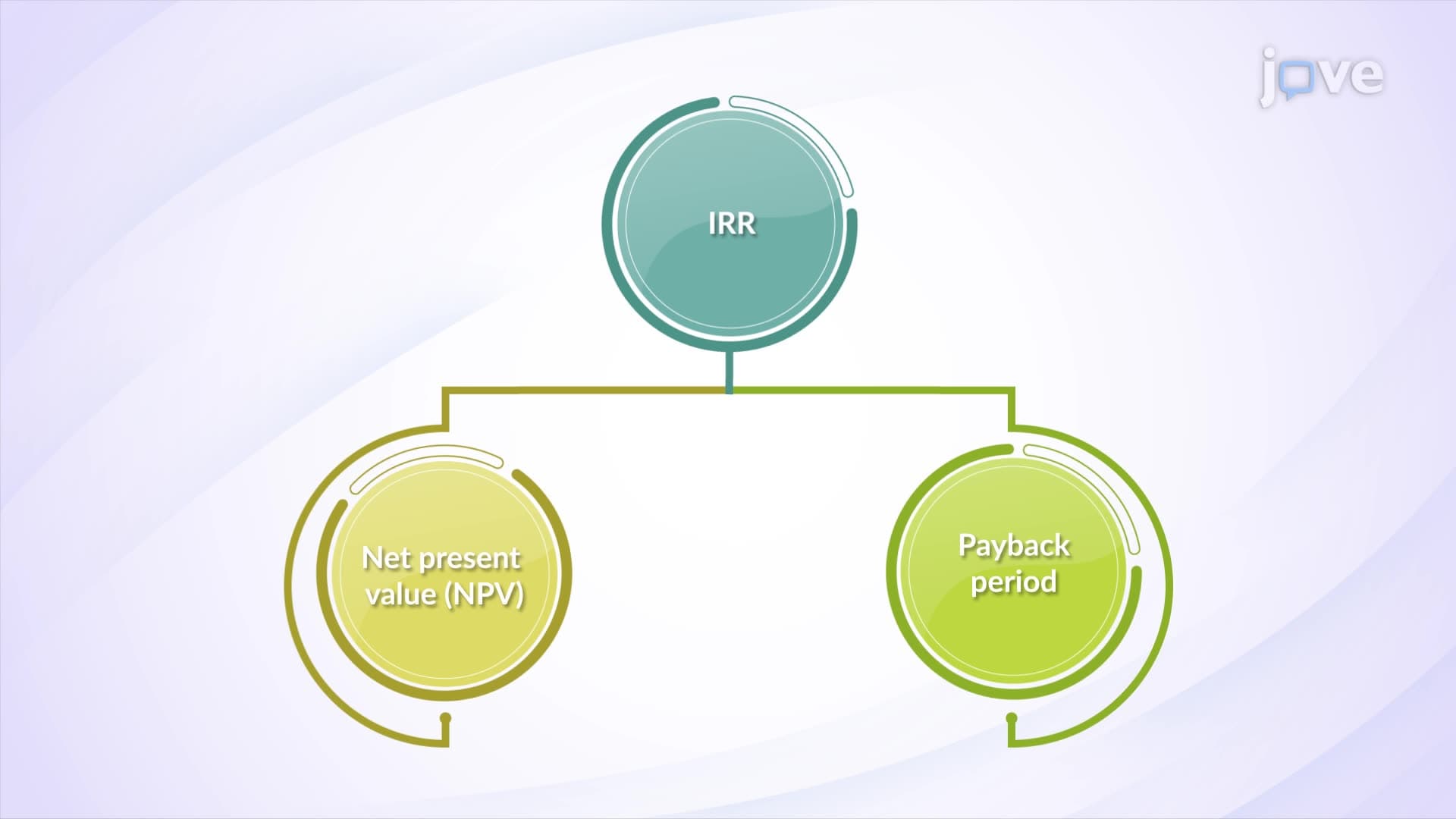
- Compare IRR results with other capital budgeting metrics like NPV and payback period for comprehensive project evaluation
- Leverage IRR calculations in client presentations, board proposals, and strategic planning sessions to quantify investment attractiveness
- Identify situations where IRR analysis may mislead decision-makers, particularly with unconventional cash flow patterns
Understanding Calculating Internal Rate of Return in Strategic Context
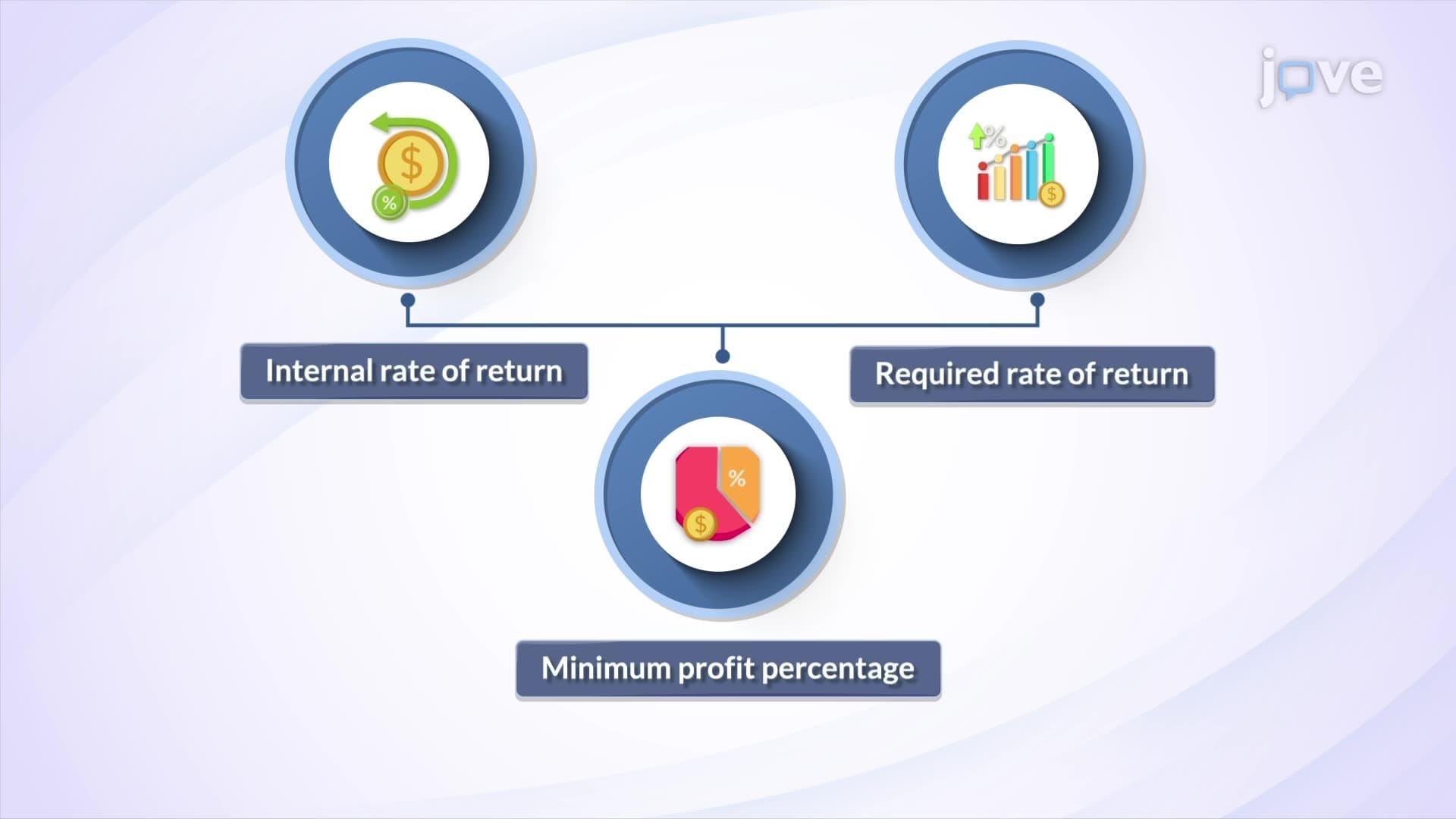
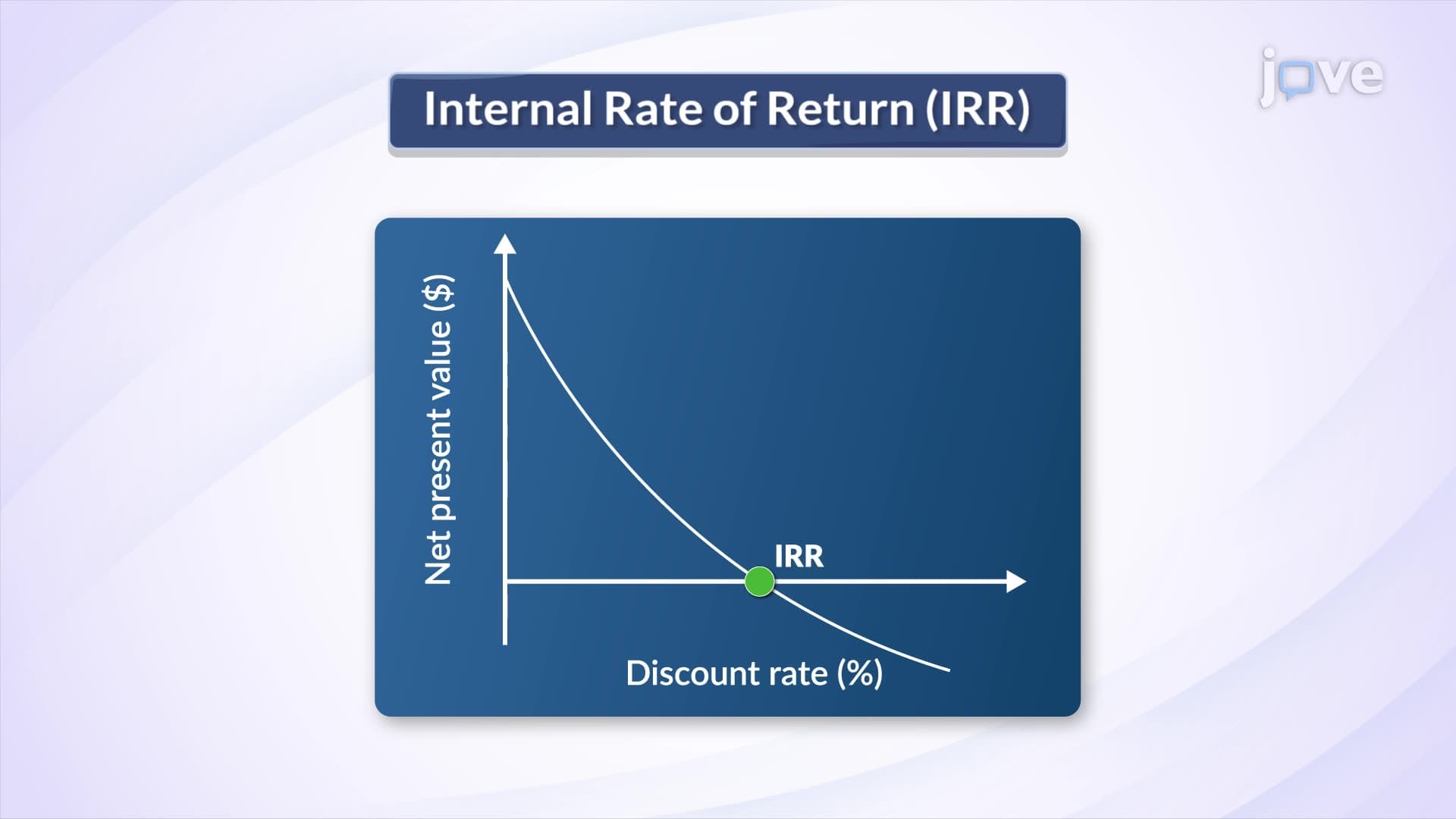
Capital allocation decisions separate industry leaders from laggards. When Amazon's board approved $13.7 billion for AWS infrastructure expansion in 2021, executives relied on IRR analysis to justify massive upfront investments against projected multi-year returns. The calculating internal rate of return methodology provides the discount rate that makes a project's net present value exactly zero-essentially answering "what annual return does this investment generate?"
The Mathematical Foundation Behind IRR Calculations
The IRR formula builds on net present value principles: NPV = 0 = CF₀ + CF₁/(1+IRR)¹ + CF₂/(1+IRR)² + ... + CFₙ/(1+IRR)ⁿ. Unlike simple return calculations, IRR accounts for the time value of money across multiple periods. Professional-grade financial software like Bloomberg Terminal or Excel's IRR function eliminates manual trial-and-error calculations, enabling real-time scenario analysis during strategy sessions.
Strategic Applications in Corporate Finance
Manufacturing giants like General Electric use IRR thresholds to screen potential acquisitions and capital projects. A project generating 15.24% IRR might exceed the company's 12% cost of capital, creating shareholder value. However, smart executives compare IRR against industry benchmarks-technology investments typically demand higher hurdle rates than utility infrastructure projects. This context prevents misallocation of resources to seemingly attractive but strategically inferior opportunities.
IRR Limitations That Impact Business Decisions
Experienced CFOs understand IRR's blind spots. Projects with unconventional cash flows may generate multiple IRR solutions, while the method assumes reinvestment at the calculated IRR rate-often unrealistic in volatile markets. Microsoft's acquisition strategy exemplifies sophisticated capital budgeting: the company supplements IRR analysis with scenario planning and real options valuation, recognizing that pure IRR calculations can mislead in complex, multi-stage investments.
Frequently Asked Questions
IRR calculates the annualized return rate that makes a project's net present value zero, helping executives compare investment opportunities on equal footing. Unlike simple ROI, IRR accounts for cash flow timing and money's time value. Financial professionals use IRR to evaluate everything from equipment purchases to merger targets, providing a standardized metric for capital allocation decisions.
Present IRR alongside your company's cost of capital to demonstrate value creation potential. Frame discussions around hurdle rates-if your project's IRR exceeds the company's 10% cost of capital, emphasize the value-add. Prepare sensitivity analysis showing how IRR changes with different assumptions, giving executives confidence in your projections during resource allocation discussions.
Absolutely-IRR transforms complex vendor proposals into comparable metrics. When evaluating equipment leases versus purchases, calculate each option's IRR based on cash outflows and operational savings. This approach helped Walmart's procurement team standardize supplier evaluations, moving beyond upfront costs to total economic impact over the asset lifecycle.
Tesla's Gigafactory investments exemplify IRR-driven strategy. The company calculated IRR on battery manufacturing facilities by modeling upfront construction costs against projected production savings and revenue growth. Despite massive initial outlays, the calculated IRR justified expansion, supporting Tesla's vertical integration strategy and long-term cost advantages over traditional automakers.
No extensive background required-Excel's IRR function handles complex calculations automatically. Focus on understanding cash flow timing and business assumptions rather than mathematical derivations. Many successful managers master IRR through practical application, starting with simple capital budgeting decisions before advancing to complex strategic investments.
IRR fluency positions you as a strategic thinker who understands value creation. Directors and VPs regularly use IRR in board presentations, acquisition evaluations, and resource allocation decisions. Demonstrating IRR competency signals readiness for P&L responsibility and senior leadership roles where capital allocation drives competitive advantage.
Advance to net present value analysis, which complements IRR by showing absolute dollar value creation. Study modified internal rate of return (MIRR) for more realistic reinvestment assumptions. Understanding these metrics together provides comprehensive capital budgeting skills essential for strategic planning and investment committee participation.
Related Micro-courses

10 Concepts

36 Concepts

16 Concepts