Loading subject page…

- Finance
- Capital Budgeting
- Discounted Payback Period
Micro-course: Capital Budgeting
6,069 views
Learn key concepts and earn your certificate.
















Discounted Payback Period

00:00
01:30
Video Summary: What Is Discounted Payback Period
Capital allocation decisions determine competitive advantage-Amazon's $13.7 billion investment in Prime Video required sophisticated payback analysis before approval. The discounted payback period accounts for money's time value when evaluating project returns, unlike traditional payback methods that ignore present value calculations. This financial metric helps executives at companies like General Electric assess whether major equipment purchases or strategic initiatives will generate sufficient returns within acceptable timeframes. Watch the full video on JoVE Coach to master this concept with expert-led visuals and step-by-step explanations.
- Apply discounted payback period analysis to evaluate capital expenditure proposals and justify equipment purchases to senior leadership
- Compare traditional payback methods with discounted approaches to present more sophisticated financial analyses in board presentations
- Assess project viability by incorporating cost of capital considerations into investment timeline calculations
- Implement present value discounting techniques to account for inflation and opportunity costs in multi-year projects
- Evaluate competing investment opportunities using time-adjusted cash flow metrics rather than simple payback calculations
- Analyze the financial breakeven point for strategic initiatives while considering the diminishing value of future cash flows
- Leverage discounted payback analysis to improve portfolio management decisions and resource allocation strategies
- Identify when projects may appear viable under traditional metrics but fail when time value of money is properly considered
Understanding Discounted Payback Period in Strategic Decision-Making
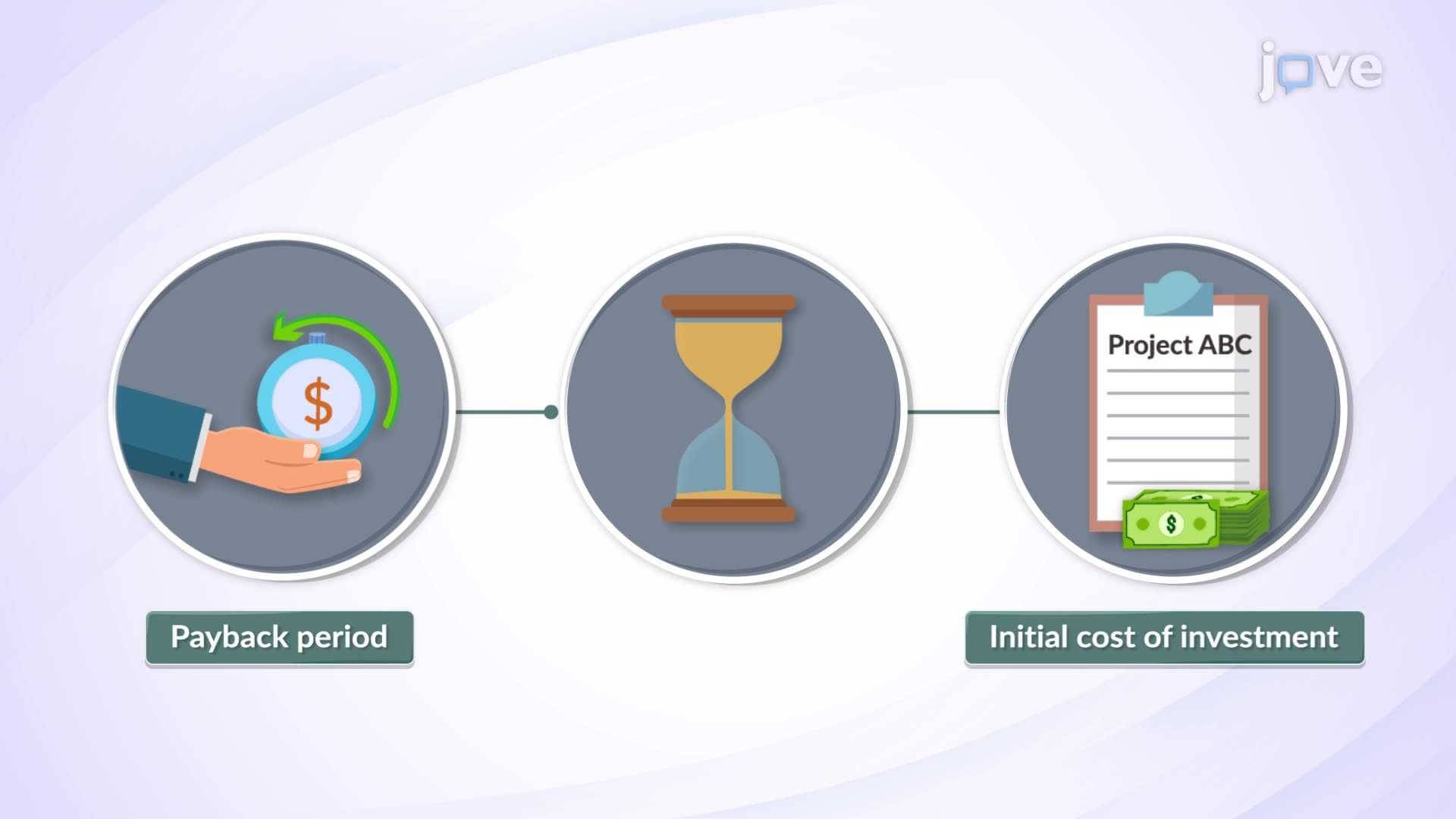
When Walmart executives evaluate new distribution center investments, they don't simply calculate how long it takes to recover the initial $150 million investment. They apply discounted payback period analysis-a sophisticated capital budgeting tool that accounts for the time value of money when determining project breakeven points.
How Discounted Payback Period Transforms Investment Analysis
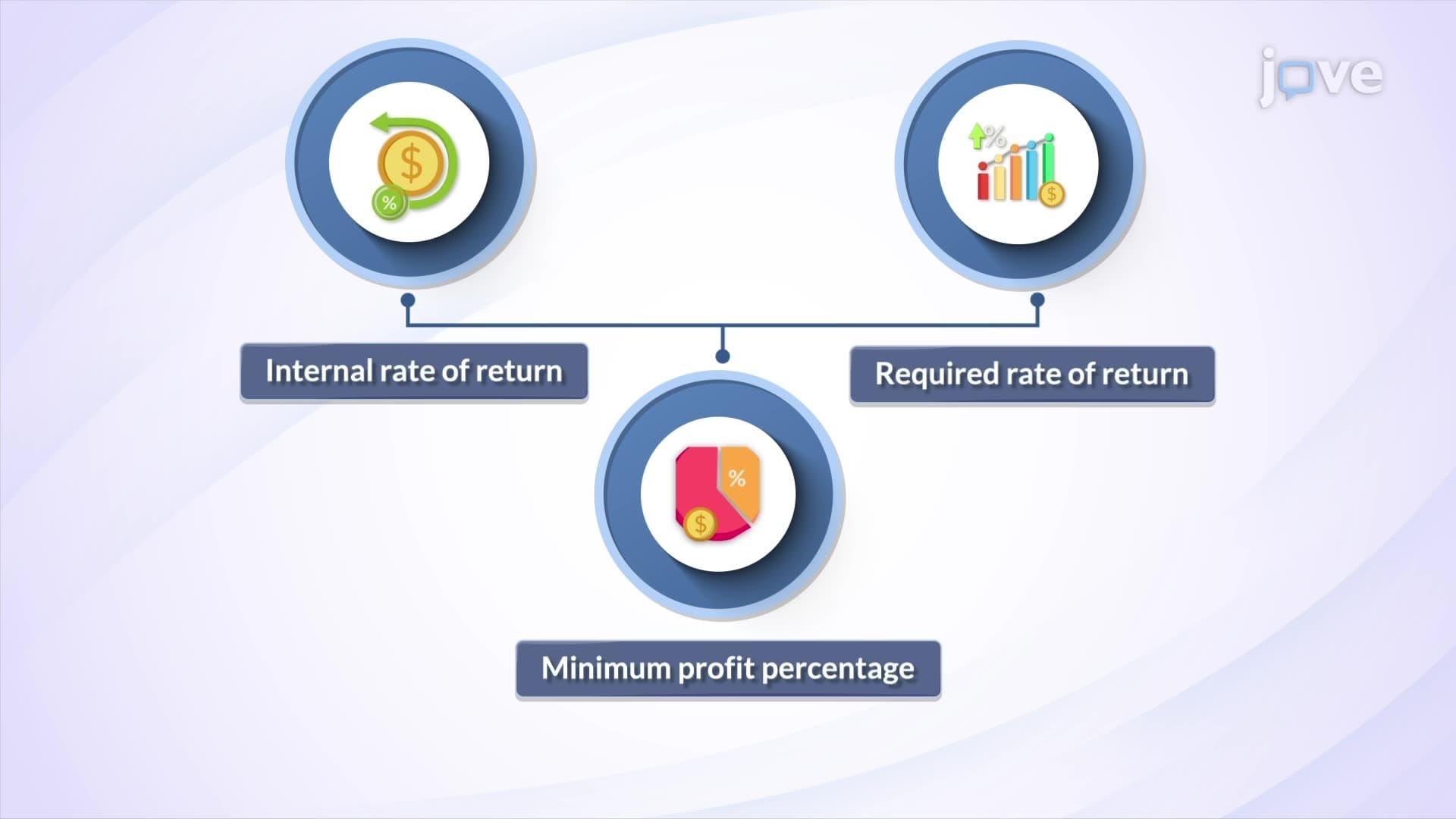
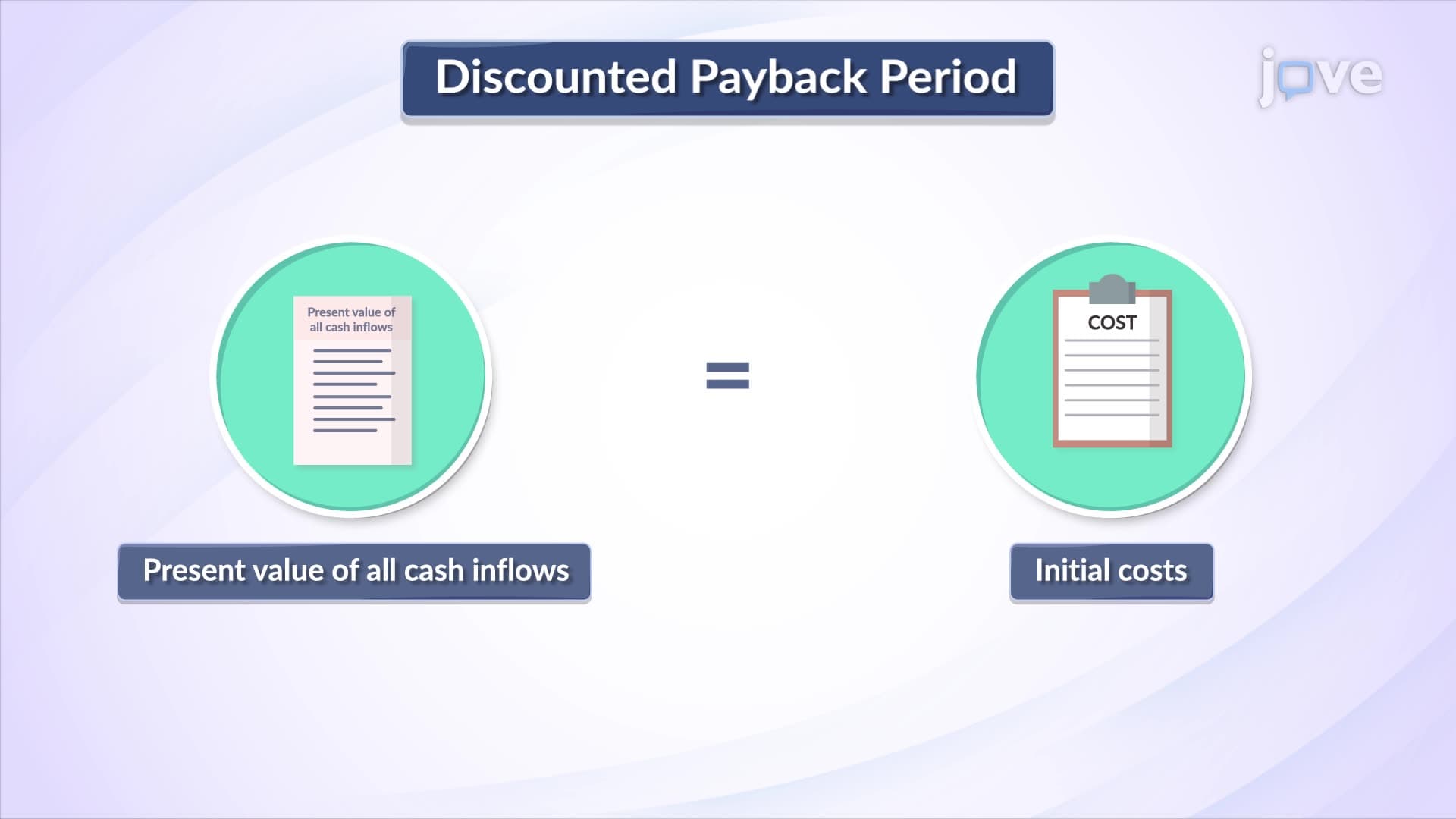
The discounted payback period method addresses a critical flaw in traditional payback calculations: the assumption that a dollar received today equals a dollar received five years from now. In reality, money loses value over time due to inflation, opportunity costs, and risk factors. This method discounts future cash flows back to present value using the company's weighted average cost of capital (WACC) or required rate of return.
Consider Microsoft's decision to invest in Azure infrastructure. Traditional payback analysis might show the investment recovering in four years based on nominal cash flows. However, discounted payback analysis reveals the true timeline by applying Microsoft's 8% cost of capital to future cash inflows, potentially extending the breakeven point to 4.8 years-a crucial difference for strategic planning.
Practical Implementation in Corporate Finance
Finance teams at Fortune 500 companies routinely apply this methodology when evaluating major capital expenditures. The calculation process involves discounting each year's projected cash inflow using the formula: Present Value = Future Cash Flow ÷ (1 + discount rate)^year. These discounted values accumulate until they equal the initial investment, establishing the discounted payback period.
Strategic Implications for Business Leaders
The discounted payback period provides executives with risk-adjusted investment timelines essential for competitive positioning. Unlike net present value (NPV) calculations that show total project value, this metric specifically addresses liquidity concerns and investment recovery speed-critical factors during economic uncertainty or when managing cash flow constraints.
Boeing's 787 Dreamliner development illustrates this principle. The program's $32 billion development cost required careful discounted payback analysis to ensure adequate returns within Boeing's strategic planning horizon, considering the aerospace industry's long development cycles and substantial capital requirements.
Frequently Asked Questions
Discounted payback period calculates the time needed to recover an initial investment using present value of future cash flows, while regular payback period uses nominal cash flow amounts. This difference becomes significant for long-term projects where inflation and opportunity costs substantially impact returns. The discounted method provides more accurate investment recovery timelines for strategic decision-making.
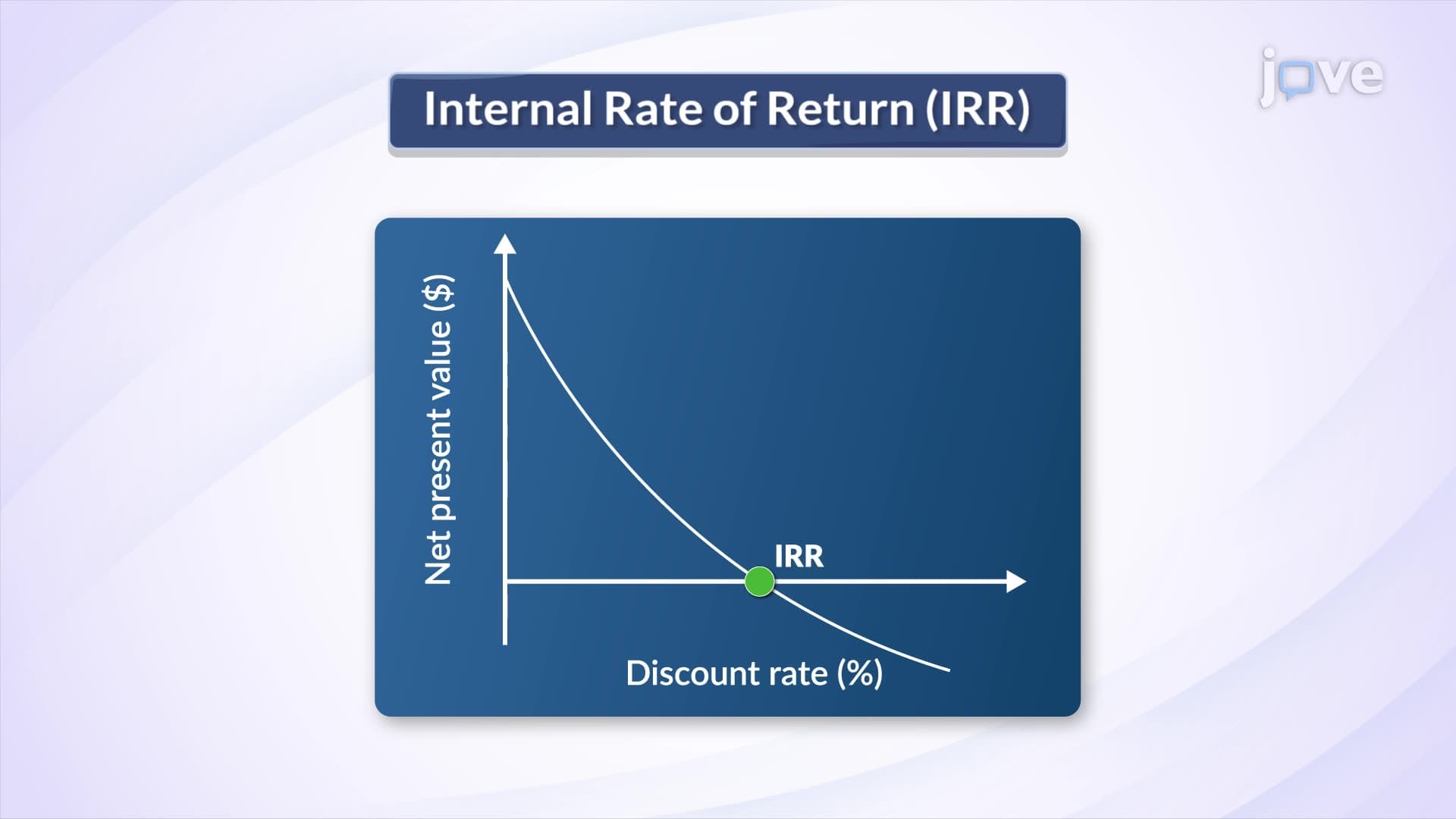
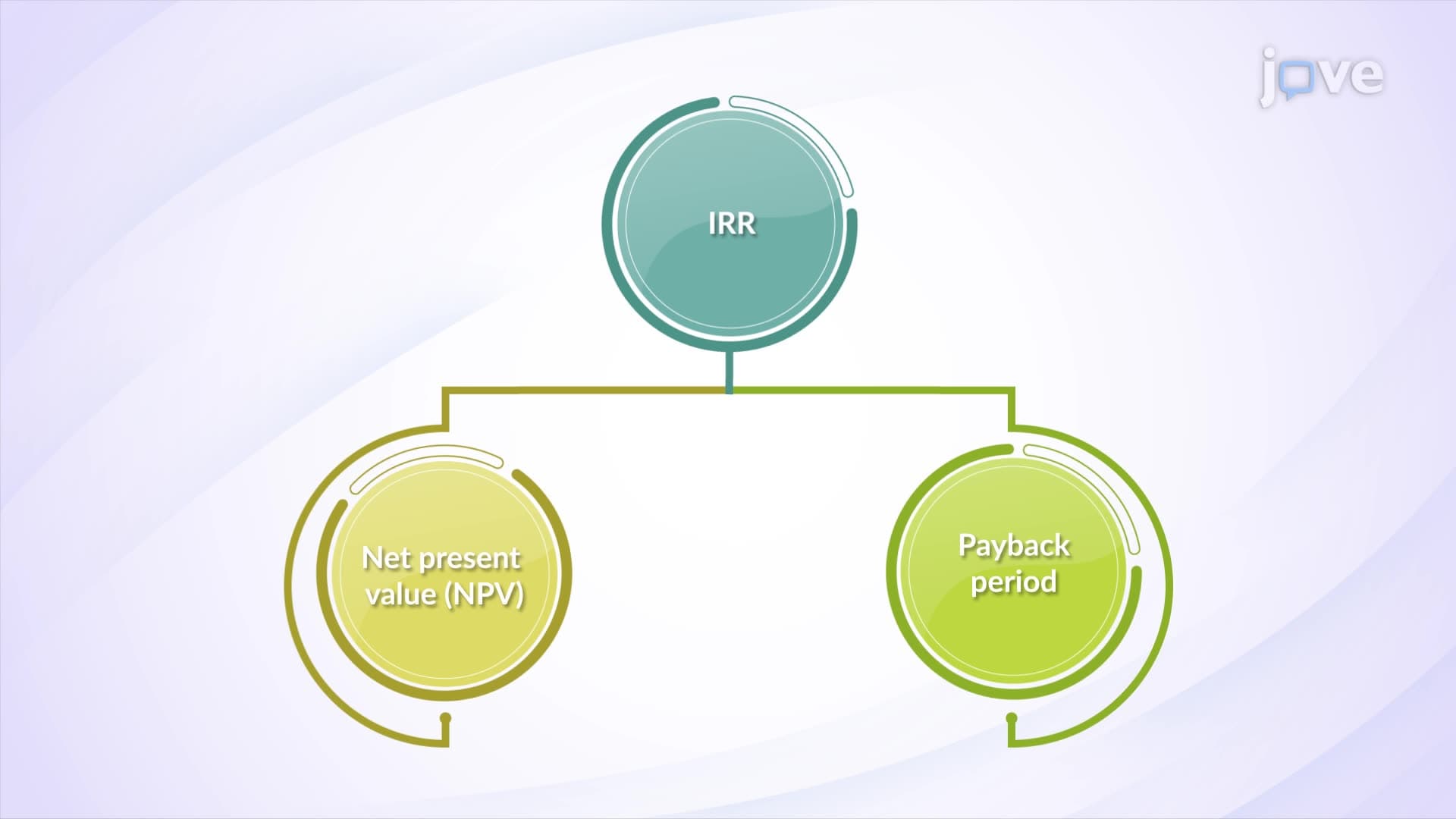
Apply this method when evaluating capital expenditures exceeding $100,000, multi-year technology implementations, or strategic acquisitions where cash flow timing matters. It's particularly valuable during budget planning meetings, investment committee presentations, and when comparing projects with different risk profiles. Use it alongside NPV and IRR for comprehensive project evaluation.
Focus on business impact rather than technical calculations when presenting to C-suite leaders. Emphasize how the analysis protects against overoptimistic projections and provides realistic investment recovery timelines. Compare results with industry benchmarks and highlight how the time value adjustment affects competitive positioning and resource allocation decisions.
Tesla's Gigafactory investments demonstrate discounted payback period analysis in practice. With initial investments exceeding $5 billion per facility and projected returns spanning 8-10 years, Tesla's finance team applies discount rates reflecting battery technology risks and market competition. This analysis helps determine optimal facility locations and capacity planning while ensuring adequate returns for shareholders.
Basic familiarity with present value concepts and spreadsheet functions enables most business professionals to apply this method effectively. Understanding your company's cost of capital and cash flow forecasting provides the foundation needed. Many finance teams provide templates and support for department managers conducting capital expenditure analysis.
Demonstrating sophisticated capital budgeting skills positions you for roles in strategic planning, corporate development, and general management. This analytical capability proves valuable during performance reviews, project leadership opportunities, and when transitioning to P&L responsibility. Finance-savvy leaders consistently advance faster in competitive business environments.
Develop expertise in net present value (NPV), internal rate of return (IRR), and return on invested capital (ROIC) for comprehensive investment analysis capabilities. These metrics work together to provide complete project evaluation frameworks essential for strategic business leadership roles.
Related Micro-courses

10 Concepts

36 Concepts

16 Concepts